
The opening of Selkirk’s first general hospital was in 1908 this marked a significant milestone in providing local access to medical care. In response to population growth and advancing medical needs the construction of larger modern hospitals happened in 1955, 1983, and 2017. Over the years the hospital expanded and evolved through successive rebuilds, location changes and modernizations.
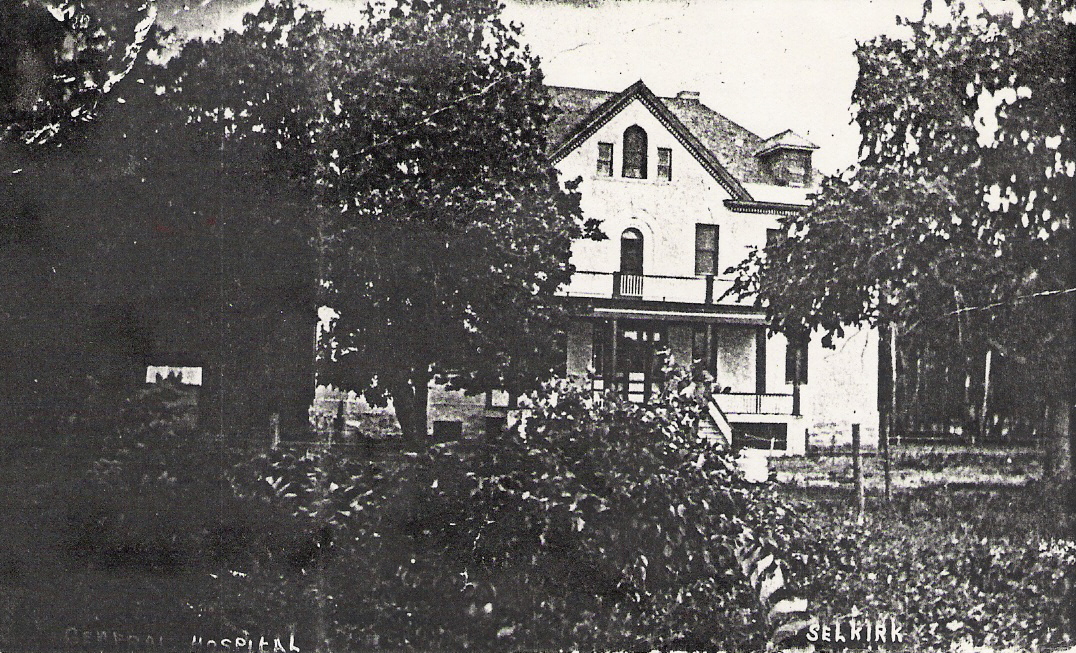
Selkirk’s First General Hospital
In 1906 the idea of a cottage hospital in Selkirk began to develop. Cottage hospitals were small, rural hospitals popular in England at the time. A hospital in Selkirk was advocated for by various people in local newspapers. And by how many people donated and volunteered for the hospital it is clear to see that many people in Selkirk were invested in this project. Although hospitals are by no means a modern idea, before this time anyone from Selkirk who needed hospital care instead of just having a doctor visit them needed to travel far. Finally, Selkirk had a large enough population that they could financially support a hospital.
In August 1906 the Hospital Board was formed, and they began planning the construction of the building. There were many people on the Board but perhaps the most generous was Captain Robinson who gave the largest donation to the Hospital from a single person. When the Selkirk General Hospital was built, he also donated a strip of land so that there was road access to the Hospital. He called this road Idell after his daughter, and it appears on the 1908 map.
In June 1907, the Selkirk Hospital Ladies Aid came into being. This group was instrumental in fundraising for the Hospital’s various needs. In the early 1900s the group organized yearly benefit balls. There was also frequently benefit hockey games to raise money for the Hospital.

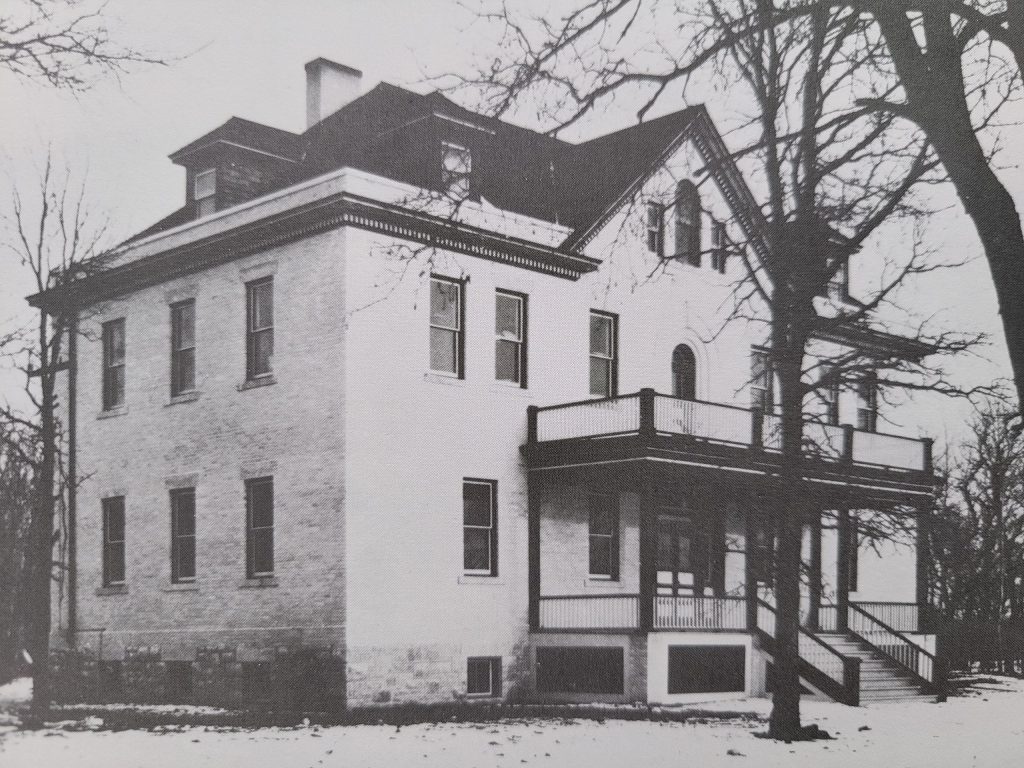
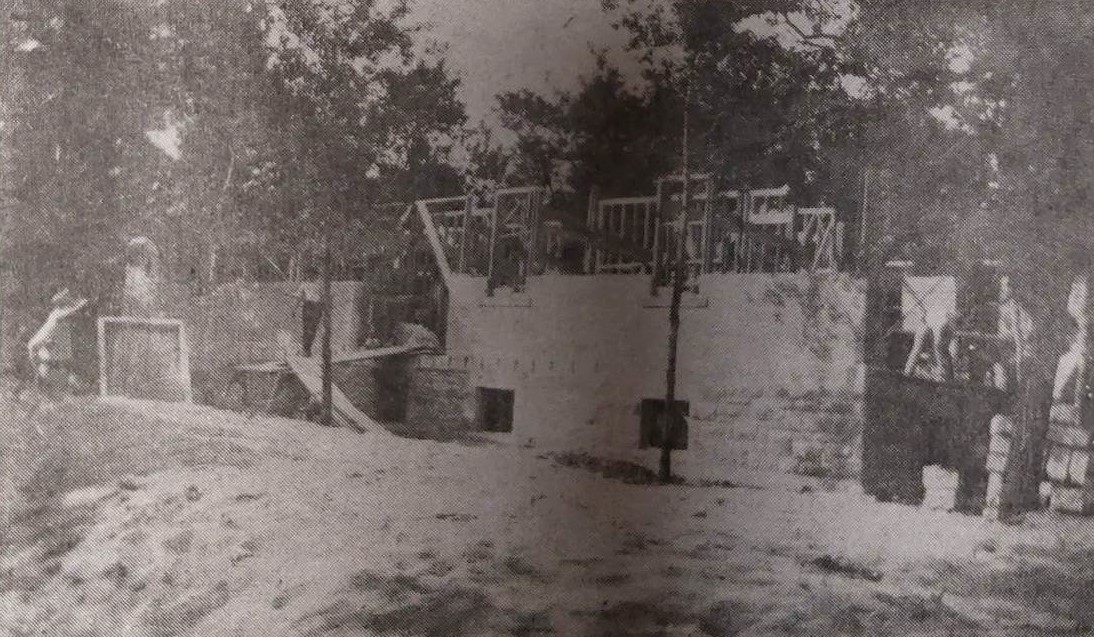
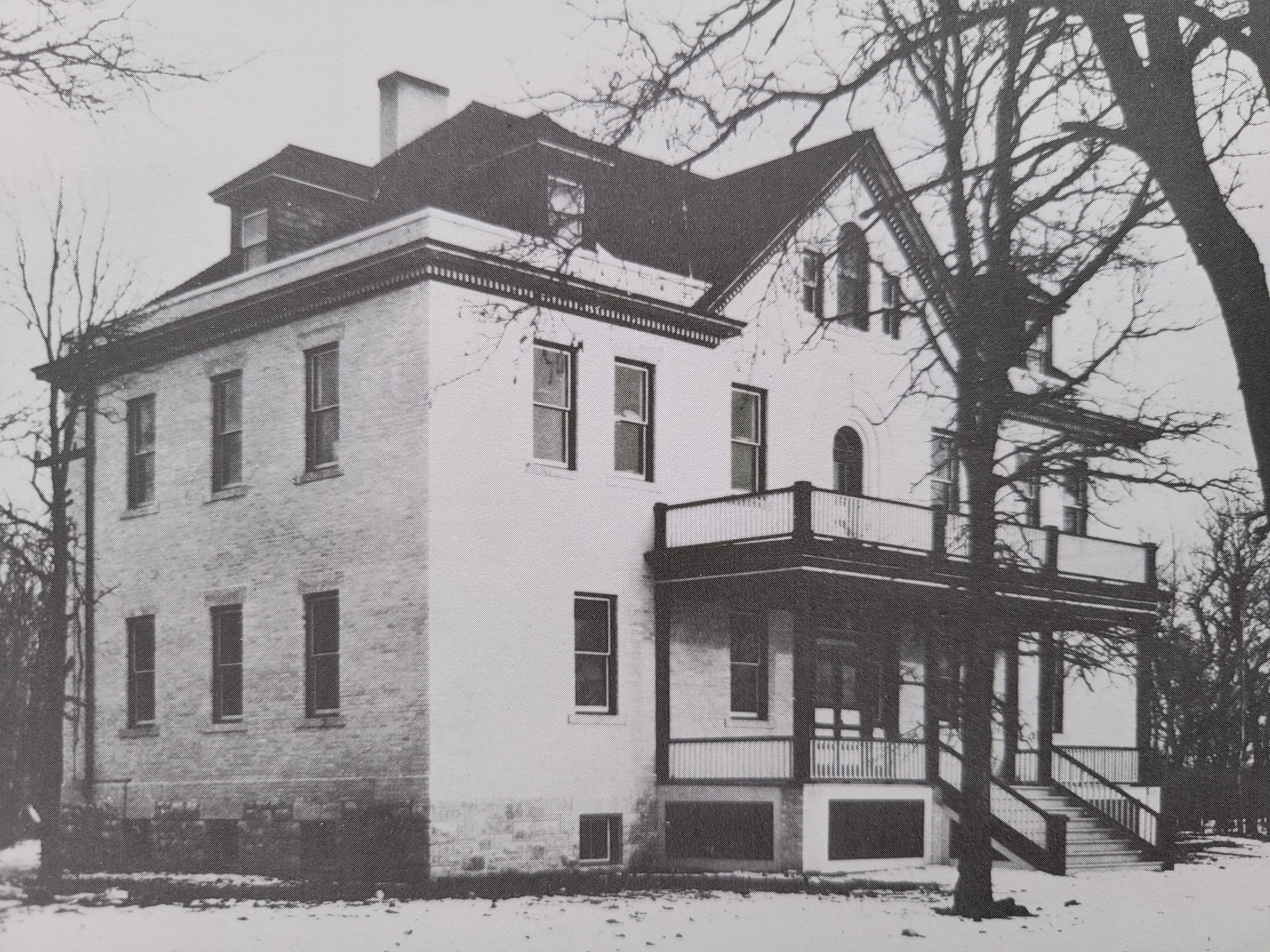
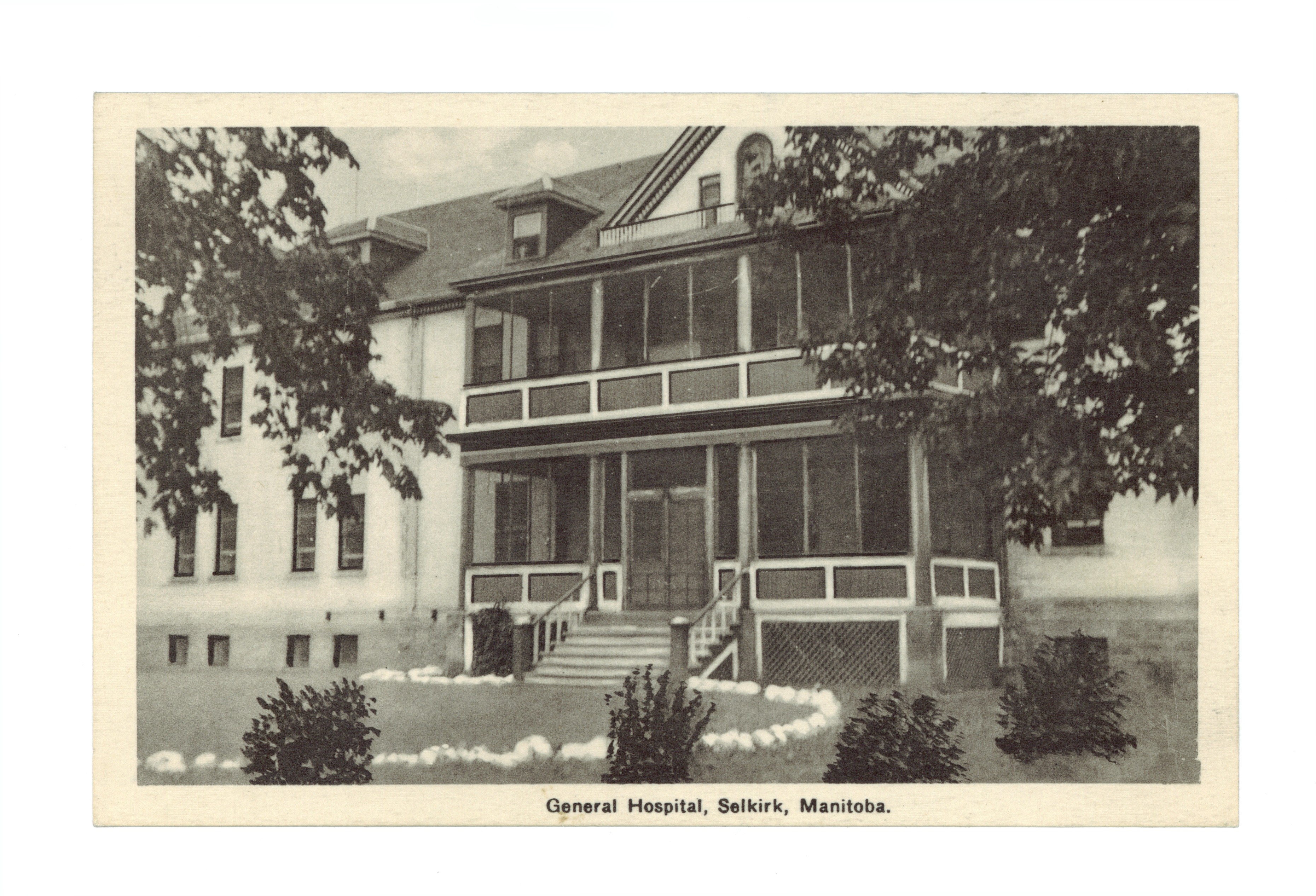
The property selected for the Hospital was on the south side of Eveline Street where it intersects with Idell Avenue. The location was perfect since it was far away enough from the town to ensure that patients could relax in the quiet surrounding and have a beautiful view of the river. The building was designed by Winnipeg architect William Fingland and built by Henry Bird of Selkirk, for about 14,000$. On January 7th, 1908, the East Selkirk limestone, three-story, Selkirk General Hospital was officially opened. About 250 residents attended the opening, bringing with them more donations of food, money, and furnishings.
The first matron was Miss Ada J. Ross. Mrs. Holt was the cook, and Mr. George Lea the orderly.
The hospital had two women’s semi-private wards, furnished by the residents of Cloverdale and St. Andrews Society. There were four private wards, which were furnished by the Masons, the Odd Fellows, and Goodwin Watson of Lockport. And finally, a women’s public ward containing six beds, was furnished by people from Clandeboye, Kepiegun, Dunara, the Icelandic people of Selkirk, and H.S. Westbrook. F.H. Clarke donated 100 of his photographs to the Hospital, which would sell them for 25 cents each to raise money for surgical equipment.
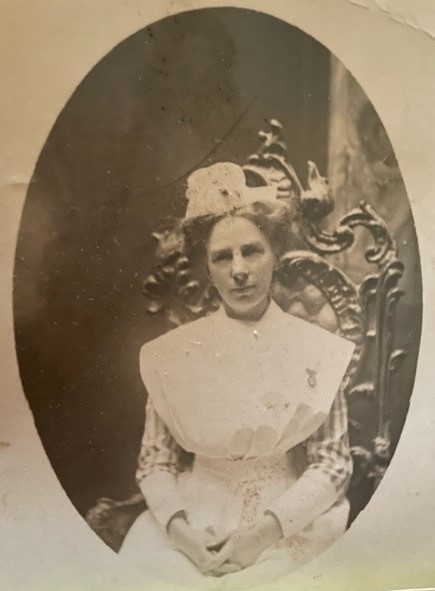
The new hospital not only provided medical care, it also trained new nurses. In 1913, the first three nurses graduated from the Selkirk General Hospital. They were Miss Vidal, Miss McNally and Miss Johnstone. In the 1930s, the Hospital officially became a training school for nurses.
The Hospital was overcrowded by 1927, so they had to open two new rooms to patients on the third floor. An official addition was built in the 1930s. At this time a Junior Hospital Aid was also started, giving youth a way to support and volunteer in their community.

Health services in Selkirk underwent remarkable changes after the Second World War. In 1948 a local diagnostic unit was set up and X-ray facilities were purchased. This vastly improved early detection of tuberculosis.
In 1952 the Selkirk General Hospital became the official centre of the General Hospital District No. 31 serving the rural municipalities of St. Andrews and St. Clements, in addition to Selkirk.

Second General Hospital
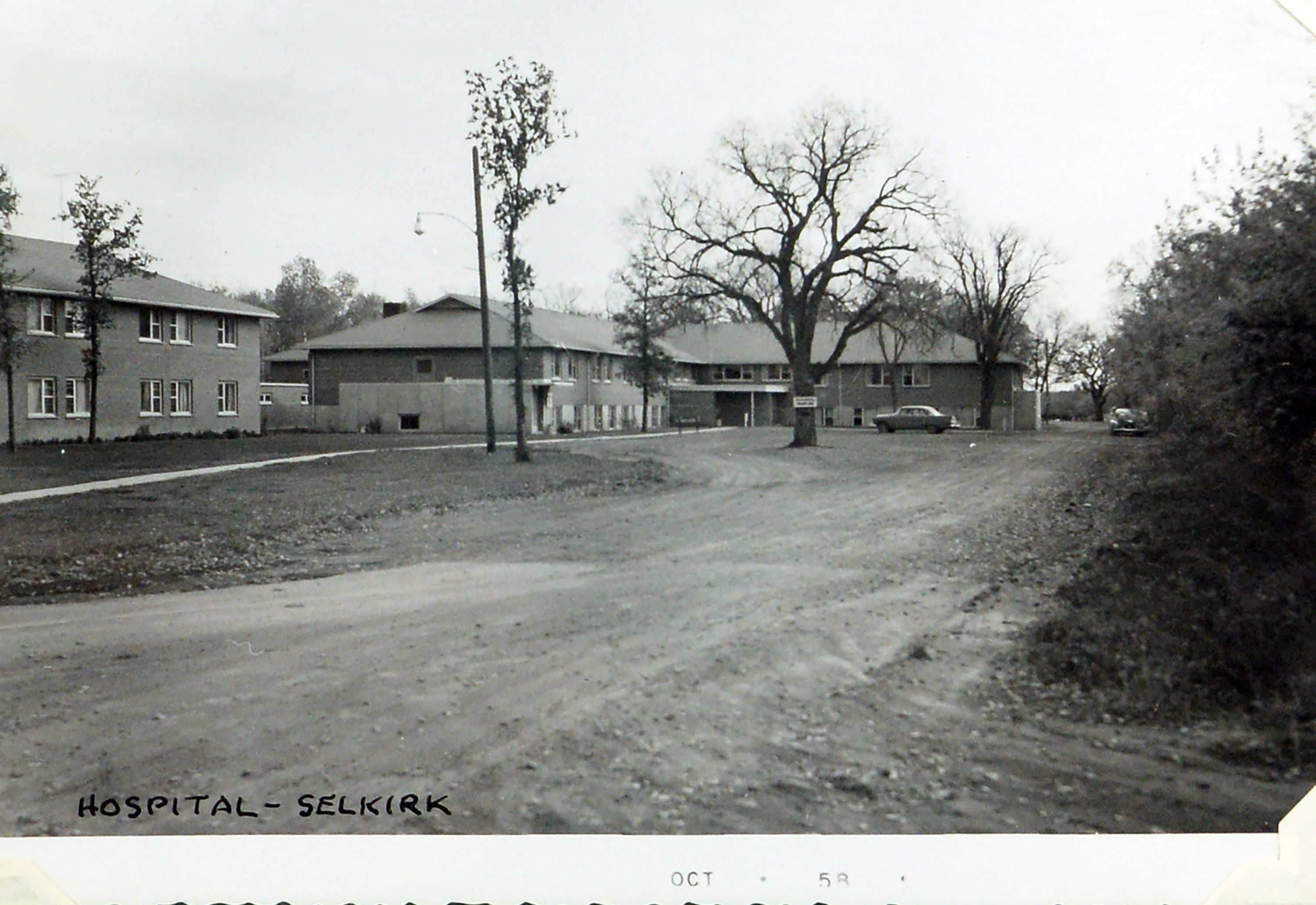
On February 3rd, 1955, a new half a million-dollar General Hospital with 65 beds, opened and replaced the old 48 bed hospital. The new hospital was located on Eveline Street and Manchester Avenue, not far from the old hospital. The new building was financed through federal, provincial, and municipal grants.
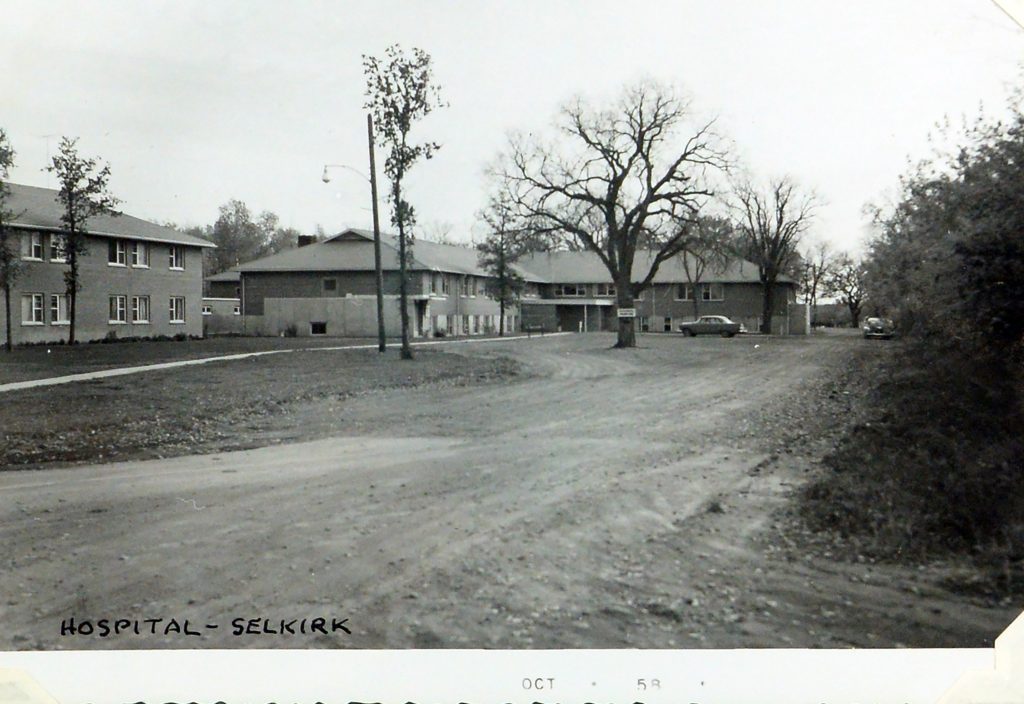
All the wards were on the upper story of the split-level building and decorated in soft pastel shades. The nursery contained 14 bassinettes and there were 4 beds in the pediatric ward. The main operating room had all the newest equipment in stainless steel. A smaller room served as an emergency operating room.
Downstairs was the kitchen, nurses dining room, domestic staff dining room and living quarters, and laundry. The Selkirk Health Unit occupied an entire wing. The nurses’ two-story residence was connected to the hospital by a corridor running parallel with the main building.

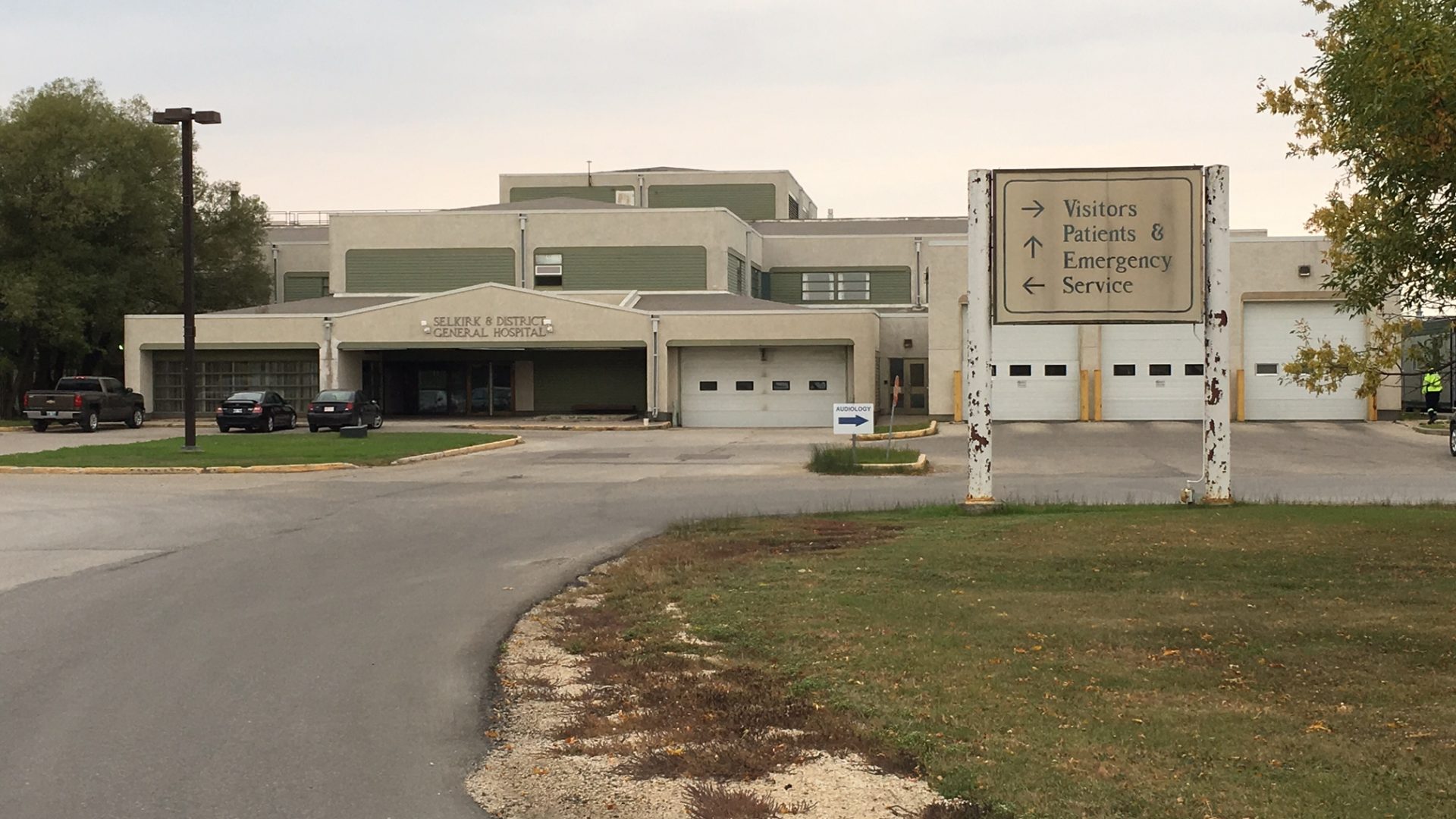
Selkirk & District General Hospital
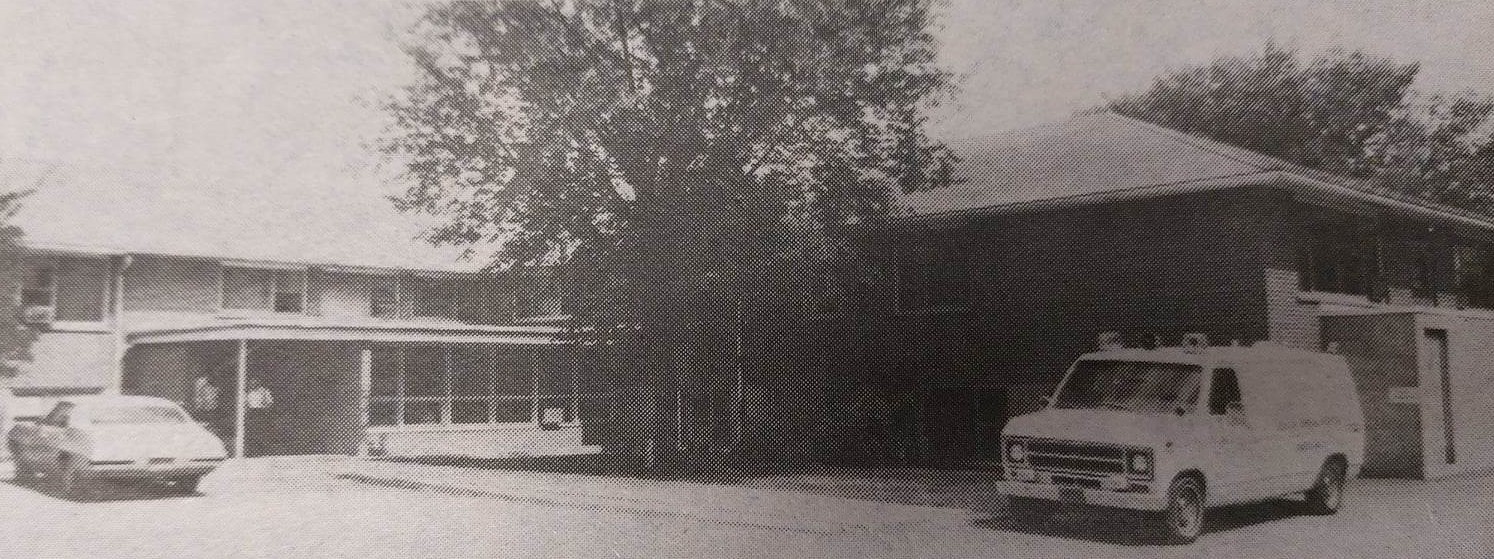
In 1983 the Hospital moved to a new location adjacent to the Selkirk Mental Health Center. With approximately 160 invited guests present, the blue ribbon, held by Dr. W.l. Easton and Joe Smolinski (chairman of the Hospital Board) was cut by the Premier of Manitoba, Howard Pawley, at the official opening of the Selkirk & District General Hospital. The goal of building a hospital in 20 months for 10.3 million dollars had been achieved.
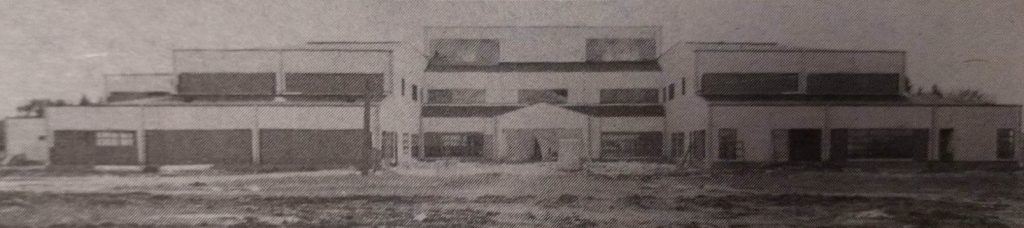
The acute care hospital had 75 beds on the second floor, including 42 rooms, each with a bathroom. Broken down this is 30 medical beds, 17 surgical beds, 15 obstetrical beds, nine pediatric beds, and four intensive care beds. There were nine Nursing Stations, and three operating theaters. The recovery room had an eight-patient capacity, while the labor room has two-patient capacity. There was a Chapel, and playroom for pediatric patients.
On the main floor of the hospital were the Administration offices, the Board Room, information desk, gift shops, ambulance bay and reception, emergency department, an observation unit with capacity for eight patients, the Lab & X-Ray department, the pharmacy department, housekeeping, cafeteria, supply rooms, physiotherapy, occupational therapy, dialysis unit, and medical records.

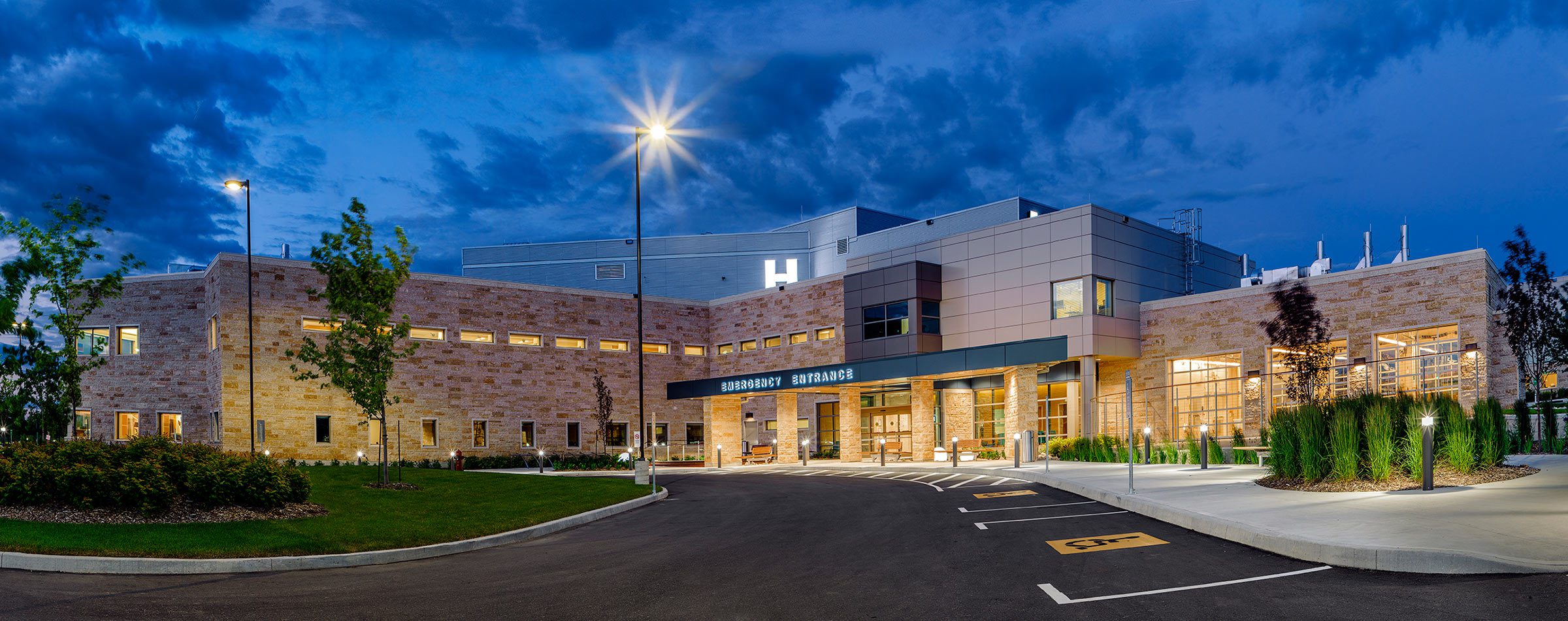
Selkirk Regional Health Centre
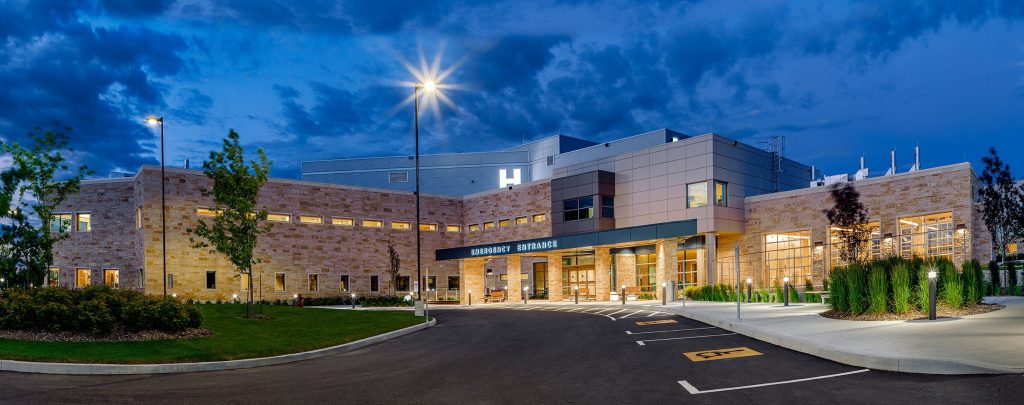
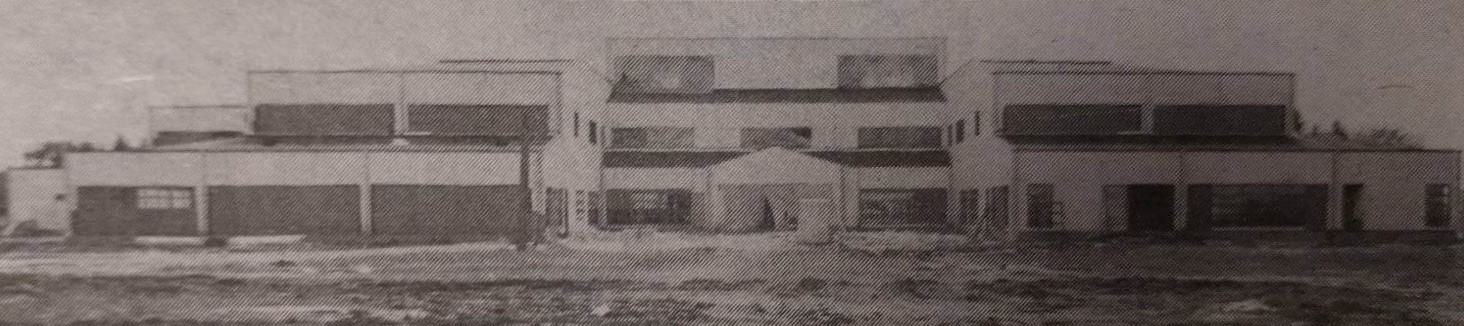
In 2017 the Selkirk Regional Health Centre, located at 120 Easton Drive, replaced the Selkirk & District General Hospital. The Health Centre is twice as big as its predecessor and has 12 additional beds. Construction began in 2014, costing 111$ million dollars. It was the first hospital in the area to have an MRI machine.
The following people were elected to the Hospital Board in August 1906:
- Mr. J. Grisdale (Dominion Bank, Selkirk) – chairman
- Capt. W. Robinson
- F. Heap
- R. C. Moody
- J. A. Simpson
- F. W. Hooker
- L. S. Vaughan
- F. A. Gemmel
- W. Overton
- E. Comber
- J. E. Mailhot
- R. H. Gilhuly
- Rev. N.S. Thorlakson
- R. Smith
- C. Finkleman
- W. W. Fryer
- Thos. Muir
- R. Bullock
- Dr. Grain
- W. S. Young
- A. D. Ferguson
- Dr. D. G. Ross
- J. Grisdalem
- D. F. Reid
- W. H. G. Gibbs
- H. W. Newton
- Mayor McKenzie of Selkirk
- The Reeves of St. Clements, Brokenhead, and Gimli municipalities, M. O’Donhue, M. M. P. and S. Jackson
The following officers were elected to the Selkirk Hospital Ladies Aid in June 1907:
- Lady Schultz
- Mrs. D.F. Reid; President
- Mrs. W. Robinson: Honorary President
- Mrs. R. Bullock; Vice President
- Mrs. J.W. Simpson; 2nd Vice President
- Mrs. J.H. Montgomery; Secretary
- Mrs. TH. Brown; Treasurer
- Mrs. C. Horowitz
- Mrs. W. Overton & Mrs. R.W. Stewart; Buying Committee
The Hospitals of Selkirk Collection
Click on images to enlarge
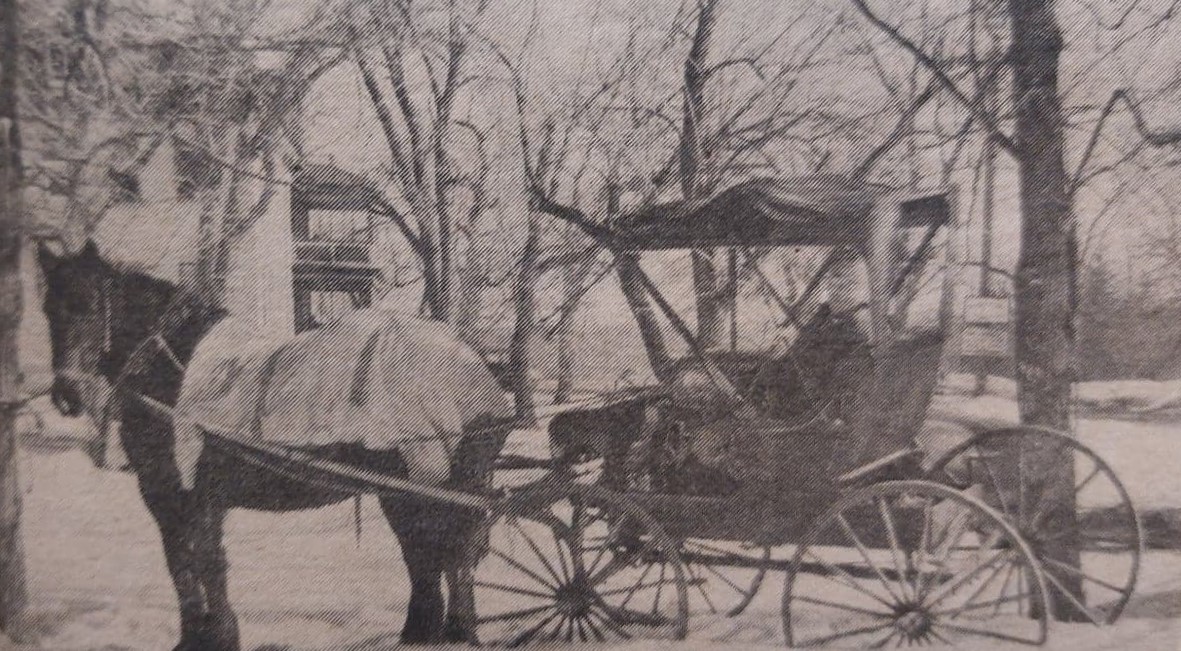
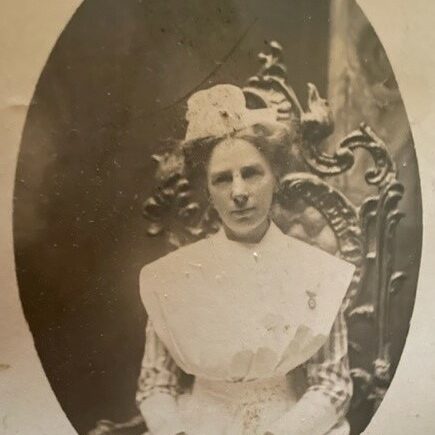 Miss Ada Janet Ross, c1900s, Joen Hadfield
Sources
Selkirk Weekly Record, Apr 21, 1927, p. 1
Selkirk Weekly Record, May 12, 1927, p. 1
Historic Sites of Manitoba: Selkirk General Hospital (133 Manchester Avenue, Selkirk)
New Selkirk Regional Health Centre to House Region’s First MRI Machine | ChrisD.ca
Potyondi, Barry. “Selkirk the First Hundred Years,” 1982.
MacKay, Elsie. “Selkirk’s 75th Anniversary,” 1957.