Before 1853, all colonial mail delivered in Manitoba was orchestrated by the Hudson Bay Company. The HBC called this delivery system packet mail runs. This is because the boats and dogsleds who delivered the mail carried packets. A packet was a package with instructions, correspondence, news, and other documents. These documents were very important to settler communities and trading posts because they contained significant business and government documents and procedures. The packets and mail came from Europe, mostly England, and occasionally Eastern Canada.
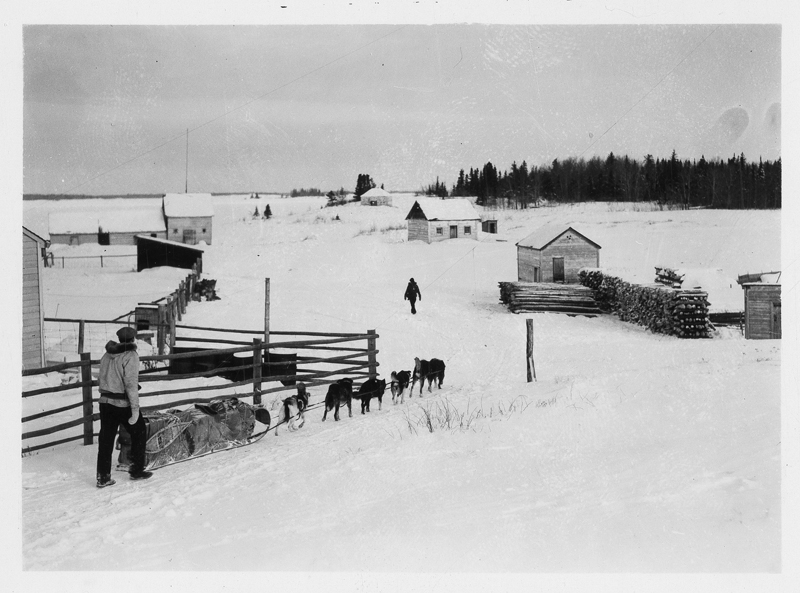
The packets would be sent on a large HBC boat to Hudson Bay. In the summer the mail would be transported from this large boat by smaller York boats down the Nelson River, through Lake Winnipeg and down the Red River. As soon as snow had fallen the packets would be transported through Manitoba by dog sled. This practise would continue in the spring until the snow melted.
In 1853, HBC continued to organize mail deliveries from Europe and Canada, additionally, mail from the United States started being delivered to Manitoba. By 1862 mail from the U.S. was being delivered to Fort Garry (Winnipeg) weekly. But in the winter the frequency of the United States mail would slow down and was delivered all by dog sled.
By the 1880s there were a few HBC packet routes that delivered in Manitoba using dog sleds. The most frequent route, called the Northern Packet Mail Run, started (or ended) at York Factory and went down to Norway House. At Norway House a different sled team would take the packets through Selkirk and deliver them to Lower Fort Garry. At the Fort a new musher and team would start back to Norway House. By the 1920s a train could reach a lot of the route, and where a train couldn’t reach, a dog team or horse and sleigh would meet the train and bring the mail the rest of the way.
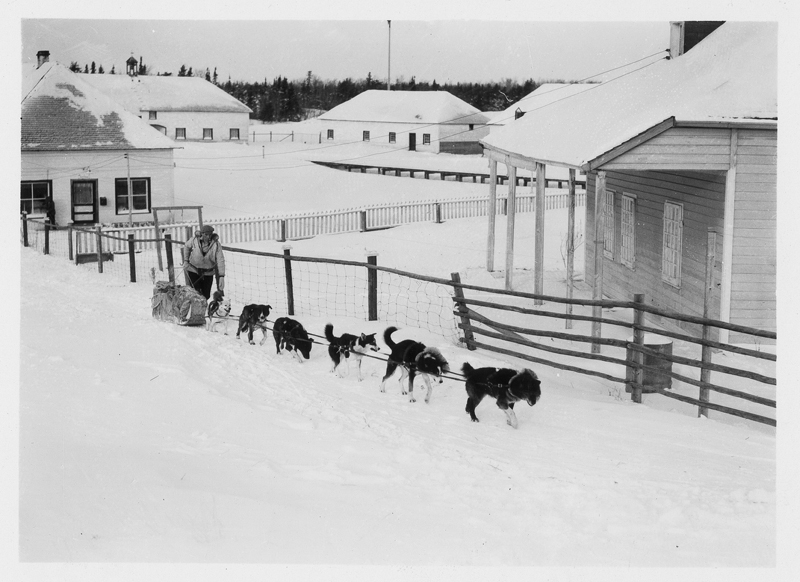
Another route traveled through small communities in Northern Manitoba and Nunavut and brought mail to or from York Factory. The final route went from Norway House to Saskatchewan.
All these different routes meant that documents could be sent to or from many parts of Canada. But the routes took weeks to complete and depended on other moving parts. The mushers didn’t always arrive before another team headed out so sometimes the mail would sit for a while until the next time the packet mail run was completed.
Re-creation of the Northern Packet Mail Run
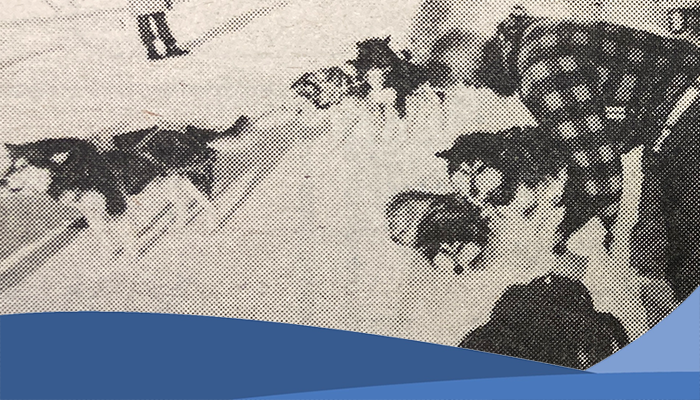
In the winter of 1981-1982 a group of four men, John Pattimore, Bob Hodgson, Don McDougal, and Mike Boyle, each with their own dog team, reenacted the southern half of the Northern Packet Mail Run. Their reenactment of the route corresponded with the centennial of Selkirk.
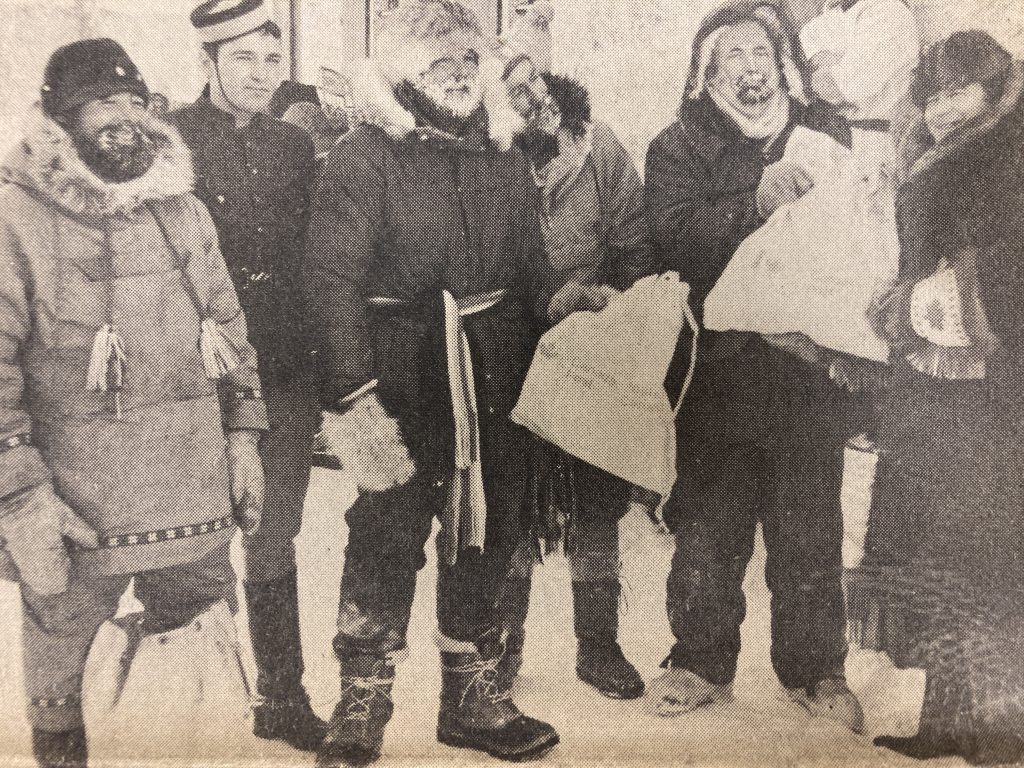
The four mushers, their dogs, sleds, and supplies were flown up to Norway House. The teams were made official mail carriers for the duration of their trip, and did carry and deliver commemorative mail along the route. Each man also carried all his personal supplies on his own sled in case they got separated. This happened frequently since all the dog teams had different paces. The teams left Norway House on December 27th, 1981. To keep their voyage like the mail carriers from the 1880s they slept and ate outside.
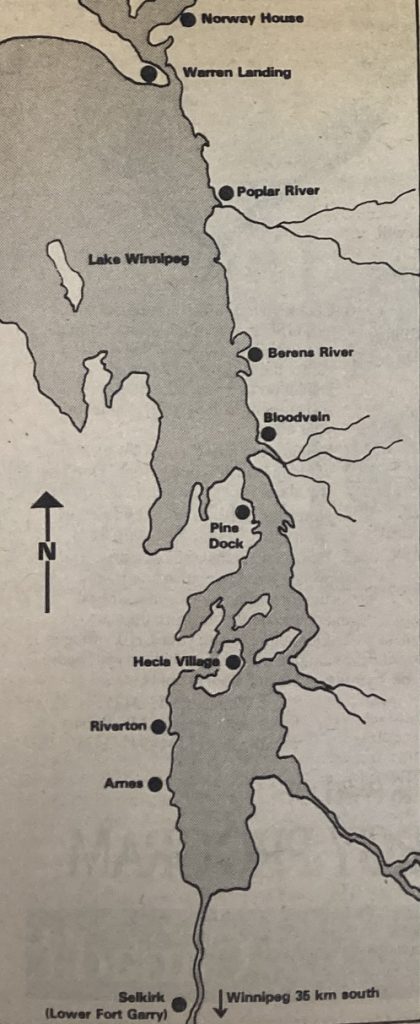
They had planned for the trip to take 10 days. They would stop each night at the places marked on the map. They planned for one rest day at Hecla. On their longest day the teams covered 110 kilometres. In the end the route took 13 days to complete.
While the mushers and their teams were all experienced, they encountered extreme weather. When they left Hecla, the weather was so bad that they had to turn back and stay longer at Hecla than anticipated.
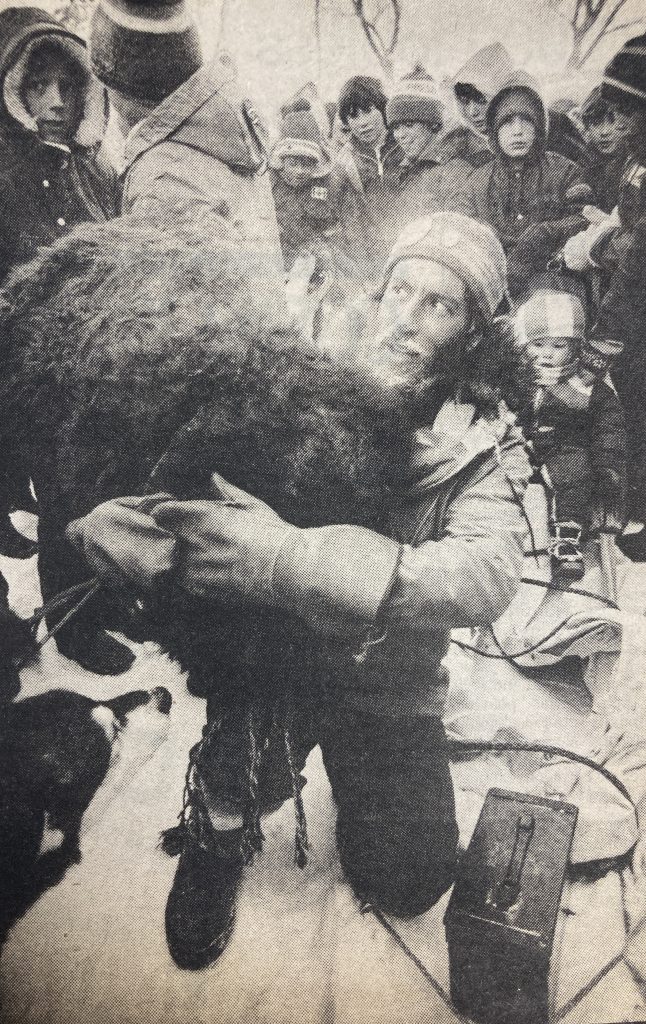
John and Mike decided to stop the journey at Hecla. Don and Bob continued a few more days and then stopped just north of Arnes. From Arnes to just north of Selkirk, two new mushers, John Denoon and Don Bilsky, with their fresh dog teams, relayed the mail.
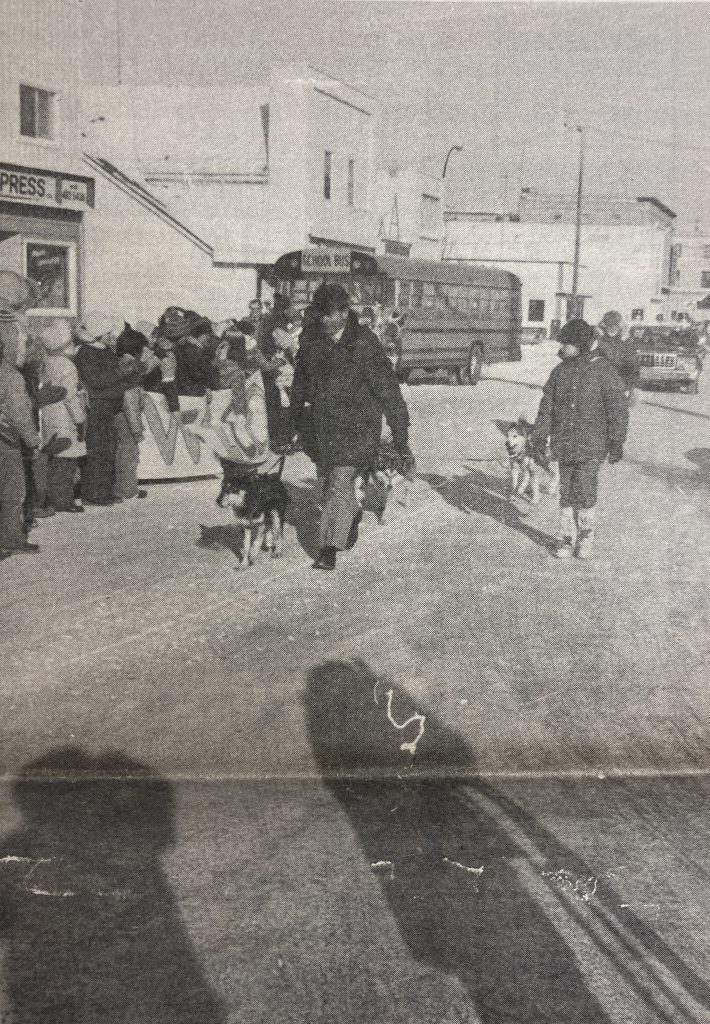
The original mushers and dog teams picked up the mail and traveled through Selkirk, where they stopped to greet the crowd. Mayor Bill Shead made the four mushers honorary citizens of Selkirk. Finally, John, Mike, Don and Bob traveled by dog sled to Lower Fort Garry to end the route. The mail arrived at the Fort on January 8th.
Sources
Selkirk Enterprise and Lake Centre News, January 13, 1982
Steinbach Carillon, Dec 23, 1981, p. 2 | NewspaperArchive
Steinbach Carillon, Jan 13, 1982, p. 2 | NewspaperArchive
Stonewall Argus And Teulon Times, Jul 8, 1981, p. 9 (newspaperarchive.com)
Swan River Star, Jul 7, 1921, p. 11 | NewspaperArchive
The Regional News, January 12, 1982
Winnipeg Free Press, Jan 8, 1982, p. 4 | NewspaperArchive
Winnipeg Free Press, Jan 9, 1982, p. 5 | NewspaperArchive
The Winnipeg Sun, 1981 and 1982