
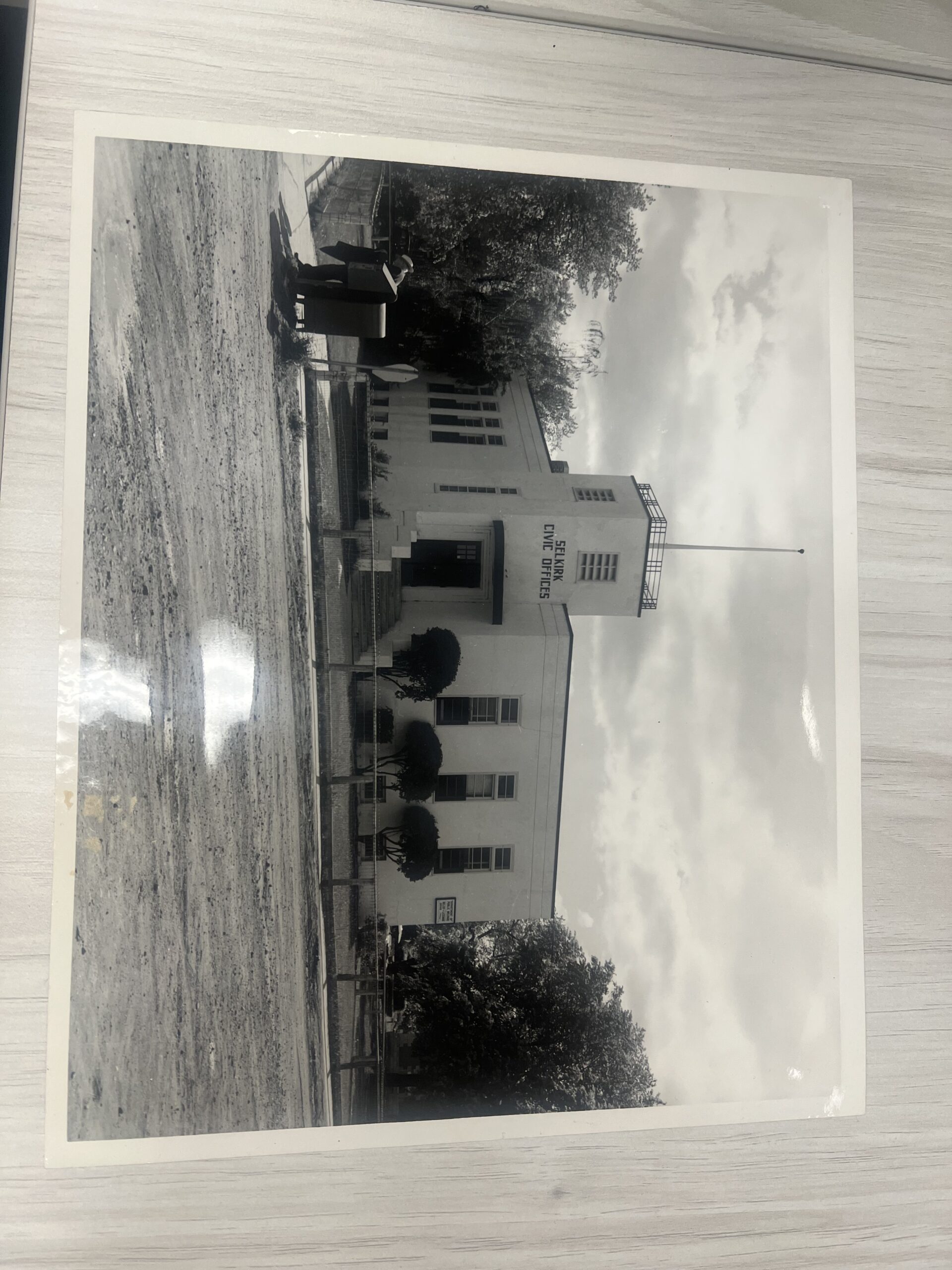
Selkirk’s early municipal services began in a modest log-house before moving to a repurposed schoolhouse. Other services were scattered across different locations in the community. Eventually, these services amalgamated in a purpose-built civic office, which was later repaired, renovated, and expanded multiple times. The civic centre also housed key services such as the Selkirk Fire Department, the Selkirk Library, and the Police Department.
Humble Beginnings – 1870-1940
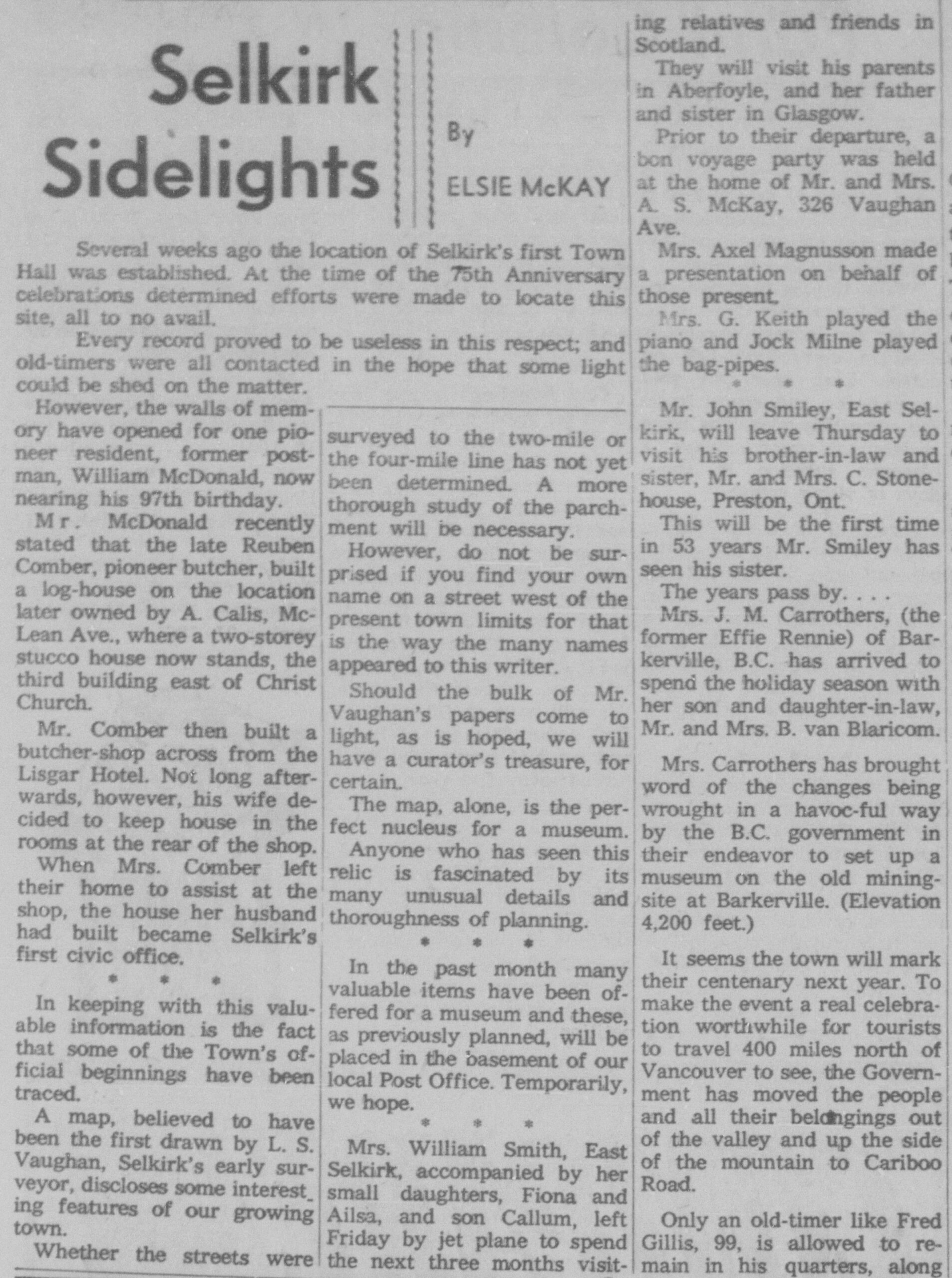
In the 1870s, Selkirk’s first unofficial town hall was located in a modest one-storey log house at 219 McLean Avenue. The building also served as a registry office and police court, but Council Chambers was located on Manitoba Avenue.
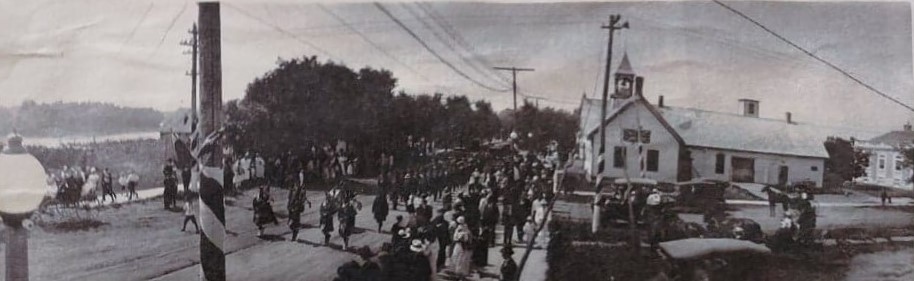
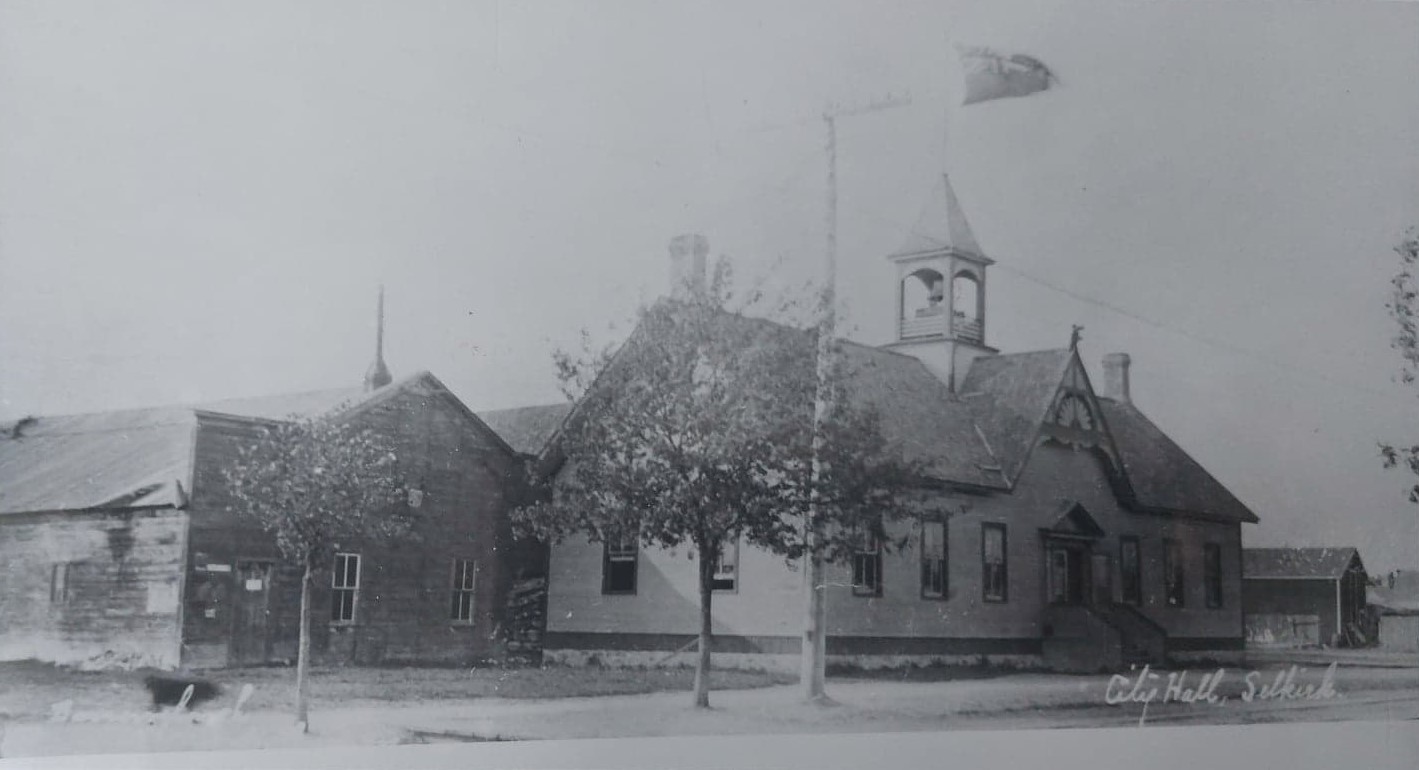
After the town was incorporated in 1882, council chambers moved from its location on Manitoba Avenue to the repurposed, white schoolhouse located on the corner of Eaton Avenue and Eveline Street. The very first council meeting took place here, perhaps foretelling the future location of council meetings. Additional civic services were held in other locations, such as the county court which was held at Mayor Frederick William Colcleugh’s Hall on Eveline Street.
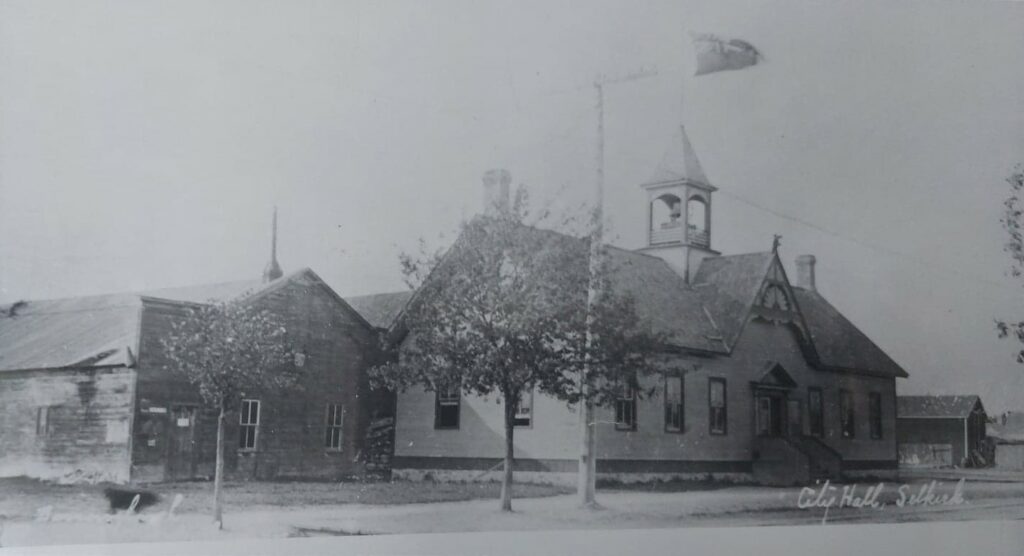
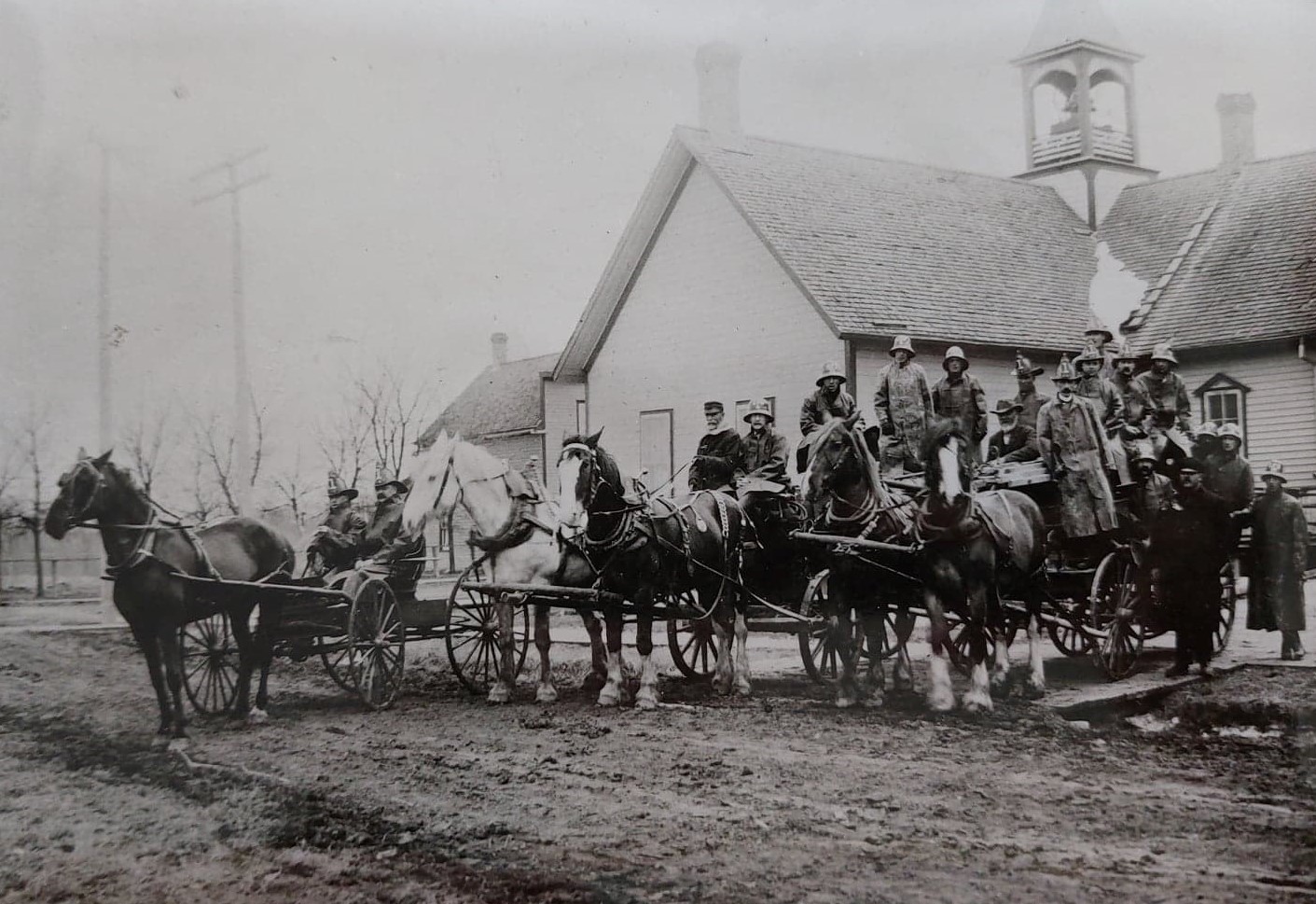
Town hall was held at Central School after it was built in 1896. With the students relocated there, the schoolhouse building became home to the Selkirk Police Court and jail, and subsequently in 1900, the Selkirk Fire Department. The Selkirk Fire Department remained at the town hall building until 1928 when it moved to the corner of Main Street and Dufferin Avenue.
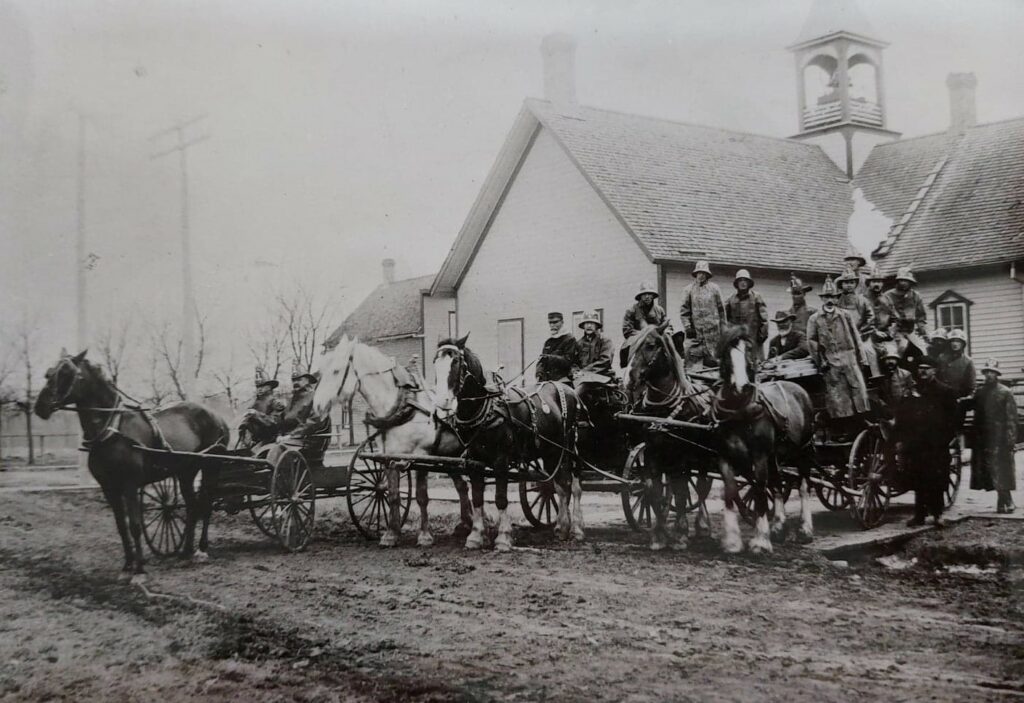
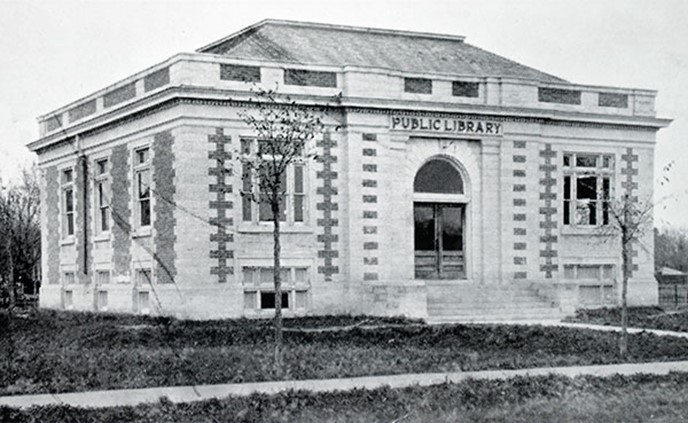
The east side of the building was partially destroyed by fire sometime between 1906 and 1919, and municipal services moved temporarily to the Selkirk Library while the building was repaired.
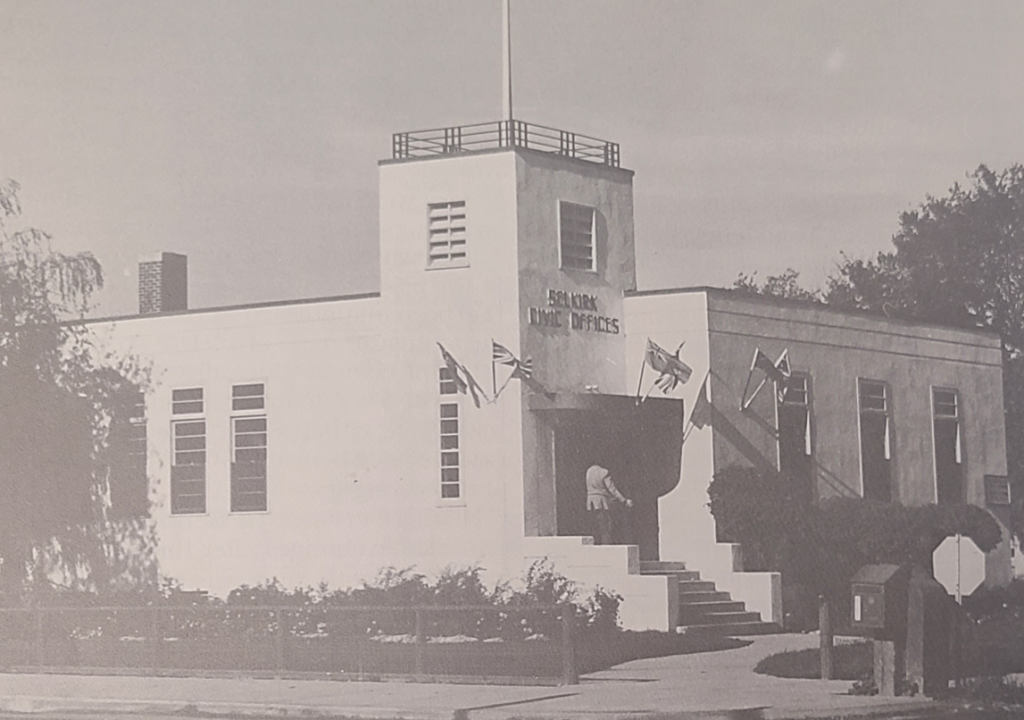
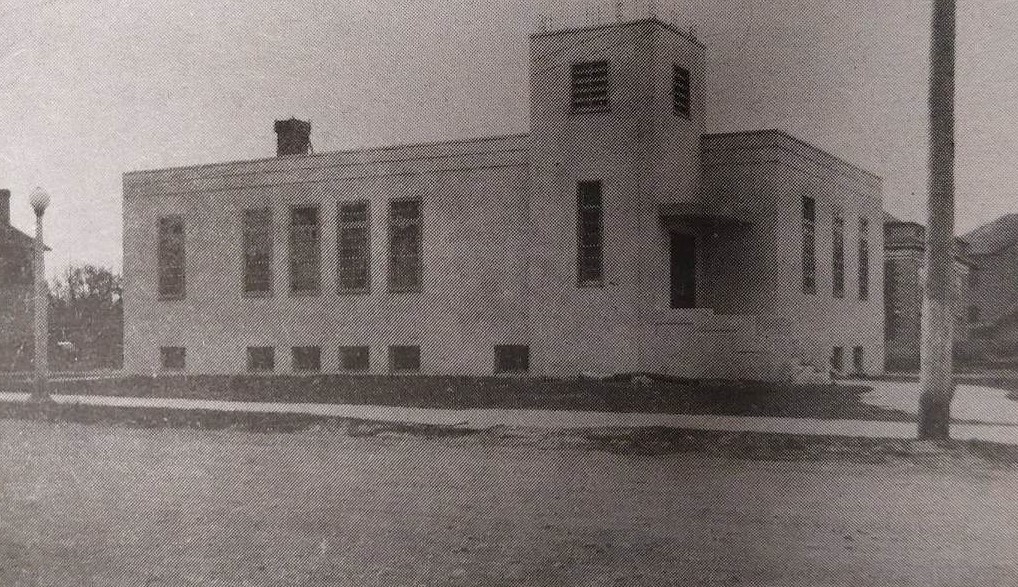
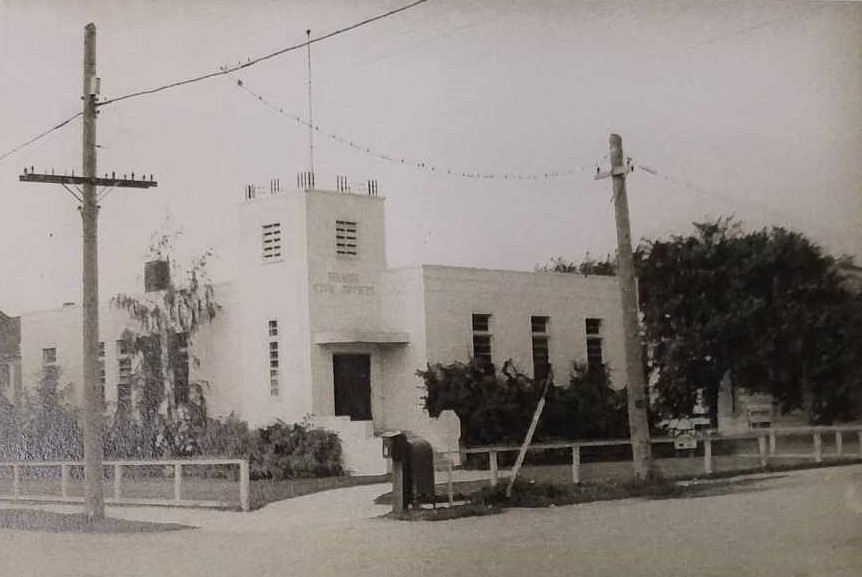
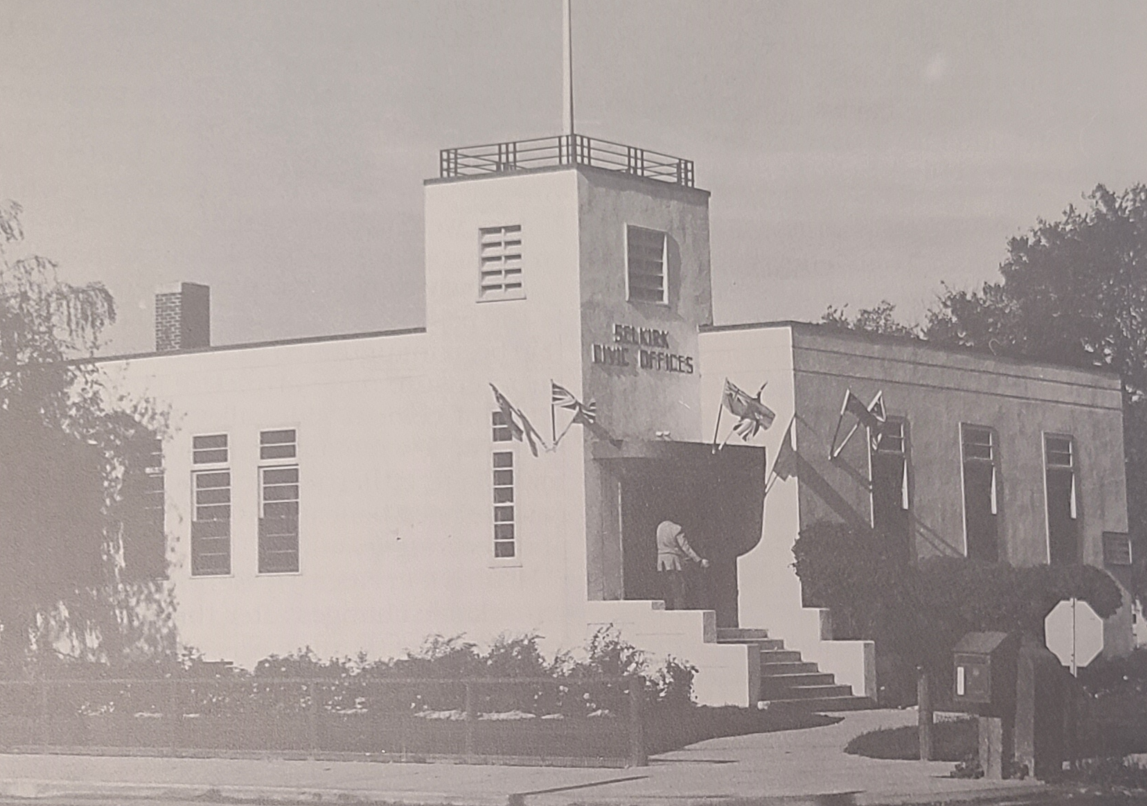
In 1939, a dedicated civic office building was constructed as part of a relief project assisted by the Dominion Government following the Great Depression. Mayor Berrisford opened the new building on December 9, 1939.
Rapid Growth – 1950s
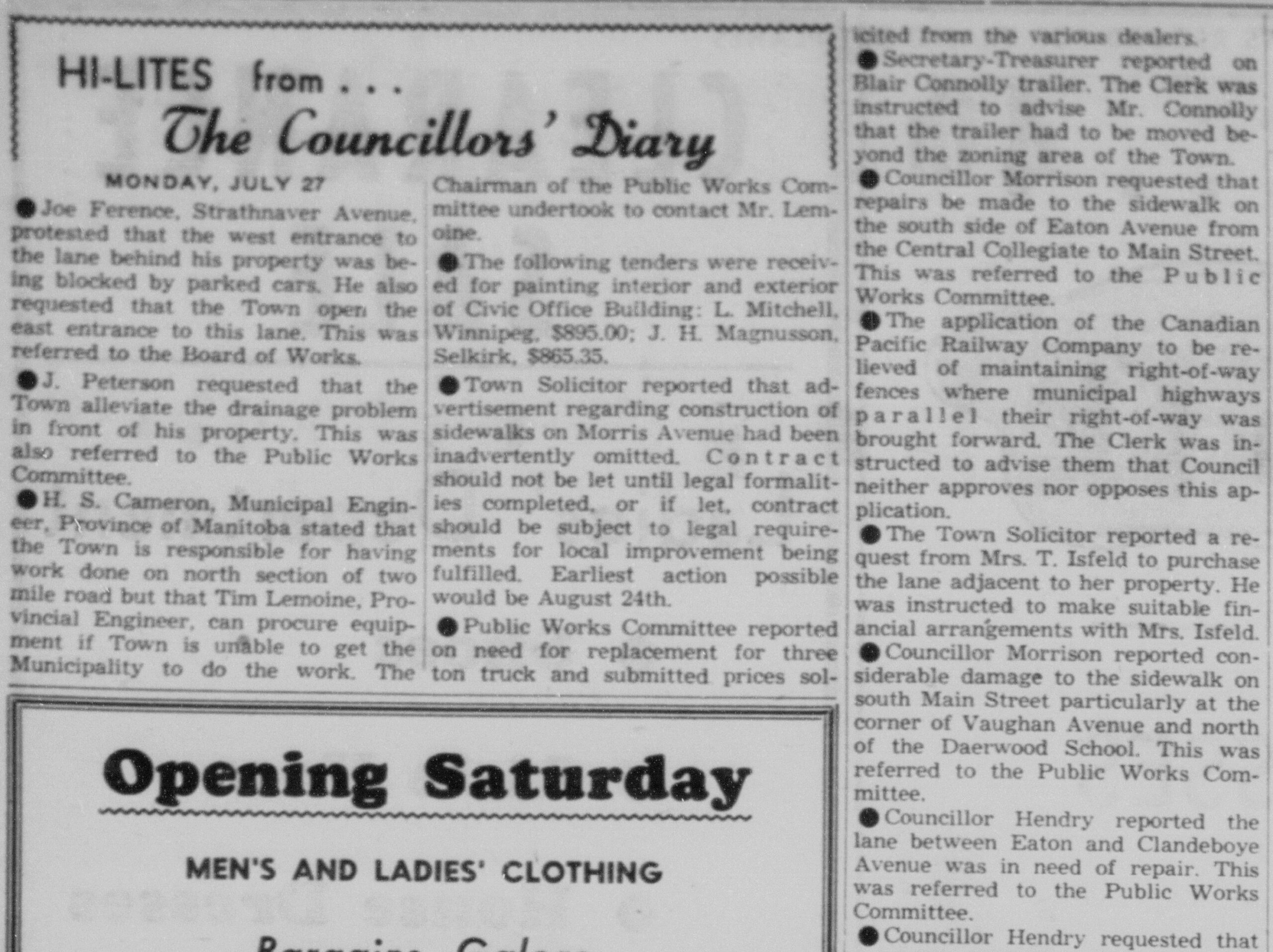
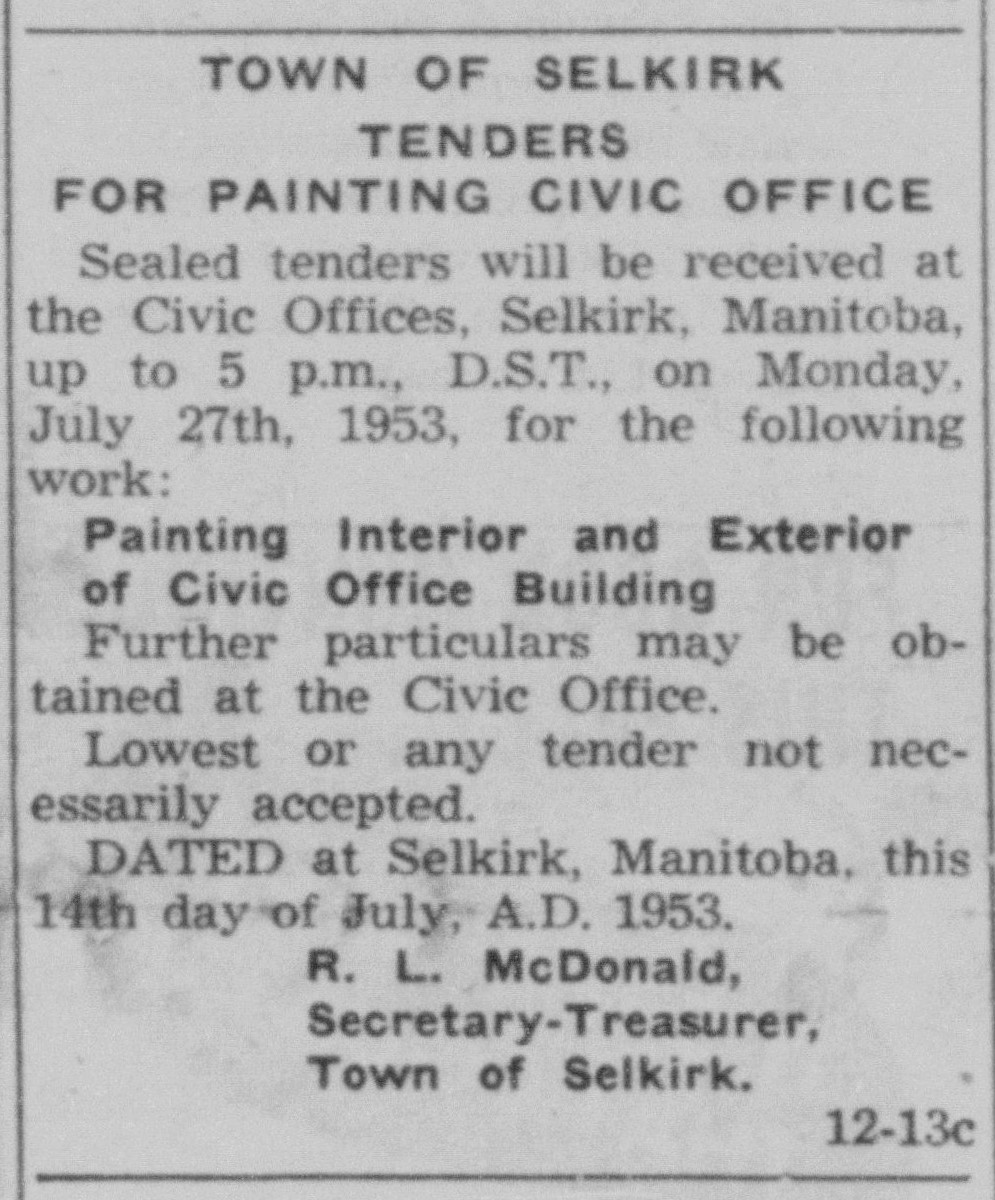
In 1953, civic office underwent a few upgrades. L. Mitchell, and J.H. Magnusson, Winnipeg and Selkirk companies, respectively, were awarded tender for painting the interior and exterior of the building.
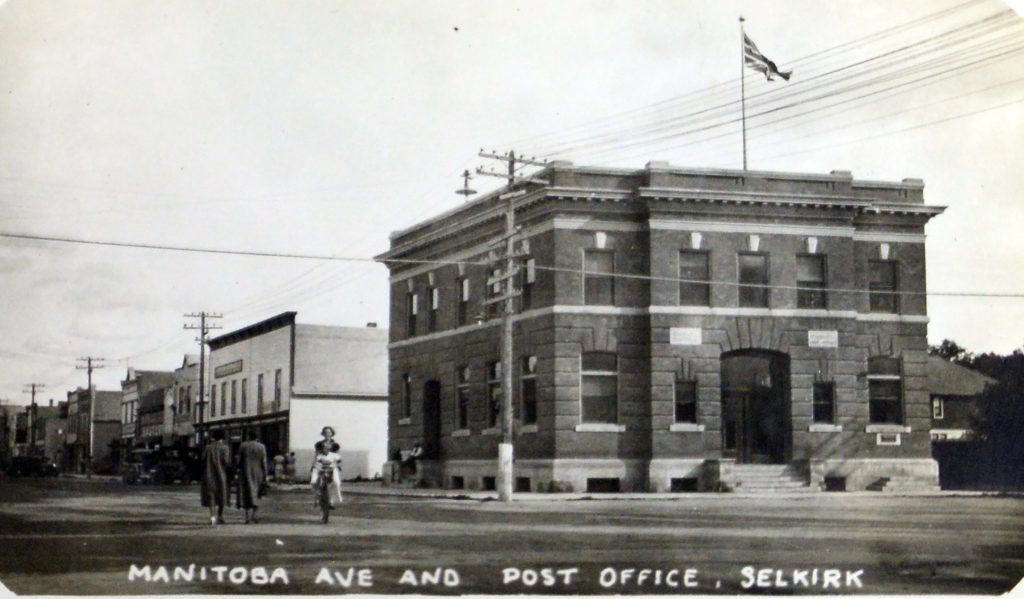
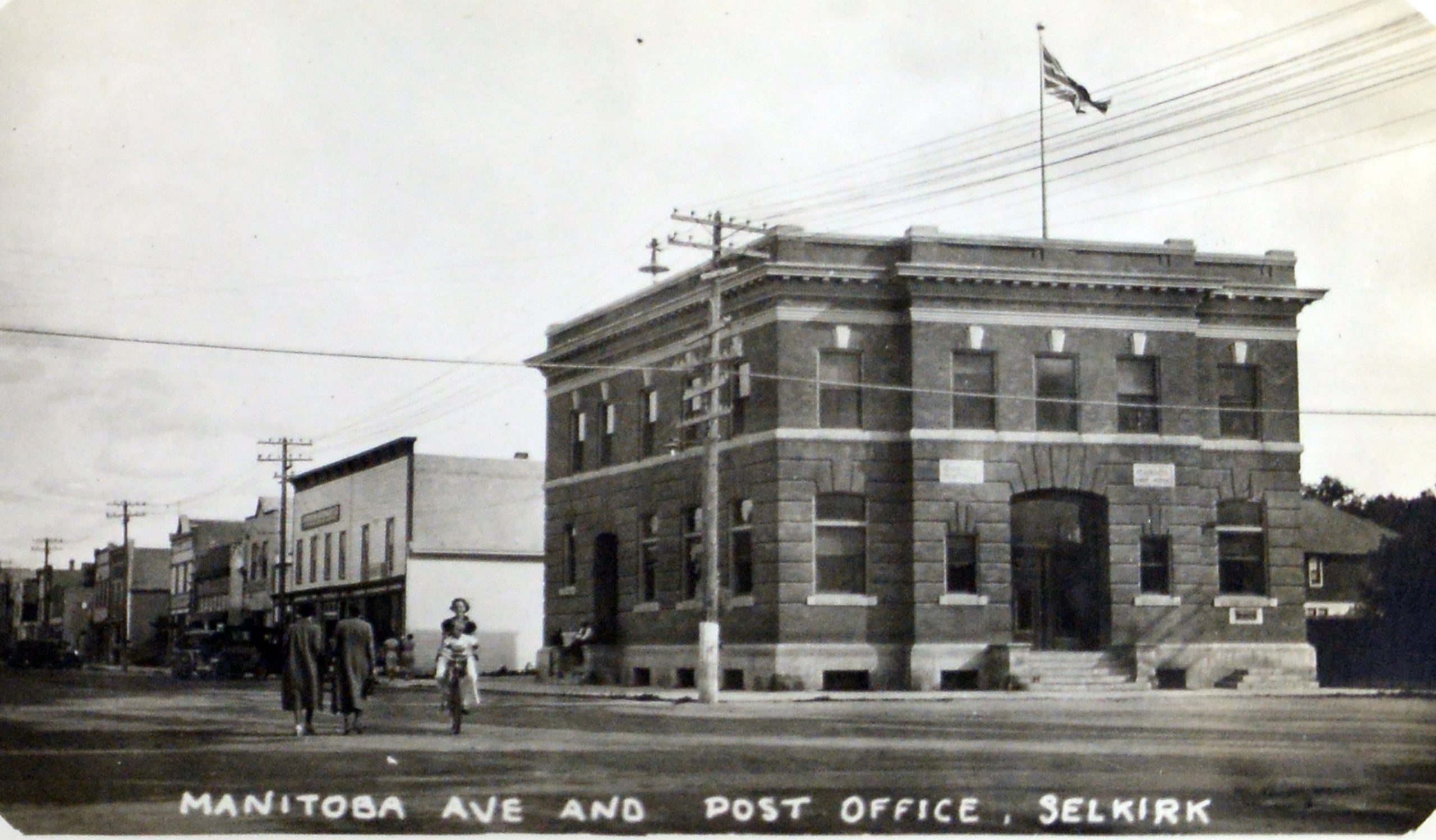
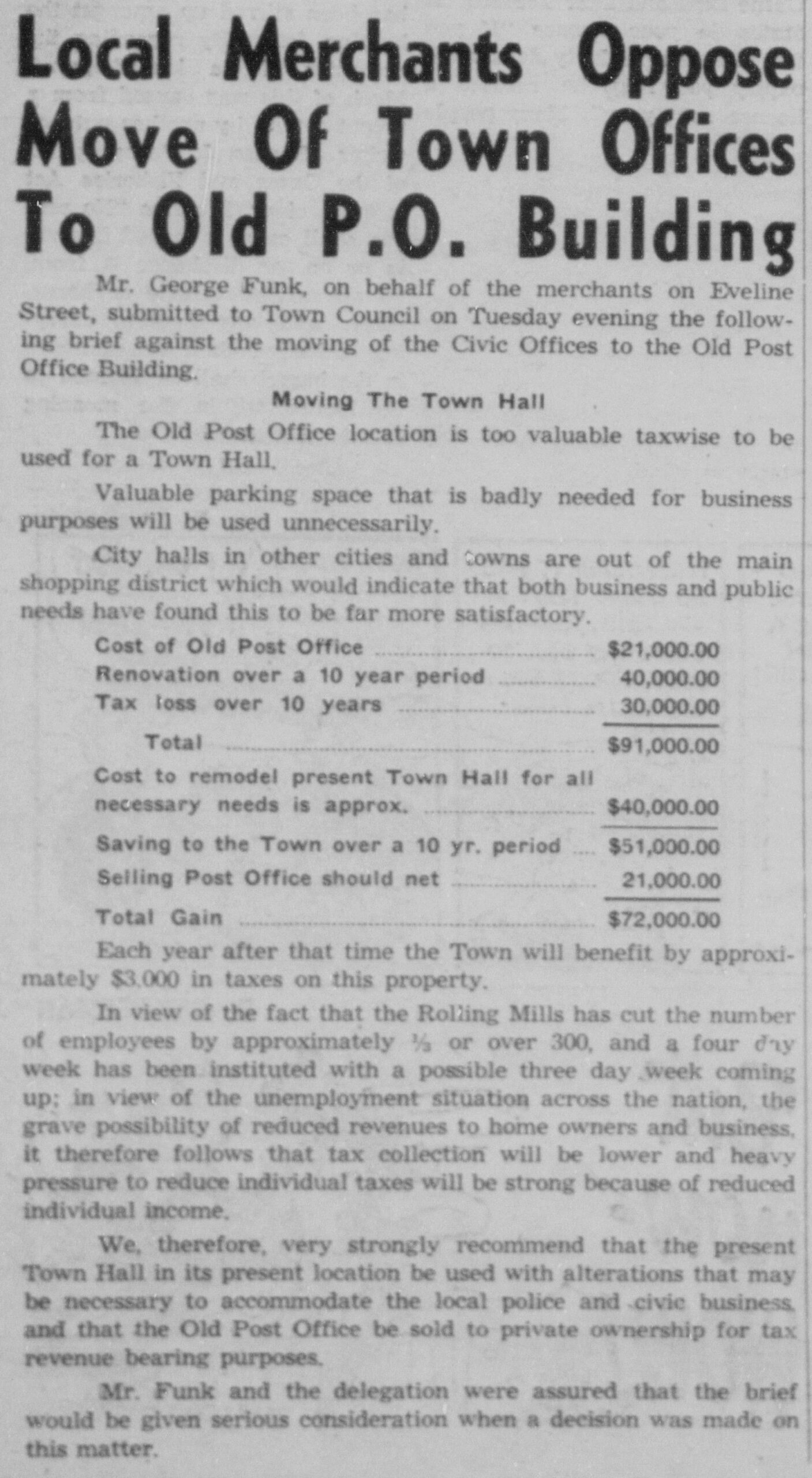
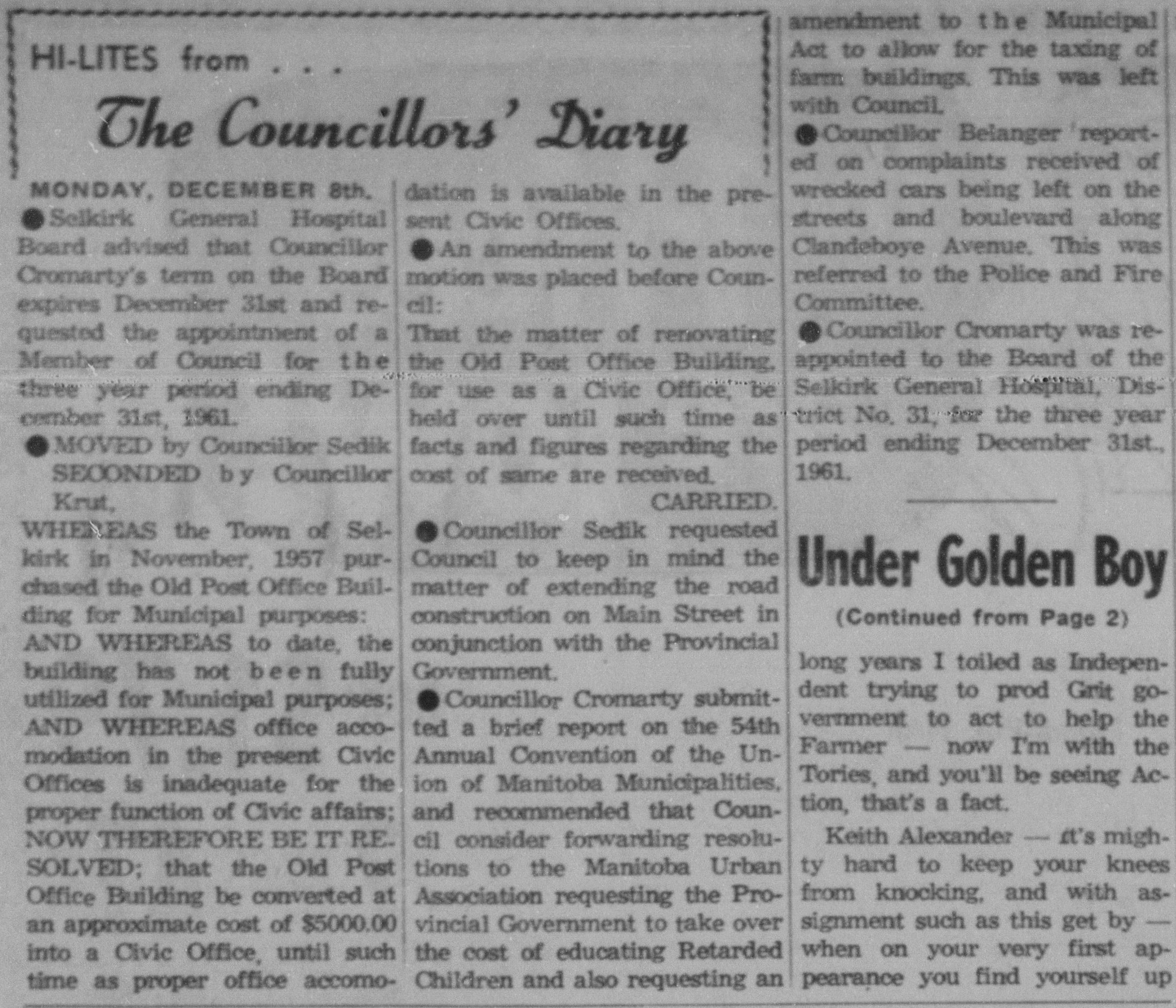
In 1957, the Town of Selkirk purchased the Old Post Office building with the intention of renovating it for office space and other municipal purposes. Despite the upgrades done to civic office a few years earlier, the building was becoming too small and in need of major repairs. The Old Post Office would be used temporarily until a large expansion at civic office could be completed.
However, this idea was strongly opposed by local merchants in the community. One in particular, George Funk shared his thoughts in the Selkirk Enterprise, stating that the Post Office building was too valuable taxwise to be used for a town hall. He referenced the increase in unemployment rates and financial struggles for many in the country. He argued that if the building remained privately owned, it could generate tax revenue for the town, which would in turn, keep taxes low for the community. Additionally, he felt the parking space available for businesses would be used up unnecessarily by office workers.
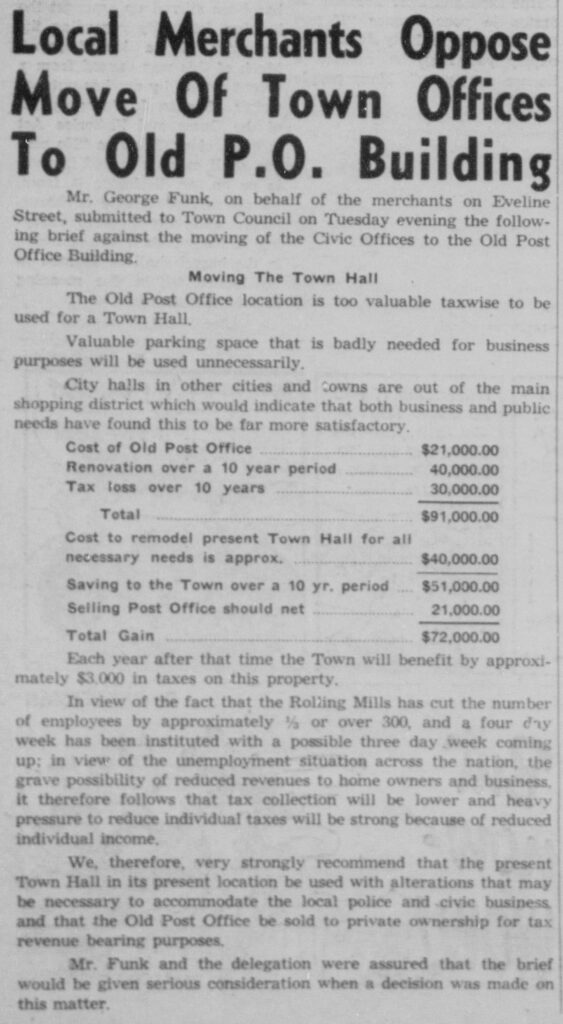
Although no formal decision was reported in the newspapers, the plan to move offices over to the Post Office never happened. The Post Office stood vacant for a few years before it was sold to local businessmen who then renovated the space into a rental property.
Civic Centre Expansion – 1960s
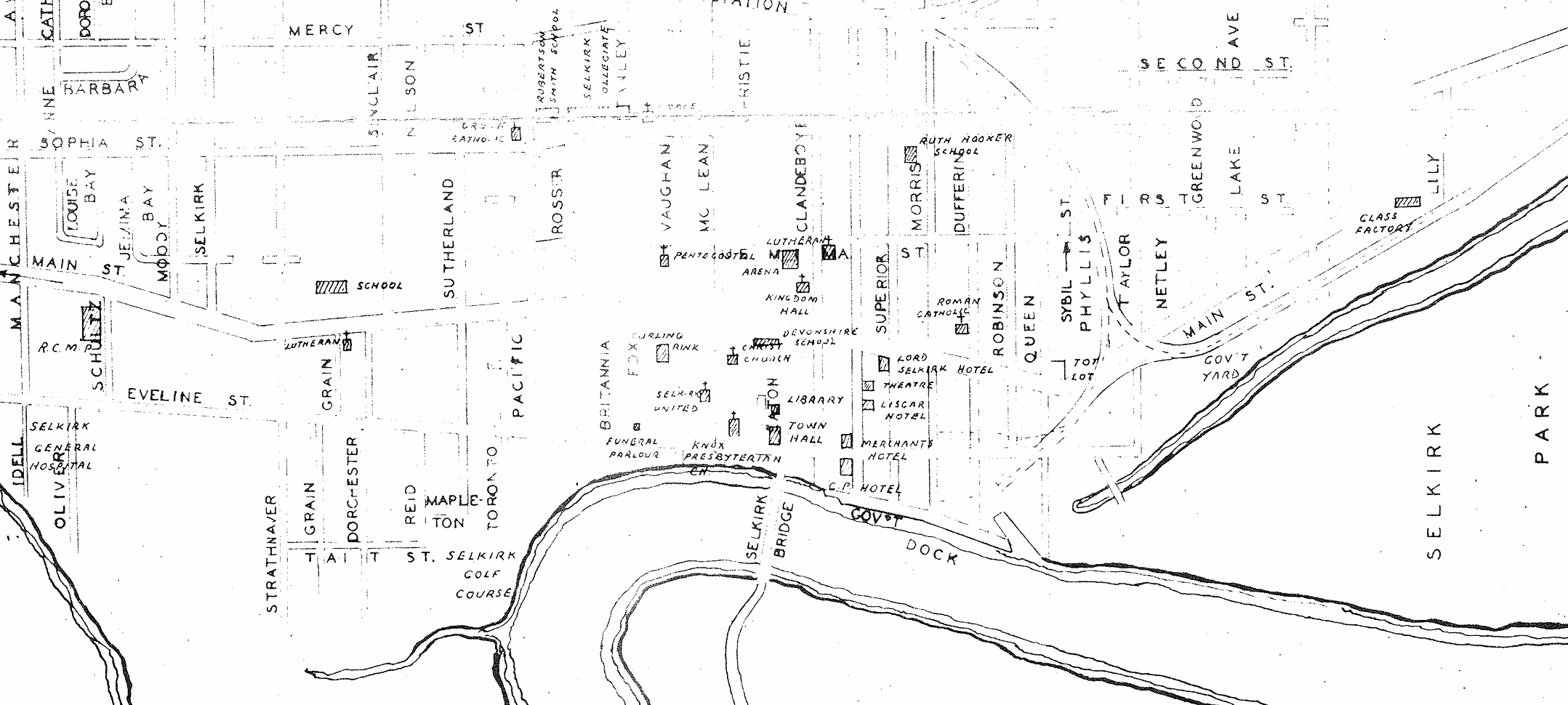
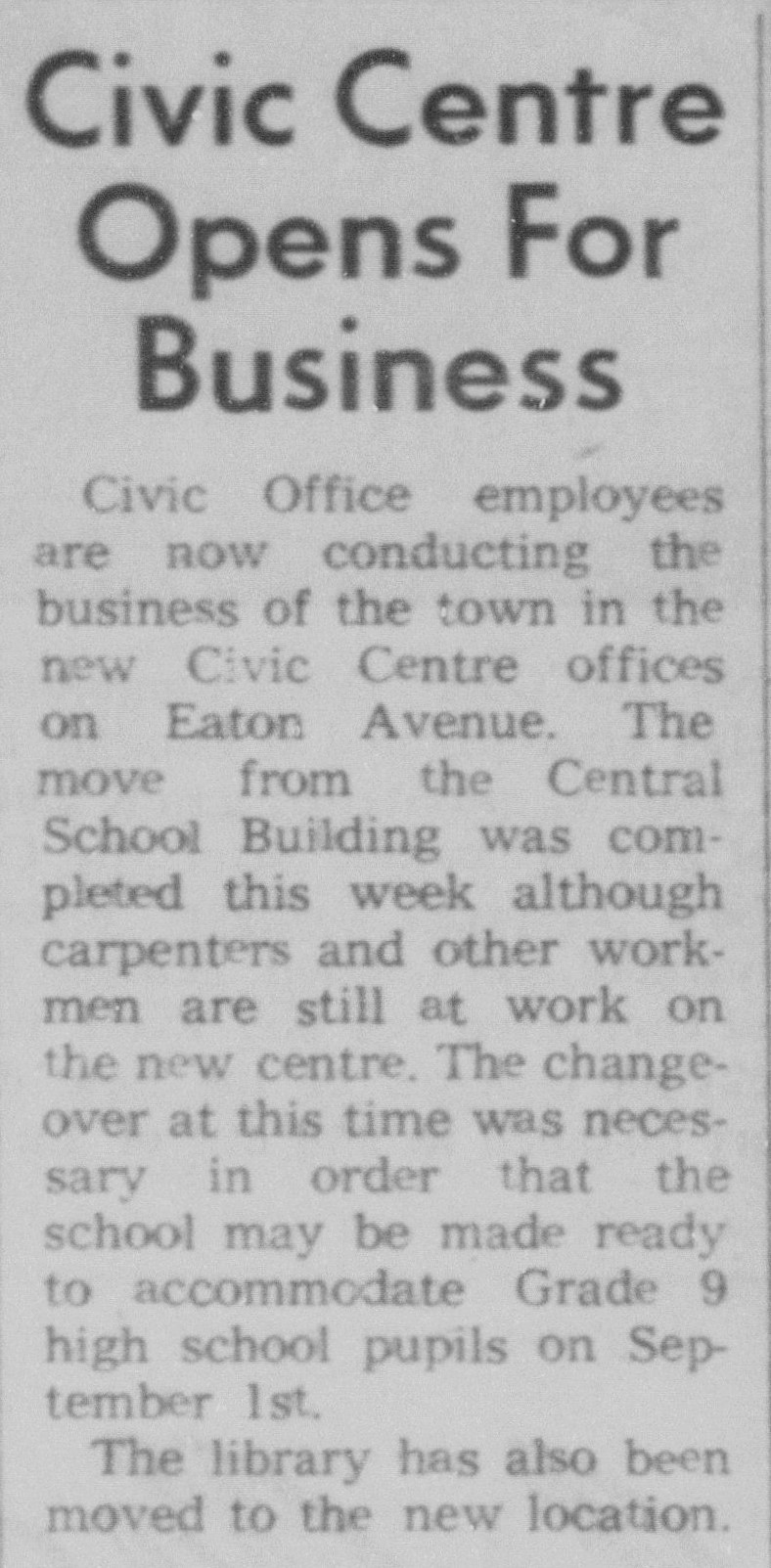
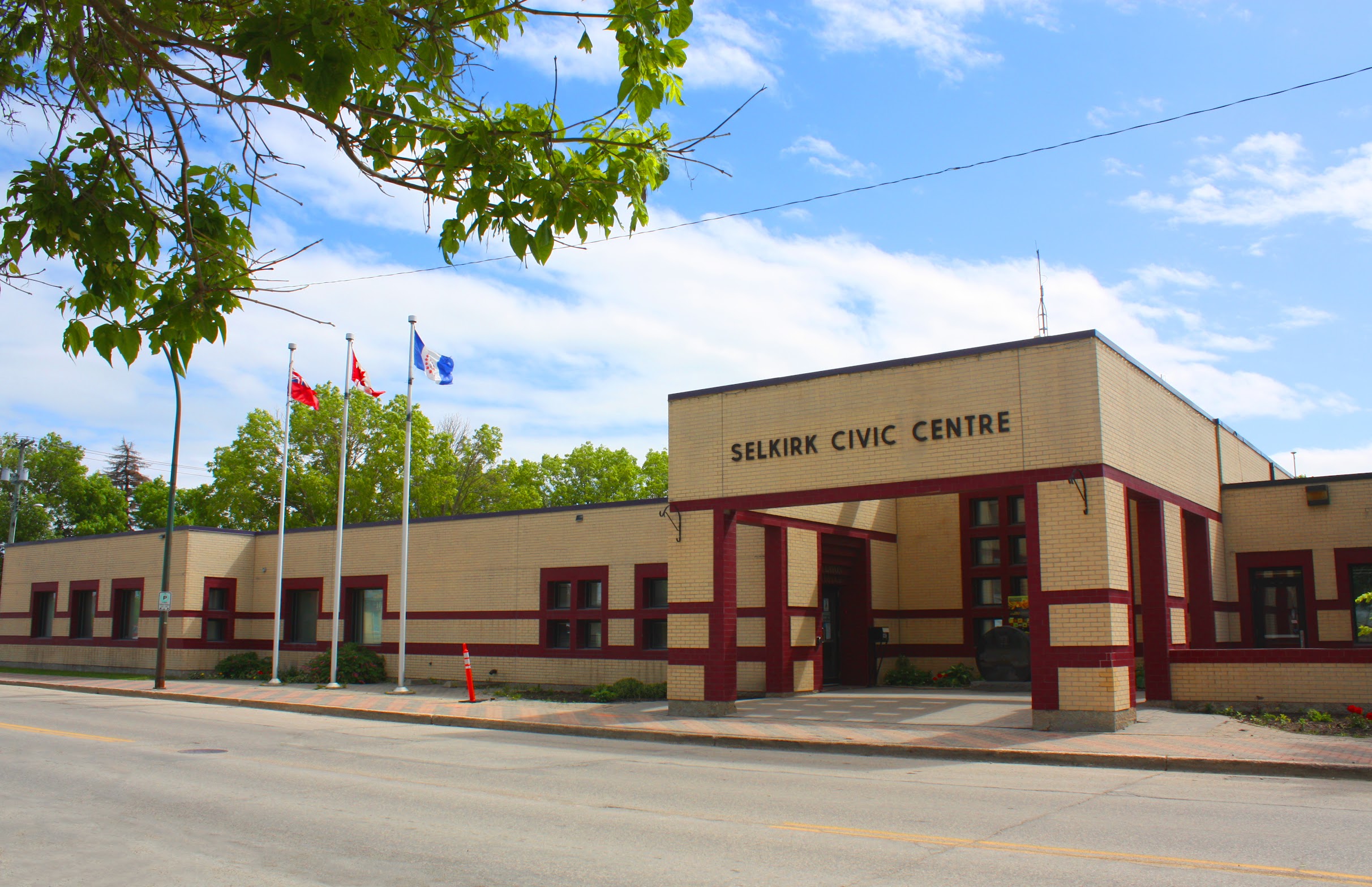
In the 1960s, Eaton Avenue drastically changed. The town had undergone major growth and redevelopment throughout the 1950s, and the need for a larger facility reflected the boom. Additionally, the Selkirk Library had begun to show its age after half a century in operation. With Central School expected to be vacant by the end of 1959 a “plan began to take shape whereby the entire block between Main and Eveline would become a civic building.”
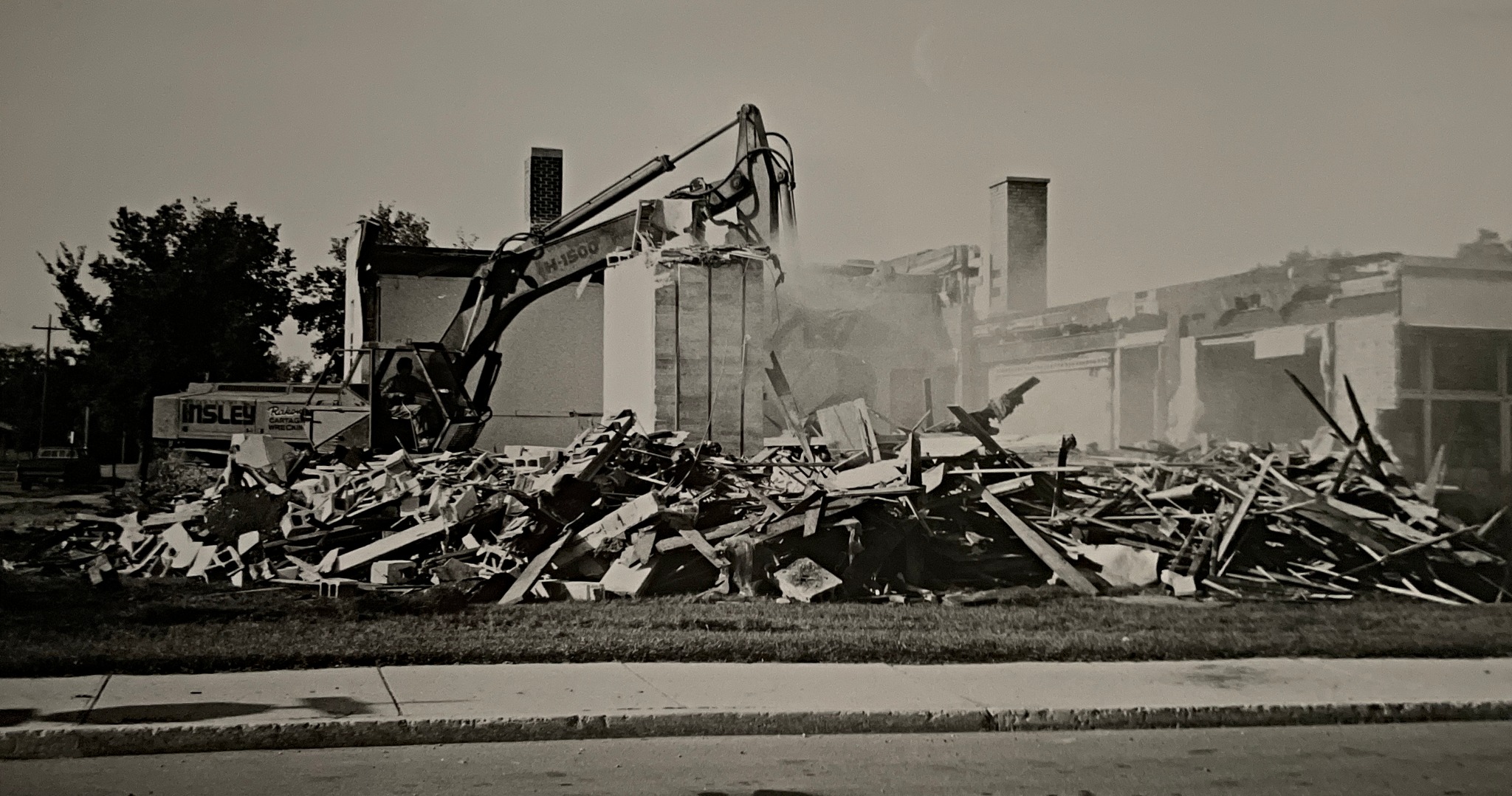
The expansion didn’t quite go as far as the whole block, but significant change did happen. With a grant from the Federal Government to cover the costs of the civic centre expansion, the addition of a Fire Hall, and the demolition fees for the library, it was torn down in April 1959 and the new civic centre began construction. The demolition of Central School was also part of the plan, but this wouldn’t happen for another few decades.
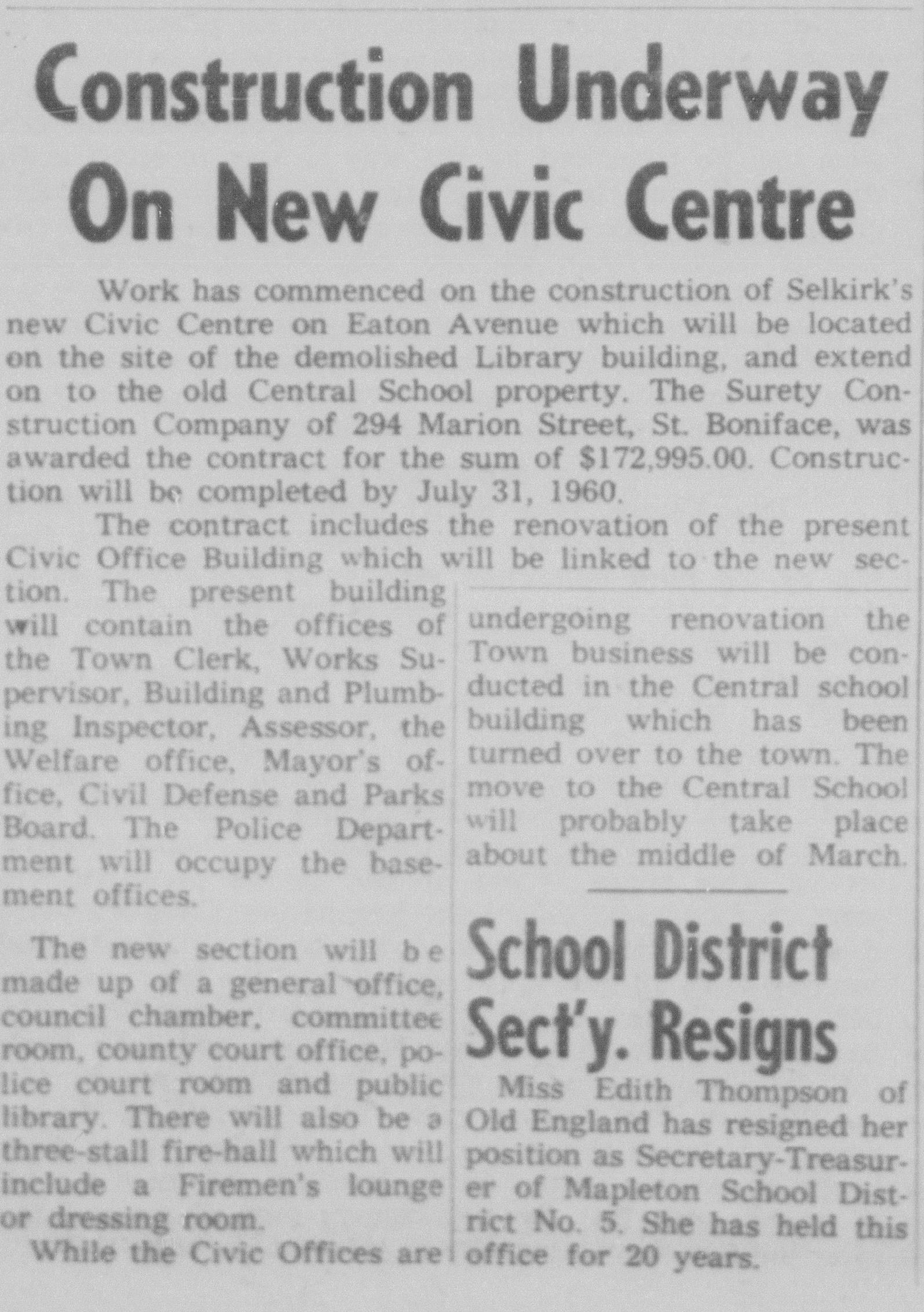
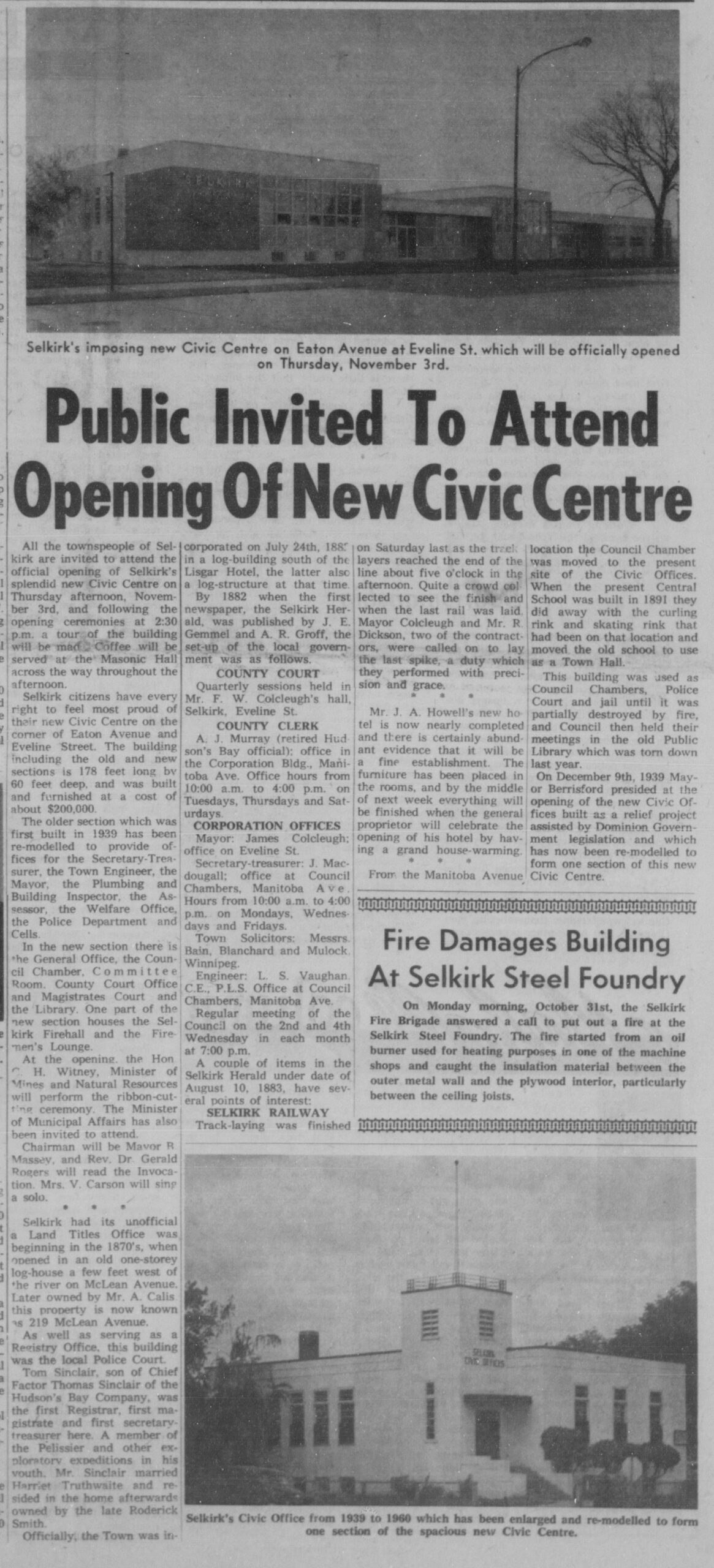
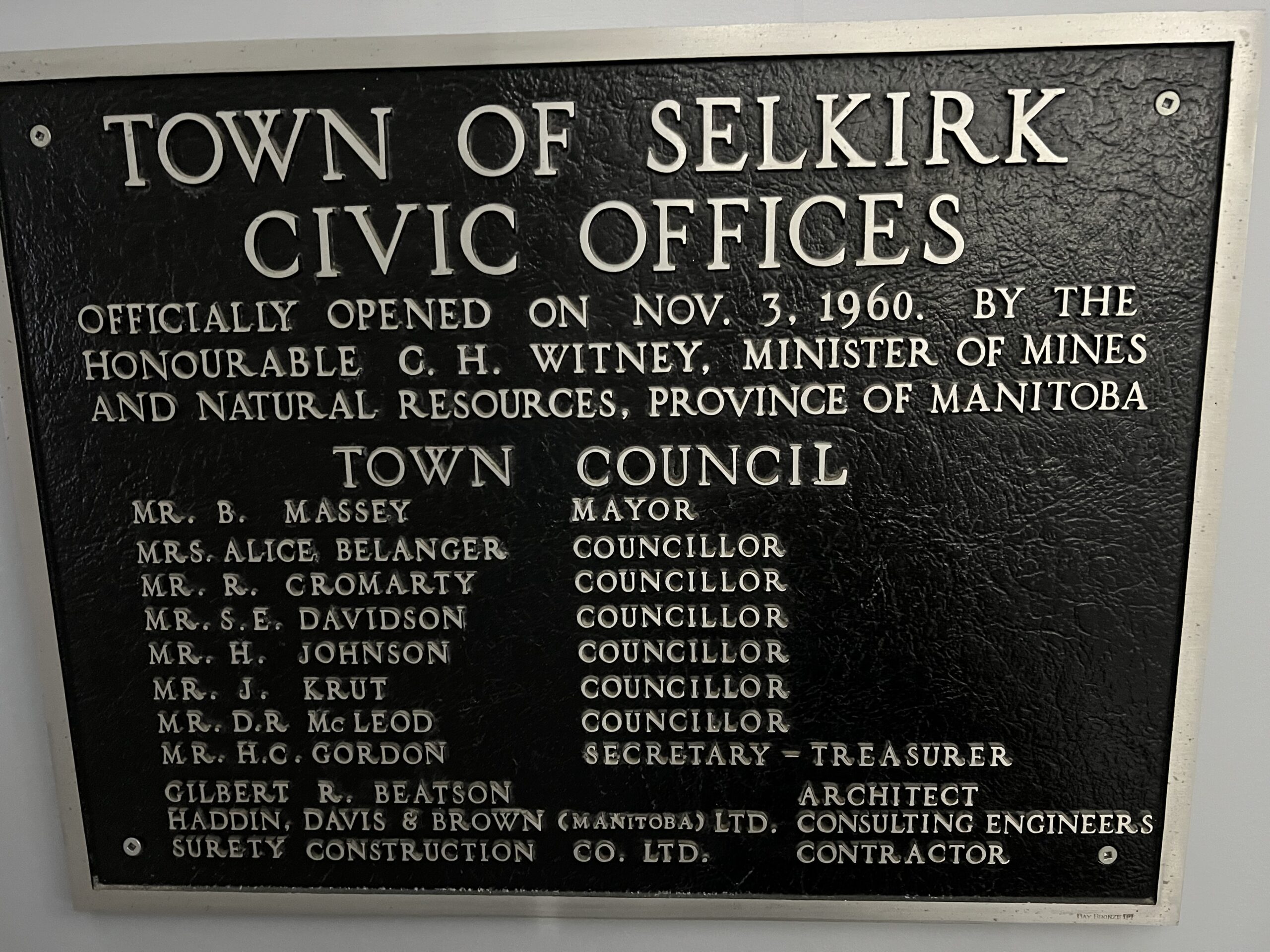
Surety Construction Company from St. Boniface was awarded the contract for a sum of $172,995. Construction was slated to be complete by July 31, 1960. The older part of the civic office building was renovated and then attached to the new section. The existing offices included space for the secretary-treasurer, town engineer, town clerk, works supervisor, building and plumbing inspector, assessor, the welfare office, mayor’s office, and Civil Defense and Parks Boards. The police department occupied the basement.
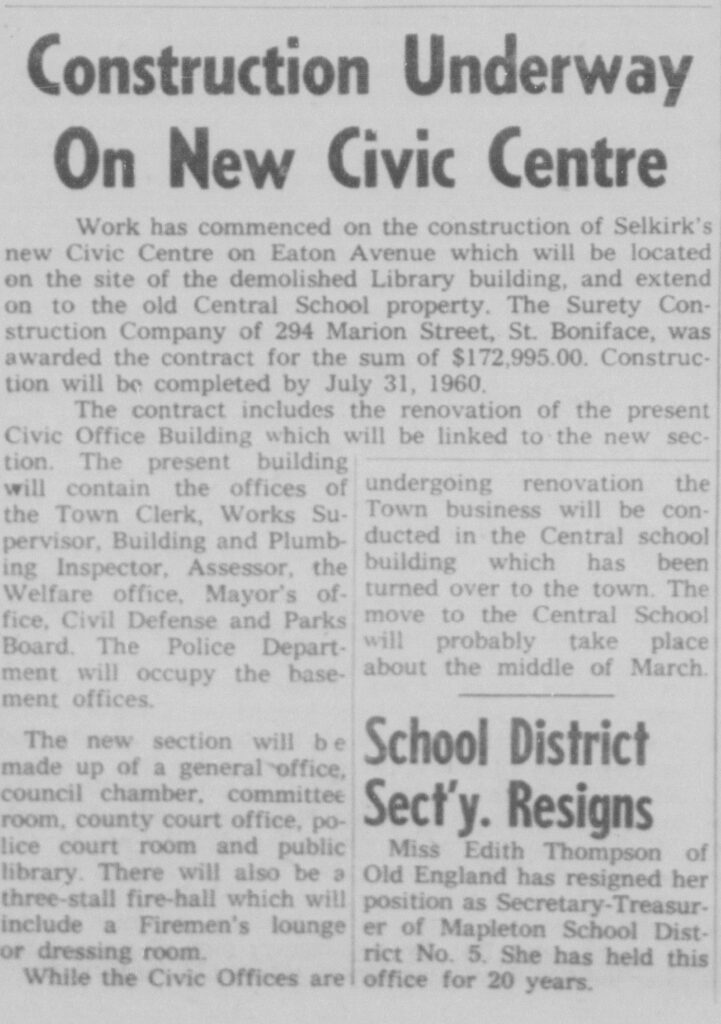
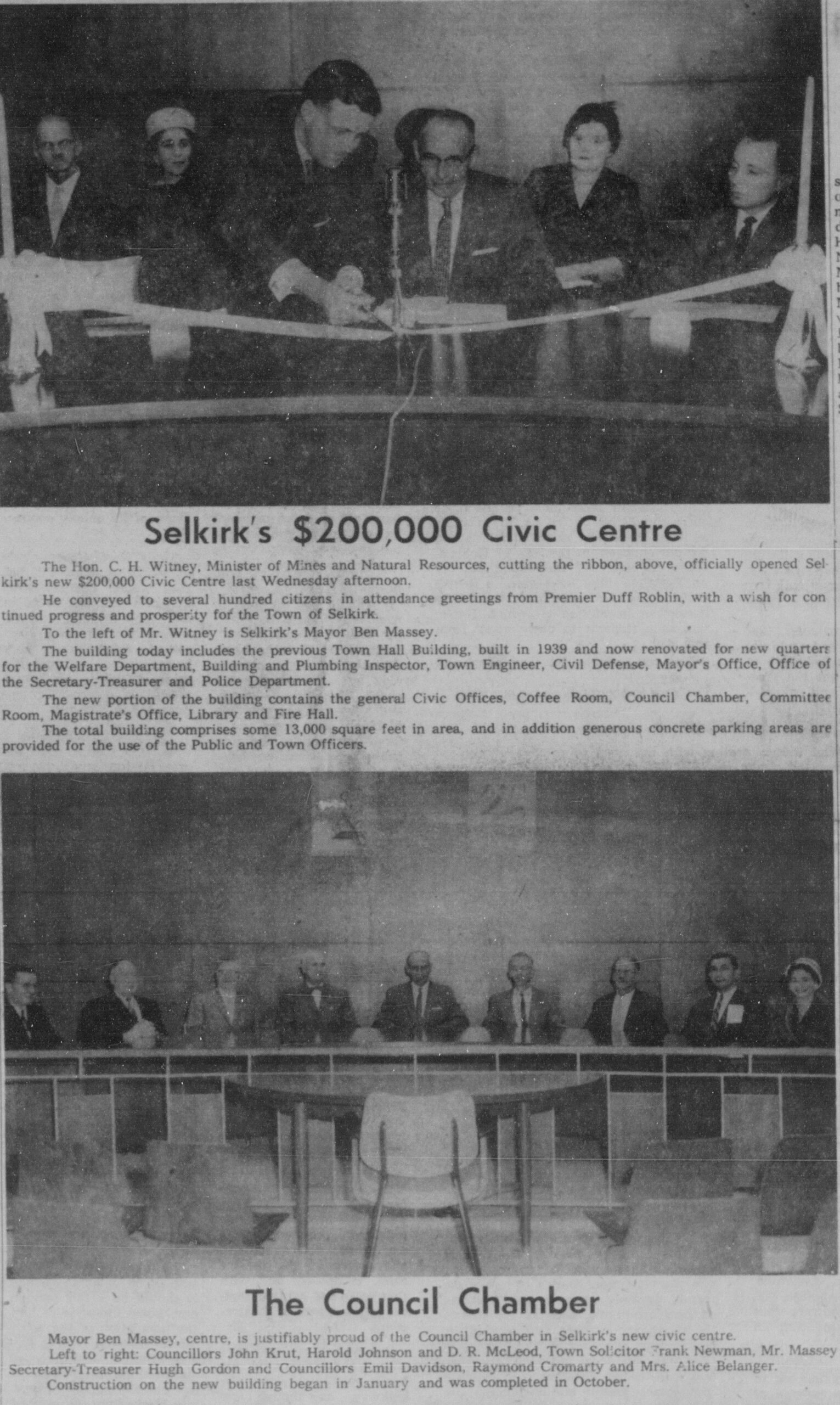
The new section included a general office, council chambers, committee room, county court office, police court room, magistrates court, and of course, the public library would be housed there. In addition, a three-stall fire hall, including a fireman’s lounge and dressing room was added.
During the renovation, town business was conducted at Central School, which was vacant at this time.
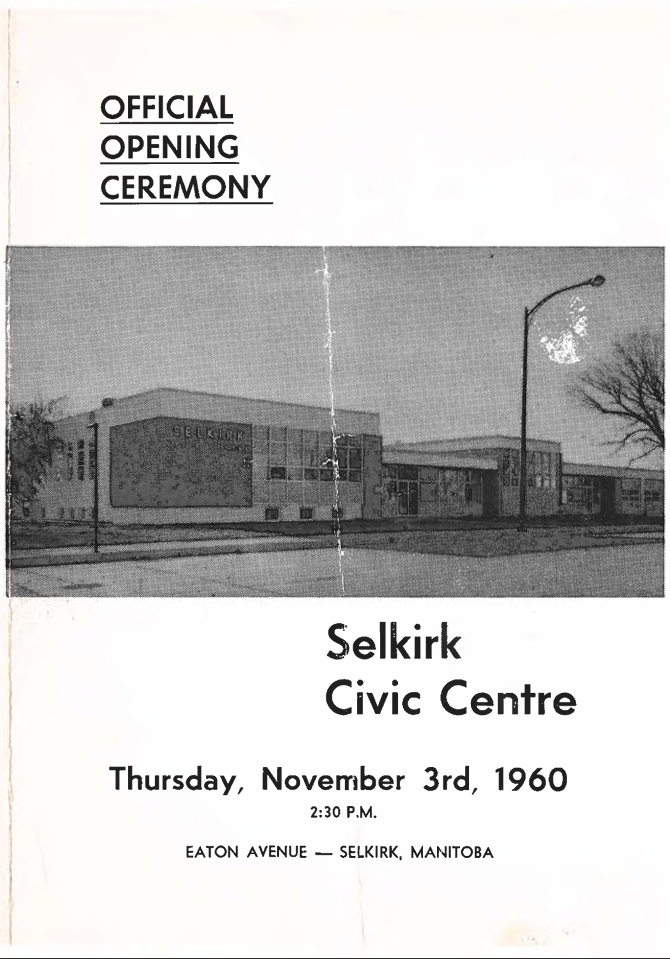
Selkirk’s Splendid New Civic Centre
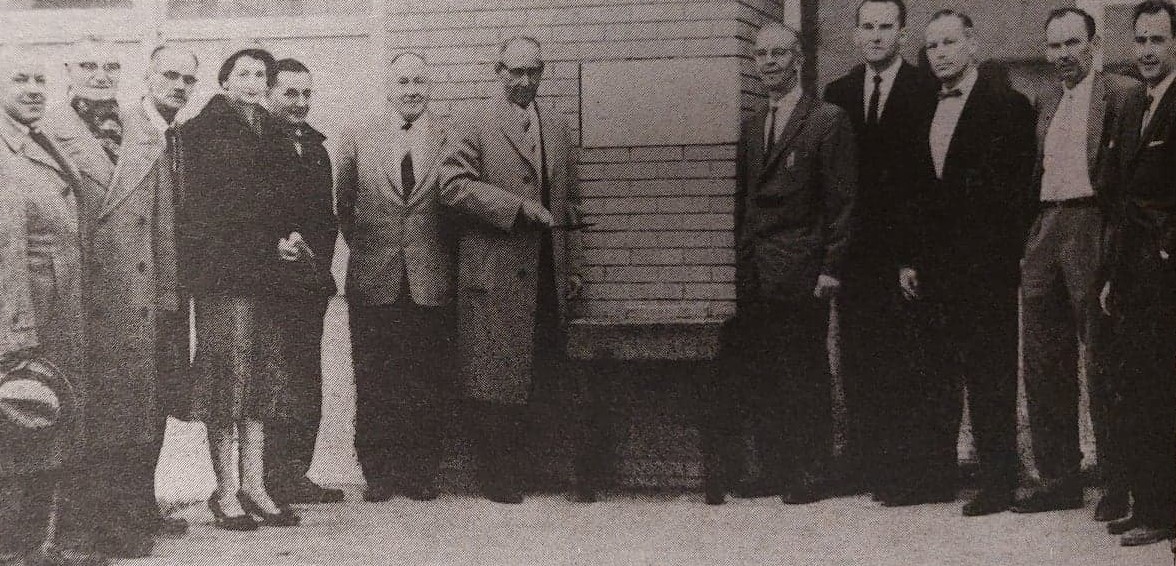
Mayor Benjamin Massey laid the cornerstone for the new civic centre on October 26, 1960. The building was completed and furnished for $200,000 which included remodelling to the older section and construction of the new portion.
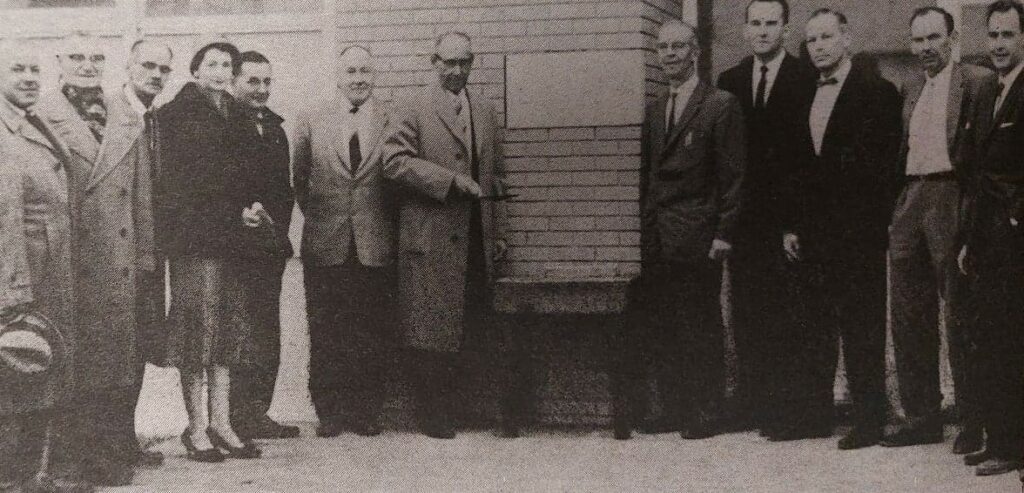
The opening on November 3rd included a tour at 2:30pm and coffee served at the Masonic Hall across the street. Hon G. H. Witney, Minister of Mines and Natural Resources, performed the ribbon-cutting ceremony, Rev. Dr. Gerald Rogers read the Invocation, and Mrs. V. Carson sang a solo.
Fighting for Firefighters
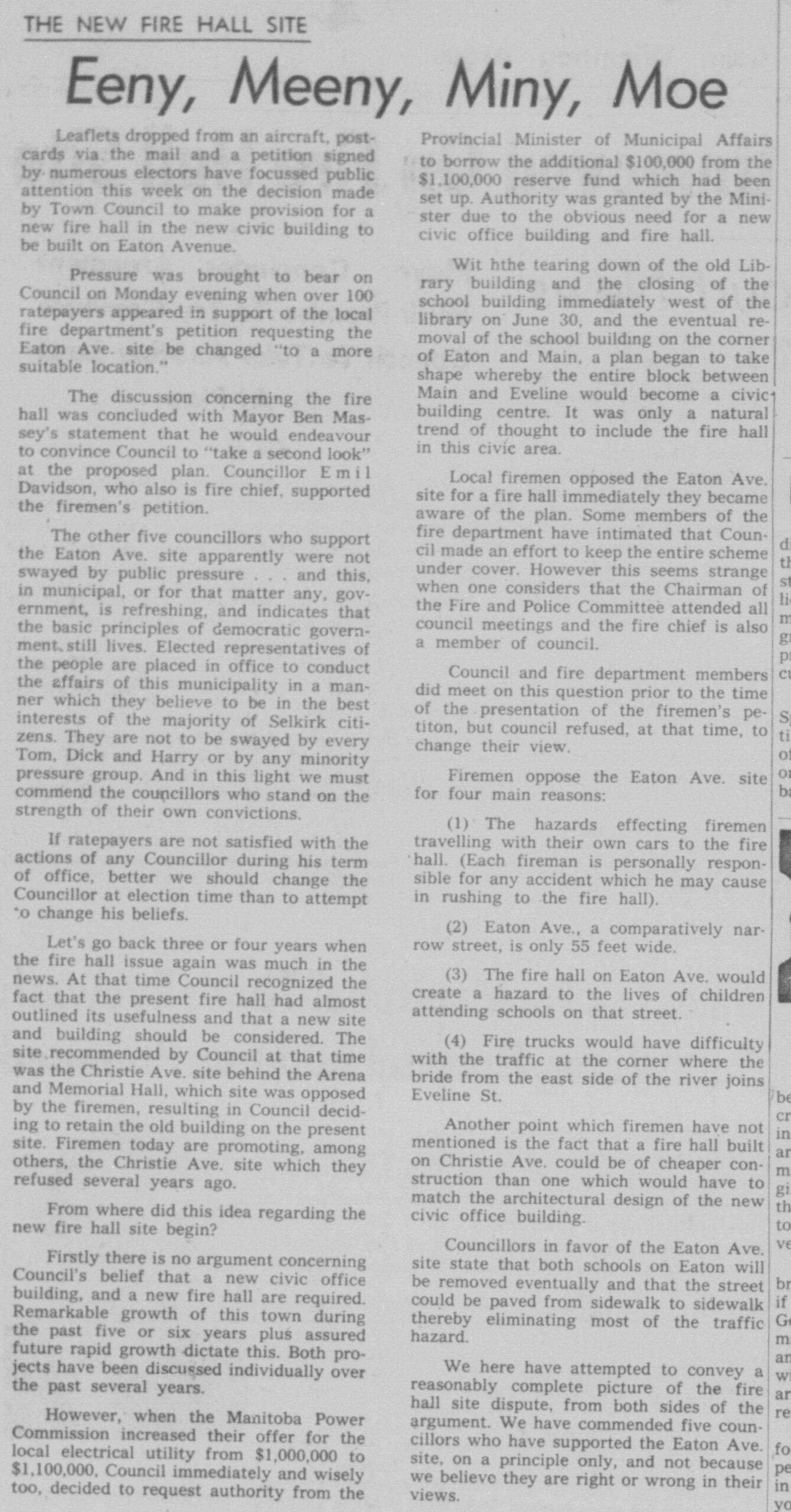
At first, there was resistance from the Fire Department to relocate to the new civic centre. Many felt that Eaton Avenue was too narrow and busy of a street for emergency vehicles to be coming and going, especially with the Selkirk Bridge at one end. Additionally, both Central School and Devonshire School were located next door, which many felt increased the risk for students walking to and from school.
After Council decided to move the Fire Hall to Eaton Avenue as part of the new civic centre complex, there was significant pushback. Petitions, referendums, and public meetings began popping up everywhere. In an epic display of protest, firefighters Jack Maloney and Frank Hooker, fired up a small plane and dropped thousands of pamphlets on the town to try to influence the vote. Council was not swayed, but the Fire Department’s voice was nonetheless heard. Today, the united front between the City and the Fire Department demonstrate a positive relationship built over a century.
A Long Library Legacy
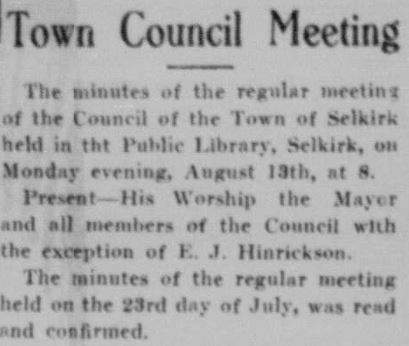
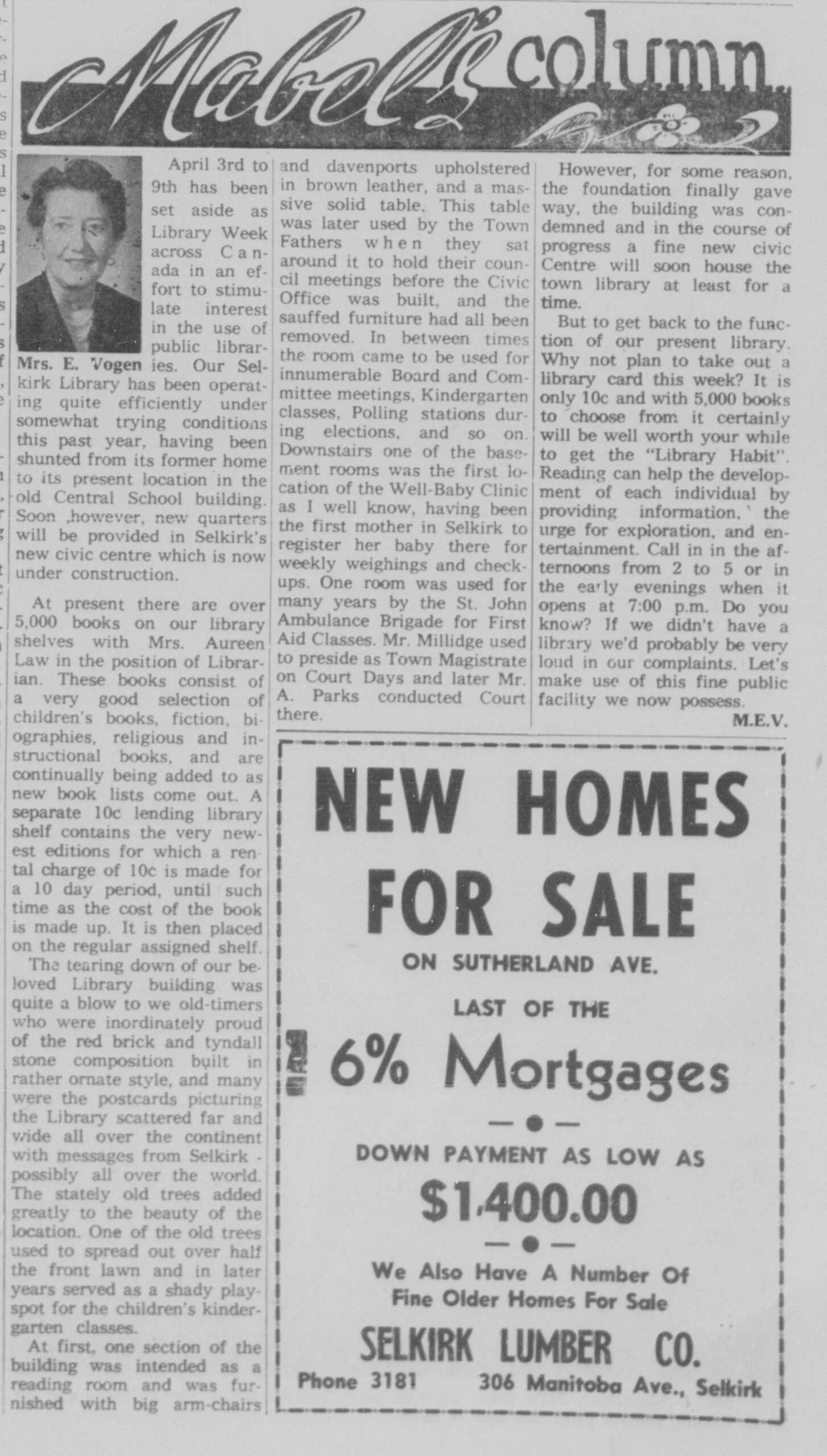
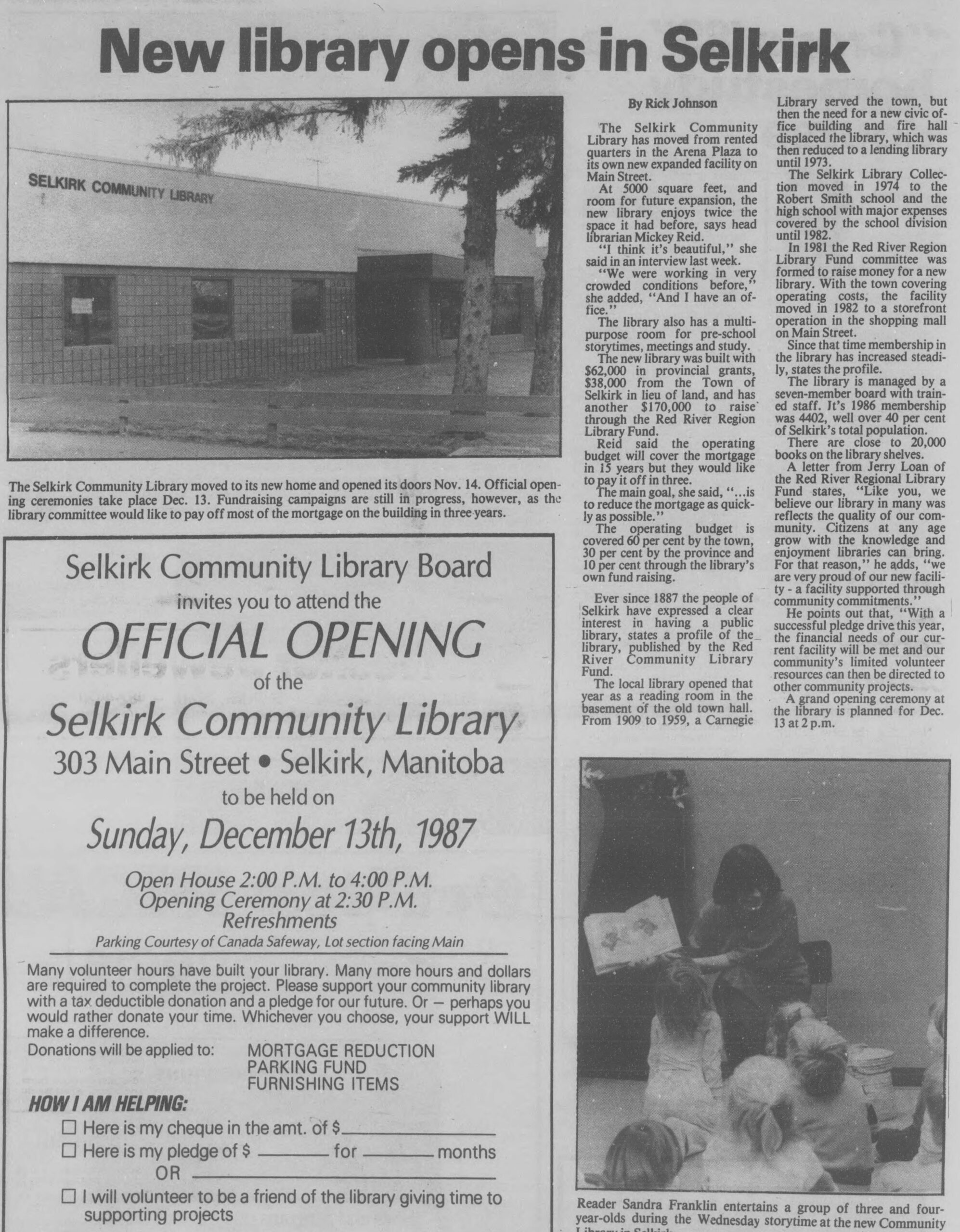
Like the Selkirk Fire Department, the Town and the Selkirk Library have a long, intertwined history. From the beginning, in 1887, the library and reading room were housed at Town Hall. After the Selkirk Library was built in 1909, the roles reversed and Town Council held their meetings in the reading room, making use of the large solid wood table, and brown leather upholstered davenports. Then, with the library’s deteriorating foundation and plans for the new civic centre percolating, the library was demolished. Once more, the library found its home at civic office before branching out on its own in the 1970s.
Today, the City of Selkirk supports the Gaynor Family Regional Library through sustained municipal funding, land provision, administrative support, and continuous partnerships, marking the positive effects of a nearly 140-year-long relationship.
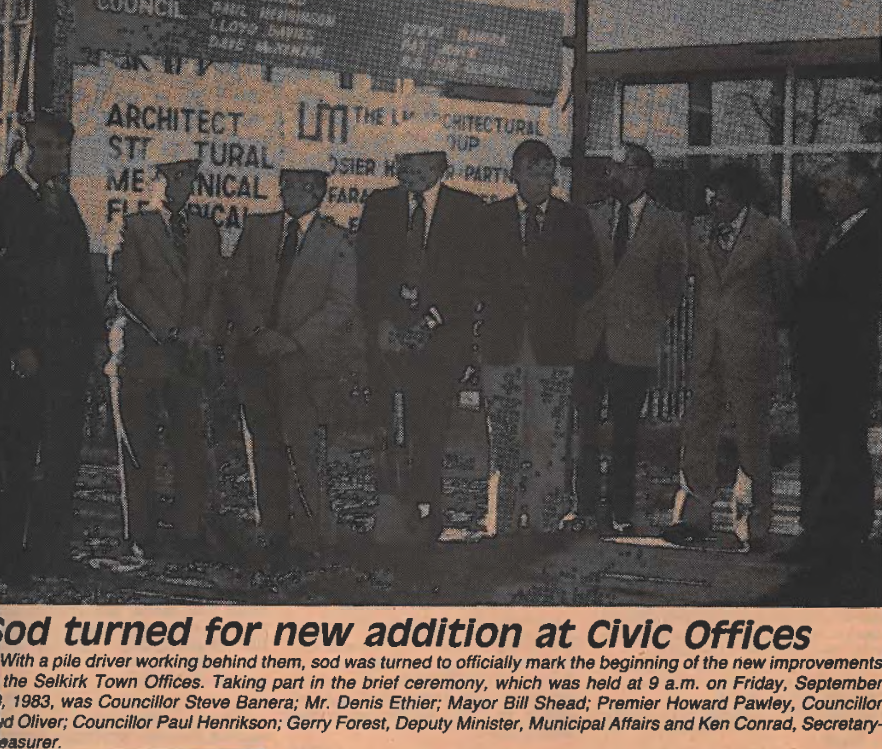
Renovations 1980-1983
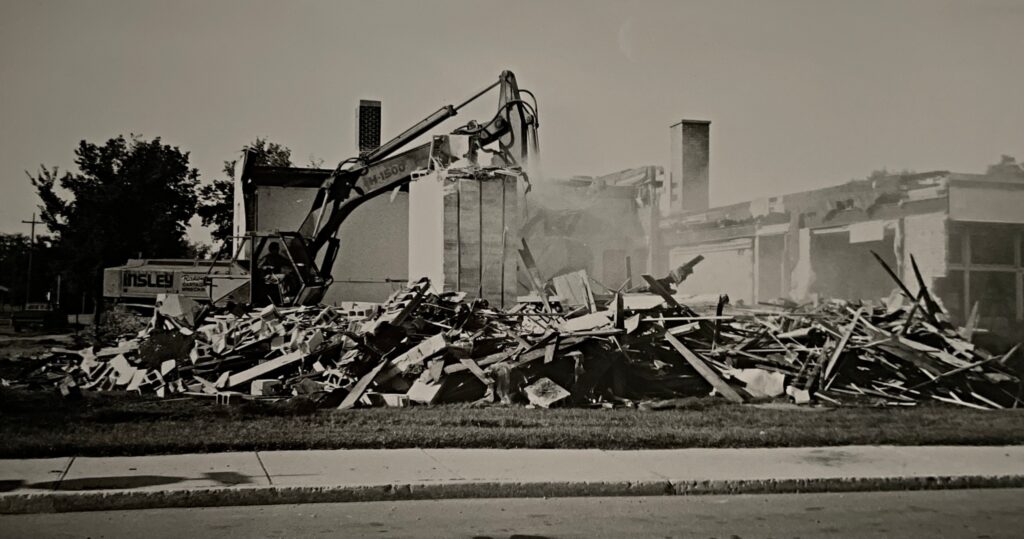
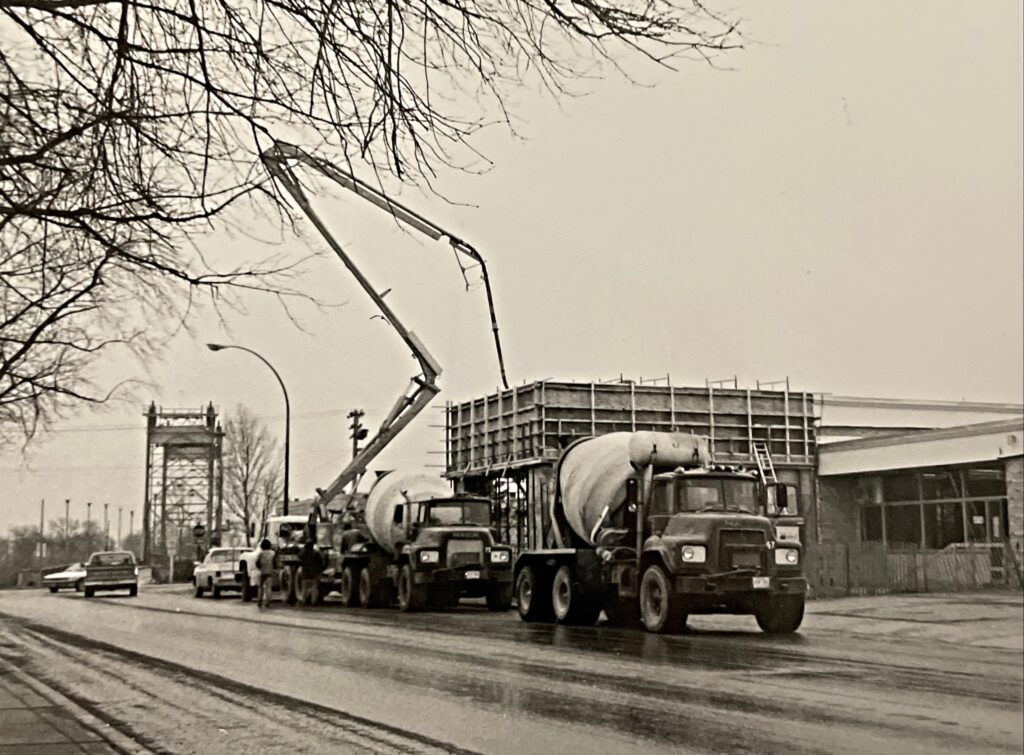
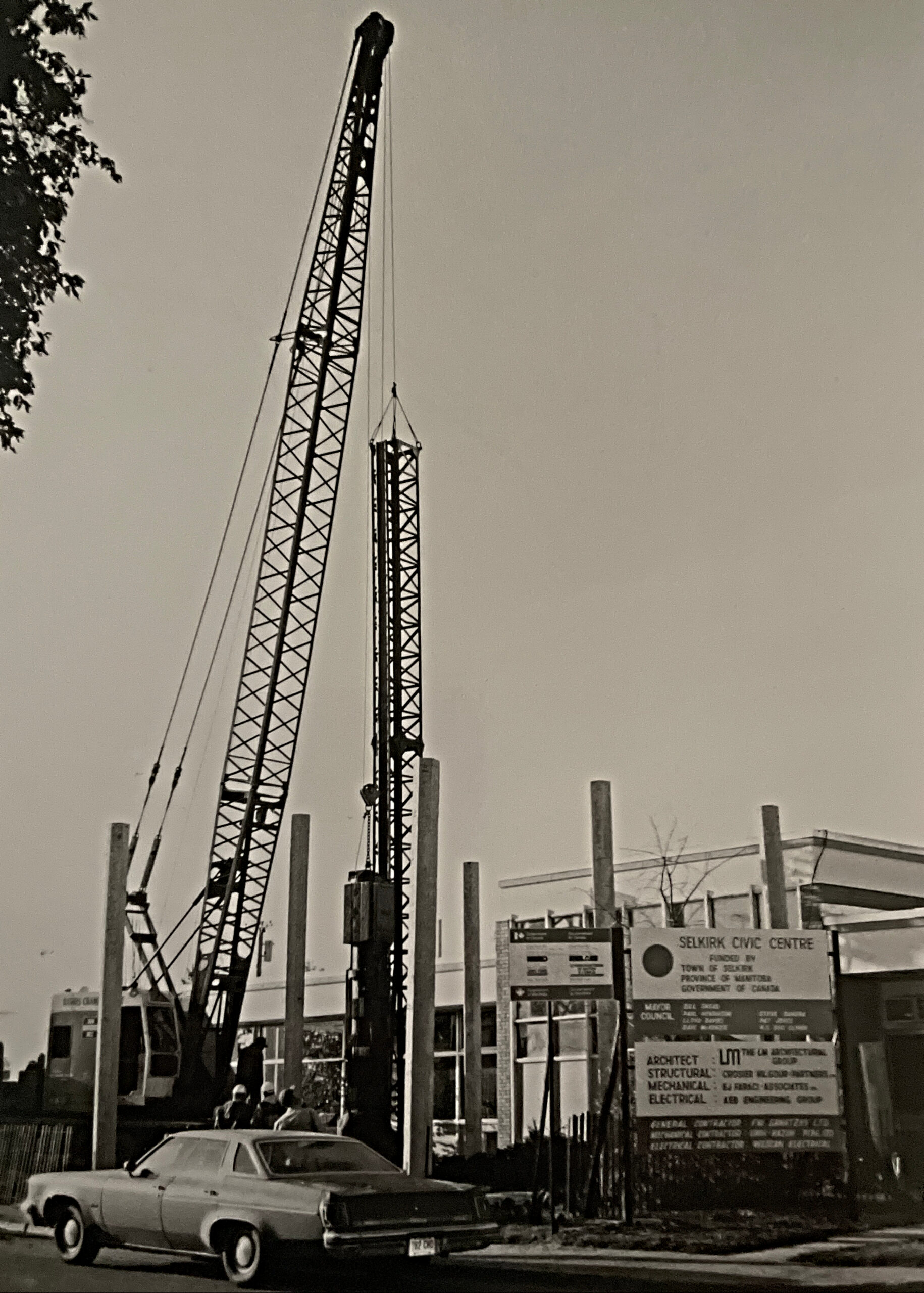
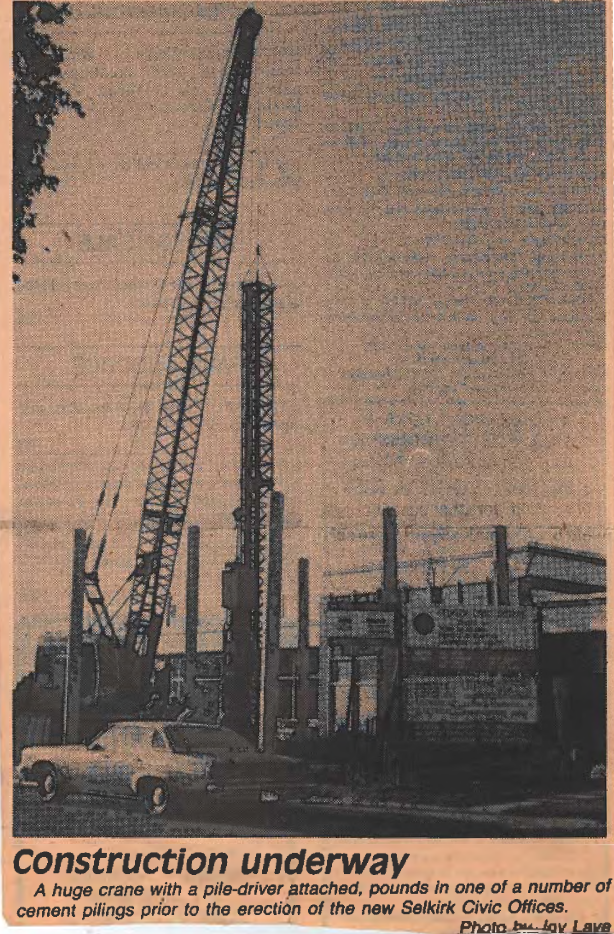
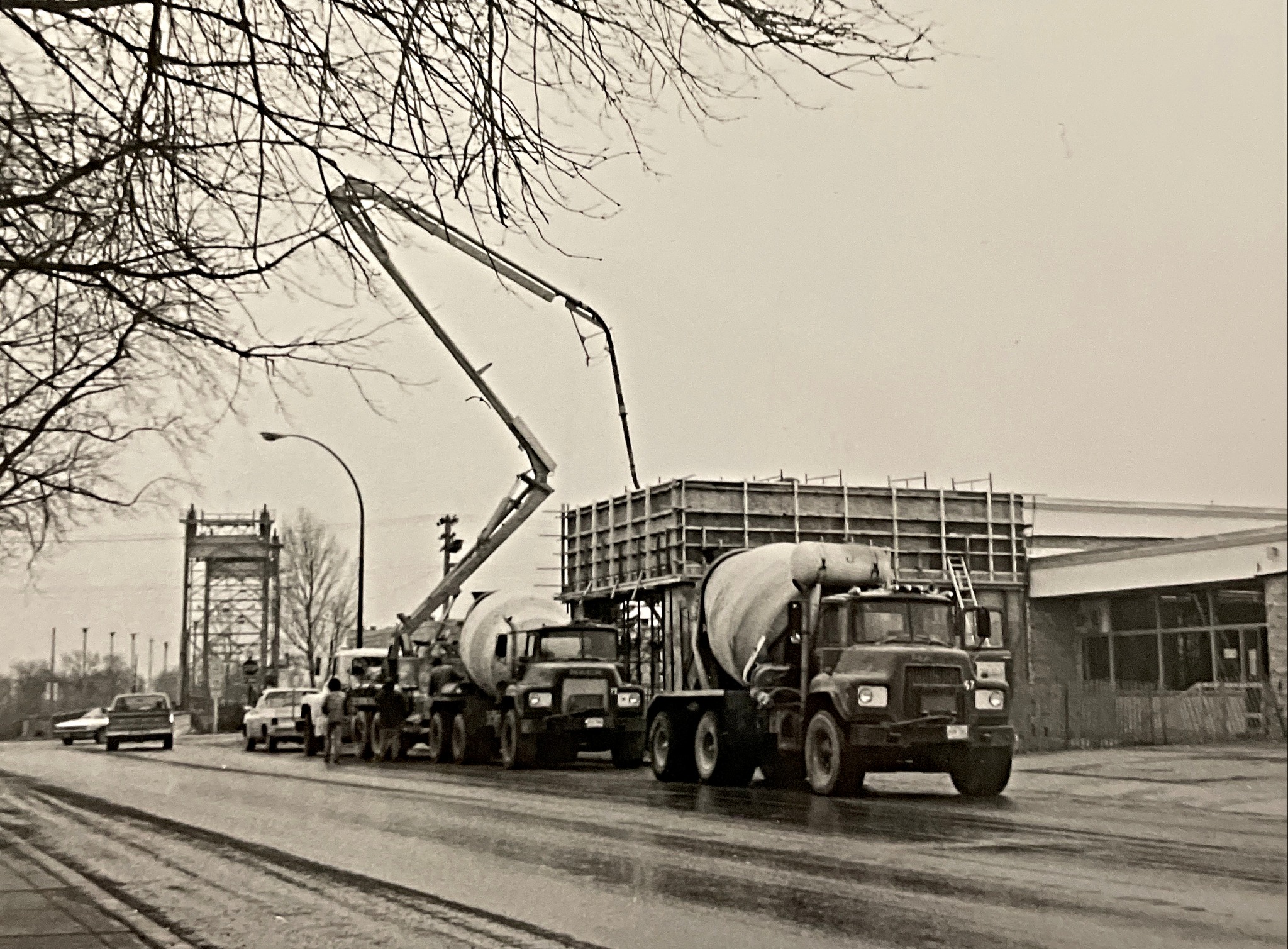
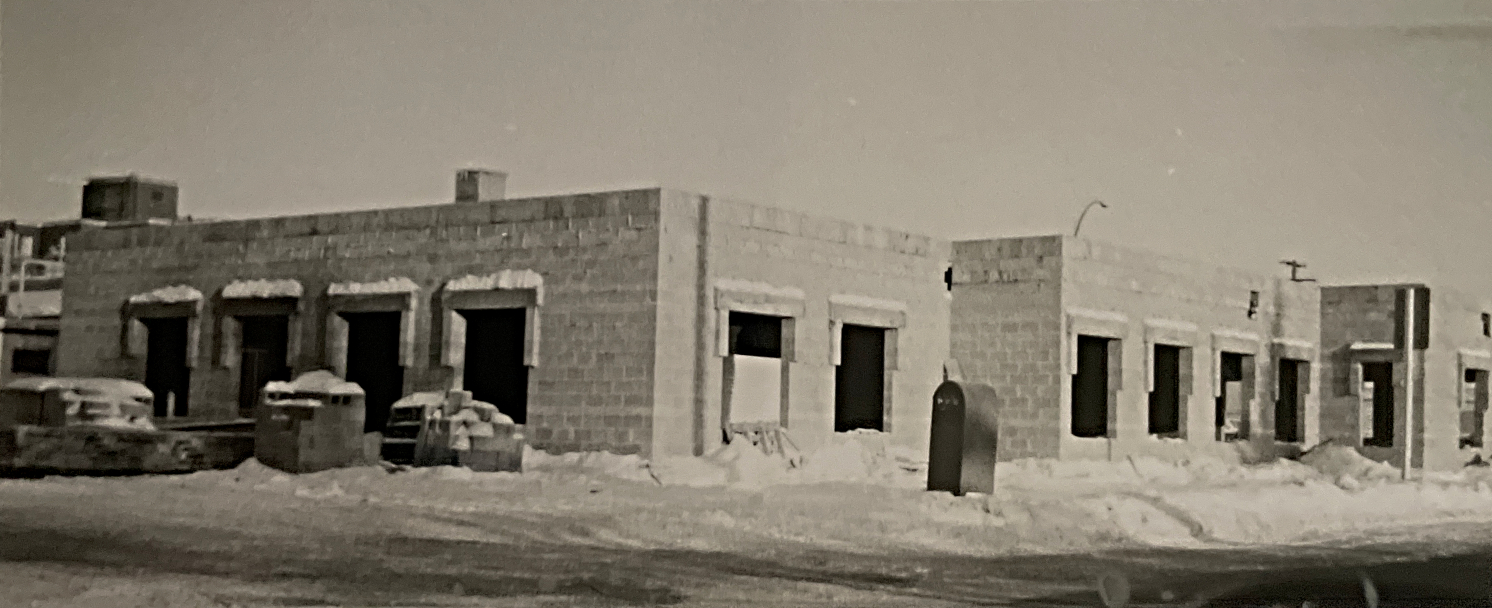
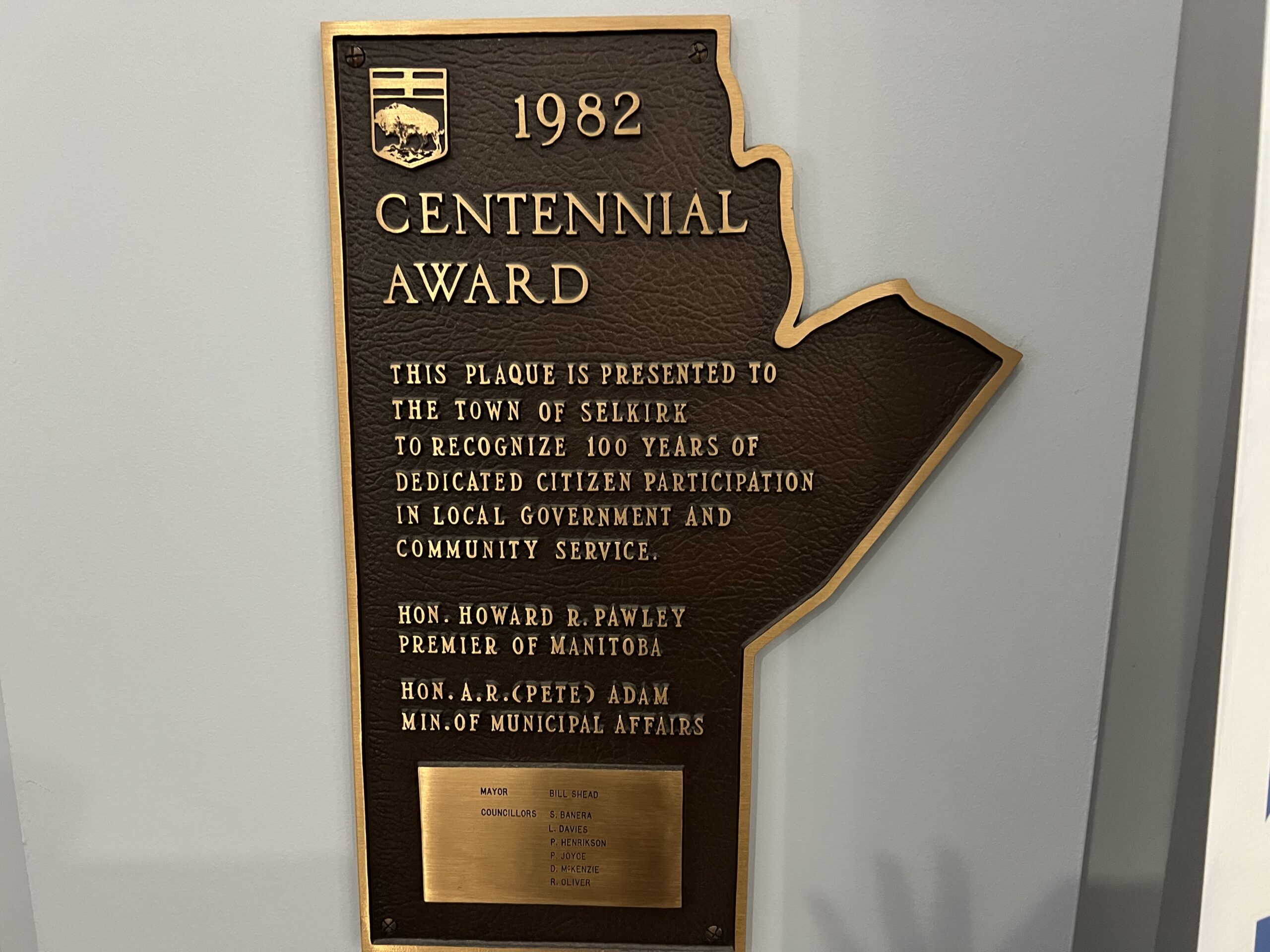
Twenty years later, civic office required renovations once again. Large cracks in the walls required constant monitoring, and pieces of the ceiling had begun to fall. Mayor Bill Shead made the decision to repair the deteriorating building. Despite the clear need for the repairs, the public was deeply dissatisfied with the decision and Mayor Bill Shead received significant pushback from the community.
Selkirk Civic Office Today
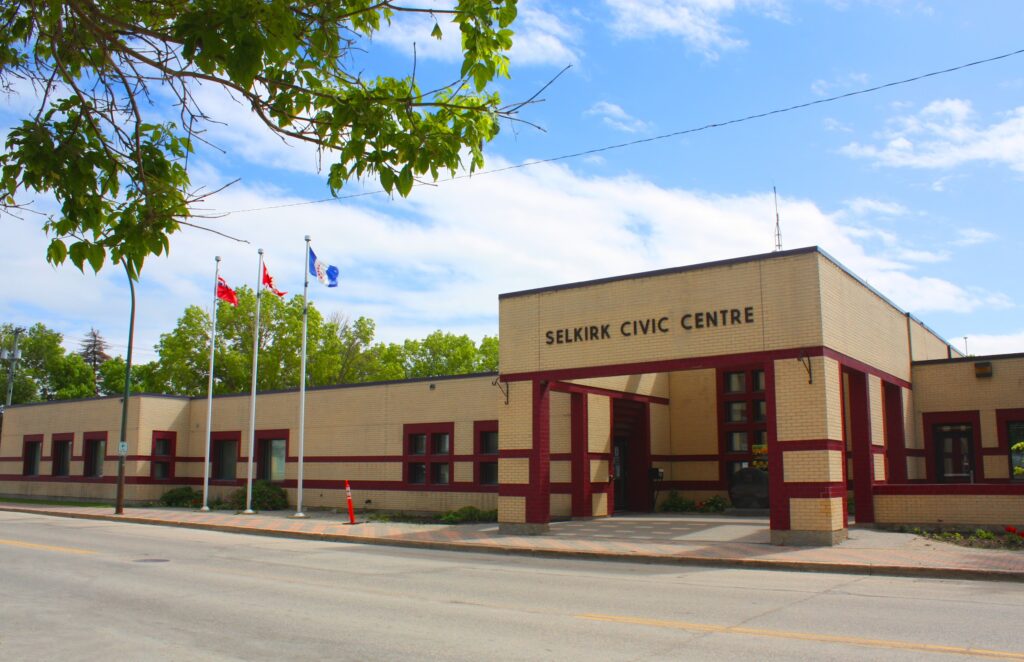
Today, Selkirk Civic Office continues to assist the community by coordinating municipal services, public programs, and citizen support. The building still houses council chambers, the mayor’s office, general city administrative offices, and the Selkirk Fire Department building is attached to the west.
Civic Office Collection
Click on images to enlarge
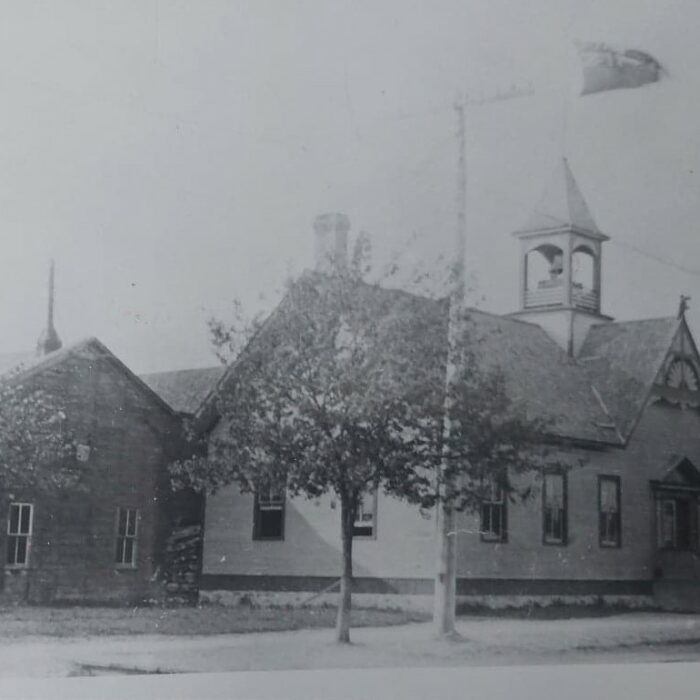 Selkirk's First Town Hall, 1890, Archives of Manitoba

Sources
Bud Oliver Oral History Interview, 2023
Bill Shead Oral History Interview, 2023
Selkirk Fire Department, Selkirk Museum
Selkirk Library, Selkirk Museum
Stories of Selkirk’s Pioneers and Their Heritage, Kenneth G. Howard
Selkirk Enterprise, 1953, 1957, 1958, 1959, 1960, 1987