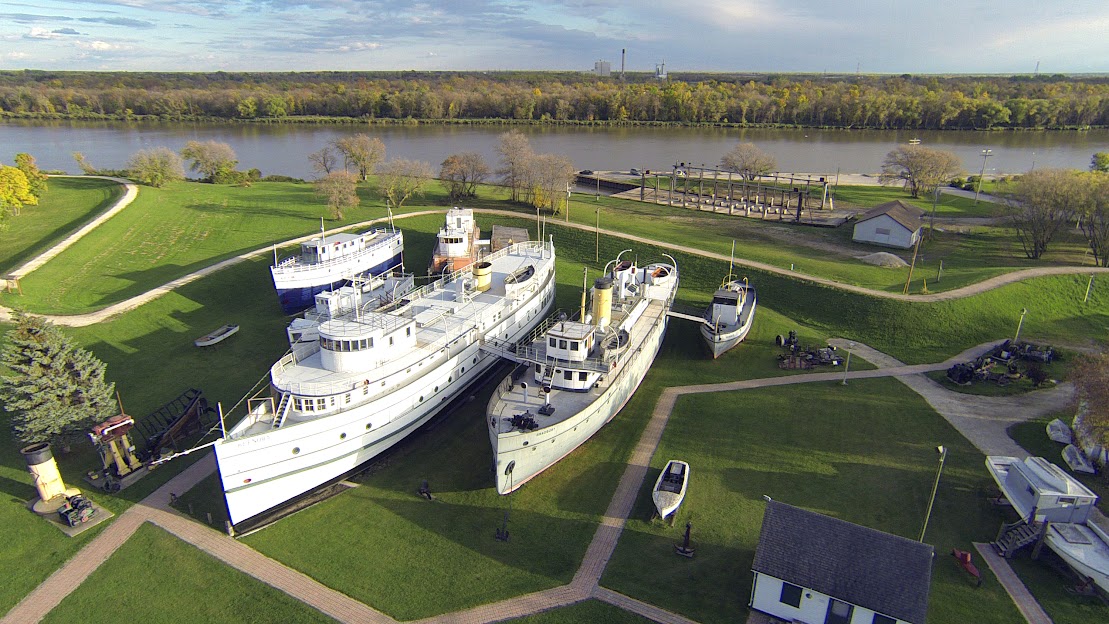
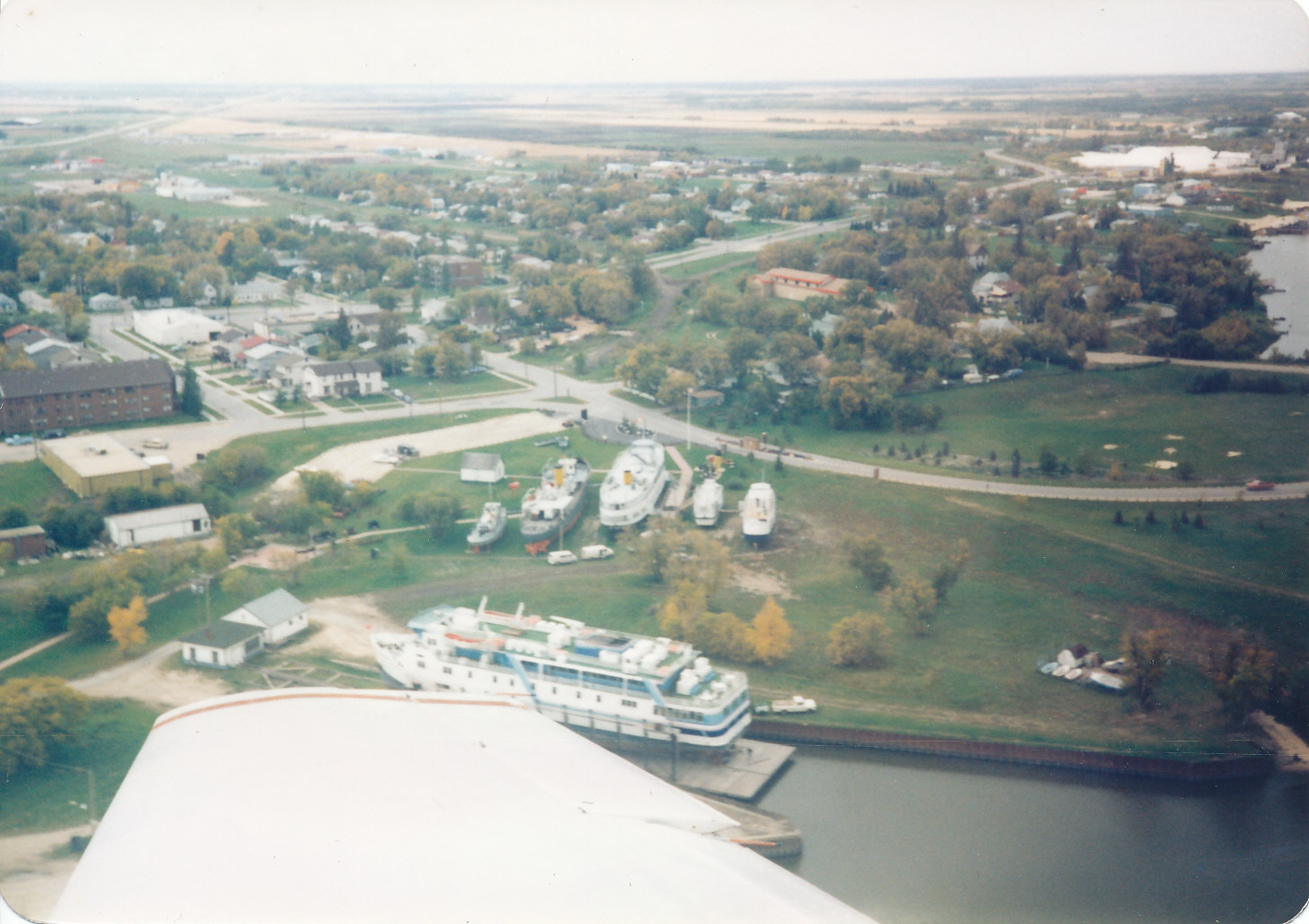
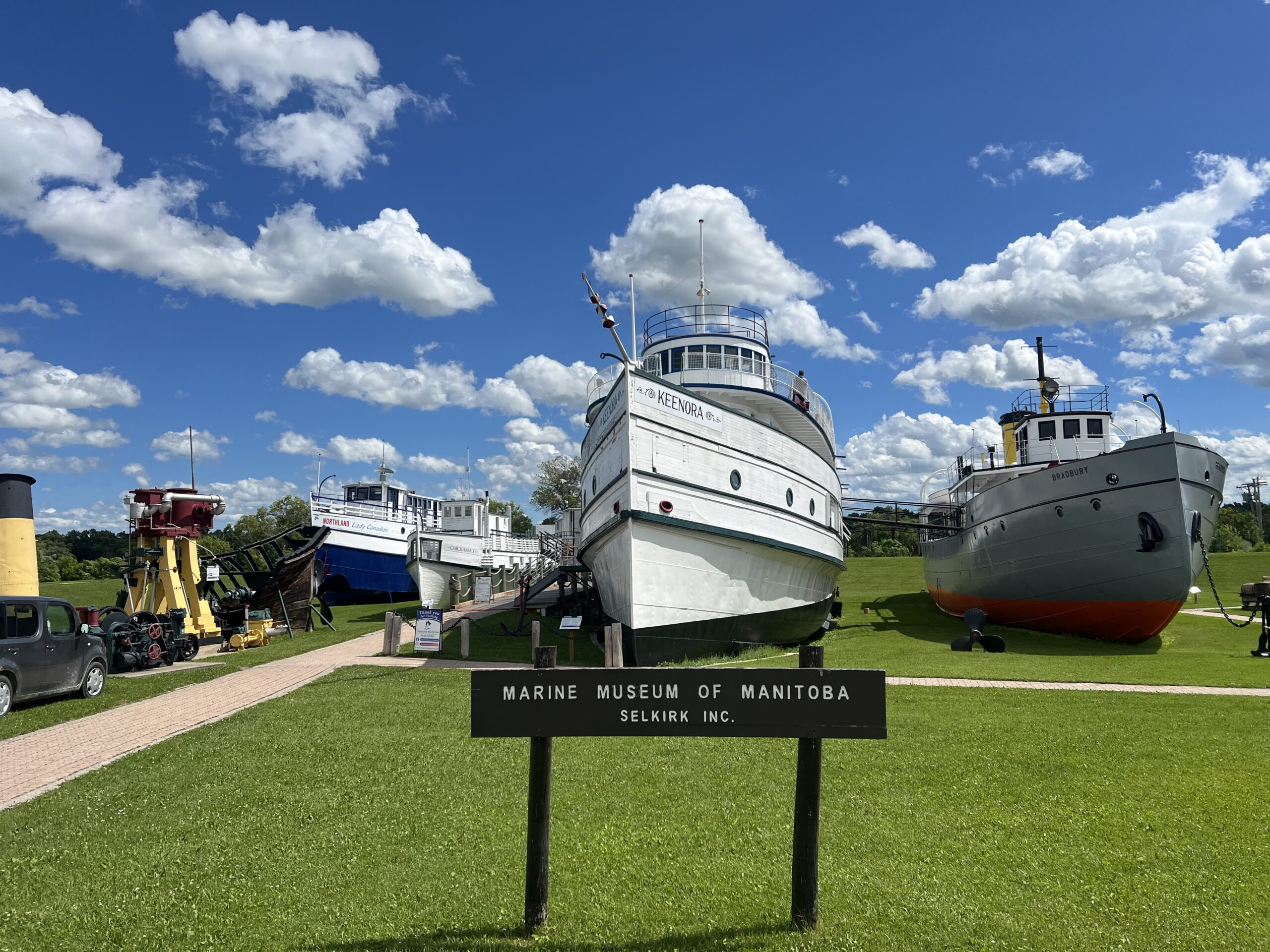
The Marine Museum of Manitoba was established in Selkirk in 1972. It is a unique institution dedicated to preserving the province’s marine history by restoring historic boats such as the S.S. Keenora, Granite Rock and Lu Berc. Over the years, the museum expanded its collection with numerous boats and artifacts. Through continued community support, events, and waterfront development, the museum has remained an important heritage site.
As the only Marine Museum in the landlocked province of Manitoba, the Marine Museum of Manitoba, located in Selkirk, stands out as a unique attraction to tourists and locals alike. This Museum preserves and displays the history of marine life in Manitoba from around 1850 to present day.
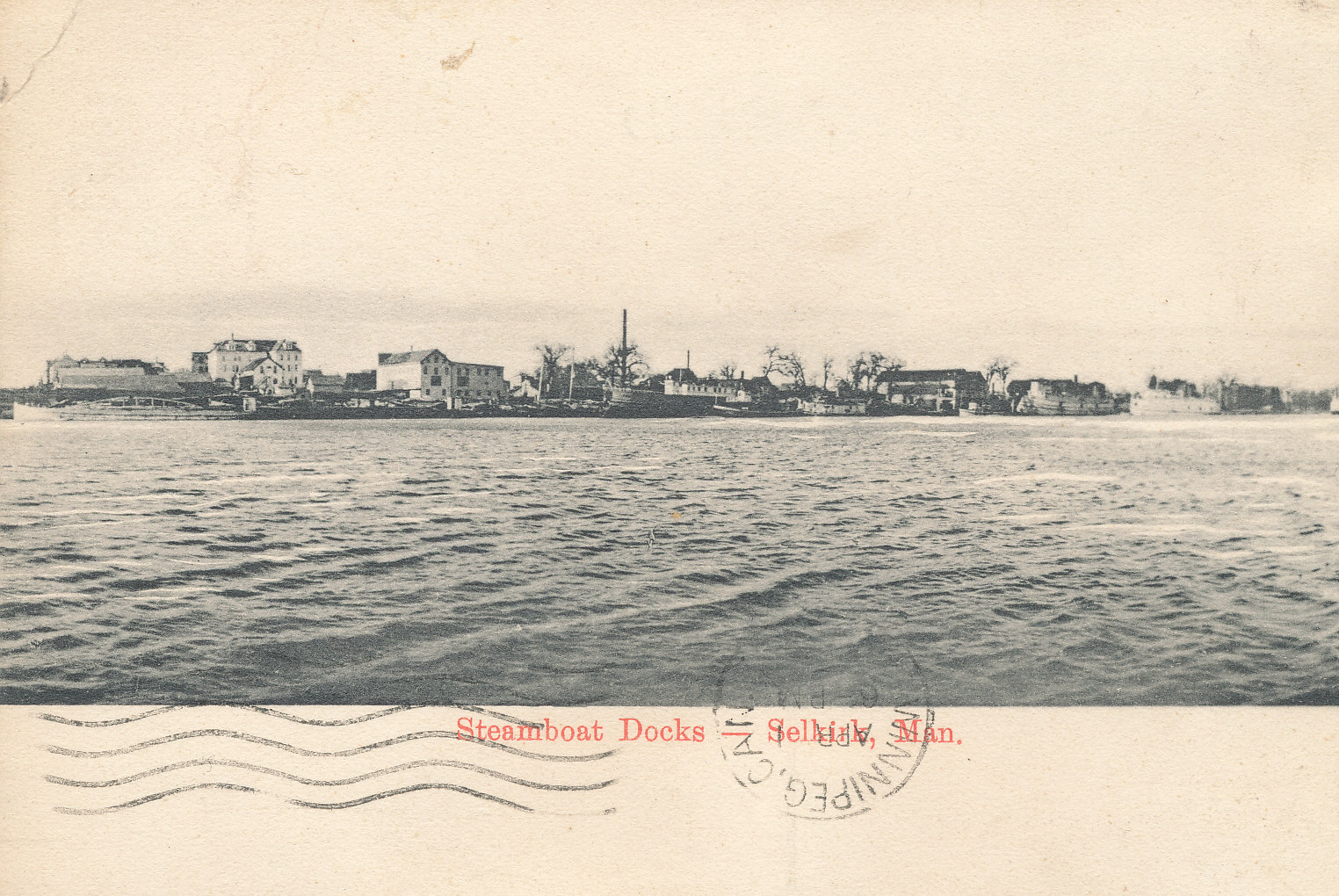
The first formal suggestion for a Marine Museum came in 1970 from Doug Rowland M.P. for Selkirk, who suggested collecting three boats from the Selkirk Slough and restoring them as a tourist attraction. These boats were the S.S. Keenora, Granite Rock and Lu Berc.
There was pushback from the community about saving the Granite Rock and Lu Berc, and many people wanted the Marine Museum to be near Selkirk Park (where it is today) instead of near Lower Fort Garry as was first suggested.
Incorporation of the Museum
The Marine Museum of Manitoba was established in 1972 with a committee that began work towards acquiring and restoring the S.S. Keenora. Soon that committee turned into a not-for-profit corporation. Lloyd Wersch was Chairman of the corporation for several early years until he became Mayor.
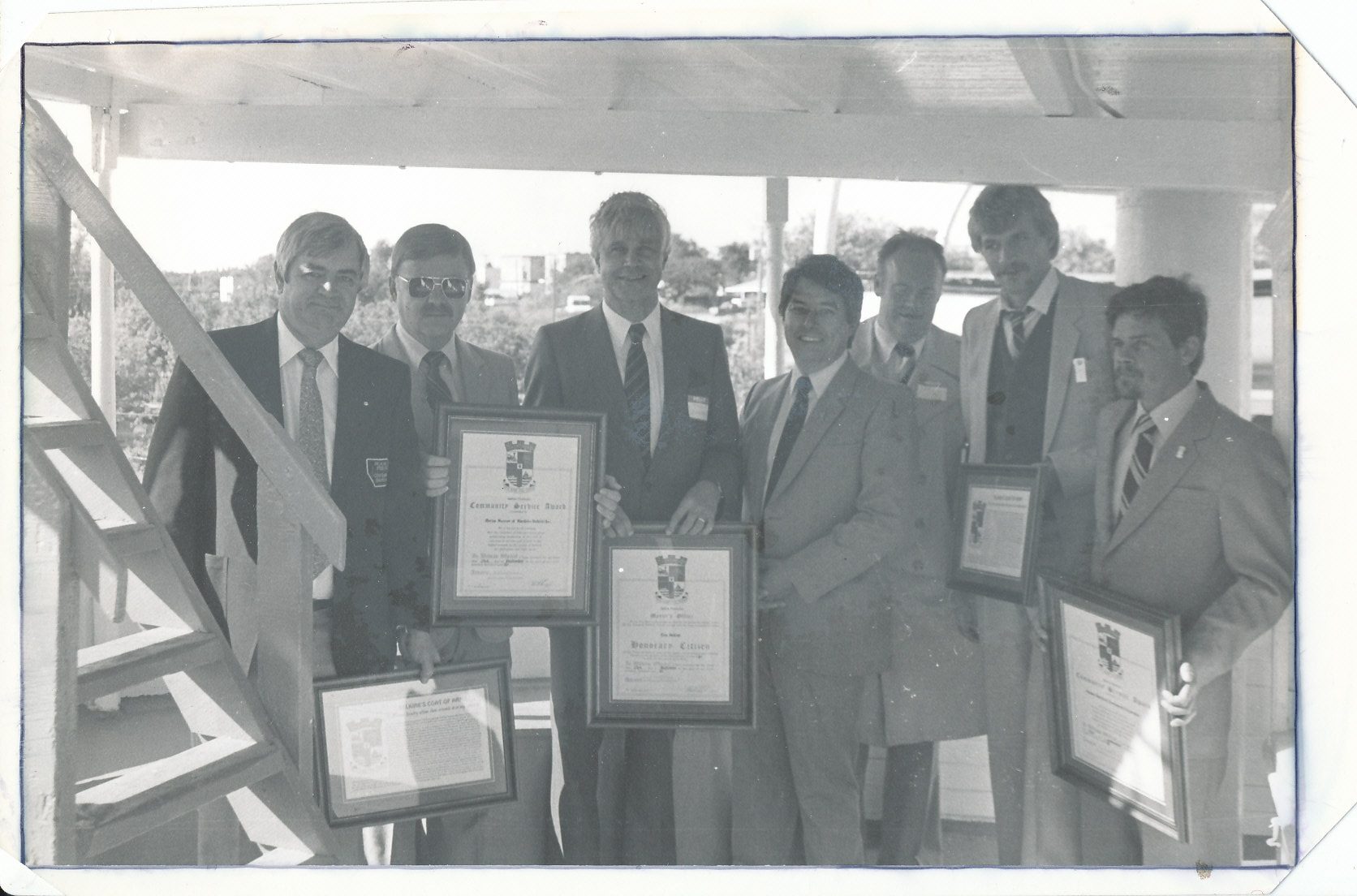
In 1973 the City of Selkirk designated land for the use of the Marine Museum. In the early years, the operating budget of the Museum was paid for by the City of Selkirk and capital projects were funded through government grants and donations.
S.S. Keenora
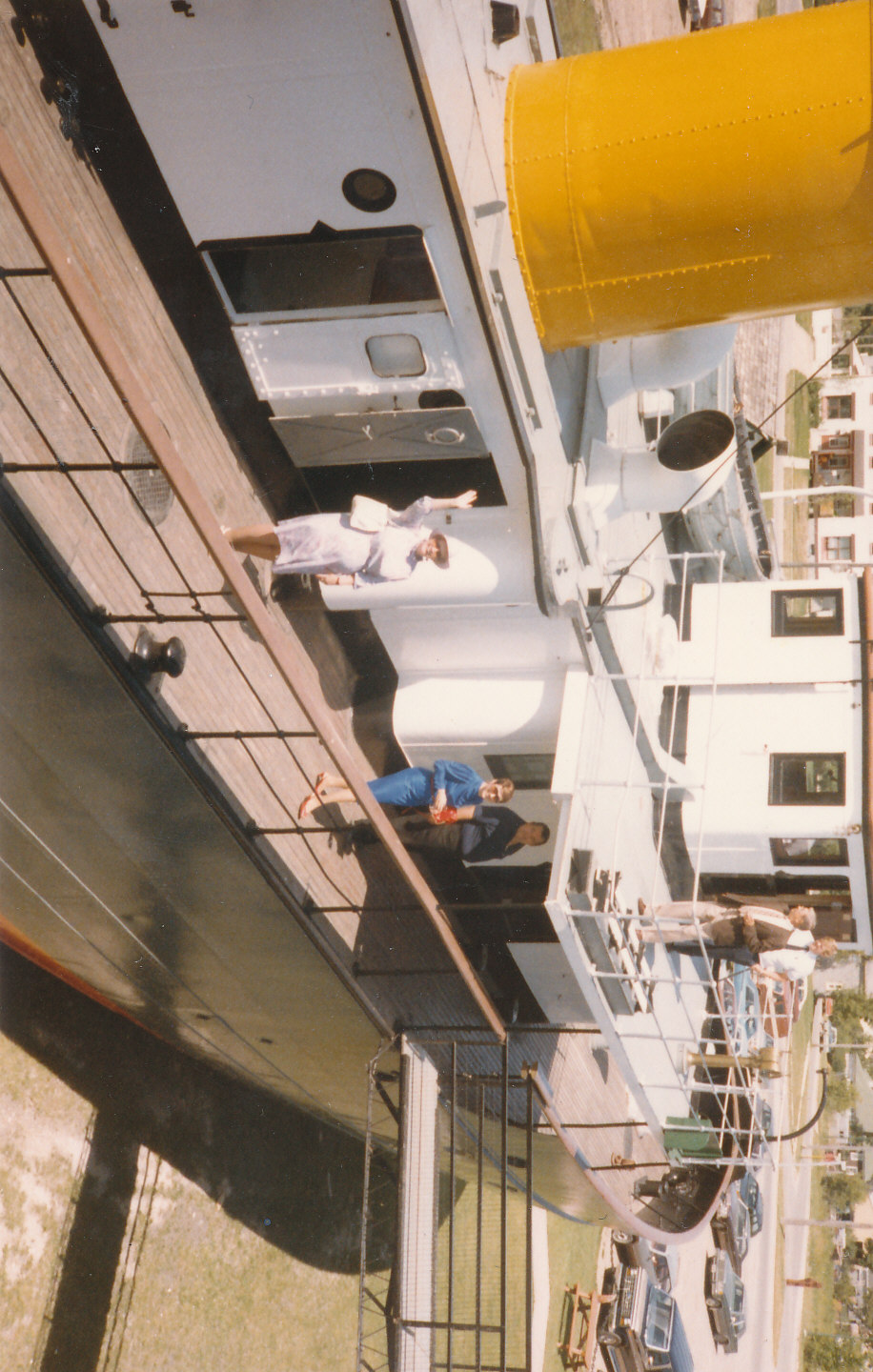
Abandoned in the Selkirk Slough in 1966, the large S.S Keenora was purchased in 1972, by a group of 20 Selkirk businessmen. These men were the original directors of the museum committee.
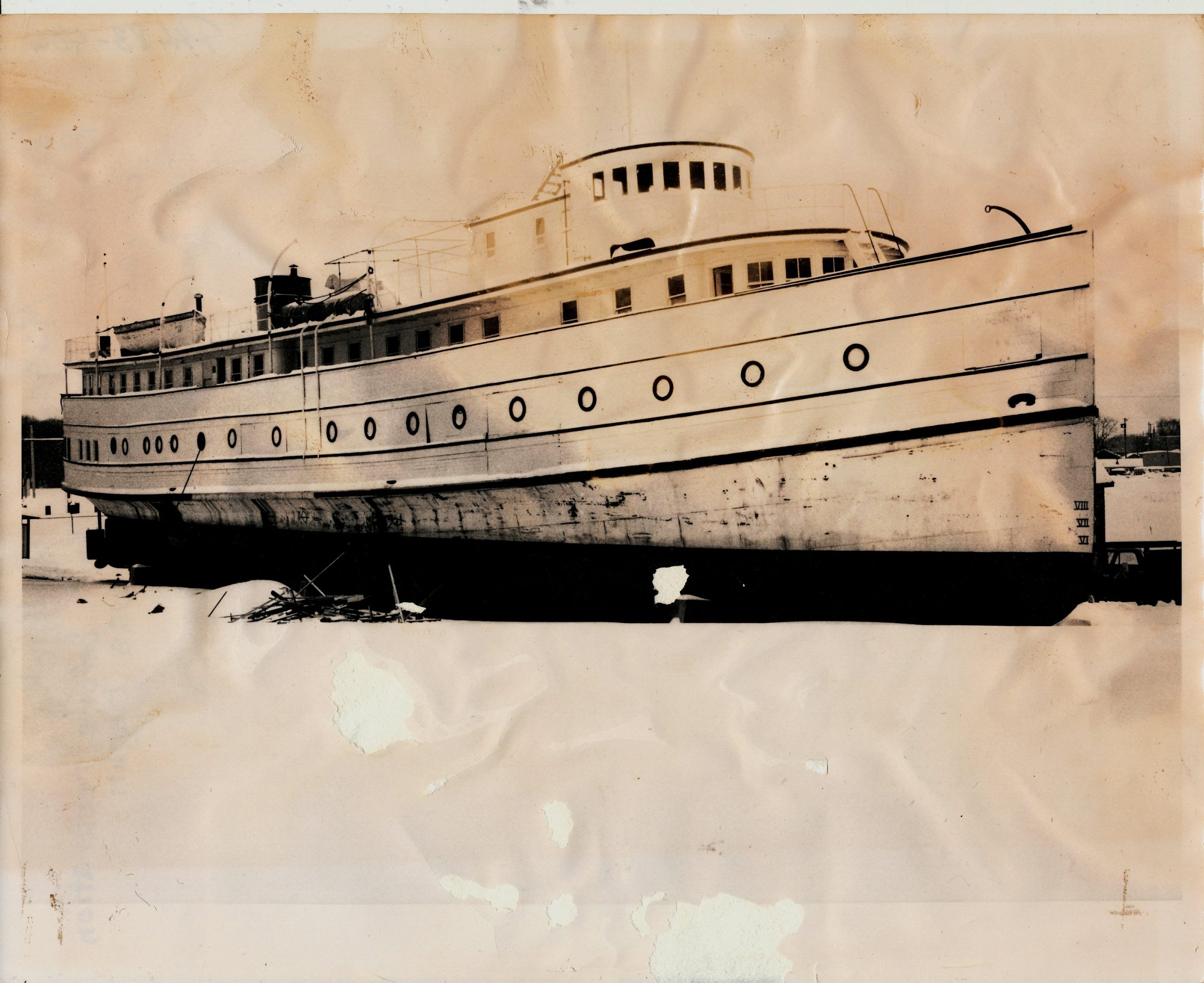
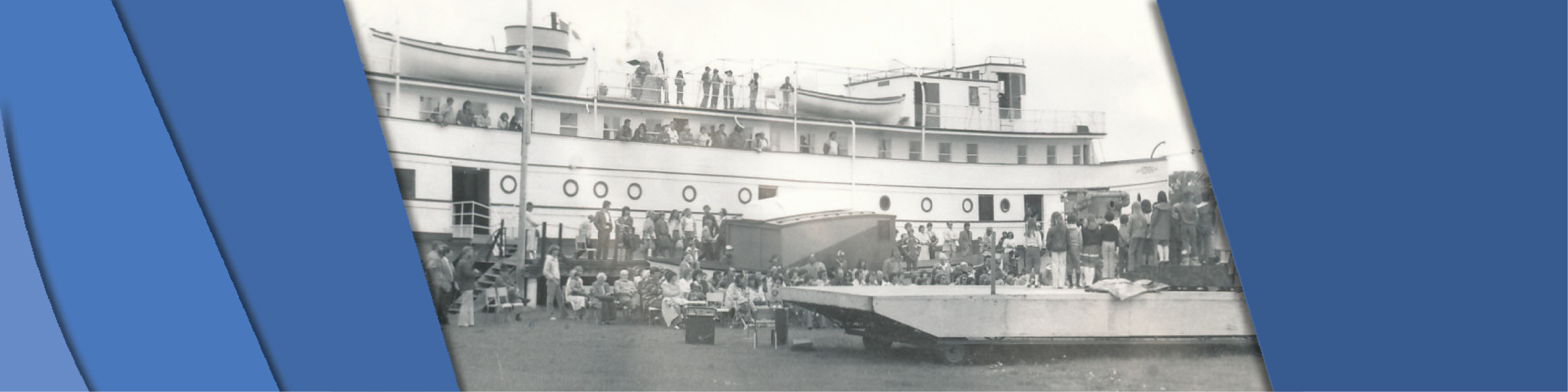
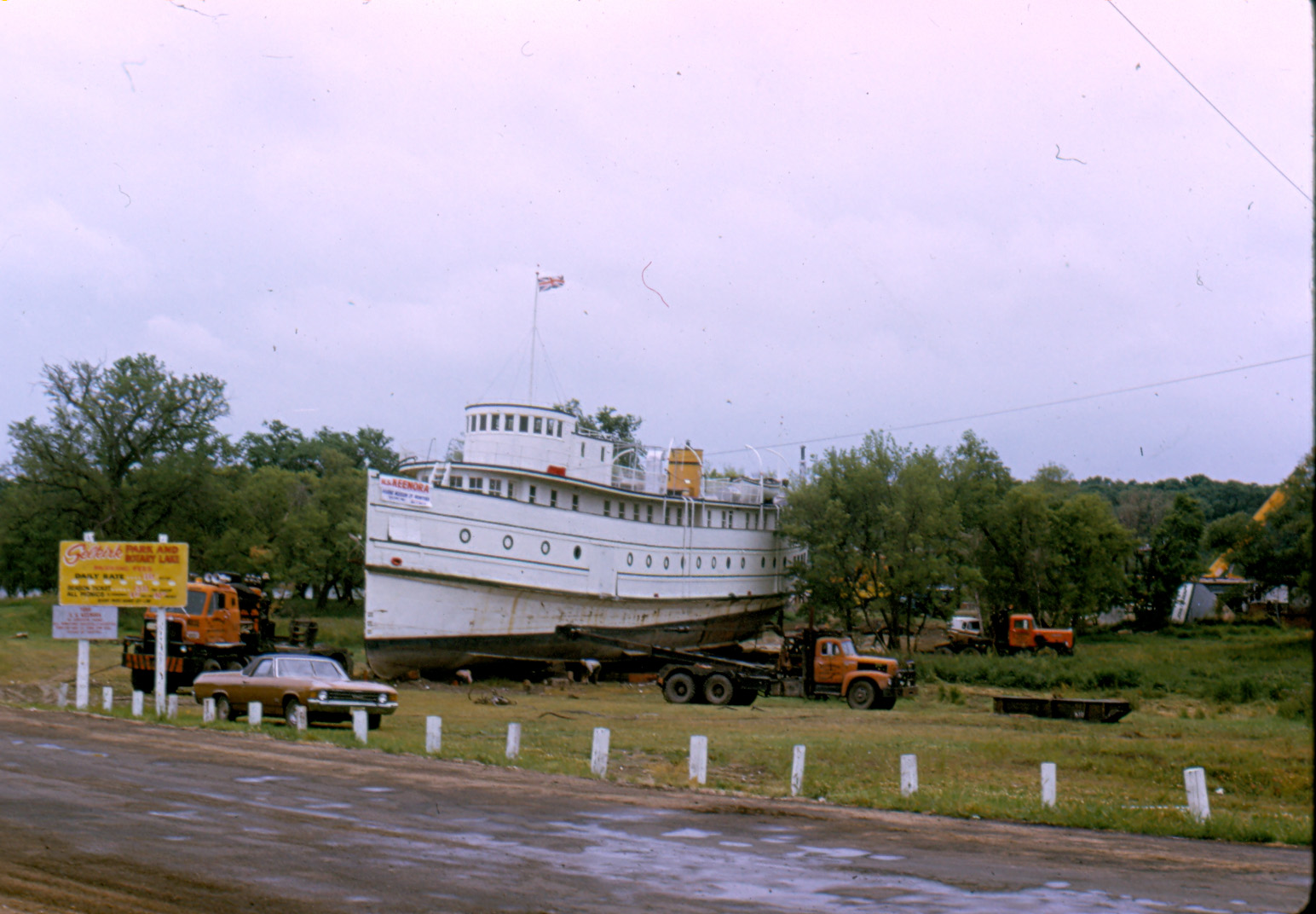
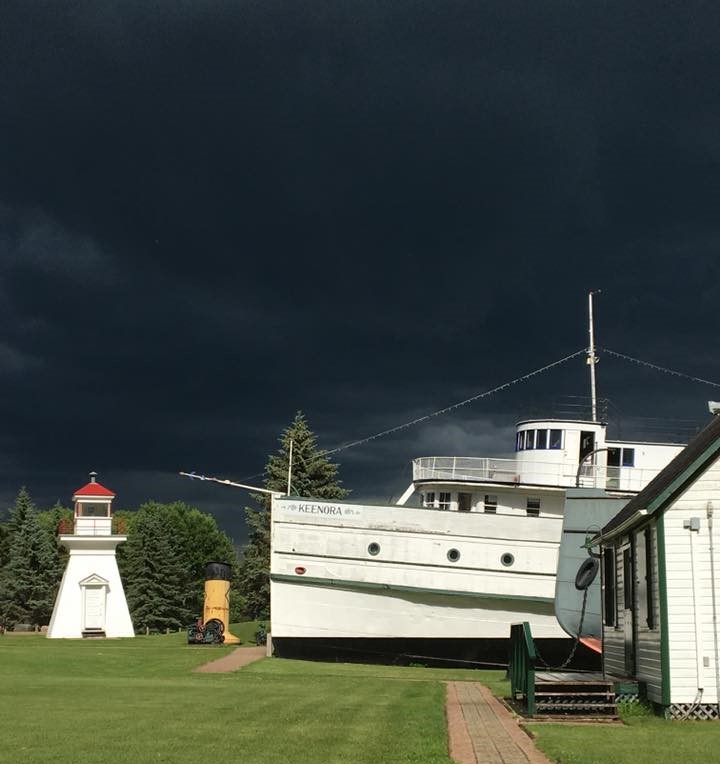
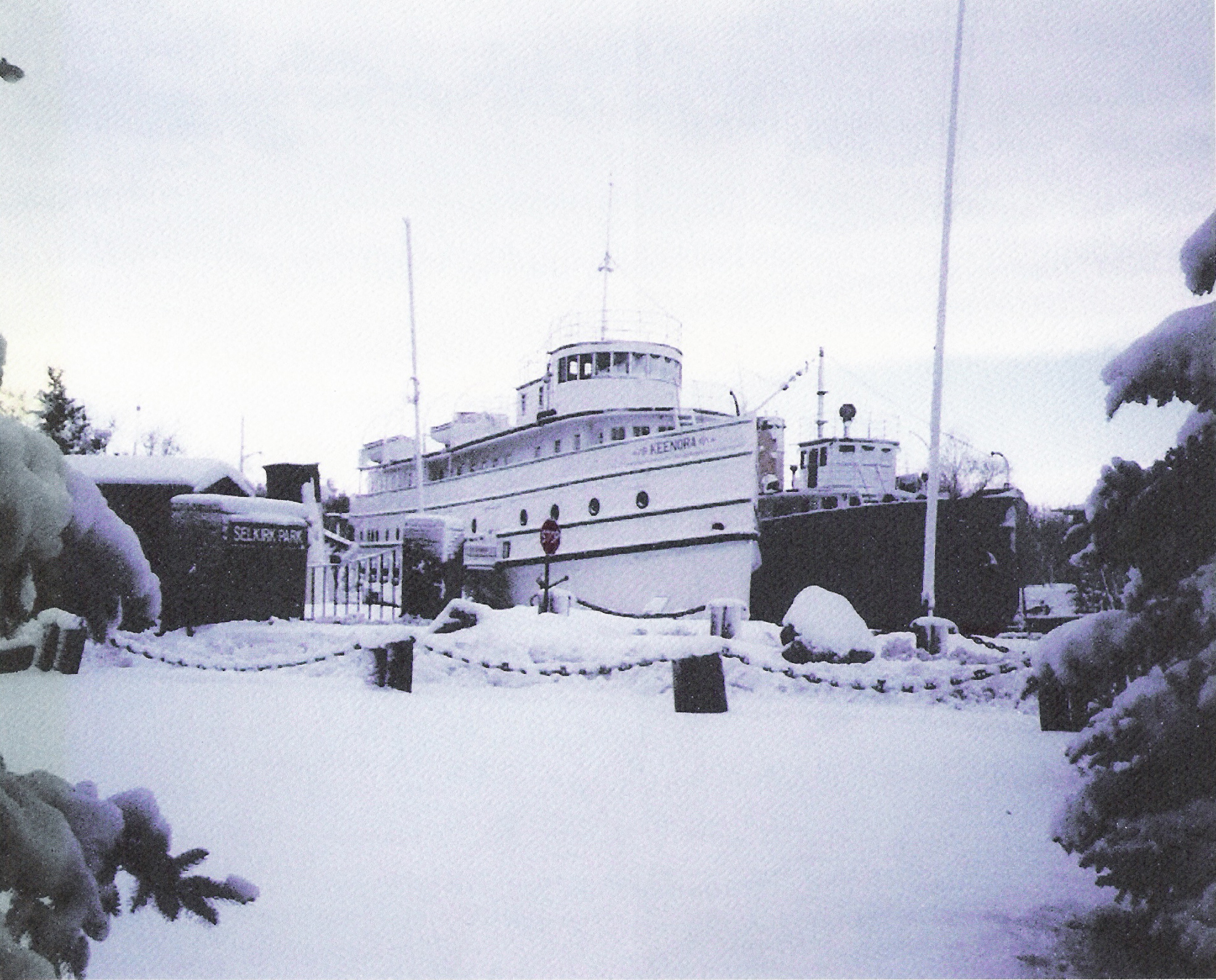
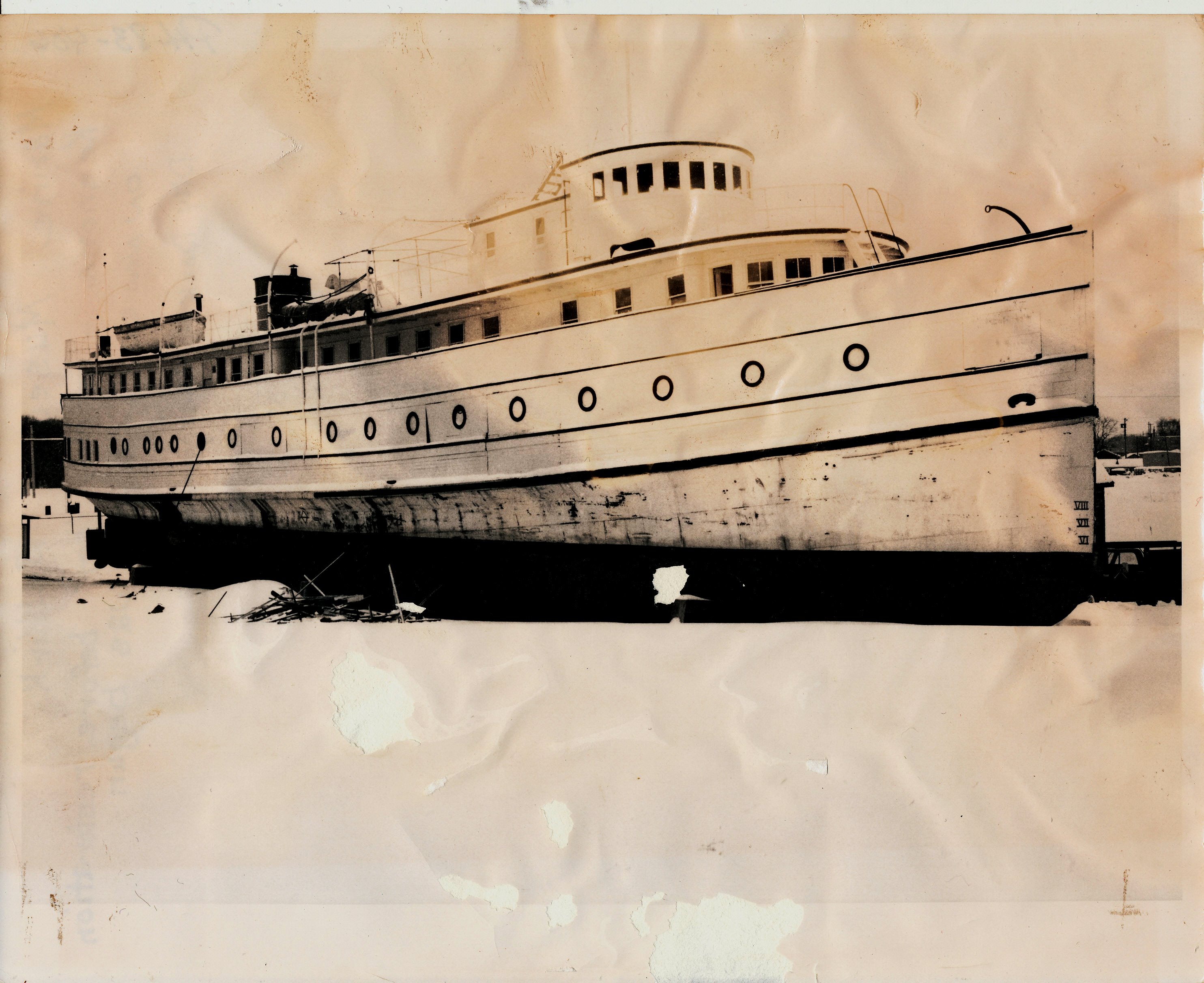
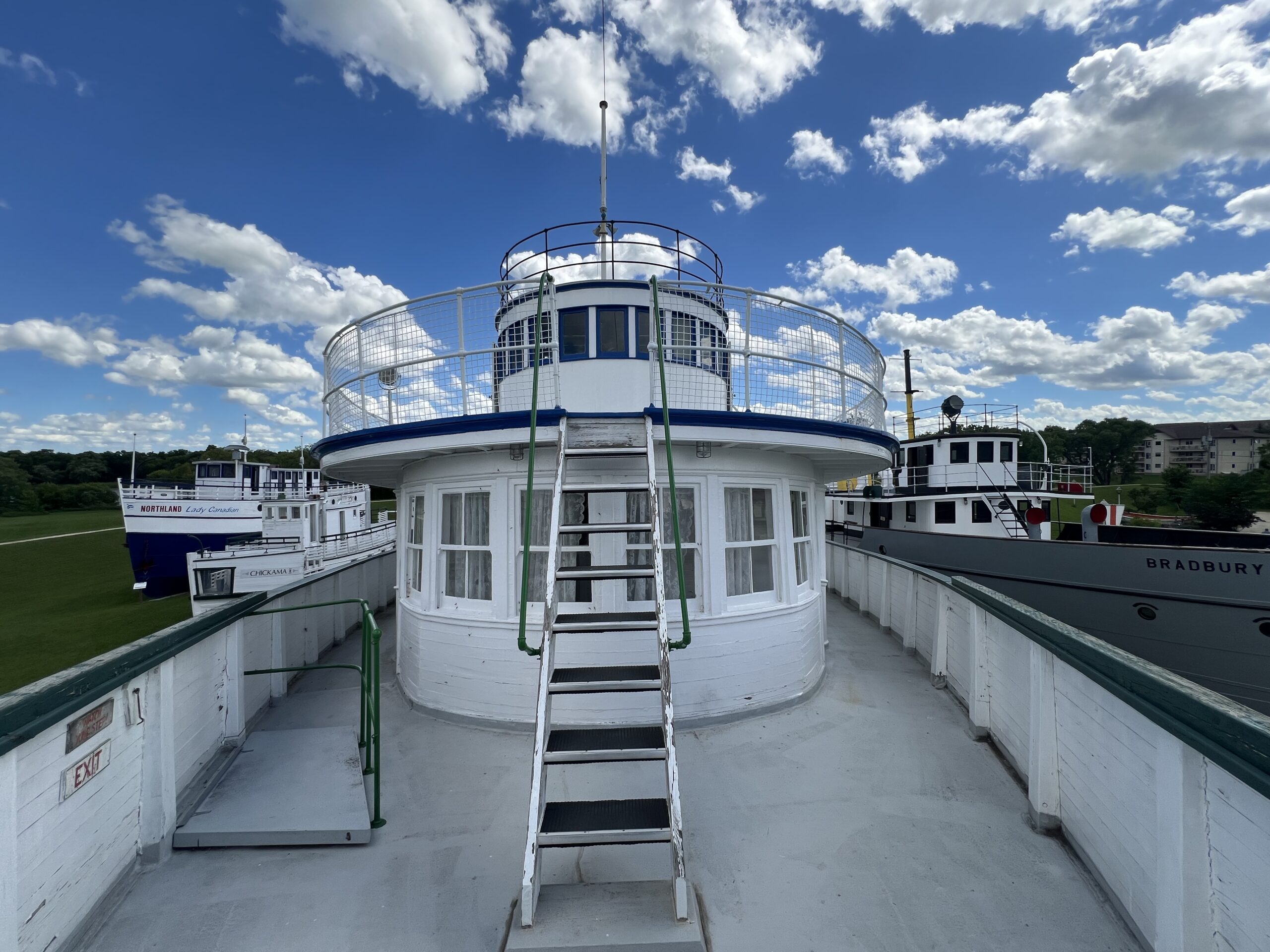
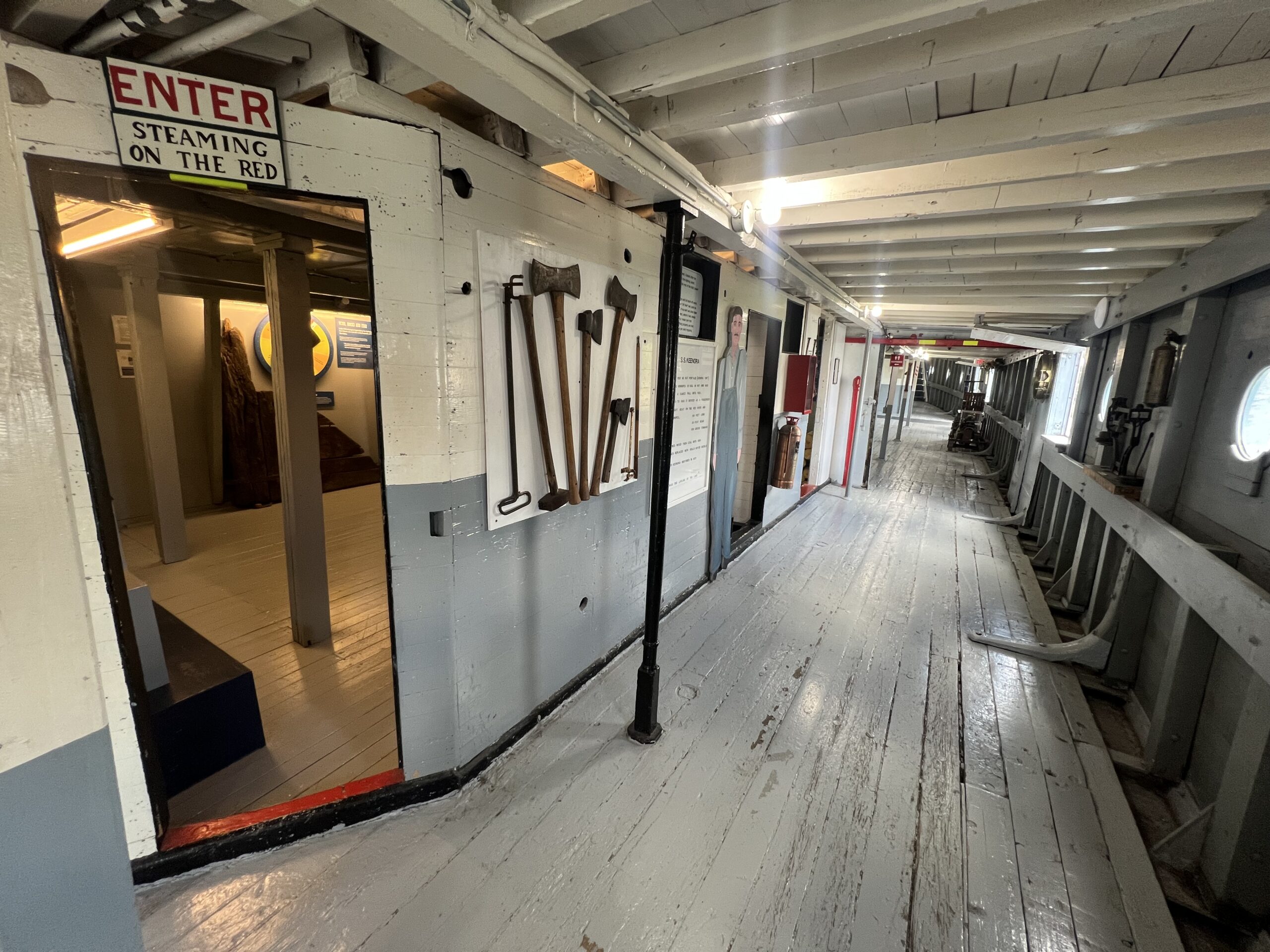
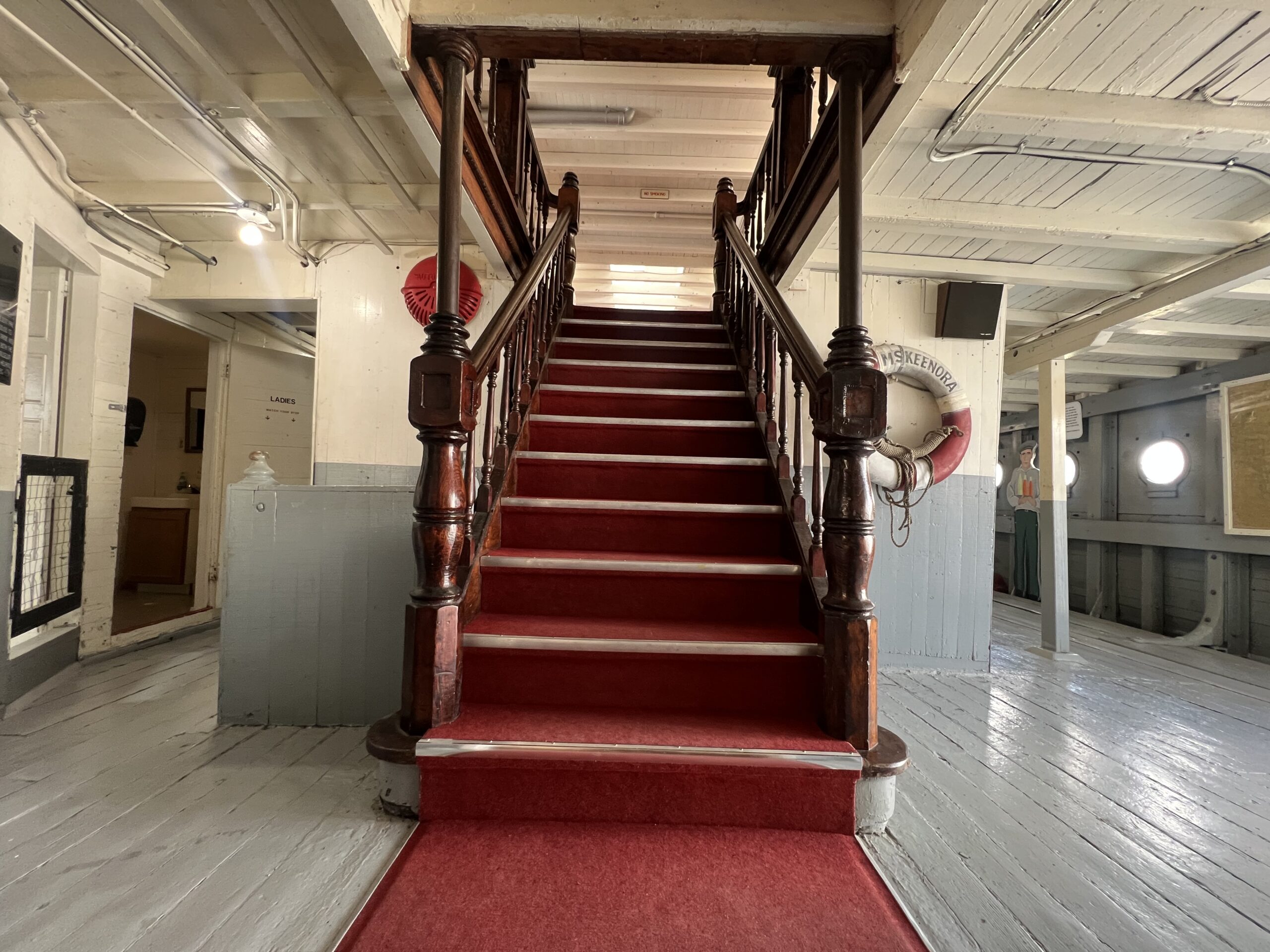
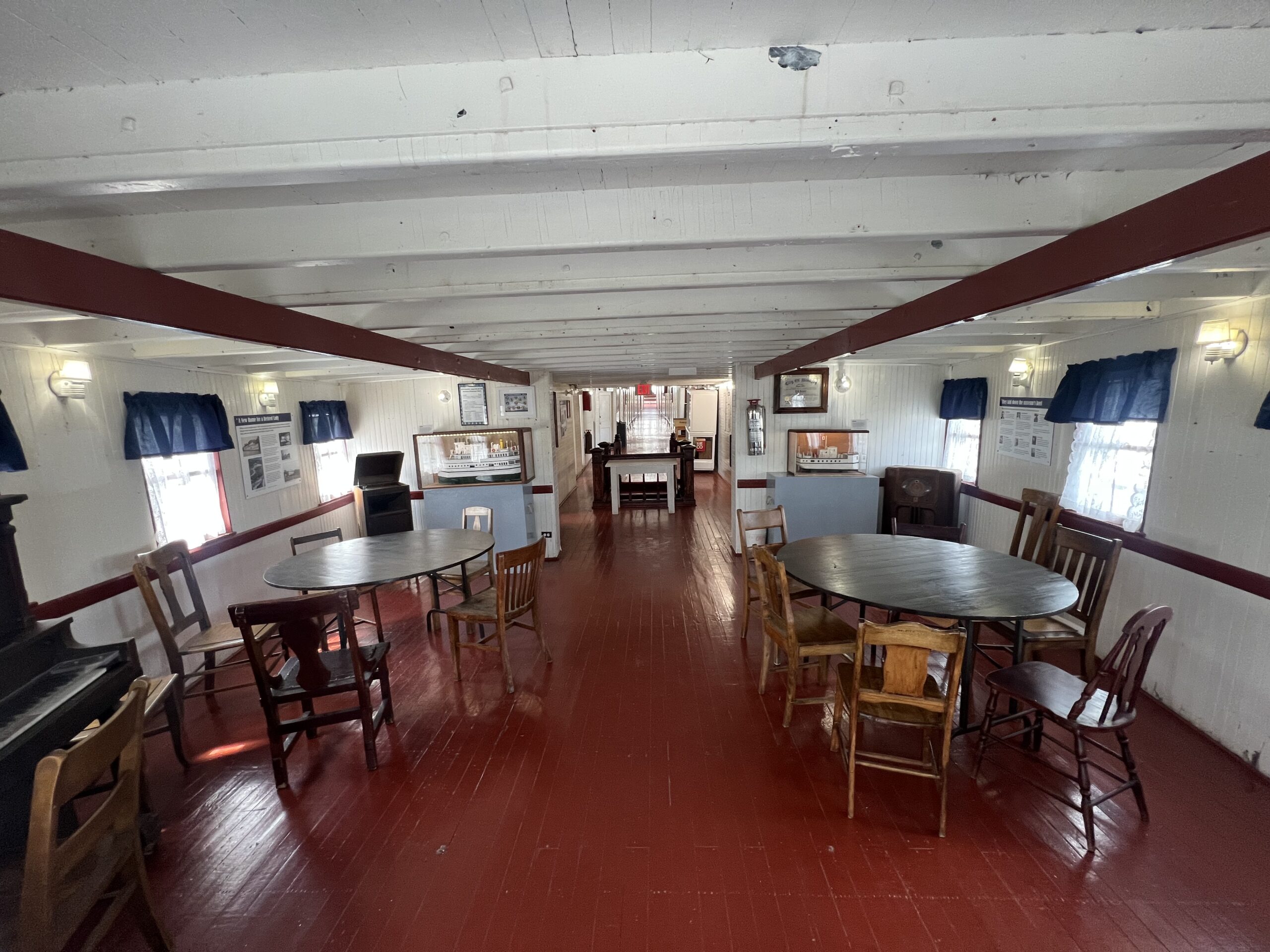
The boat, built in 1897, was a passenger and freight steamship, and Manitoba’s oldest steamship. In the summer of 1973, the S.S Keenora was removed from the Red River, then dragged on its keel across Selkirk Park, to where it stands today. The immediate restoration was done and the empty ship opened to the public August 1, 1973. It was painted and restored to look how it was in the 1920s. Further restoration continued for several years, and then artifacts were added to the boat.
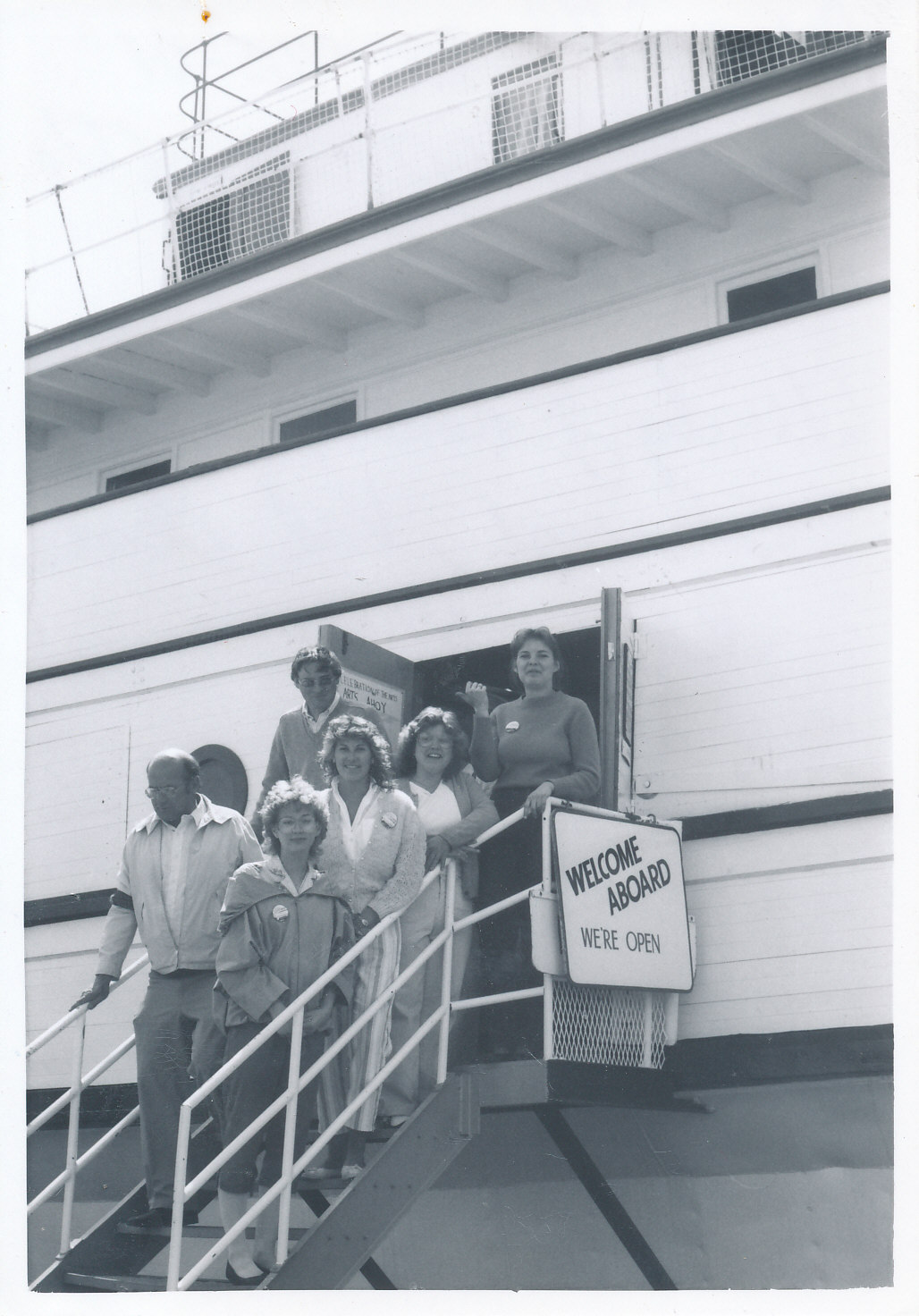
The grand opening of the Marine Museum was held over Victoria Day weekend in May 1974.
C.G.S Bradbury
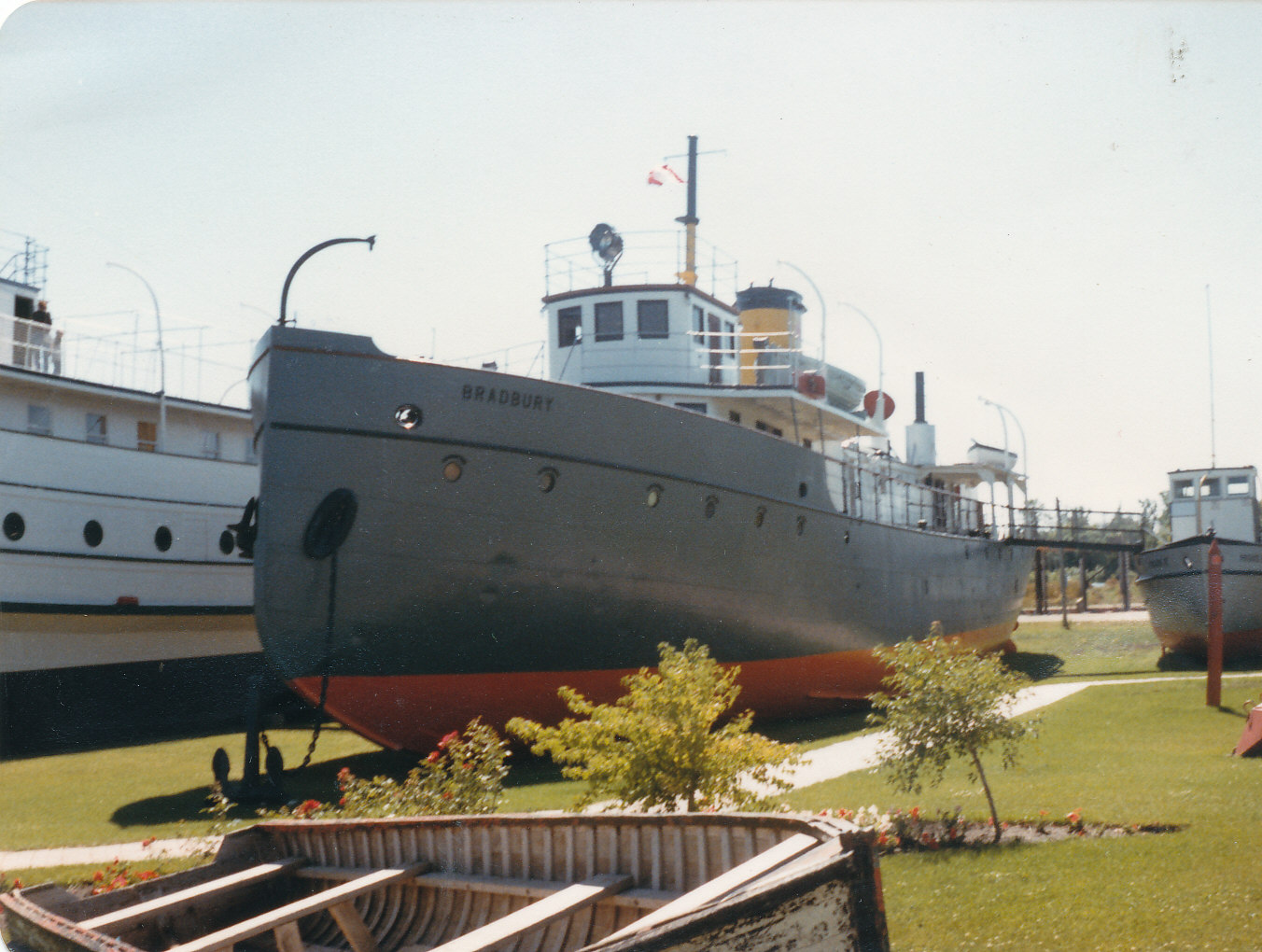
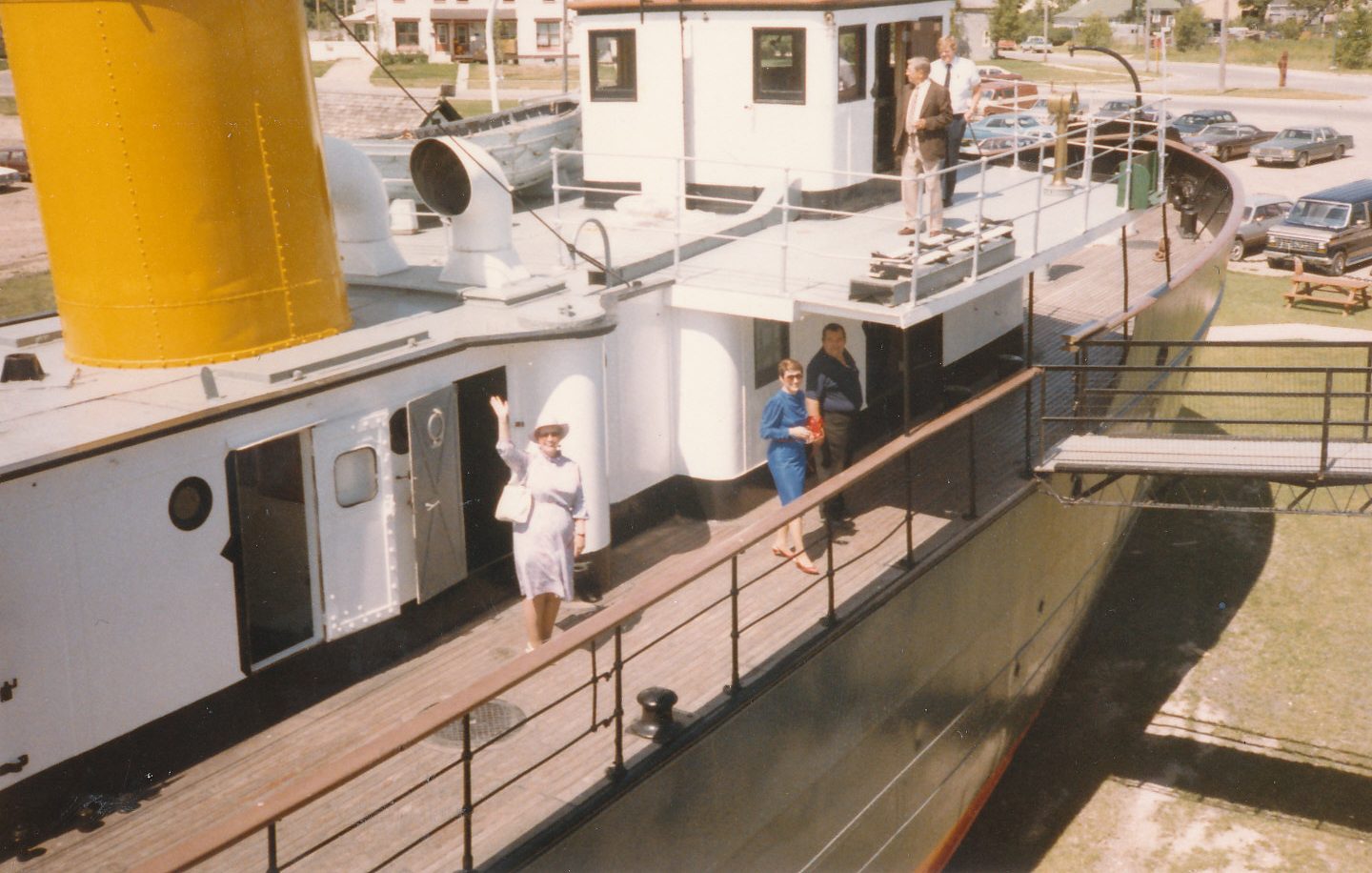
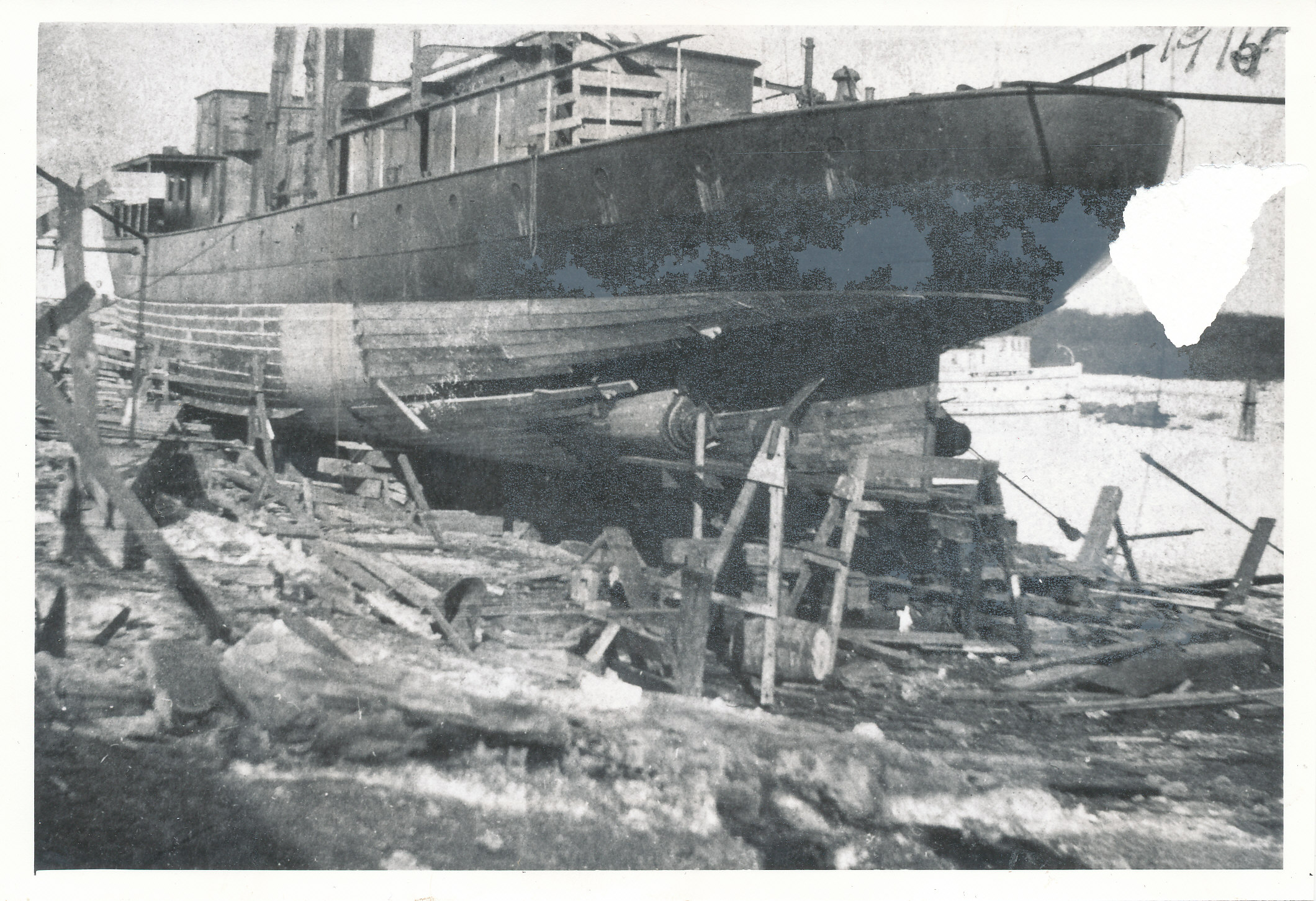
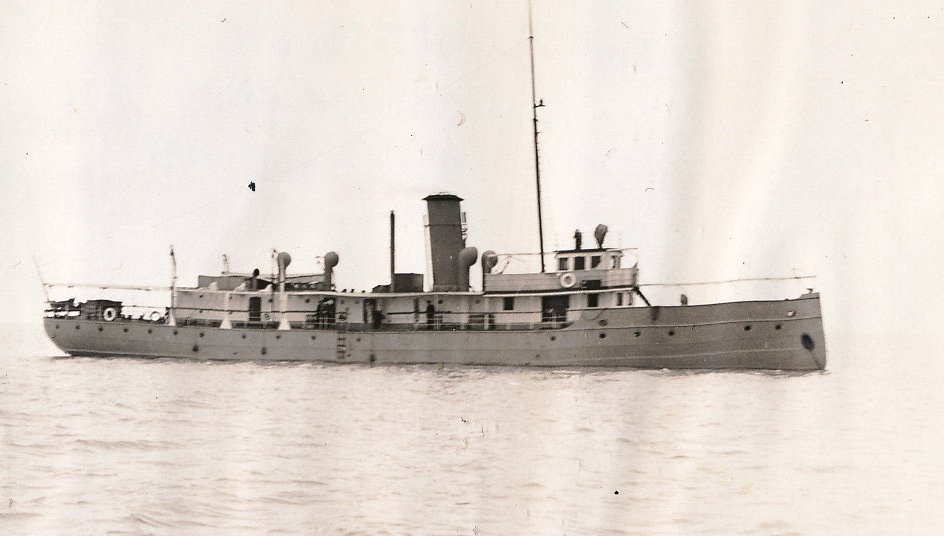
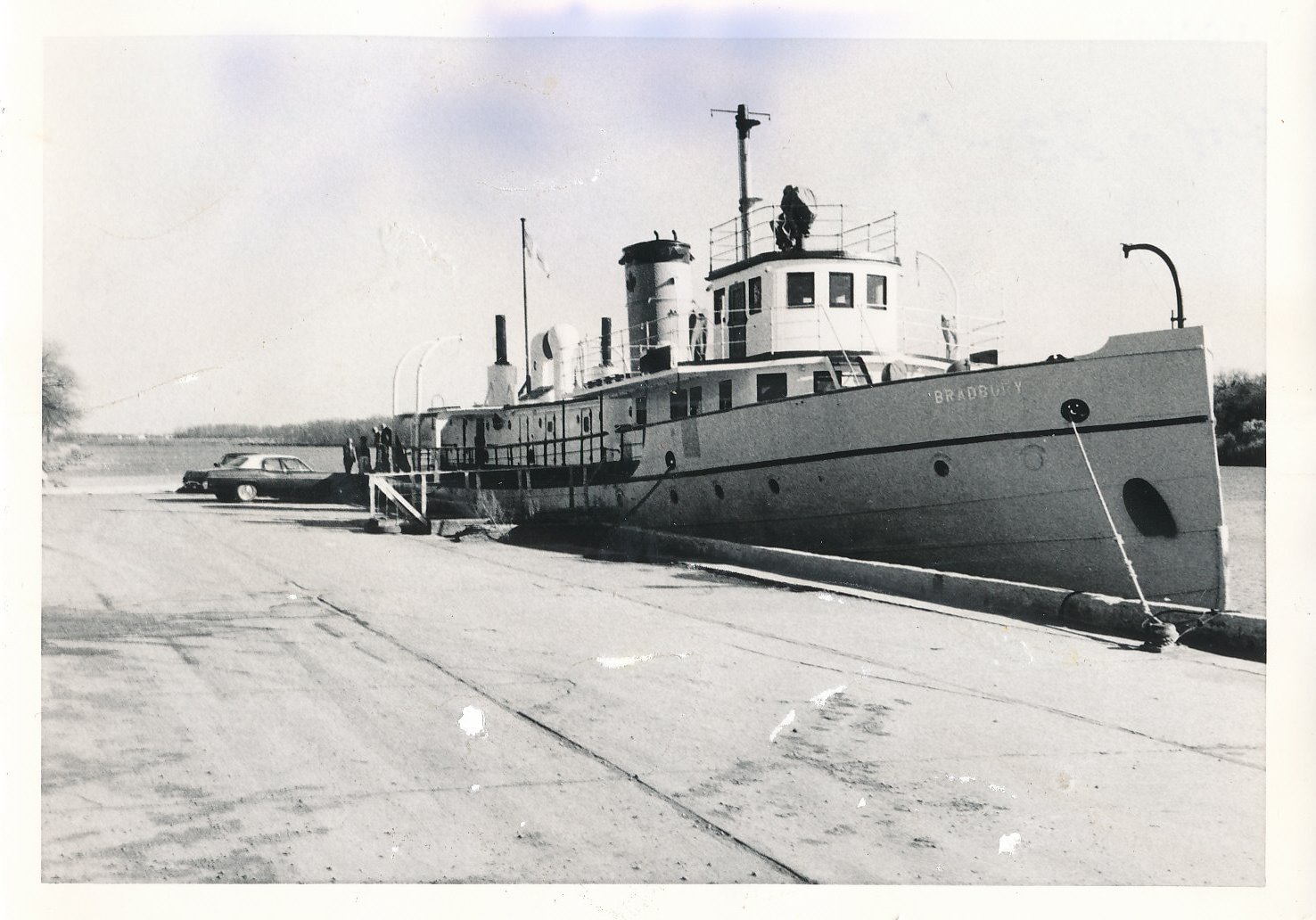
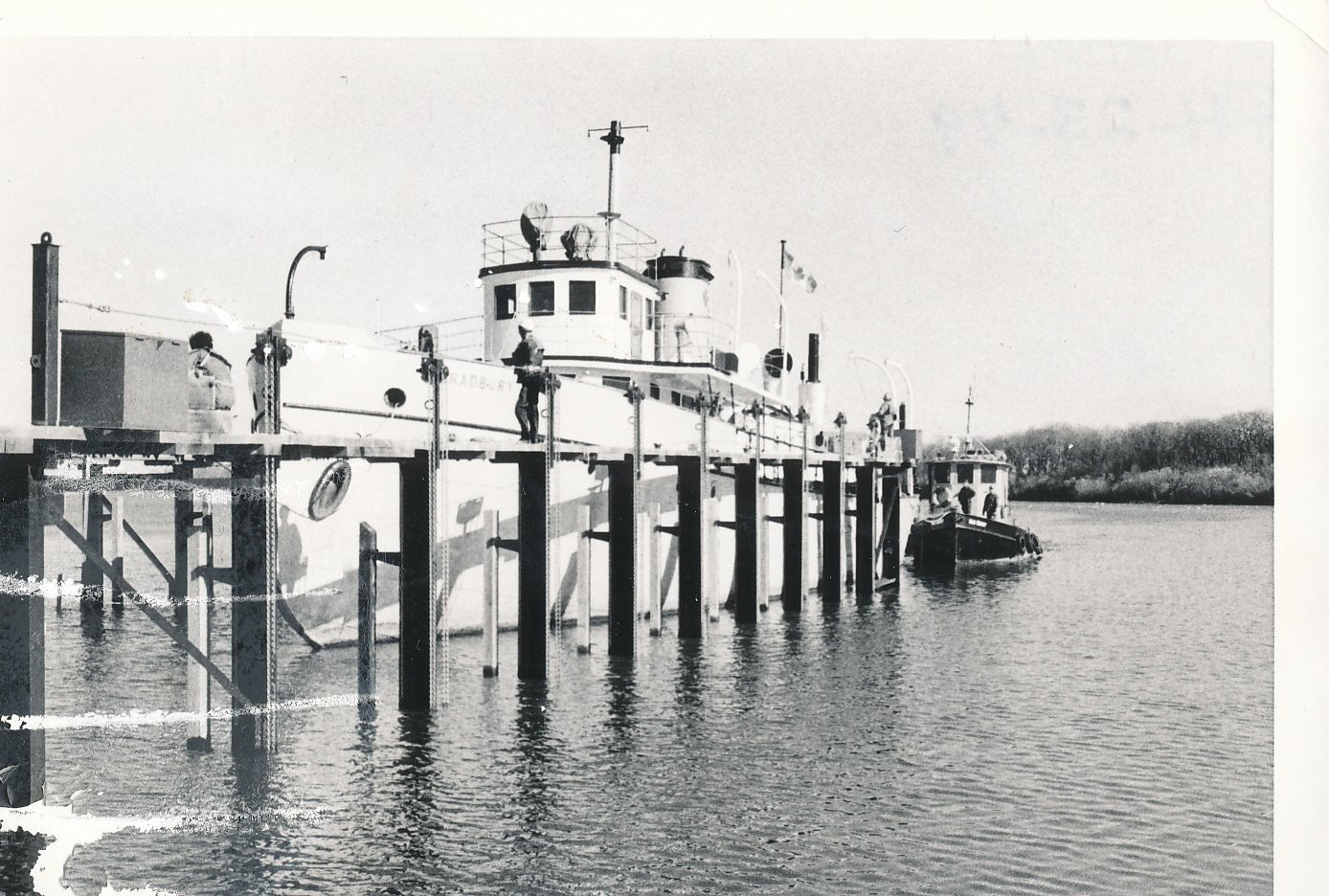
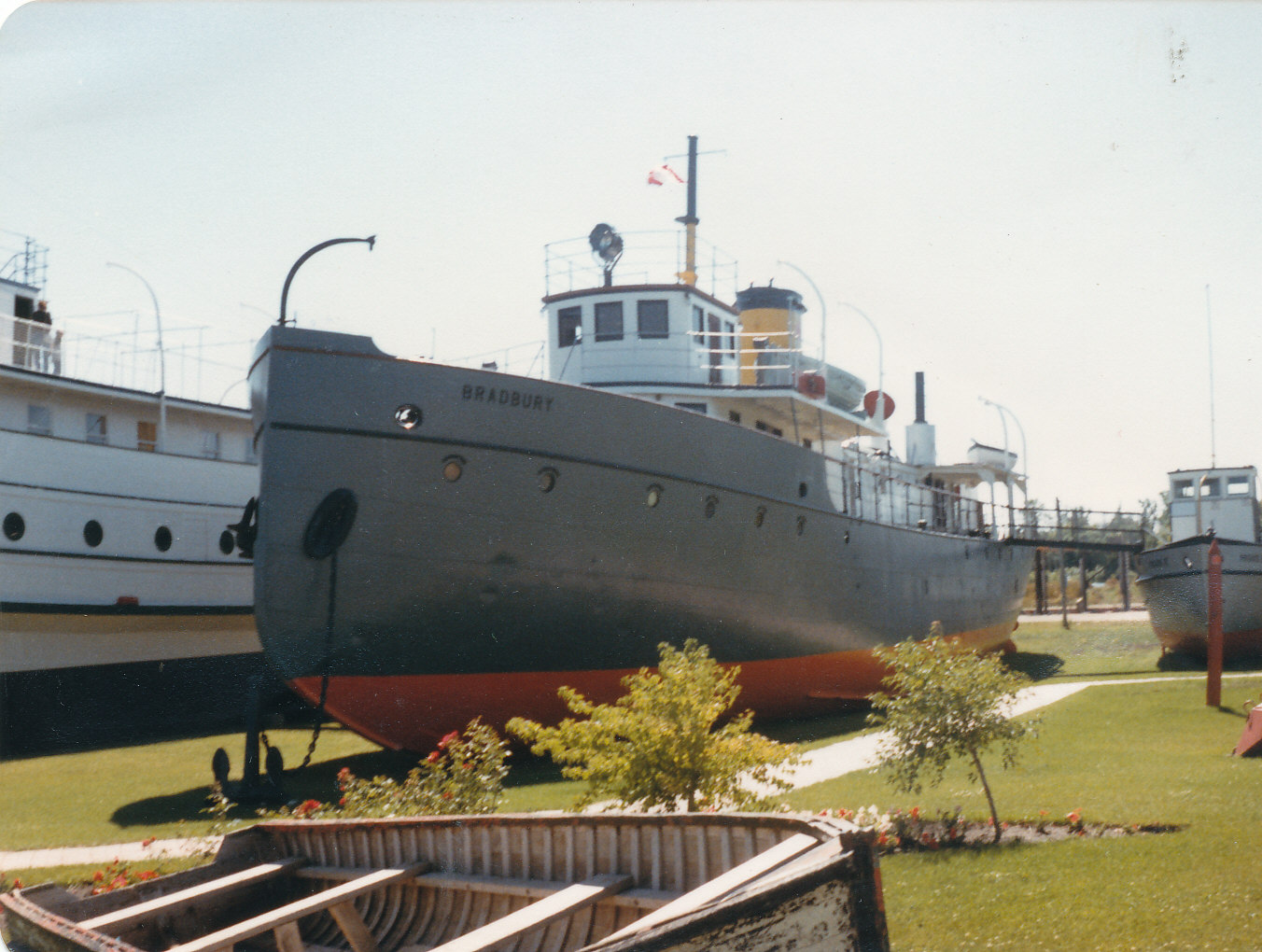
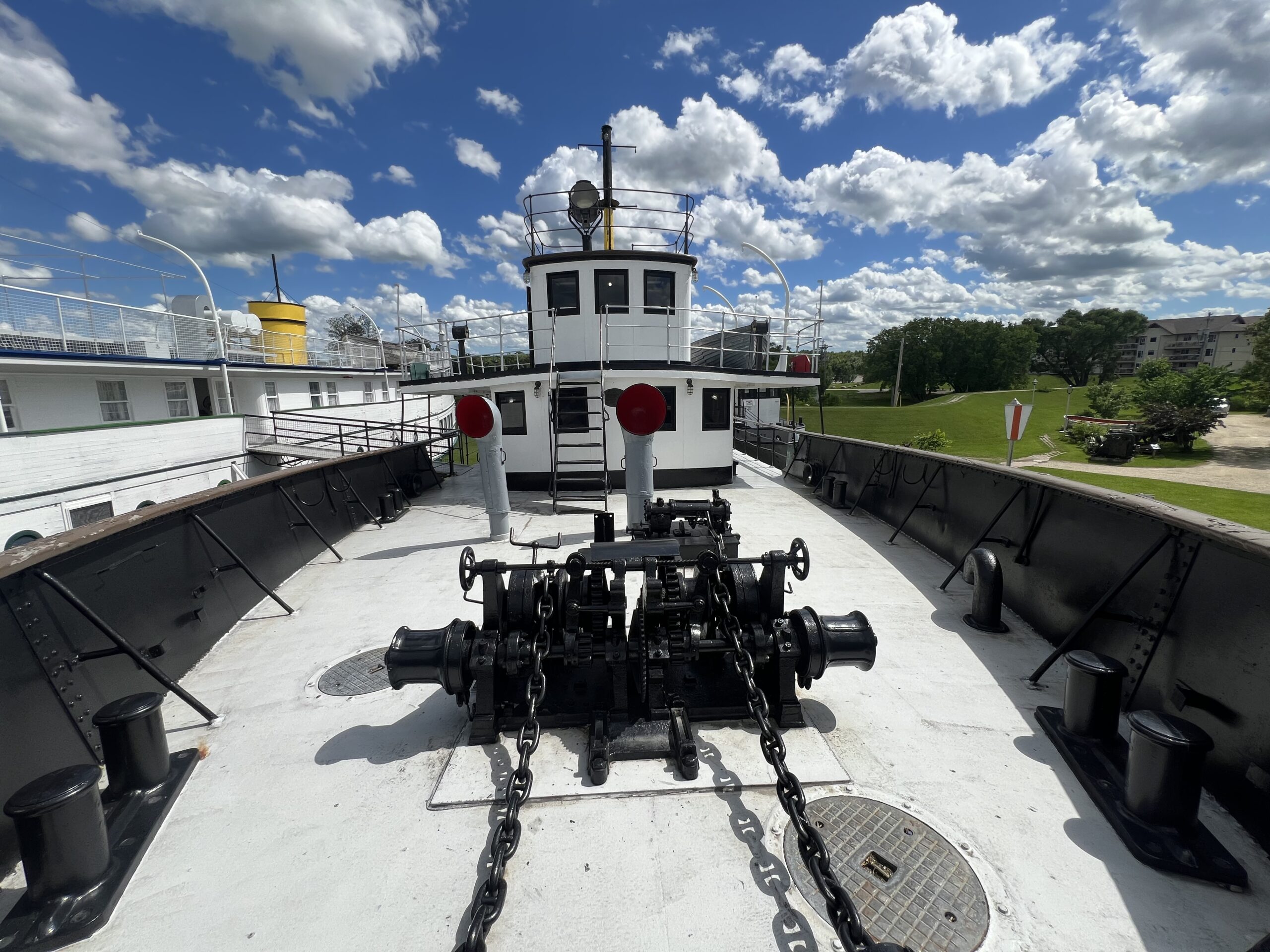
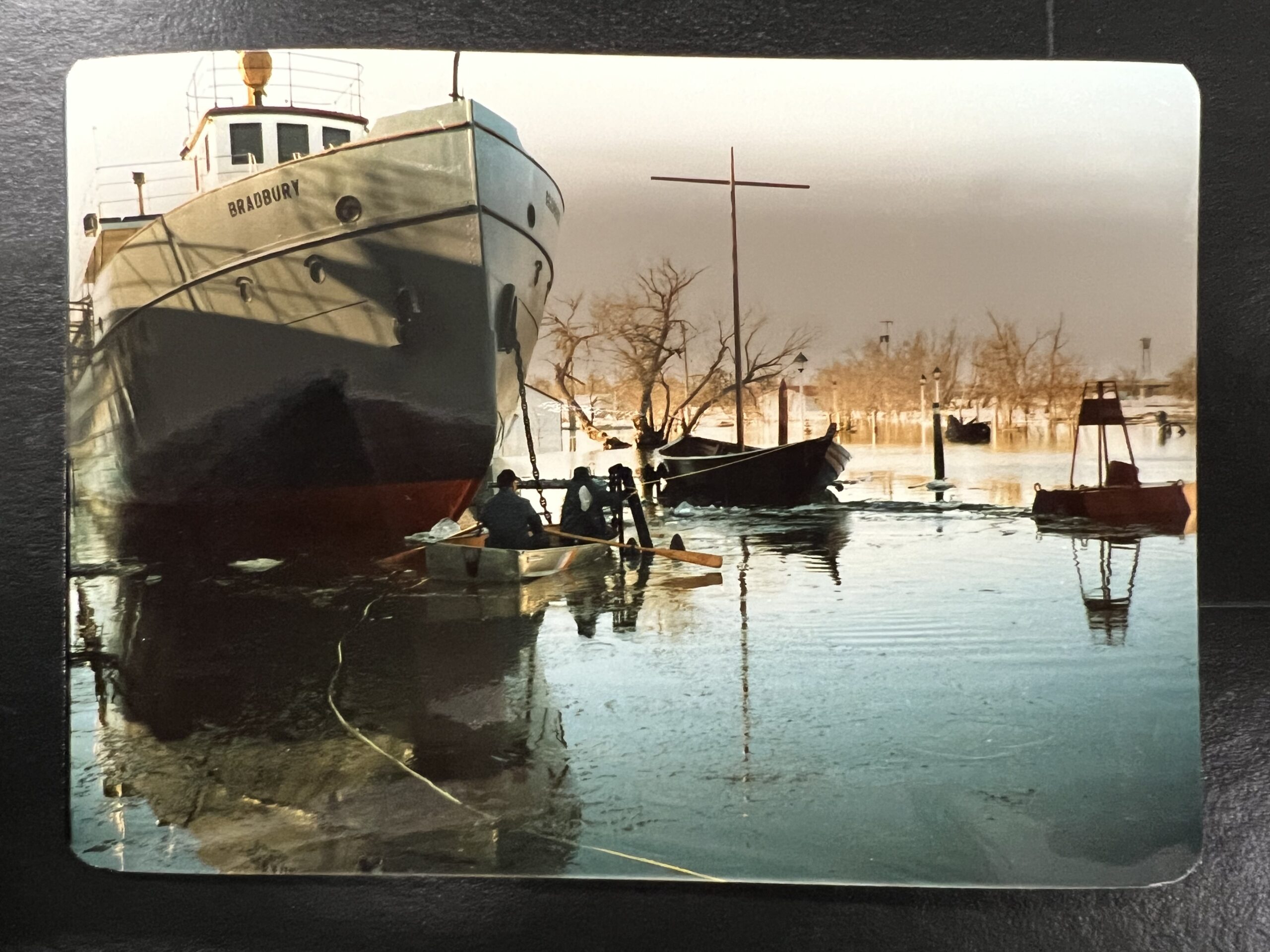
Negotiations began in 1974 to buy the C.G.S Bradbury. The Bradbury was assembled in Selkirk in 1915 and operated by the Federal Government until 1973. It was acquired by the Museum in May 1975. It seemed a fitting boating to join, since the Bradbury had been the boat that pulled the S.S. Keenora to the Marine Museum originally. The Bradbury was brought to the Museum site in February 1976.
Peguis II
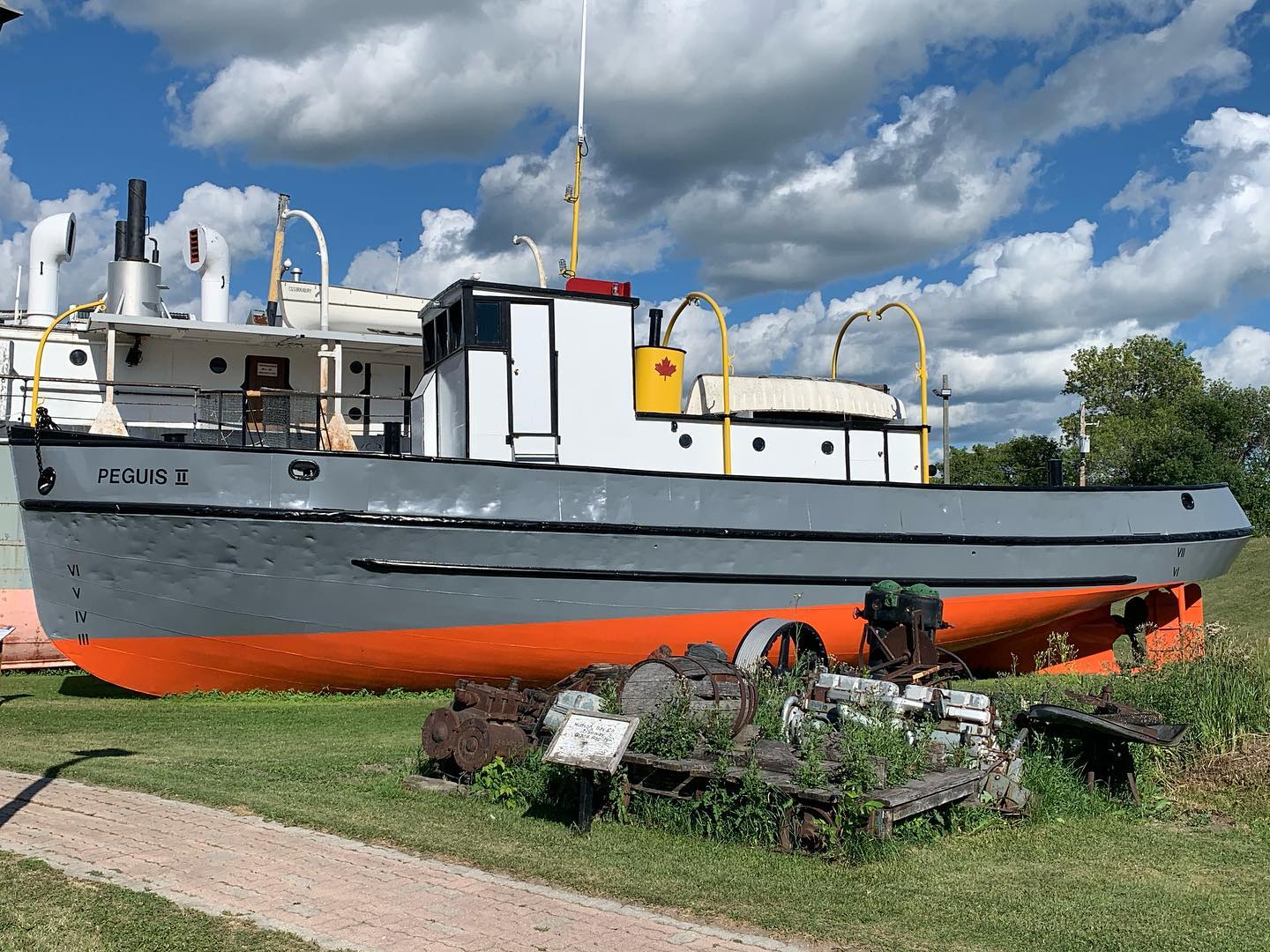
The Peguis II was a government tugboat built in 1955. It operated on Lake Winnipeg from until 1974. The boat was acquired by the Museum in 1983.
Chickama II
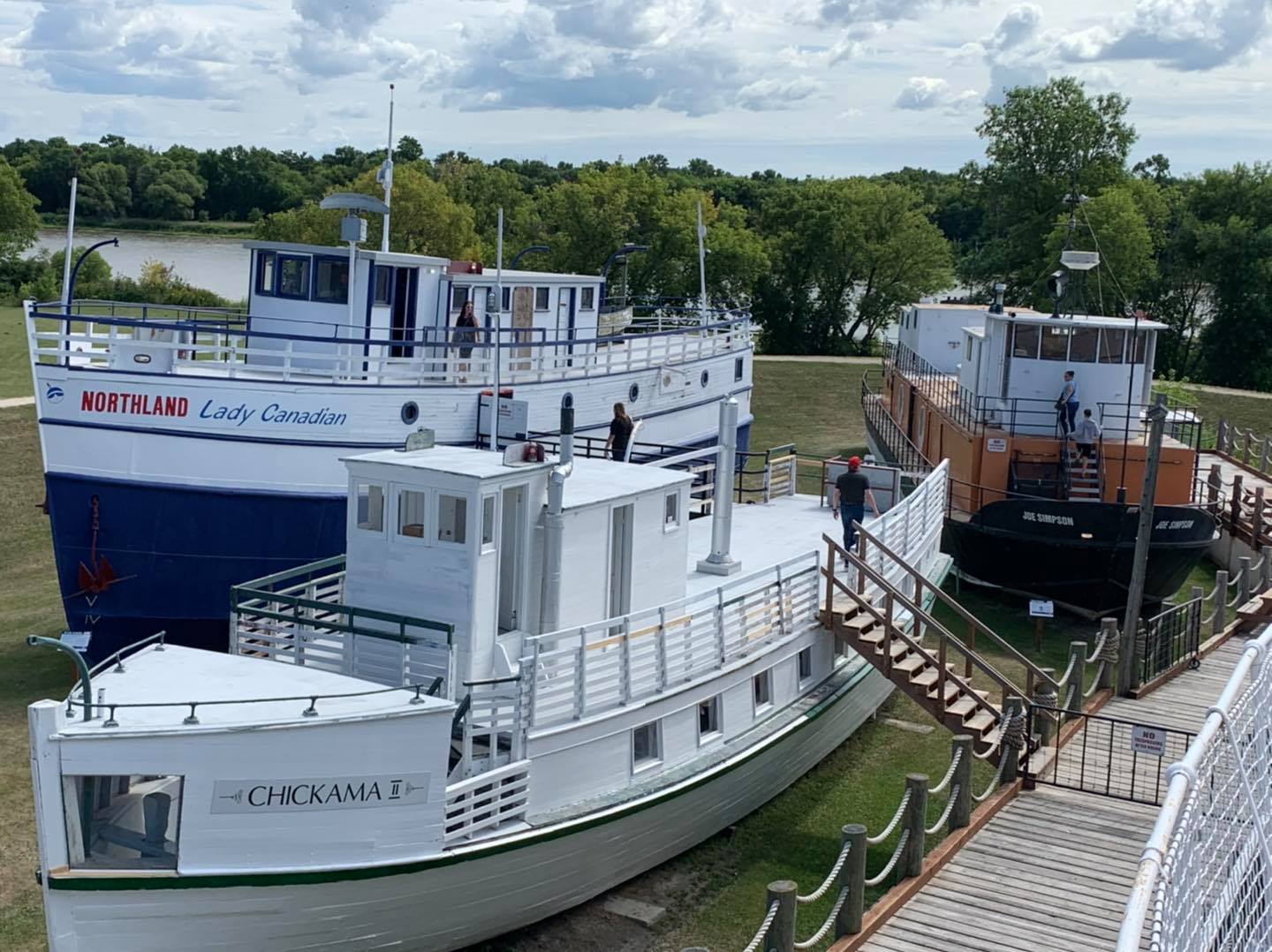
In 1985 discussion began to buy two new ships for the Museum, the Chickama II and the Lady Canadian. The Chickama II was acquired by the Museum in October 1985. Restoration of the boat began in 1986. This boat was in poor condition when the Museum acquired it, so it has undergone the most repairs and restoration.
The boat was built in 1942 by the Purvis Company of Selkirk and operated as a passenger and freight vessel.
Lady Canadian
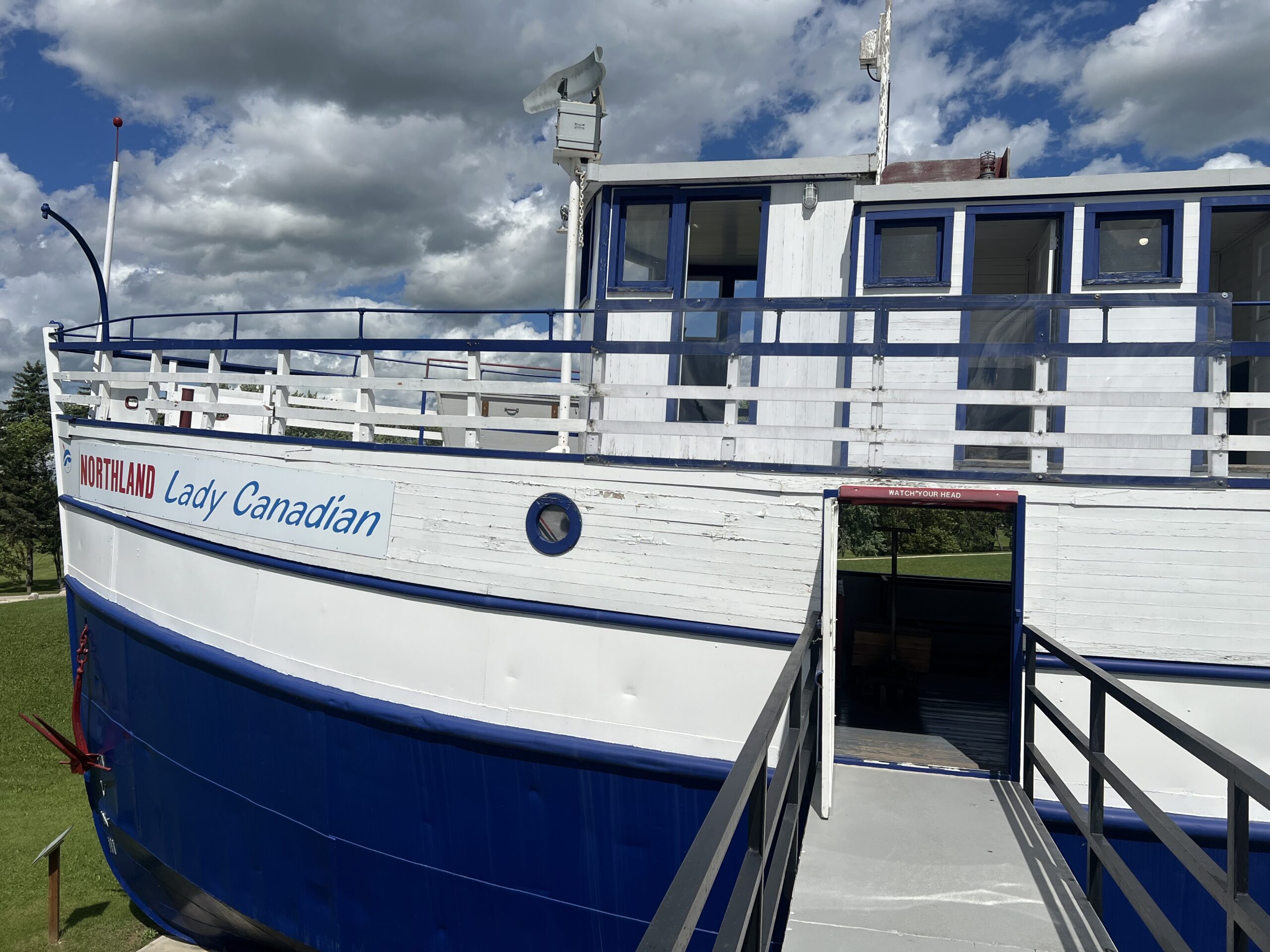
The Lady Canadian was a fish freighter built in 1944 by the Purvis Company, and rebuilt by Riverton Boat Works in 1963.
The boat was bought by the Museum in February 1986. It was pulled out of the water and restored in 1987 and was in place at the Museum in June 1987.
Jackie S
For several years the Museum looked for a wood whitefish boat. Eventually the settled on the Jackie S. It was pulled out of the Red River in 1988.
Joe Simpson
The last boat added to the Marine Museum was the Joe Simpson in 1993.
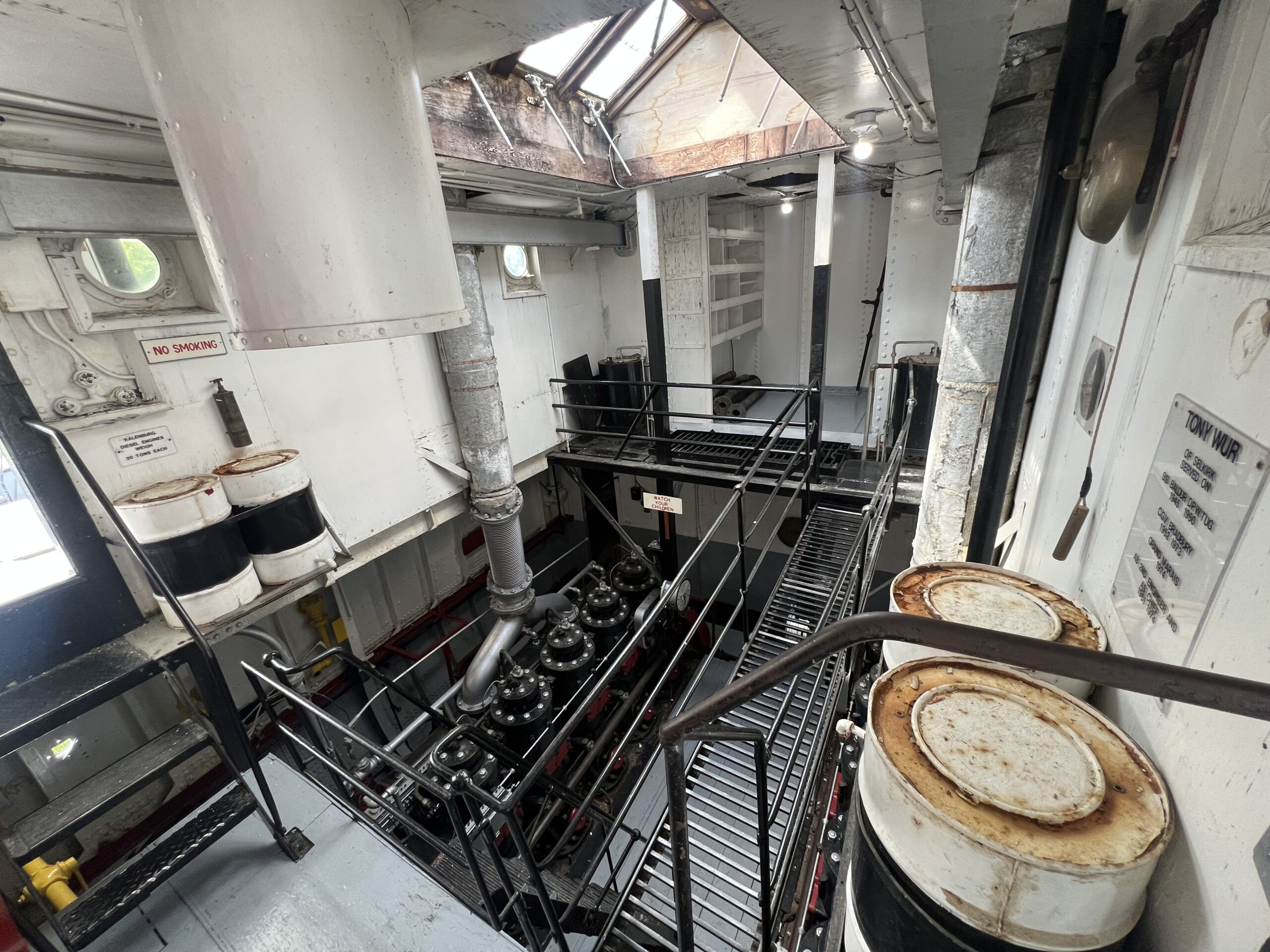
Built in 1963, the Joe Simpson was installed with the original diesel engines from the S.S. Keenora. The boat was a flat-bottomed vessel built to navigate shallow waters. The boat was named after the famous hockey player, Bullet Joe Simpson, originally from Selkirk.
The purpose of the Museum acquiring this boat was as a space for field trips, meetings, events, and displaying artifacts in its large cargo space. It was brought to the Museum in October 1993.
Other Boats and Buildings
In 1977 the Marine Museum worked with the City of Selkirk to salvage useful pieces and artifacts from the Granite Rock and then the rest of the boat was demolished.
The Museum acquired a lighthouse keeper’s house from Lake Winnipeg in 1987. They also found a collection of artifacts from the Winnitoba boat on the banks of the Red River that same year.
The Manitoba Museum donated a York boat in 1989.
The Black Bear Island Lighthouse from Lake Winnipeg was moved to the Museum in 1989. The Red River Lighthouse was moved to the site in 1992. Also in 1992, the Museum accepted the donation of the Pioneer Telephone Switching building from Clandeboye.
For a time, the Manitoba Museum of Water Skiing was located next to the Marine Museum. The Water Skiing Museum was started by Selkirk local, Dr. Reid.
Floods
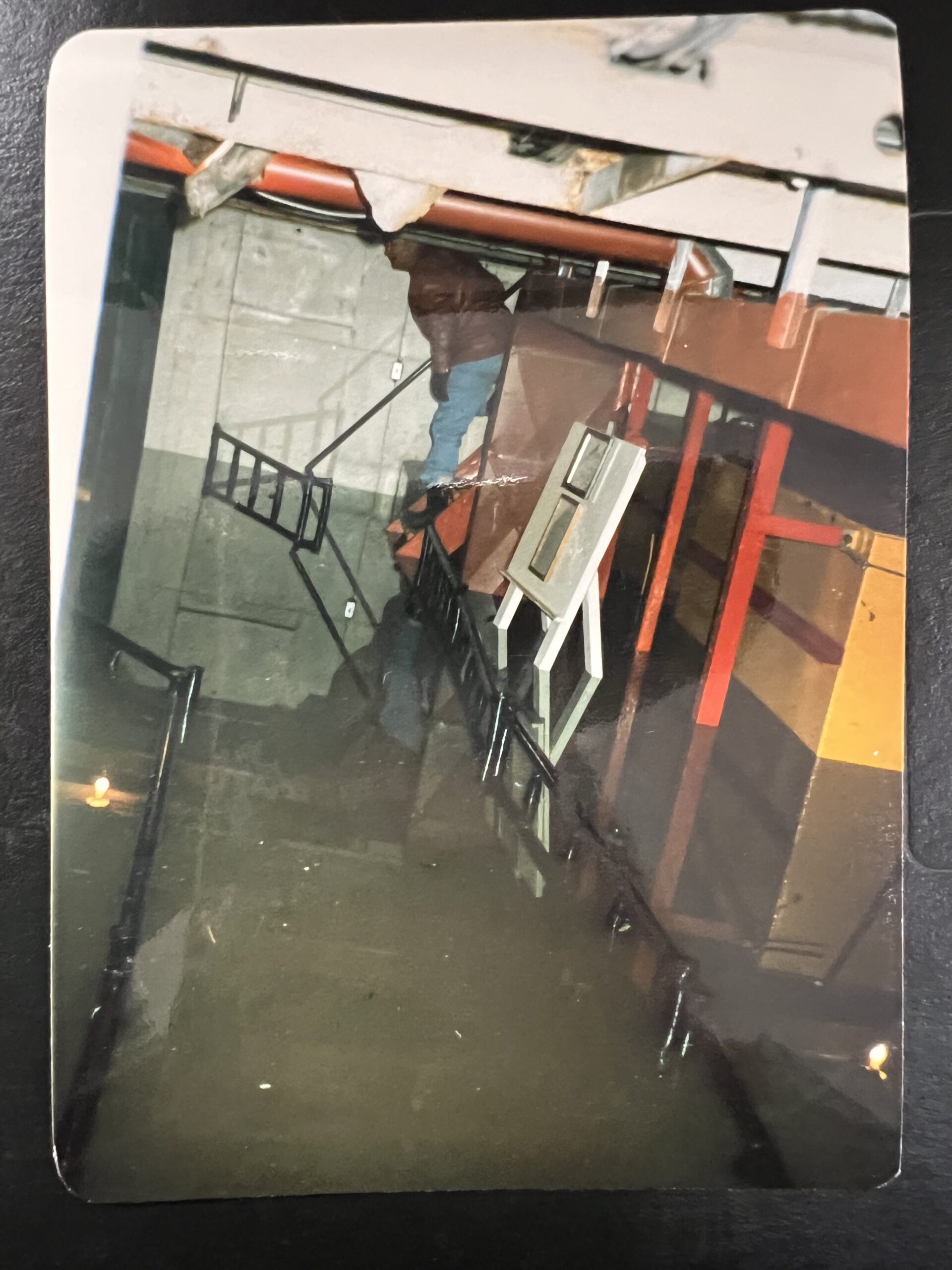
The Marine Museum has been devastated by numerous floods, damaging and even destroying artifacts.
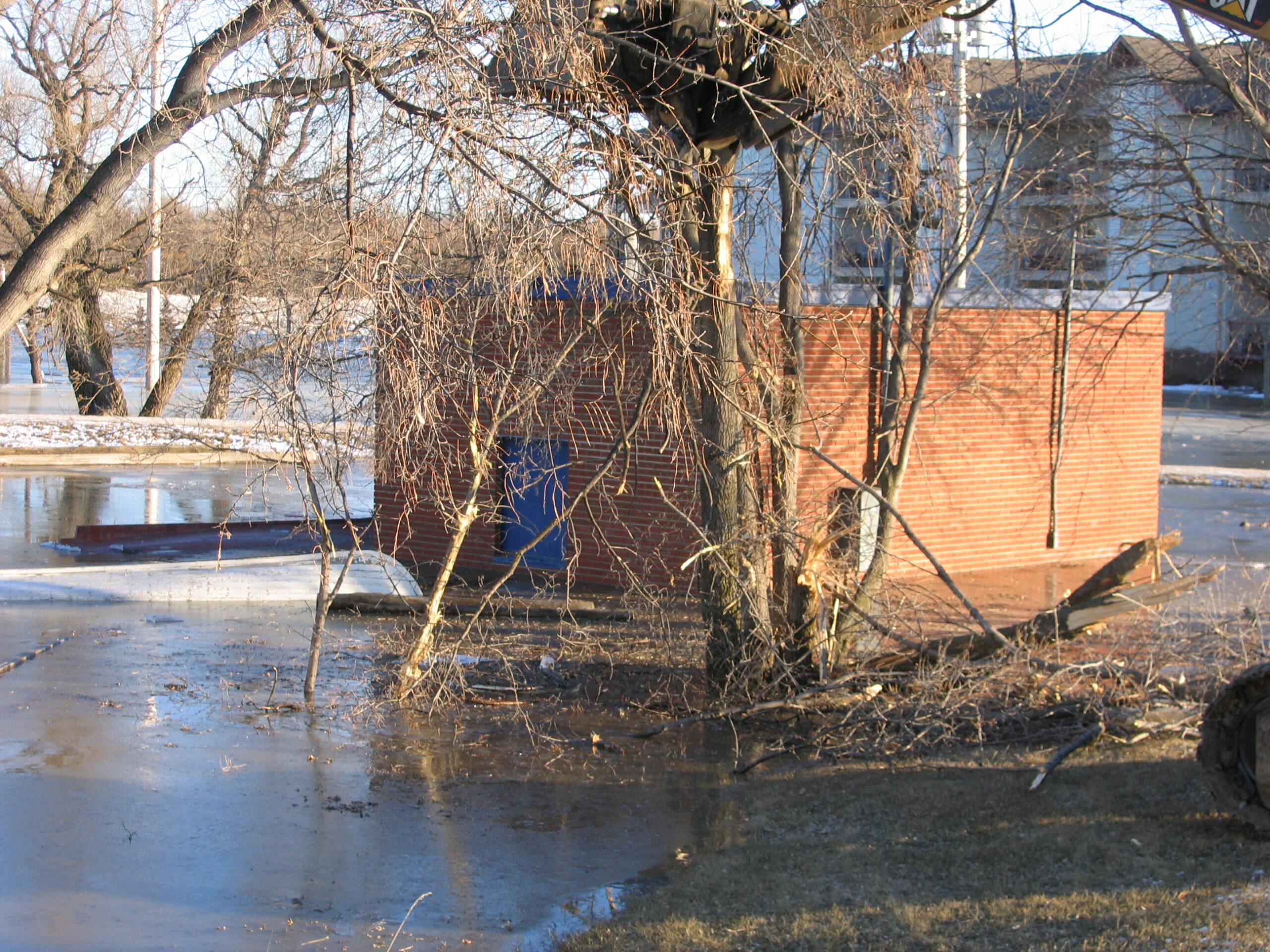
The Museum, along with many other parts of Selkirk flooded in April 1986. There was another flood in 1995. The next year the Marine Museum and Selkirk experienced the worst flood in the city’s history. In 1996 the Museum came very close to closing because they didn’t have enough funding and on top of that had to restore boats and artifacts due to flood damage.
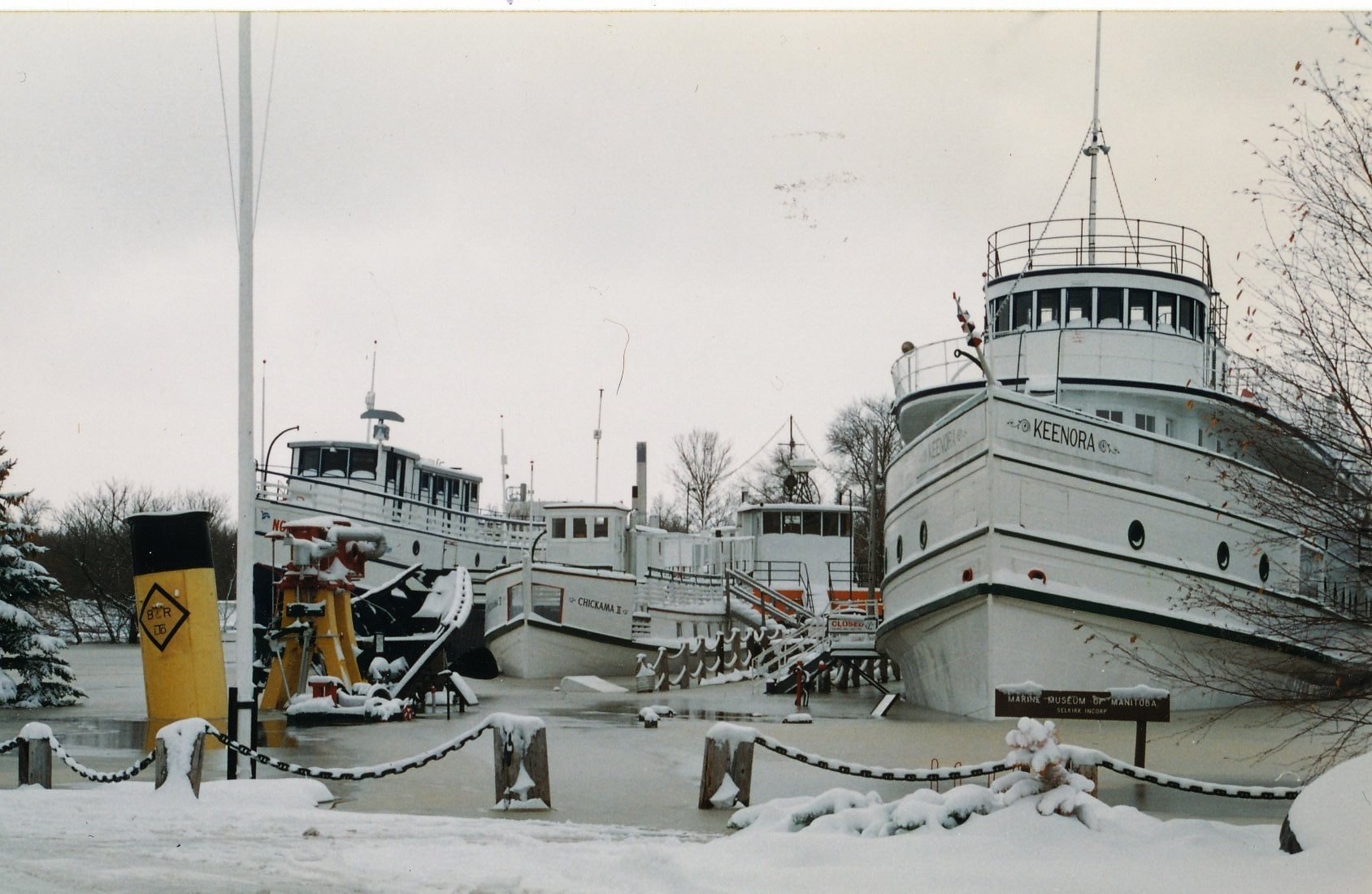
A dike was built in 1996 using Federal funds to help protect the Museum from future flooding. It did save the Museum from several floods. But in 2007 another flood came that went over the dike. Again, water breached the dike in 2022.
Development around the Museum
The early 1990s saw plans to further develop the waterfront. Realizing that the Marine Museum brought a lot of people to town, there was a desire to connect the Marine Museum with downtown. More stores and apartments were built along the waterfront, and sidewalks were added to make it easier to walk from downtown to the Museum.
Part of this development plan was to build a permanent building so that the Museum could be opened year-round, instead of just the summer. The Museum was caught in a real catch-22. They weren’t eligible for many grants because they weren’t opened year-round, but they didn’t have enough money to build a climate-controlled building.
The Federal government did donate a significant amount of money towards acquiring and restoring the Joe Simpson so that it could be used as the year-round museum building, but the Joe Simpson never turned into that space.
Around 1996 there was also a lot of discussion about the Marine Museum joining the City of Selkirk Parks, Recreation, and Culture department. While the City of Selkirk works closely with the Marine Museum and does provide funding, they have continued to remain separate.
Events and Visitors
For several of the early years, the Museum held an annual appreciation day, in honour of the people who used to work on and with boats in Manitoba.
In 1994 there was a large parade that ended at the Marine Museum in honour of the 50th anniversary of the D-Day landings in France during the Second World War.
In 1997 there was a large party at the Museum to celebrate the 100th birthday of the S.S. Keenora.
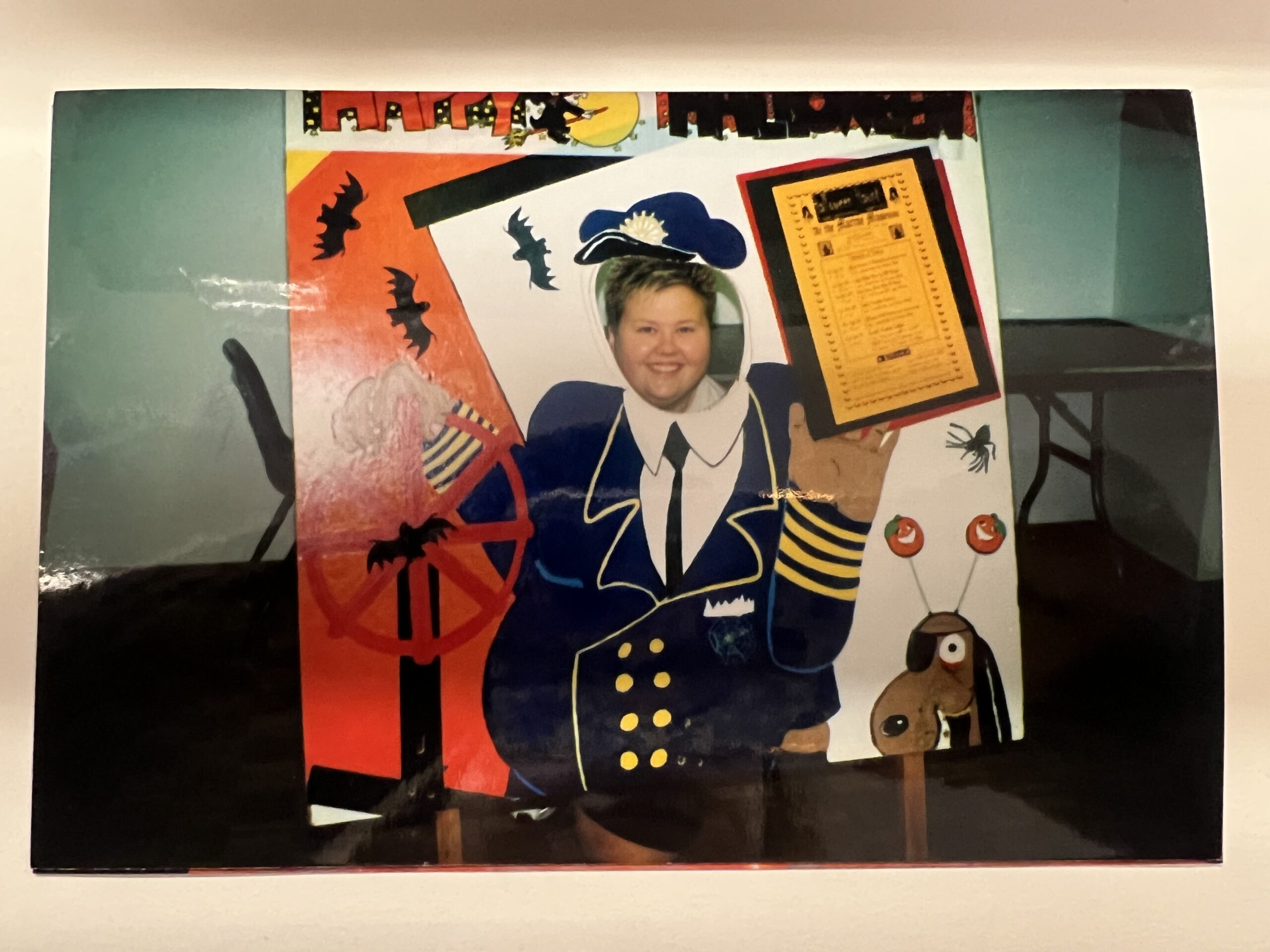
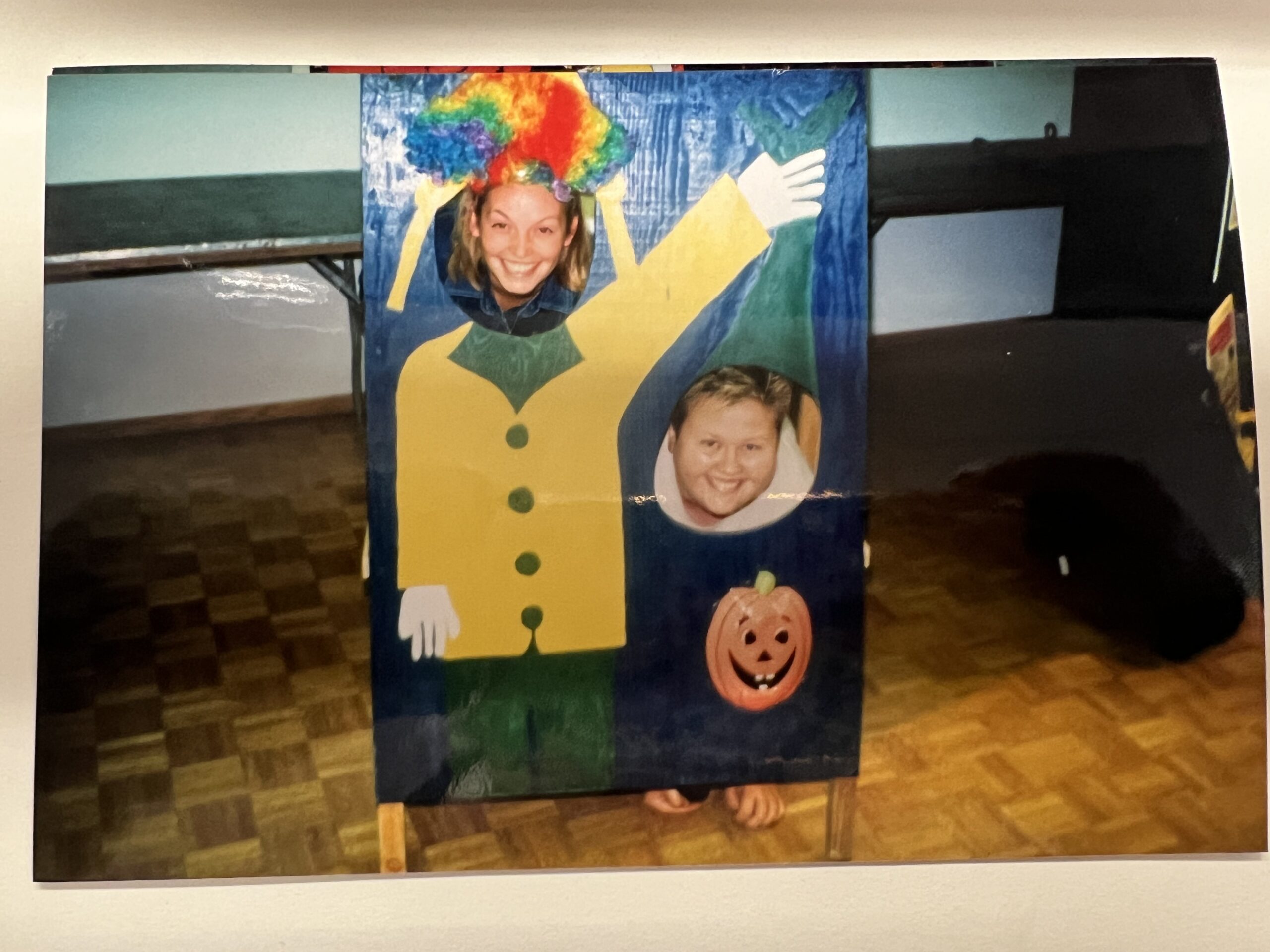
There have been other fundraising events, such as the current annual fundraising pancake breakfast. Perhaps their most popular event, is the annual Halloween Haunt which started in 2000.
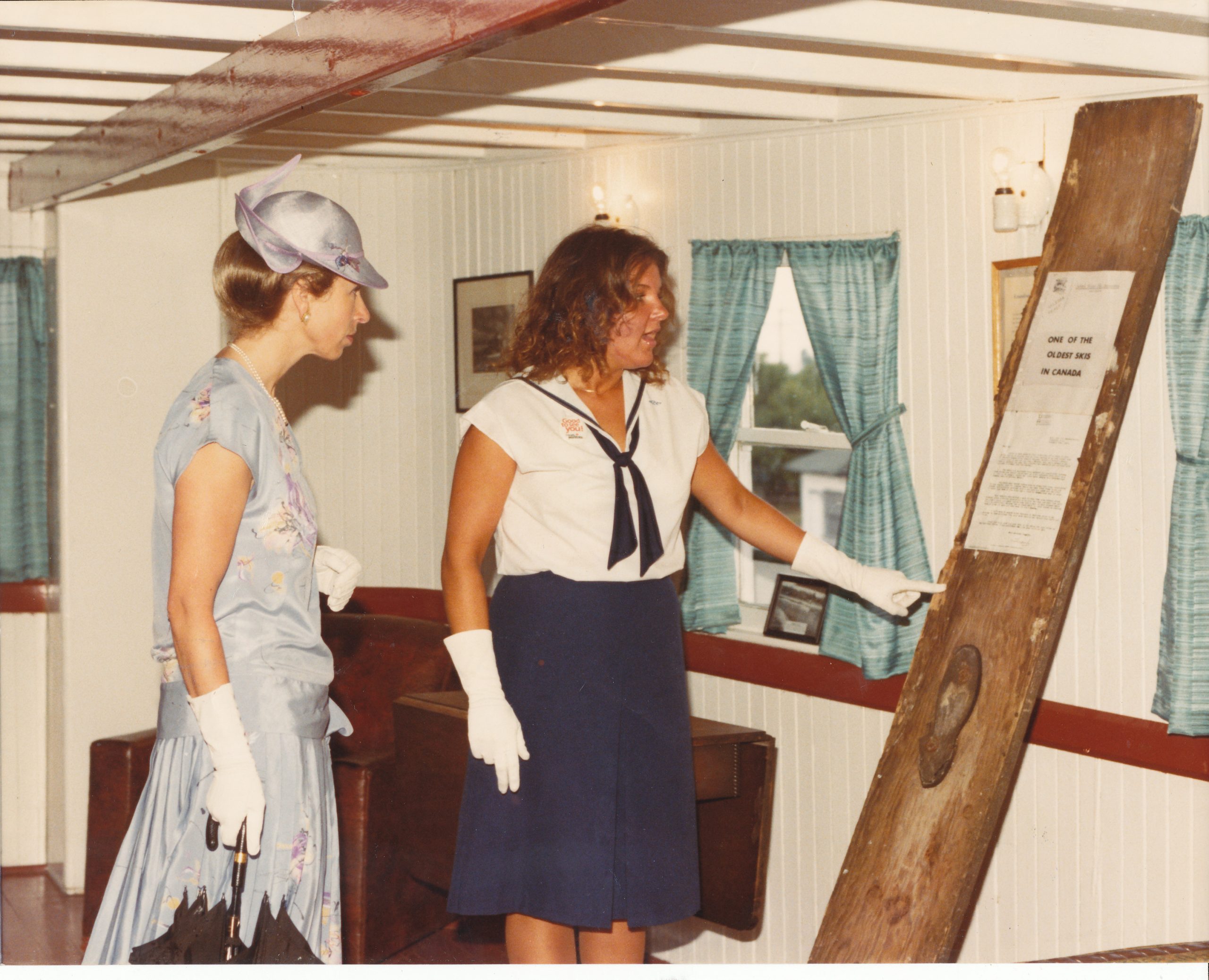
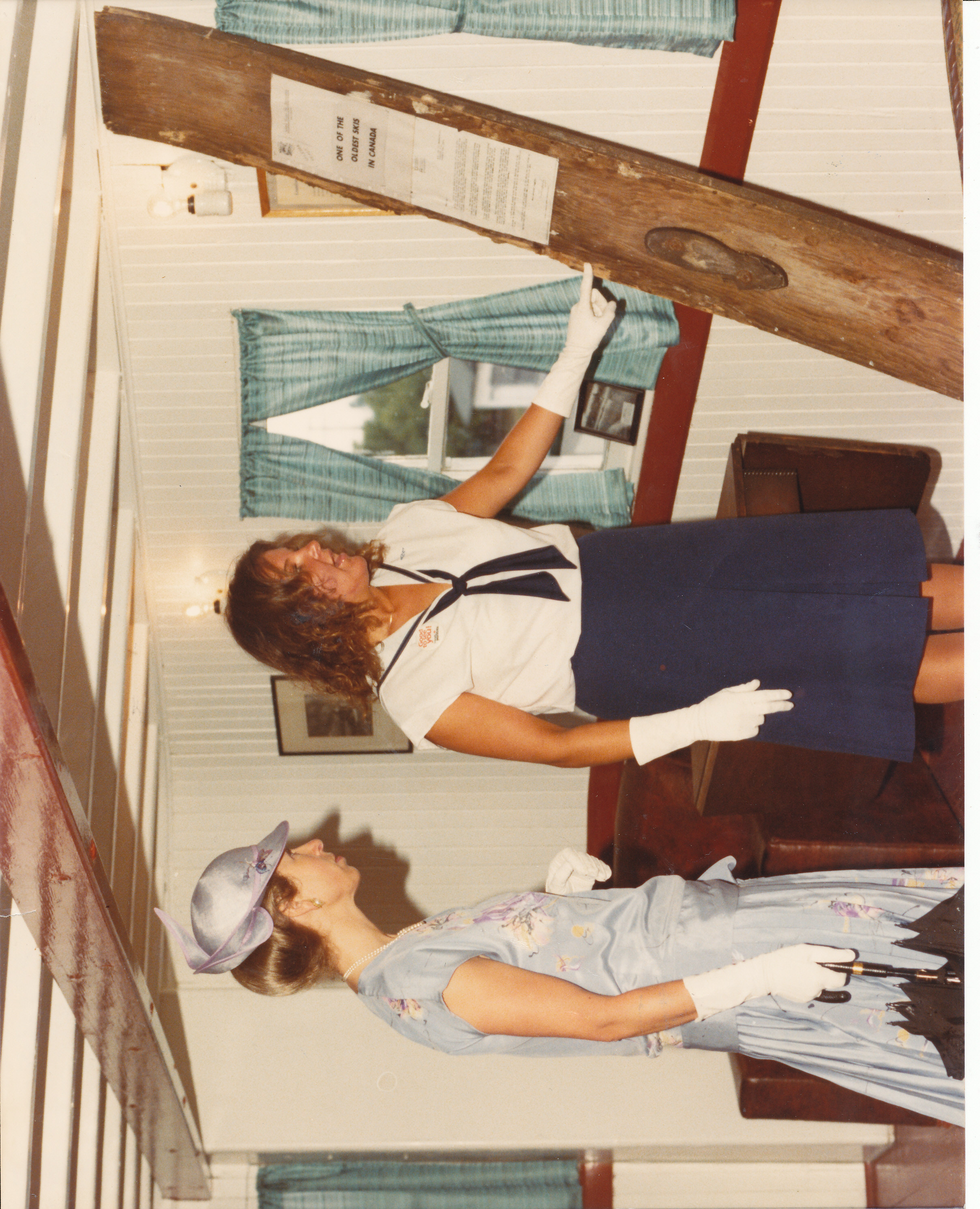
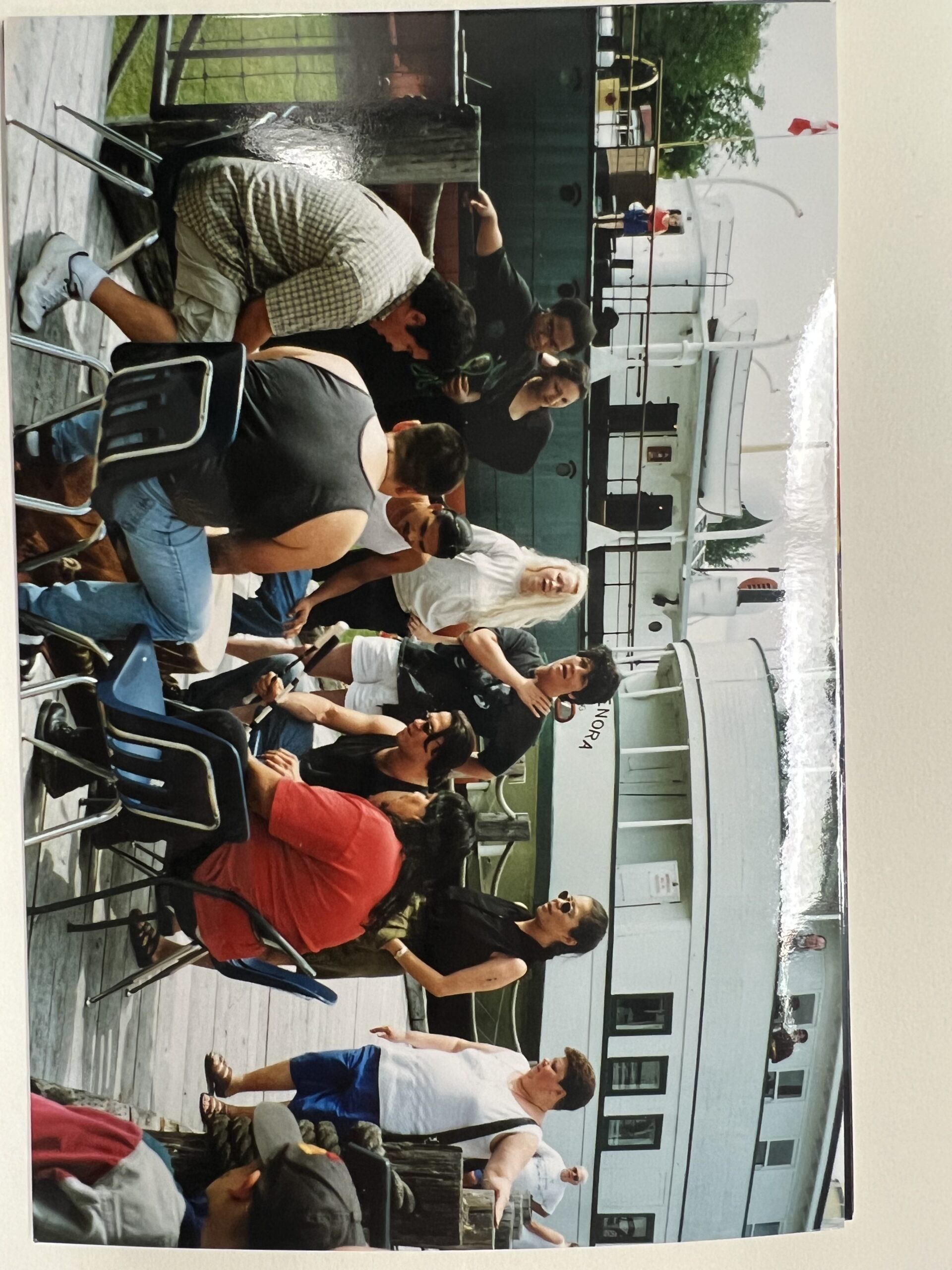
Visitors have come from far and near to visit what is sometimes called Manitoba’s best kept tourist secret. Governor-General Howard Pawley and Canadian author Farley Mowatt visited the Marine Museum in October 1973. The President of Iceland, Vigdis Finnbogadottir, visited the Museum on August 5th, 1989. In July 1982, Princess Anne visited Manitoba for four days. She spent one day in Selkirk, and amongst her many stops in the city had a tour of the Marine Museum.
Recent Years
While the Museum might not have added any new boats to the fleet recently, they have updated exhibits and implemented new events and programming.
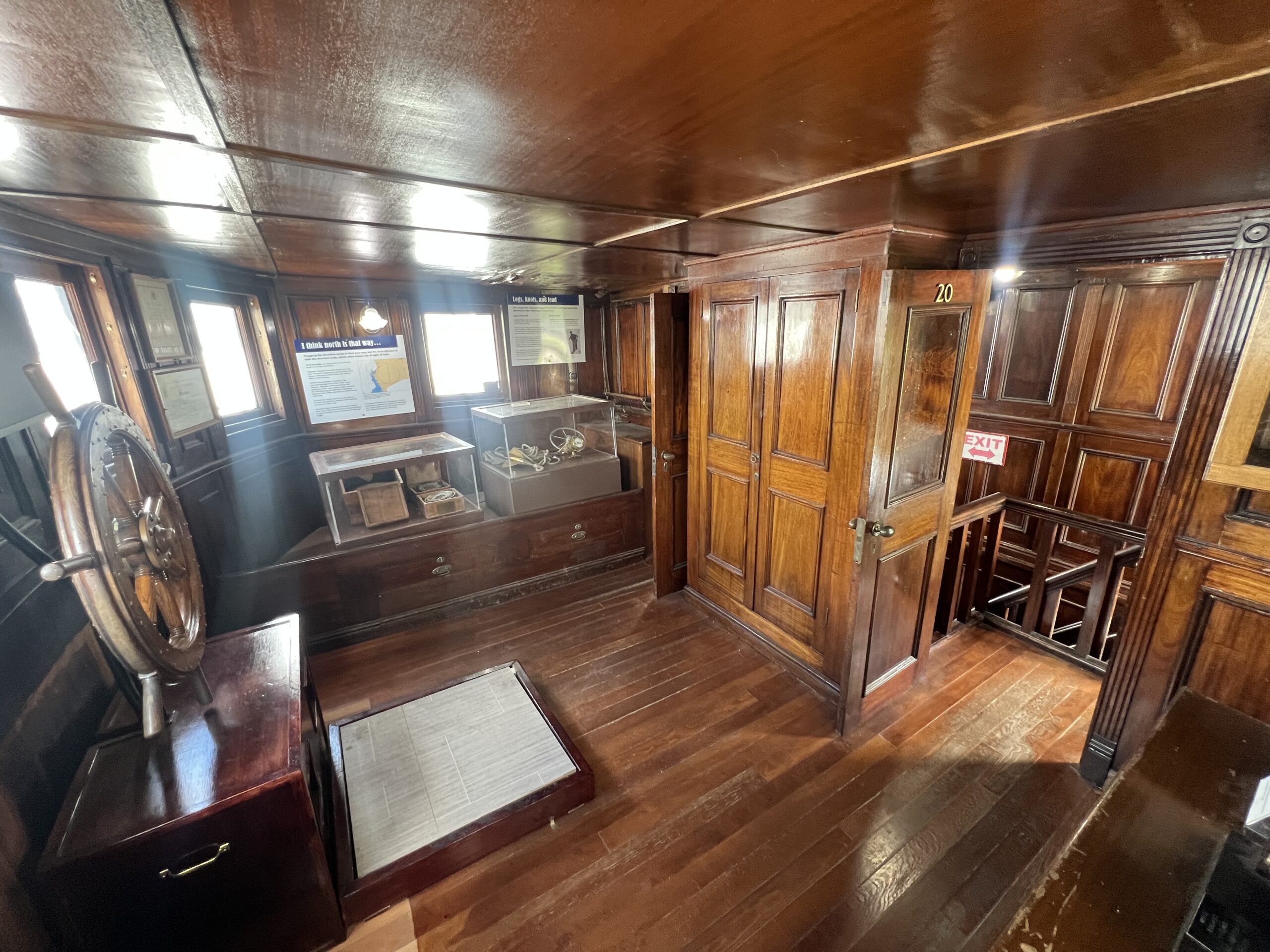
There have been several artifacts donated to the Museum over the years, such as the original steering wheel from the S.S. Keenora in 2009.
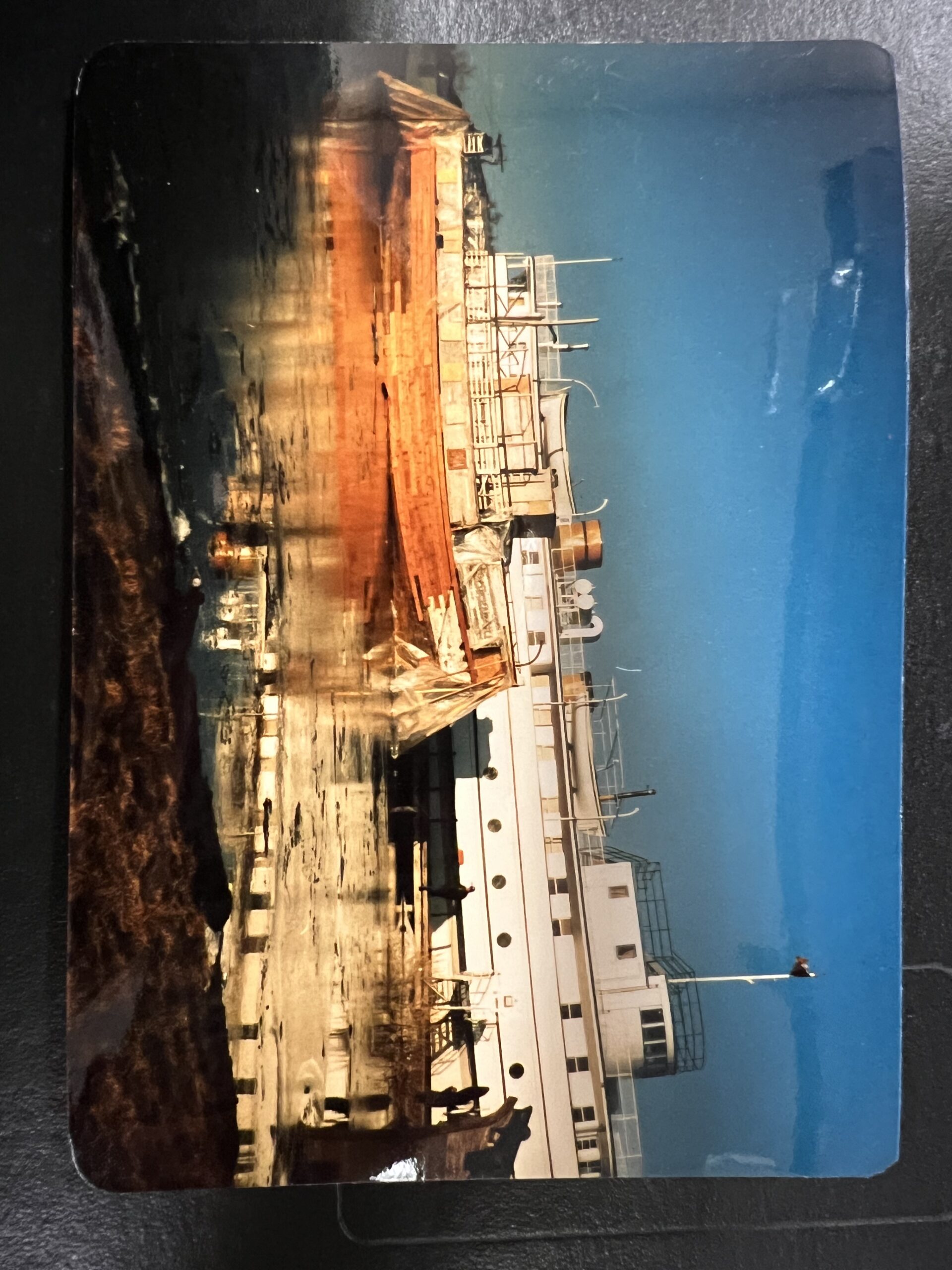
When the S.S. Lord Selkirk was dismantled in 2015 there was some talk of the ship going to the Museum, but they didn’t have the funds for that project. The Museum does have artifacts from the Lord Selkirk.
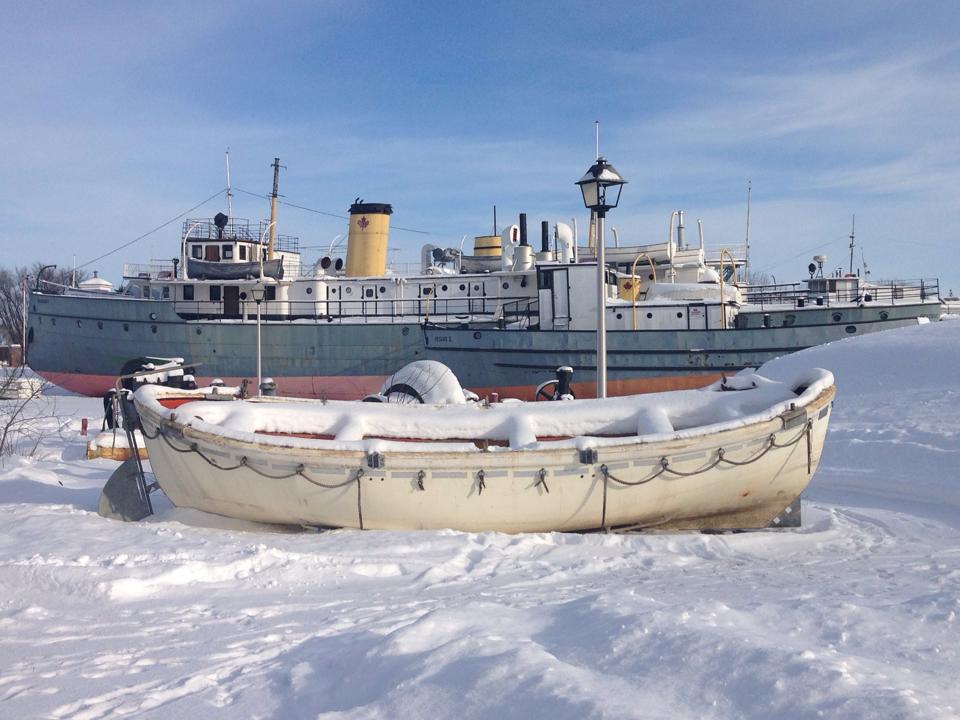
Lifeboat from S.S. Lord Selkirk, 2015, Marine Museum of Manitoba
In 2015 the City of Selkirk established the Selkirk Heritage Endowment Funds with plans for that money to go to a municipal museum. Since that museum hasn’t been built yet the money has gone each year to the Marine Museum. This has allowed the Museum to refresh and create new exhibits on the ships.
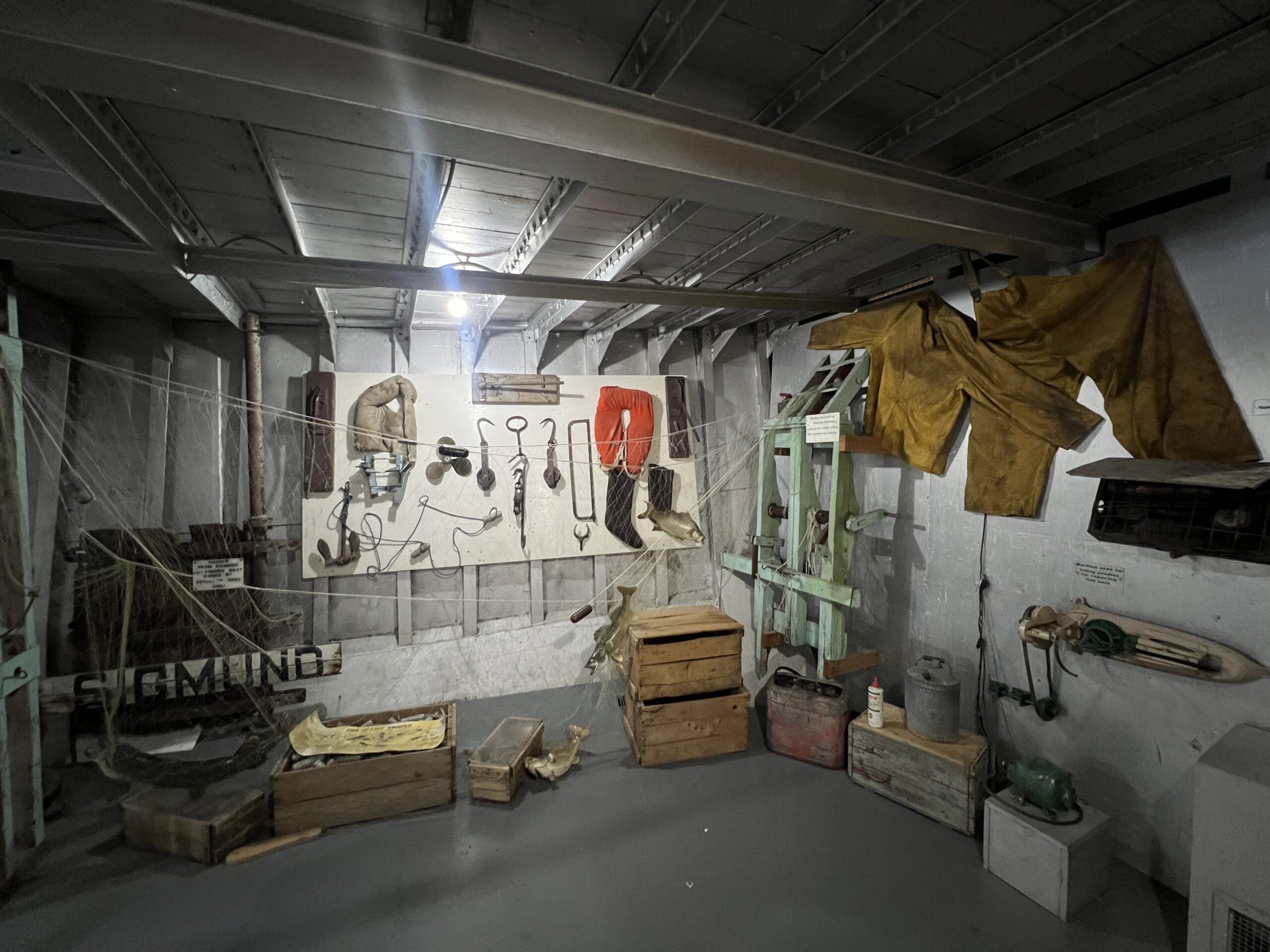
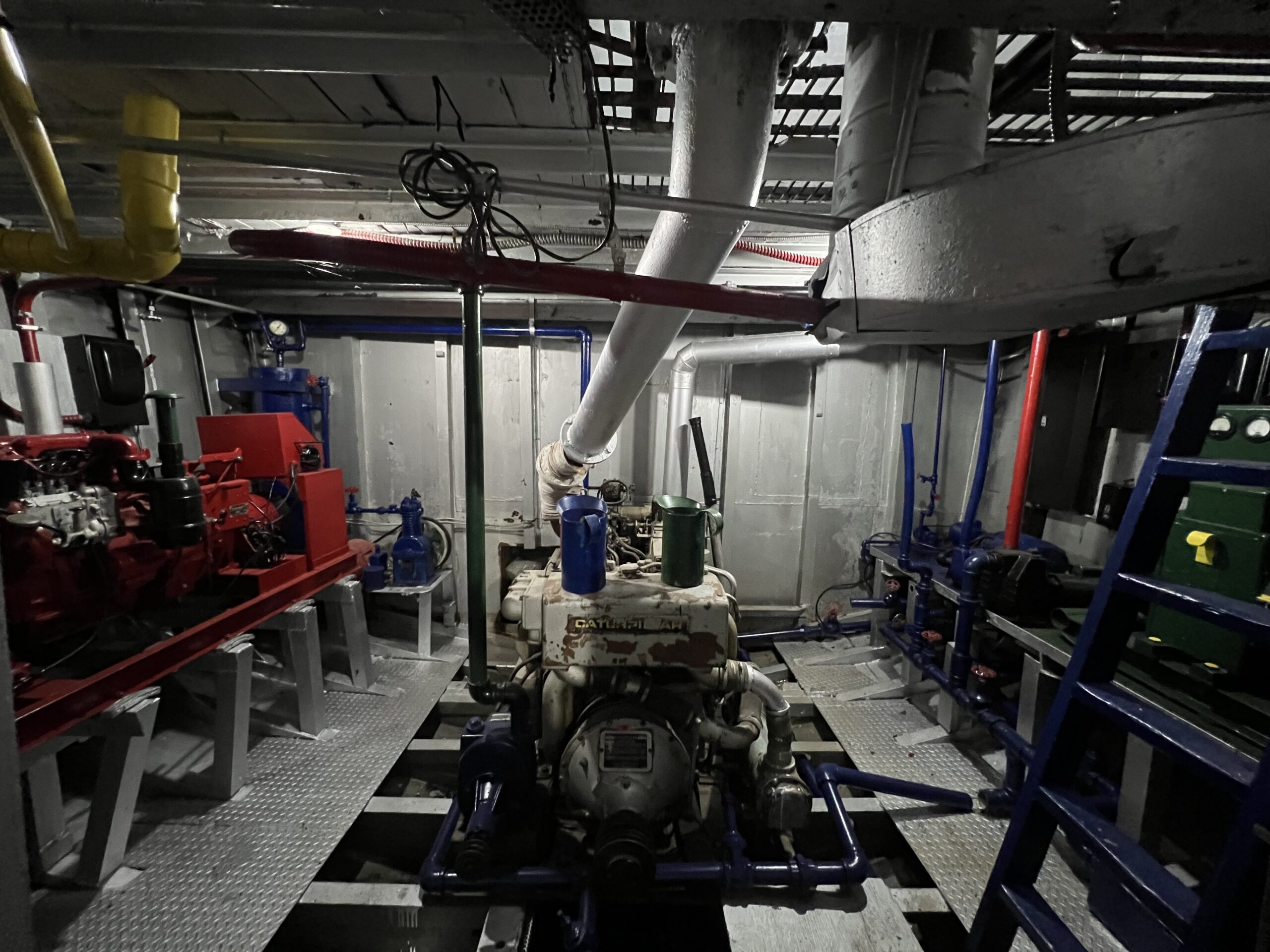
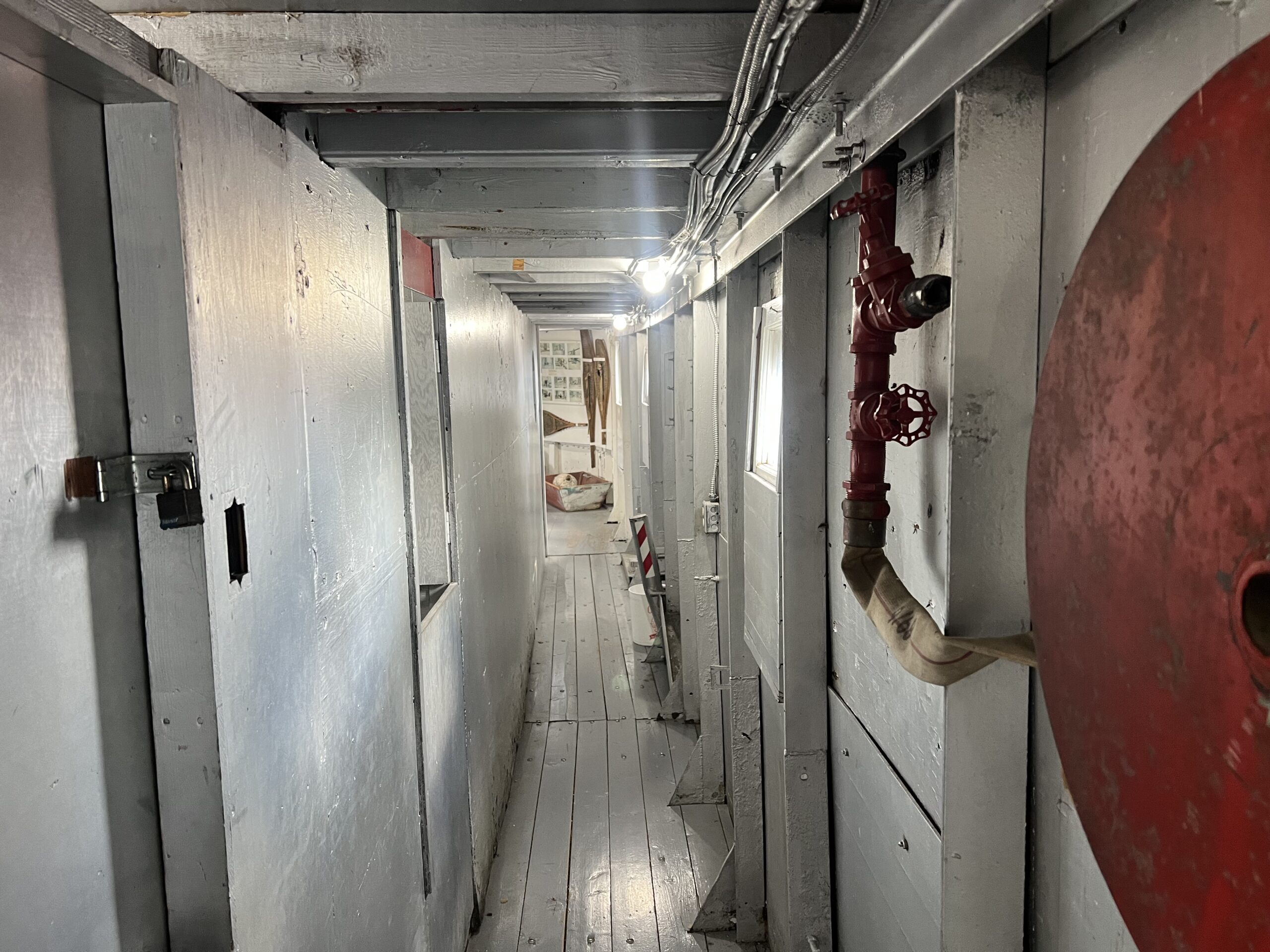
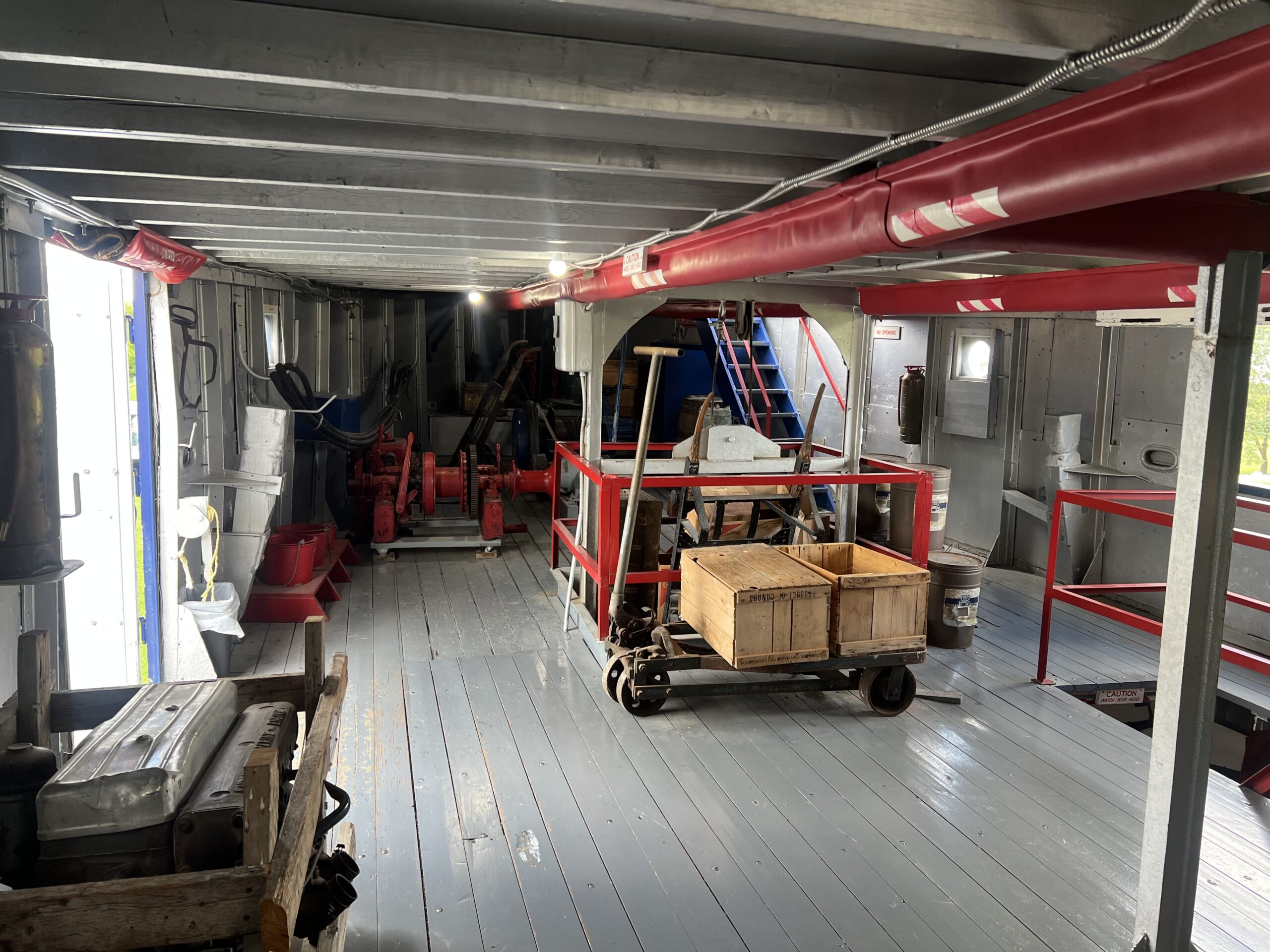
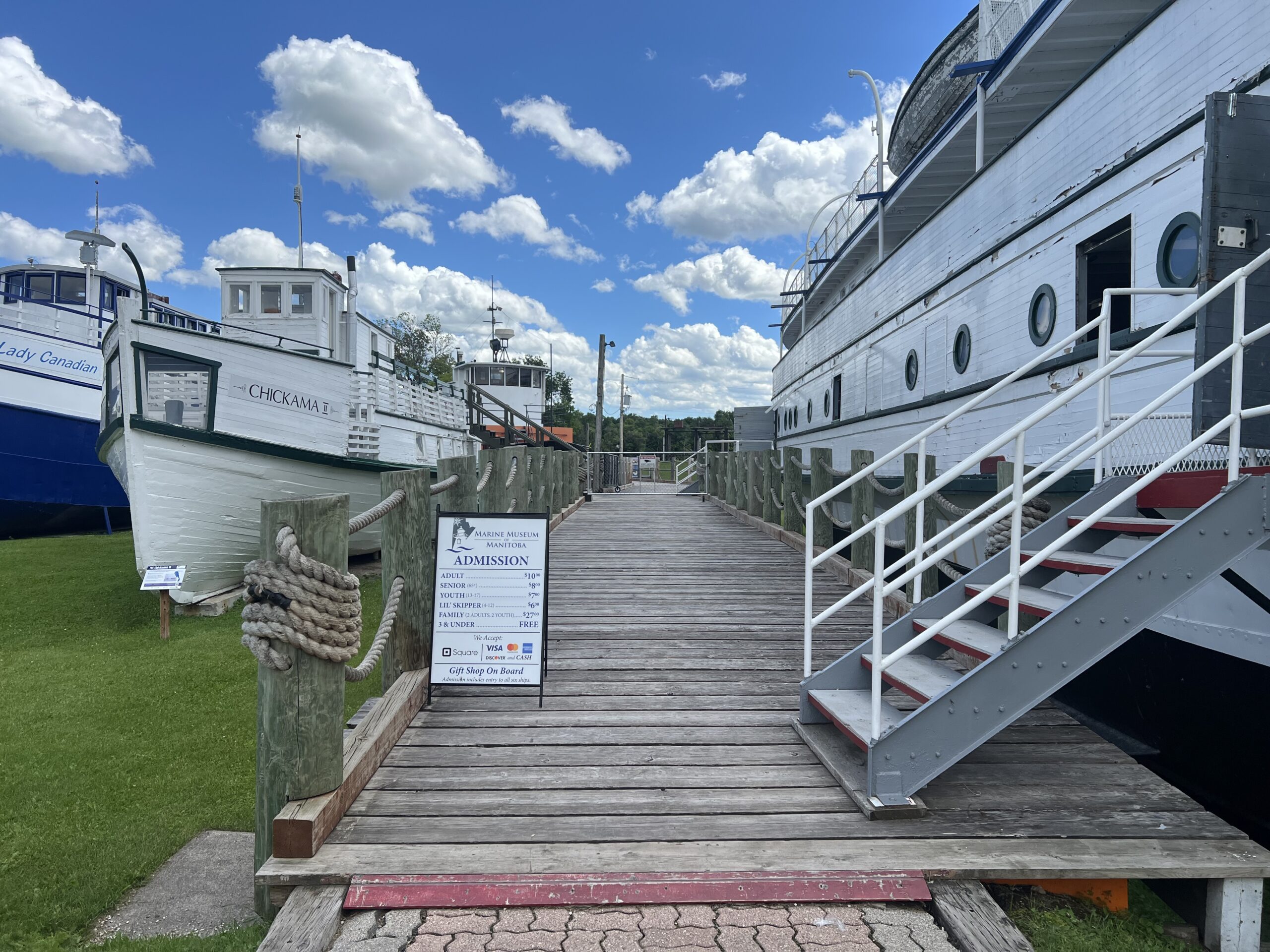
Marine Museum of Manitoba Collection
Click on images to enlarge
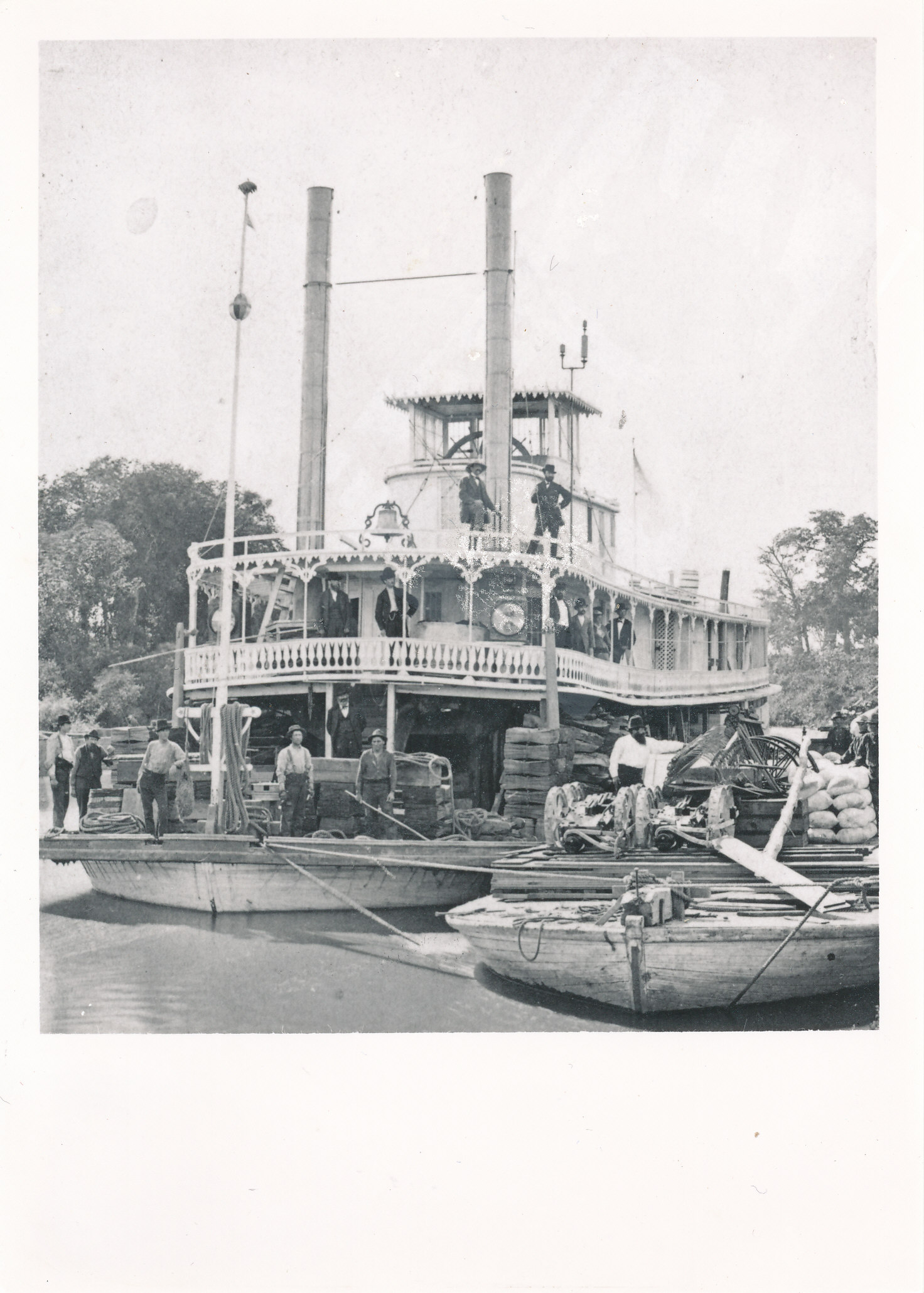
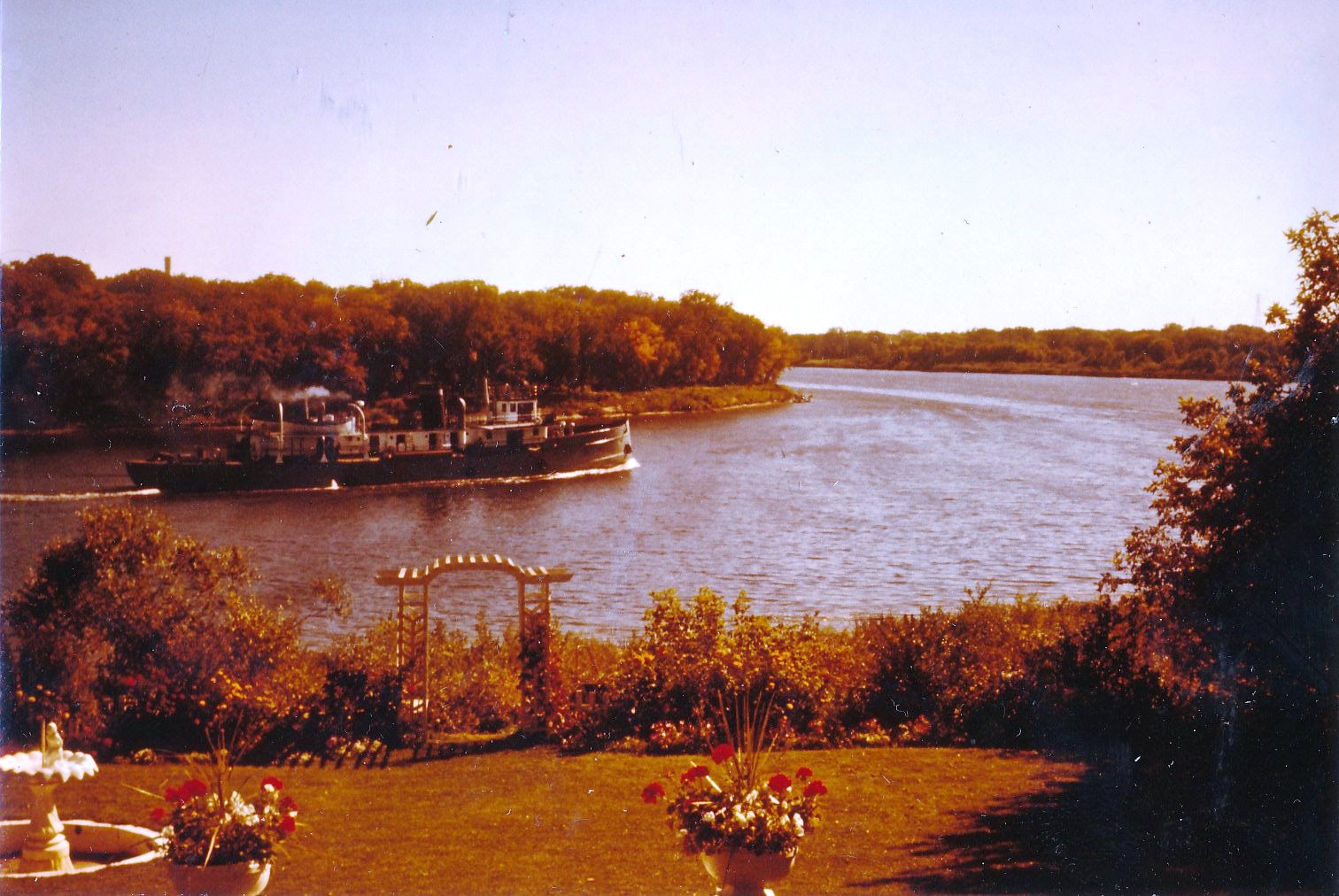
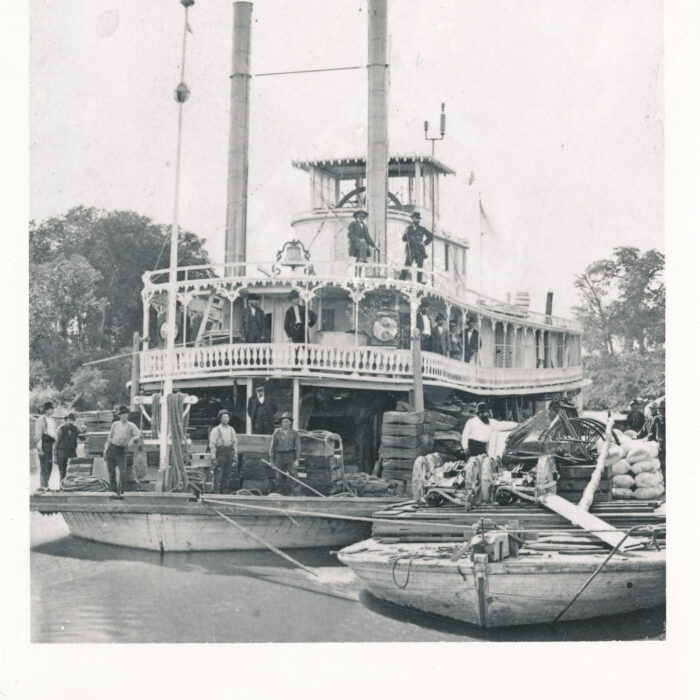 S.S. Selkirk, 1877, Archives of Manitoba
Sources
Marine Museum of Manitoba – Preserving Our Marine History
50th Anniversary of the Marine Museum of Manitoba – Manitoba Lieutenant Governor
Selkirk Enterprise: 1970, 1972, 1973, 1974, 1975, 1976, 1977
Selkirk Journal: 1985, 1986, 1987, 1988, 1989, 1991, 1992, 1992, 1993, 1994, 1996, 2007, 1009, 2010, 2017