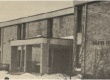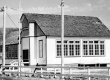

Devonshire Collegiate Institute was a high school built in 1920. Enrollment dropped during World War II as many students left to serve. After becoming a school for elementary and Junior high students the school eventually closed and was demolished in 1972.
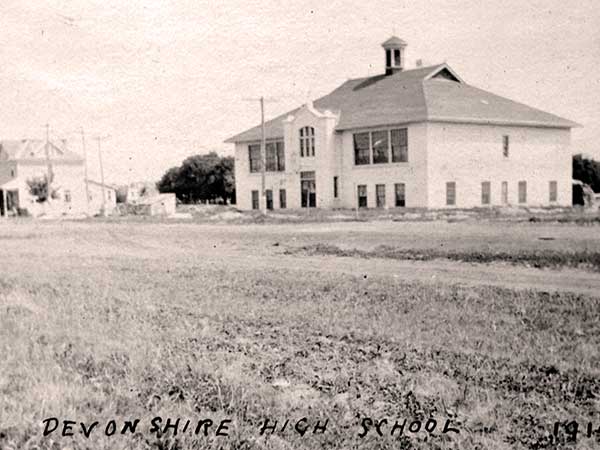
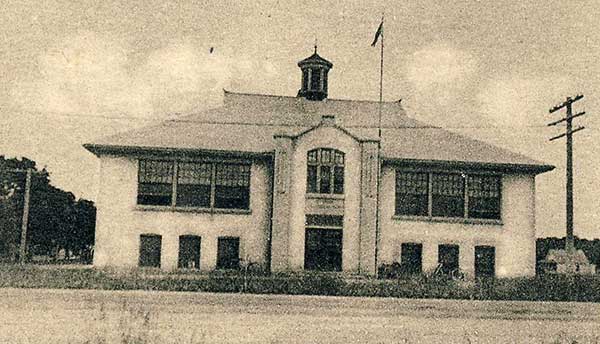
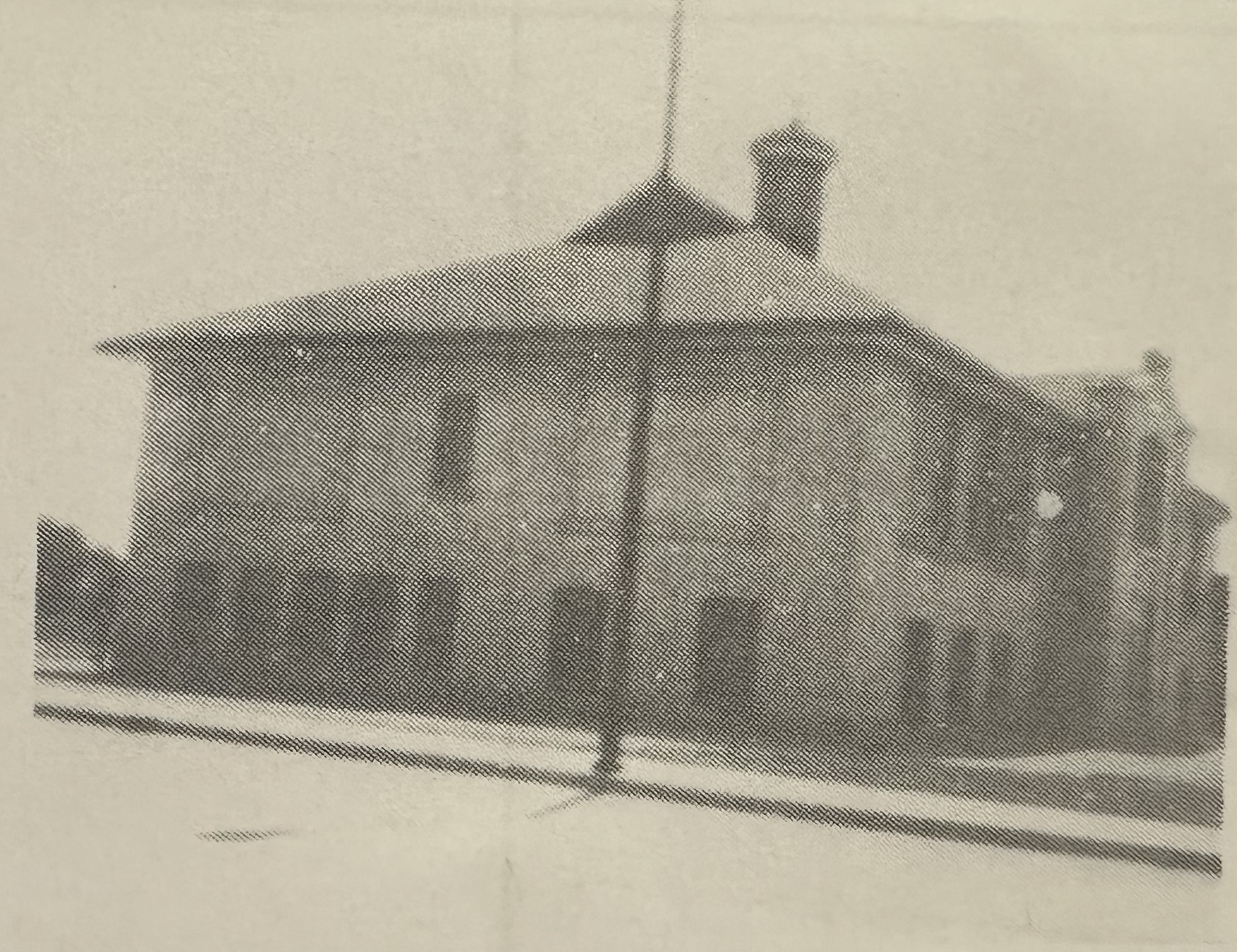
Devonshire Collegiate Institute was constructed on the corner of Eaton Avenue and Main Street in 1920. The building was designed by architect, Eldred Dodsworth Tuttle, a Winnipeg architect who specialized in the design of school buildings. Contractor Halldor Sigurdson, also from Winnipeg, constructed the building for a total of around $30 000. The school was officially opened at a ceremony on May 11, 1920.
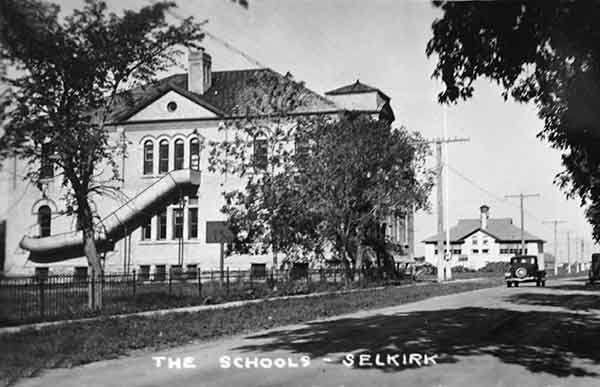
The two storey, brick, school building measured 74 feet by 54 feet. The main floor had four classrooms. The second floor contained a library with 1700 books, a school board meeting room, and a science lab. In the basement was a domestic science room, manual training room, and an assembly hall. Once construction of the school was complete, high school students moved from Selkirk Central School next door to Devonshire Collegiate Institute.
Student Life
Students walked to and from school each day as the school was close to home. Later, when the school district was revised and expanded, students from rural locations such as Netley, Petersfield, and Clandeboye caught the train to Bradbury Station and walked to school from there. There were no cafeterias or lockers as most students could go home for lunch during an hour and a half lunch period. Those that came from out of town were permitted to bring a packed lunch. Former student, Hugh H. Gibbs recalls, “from 1936 to 1948 school was never called off. Everyone walked to and from school and it did not matter how deep the snow was, you could always get through.”
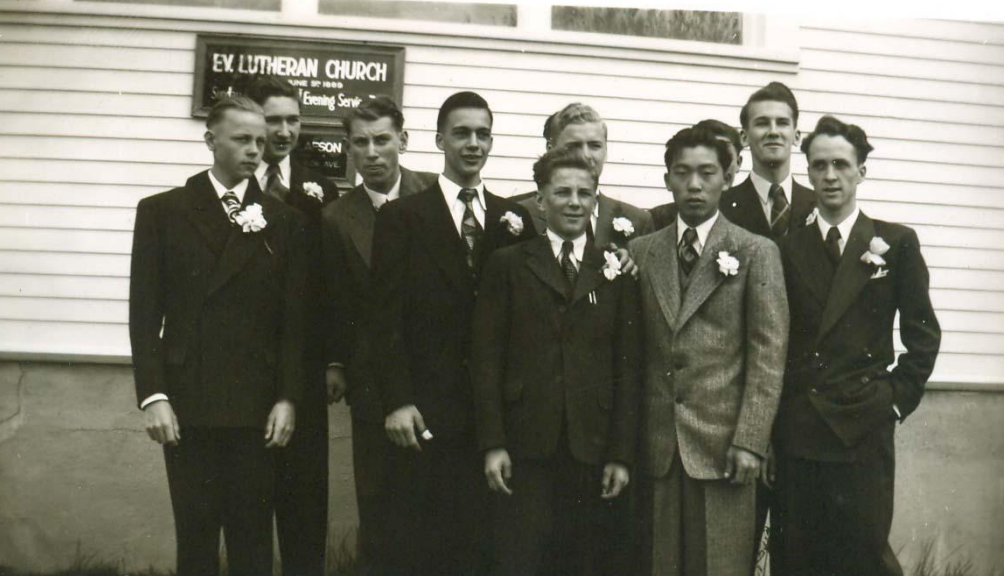
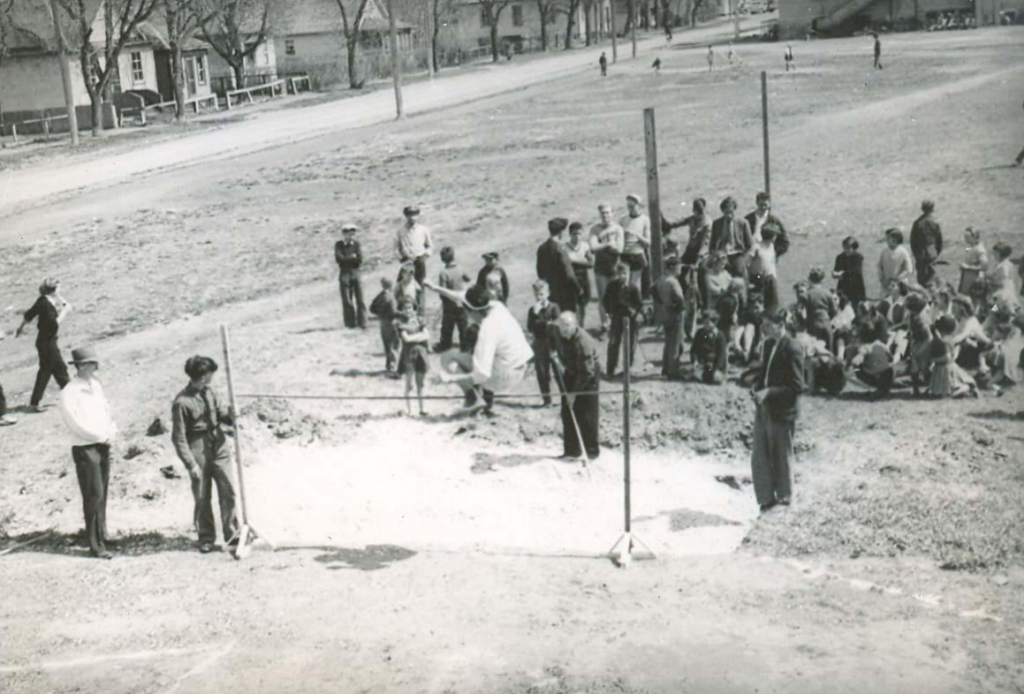
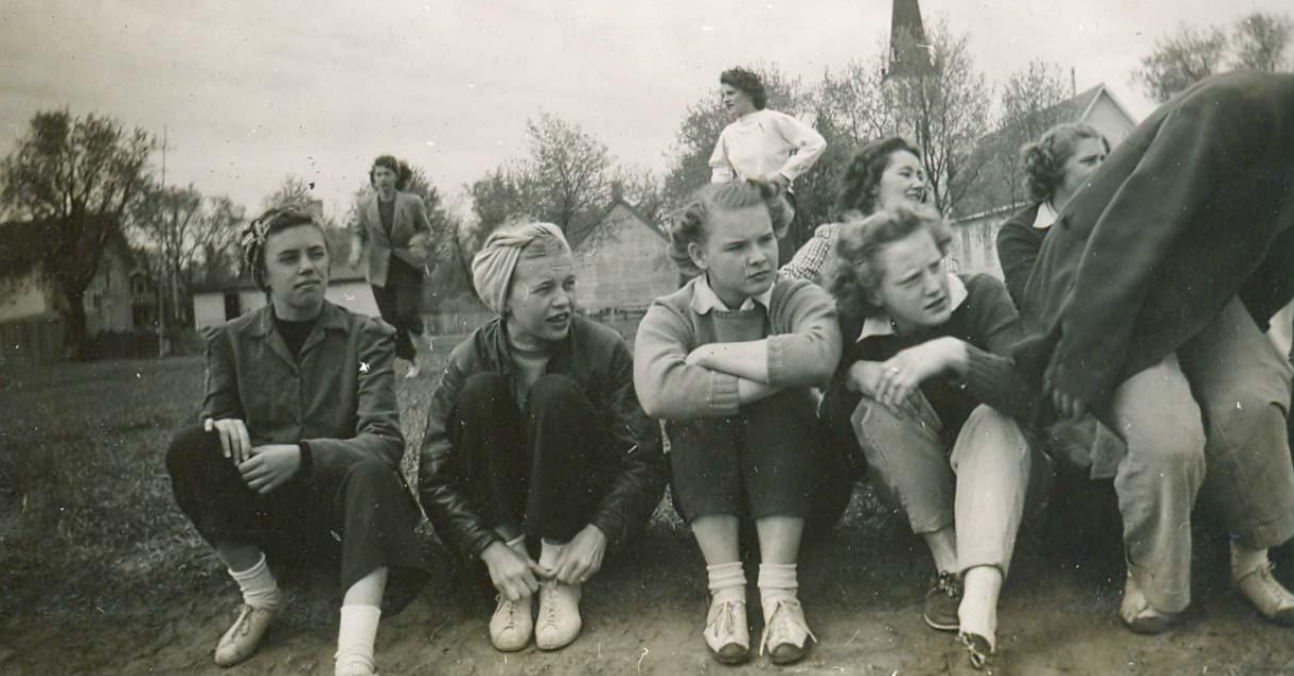
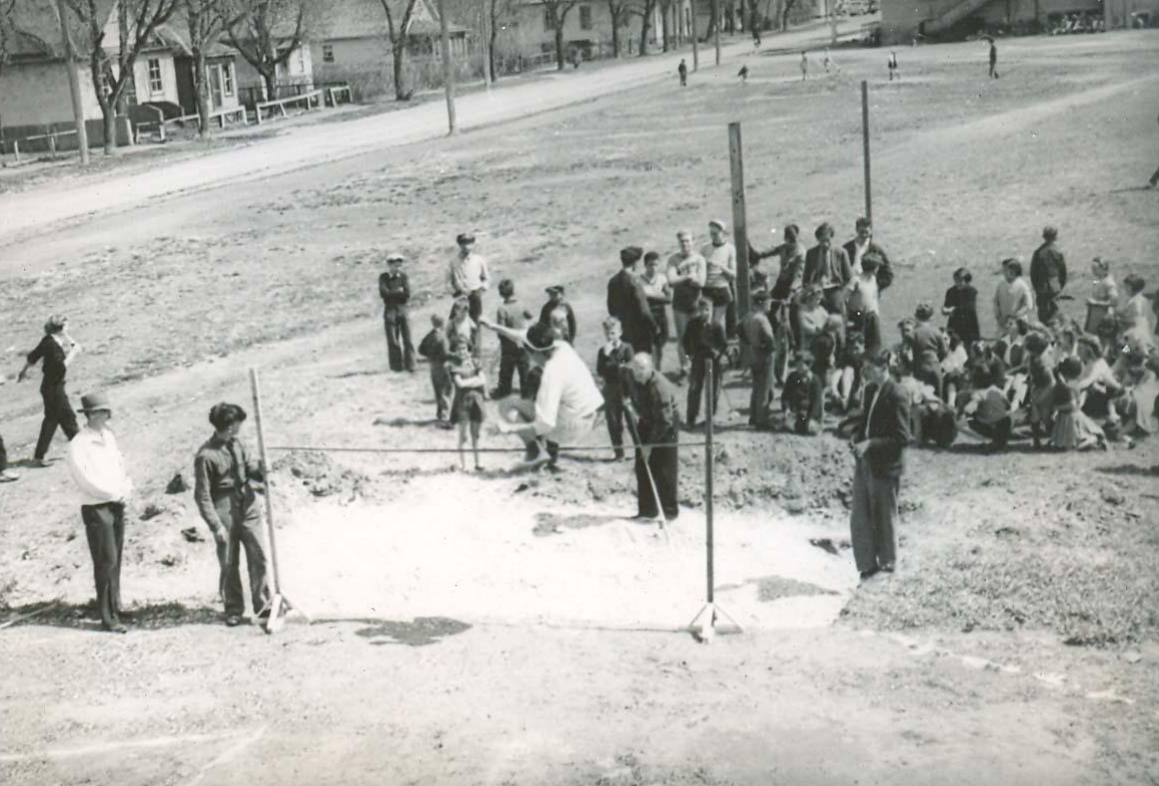
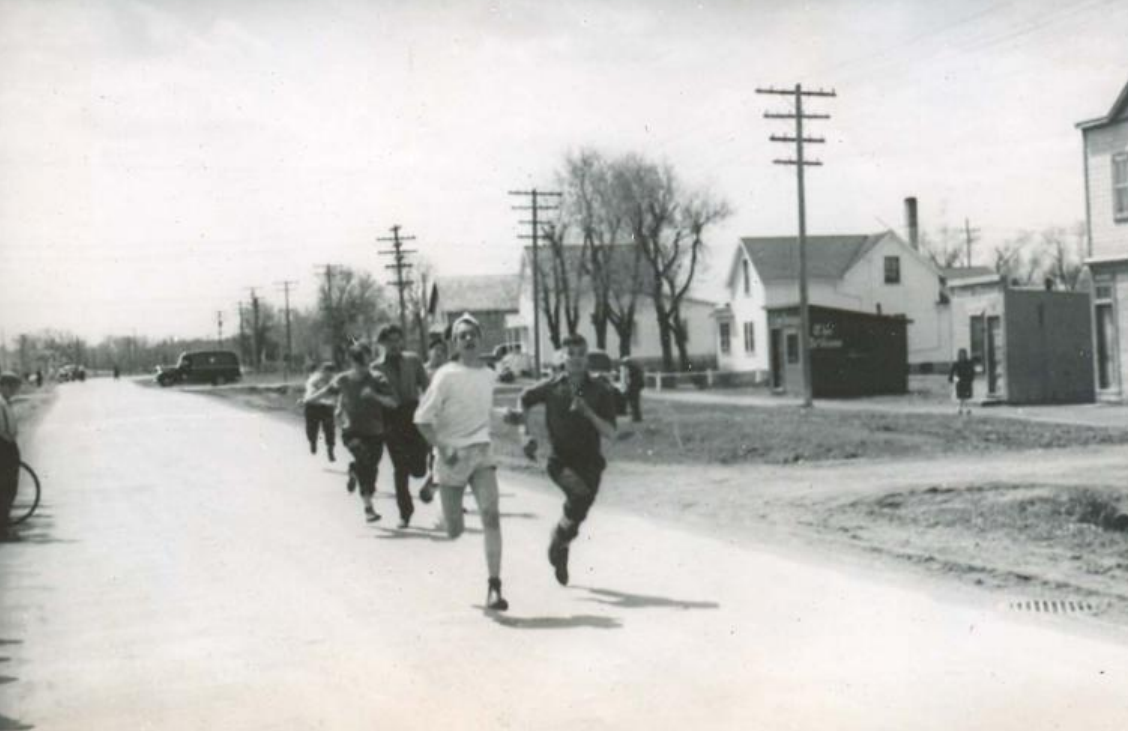
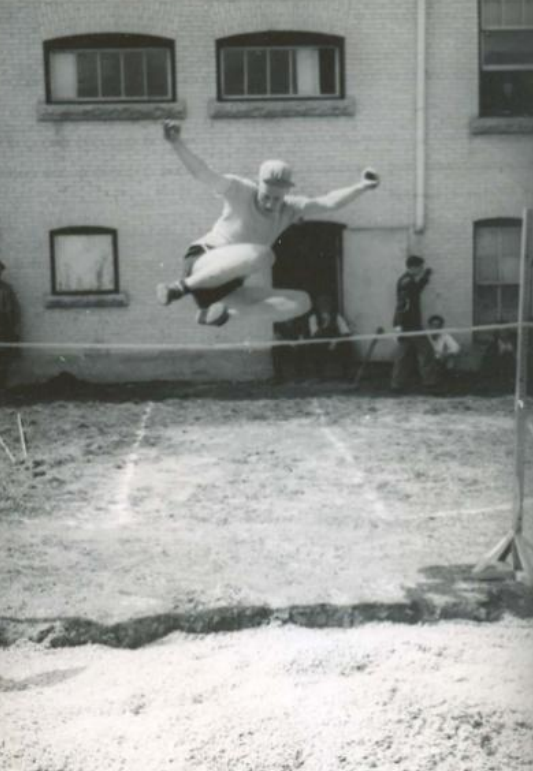
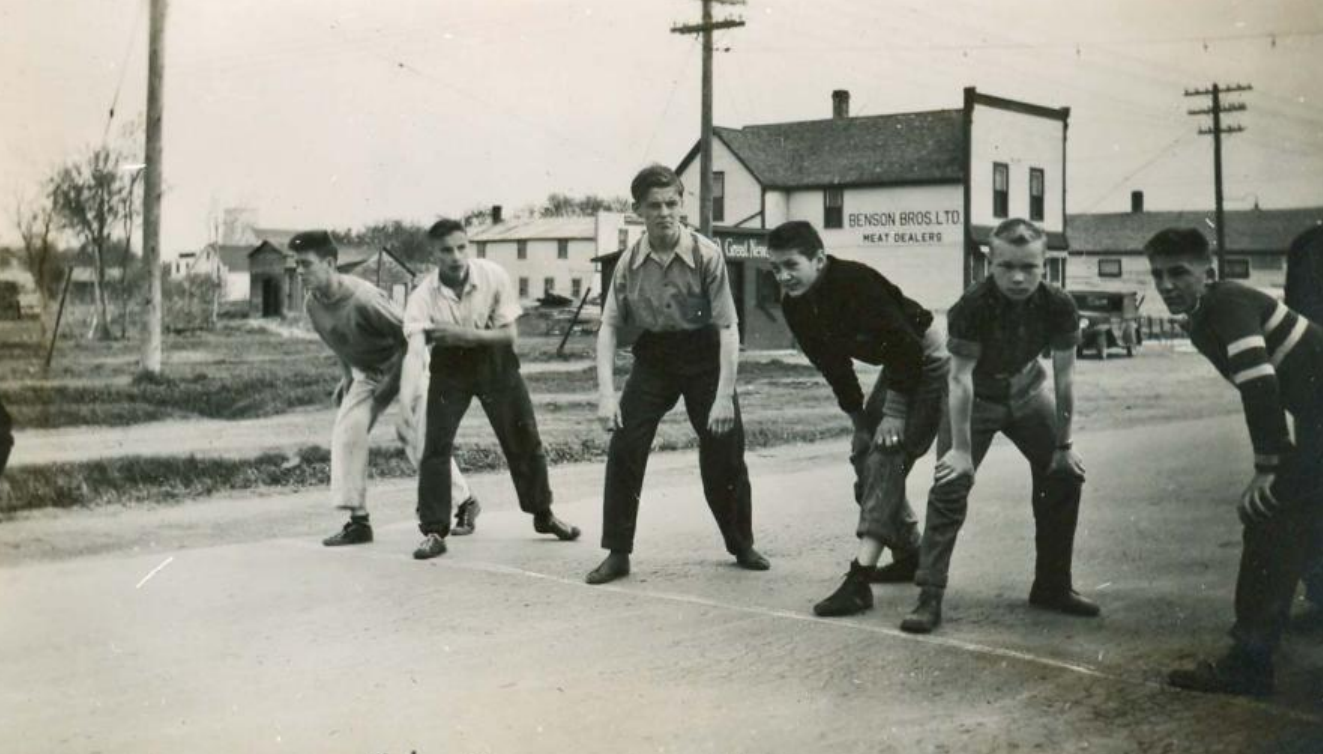
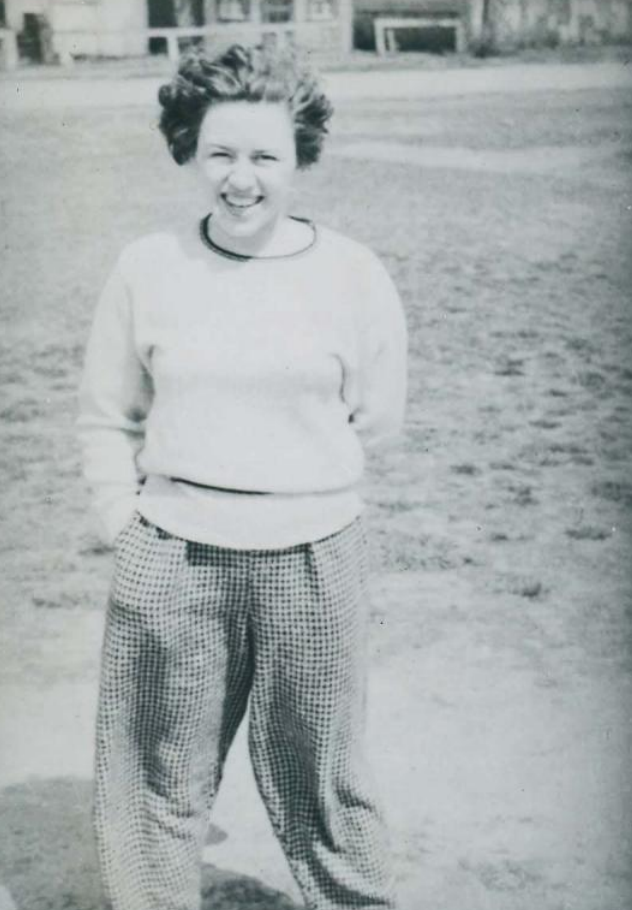
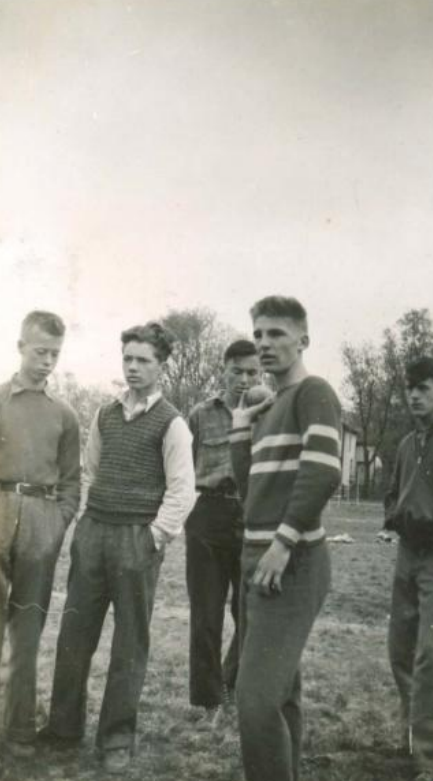
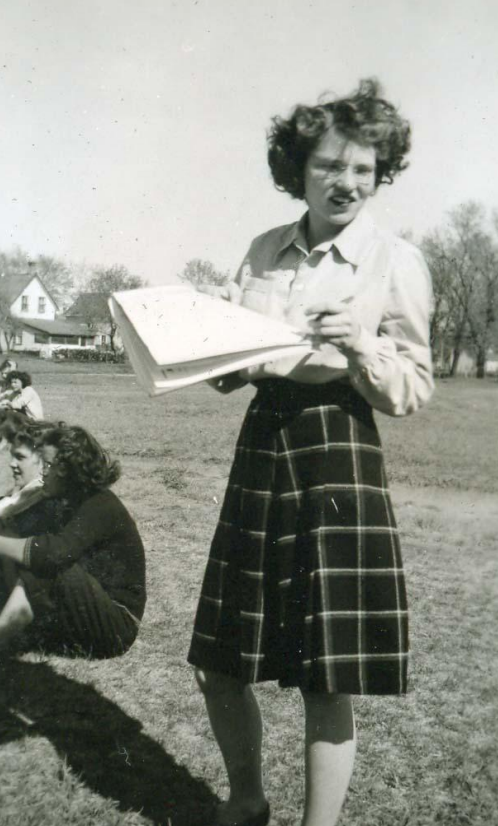
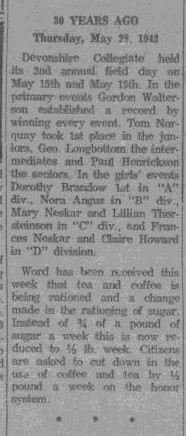
Students were assigned to classrooms by grade level, while the teachers moved from classroom to classroom. Classes taught were mathematics, history, French, Latin and English literature. Each May, at Field Day, students participated in organized competitive sports. Races were held on a portion of Main Street outside the school. The street was closed and traffic redirected for the day. Other sports included high jump and shot-put. Blue, red, and white ribbons were awarded for first, second, and third place winners in each sport. The famed Field Days were featured in school year books and local papers for many years.
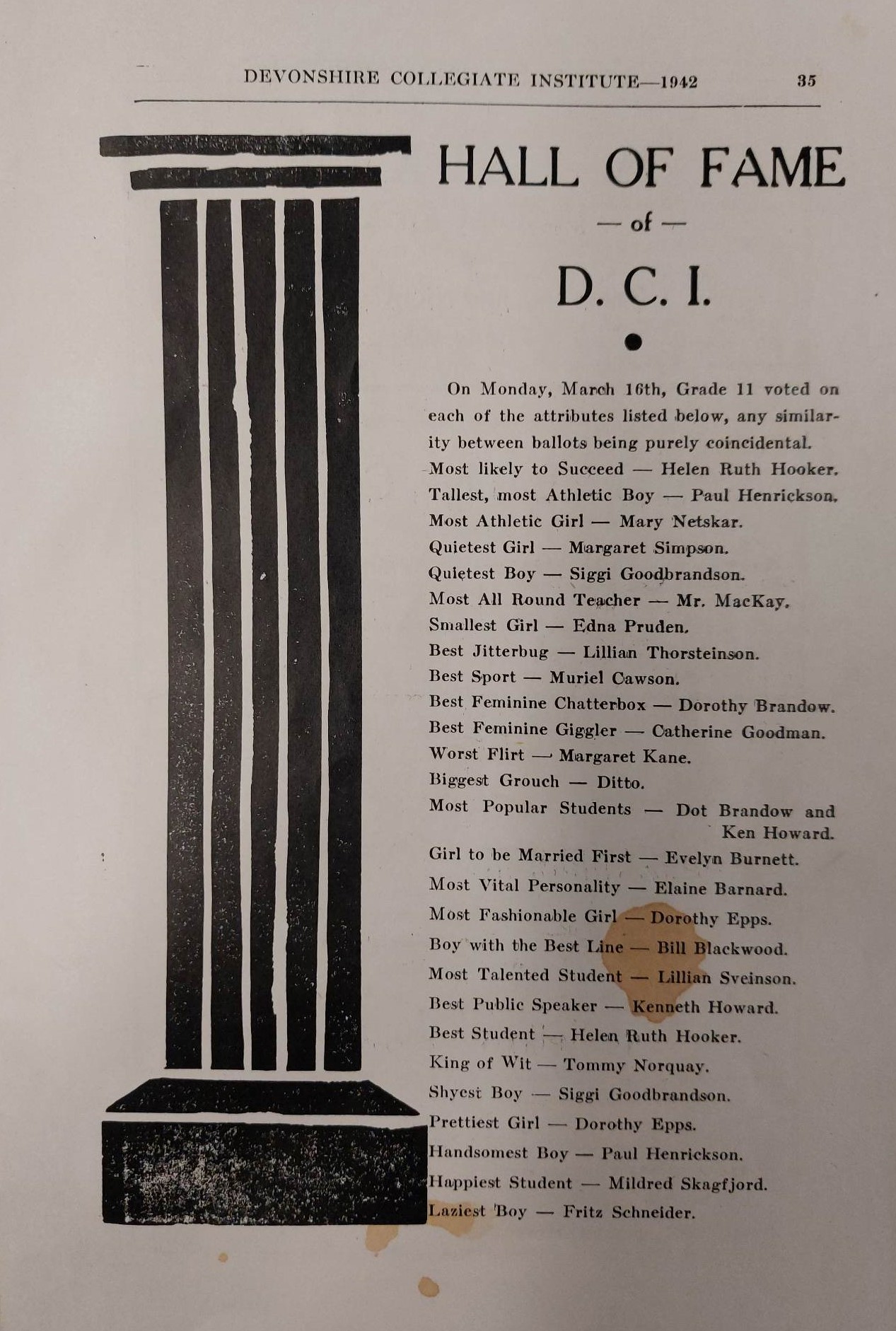
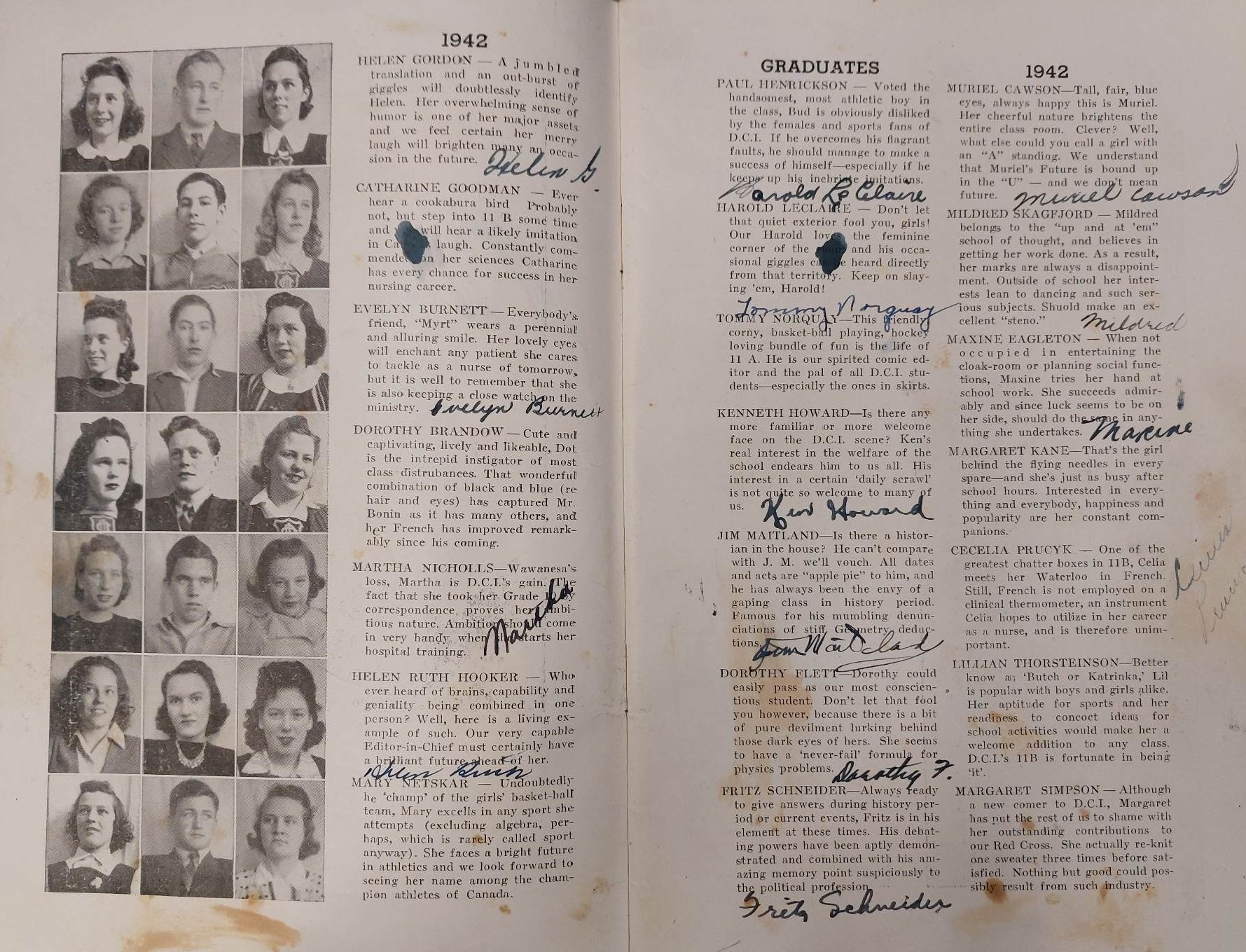
The first yearbook was published in 1939 and evolved to include individual photos of students with presumed characteristics. The yearbook included articles of student activities and the “Collegiate Chatter” column. Sports were a huge part of student life, with Devonshire Collegiate competing against Winnipeg schools, attending bonspiels, basketball games, and of course annual Field Days.
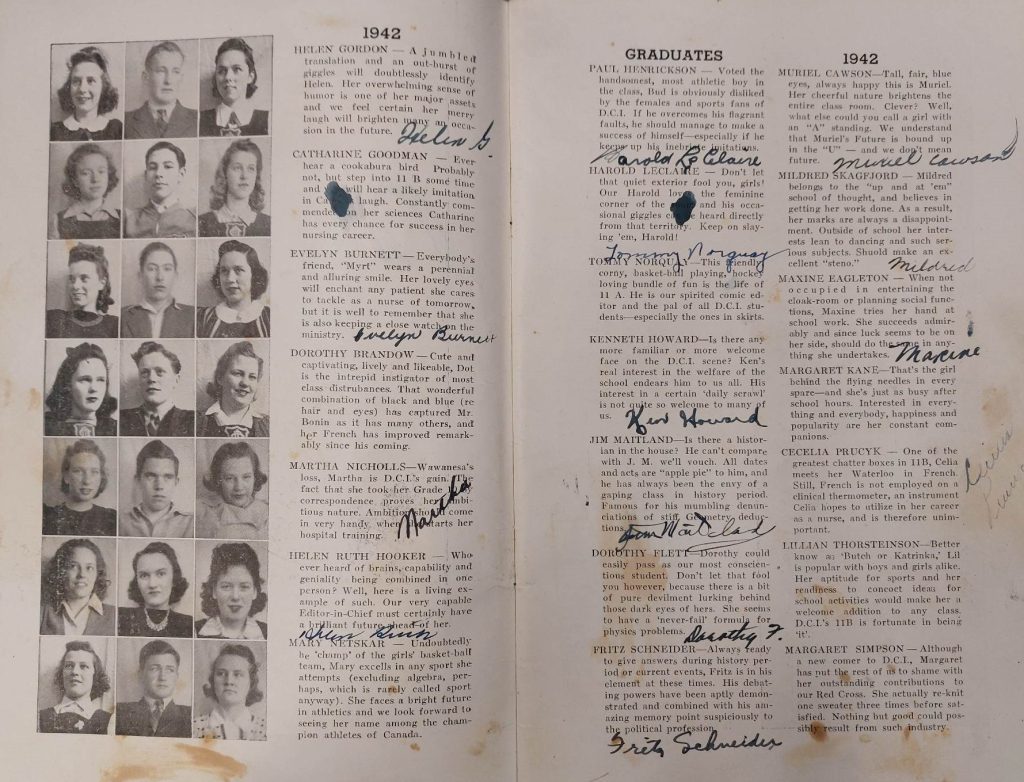
Beyond academic classes and sports, Devonshire Collegiate Institute students engaged in many extra-curricular clubs and activities. The first student council was organized in 1941, with Kenneth Howard as president. Students held weekly debating periods, and some participated in the stamp club and other social events such as Memorial Day and Christmas services at Selkirk United Church and Knox Presbyterian Church.
During the war years, cadets were taught a series of specific subjects, such as Morse code, semaphore signaling, aircraft recognition, drill, and first aid. Shooting practice occurred on Saturday afternoons at the range at the Selkirk Hospital for Mental Diseases (now Selkirk Mental Health Centre).
Students Join the Fight
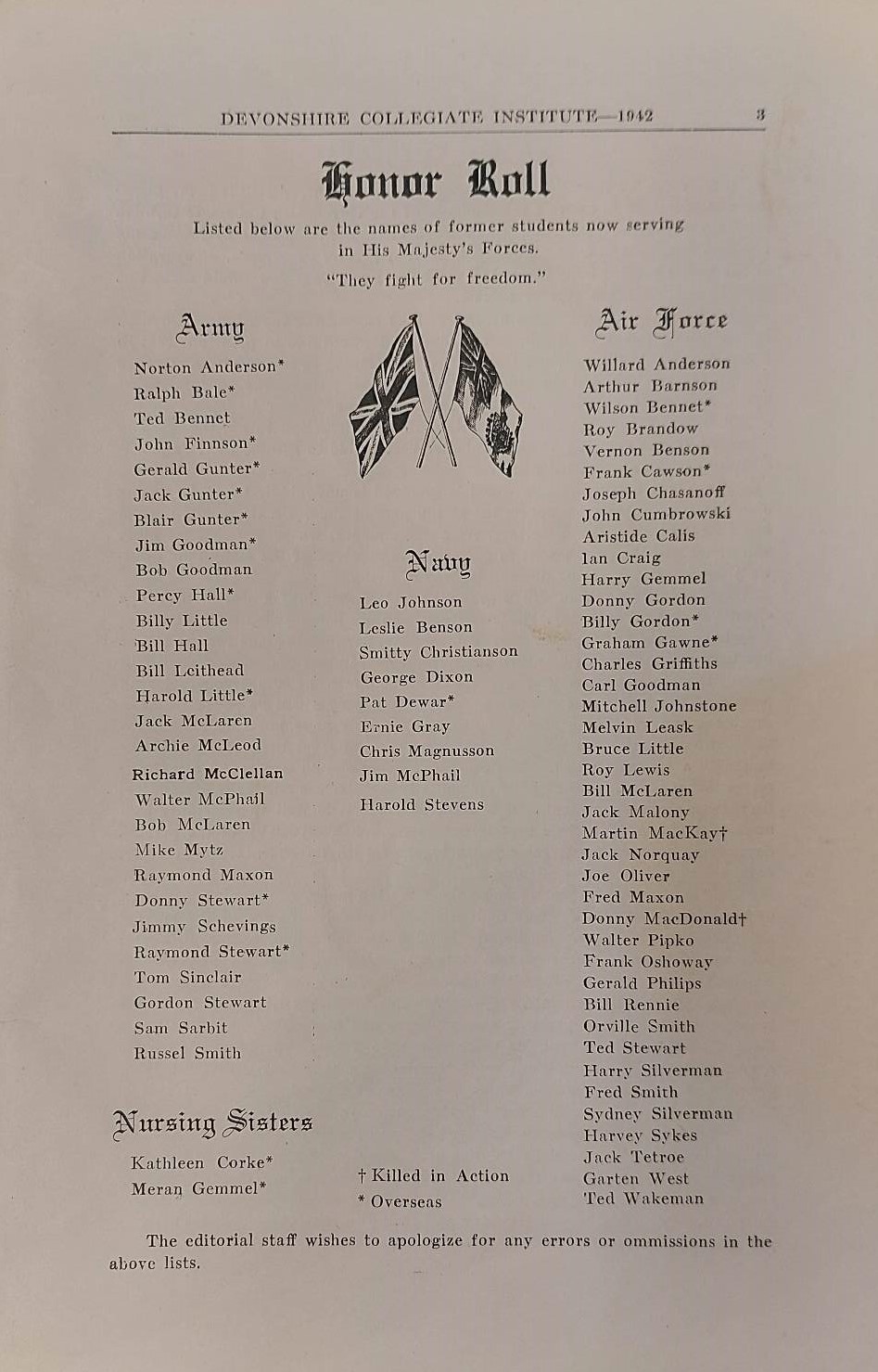
When World War II began, enrollment at Devonshire Collegiate Institute dropped drastically. Students were encouraged to complete their education, however, the overwhelming social pressure to join the fight remained, and it was incredibly hard to retain students. Afterall, how could a student focus on studies when their future was uncertain? In 1945 halls and classrooms settled into an unusual humdrum with only about half the usual attendance of 145 students.
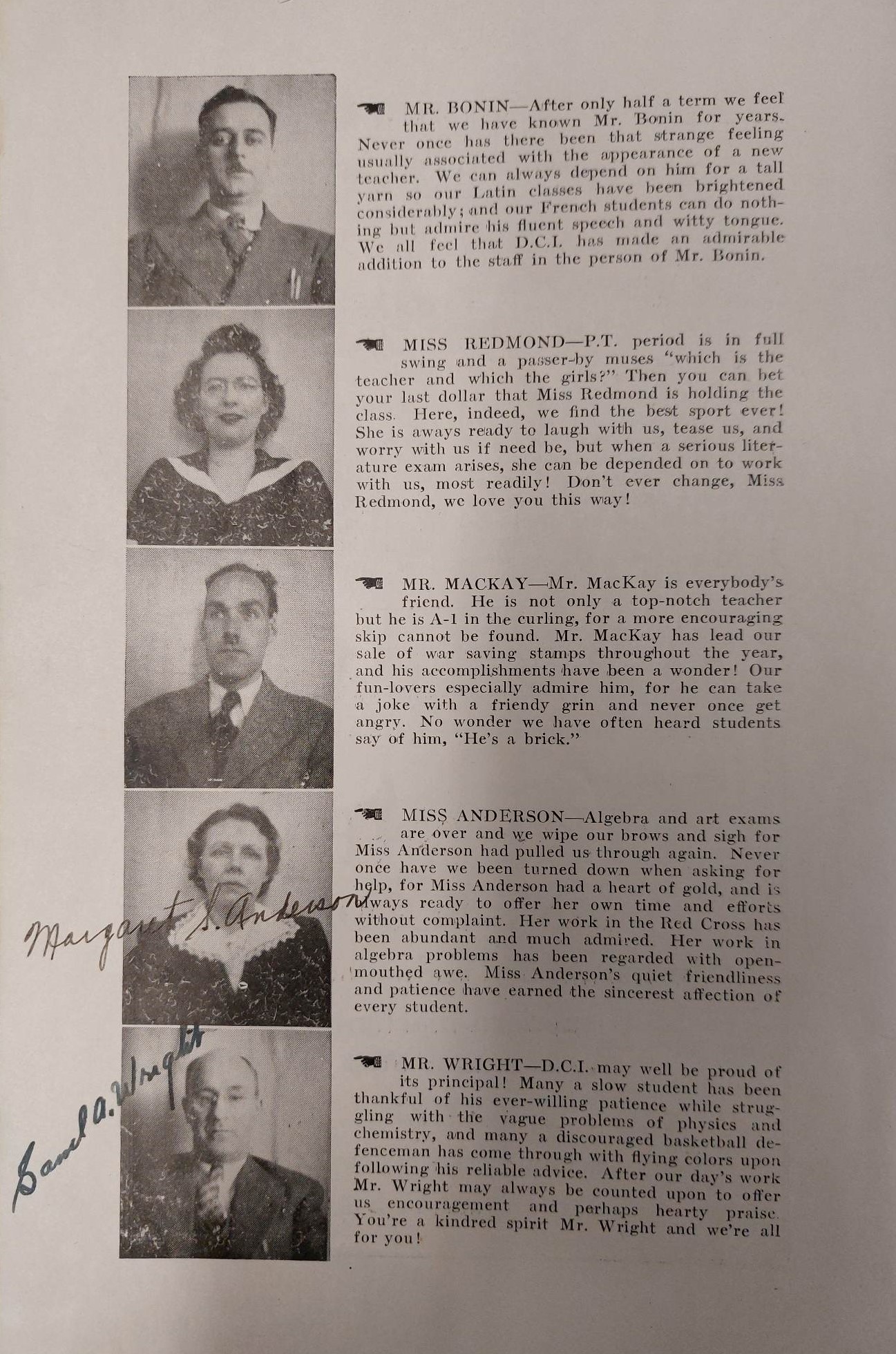
The principal at the time, Samuel Alfred Wright wrote in the 1942 Devonshire Collegiate Institute yearbook:
“The conflict in which the world is involved is undoubtedly the main factor about which we are most concerned at the present time… We realize we must win. Probably at no time will a graduating class step into a world in such a chaotic state as it is today.”
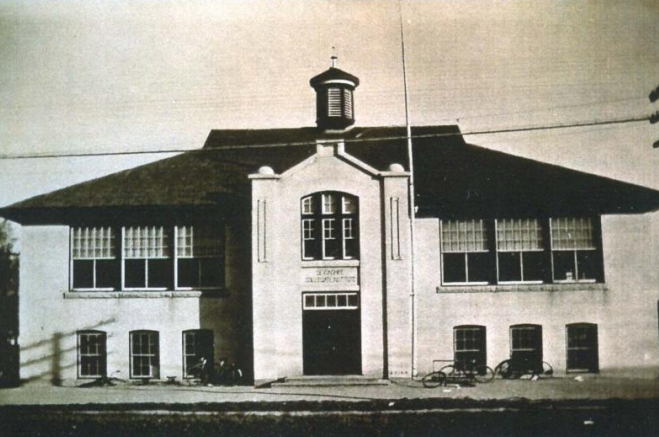
Yearbook editor in chief, Ruth Hooker also commented on the war and the effect it had on students:
“In time of war the picture is cruelly, subtly changed. What chance has a teen-aged graduate, caught in the whirlpool of fear and uncertainty that besets the nation? Where can he possibly find security in his world which is bent on self-destruction? 50 years from the day we graduate any one of us should be able to say in retrospect, freedom prevails, I have fulfilled my obligations and completed my task.’”
Change and Expansion
Grade 12 was introduced in 1947. Those who had graduated from Grade 11 that year had the option to attend post secondary school in Winnipeg or enroll in Grade 12 at Devonshire Collegiate Institute.
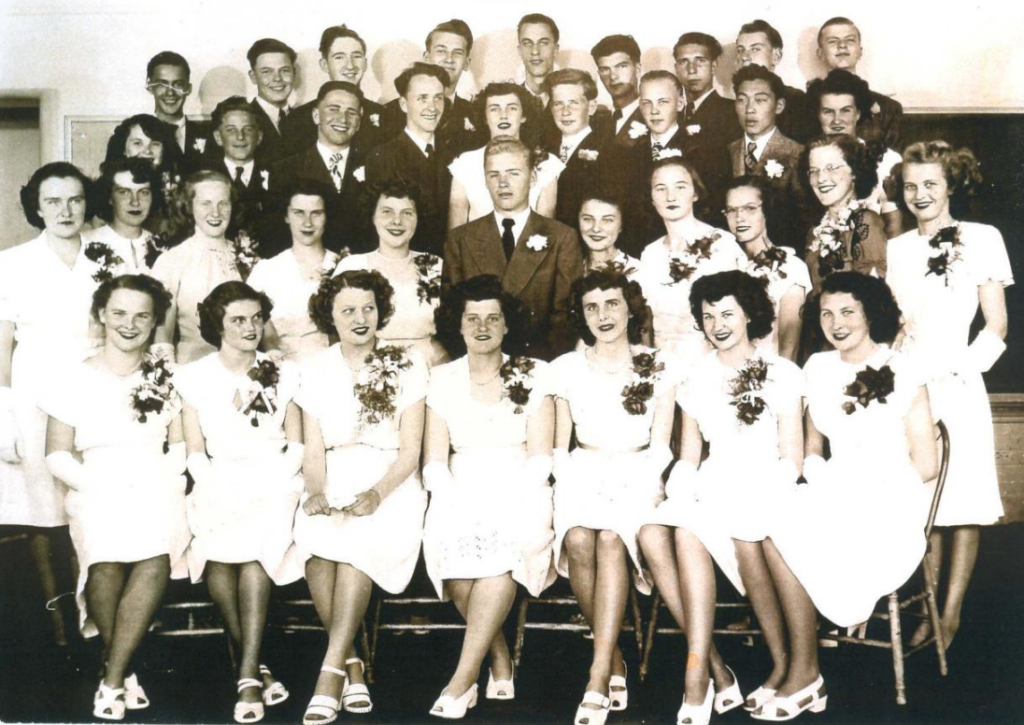
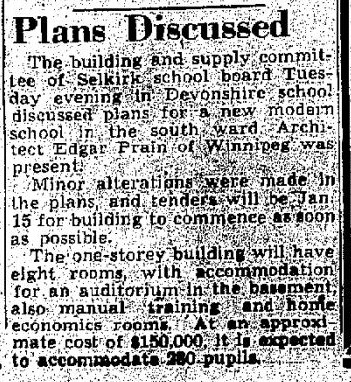
By 1948, further changes to the education system were well underway which meant that Devonshire Collegiate Institute would be converted to an elementary school and its name changed to Devonshire School. In 1954, a four-classroom extension was added, designed by the architectural firm, Prain and Ward.
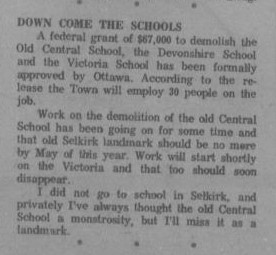
A few years later, the same firm designed a new school to eventually replace Devonshire School. This school is now Selkirk Junior High School. After Devonshire School was closed in 1971 and demolished in 1972, a shopping mall was constructed in its place.
List of Principals from Devonshire Collegiate Institute
| 1906-1922 | Horace A. Stokes |
| 1922-1927 | Bedford Almer Tingley |
| 1927-1932 | J. N. Clark |
| 1932-1947 | Samuel Alfred Wright |
List of Principals from Devonshire School
| 1947-1948 | Cameron Earl Couling |
| 1949-1952 | John Erle Outhwaite |
| 1952-1956 | Casimir “Cas” Hollinger |
| 1956-19?? | |
| 19?? -19?? |
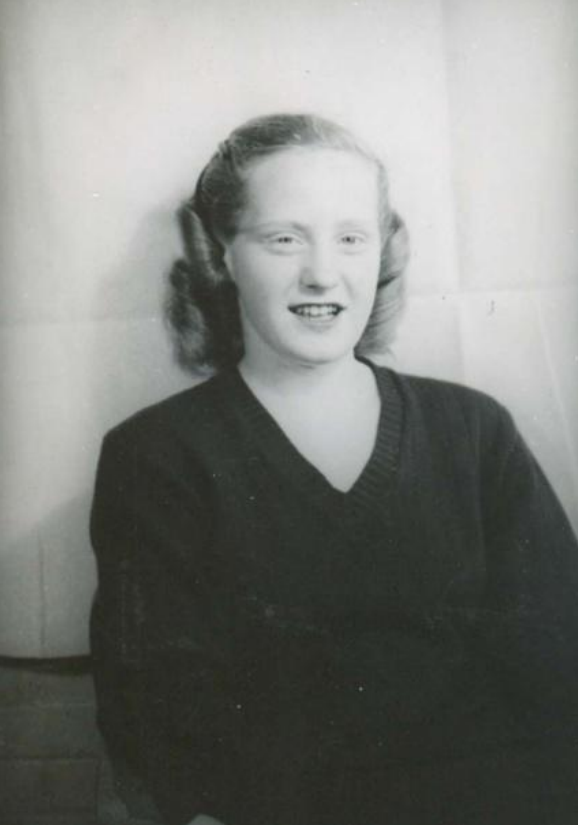
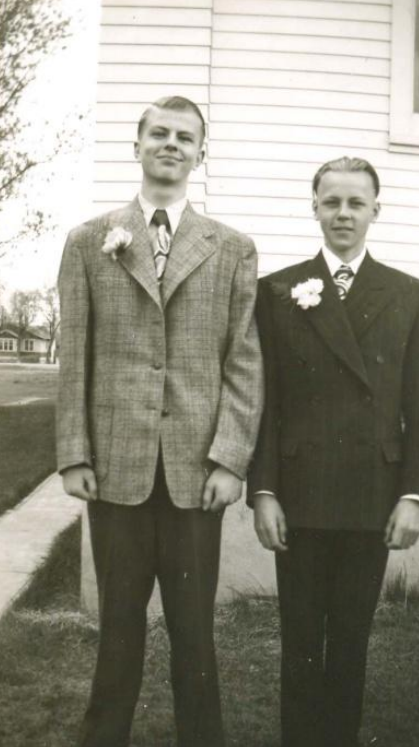
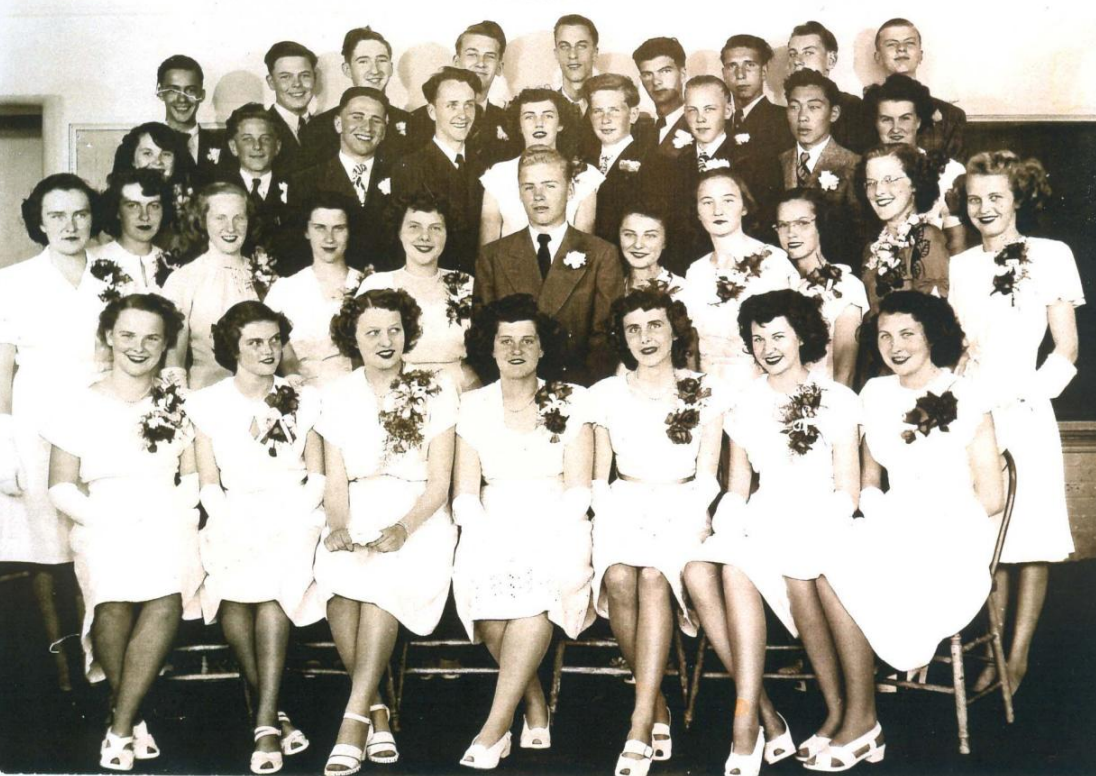
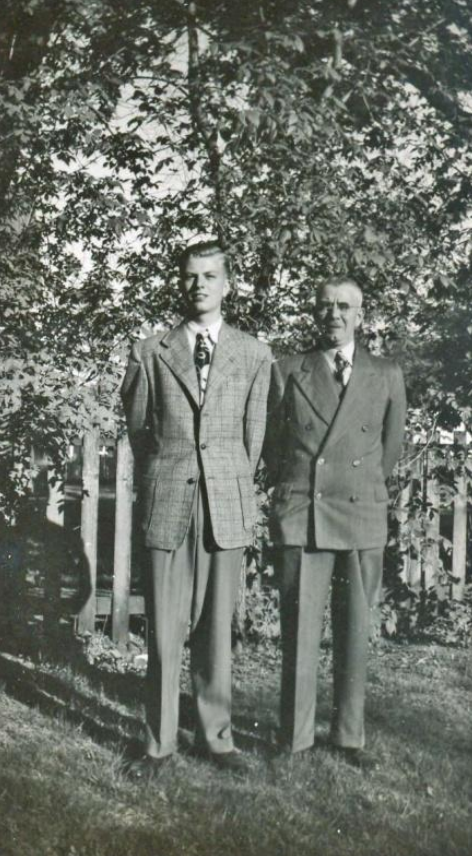
Devonshire Collegiate Institute Collection
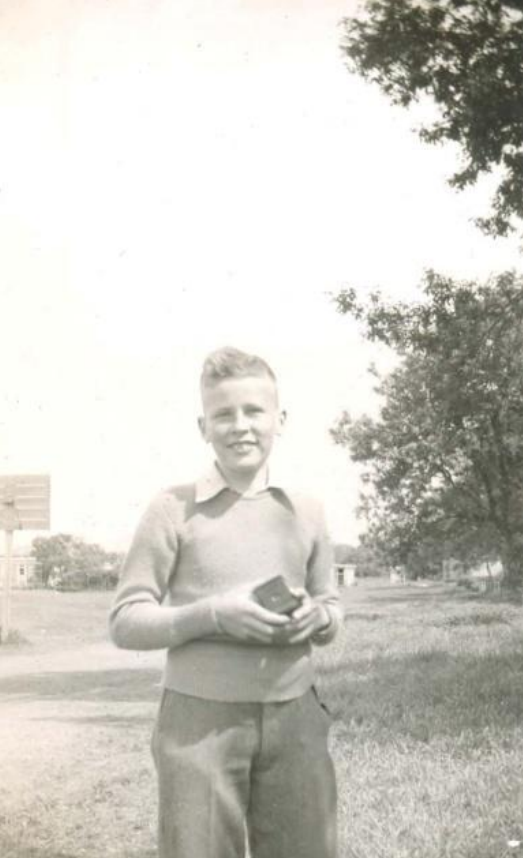
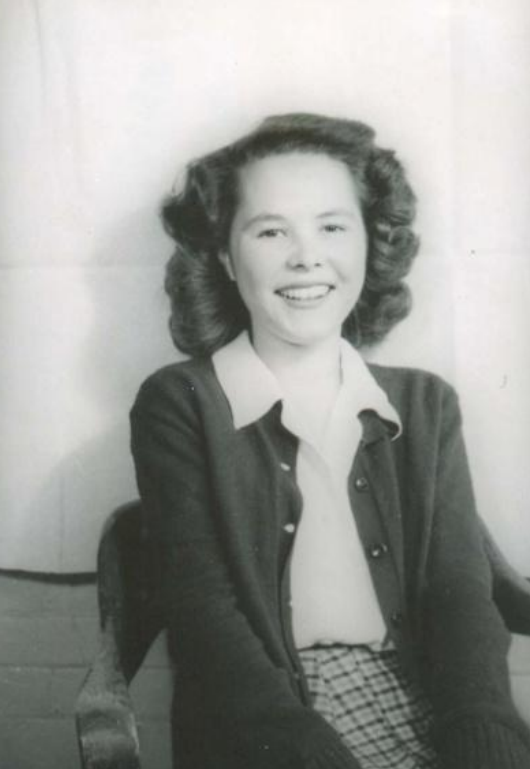
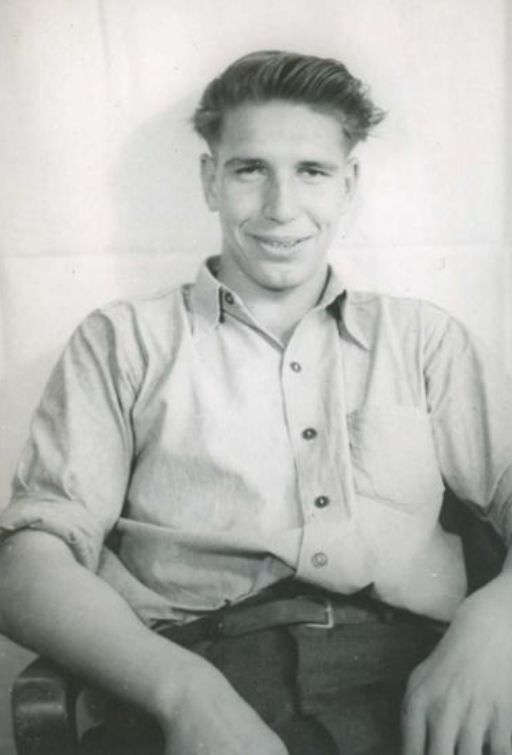
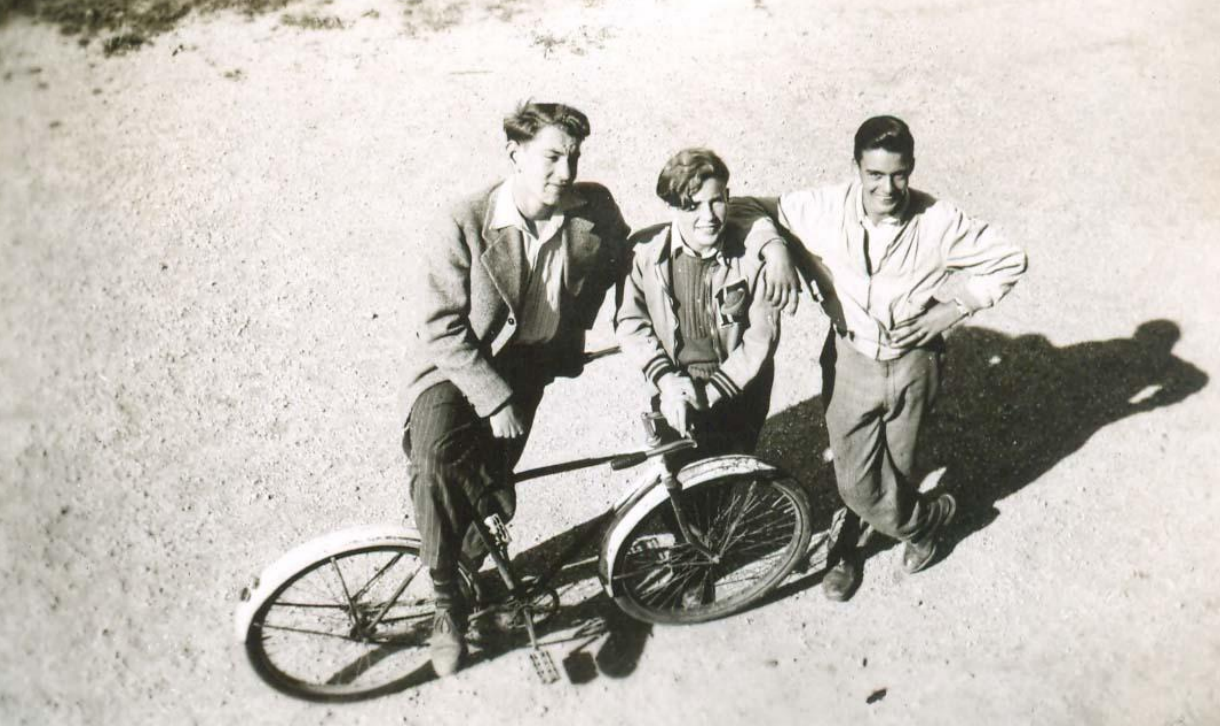
Click on images to enlarge
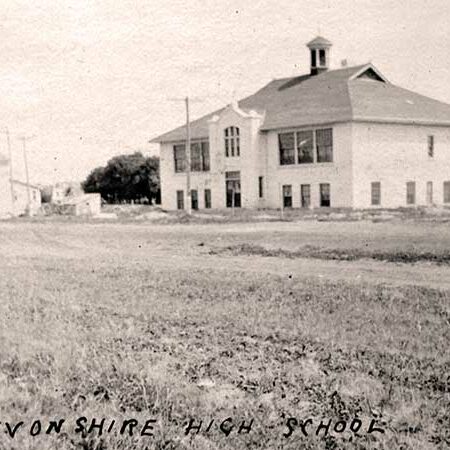 Devonshire Collegiate Institute, 1919, Archives of Manitoba George Harris Fonds, Acc. 1979-141, P7446, Album 1, Page 55
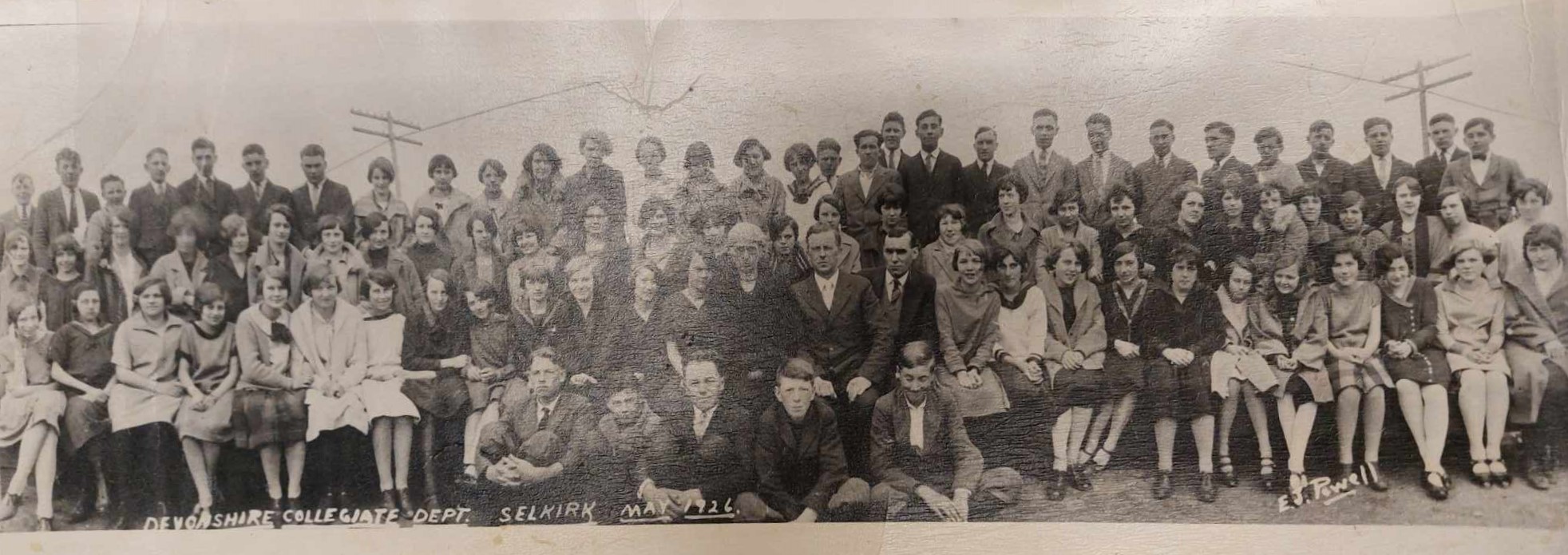
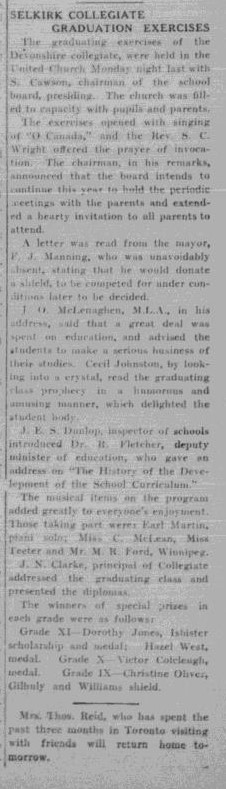

Sources
Manitoba Historical Society – Personal Memoirs: Memories of Devonshire Collegiate Institute
Manitoba Historical Society – Historic Sites of Manitoba: Devonshire Collegiate Institute / Devonshire School (Main Street, Selkirk)
Biographical Dictionary of Architects in Canada (1800-1950)
“A Magical Place”, Hugh H. Gibbs
Stories of Selkirk’s Pioneers and Their Heritage, Kenneth G. Howard
Selkirk Enterprise, 1972
Winnipeg Free Press (Winnipeg, MB). “Plans Discussed.” January 13, 1949, 8.
Winnipeg Free Press (Winnipeg, MB). “Tenders.” March 3, 1952, 19.
Selkirk Enterprise (Selkirk). “Down Come the Schools.” February 9, 1972, 4.