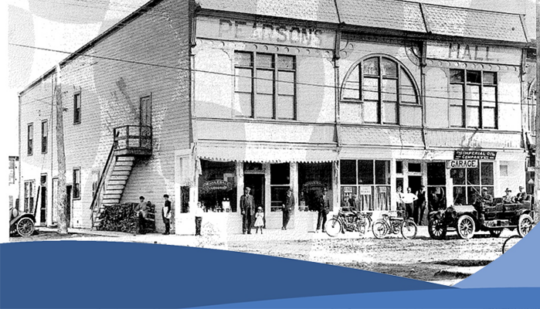
Pearson’s Hall, The Heart of Early Selkirk’s Social Life

Pearson’s Hall was the bustling center for all kinds of social activities in the early 1900’s. Many of the social events held at the hall included balls, concerts, live performances, theatrical productions, and moving pictures, however, the hall was also a gathering place for election campaign results, community meetings, and public speeches. This tragically came to an end when the building burned down in 1920.
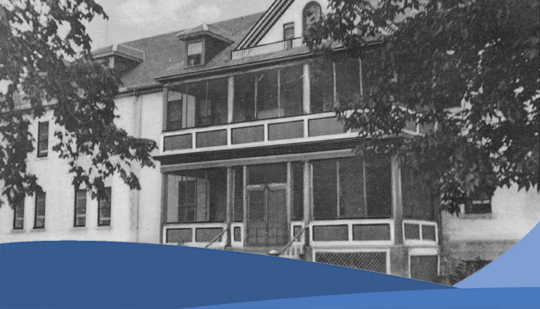
Civic Office

Selkirk’s early municipal services began in a modest log-house before moving to a repurposed schoolhouse. Other services were scattered across different locations in the community. Eventually, these services amalgamated in a purpose-built civic office, which was later repaired, renovated, and expanded multiple times. The civic centre also housed key services such as the Selkirk Fire Department, the Selkirk Library, and the Police Department.

McLeod’s Bakery

McLeod’s Bakery was a beloved staple of Selkirk’s downtown for decades, filling the community with the comforting aroma of fresh-baked breads, pastries, and treats. As a cherished local gathering place, the family-run bakery served generations of residents, leaving behind a delicious and heartwarming legacy in the town’s commercial history.

Dr. William Easton

Dr. William Easton (1910–1989) left an enduring 50-year legacy of healthcare dedication and service to the residents of Selkirk and its surrounding areas. Operating a diverse medical practice from 1935 until his retirement in 1986, he delivered thousands of babies, performed countless general surgeries, and championed the development of the consolidated Selkirk Medical Centre—a commitment to local community wellness that is remembered today through Easton Drive and the Easton Place Clinic.