
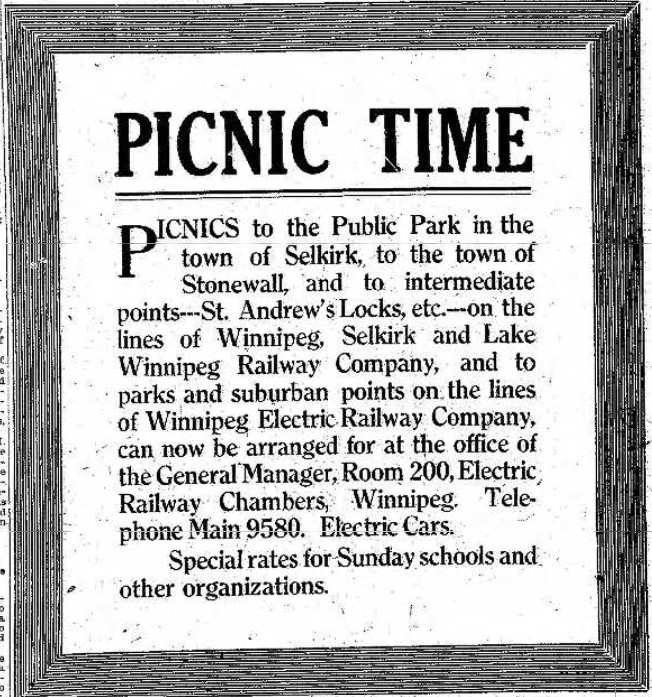
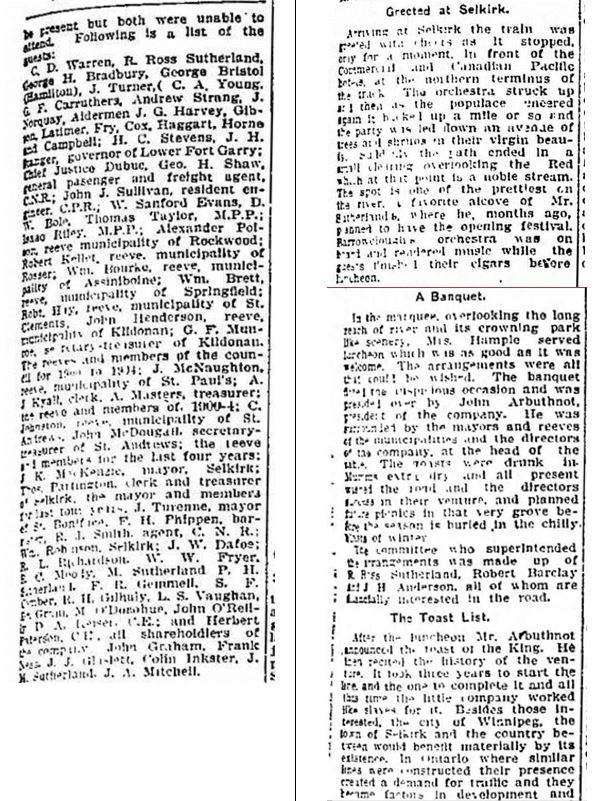
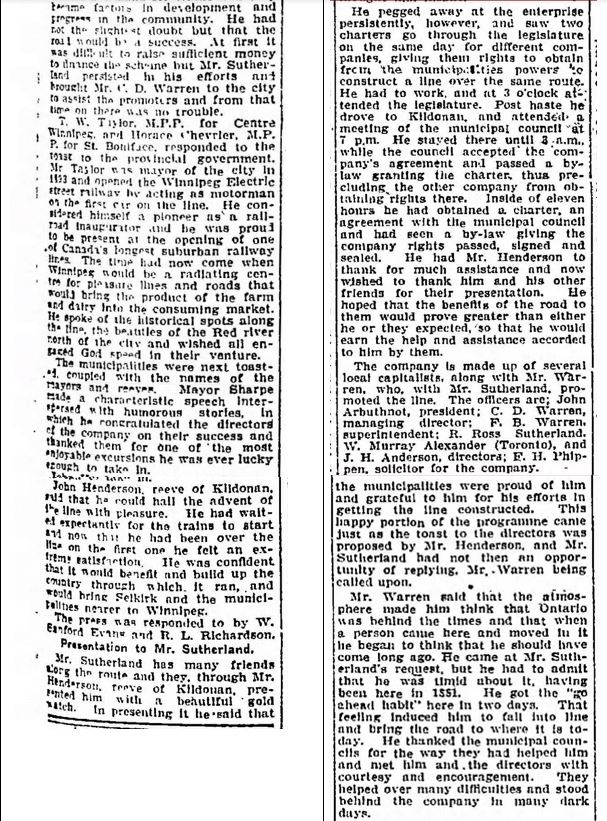
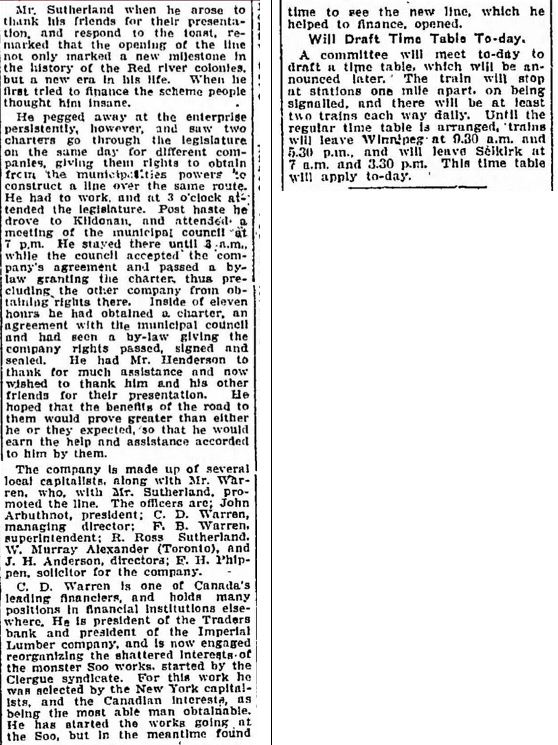
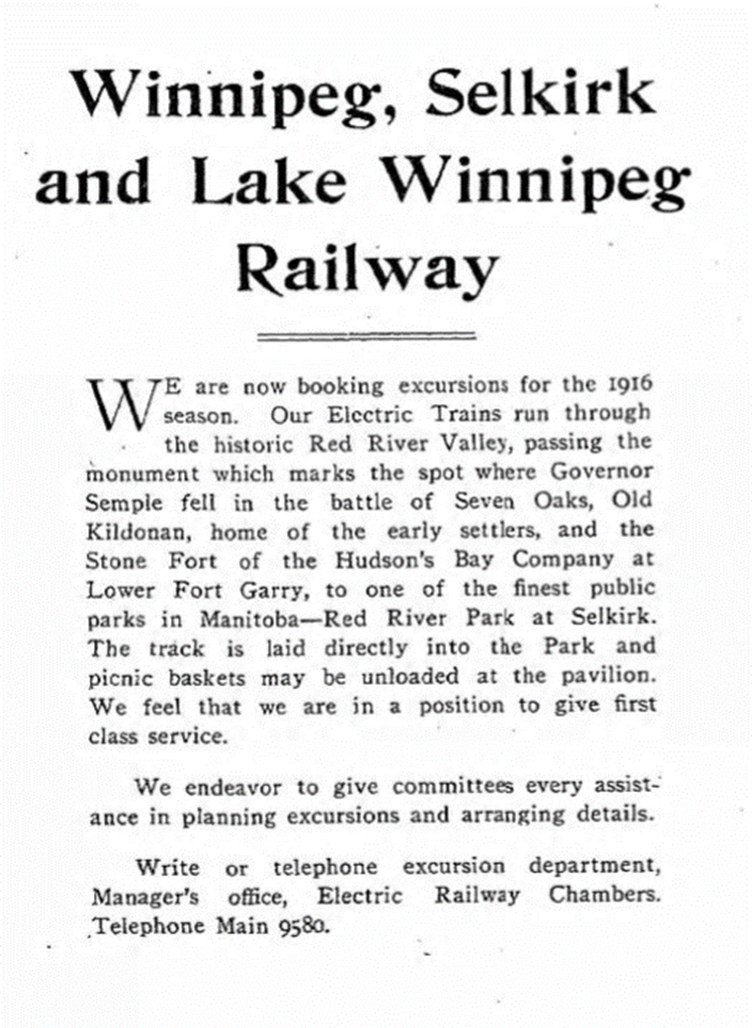
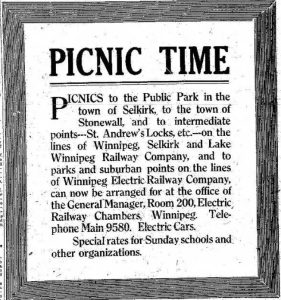
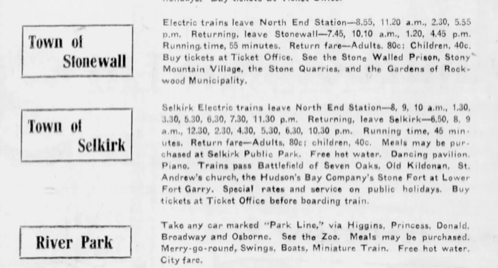
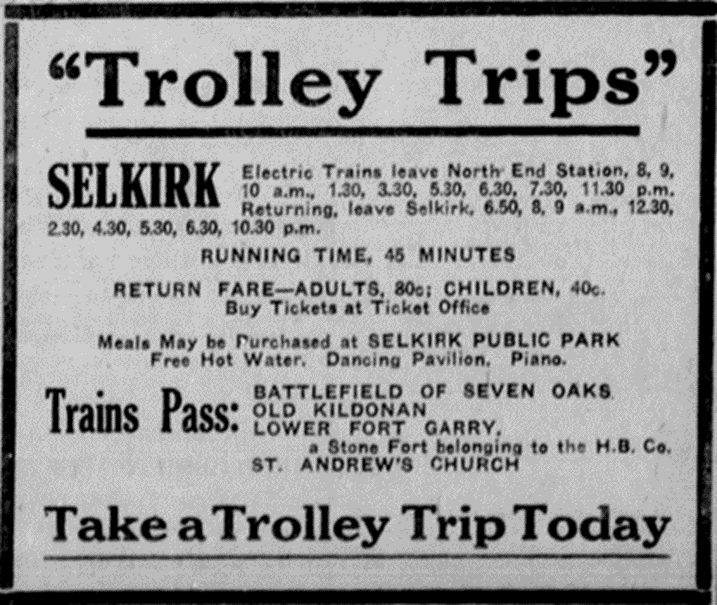
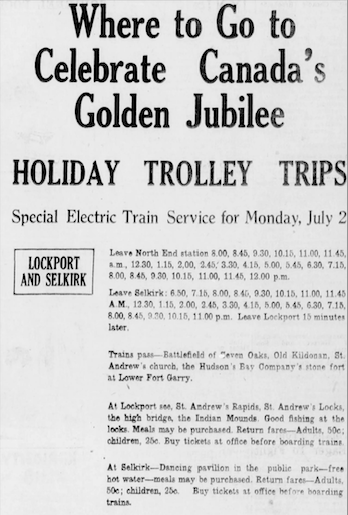
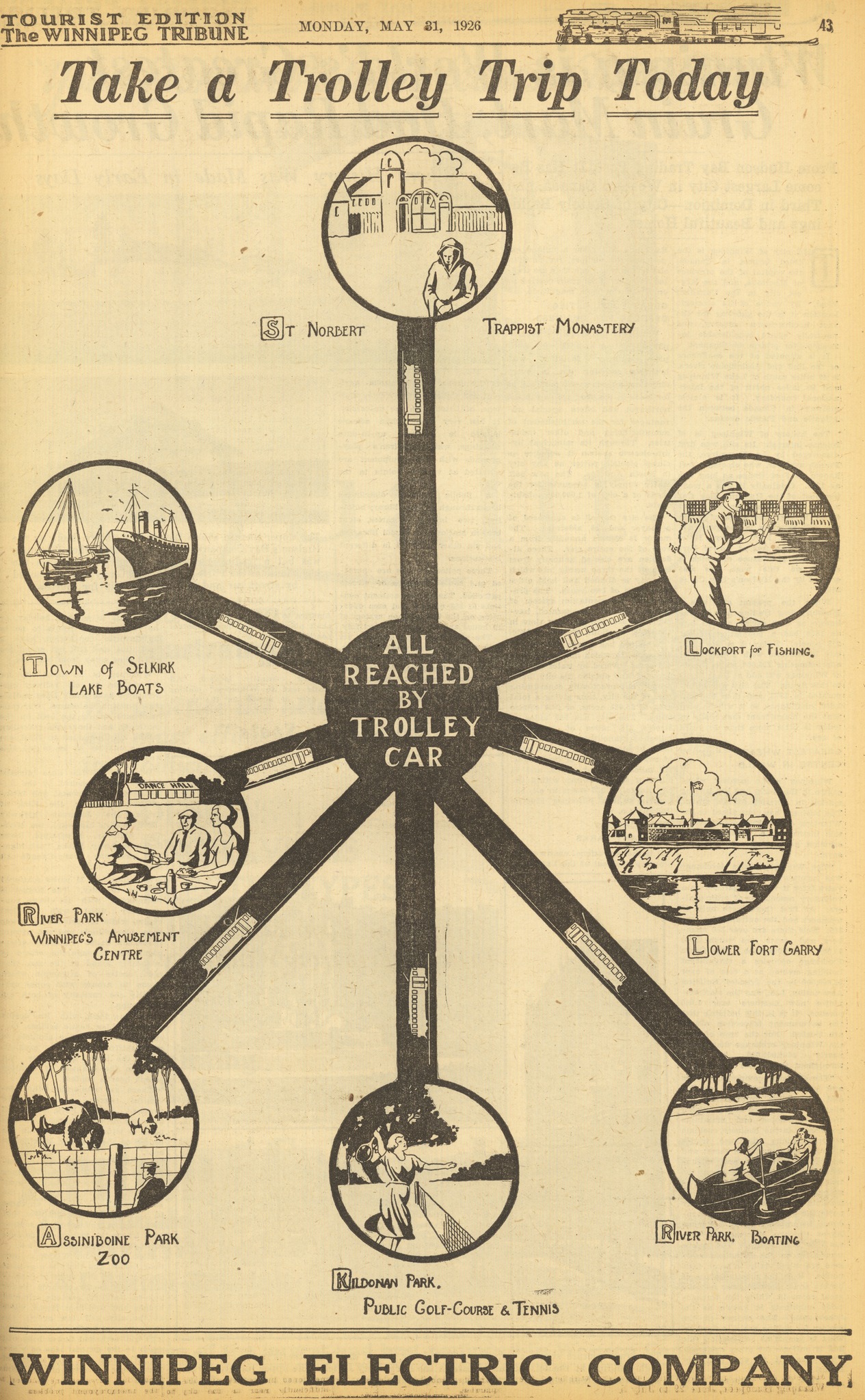
Established in 1904, the Winnipeg Selkirk and Lake Winnipeg Railway Company was formed to provide services to the locals going to and from the Town of Selkirk to the City of Winnipeg. The services were formed with the intention of growing businesses to the Town of Selkirk at the time. The ideation of day trips to the country for those residing in Winnipeg, going to Selkirk was an escape from the city life to enjoy a day full of serenity near the woods and picnics in the park, and for fishing with the vibrant marine life which was one of the main attractions that drew people to Selkirk. As the railway advanced, it later became an essential travel service as it allowed people from the Selkirk area to work in Winnipeg, and those in Winnipeg to work in Selkirk. The Winnipeg Selkirk and Lake Winnipeg Railway Company dissipated in 1939 with the rise of single passenger vehicles and declining ridership.
The Formation
The formation of an electric street railway system in Winnipeg in 1892 was the inspiration for nearby communities to create their own transit systems. After the Canadian Pacific Railway was diverted to Winnipeg instead of through Selkirk which was previously promised (taking Selkirk out the running to be the capitol city of the province), CPR compromised by including Selkirk on the line to Winnipeg Beach. The Selkirk Electric Street Railway Company and the Winnipeg Electric Street Railway Company had opened negotiations to create a line between the town and the city, using the line that the CPR had already made. The two parties formed a company called the Winnipeg Selkirk and Lake Winnipeg Railway, which acquired a locomotive like ones used in cities in the United States.
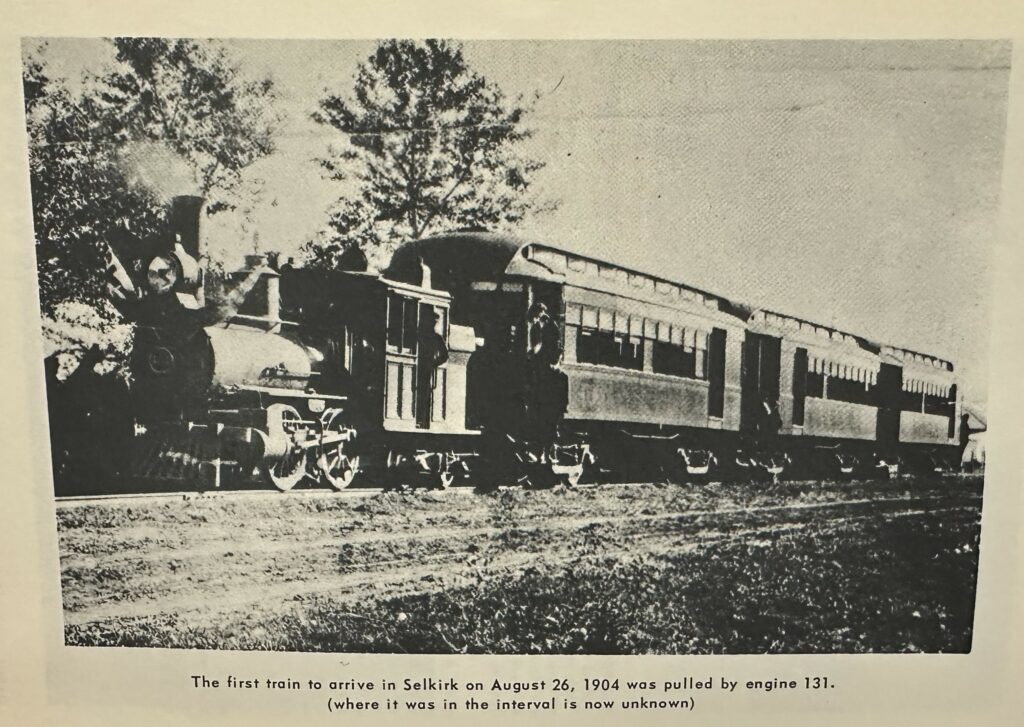
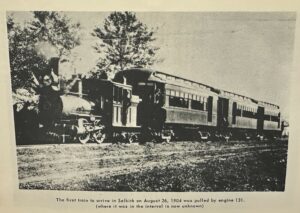
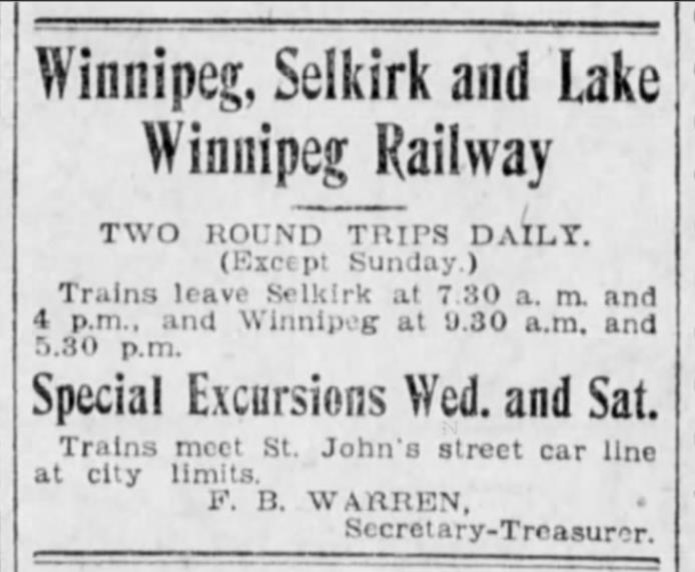
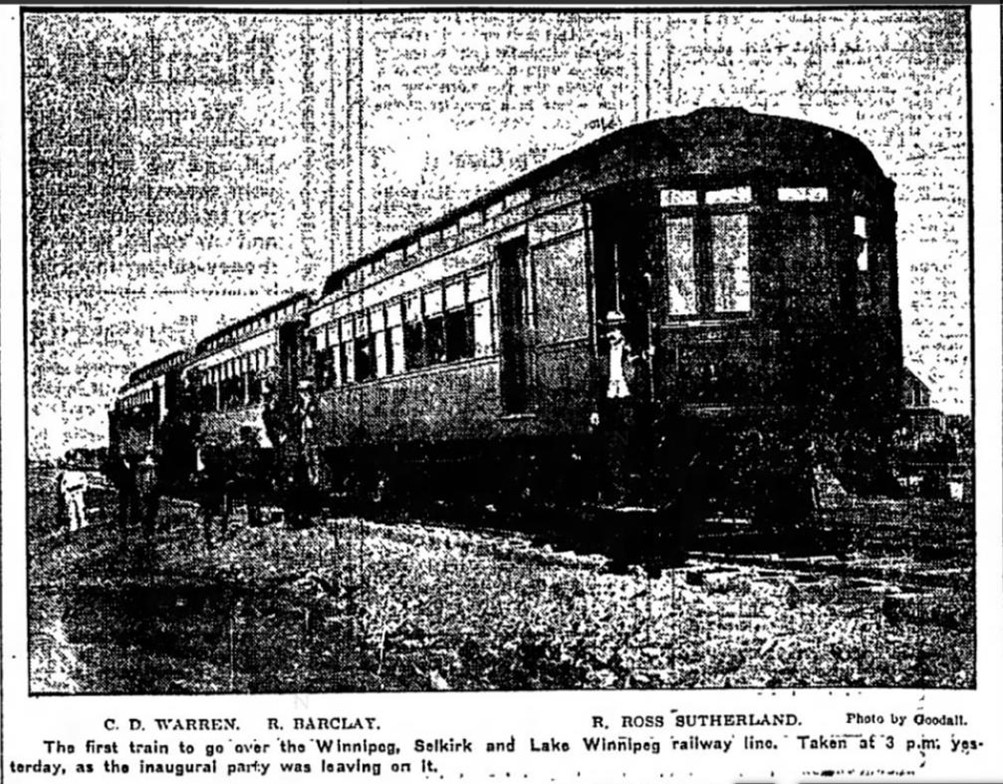
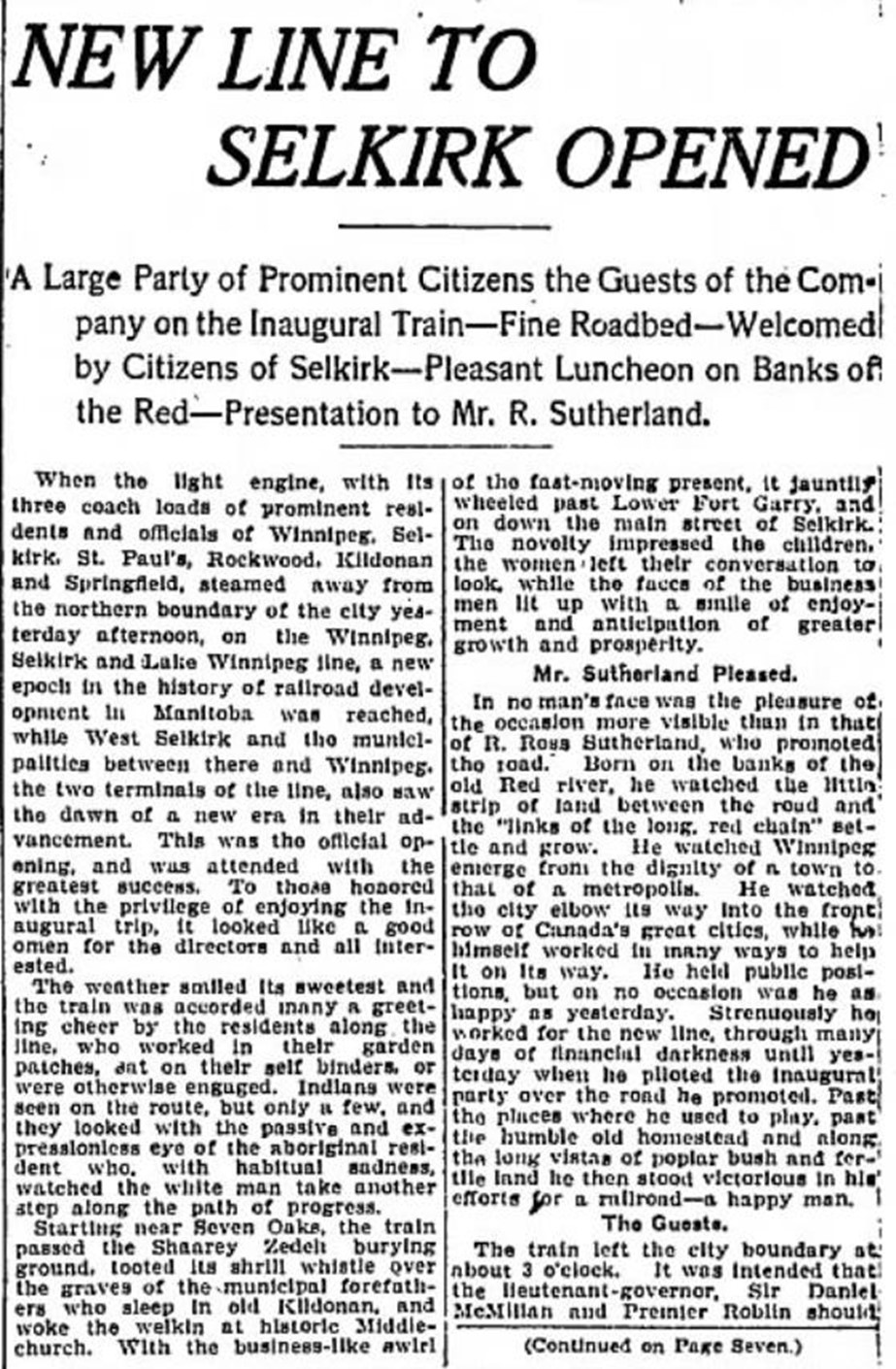
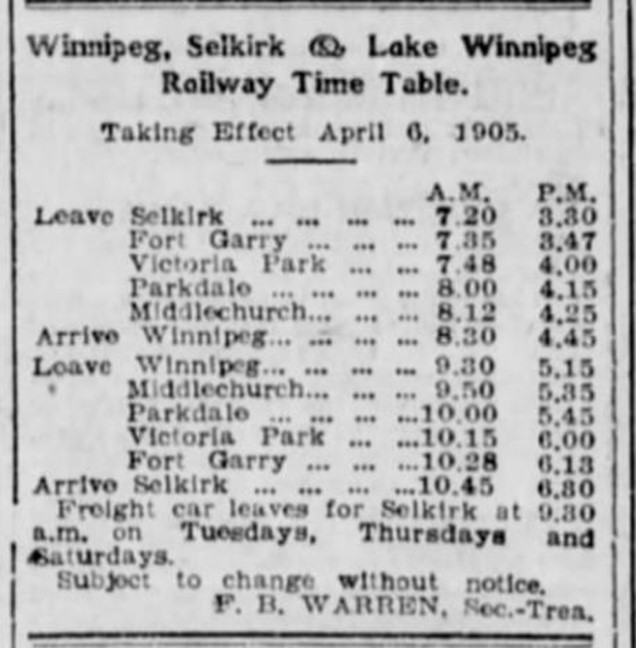
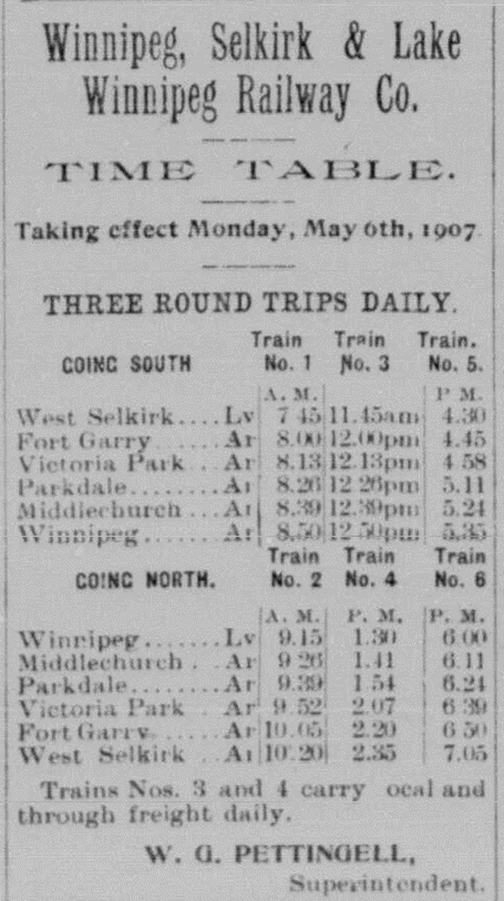
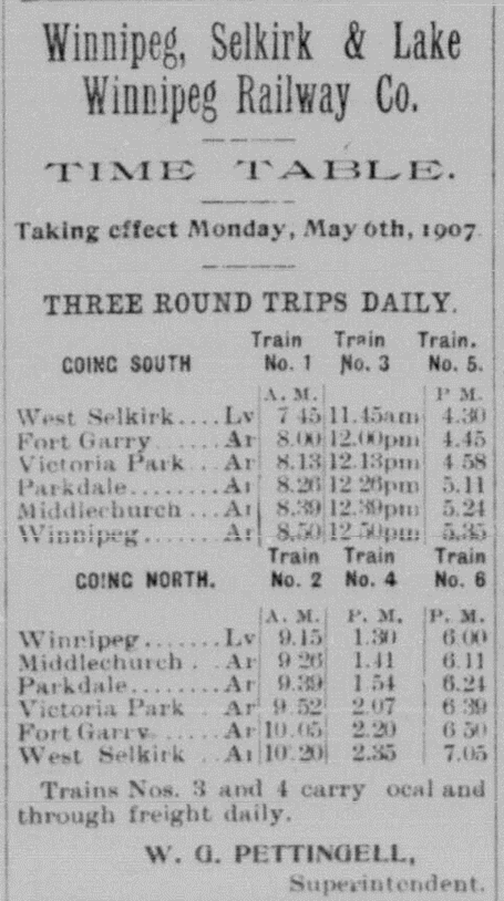
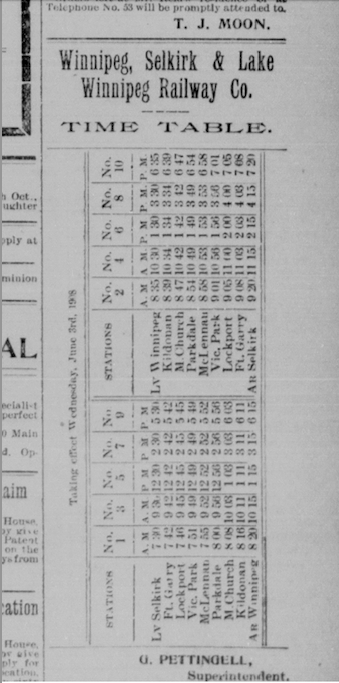
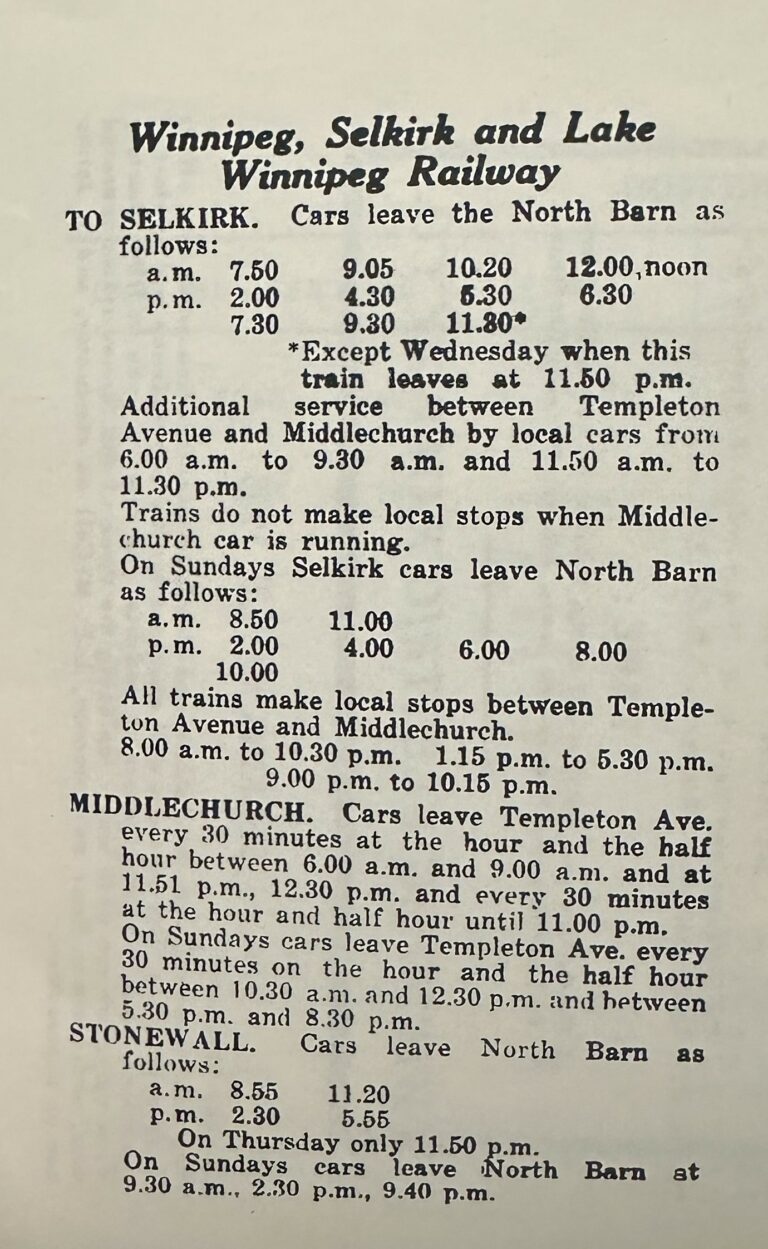
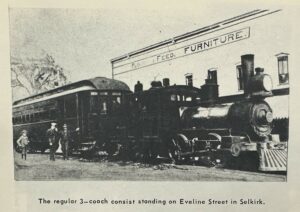
The steam operated line commenced operation on August 26, 1904. This composed of a single locomotive and three combination passenger coaches for the single train. Service began the following week with two round trips daily; trains departed Selkirk at 7:30am and 4:00pm and returned from Winnipeg at 9:30am and 5:30pm on a 75-minute schedule. An extra train had been added by 1906 for freight trips that operated around noon daily. The steam operation continued for four years.
Change of Hands
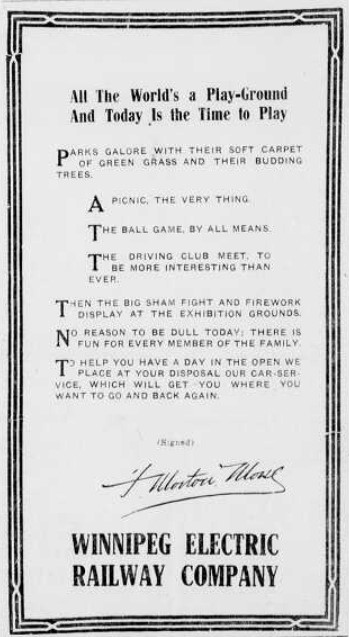
The Winnipeg Selkirk and Lake Winnipeg Railway Company became a subsidiary of the Winnipeg Electric Railway Company, which wanted to sell surplus power from the Winnipeg River Generating Stations to Selkirk and the Red River area. The idea to electrify the line was proposed to the directors of the WS&LW line, and in 1906 transfer of the directorship to the Winnipeg Electric Railway Company was approved, although the WS&LW kept its separate name. Construction for the upgraded line began in April of 1906.
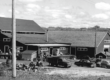
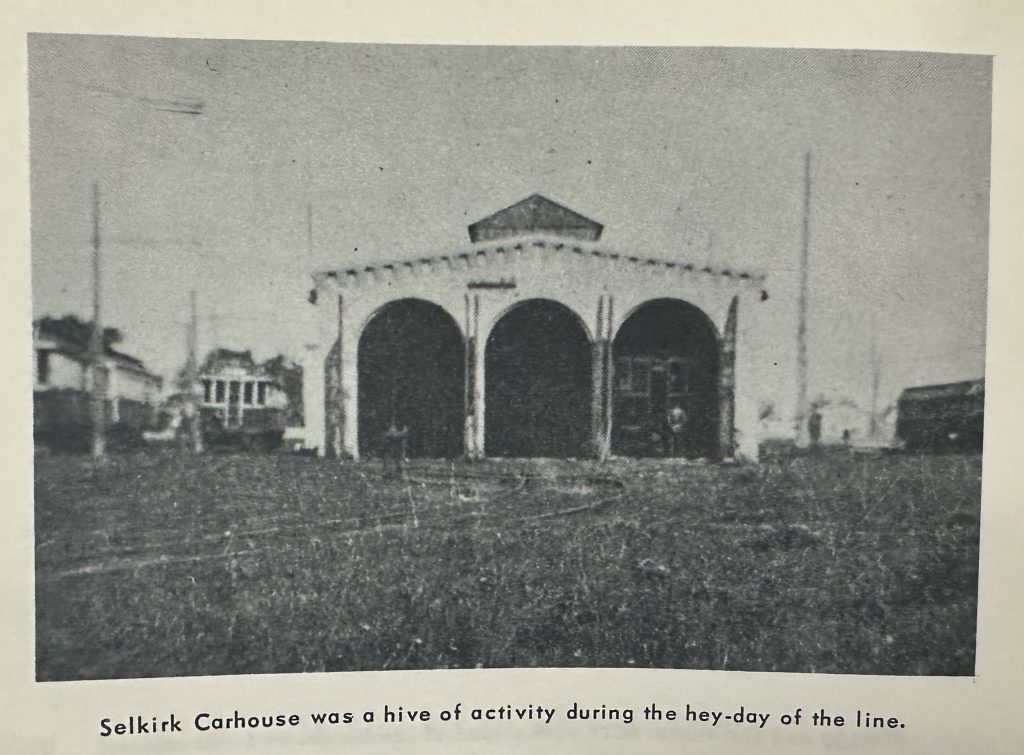
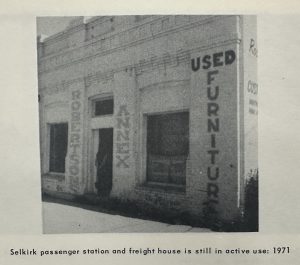
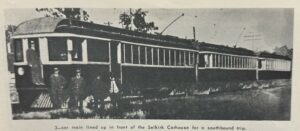
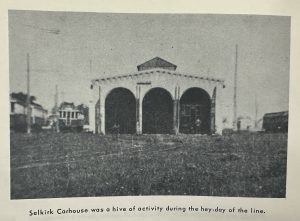
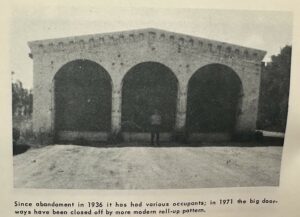
This included the creation of the Selkirk Car Barns in the north end of Selkirk. The three archways on the east side of the brick building were originally doorways for train cars to enter the structure. A wye was installed for turning the cars, but it was discovered to be too cumbersome and was instead converted into a loop around the barn.
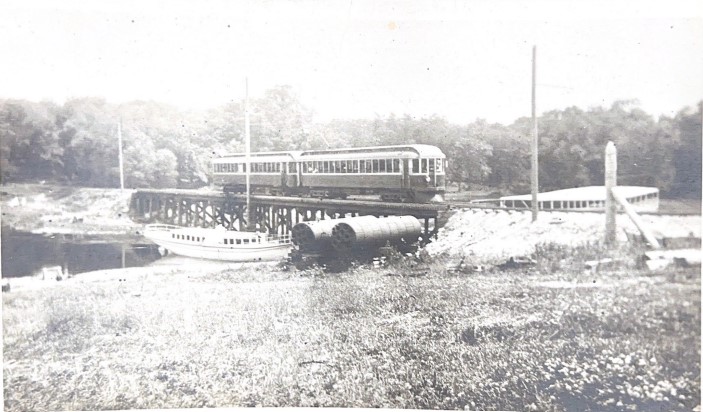
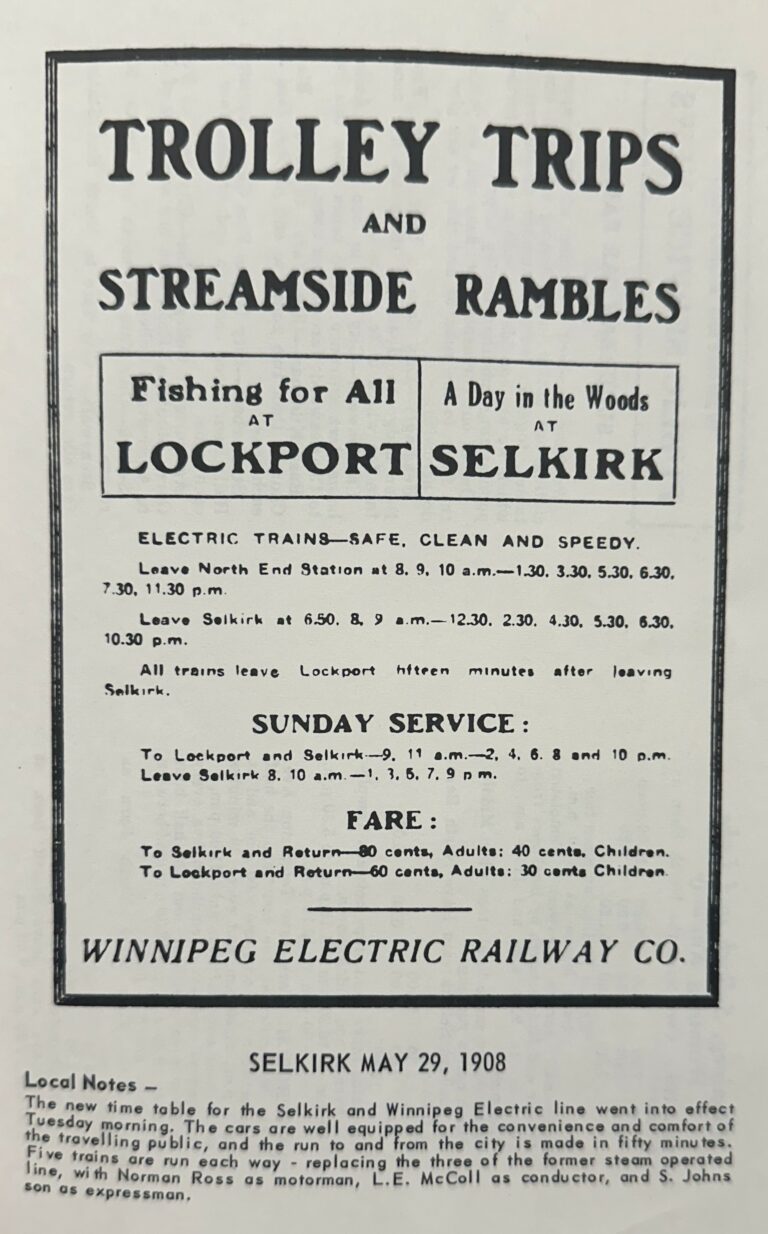
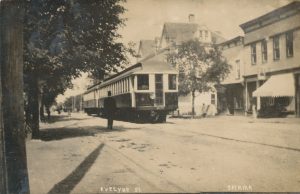
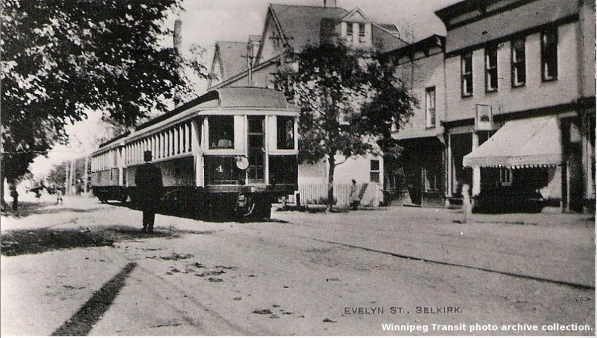
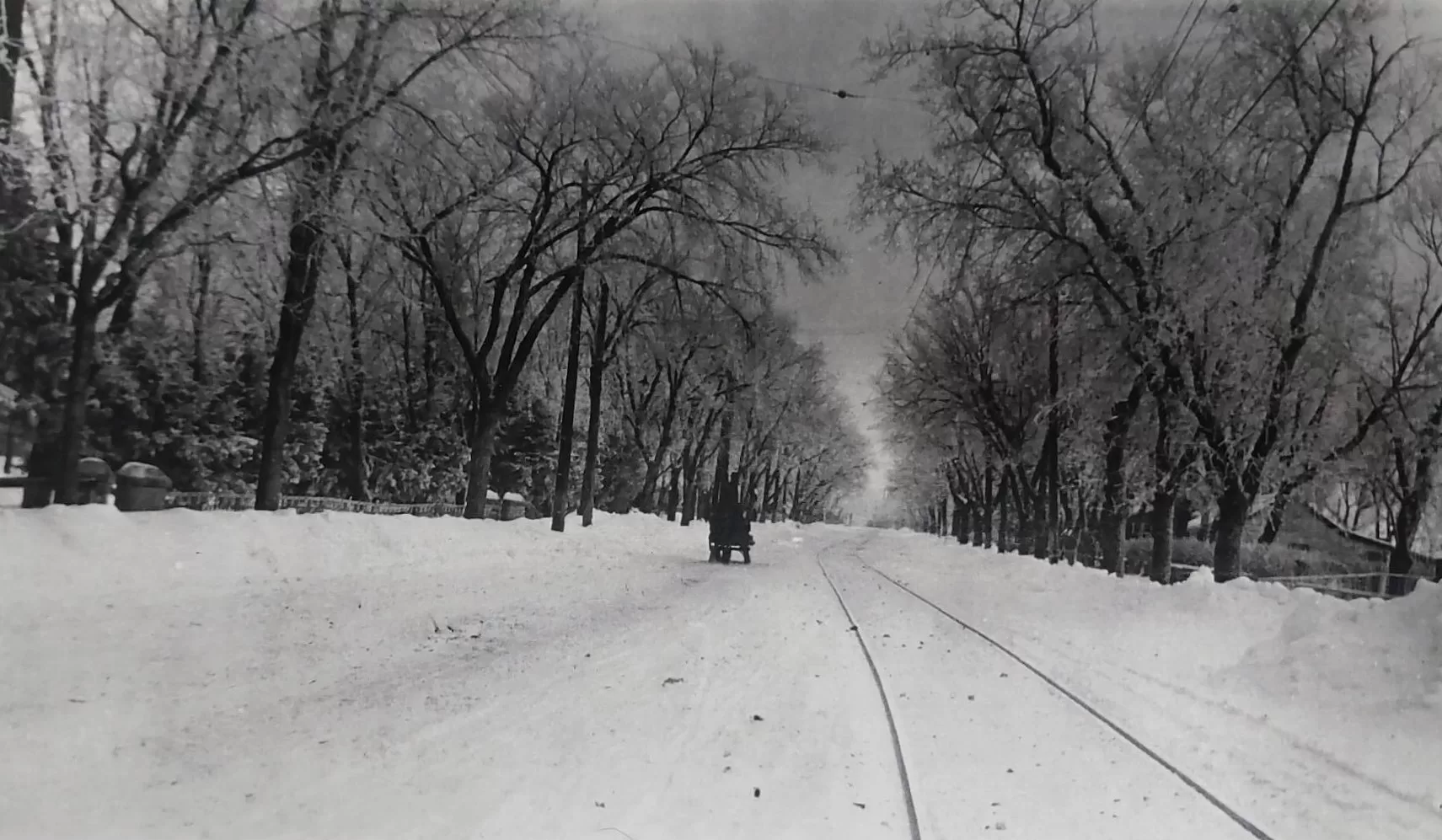
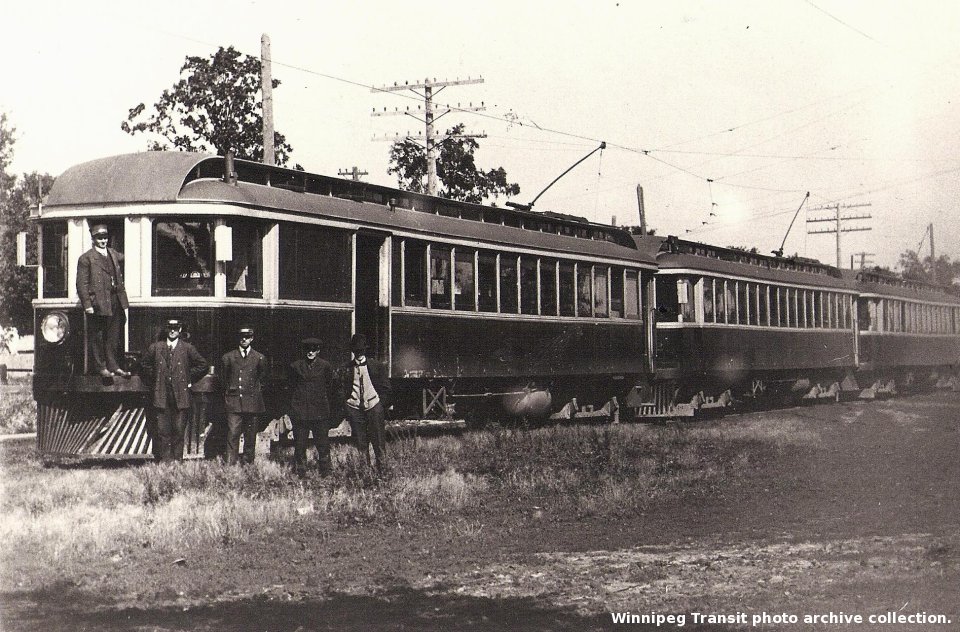
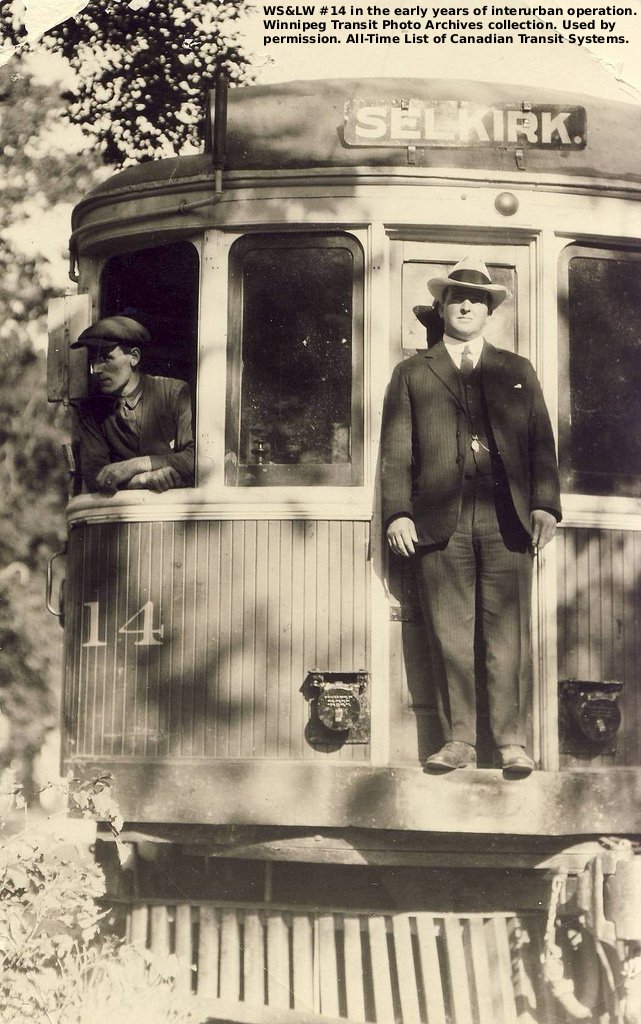
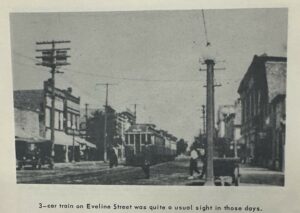
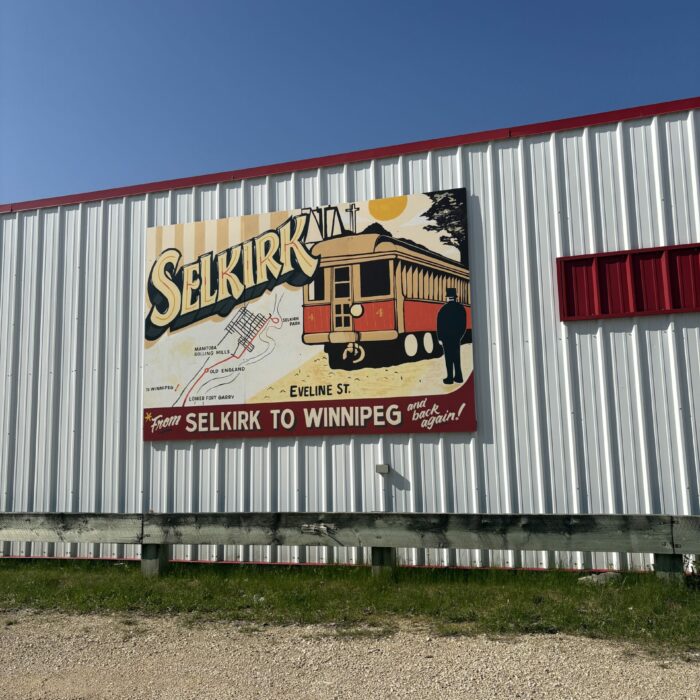
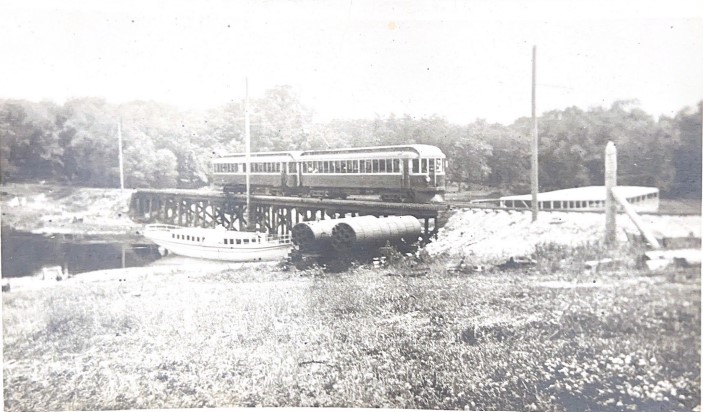
The cars themselves were built at the South Barn in Fort Rogue. They included mahogany paneling and red plush seats, electric lighting, and heating for the winter. Finally on May 23, 1908, the line was completed as a true interurban electric line, and the inaugural run to Selkirk was made. The line traveled down Eveline Street and would go through Selkirk Park. Five round trips were made daily between 7:00am and 7:20pm, and the time was reduced from 75 minutes down to 50. The ride wasn’t always a pleasant one, often making riders feel sick from the constant swaying motion. Frequent streetcar passenger Molly Kowalson would bring a bag of sour candies with her to take each time she began to feel ill.
A Boom in Economy
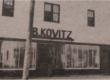
The Selkirk and Red River area blossomed. The real estate trade grew with the age of commuters, as they were able to work in Winnipeg and enjoy the beautiful nature and peaceful country life that the area had offered. Selkirk began to develop its own municipal services including the construction of a water tower and sewer and water systems. Citizens of Selkirk, including Benjamin Kovitz, an entrepreneur was able to use the line to grow their businesses. Every day, Kovitz would take the line to Winnipeg to gather clothing and materials to sell. George Donald, another citizen, founded Lockport’s first taxi and fishing business. He would meet riders at the Lockport streetcar stop and transfer people to and from the Red River where he had rowboats they could use to fish. His business later inspired his daughter, Mabel, to not only take over her father’s business, but to purchase a bus. This made Mabel Donald the first female Canadian bus driver, driving to Winnipeg to pick up her customers. The WS&LW also supplied cheap hydro power for the industries.
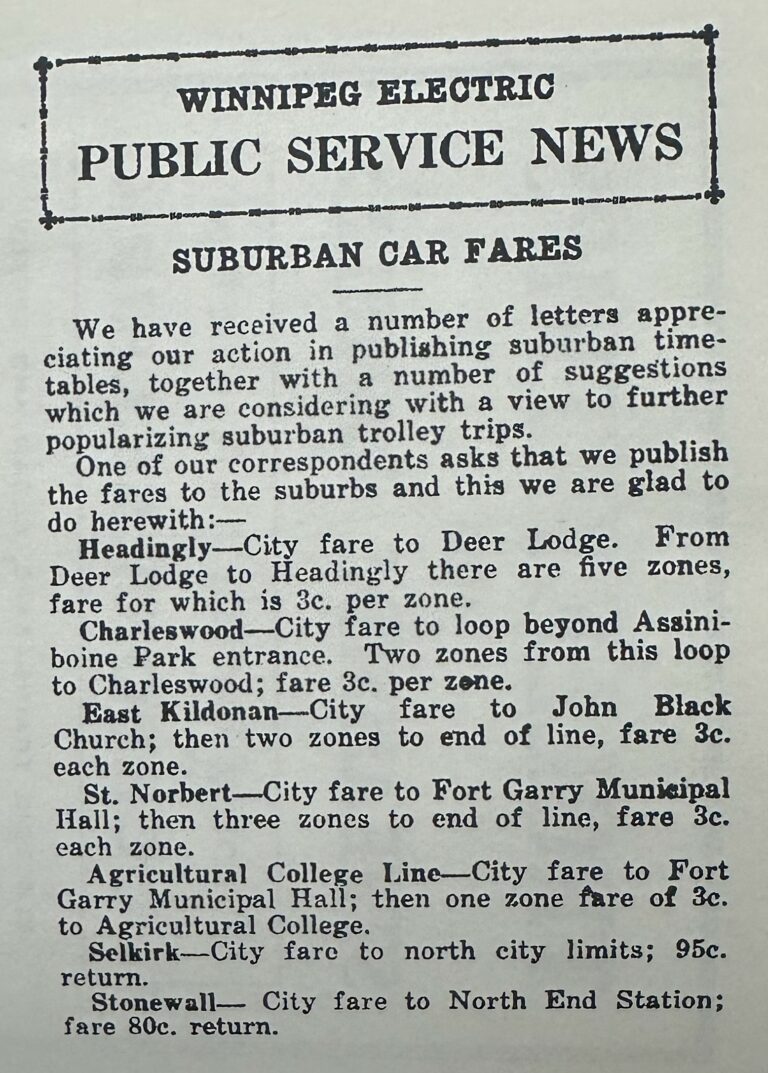
The expansion of the area brought the directors of the WS&LW line to investigate a connecting line to Stonewall via Stony Mountain. This line connected with the existing WS&LW line at Middlechurch. This line was almost as long as the Selkirk Line, with both being 24 and 26 miles long. This was the last portion of the system that electric car service was created for. Initially four daily trains were offered. Operation began on December 12, 1914.
It wasn’t until the 1920s when trouble for the line began. The automobile was increasing in popularity and gave the ability and freedom to go anywhere. However, the automobile was not the only trouble the line faced. When the Great Depression hit in 1930, management struggled to keep the line solvent. The only repairs that were authorized were to keep the line open. The freight service was now operated by three-ton trucks that the Winnipeg Electric Company owned. In 1931, bus service began operating in conjunction with the electric line. The Interurbans retained their charter service until 1932 when the buses took over. Financial trouble hit the line in the years of 1932, 1933, and 1935 when the line could not cover the cost of taxes for those years. The depression continued to instigate the deterioration of the lines, with the Stonewall line being the worst hit. The electric cars were pulled from service on it in 1935.
End of the Line
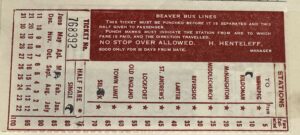
On September 1, 1937, the electric cars stopped running. The Selkirk line was officially closed as an electric, interurban rapid transit service. The Winnipeg Electric Company buses took over the route the next Sunday. Rails from Selkirk to Middlechurch were removed the following year. The WS&LW Railway Company lasted until 1948. The freight service was sold to Safety Freight Lines in August of 1937. The business ended up with Veitch Transfer Lines in the 50s where it still is today. The Selkirk to Winnipeg bus service was the last to go. It was sold to Beaver Bus Lines in 1948, which began service immediately. The old Selkirk cars, which were being stored at the South Barn in Winnipeg, were burned.
The creation of the Winnipeg Selkirk and Lake Winnipeg Railway Company had quite a big impact on the Selkirk and Red River area. Bringing tourism, business growth, and real estate development, the Interurban line helped to expand the area and the economy, helping Selkirk grow into the place that we see today. “This line was built in those heady, exciting early days of railroad in Canada,” Doreen Oliver, a member of the Selkirk Heritage Advisory Committee, told the Selkirk Journal for an article on October 21, 2005. “It was something that really made a difference for this community.”
The Winnipeg Selkirk and Lake Winnipeg Railway Company Collection
Click on images to enlarge
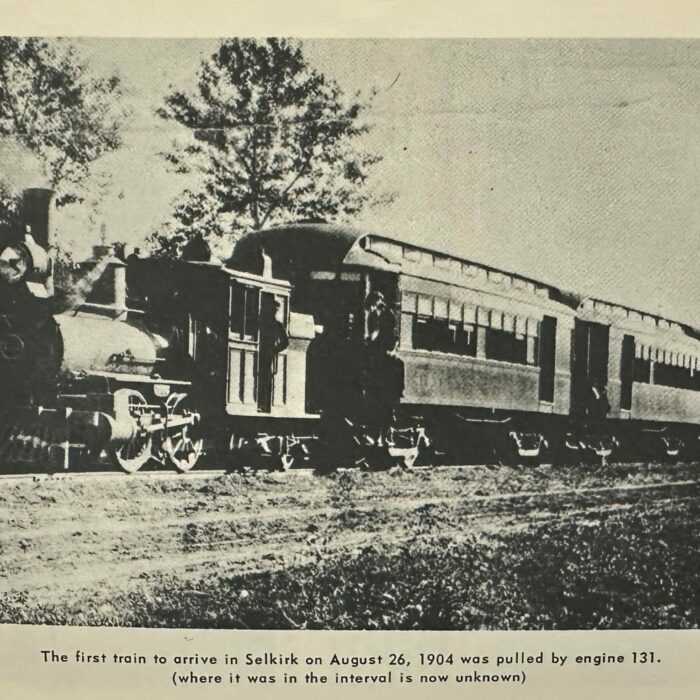 The First Train to arrive in Selkirk, August 26 1904, The Era of Interurbans in Winnipeg 1902-1939

Sources
Blake, Herbert W. “The Era of Interurbans in Winnipeg 1902-1939,” (Printing Co., LTD, Winnipeg), 1971.
Hall, Ivan A.F. “The Winnipeg, Selkirk, and Lake Winnipeg Railway Company- affiliate of the Winnipeg Electric Railway Company,” 1979.
Howard, Kenneth G. “Stories of Selkirk’s Pioneers and their Heritage,” 2007.