
Selkirk became a major fishing center because of its proximity to Lake Winnipeg and the railway, with companies like Booth Fisheries Canadian Company Ltd. driving the industry’s growth. Overfishing and foreign control led to declining fish stocks and economic concerns. By the 1970s, the industry had largely moved away from Selkirk, and a devastating fire marked the end of the Booth Fishery era.
A Waterway of Opportunity
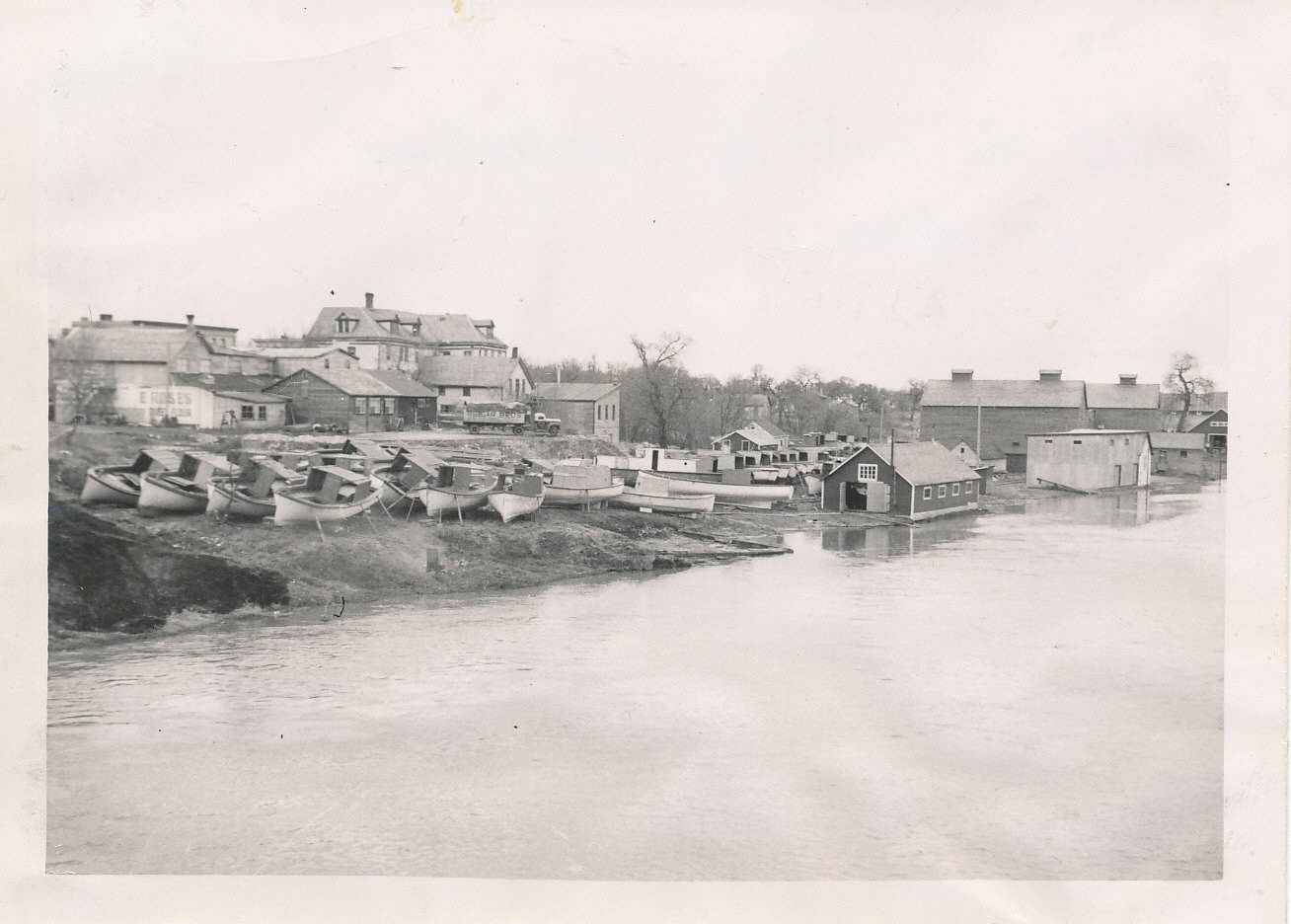
The early development of the fishery pushed Manitoba beyond its fur trade origins. Selkirk was settled on the banks of the Red River, which like an artery, delivered life and the hope of future prosperity to the area. With the completion of the CPR line in 1883, this community would begin to play a vital role in the development of a fishery.
As the fur trade expanded into the west, Indigenous Peoples traded fish as food and oil, adding to their traditional trading of furs. They began to benefit from fishing for more than just their own sustenance. The exchange value allowed them to purchase trade goods, such as, flour, tea, tobacco, twine, clothing and more. As the demand for fish continually increased, Indigenous Peoples would further supplement their income by working for the fledgling industry that came to them in the form of fishing stations along Lake Winnipeg. The ever-increasing demands for fish relied on an abundant supply they caught in the lake.
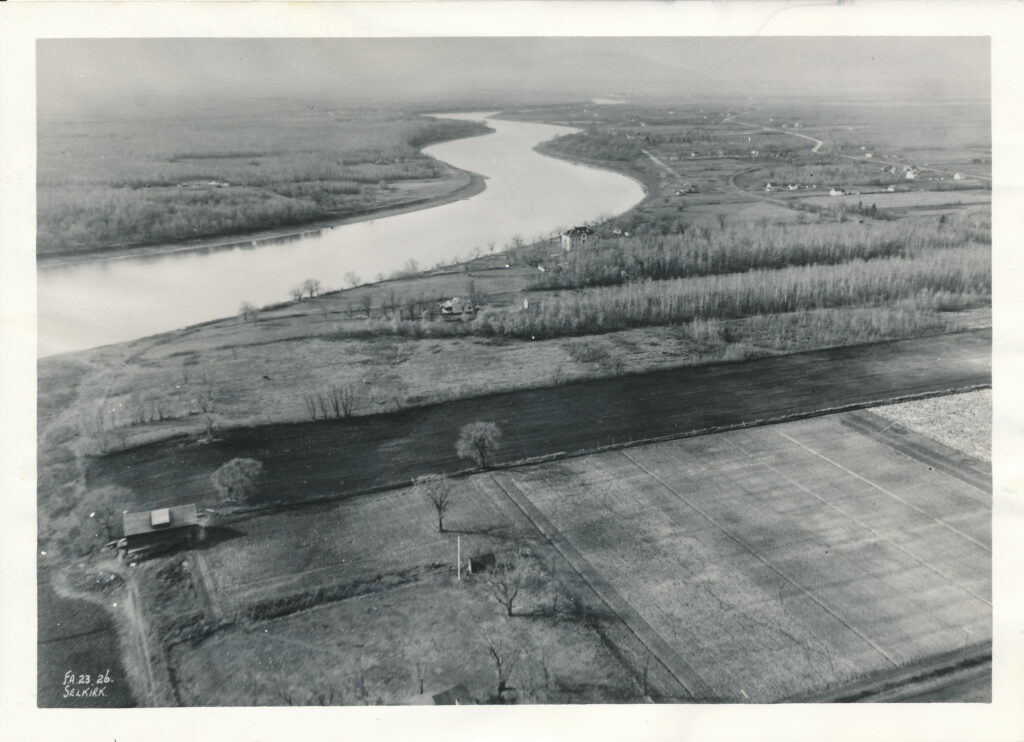
The Selkirk area, via the Red River, had ready access to Lake Winnipeg. This enormous lake, 483 km long and 113 km wide, made it truly one of the greatest lakes on the continent. Rivers across a vast area of the central United States and western Canada drained northward, converging through the Red River and into Lake Winnipeg, creating ideal conditions for an abundant supply of fish. It was believed that Manitoba’s freshwater fishery could become the greatest in the world since all of its lakes were located within Canadian territory. Selkirk people would begin to consider themselves maritime people, in spite of the accessible shorelines being landlocked. They were residents of “Fishtown” and Selkirk was widely known for its “fish port.”
Commercializing Resources
The first commercial fishery on Lake Winnipeg was attempted in 1881 by Daniel F. Reid and David Clarke who gained their experience on the Great Lakes in Ontario. Equipped with one sailboat and nets, they were unsuccessful at first, but in their second year they caught more than 127K pounds of fish. They continually expanded their operation so by 1885, they had three boats, handled 167 tons of whitefish, 2270 half-barrels of salted whitefish, and had built four fishing stations along the shores of Lake Winnipeg. Fishing on Lake Winnipeg was proving to be worth the commercial investment with Reid and Clarke adding numerous fishing camps and increasing operations with their new dock built at the foot of Clandeboye Avenue.
In 1882, another Ontario company, C. W. Gauthier & Co., formed the Dominion Fish Company with the financial assistance of Booth Fisheries of Chicago. They used the services of experienced fishermen from the Georgian Bay and Manitoulin Island areas and organized their fishery around the expertise of Icelandic settlers who recently immigrated to the shores of Lake Winnipeg. Gauthier built ice houses and freezers at points along the lake. In Selkirk, they built a refrigerator, a fish cleaning plant and an ice house near the CPR spur line. Gauthier employed forty locals, thirty Métis people and a hundred First Nations people at the beginning. Fishing as a local industry was taking hold and competition was evident.
Clarke died of typhoid fever in 1887, and Reid sold the fishery to Captain William Robinson, an experienced steamboat captain well known in the area because he had already built the first steamboat in Selkirk in 1878. He owned and operated lumber saw mills on Lake Winnipeg and later, a saw mill, retail store and lumber yard in Selkirk. He was known to give freely of his time, energy and money, and perhaps most importantly, was trusted by other entrepreneurs, government officials and local residents. Robinson expanded the commercial fishery on Lake Winnipeg focusing his efforts on sturgeon, whitefish and pickerel. Before the turn of the century, he bought up most of the smaller fish companies with facilities in Selkirk.

American Profit and Ownership
Records show that most of the fish caught in Lake Winnipeg served the American market.
“… from the 1887 records, which show that of a total catch of two million pounds of whitefish worth $100K, only about 80K pounds (or $3978 worth) stayed in Canada.”
Manitoba whitefish was on the dinner tables in Kansas City, Minneapolis, Chicago, Detroit, New York City and Buffalo. Government officials would learn that most of the fisheries operating out of Selkirk were owned by large American companies. In 1889, the Selkirk Fish Company was taken over by the Booth Fish Company of Chicago. In 1891, Gauthier changed the company name to the Manitoba Fish Company, but 96% of the stock was owned by Americans. By 1900, all the small local fish companies were bought up by Robinson under the Dominion Fish Company name, but that was also just a front for Booth. In 1901, five local investors and one from Winnipeg formed the Northern Fishing Company which was a front for the Buck Eye Fish Company, and controlled by Booth Fish Company of Chicago. This ‘near monopoly’ was common knowledge throughout Selkirk.
In the late 19th century, only British subjects could fish in Canadian waters. The best markets were in the United States where the government imposed a tariff on all Canadian fish. American investors avoided Canadian regulations and claimed to American customs officials that the fish was caught with American-owned nets thereby avoiding any duty. It was a clever scheme that worked earlier on the Canadian Great Lakes. American interests showed little concern for the long-term stability of the resource and used wasteful practices based on the assumption that fish supplies were limitless. It was estimated that in its early years one third of the catch was wasted. These practices that had all but destroyed the Great Lakes fisheries was now common practice in Manitoba. The American companies paid out to the fishermen, avoided tariffs, but in turn sold the fish in the US for fifty times more than cost.
Less Supply and More Demand
By 1889, about 2,000 people were employed in the fishing industry. Control of Manitoba’s fisheries was held by American interests in ‘behind the scenes’ partnerships. In 1890, crews moved farther north on Lake Winnipeg. Teams of oxen carried the fish to Booth Fisheries in Selkirk to be cleaned. In time, the oxen would be replaced by teams of horses. There were concerns with over-fishing and disagreements between officials. Inspector McQueen asked for a licensing policy stating, “To supply the foreign markets from our by no means inexhaustible lakes, would in a few years so deplete them and a great source of food supply for our present inhabitants and incoming settlers would become practically destroyed.” Samuel Wilmot, Dominion Commissioner of Fish warned that the stocks were being jeopardized by the annual catch by over 3 million pounds. In 1898, F. W. Colcleugh, the fish inspector of Manitoba, warned of pending depletions but was ignored by federal authorities. In 1900, another inspector, W. S. Young, saw no problem with the fish stocks. The conundrum continued.
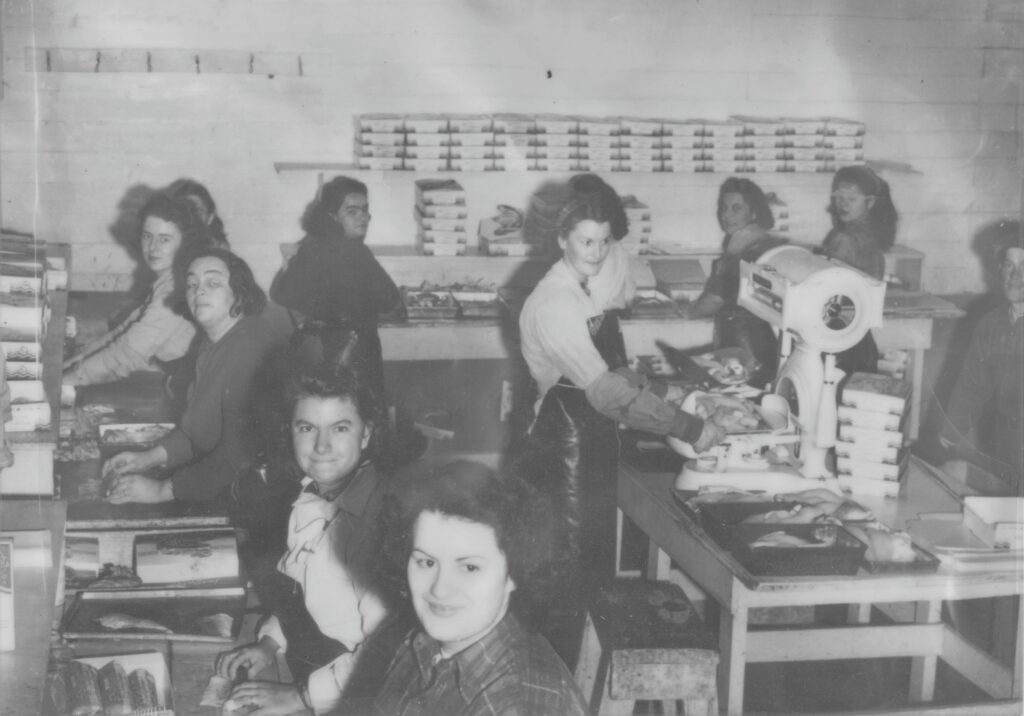
At the turn of the century there were obvious problems with the fishery. Whitefish demands were still high and the industry continued to supply eastern and US markets. By 1904, 5.4 million pounds of whitefish were harvested out of Lake Winnipeg alone. From 1906 onward, the catch steadily decreased. A financial crisis and low markets led the American companies to reorganize their Canadian operations while maintaining control of the marketplace. The American companies supplied the necessary credit and controlled purchasers and distributors, thereby controlling the prices when buying and selling. The catch was being consumed by Americans and denied to Canadians. The product and profits went south.
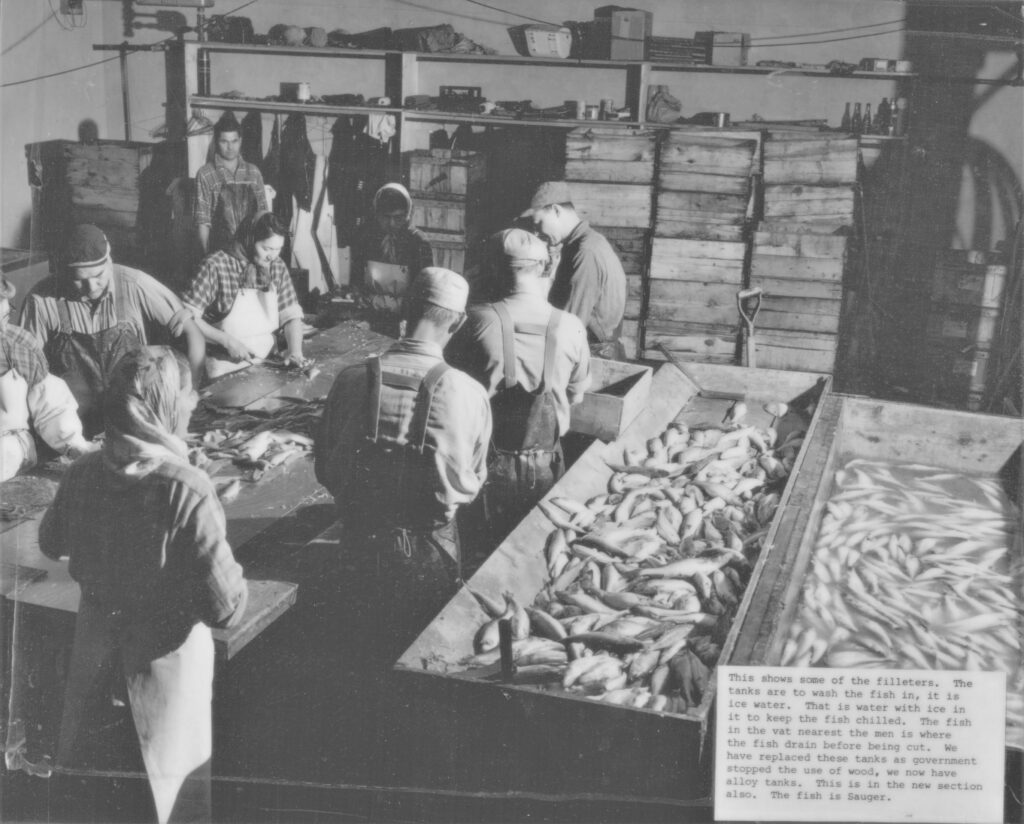
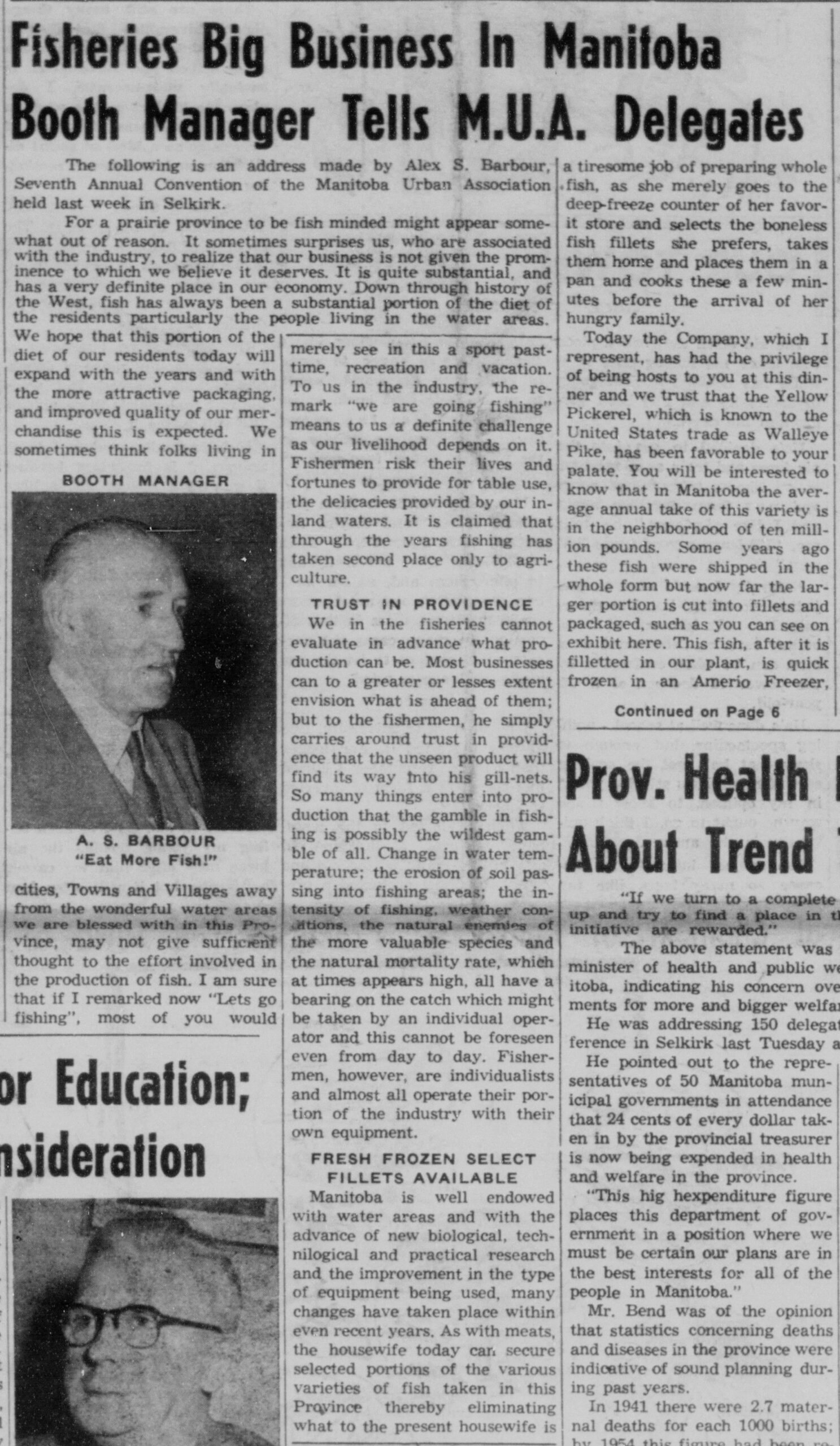
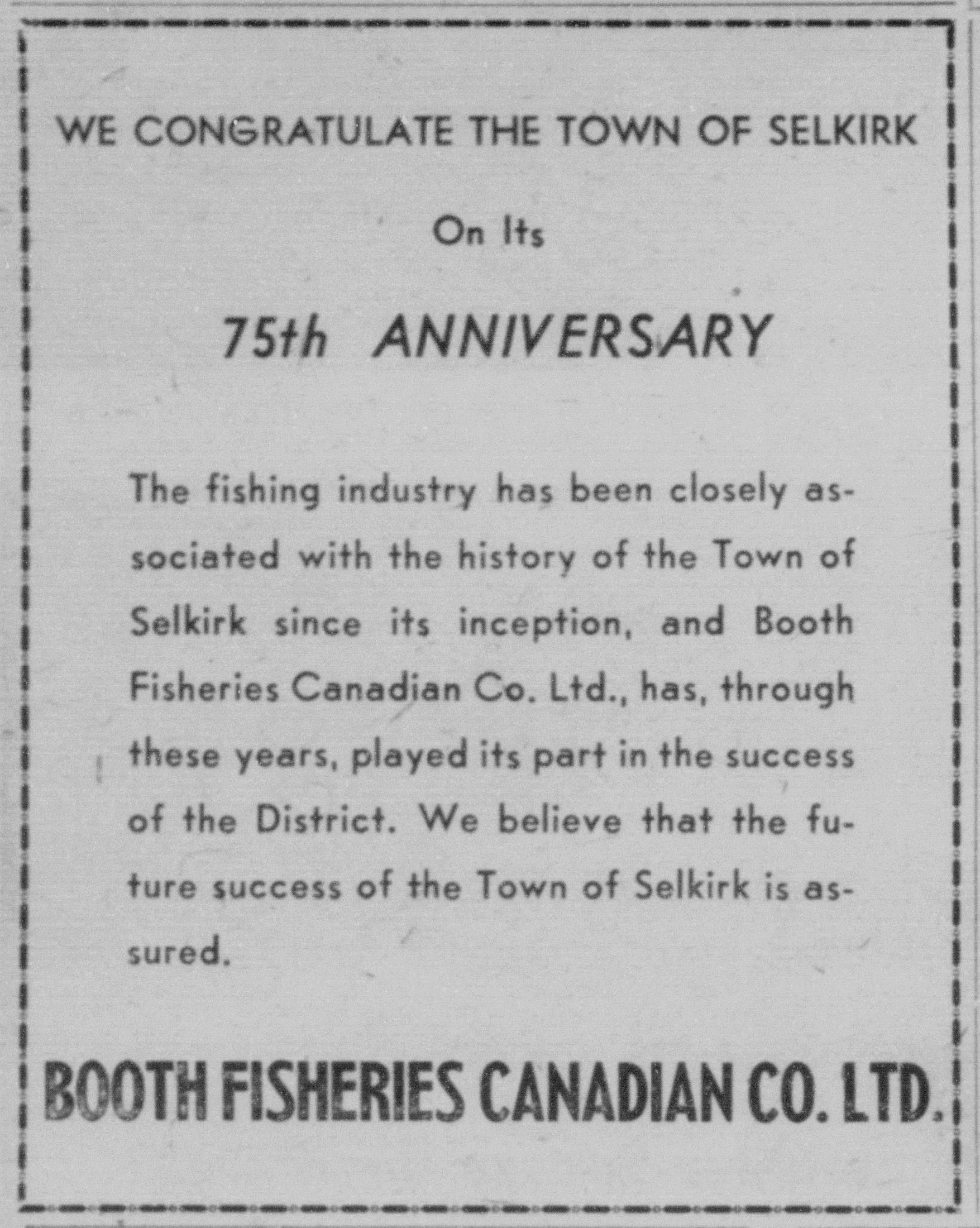
In 1909, a commission to investigate the state of Manitoba’s fishery stated, “The Manitoba fisheries have been unduly controlled by foreign fish operators who have indicated the price of fish and had secured the major proportion of the profits.” A ban on summer fishing from 1909 to 1911, impacted Selkirk by reducing the salaries of local fishermen, company managers and spin-off industries such as boat, box building and transportation. By 1912, the Northern Fish Company (a subsidiary of Booth) had grown to 36 sailboats, 2 tugs, 1 freighter, a passenger steamer, freezing plants and ice houses. In Manitoba, 5,000 people worked in the fishing industry, not just the two thousand who caught the fish. On July 4, 1916, Booth Fisheries of Chicago became Booth Fisheries Canadian Co. In 1920, commercial fishing licenses were up by 20%, but the production over the previous 30 years had increased by 360%. By 1929, Manitoba’s total catch was 39 million pounds valued at $2.6 million, and $1 million of equipment. In 1957, it was reported that, “Fishing industry closely associated with the history of the Town of Selkirk since its inception and Booth Fisheries Canadian Co. Ltd. has through these years, played its part in the success of the district. We believe that the future success of the Town of Selkirk is assured.” This prevailing optimism ignored all warning signs.
An Unsustainable Future
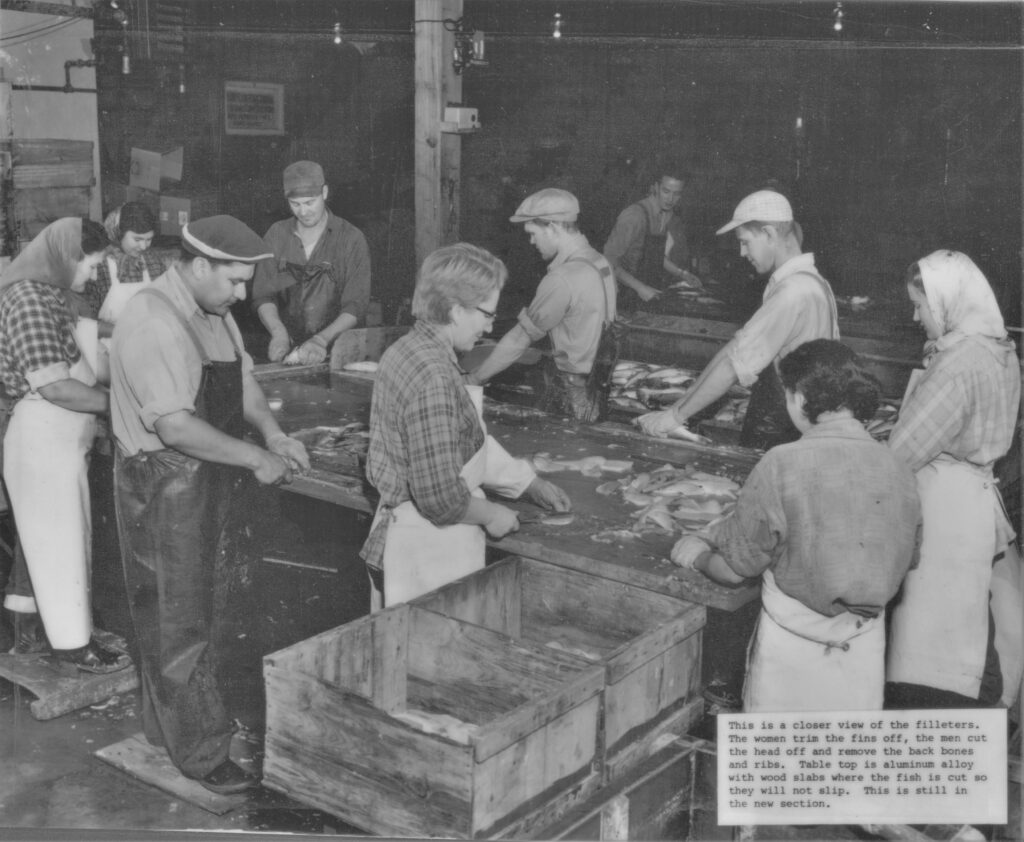
The domination of Manitoba’s commercial fisheries by American companies had gradually reduced the Lake Winnipeg fishery to chaos. In the first fifty years of commercial fishing, roughly ½ million tons of fish was caught. From 1945 to 1965, the average price paid only increased by ten cents per pound. A fisherman, who would spend his life in perpetual search of favorable fishing locations, only made $1,000/year, before expenses. Fish plants could not afford new equipment and fish stocks were at an all-time low. The whitefish decline from 1959 to 1965 in Lake Winnipeg was caused by the fishery itself.
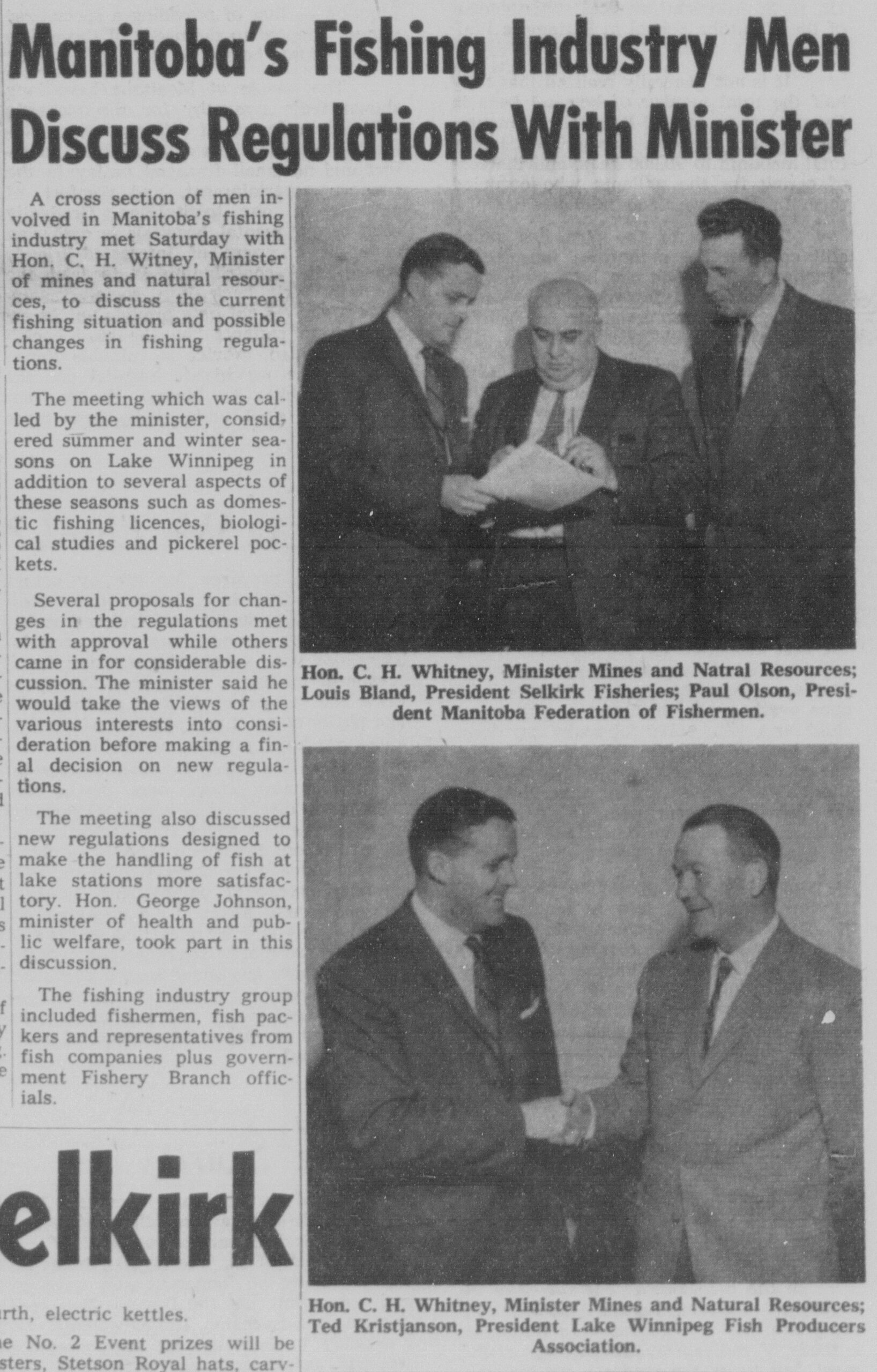
In 1963, changes were made to the fishery in an attempt to make it more economically viable. The changes included reducing the number of fishermen, reducing the cost of production, increasing the return to fishermen, reducing the number of ‘coarse’ fish caught, improving the quality of gear and equipment, and reducing the number of companies duplicating services. These changes were not enough to secure the industry.
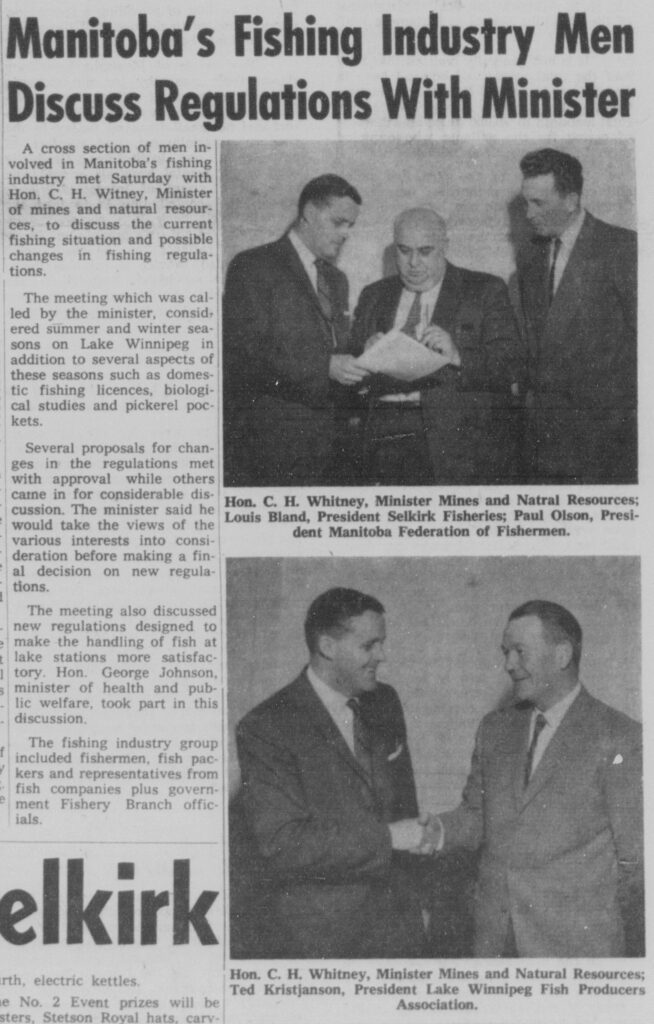
In 1965, a Royal Commission (McIvor Commission) to investigate the state of the fishing industry recognized that “the fishery suffered from serious marketing problems, over-capitalization, and over participation which combined to result in a general reduction in returns for fishermen.” The Commission recommended the establishment of a new Crown corporation, the Freshwater Fish Marketing Corporation (FFMC) to represent fishermen, similar to the Canadian Wheat Board that represented farmers. It would work under the direction of federal legislation and become the sole marketer of Canadian Freshwater Fish. The FFMC was established in 1969, and represented 6,000 to 7,000 fishermen in Manitoba, Alberta, Saskatchewan, the Northwest Territories and northwestern Ontario. Although marketing improved, the stocks of certain species continued to decline. In 1970, fishing was banned on Lake Winnipeg due to a possible mercury contamination scare. When the fishery reopened in 1971, the quotas imposed were based on provincial biological and economic studies of whitefish, pickerel, and sauger.
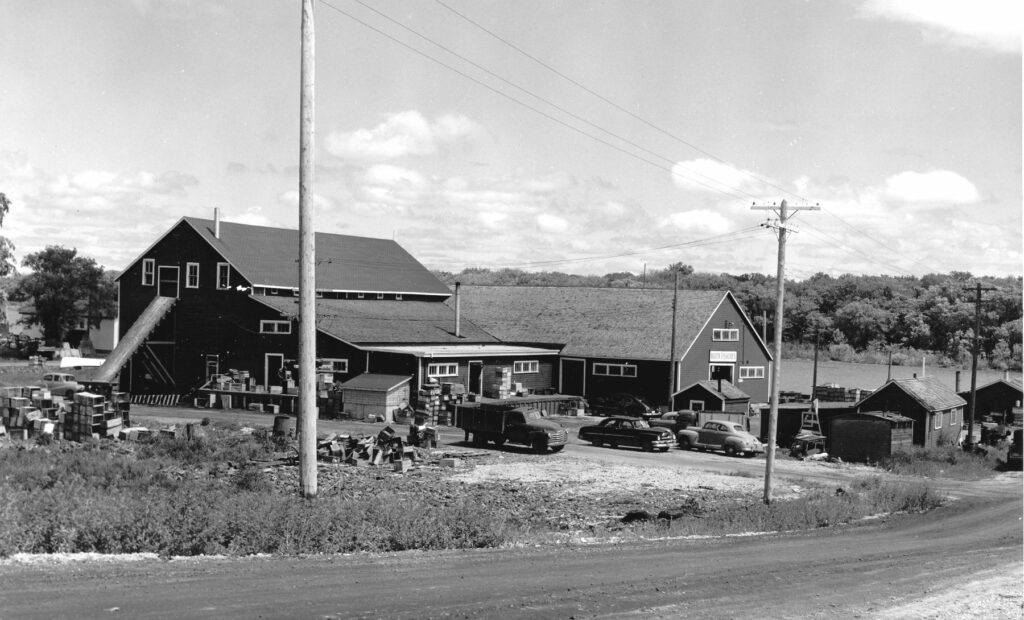
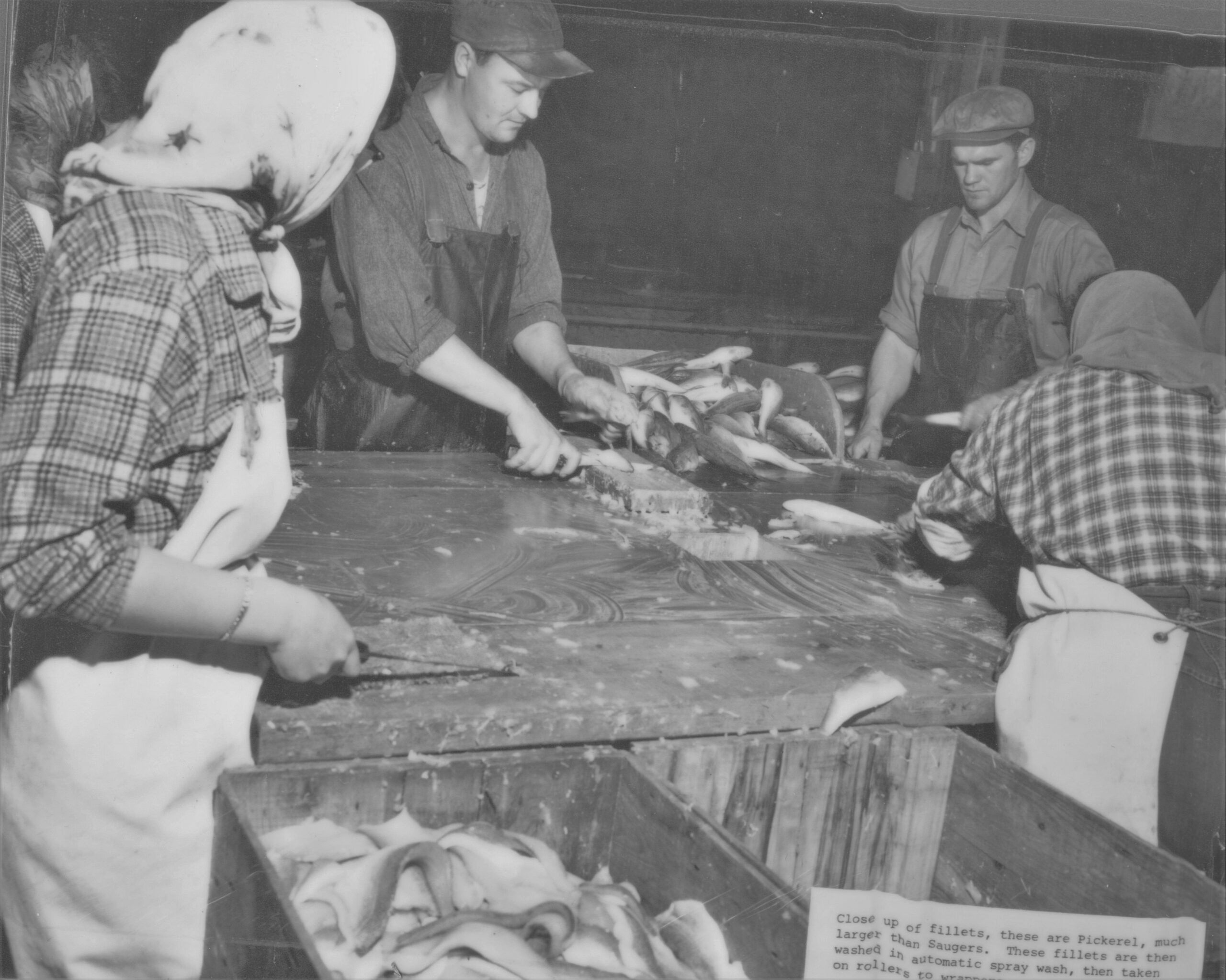
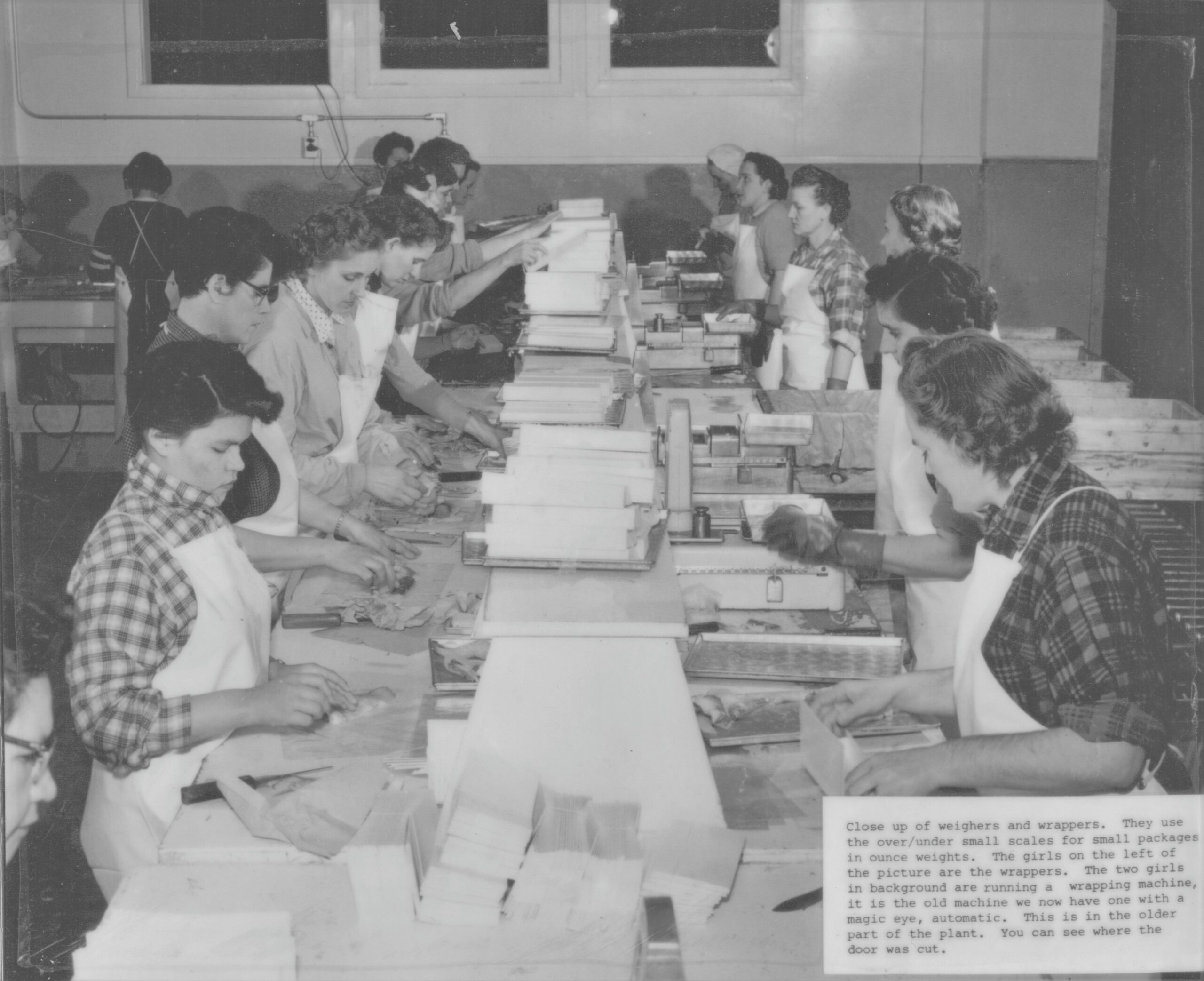
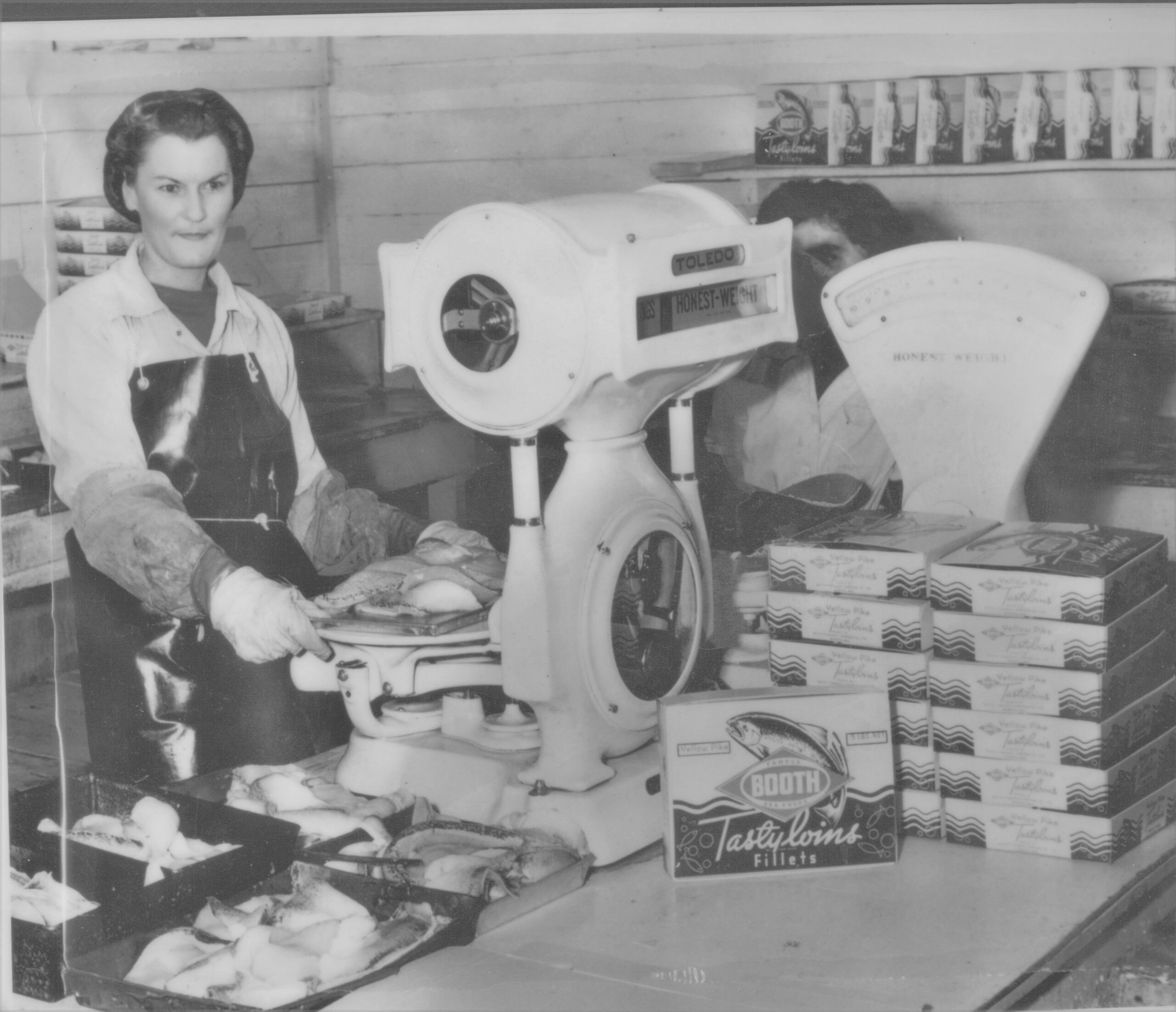
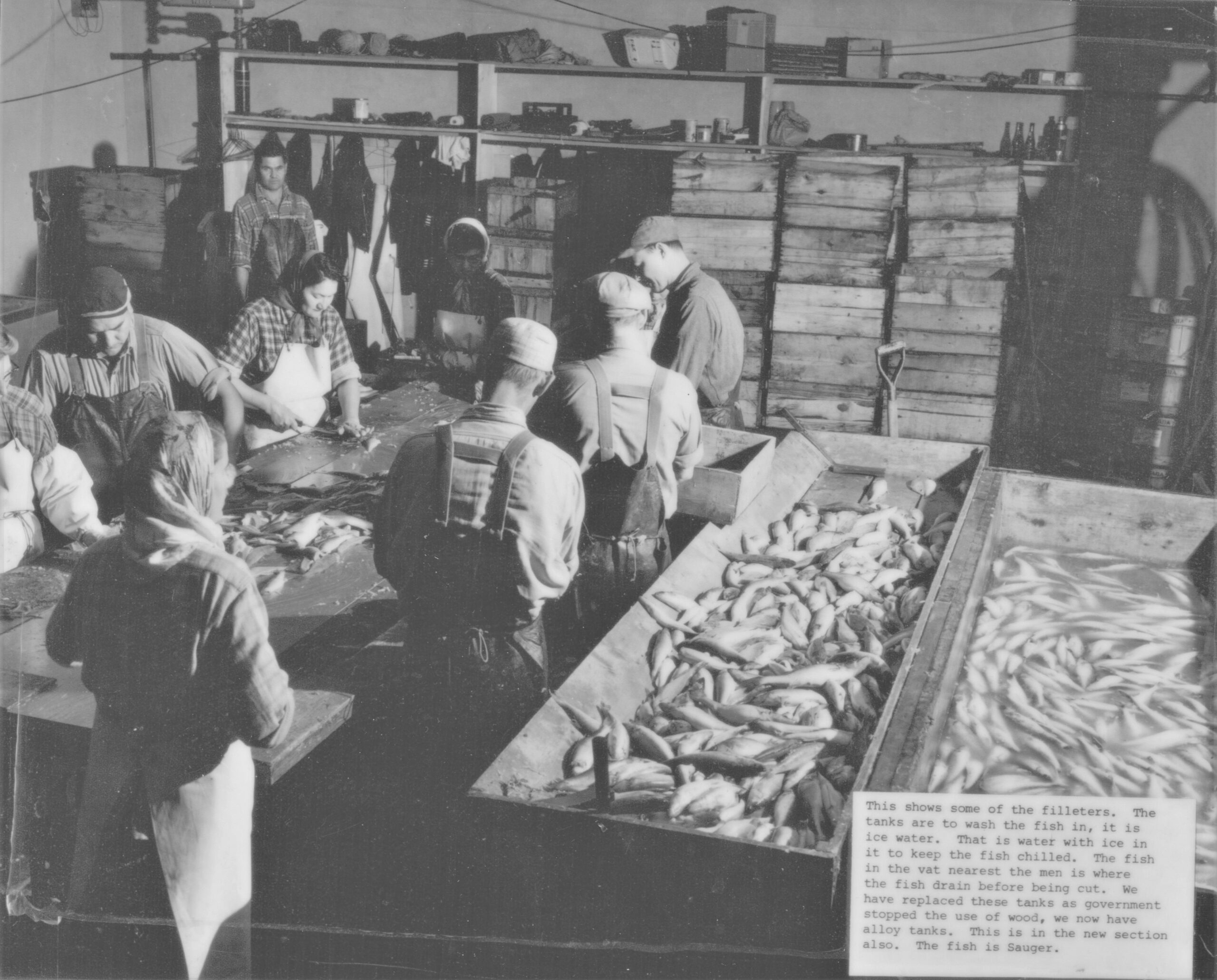
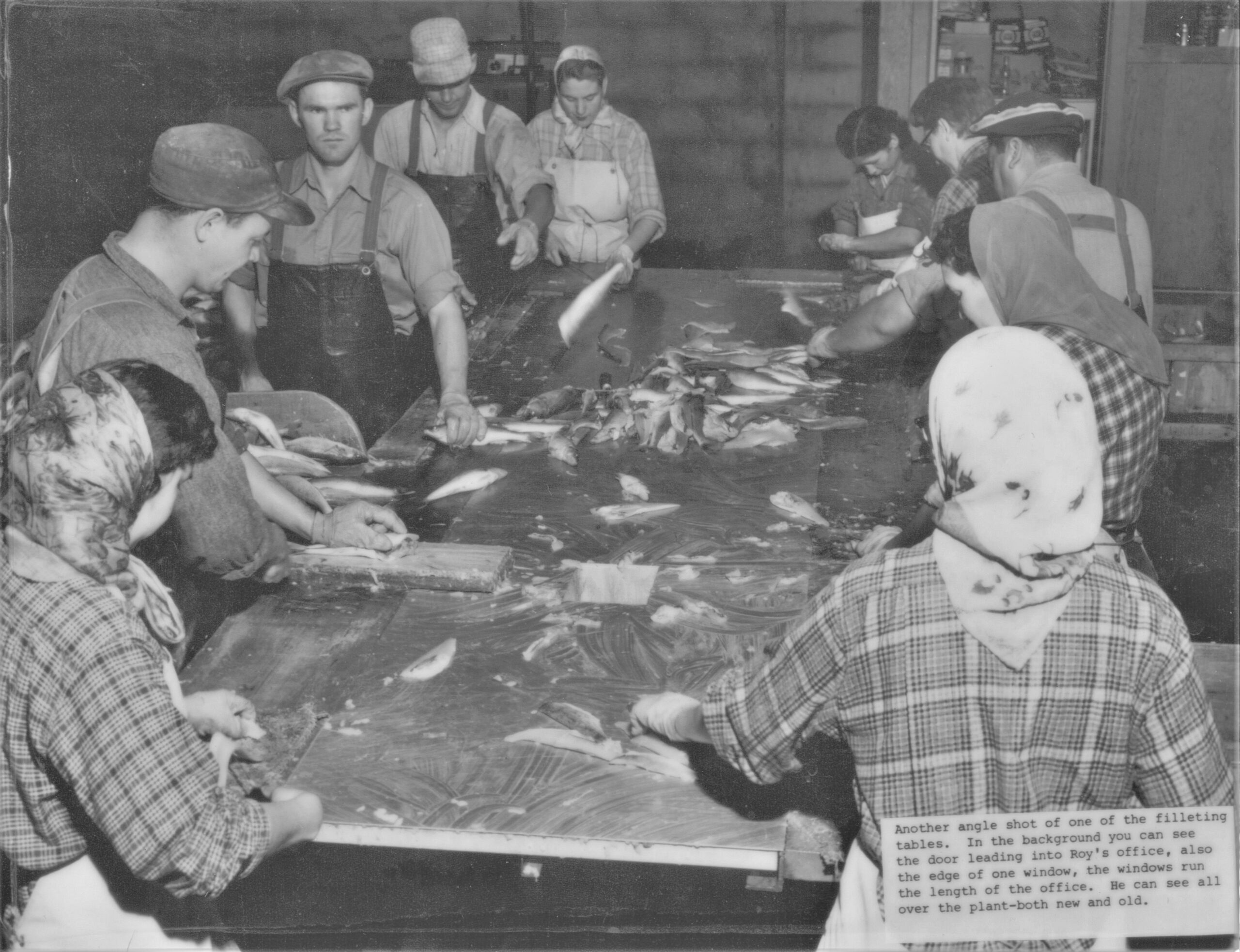
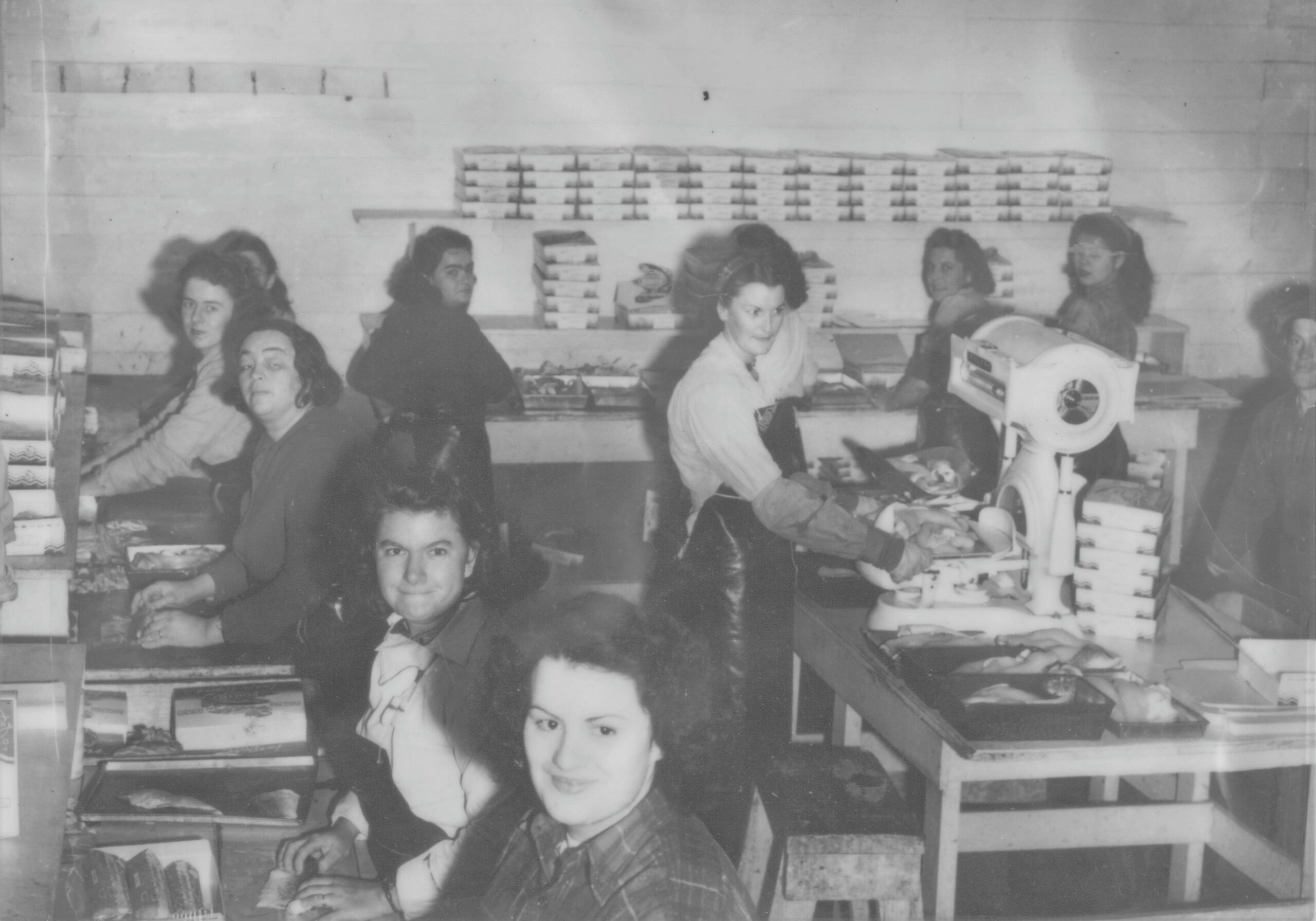
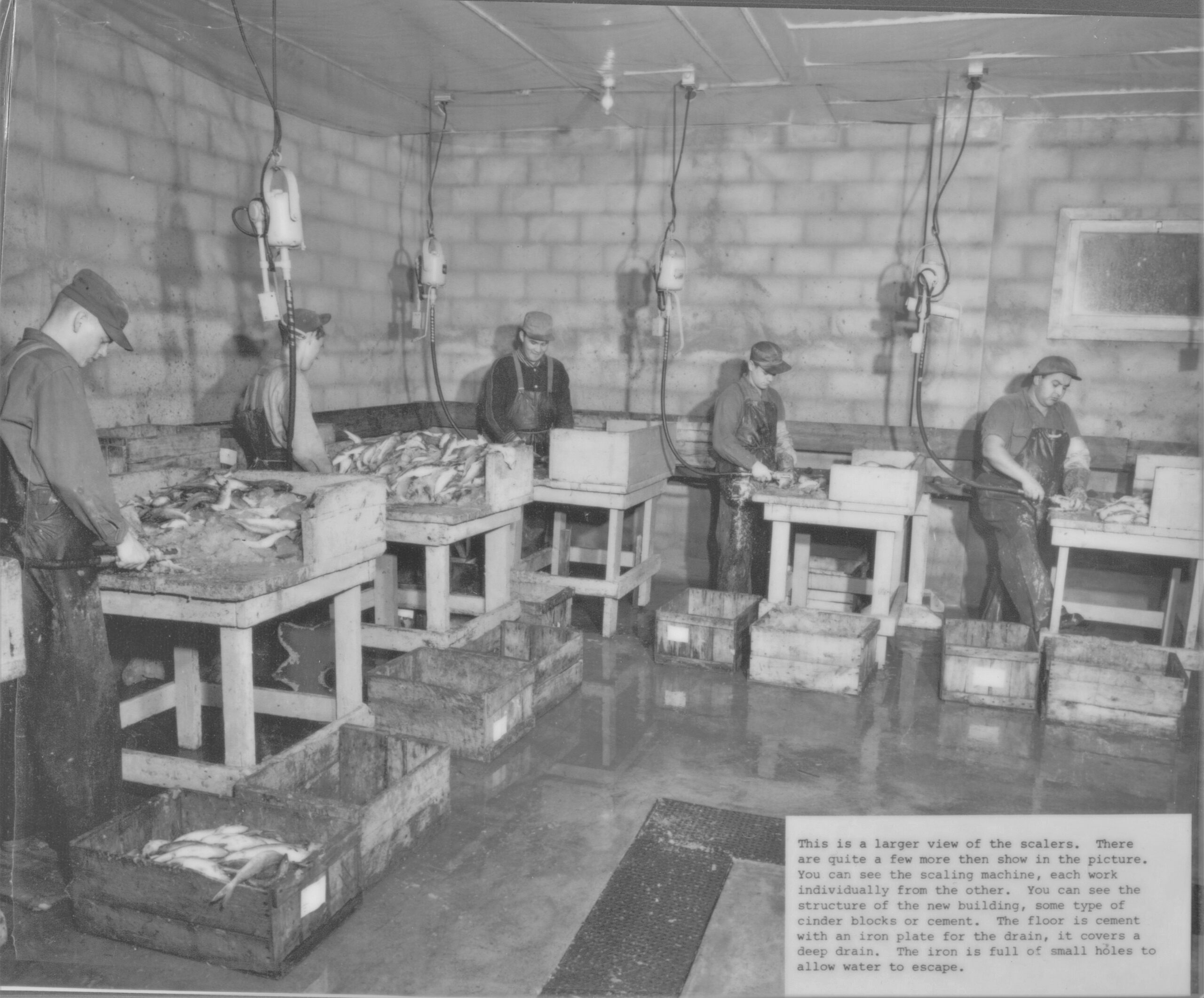
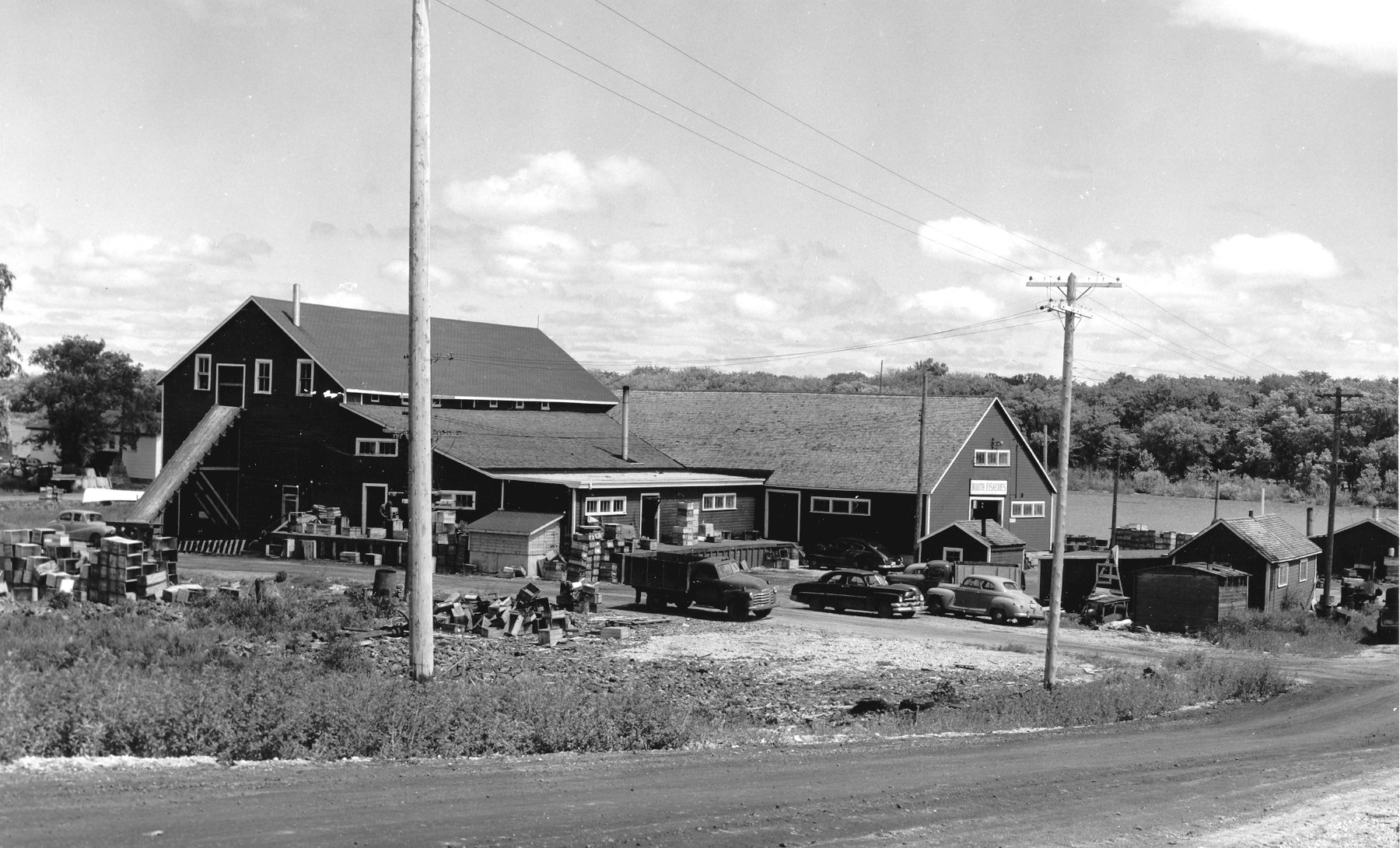
Throughout the challenges of the fishery, Booth Fisheries Canadian Company had a steady presence as a local employer. It employed 200 locals in processing and established well-equipped posts along the Lake Winnipeg shoreline close to reservations where men were available to work. But the decline of the fish stocks had a significant effect on the industry. There were a dozen fish plants operating when the FFMC came into existence, but most closed due to the decline in stock. The FFMC tried to rely on existing facilities. They leased the Booth fish plant, one of the largest, but after one summer of operation under this new arrangement, Booth withdrew from the lease agreement.
The Decline
The industry was changing. All fresh fish movement occurred via CPR and was centered in Winnipeg. Six provinces needed efficient receiving and shipping from great distances by rail or transport truck, and cold storage capacity. More rigorous inspection standards imposed by the US would require an improvement to facilities that handled fresh fish for export. The FFMC considered every reasonable angle with Selkirk in mind, but ultimately their decision had to consider what was best for the fishermen in six provinces and their earnings potential. A decision was made to build a large, modern processing plant in Winnipeg (Transcona). The voices of the fishermen on the FFMC advisory board favored the Winnipeg location as well.
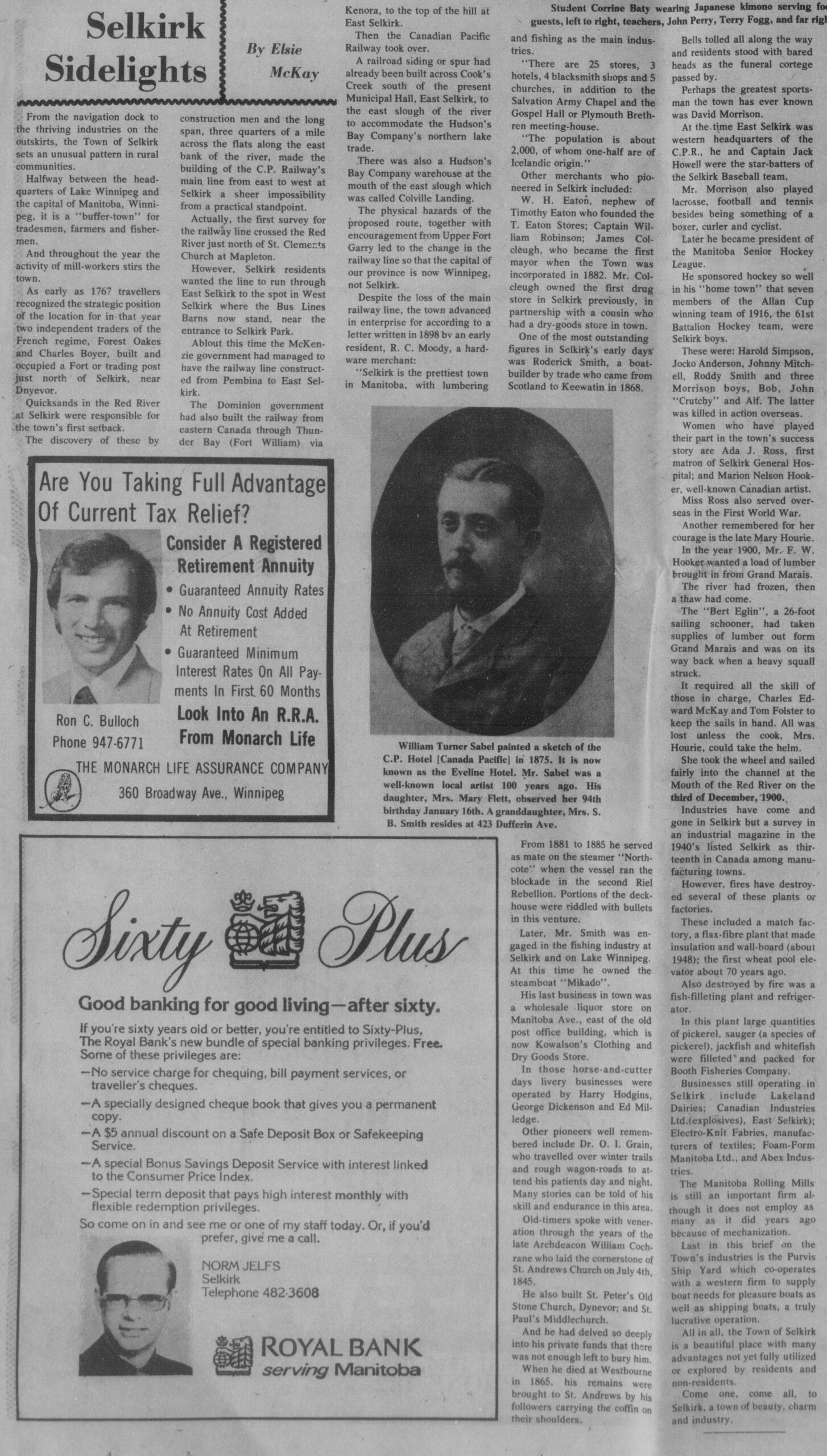
Selkirk’s reaction to the decision was extreme disappointment. Mayor Pat Montgomery, town council members, Chamber of Commerce President, Dr. Joe Slogan, and others tried to make the case for Selkirk. But having a history of a fishery was not enough to ensure a viable fishery into the future. The FFMC asked the Town to consider future prospects in the industry that could include rough fish programs and a hatchery. Biologists were pointing to future improvements to the health of the Lake and other opportunities for the Interlake. The employees of Booth continued to work in Selkirk until such time as their jobs were moved to the Winnipeg plant and then they were transported daily to the new location by bus. On January 28, 1976, fire destroyed a Booth fish filleting plant and refrigerator. Large quantities of pickerel, jackfish and whitefish were lost. This marked the end of an era.
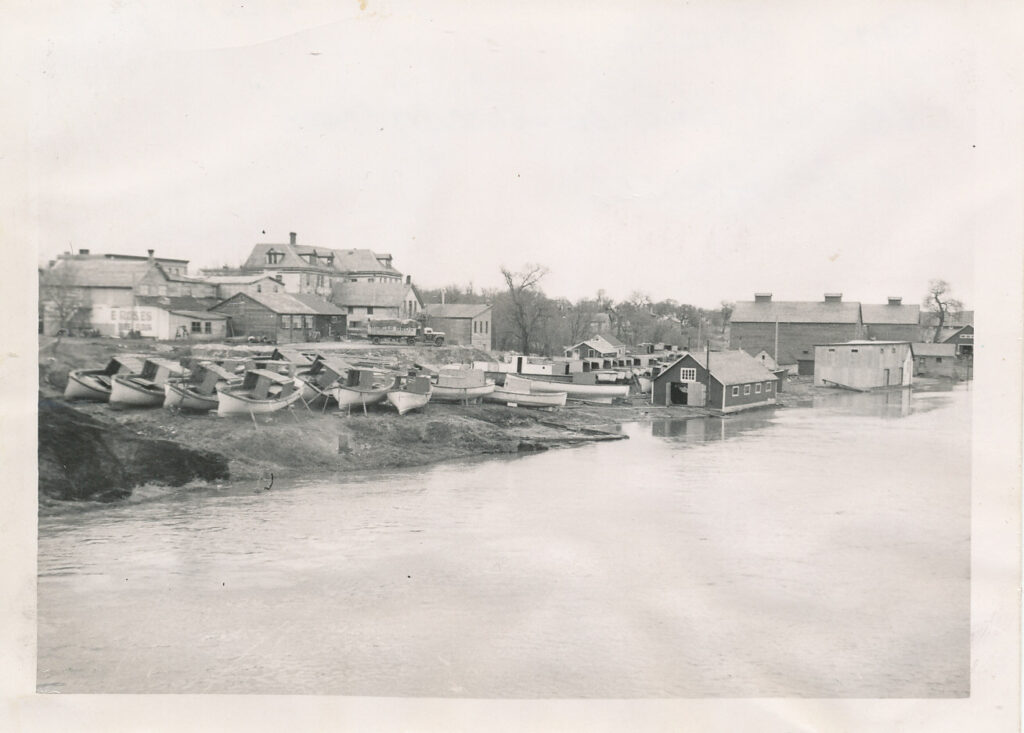
Booth Fisheries Collection
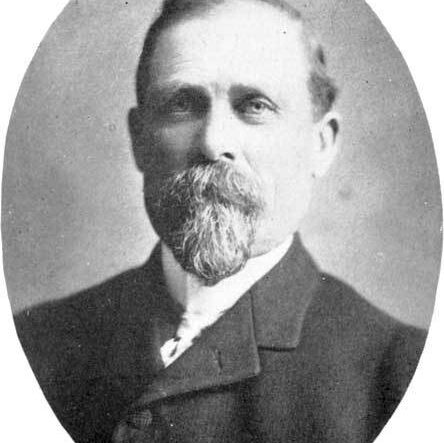 Captain William Robinson, c1910, Manitoba Historical Society Representative Men of Manitoba
Sources
A Brief History of the Manitoba Fisheries, Manitoba Historical Society
Nicholson, Karen, Economic History Theme Study: A History of Manitoba’s Commercial Fishery 1872-2005, Historic Resources Branch, 2007.
Potyondi, Barry, Selkirk The First Hundred Years, (Josten’s National School Services: Winnipeg, Manitoba), 1981.
Selkirk Enterprise May 17, 1951, January 18, 1956, June 26, 1957, January 16, 1963, January 22, 1969, March 25, 1970, June 3, 1970, January 28, 1976
Selkirk’s 75th Anniversary, Elsie MacKay edition.