Icelandic heritage stretches back many centuries — and that history lives on right here in Selkirk. Over the years, countless residents have proudly carried forward their Icelandic roots, helping shape the town through leadership, activism, business, sports, and community service. These notable individuals — whether born in Iceland or raised by Icelandic parents — left lasting legacies that continue to inspire today.
Bjarni Einarsson: Owner of Dalman Store
Bjarni Einarsson was born on Sept. 26, 1869, in Hnappadalssýsla, Iceland. His journey to Canada began in 1883, when his parents, Einar Þorvaldsson and Guðríður Jónsdóttir, along with his siblings, settled in the Fljóts settlement along Lake Winnipeg. Upon arriving, Bjarni adopted the name Bjarni Dalman.
He eventually made his way to Selkirk, where he became a prominent figure in town life. He operated his own business, Dalman Store, served on town council for more than 20 years, and helped found Selkirk’s Icelandic Society, acting as its treasurer. His contributions helped strengthen both the local economy and cultural community.
Although childless, Bjarni lived a full and happy life. He married widower Steinunn Sigurbjörg Stefánsdóttir on Aug. 22, 1942, and passed away just months later on March 9, 1943, in Selkirk.
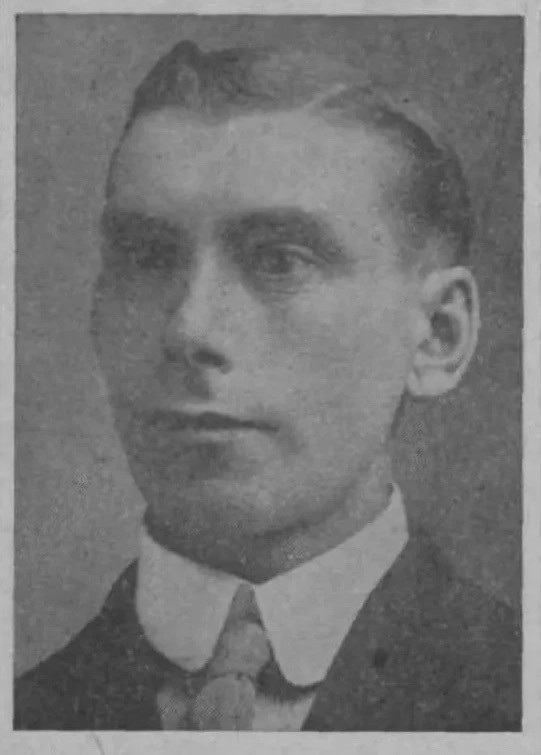
Margret Benedictsson: Journalist, Activist and Suffragist
Margret Benedictsson (née Jonsdottir) was born March 16, 1866, in Hrappsstadir, Iceland. Inspired by the opportunity for better education, she immigrated to the United States in 1887, eventually moving to Winnipeg in 1895 and settled in Selkirk in 1898.
Benedictsson devoted much of her life to championing women’s rights, leading movements for women’s suffrage, education, improved working conditions, and human rights throughout Selkirk, Gimli, and Winnipeg. Shortly after arriving in Winnipeg, she enrolled in bookkeeping, shorthand, and typing courses at Winnipeg Central Business College.
Through her involvement in the local women’s movement, she connected with advocates from diverse backgrounds and soon became a member of the Icelandic Women’s Society, which supported those in financial need and promoted responsible citizenship.
Her passion for suffrage intensified when she learned that Manitoba law prohibited women from voting, stating, “No woman shall be qualified to vote at any Election for any Electoral Division whatever.” In Iceland, women already had voting rights in church and municipal elections, and Benedictsson worked tirelessly to bring those same rights to Manitoba. She organized petitions, wrote newspaper columns, delivered public speeches, and founded the Icelandic Suffrage Society, serving as its president.
Alongside her husband, Sigfus, Benedictsson established a Selkirk printing press. From 1898 to 1910, they published Freyja — Icelandic for “Woman” — a monthly magazine featuring serialized fiction, poetry, biographies, literary reviews, letters, and a children’s corner. With 500 subscribers, Freyja reached readers across Canada and beyond, becoming the country’s only women’s suffrage publication at the time and a powerful platform for social change.
As an author, Benedictsson often wrote under male pen names to broaden her audience. Her writing fiercely promoted political, social, legal, and economic equality for women, and she encouraged married women with children to engage in social reform, even suggesting they use affection and intimacy as leverage to influence men’s political views.
She divorced her husband in 1910 and later returned to the United States to be closer to family as her eyesight deteriorated. Women gained the right to vote in Manitoba in 1916 — a victory she had long fought for. Benedictsson died on Dec. 13, 1956, in Anacortes, Washington.


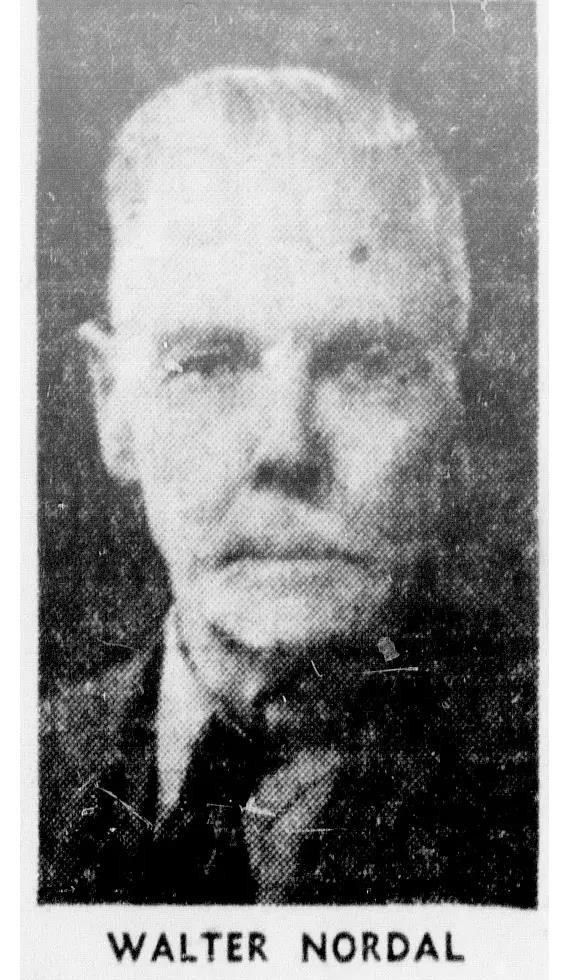
Walter Nordal: Pioneer and Businessman
Walter Nordal was born in Iceland in 1861 and immigrated to Canada in 1887. He spent eight months in Icelandic River — now known as Riverton — before making Selkirk his permanent home, where he lived for the remainder of his life.
In 1905, he built and operated the town’s first store, located on Main Street south of Manitoba Avenue near McLean Avenue. This business functioned as a grocery store and helped meet the needs of the growing community. He later opened a second business on Main Street, operating a restaurant that became popular with local residents. His success in the food industry was rooted in experience: for 15 years, Nordal had worked as a cook aboard several boats sailing on Lake Winnipeg.
Beyond his business ventures, Nordal was deeply involved in Selkirk’s church life. He was one of the founding members of the Icelandic Lutheran Church (Selkirk Evangelical Lutheran Church), established in May 1889 by Icelandic settlers. The congregation held its first official sermon on Nov. 6, 1889, led by Rev. Magnus Skaptason. Early members constructed a small chapel on Rosser Avenue, which served as the church’s home for a decade. Nordal remained closely connected to the church throughout his life, serving on the Board of Trustees — including a term as president — for a total of 30 years.
He married three times, had two sons, three daughters, 24 grandchildren and 54 great grandchildren who went on to live in various parts of Canada and the United States. Nordal died on March 28, 1954, in Selkirk. He was buried in the Selkirk Lutheran Cemetery.
Siggi and Brandur (Lefty) Goodbrandson
Born in Selkirk to Icelandic parents Gudbrandur and Alfeidur, brothers Siggi and Lefty Goodbrandson were proud members of the legendary Dufferin Gang.
Siggi was born Feb. 16, 1925, and attended Devonshire Collegiate Institute. During his school years, he delivered the Winnipeg Free Press and worked alongside his father, hauling ice, gravel, wood, and furniture. In the 1940s, he modernized the family freight business by purchasing a used truck for $500.
In 1943, Siggi enlisted in the Royal Canadian Navy, serving as a quartermaster aboard the frigate HMCS Ste. Therese. His duties included patrolling the English Channel in search of enemy submarines. After returning home, he worked for the Provincial Department of Highways, built a family, and became a standout athlete and captain with the Selkirk Fishermen hockey team, serving as captain in 1953 and later as coach. He retired in 1990 after nearly 40 years of service. Siggi passed away on Aug. 3, 2006, and is buried at Glen Eden Memorial Gardens in West St. Paul.
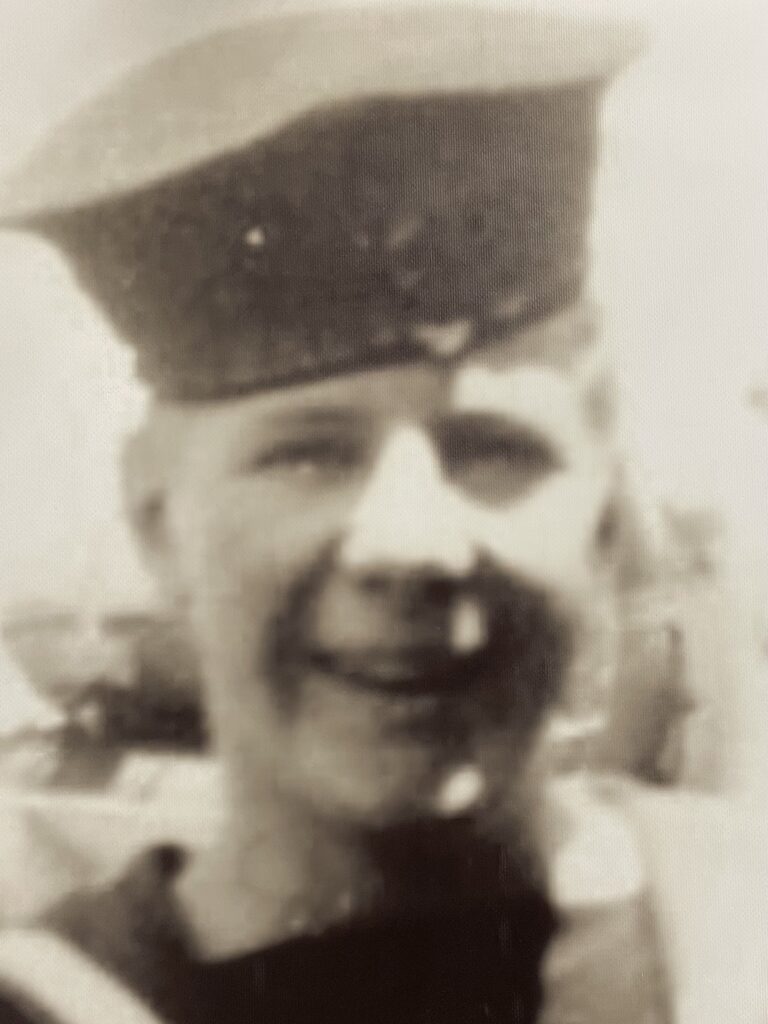
Lefty, born Nov. 26, 1926, attended Southward (Daerwood) School and Central School. His varied career included work at Fairfields, Manitoba Rolling Mills, Booth Fisheries, and the Shell Service Station, along with fishing, ice cutting, and delivery. Like his brother, he served in the Canadian Army during the Second World War.
After the war, Lefty and his family expanded the freight business into what is now known — and still operating — as Goodbranson’s Transfer Ltd. He remained active with the company until retiring in 1988. In retirement, he became a tireless community volunteer, participating in numerous clubs and organizations, including the Manitoba Trucking Association, Masons at Lisgar Lodge No. 2, Kinsmen Club, Selkirk Curling Club, Selkirk Golf and Country Club, and serving as an executive member of the Selkirk Steel Kings Hockey Team. Lefty passed away on Nov. 17, 2011, and is buried in the Selkirk Lutheran Cemetery.

Harold and Paul Henrikson
Another dynamic brother duo from the Dufferin Gang, Harold and Paul Henrikson were born June 29, 1916, and Dec. 6, 1924, respectively.
Harold spent nearly his entire life living and working in Selkirk, aside from his military service. During the war, he was stationed in Barrie, Ont. — where he met his wife — and in England. Upon returning home, he worked at the Steel Foundry producing castings for railway and ship manufacturers before later joining the Selkirk Hospital for Mental Diseases (now Selkirk Mental Health Centre) in support and maintenance. In retirement, he devoted himself to caring for his housebound mother. He died on June 7, 1990.
Paul attended Devonshire Collegiate Institute, where he earned the title of “most handsome and athletic boy in class.” A standout in basketball and marksmanship, he won the Dominion of Canada Rifle Association Special Medal in 1942 for the highest score in the National Cadet Rifle Competition.
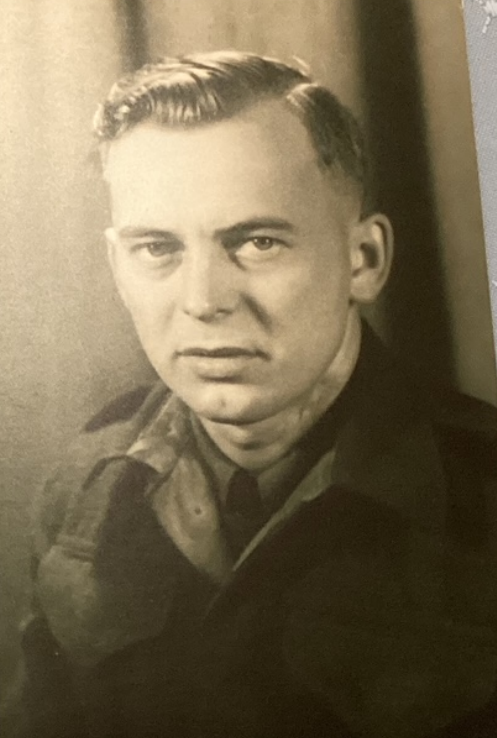
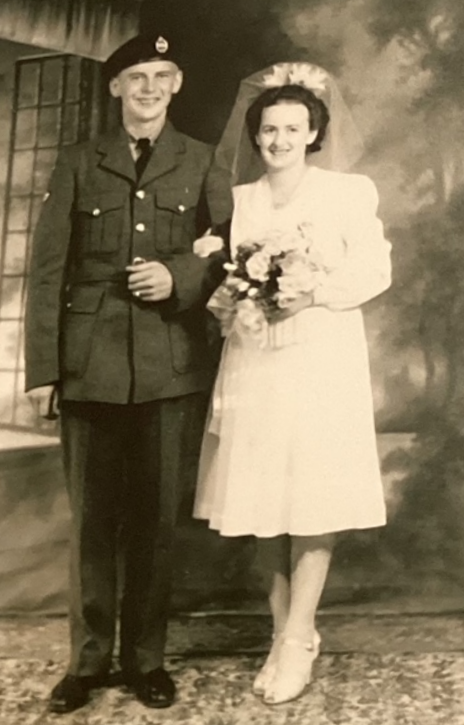
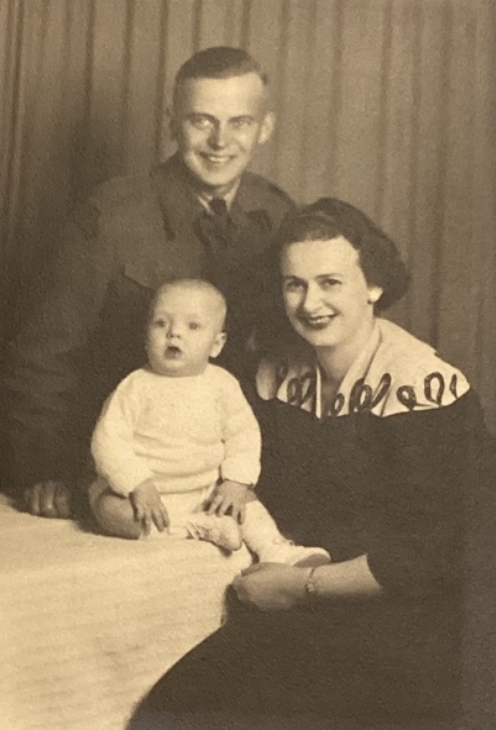
Inspired by his brother, Paul enlisted in the Royal Canadian Navy, serving aboard HMCS Uganda as an anti-aircraft gunner. His service took him across the Bay of Biscay, the English Channel, the Mediterranean Sea, and the Pacific Ocean. After the war, he earned his Bachelor of Education and pursued a teaching career in Manitoba and Saskatchewan before returning to Selkirk, where he taught until retiring in 1986.
Paul also served on Selkirk town council, including as Deputy Mayor, and held leadership roles with the Selkirk and District Curling Club, Selkirk Evangelical Lutheran Church, Lions Club, and the Multiple Sclerosis Society’s Zone Care Plan. He passed away on Sept. 2, 1992.
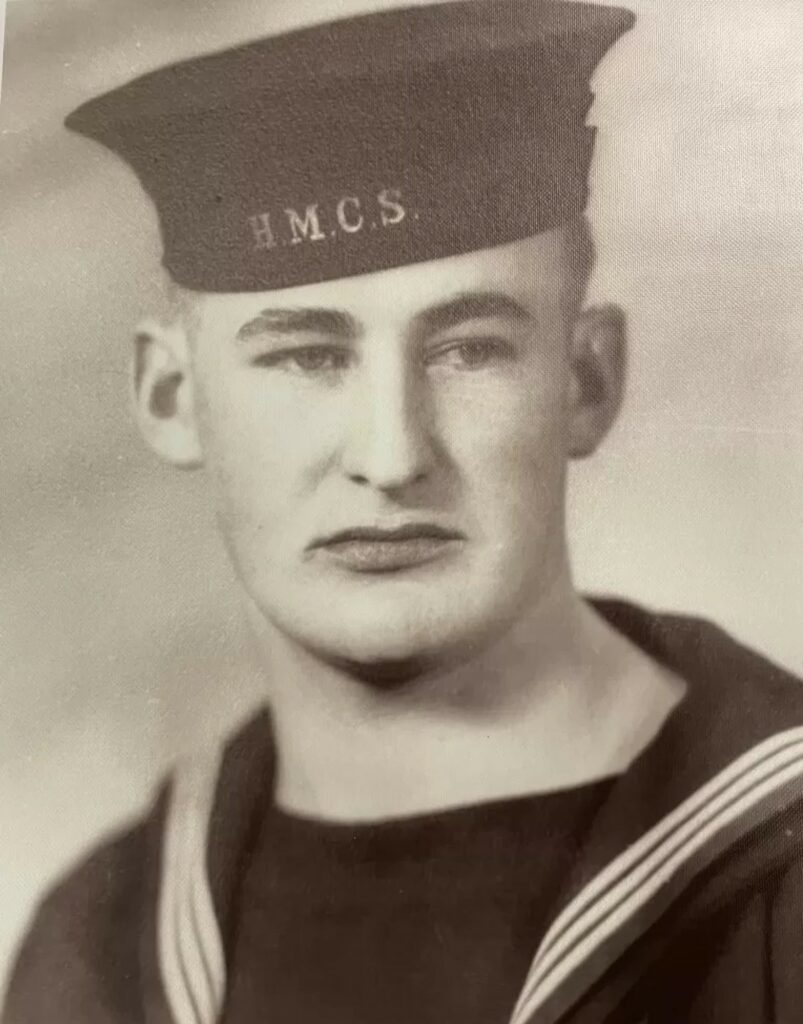
Stefan Stefanson
Born Oct. 23, 1919, in Selkirk to Icelandic parents Stefan and Steinunn, Stefan Stefanson was another proud member of the Dufferin Gang.
He enlisted in the Canadian Army in 1941, serving on Canada’s west coast and in Jamaica before being discharged in 1944. Upon returning home, he rejoined community life, including funding the Selkirk Legion intermediate hockey team and the Selkirk Fishermen.
Stefanson passed away on Aug. 22, 1980, and is buried in the Selkirk Lutheran Cemetery.
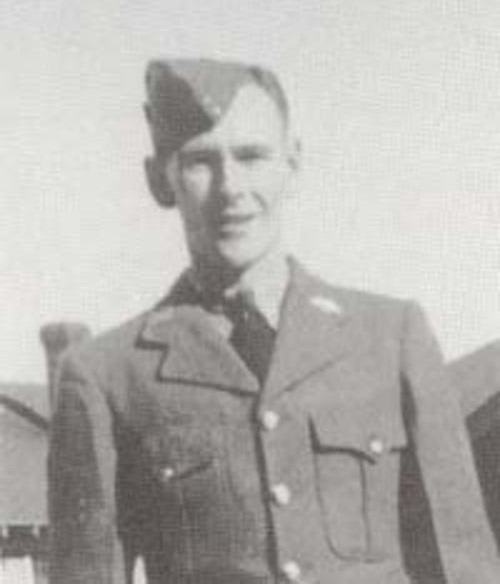
Another example of Icelandic legacy in Selkirk is Kelly Sveinson, the inventor of the Selkirk Chimney.
Sources
Bjarni Einarson, Vestur Farar
Brandur Goodbranson, Selkirk Museum
Crippen, C., Margret Benedictsson, The Canadian Encyclopedia, Jan. 20, 2016
Dalman Store, Selkirk Museum
Harold Henrikson, Selkirk Museum
Memorable Manitobans: Margret Jónsdóttir Benedictsson (1866-1956), Manitoba Historical Society
Memorable Manitobans: Walter Nordal (1861-1954), Manitoba Historical Society
Paul Henrikson, Selkirk Museum
Siggi Goodbrandson, Selkirk Museum
Stefan Stefanson, Selkirk Museum
Suffragettes in Selkirk, Selkirk Museum
Winnipeg Free Press, 1941, 1948, 1954
Winnipeg Tribune, 1945, 1949
Selkirk Enterprise, 1954
Howard, K., Stories of Selkirk’s Pioneers and Their Heritage