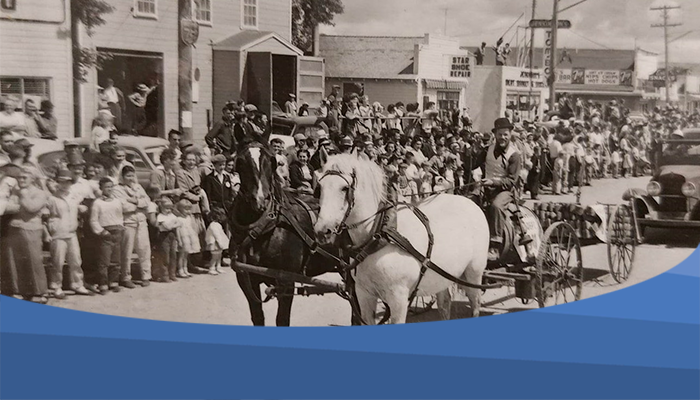
For decades, the streets of Selkirk have come to life with parades celebrating local businesses, organizations, and community spirit. Some of the earliest news coverage of parades taking place in town dates back to Dominion Day on July 1, 1902.
Several celebrations were planned for Canada’s birthday, with the parade serving as one of the day’s highlights. Unfortunately, many events were rained out, prompting brief changes to the itinerary. Still, a procession formed and was led by the Selkirk Company No. 1 of the Boys’ Brigade down Eveline Street. Young residents still came out to watch the festivities, not minding the rain.
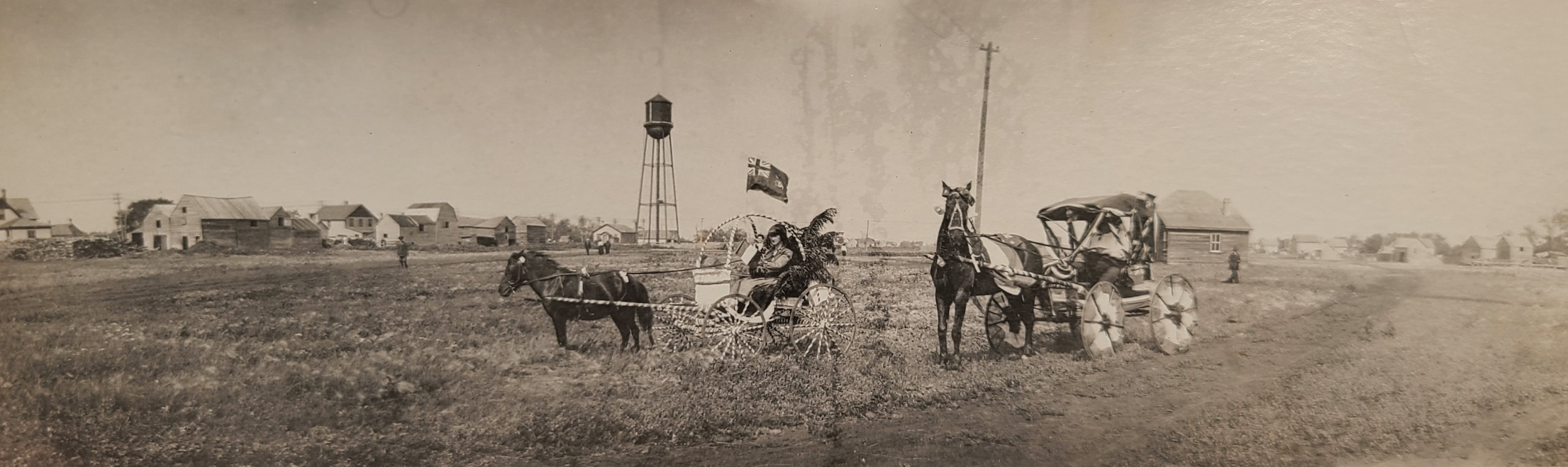
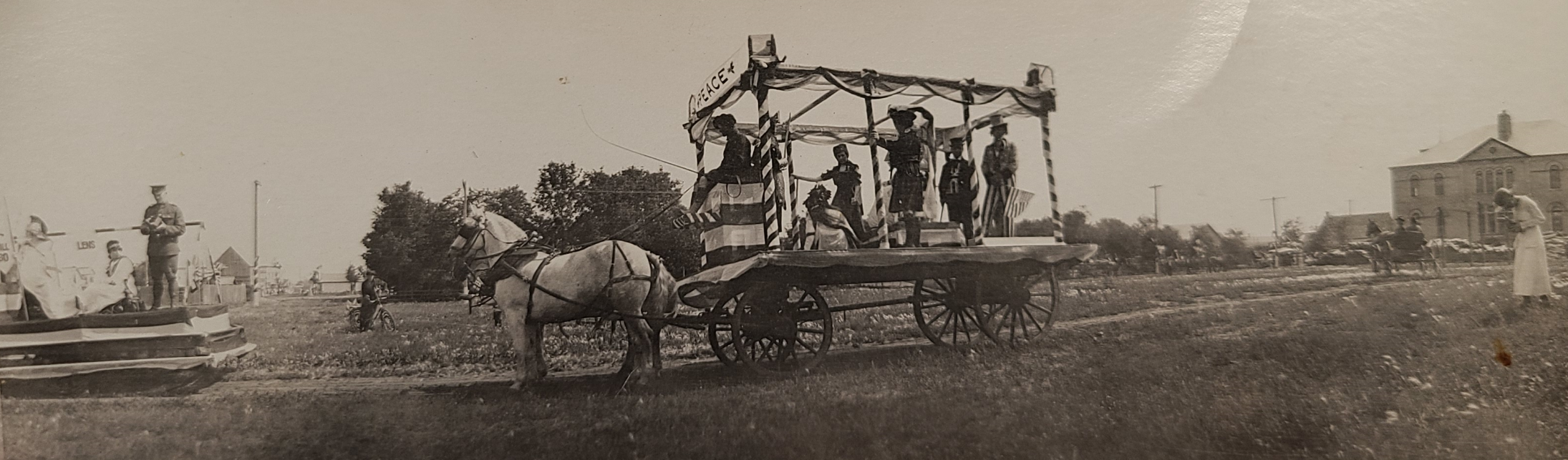
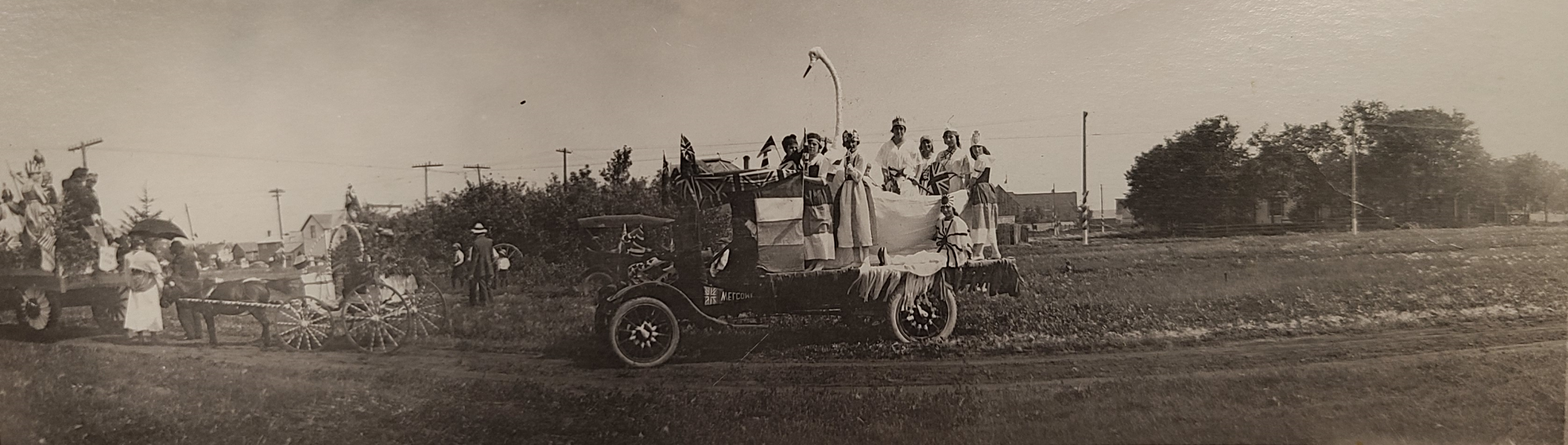
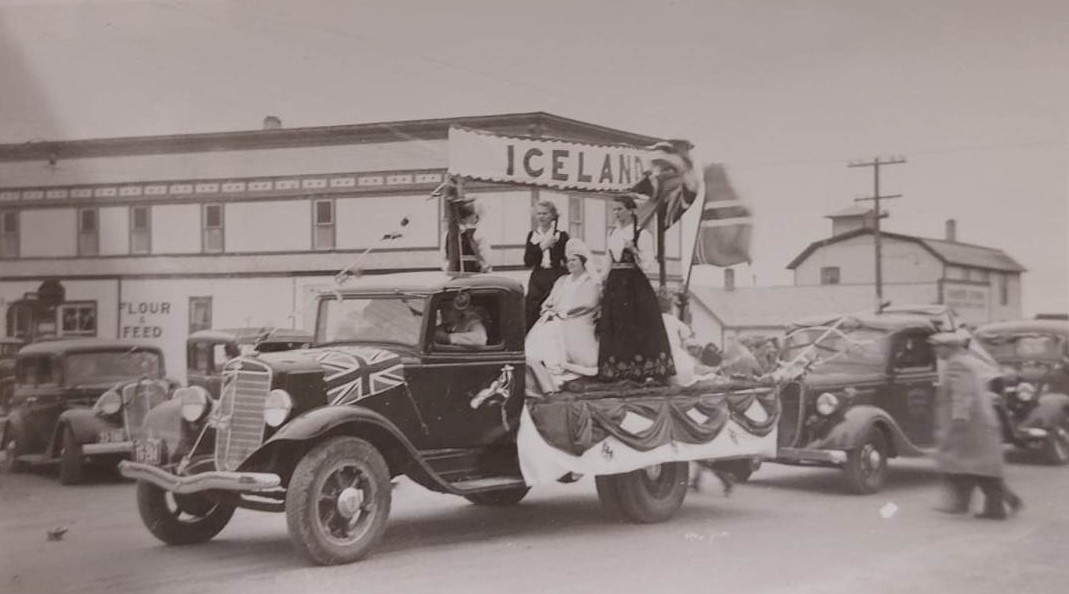
Among the featured floats was one representing Great Britain and its colonies, each portrayed by different characters:
England- Miss Berneice Overton
Scotland- Miss Nellie Simpson
Canada- Miss Alice Scott
South Africa- Miss Pear West
India- Miss Ruby Stewart
Australia- Miss Jessie Smith
China- Miss Jennie Lewis
Manitoba was also represented by Miss Jessie Smith “in Indian costume.”
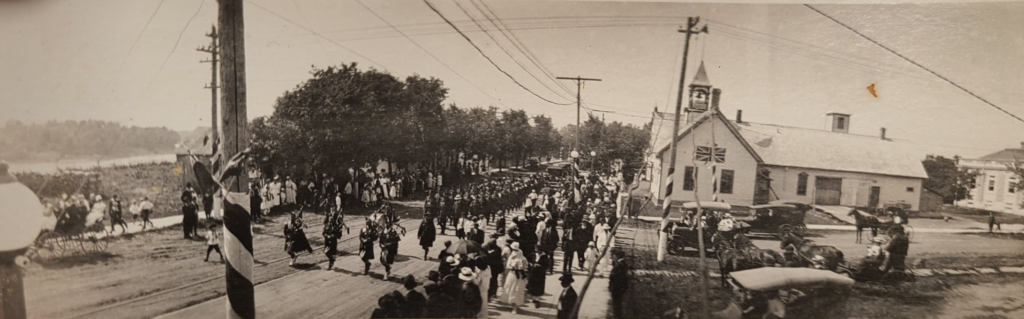
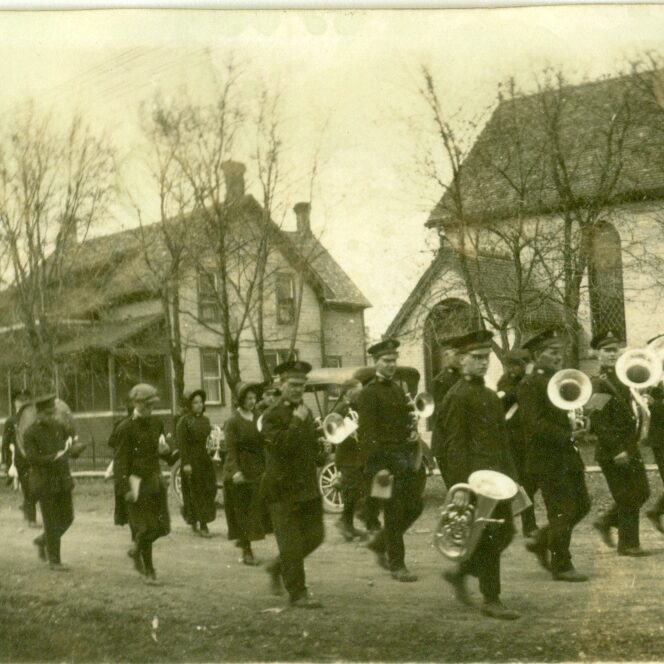
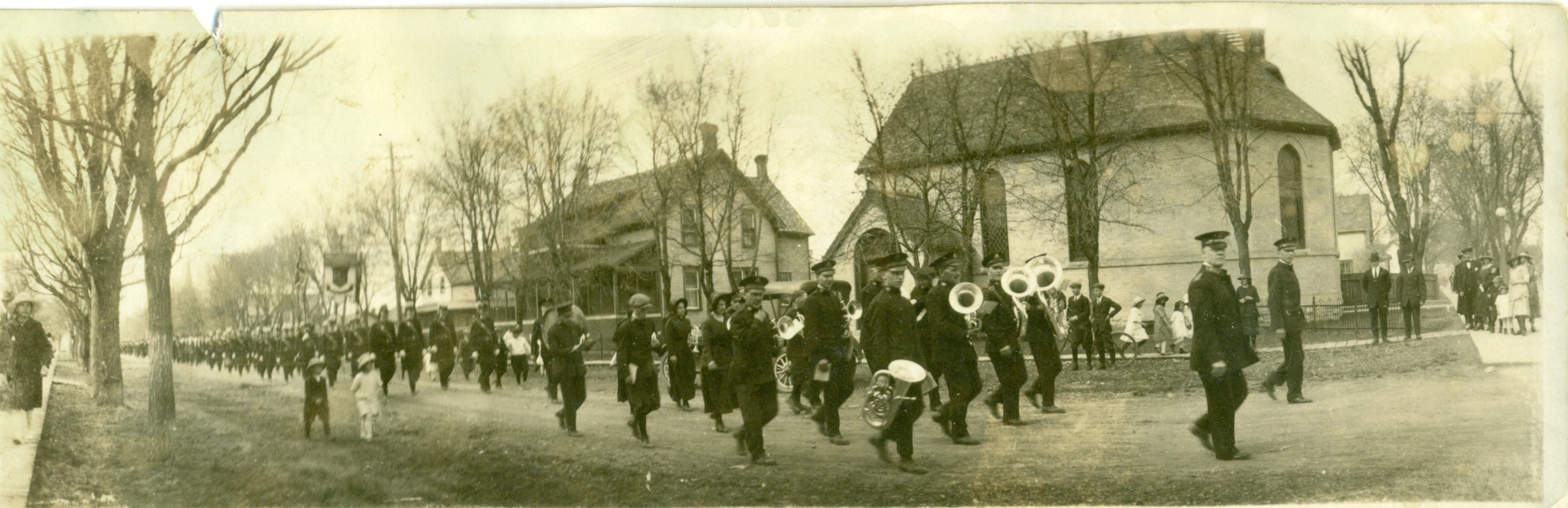
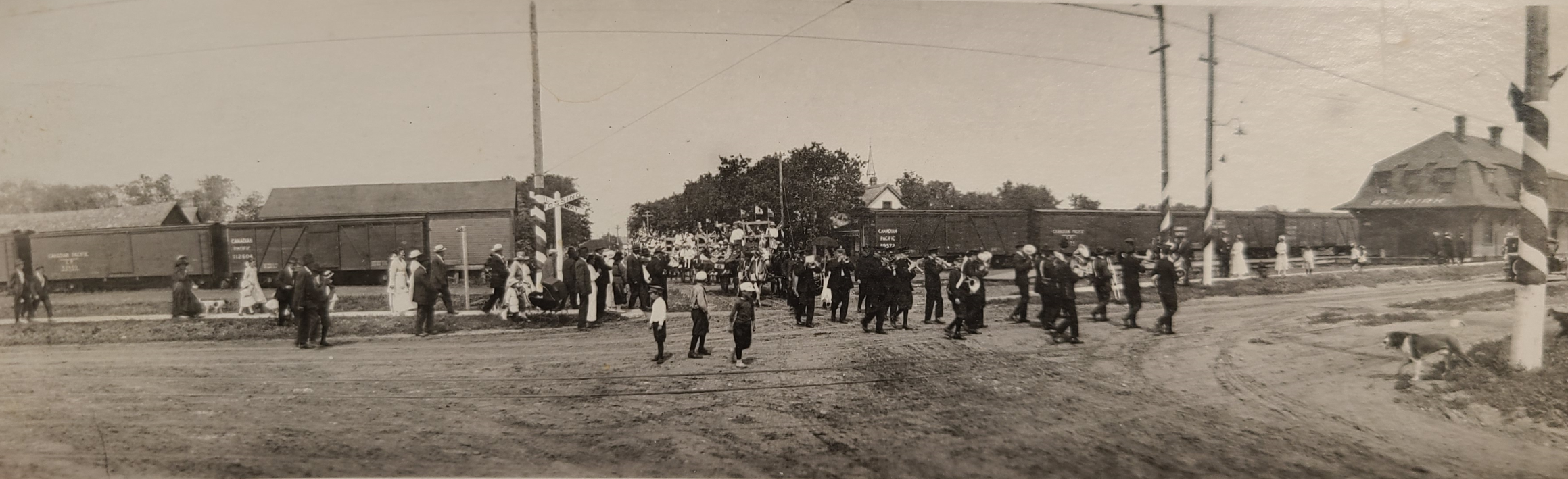
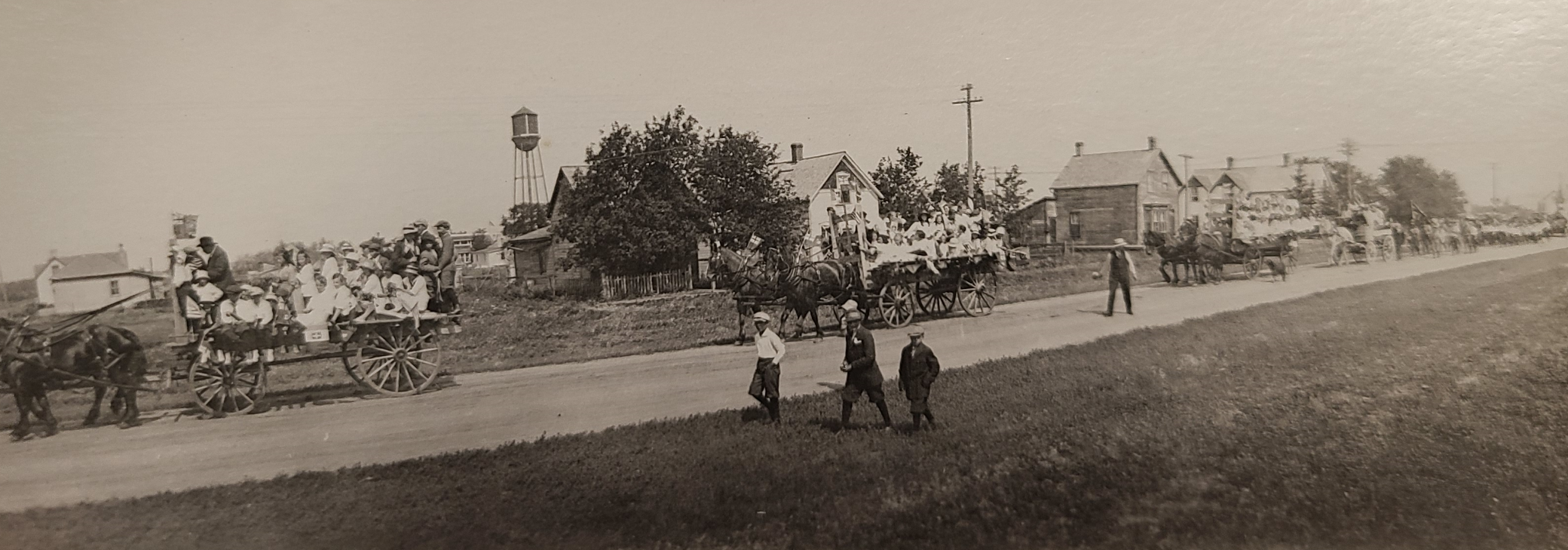
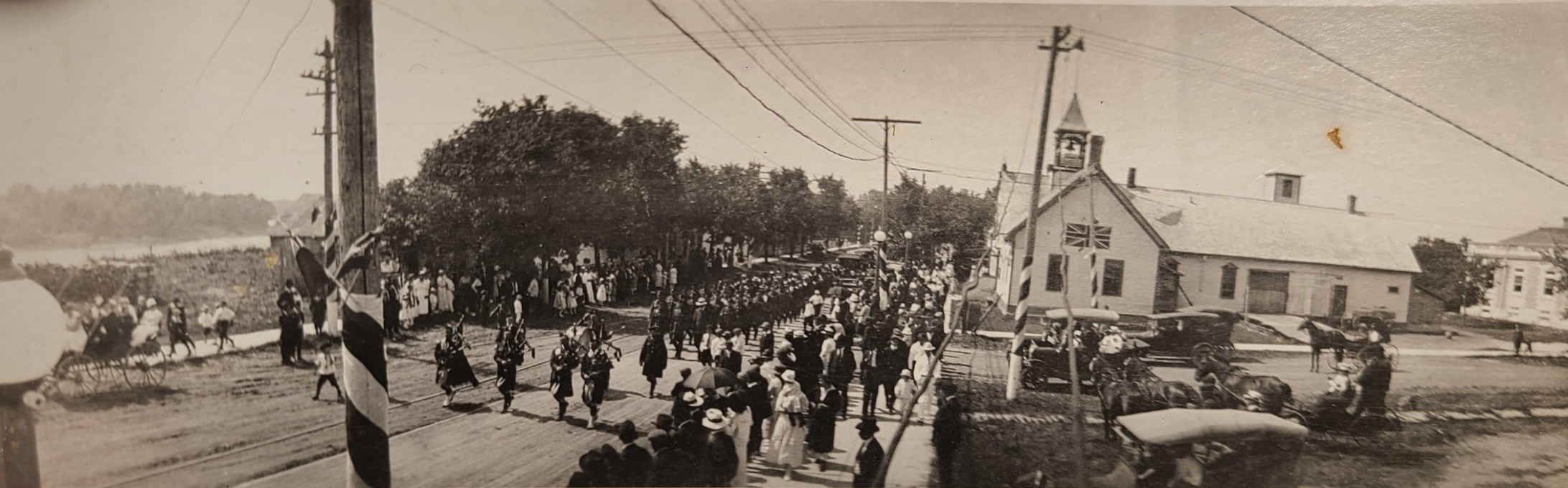
In 1919, Selkirk celebrated Victory Day which marked the end of World War I. The parade went down Eveline Street, past the old Town Hall and the Selkirk Bridge.
Canada’s Jubilee Celebration Draws Community Participation and Other Special Occasions
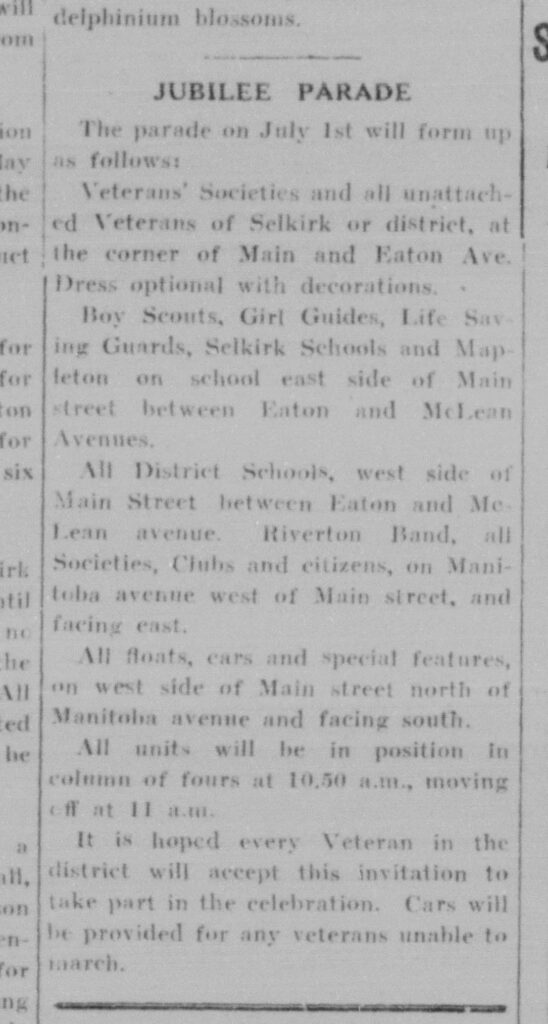
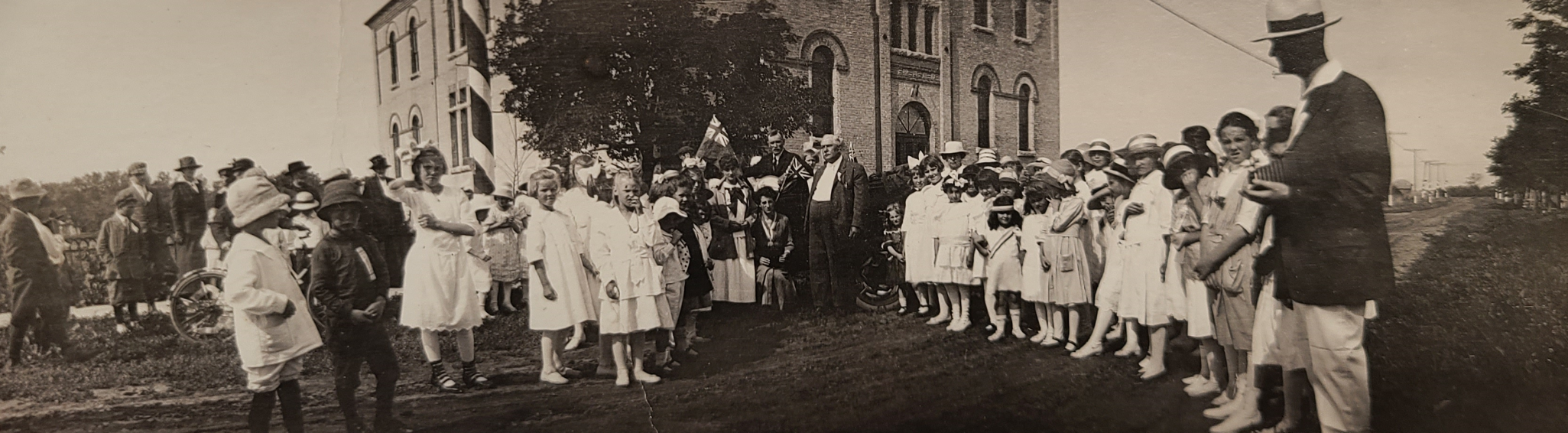
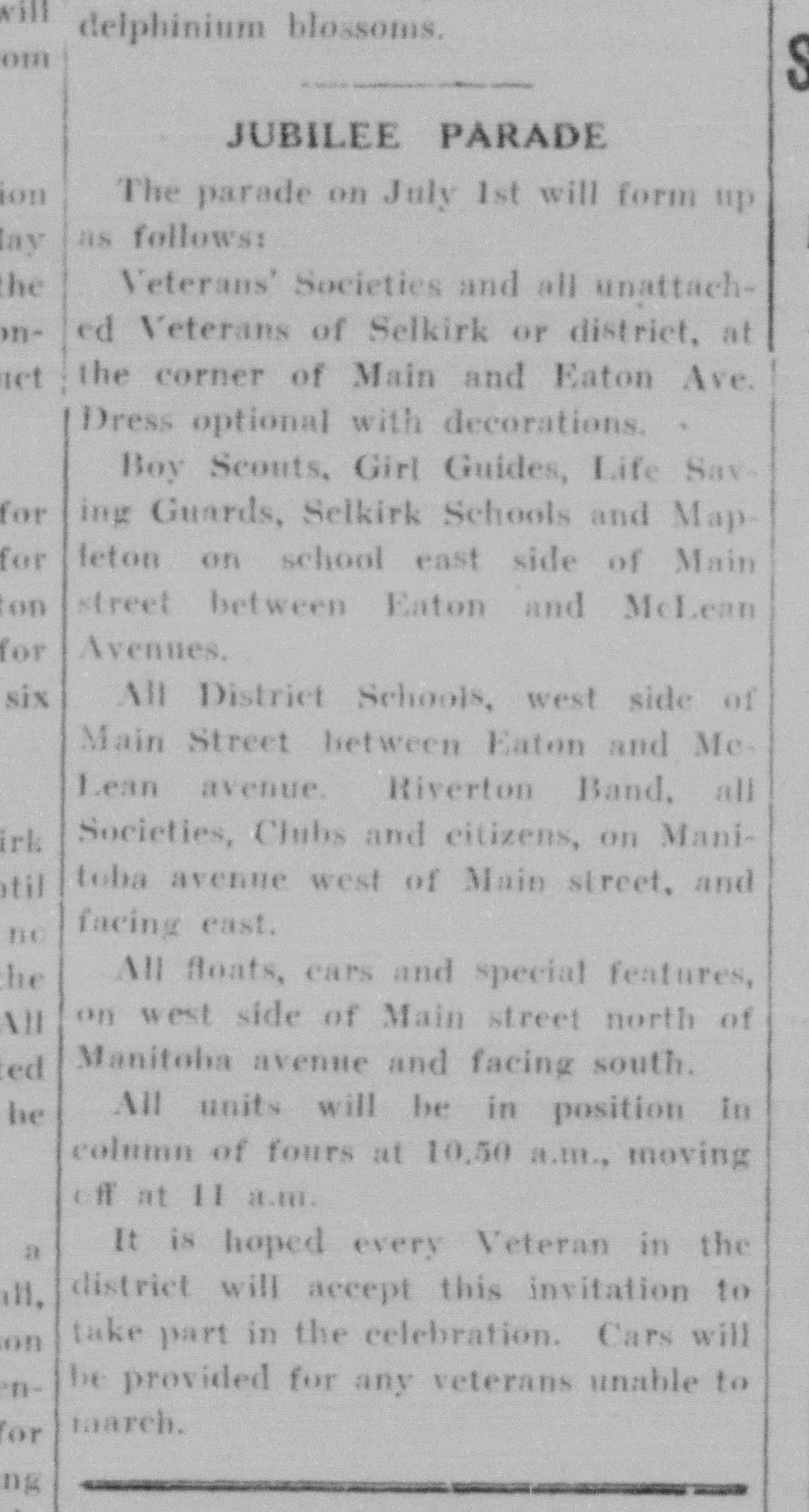
Later media coverage promoted Canada’s Jubilee celebration on July 1, 1927. The program once again featured a large parade, with invitations sent to schools, businesses, and organizations in and around Selkirk to participate in the special day. One organizer noted, “The Jubilee Celebration is a national affair, the business of every Canadian and every citizen should take part.”
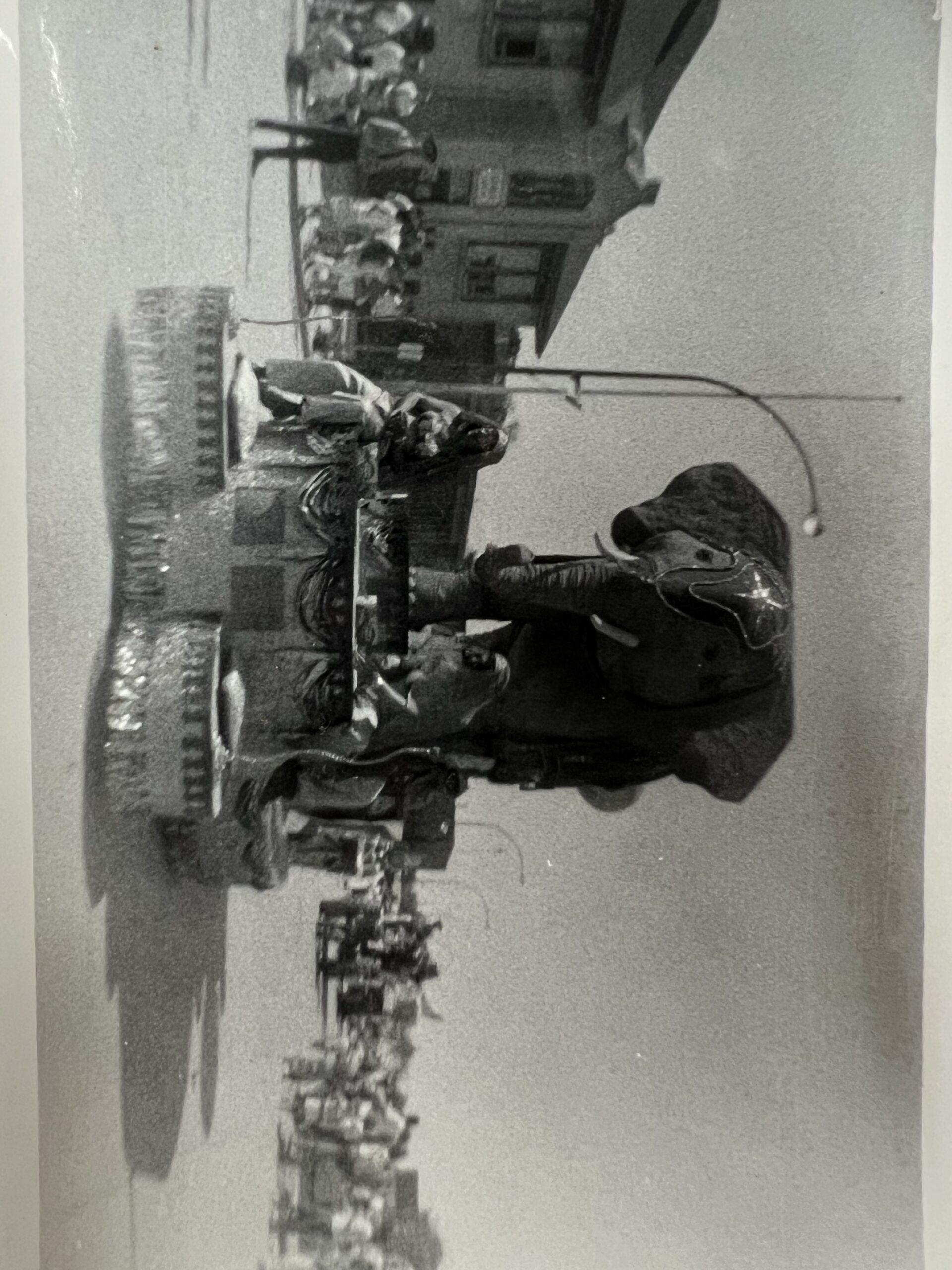
The Jubilee parade took place in the morning and featured an array of decorations, including a brass band, pipe band, bugle band, a Red River cart drawn by an ox, veterans’ societies, Boy Scouts, Girl Guides, lifeguards, schools, the Riverton band, multiple societies, clubs, and community citizens represented through floats.
Dominion Day parades returned in 1928 and 1929, this time as part of a one-day circus event. There is a lack of available sources describing parades that took place between 1930 and 1936.
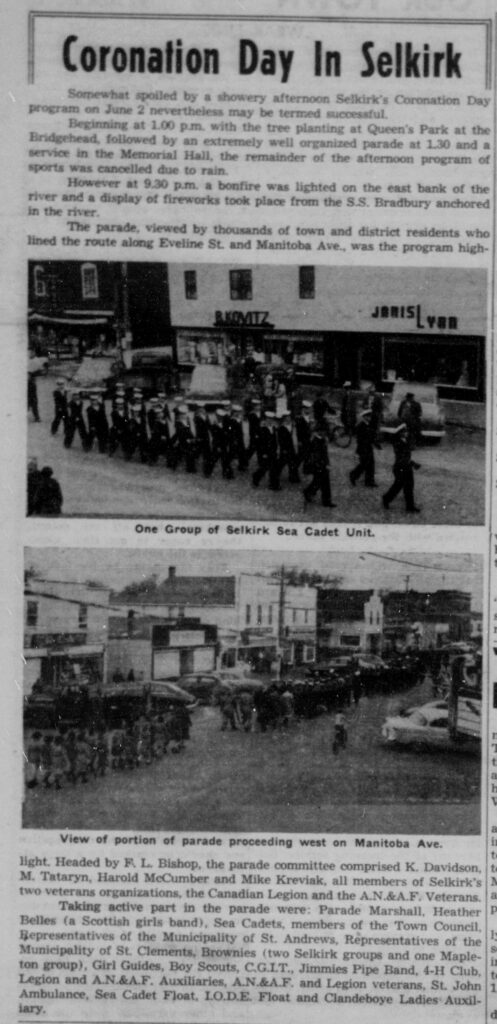
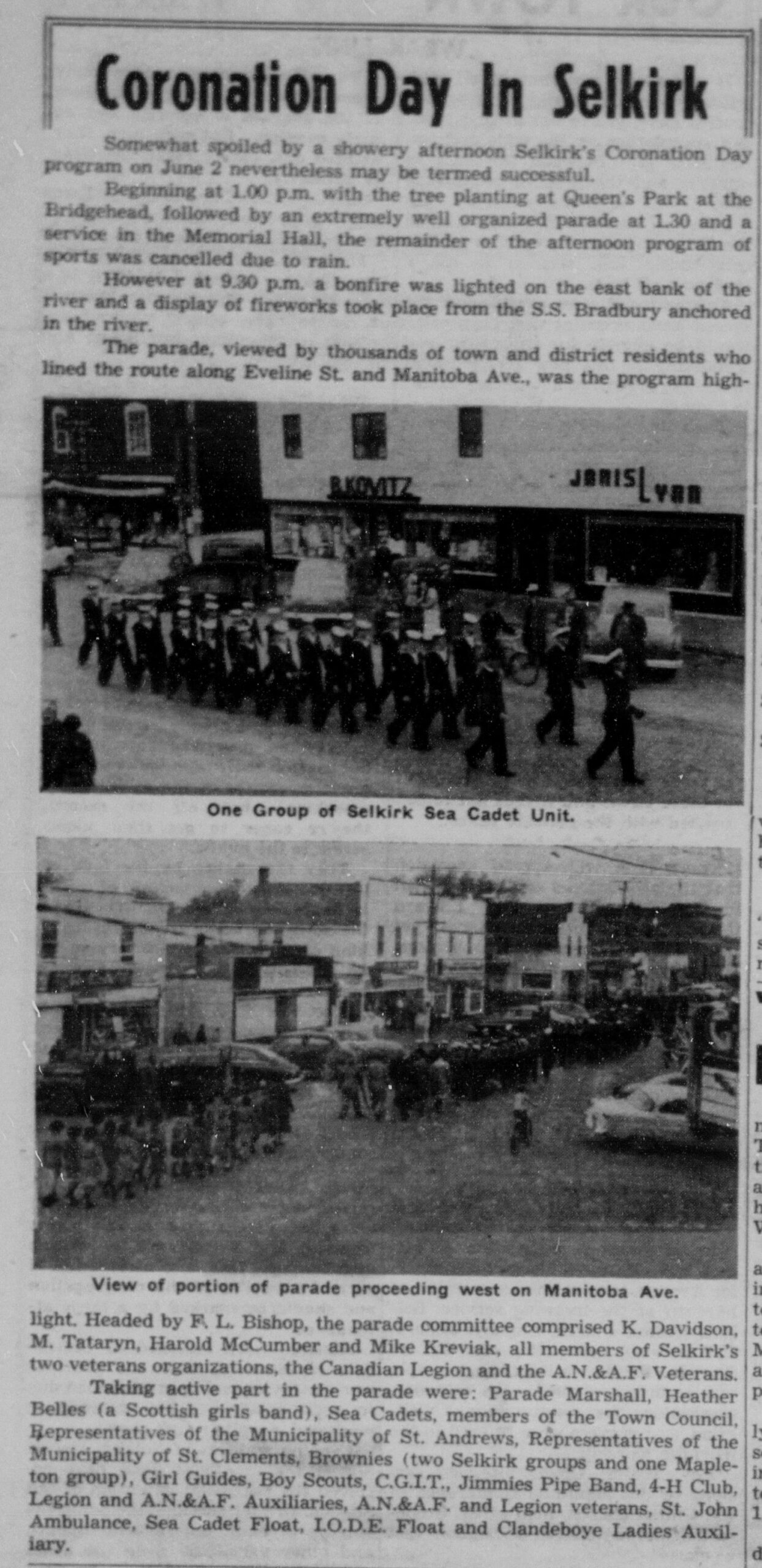
Other special occasion parades took place. On June 2, 1953, in honour of Queen Elizabeth II’s Coronation Day celebrations, another special parade marched through town, featuring several organizations and businesses. The event was reportedly viewed by thousands along Eveline Street and Manitoba Avenue.
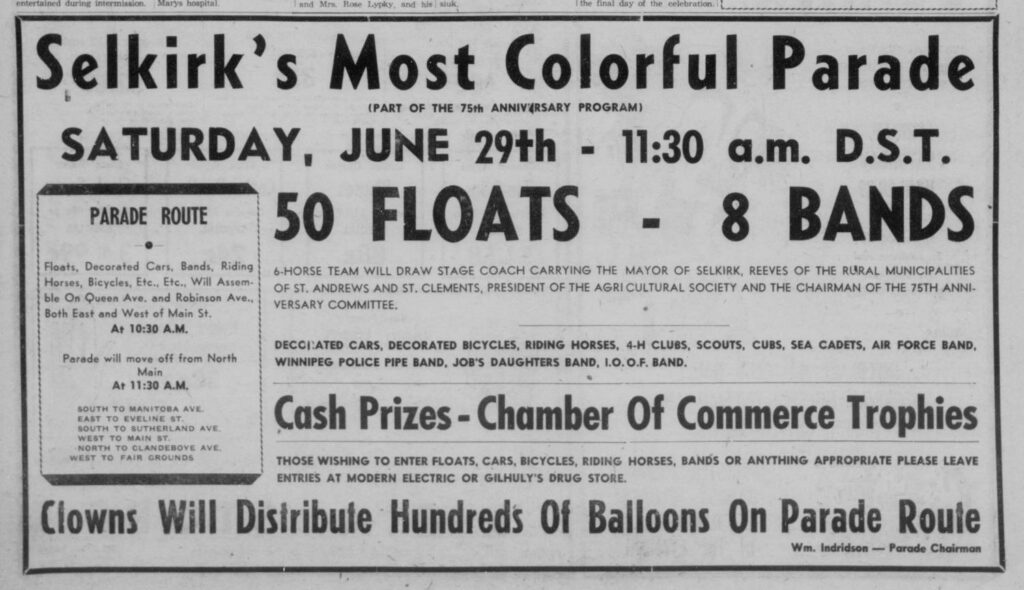
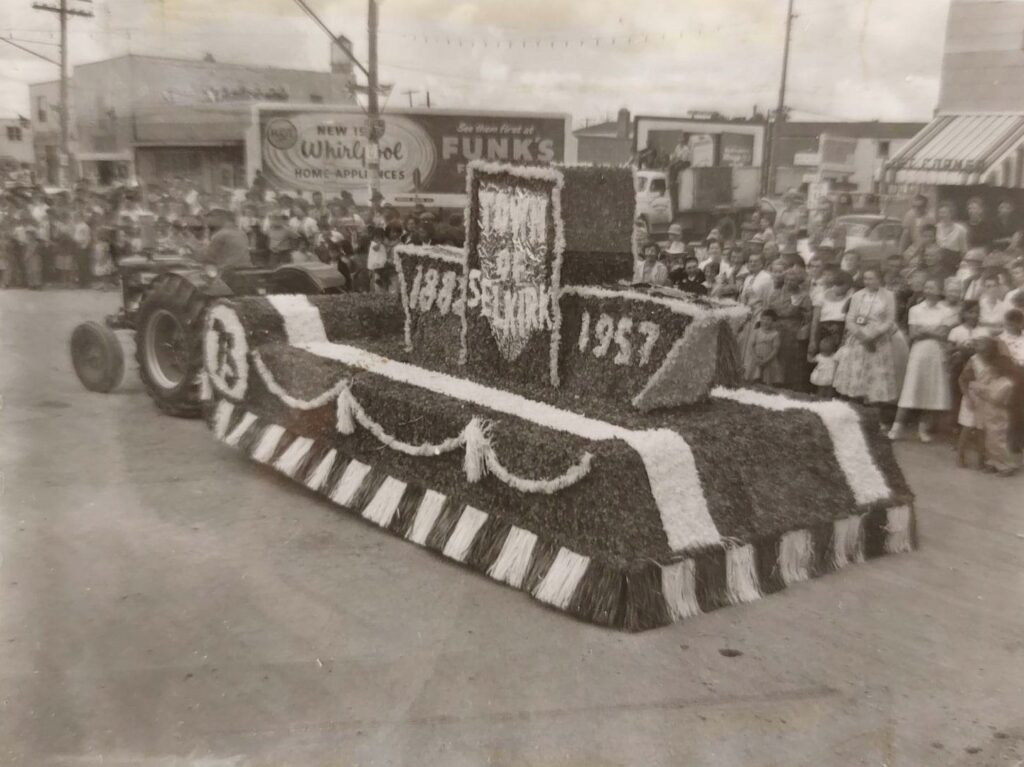
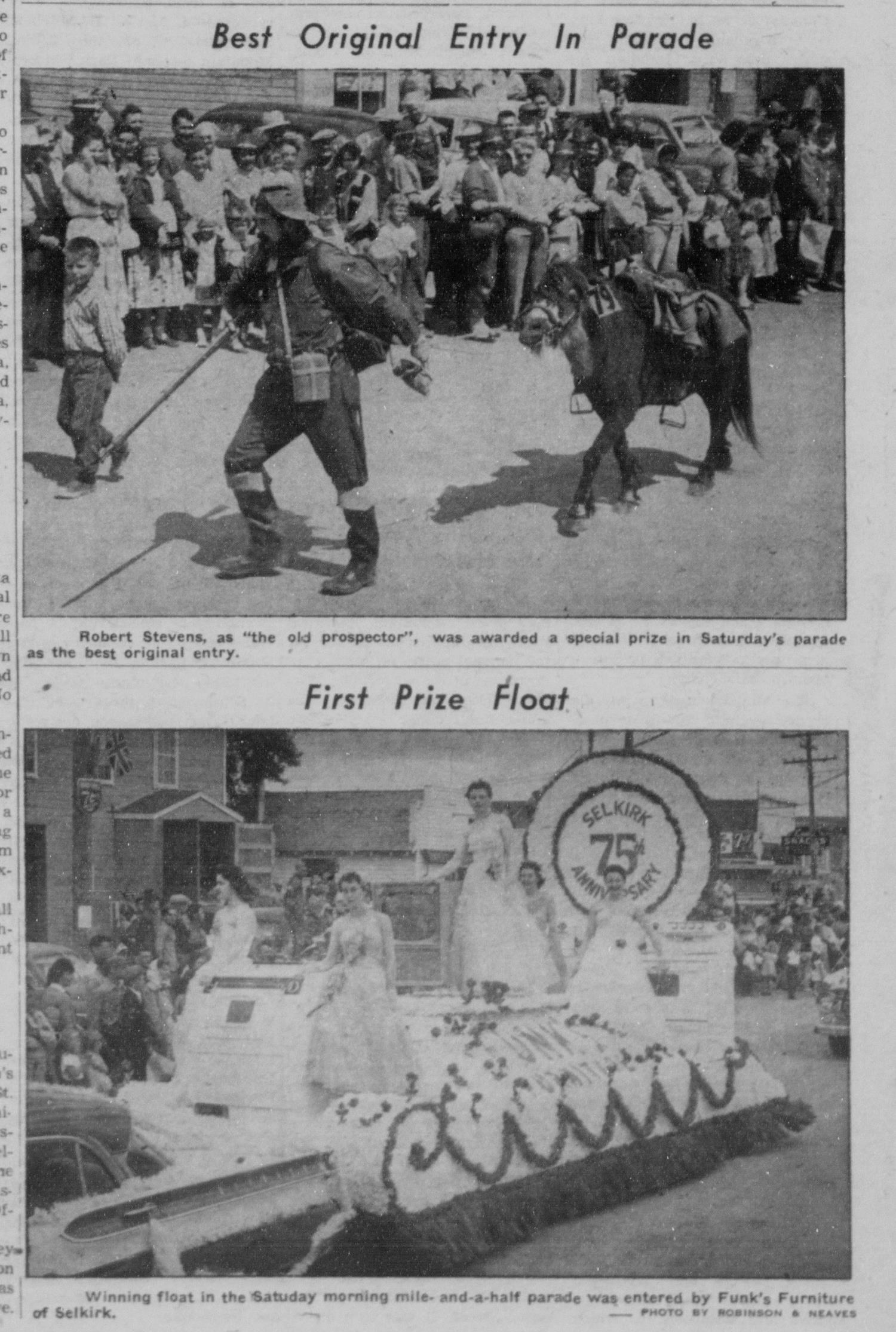
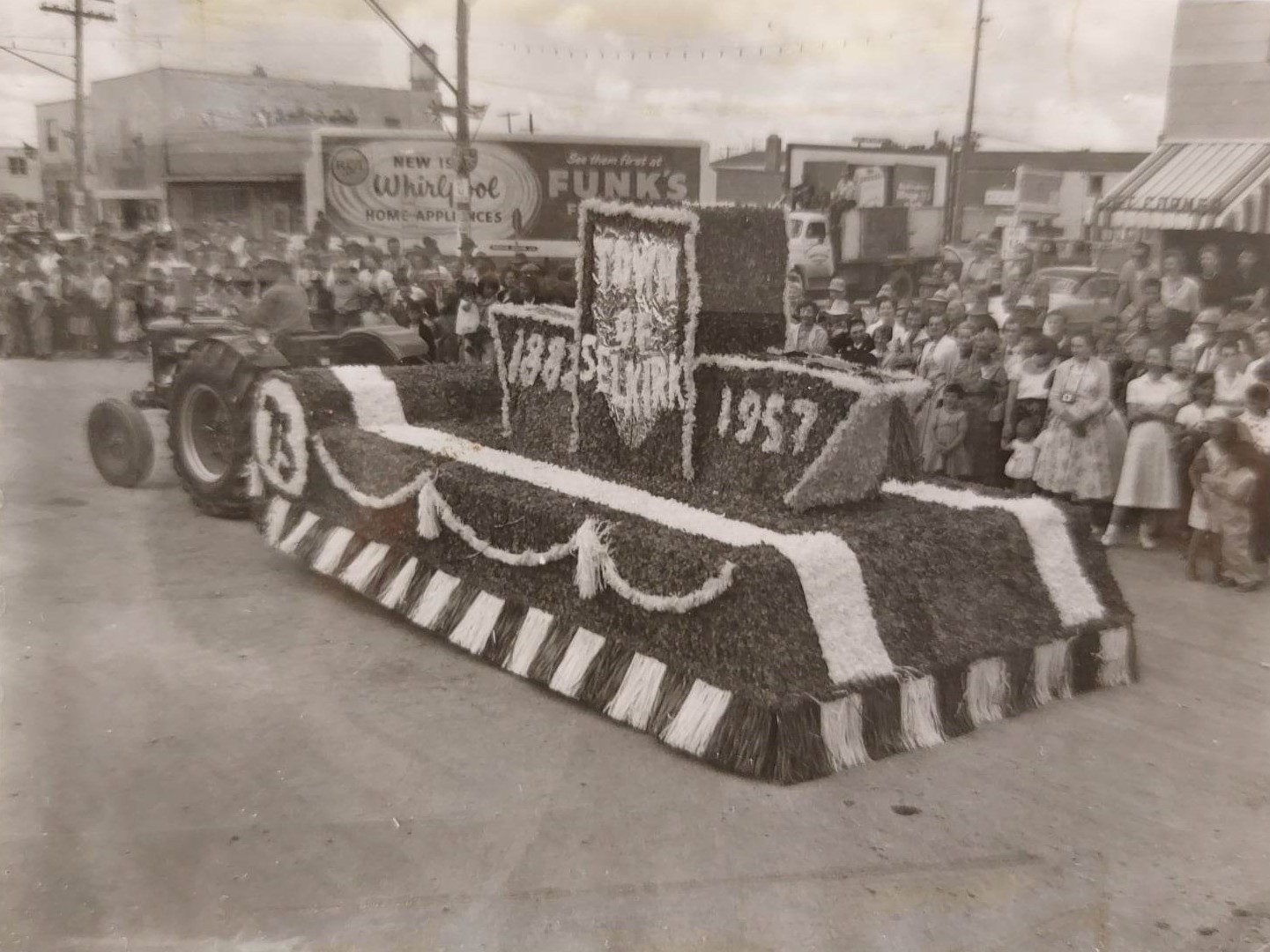
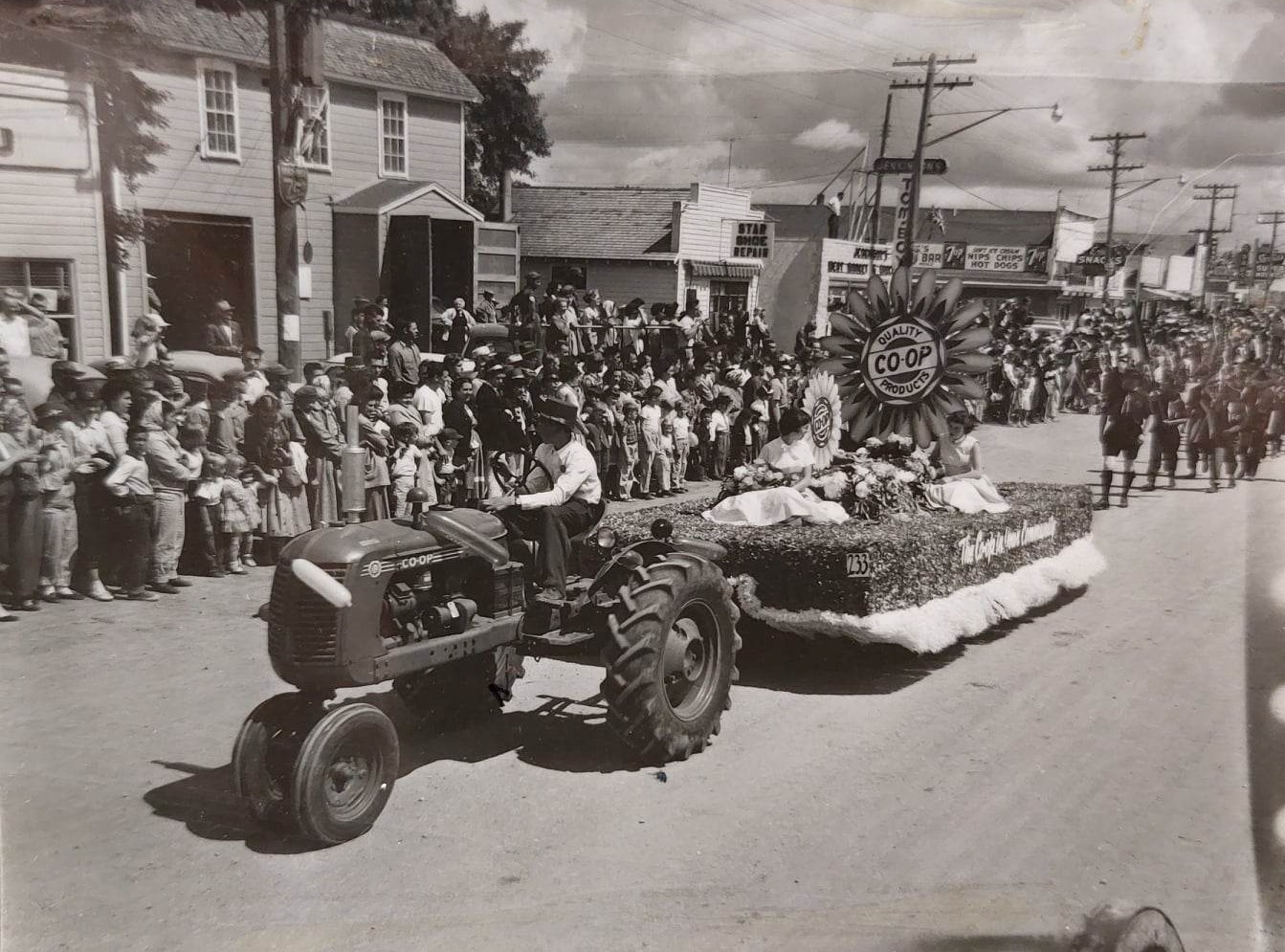
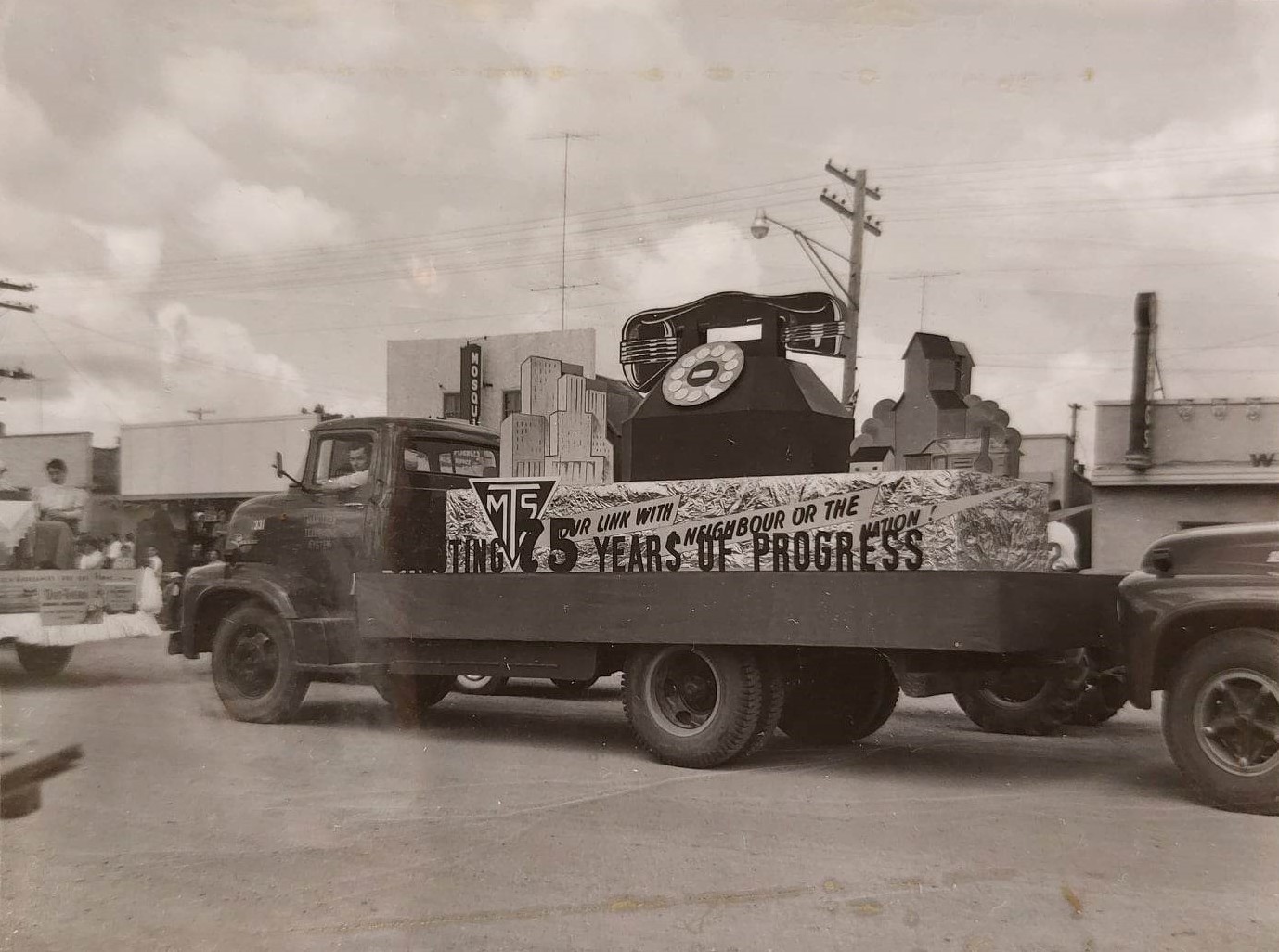
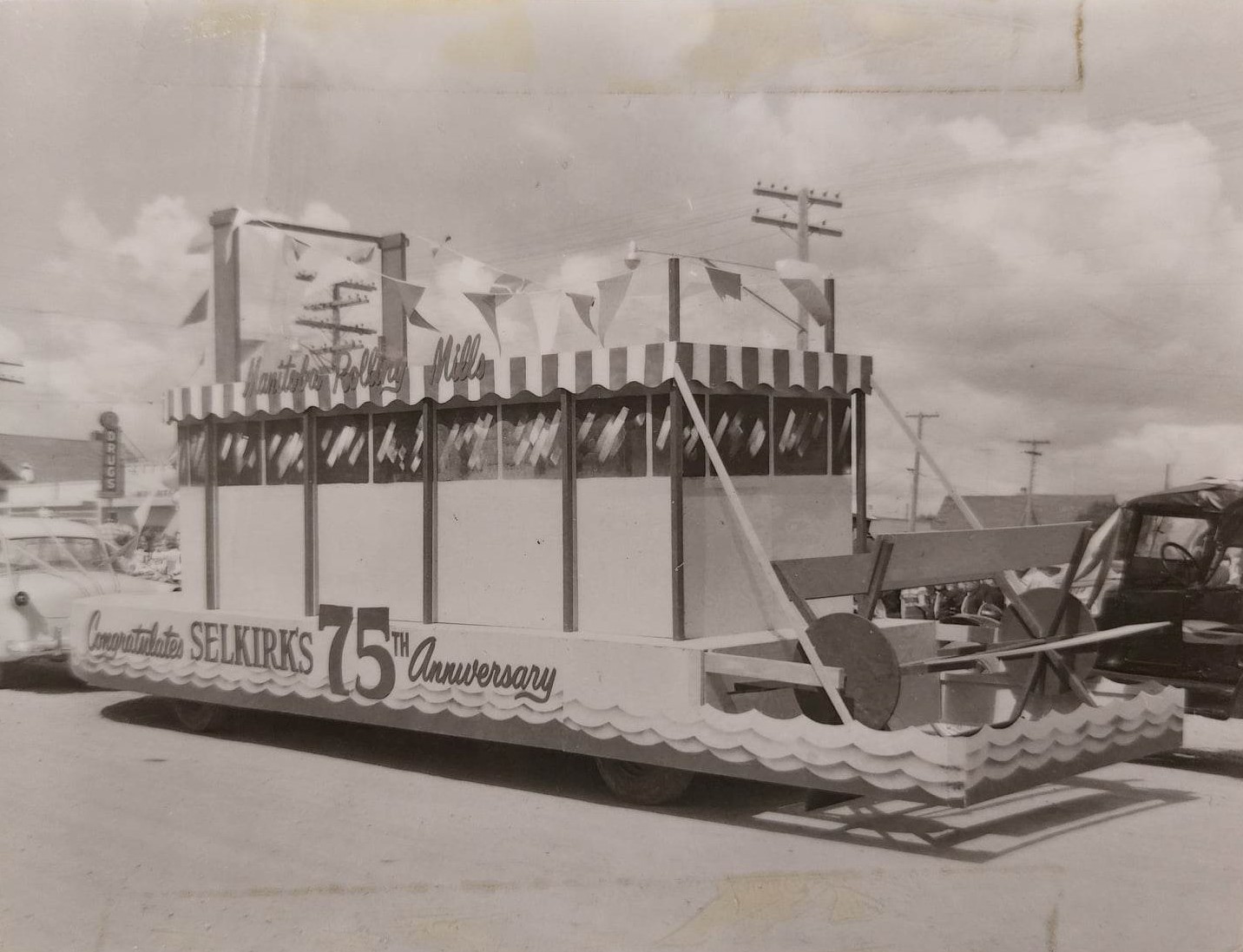
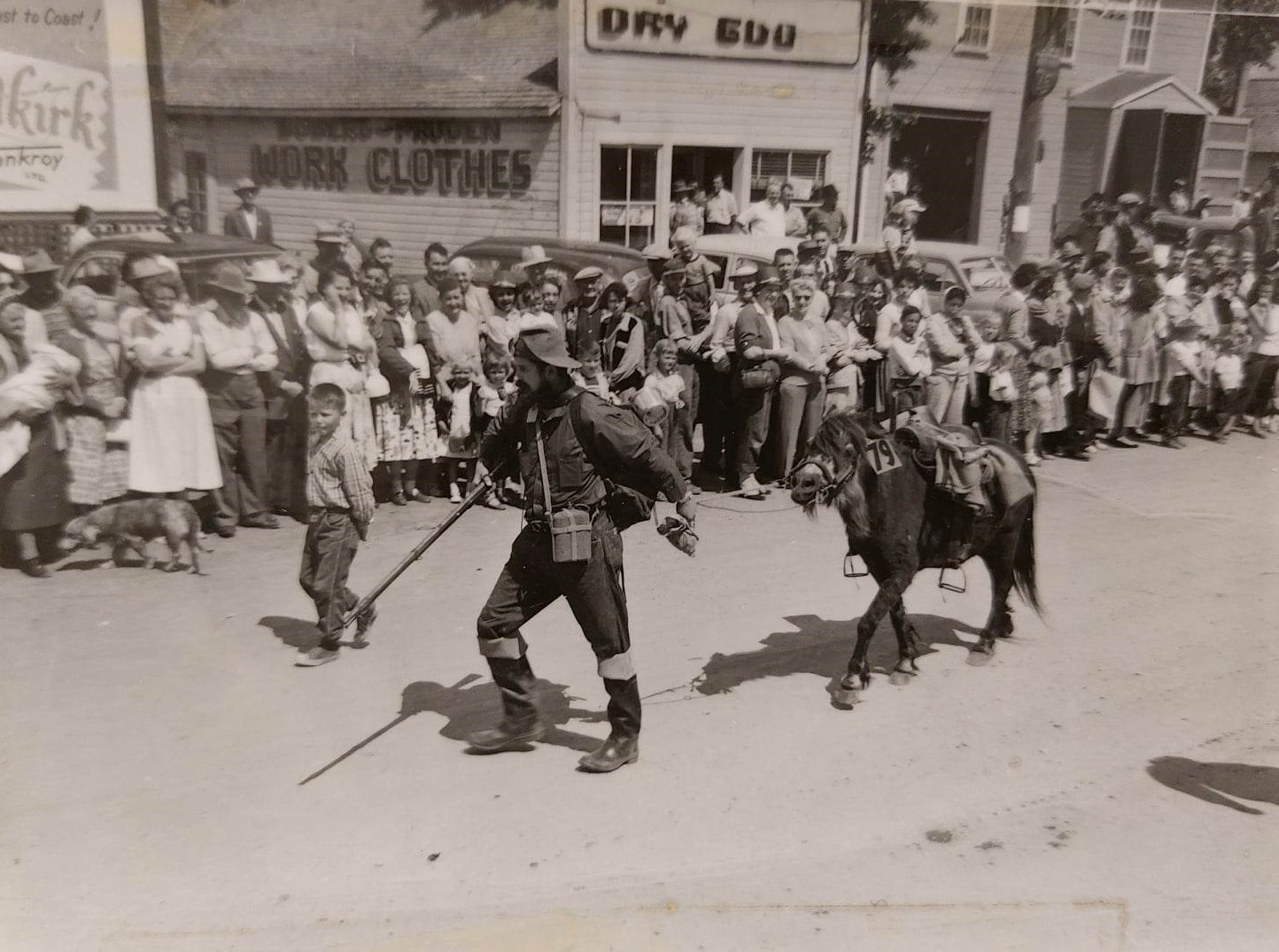
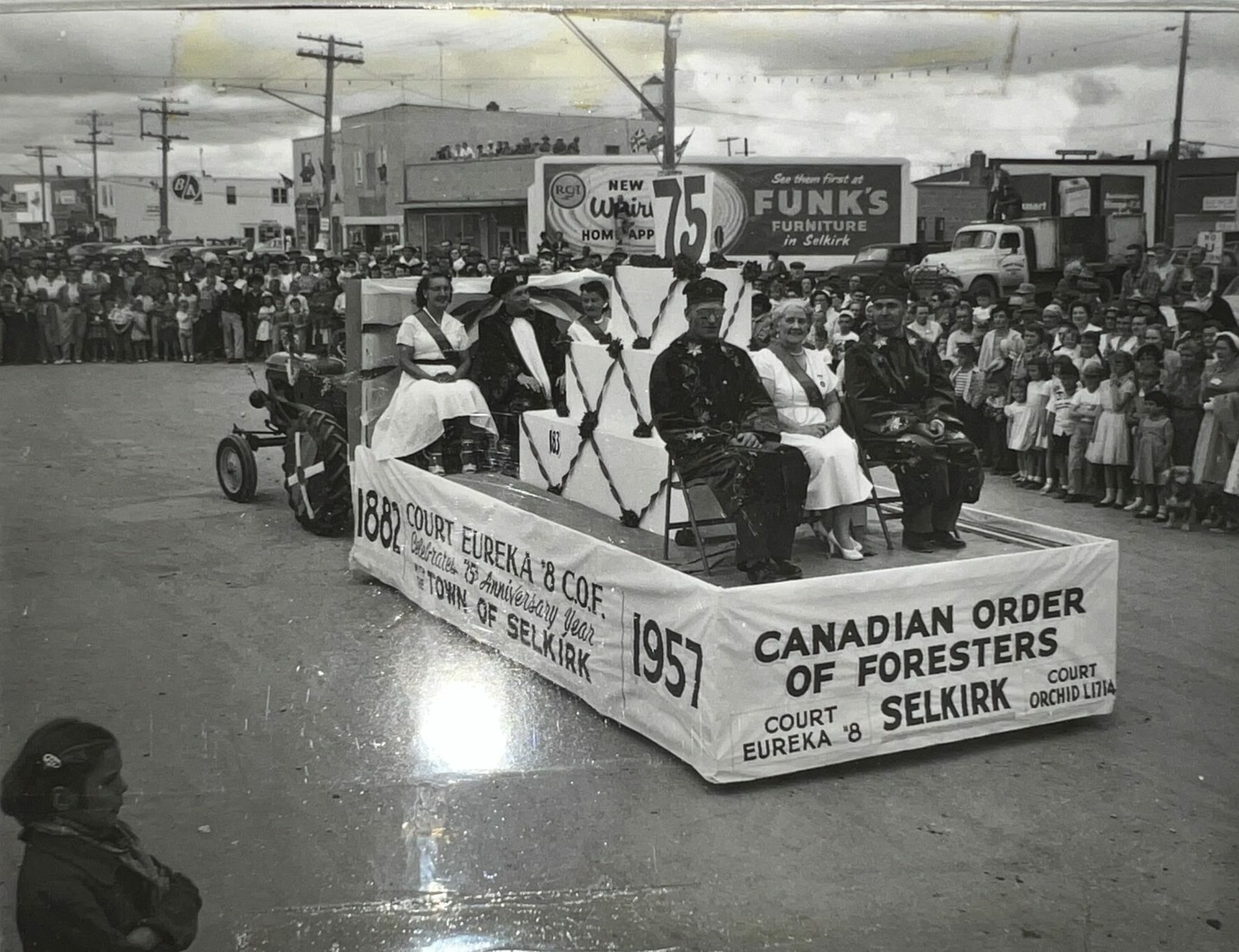
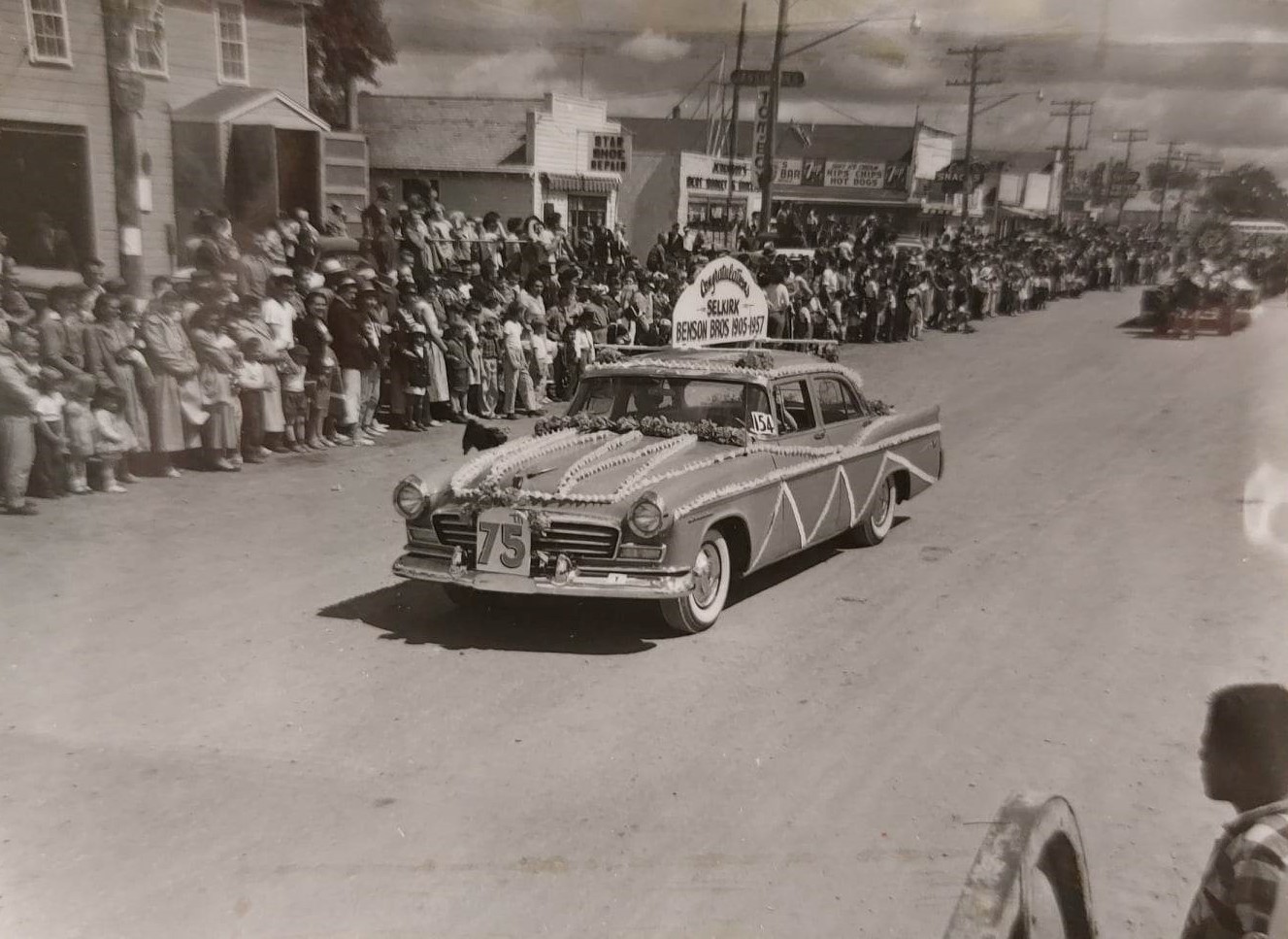
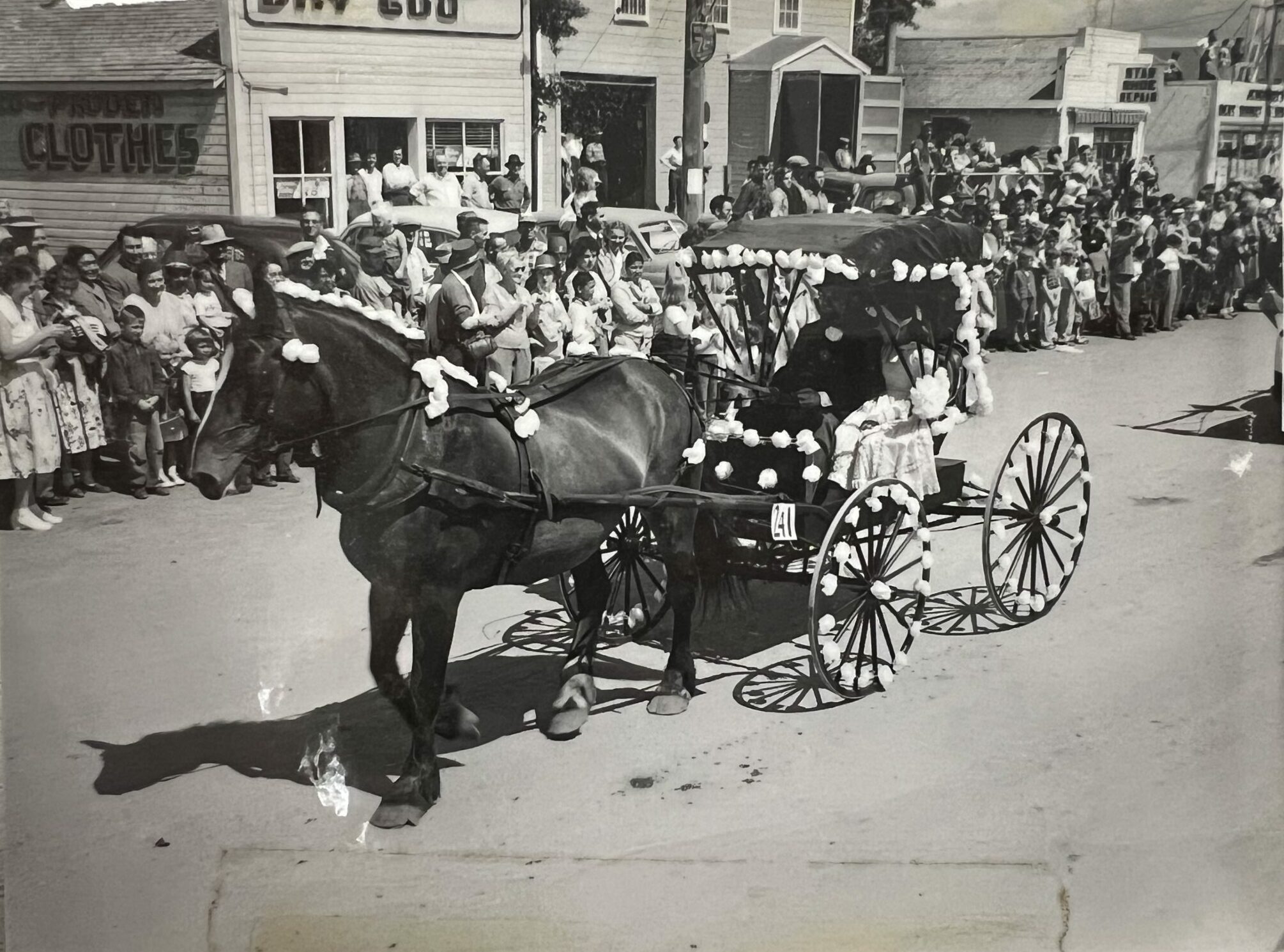
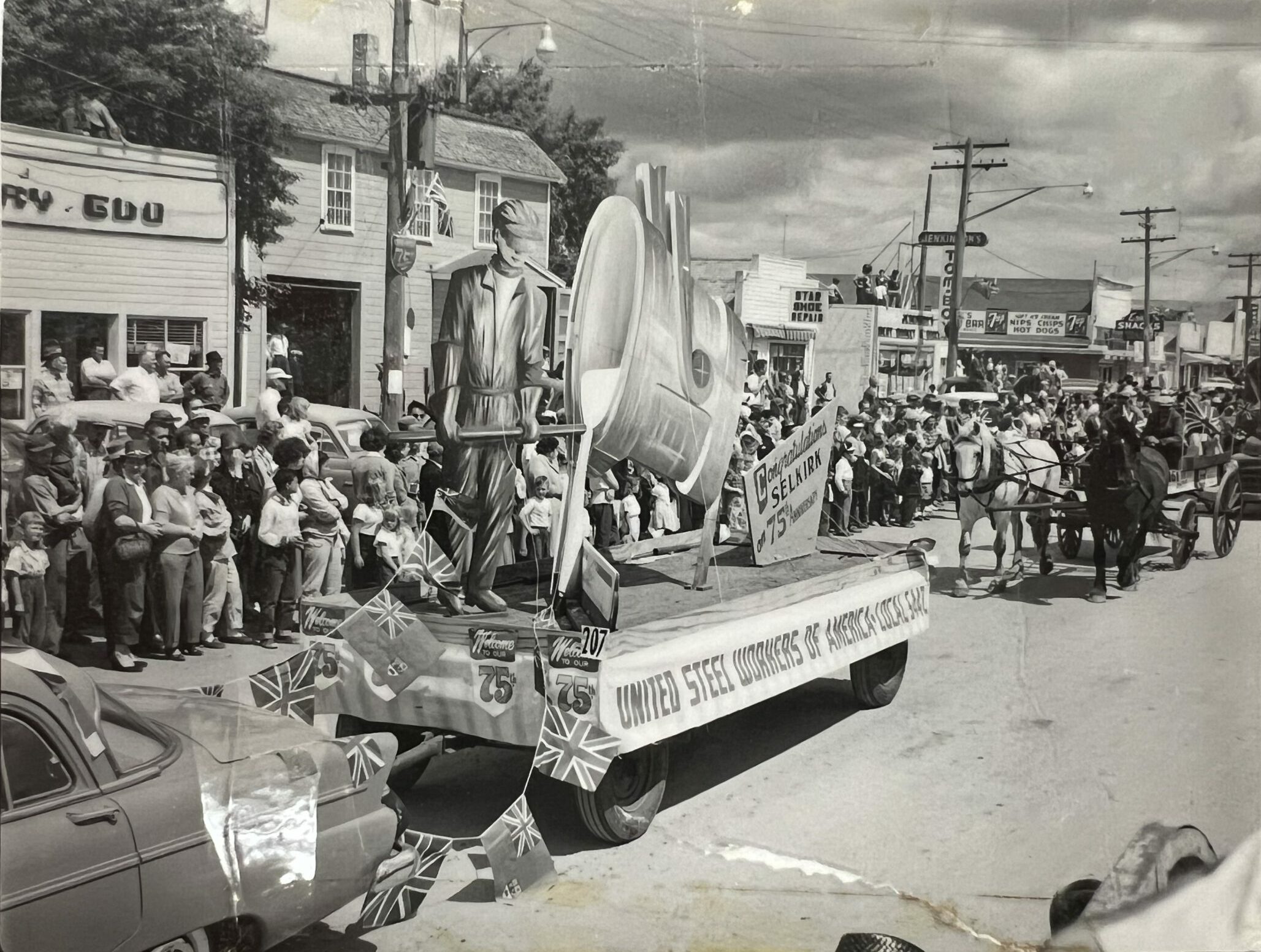
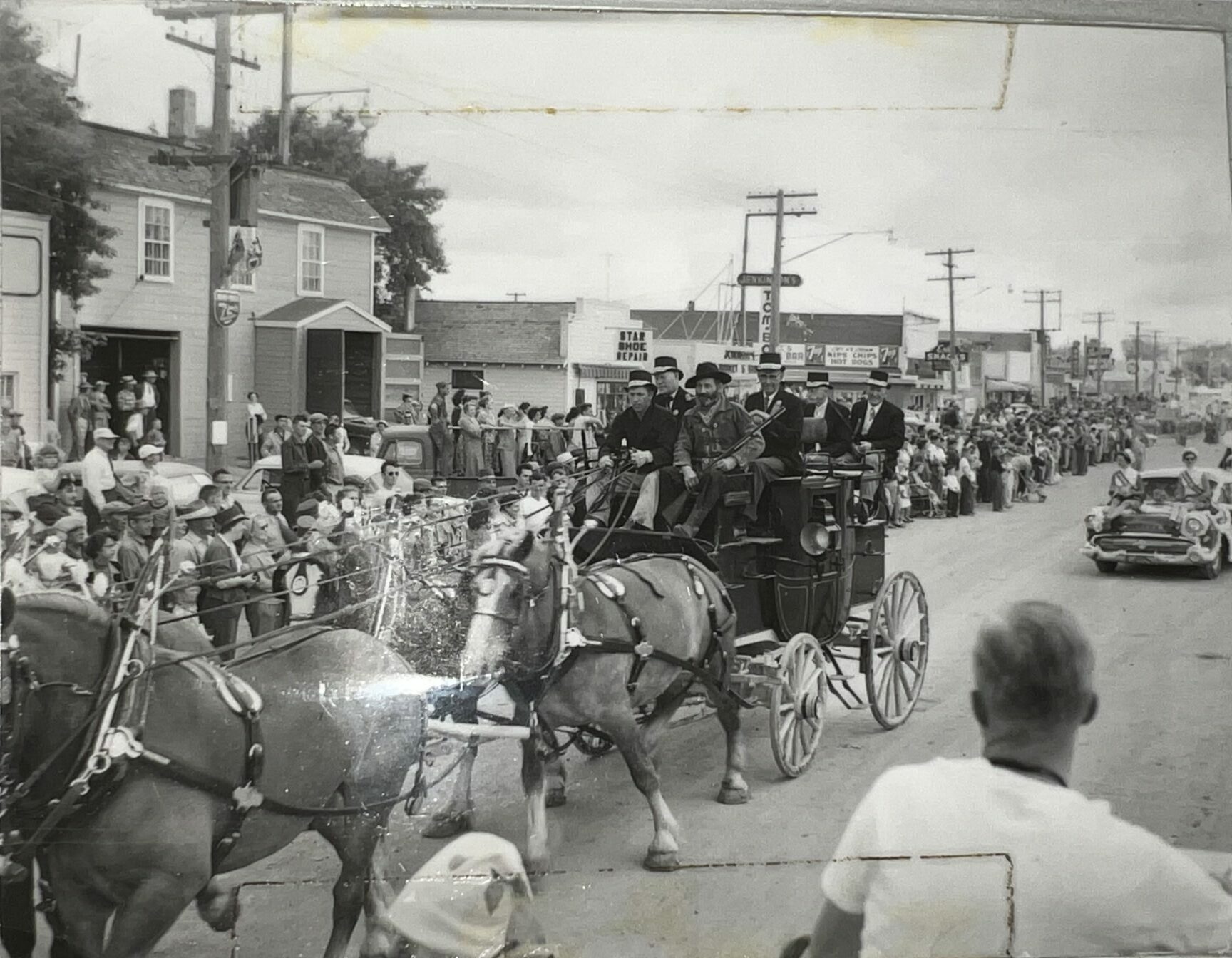
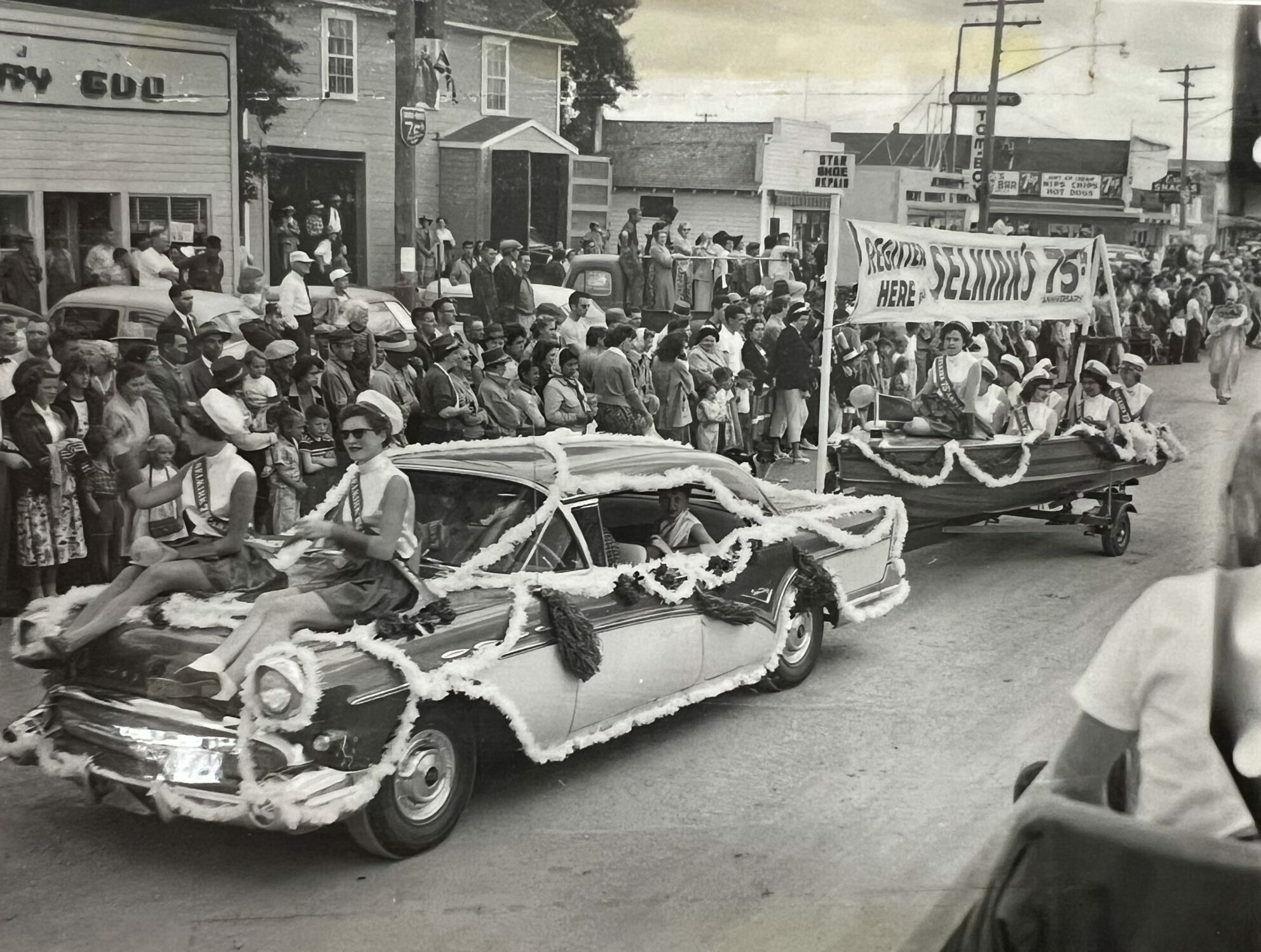
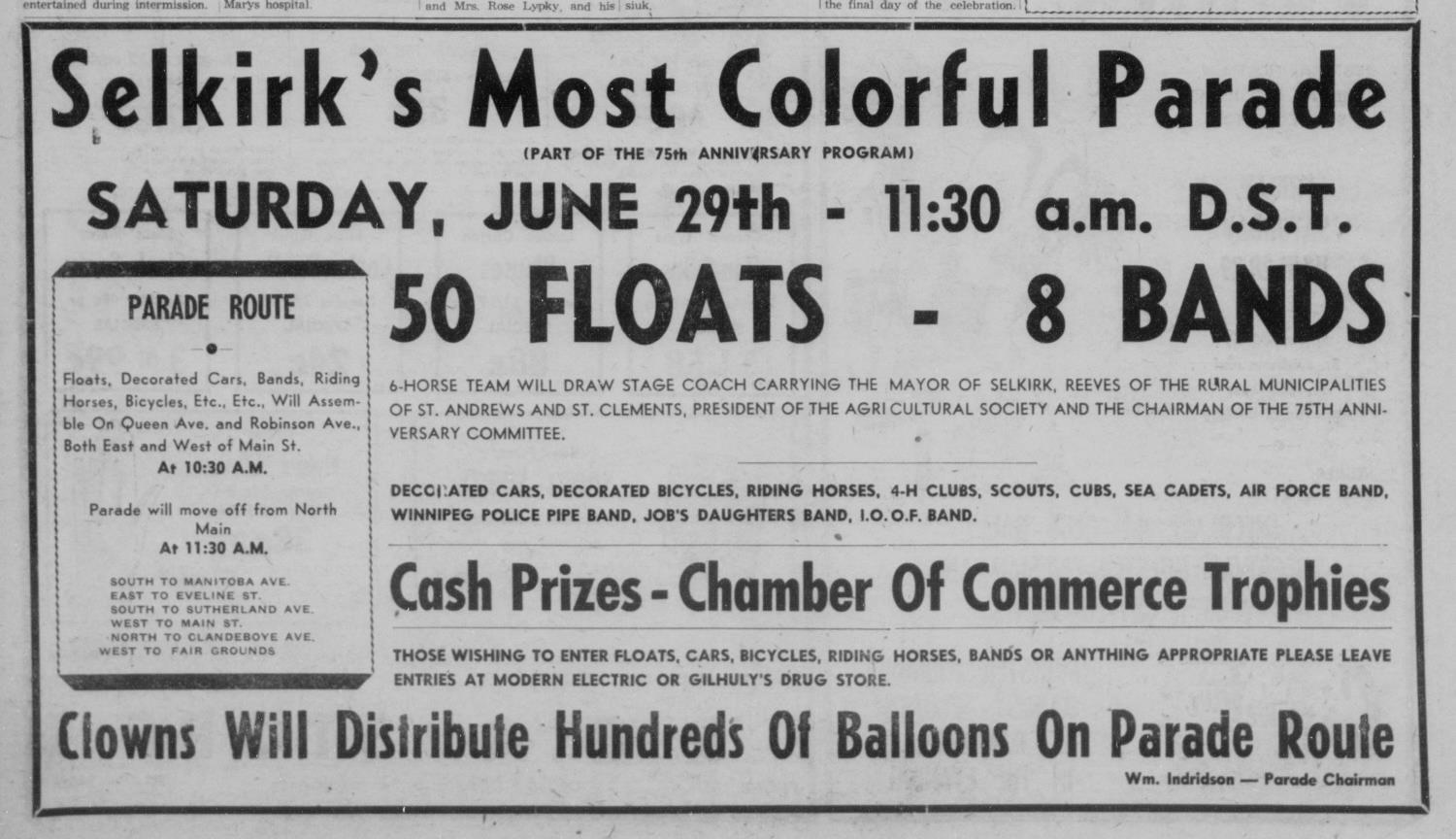
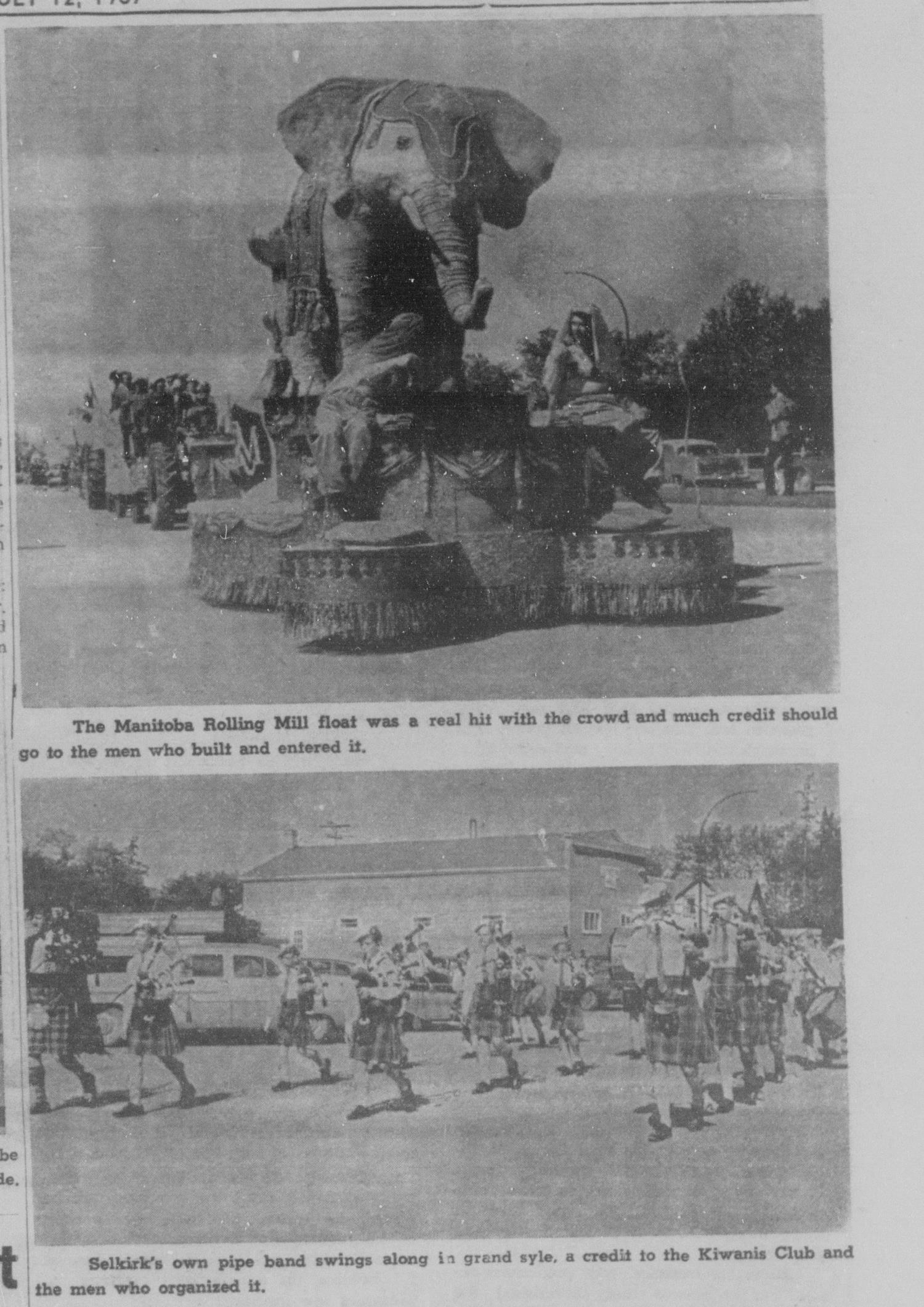
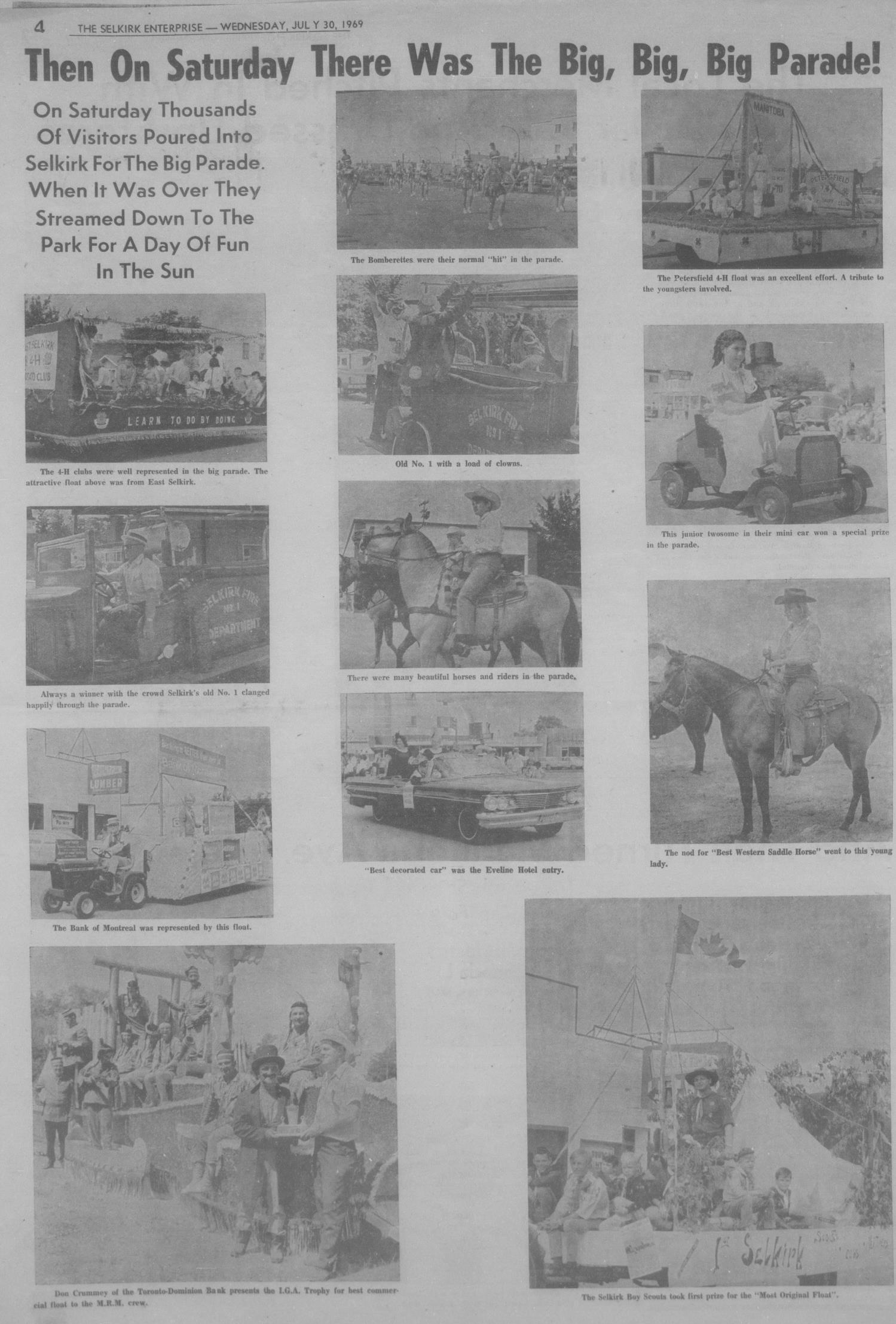
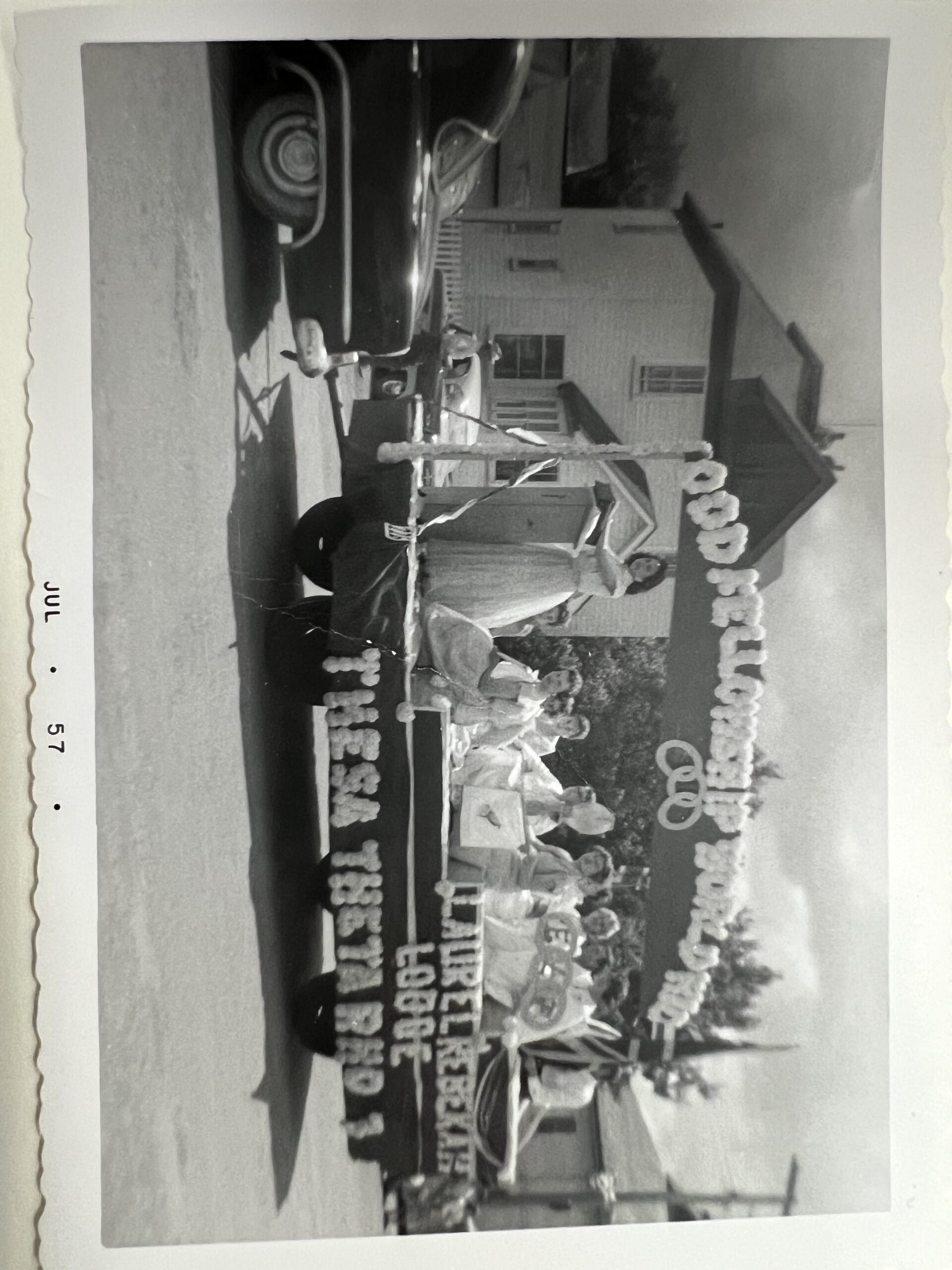
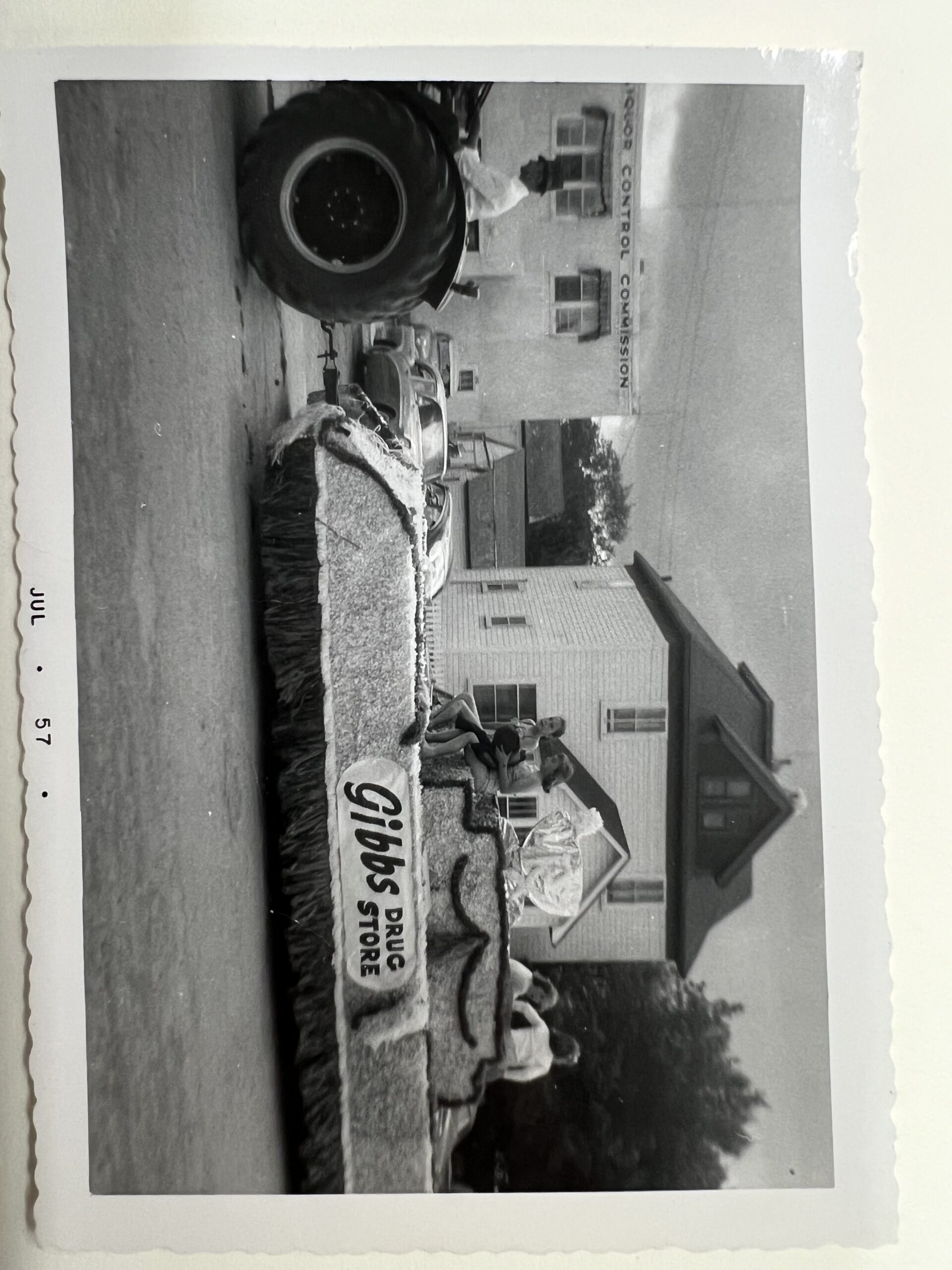
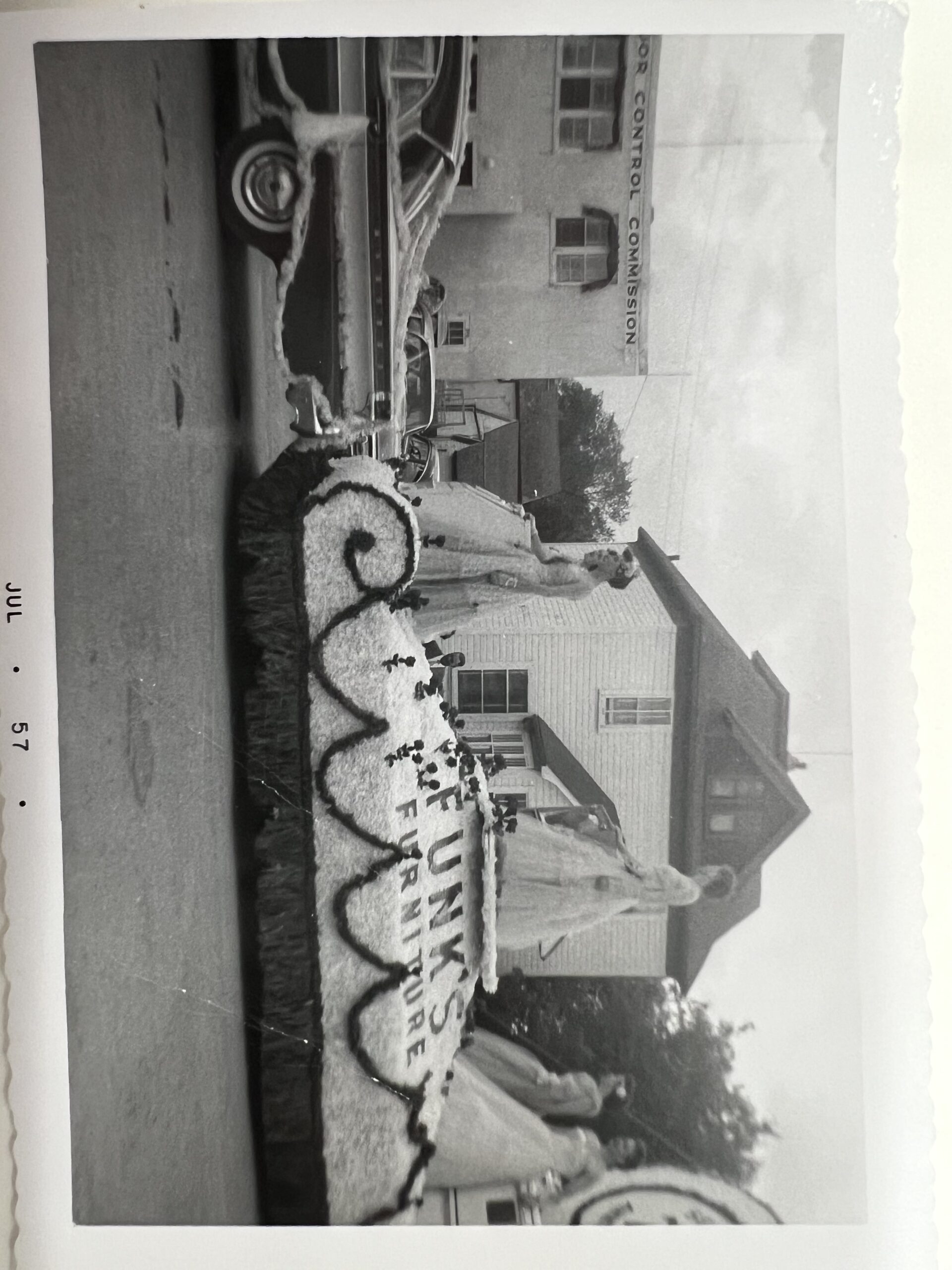
Selkirk’s 75th anniversary in 1957 also featured a parade of more than 50 floats, with cash prizes handed out courtesy of the Chamber of Commerce.
The Fair Day Parade Tradition Begins
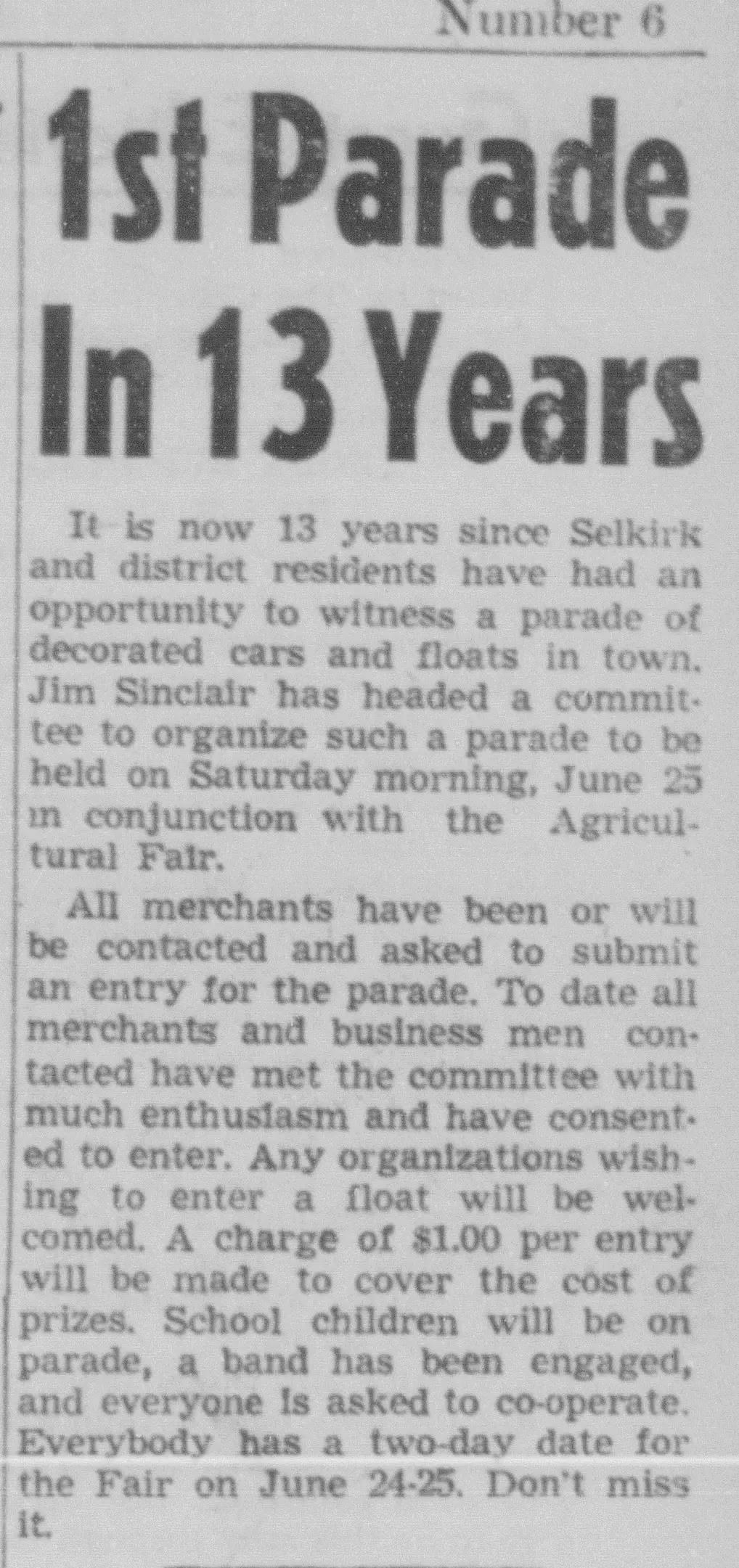
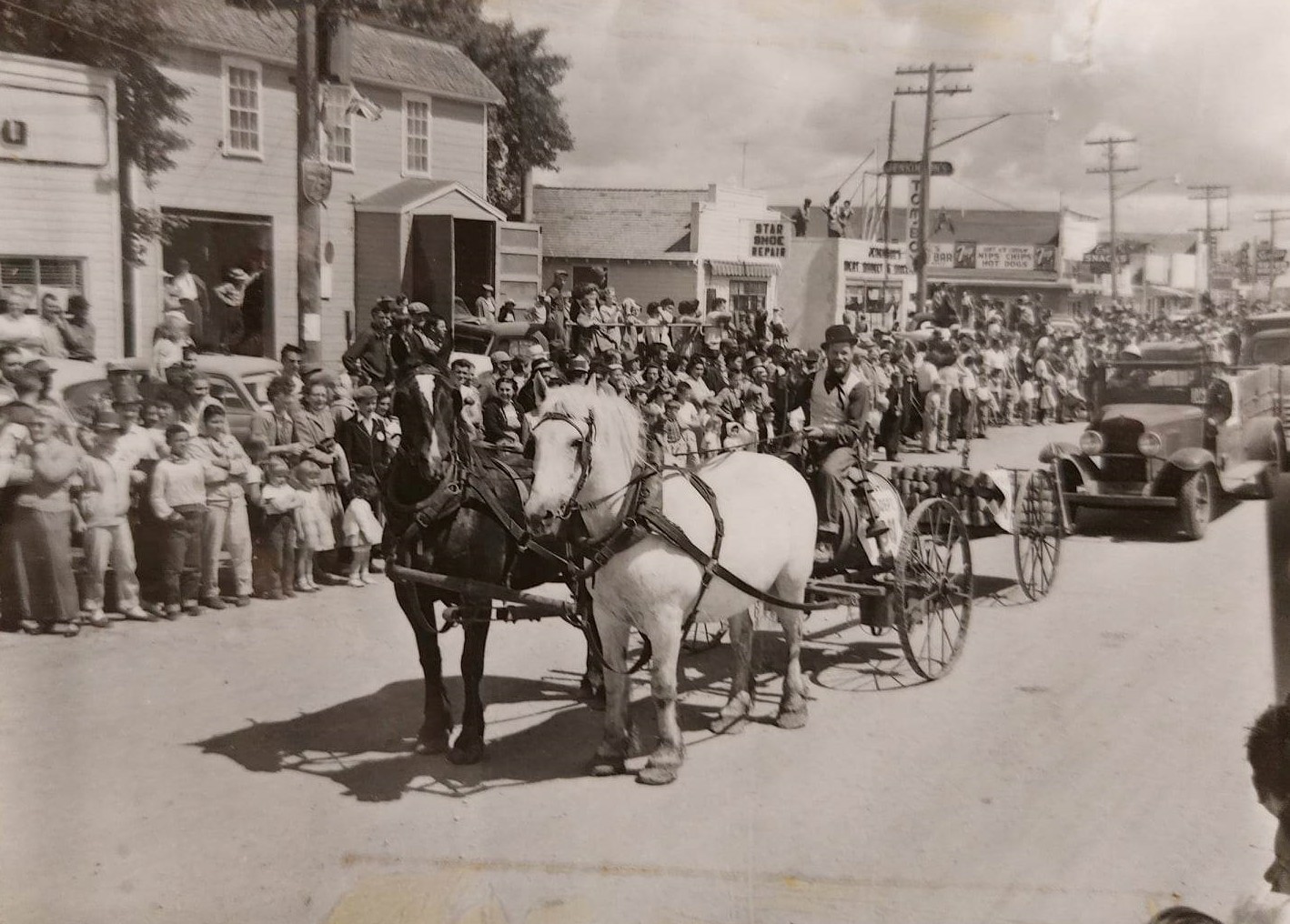
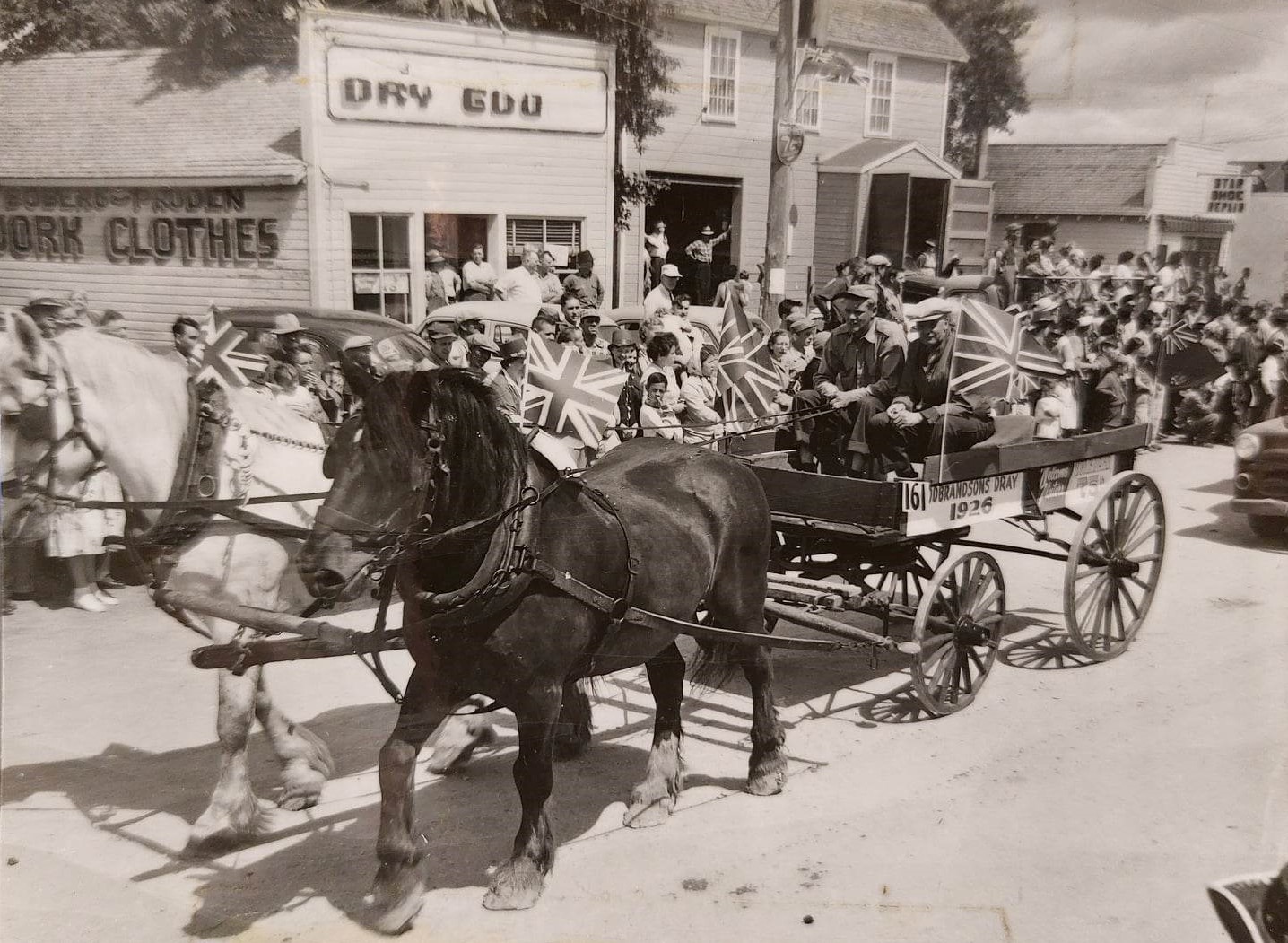
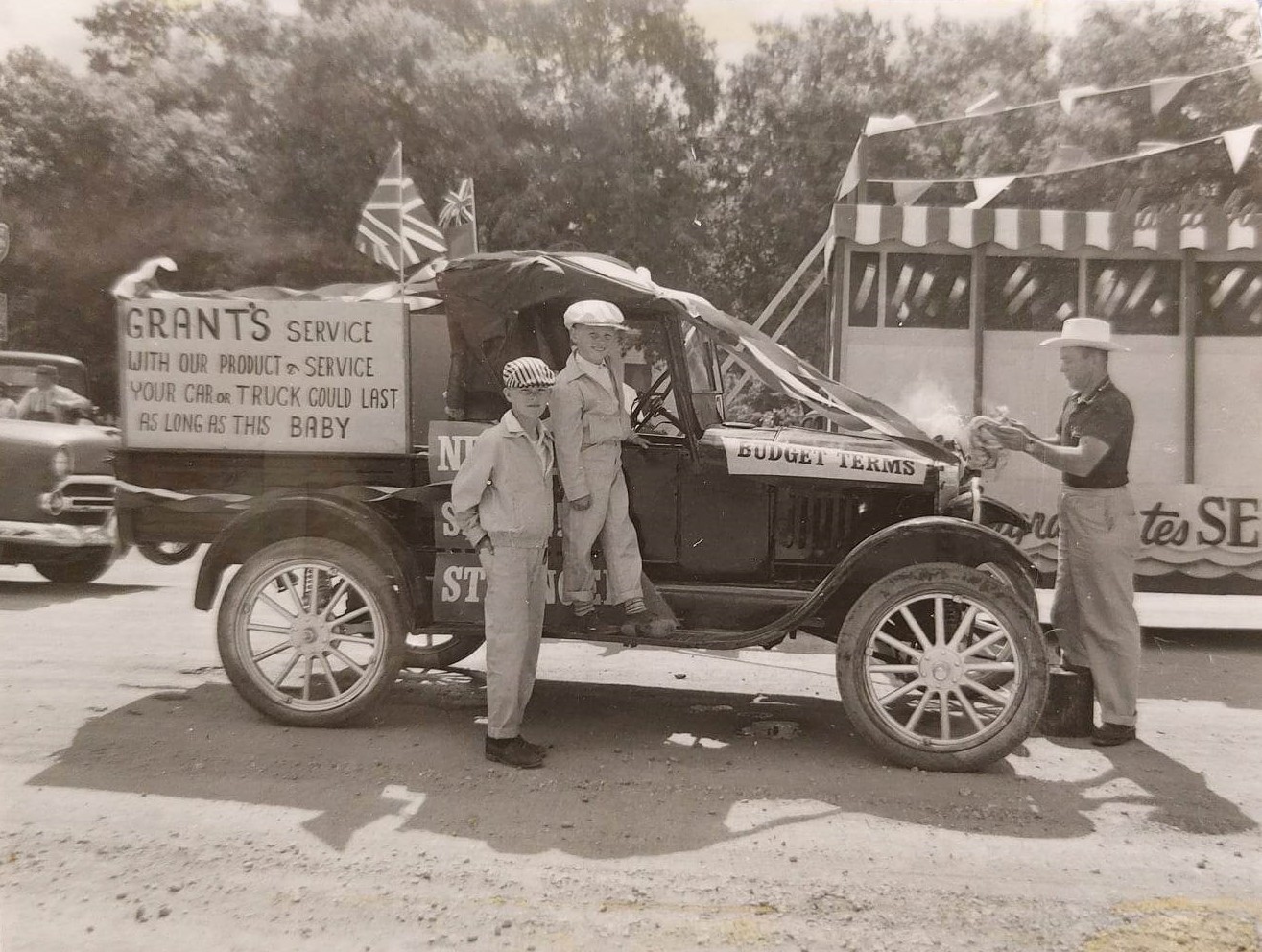
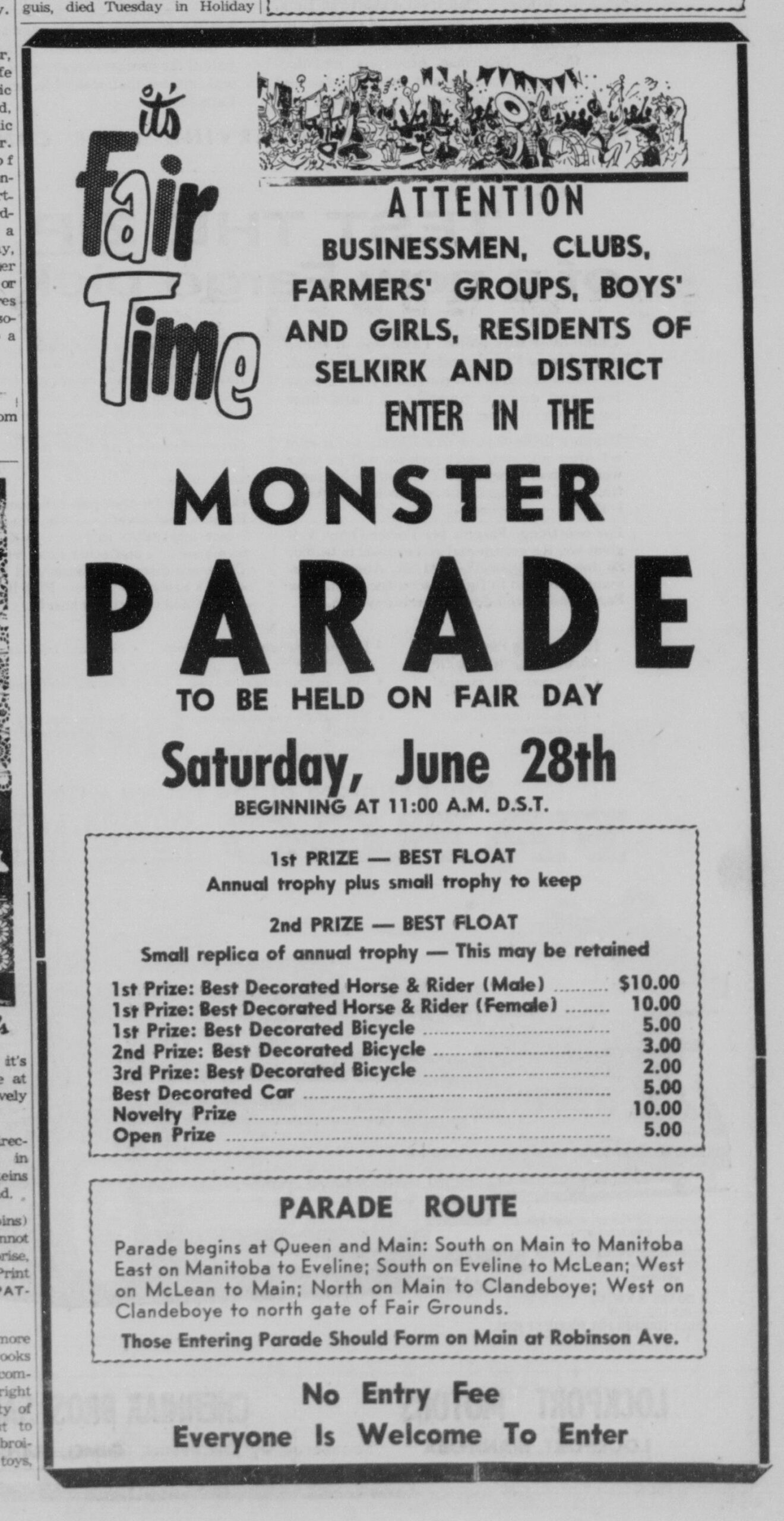
It was in 1949 that yearly parades began to coincide with the Agricultural Fair weekend.
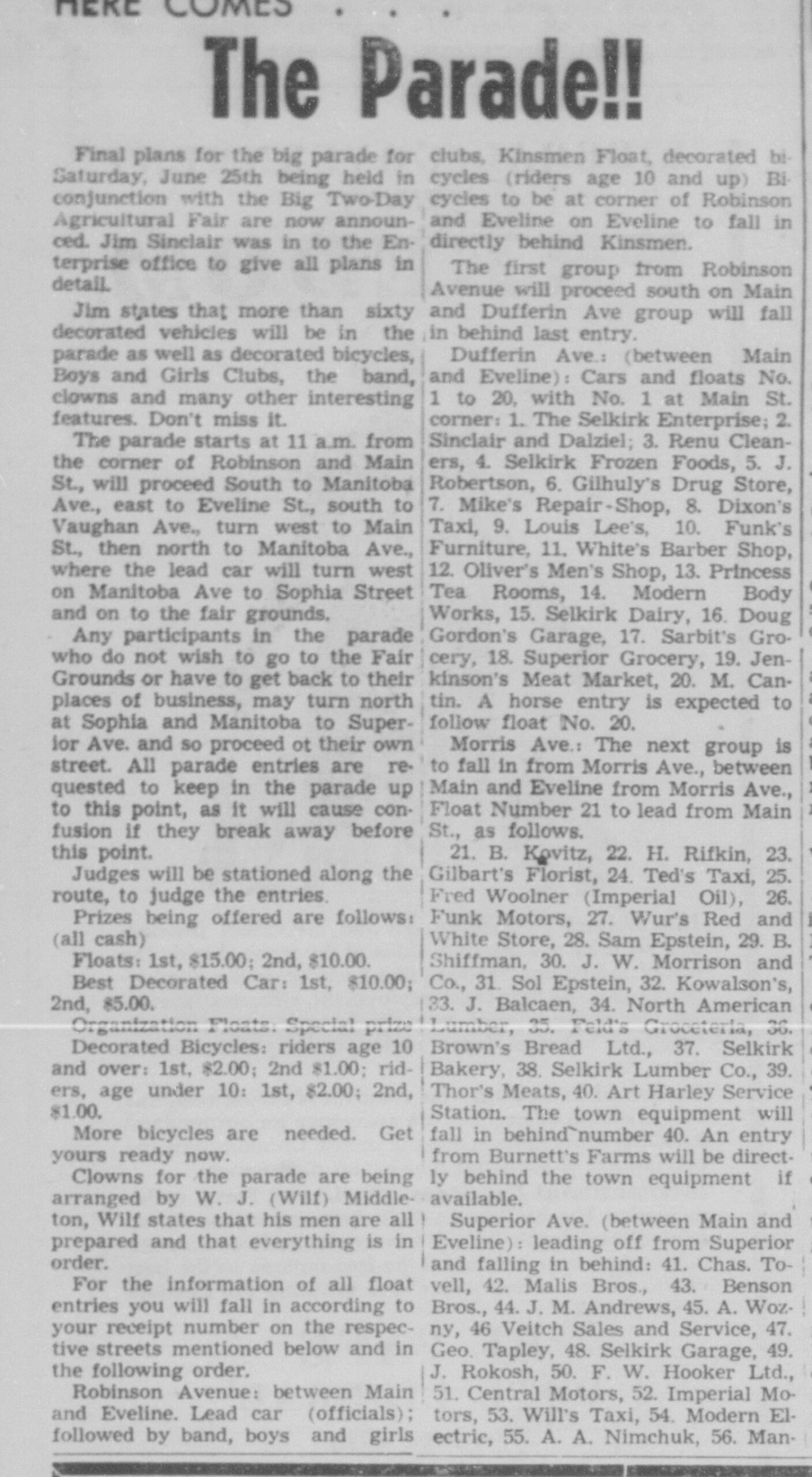
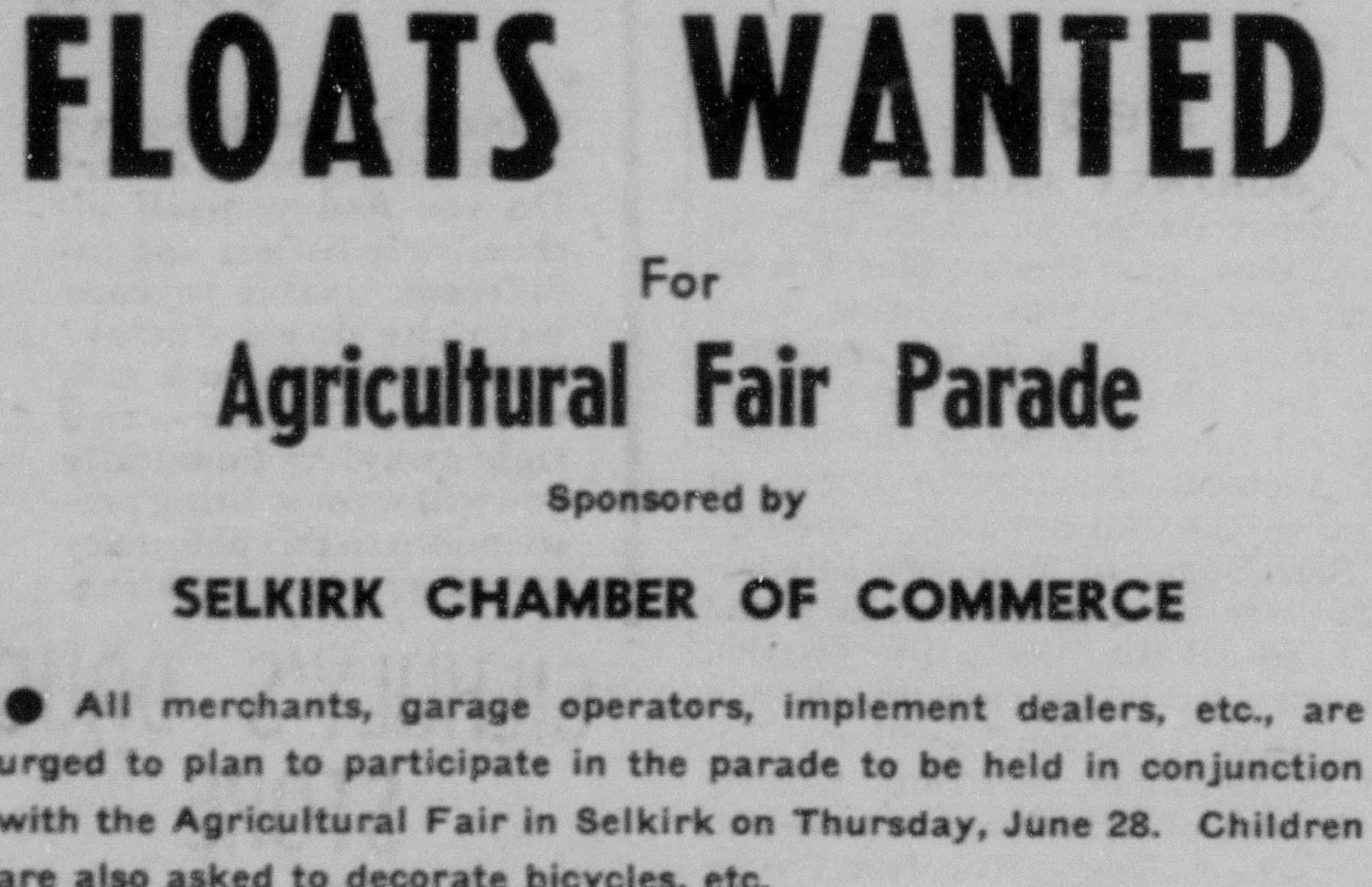
The first annual Fair Day Parade took place on the morning of June 23, with community members once again invited to participate. Floats were welcomed for an entry fee of $1 each, with proceeds used to cover the cost of prizes.
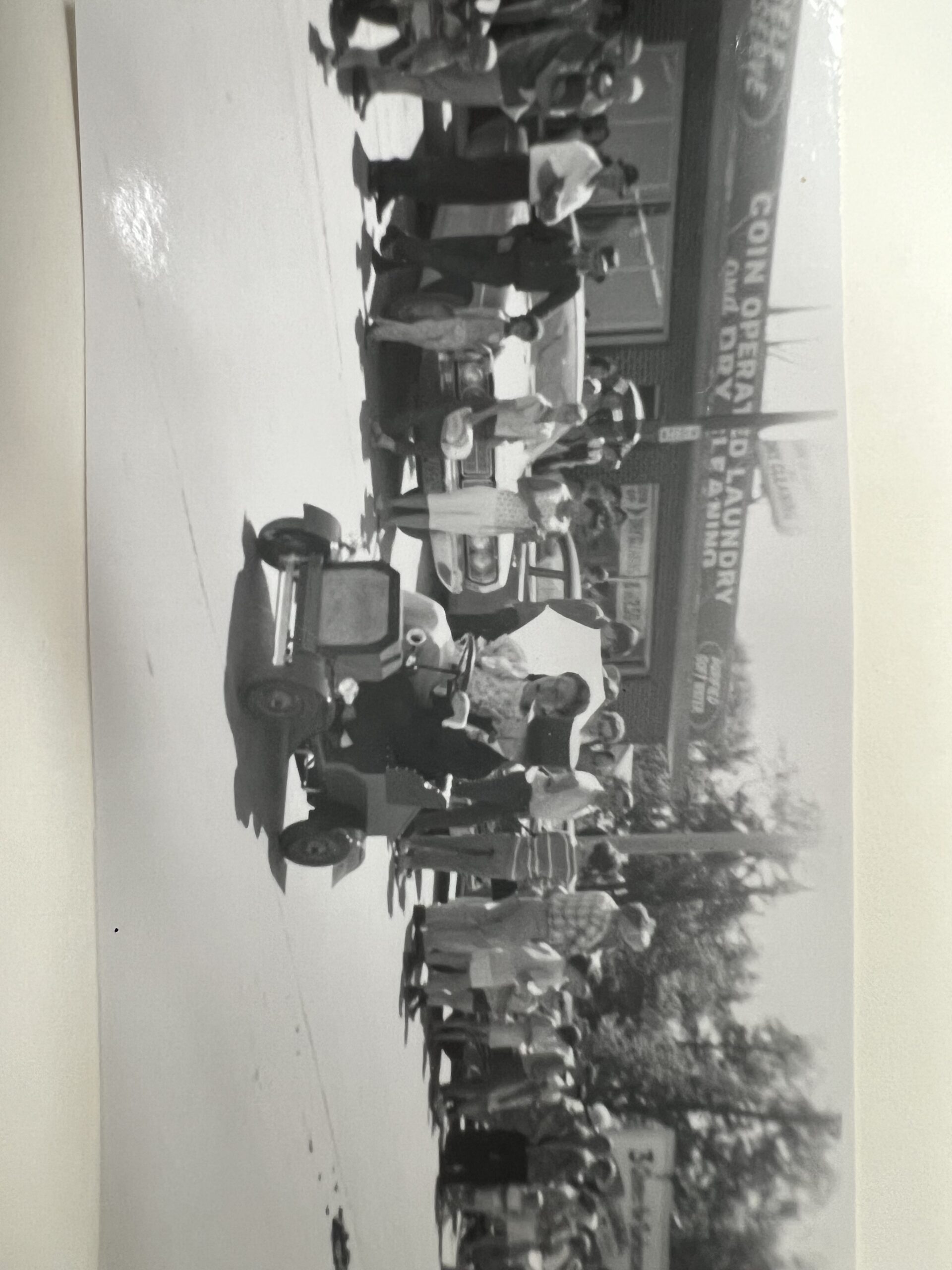
The parade was chaired by Jim Sinclair and featured an array of decorated cars, bikes, and more than 60 vehicles in total.
The parade route travelled from Robinson Avenue and Main Street toward Manitoba Avenue, then along Eveline Street to Vaughan Avenue, back toward Manitoba Avenue, and eventually ended at the fairgrounds in Selkirk Park. Judges were situated along the route and awarded cash prizes to their favourite entries.
Winners from the 1949 parade included:
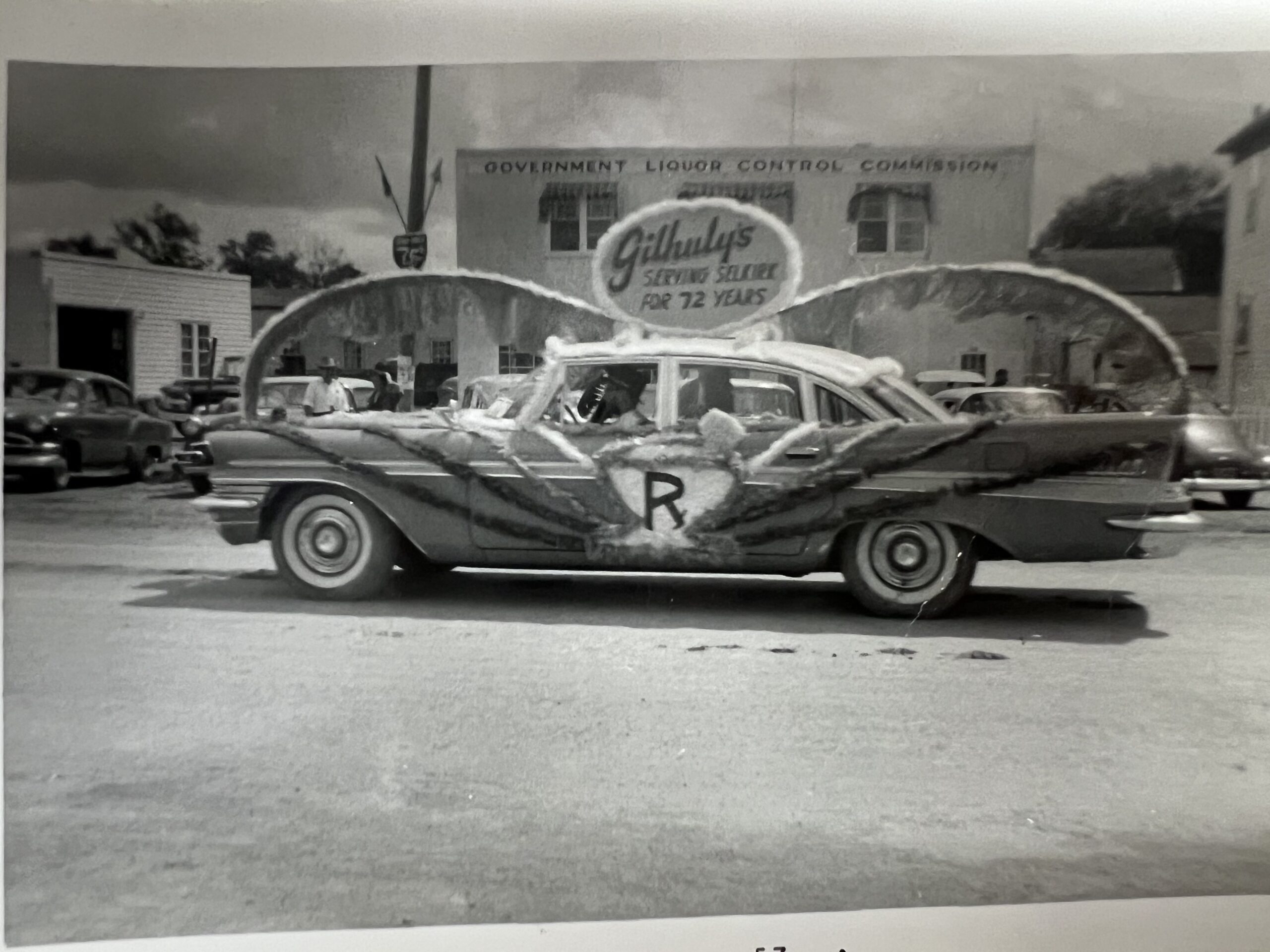
Best Decorated Car- Gilbert Florist, winning $10
Best Decorated Float- “Local Talent” sponsored by Jenkinson’s Meat Market, winning $15
Best Decorated Bikes- Irene Nordal and Mary Lou Johnson, each winning $2
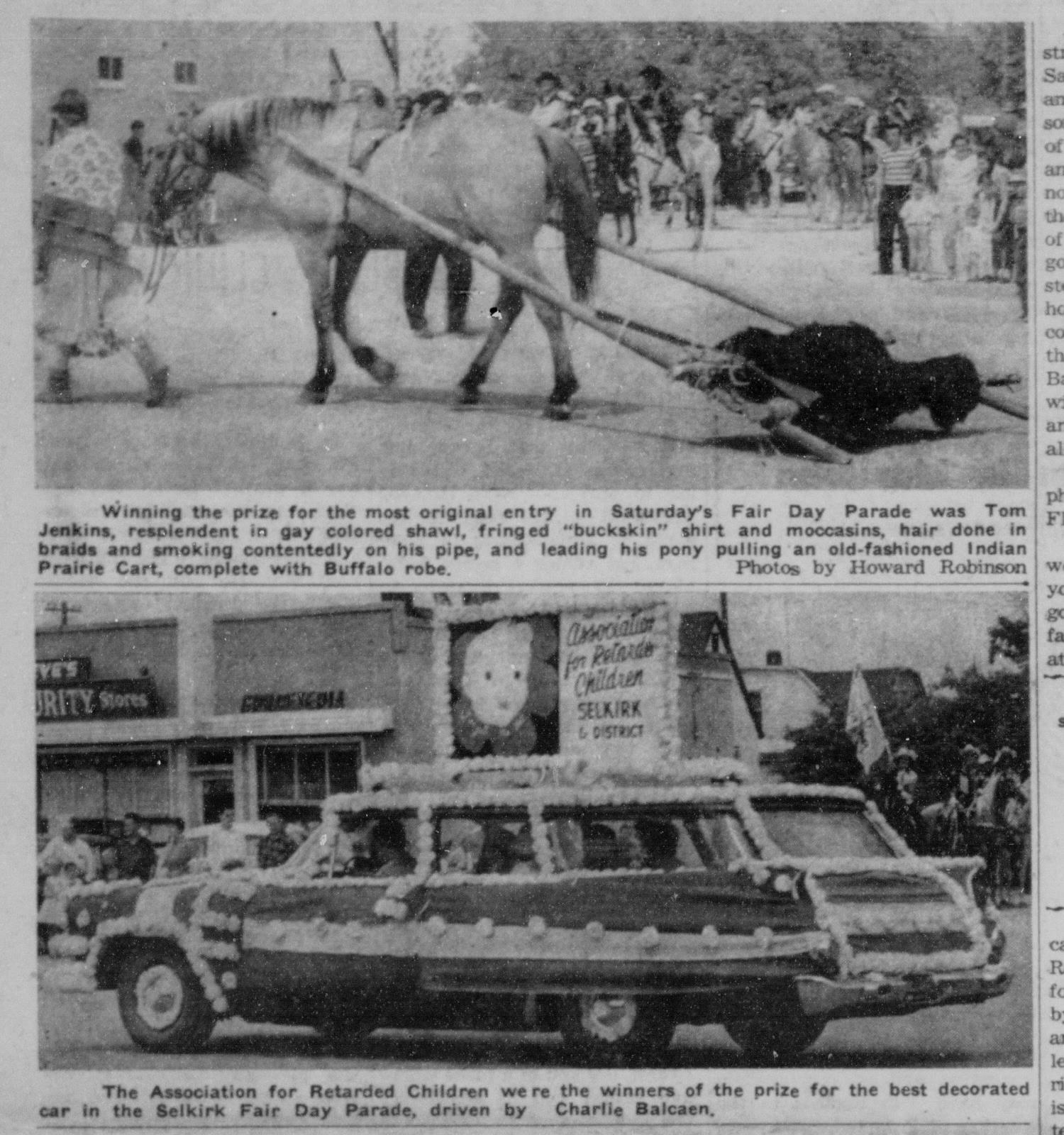
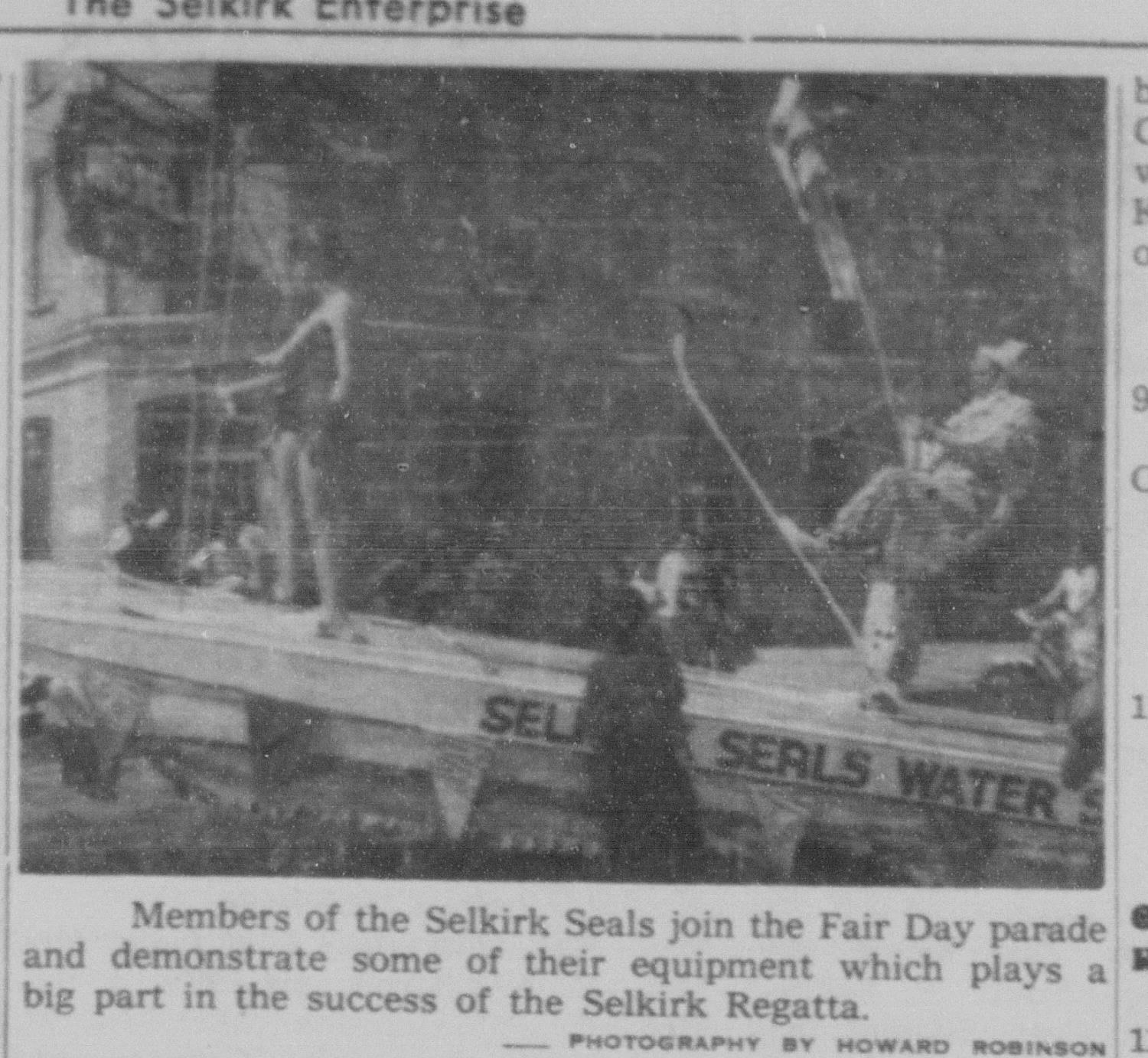
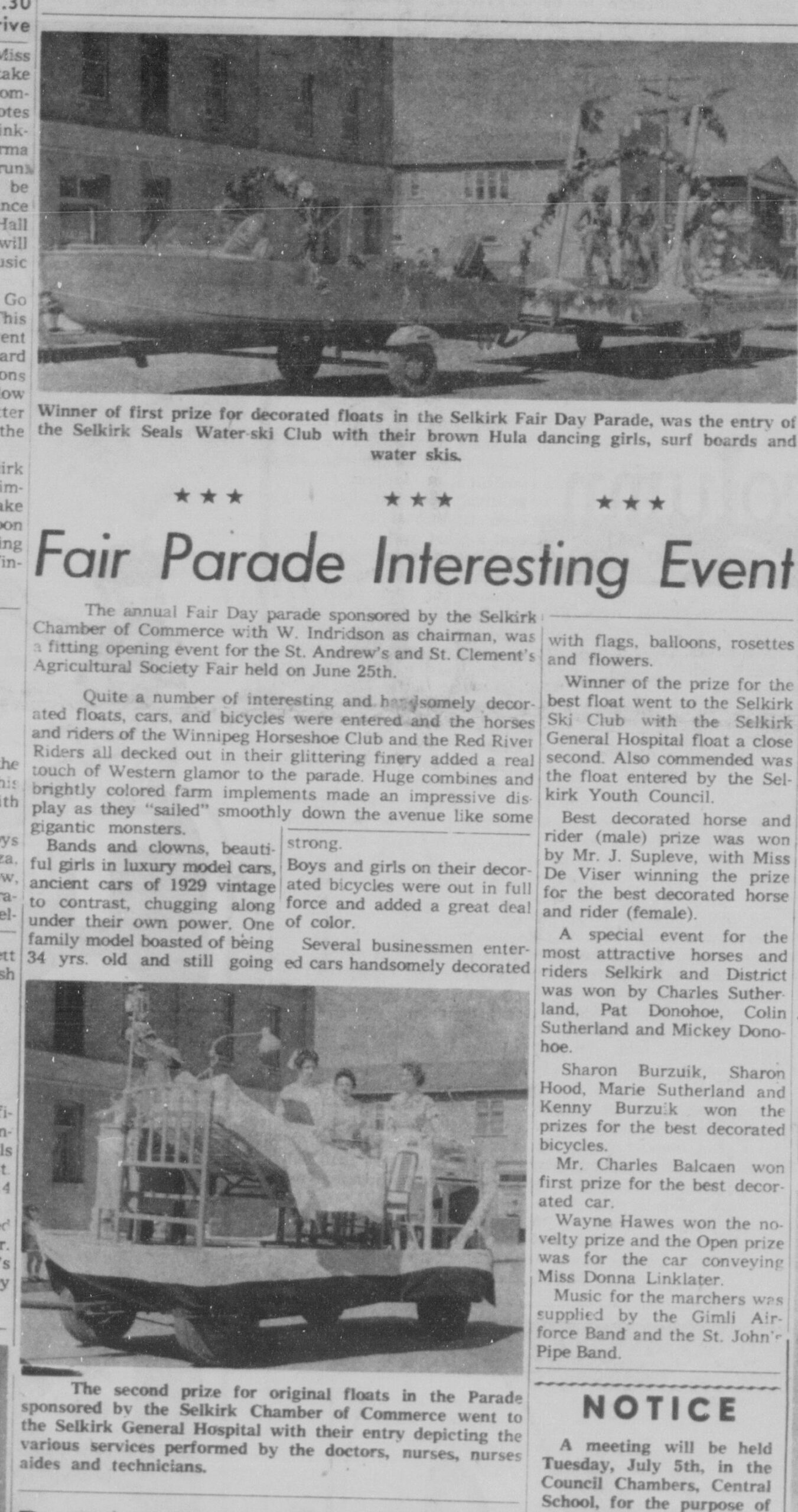
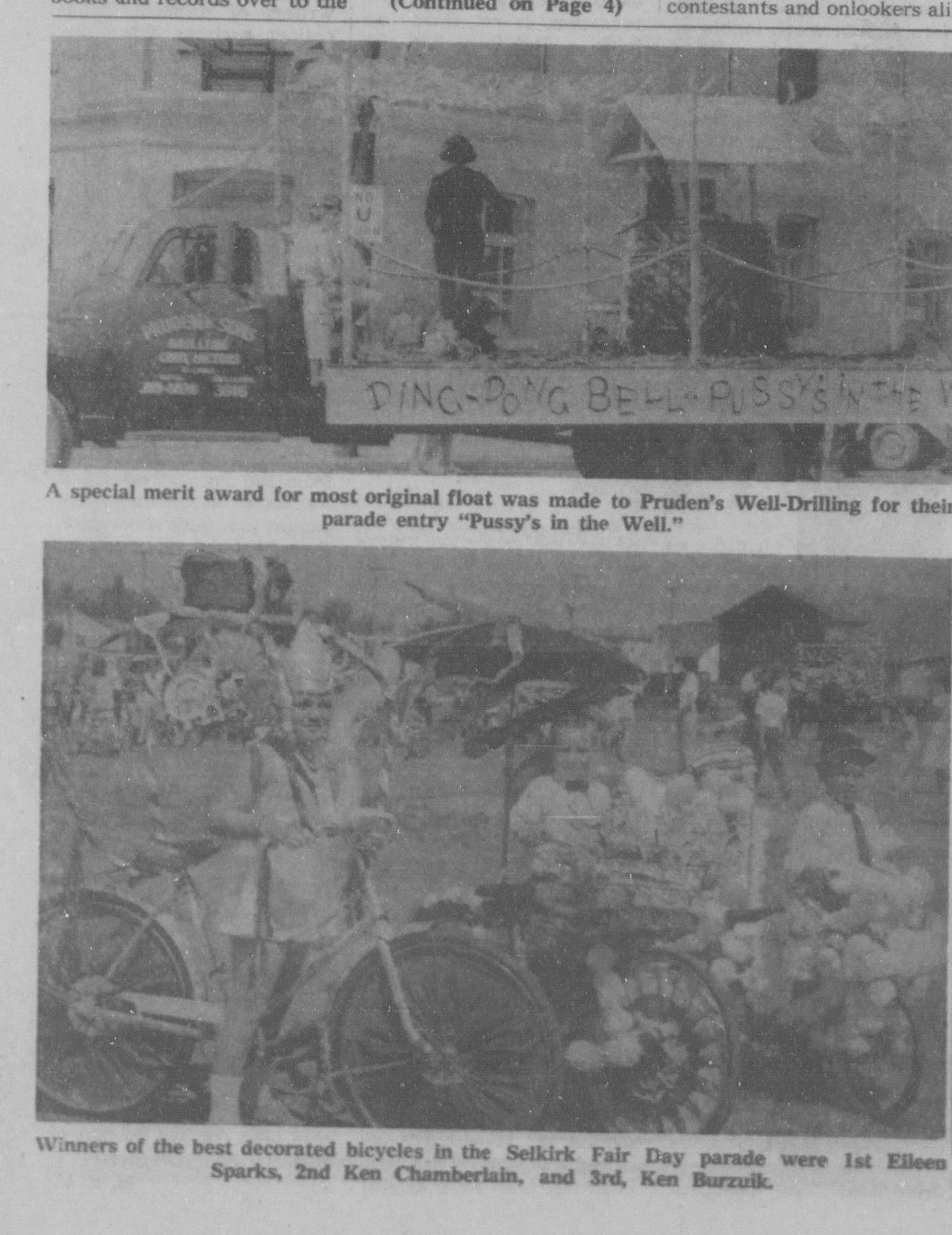
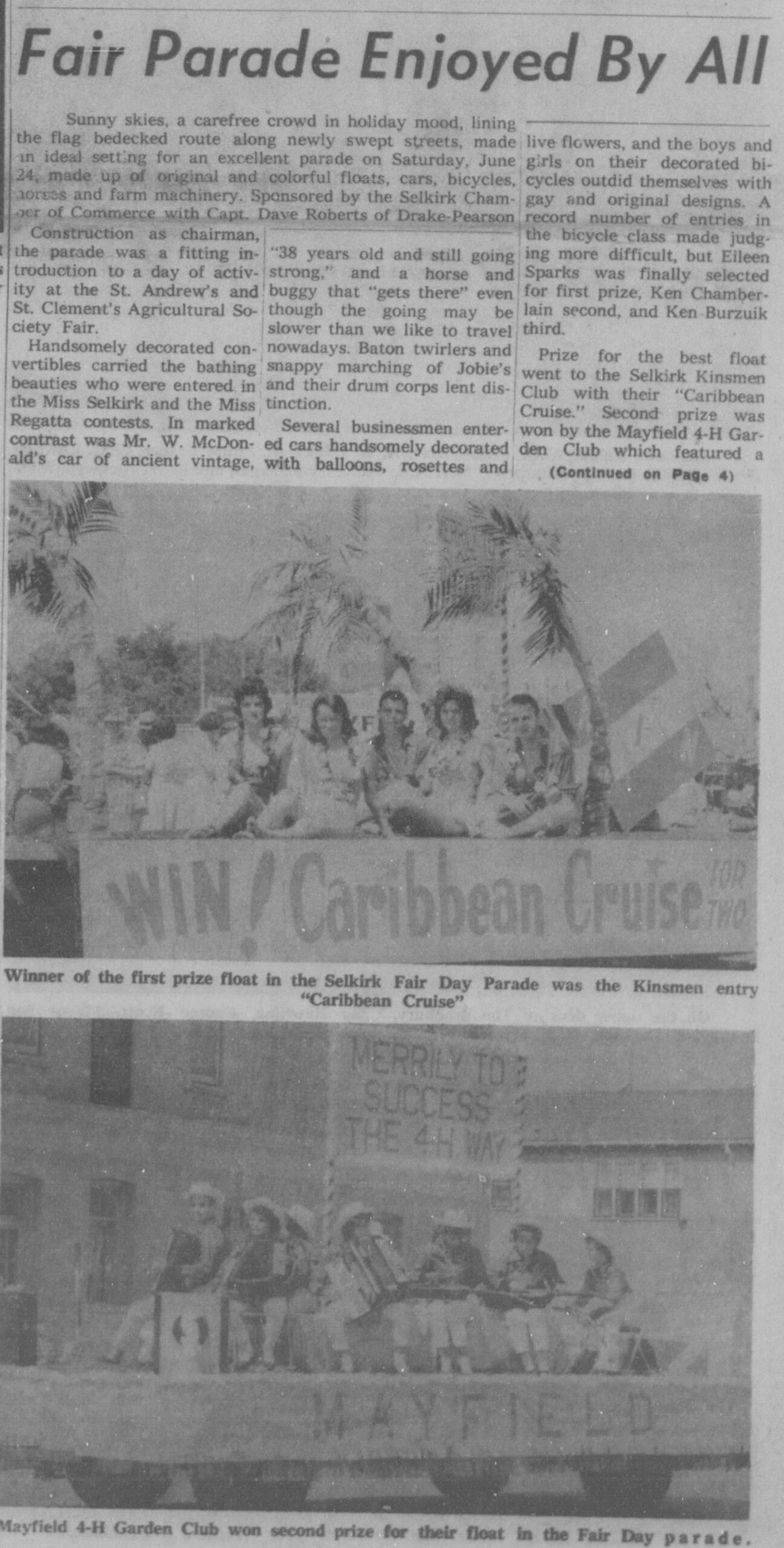
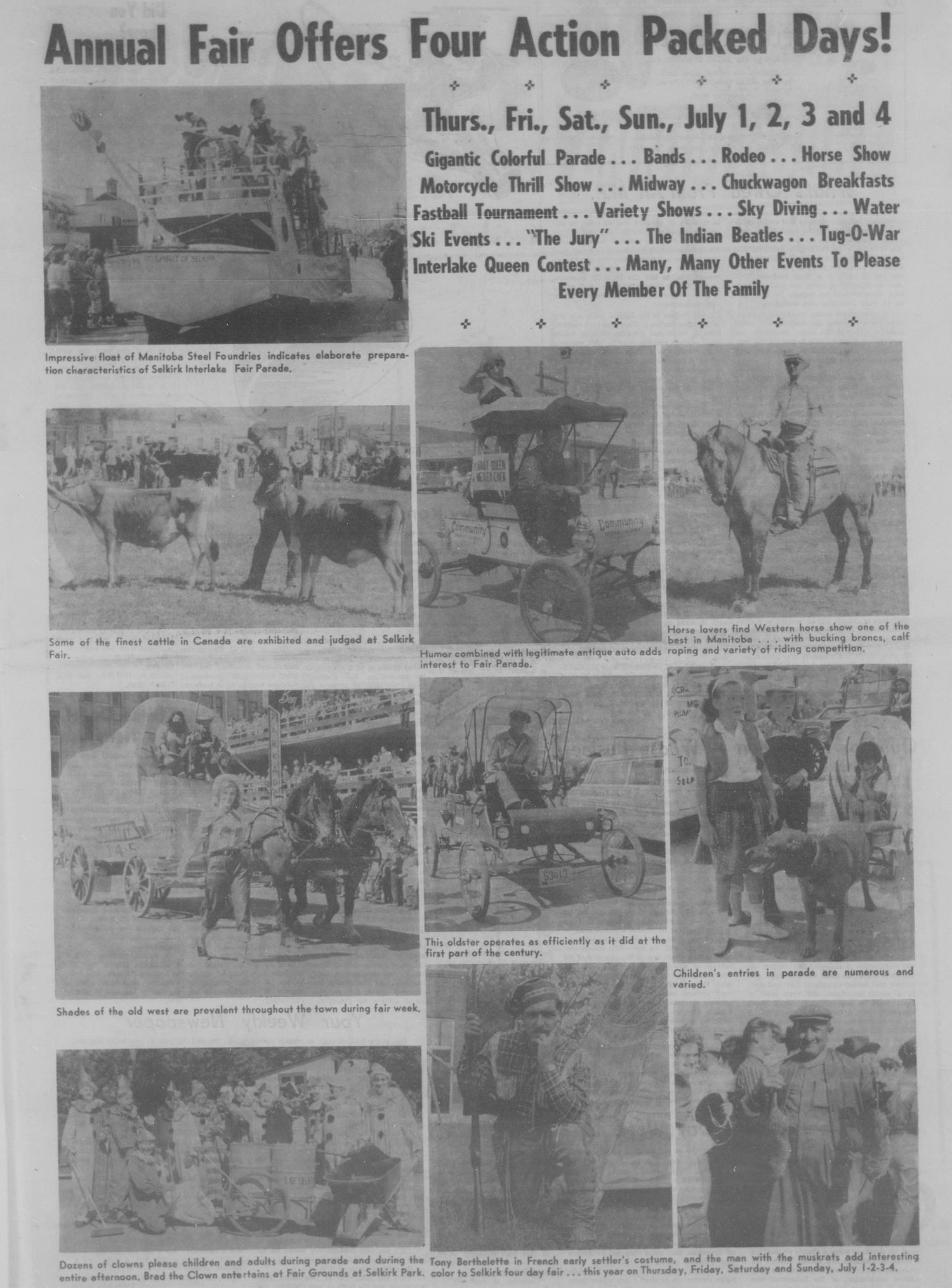
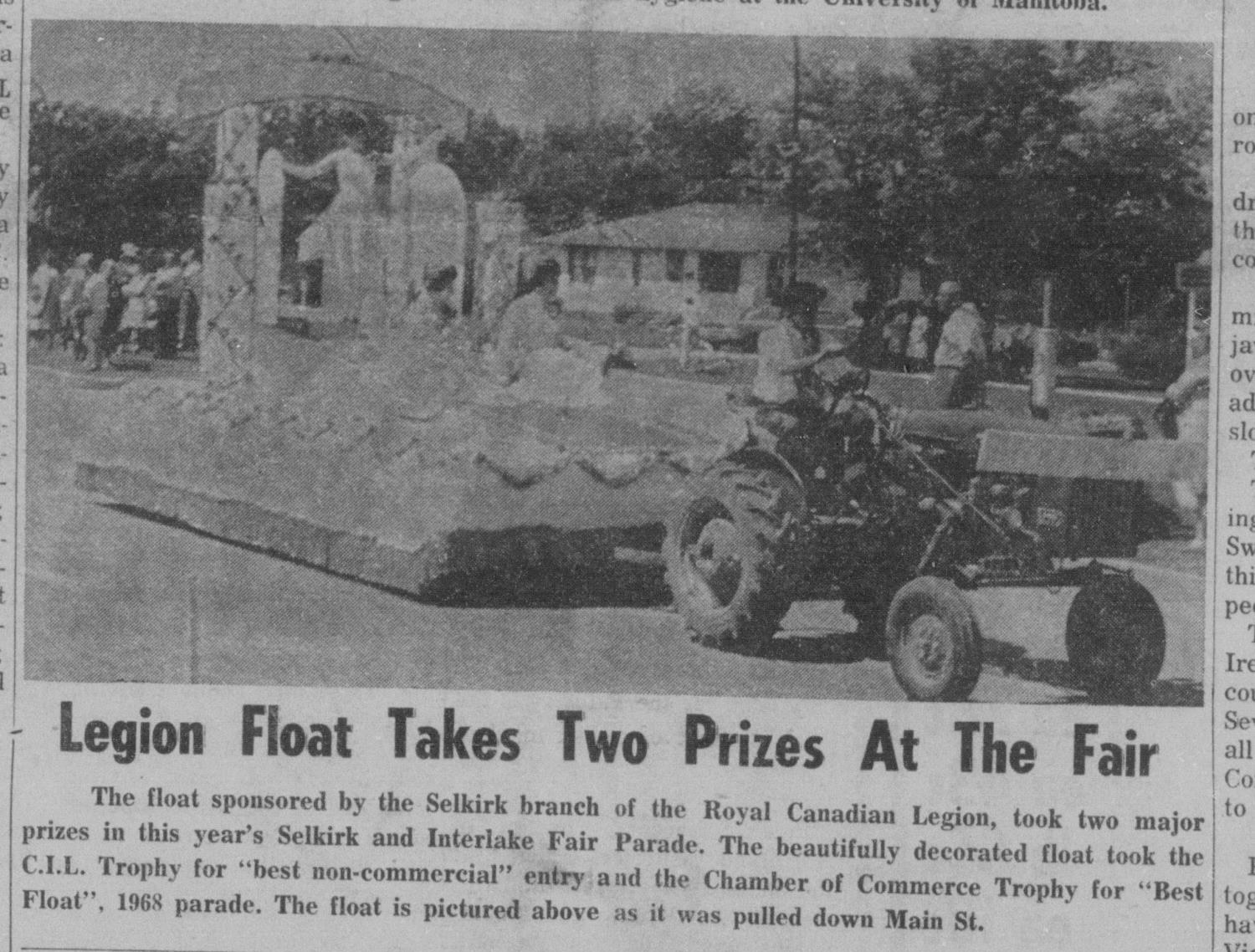
The annual fair parade remains a cherished community tradition that has stayed true to its roots. Over the years, little has changed beyond a few name and sponsorship changes, highlighting its enduring popularity.
Chamber of Commerce Takes the Lead
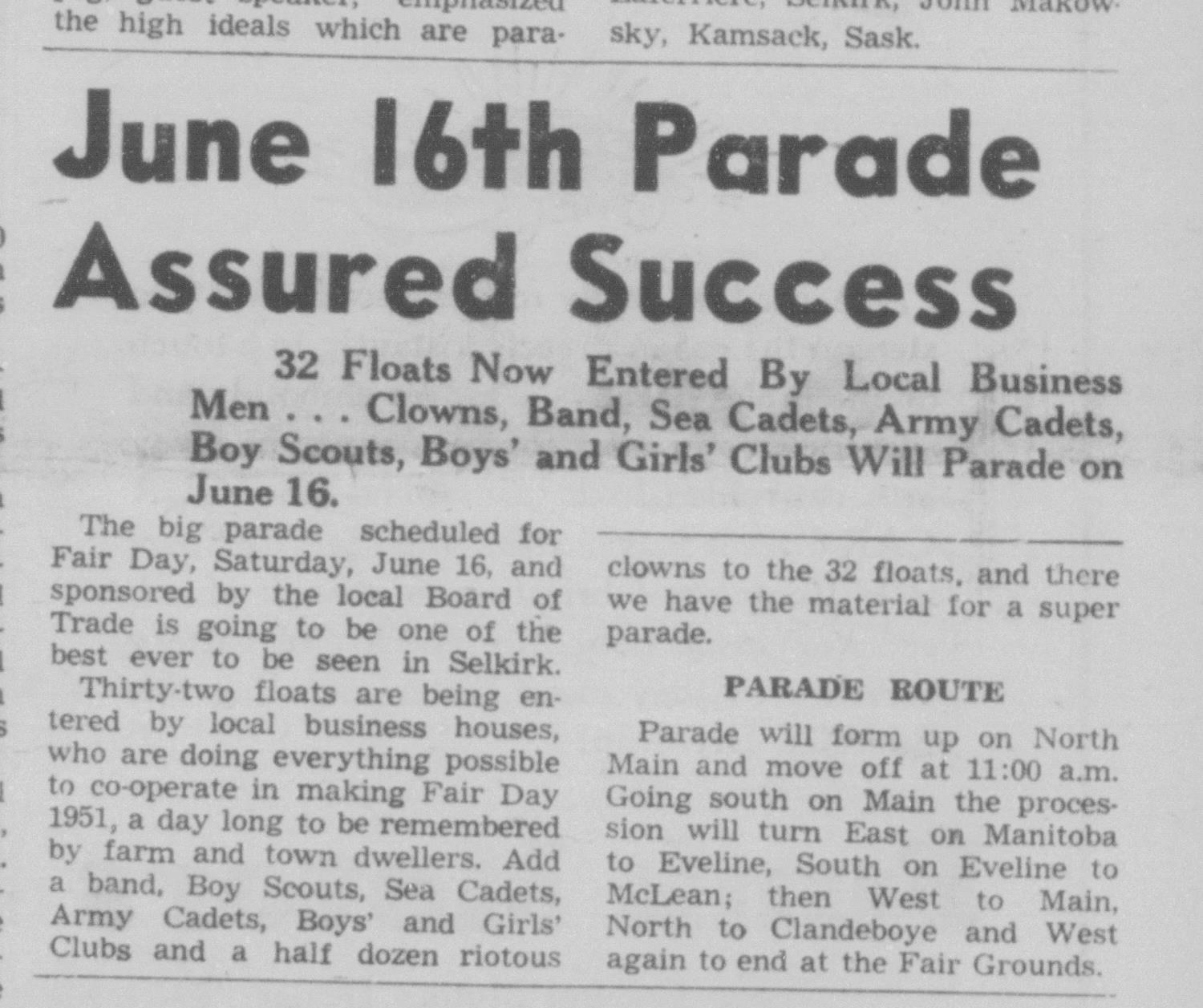
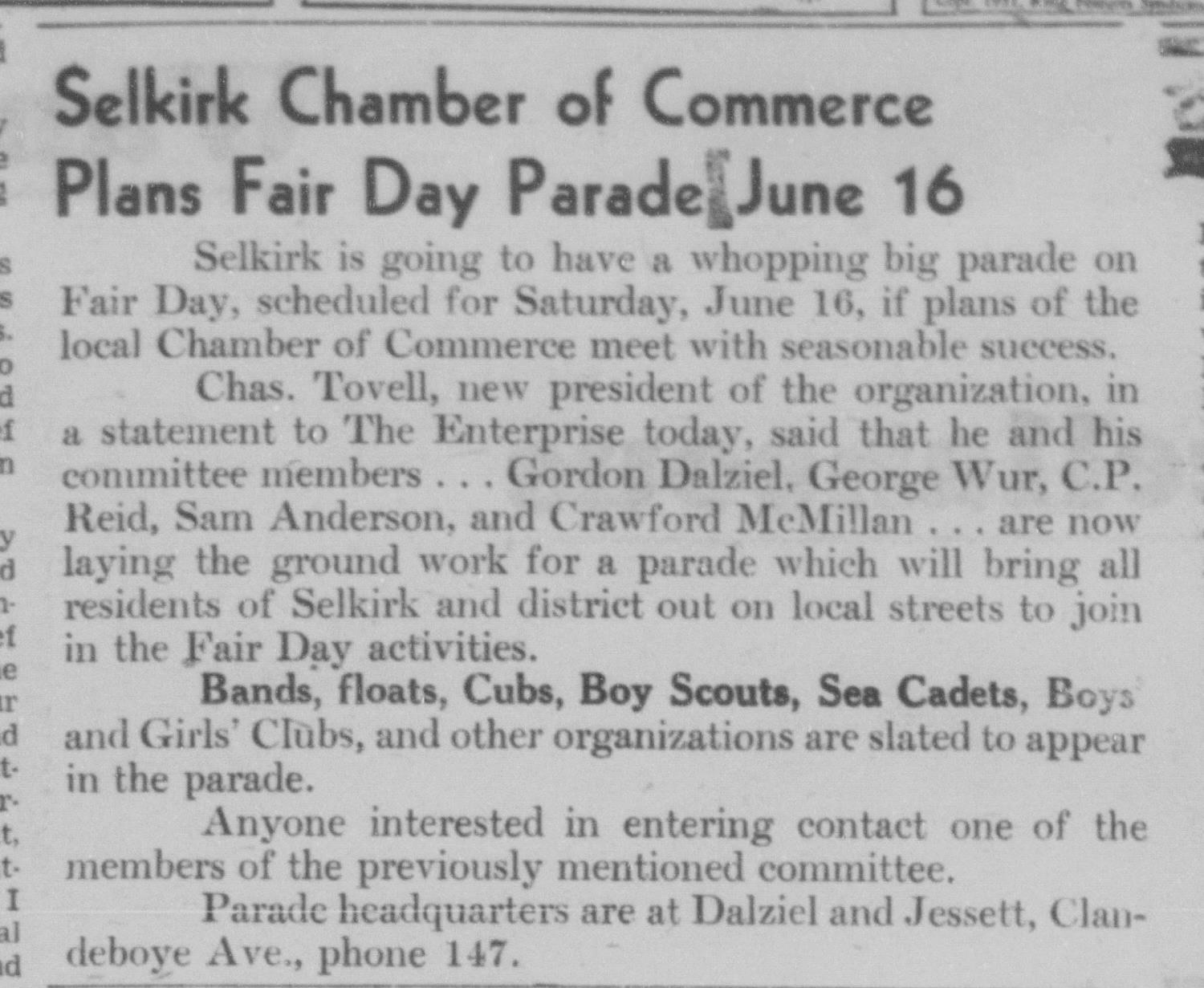
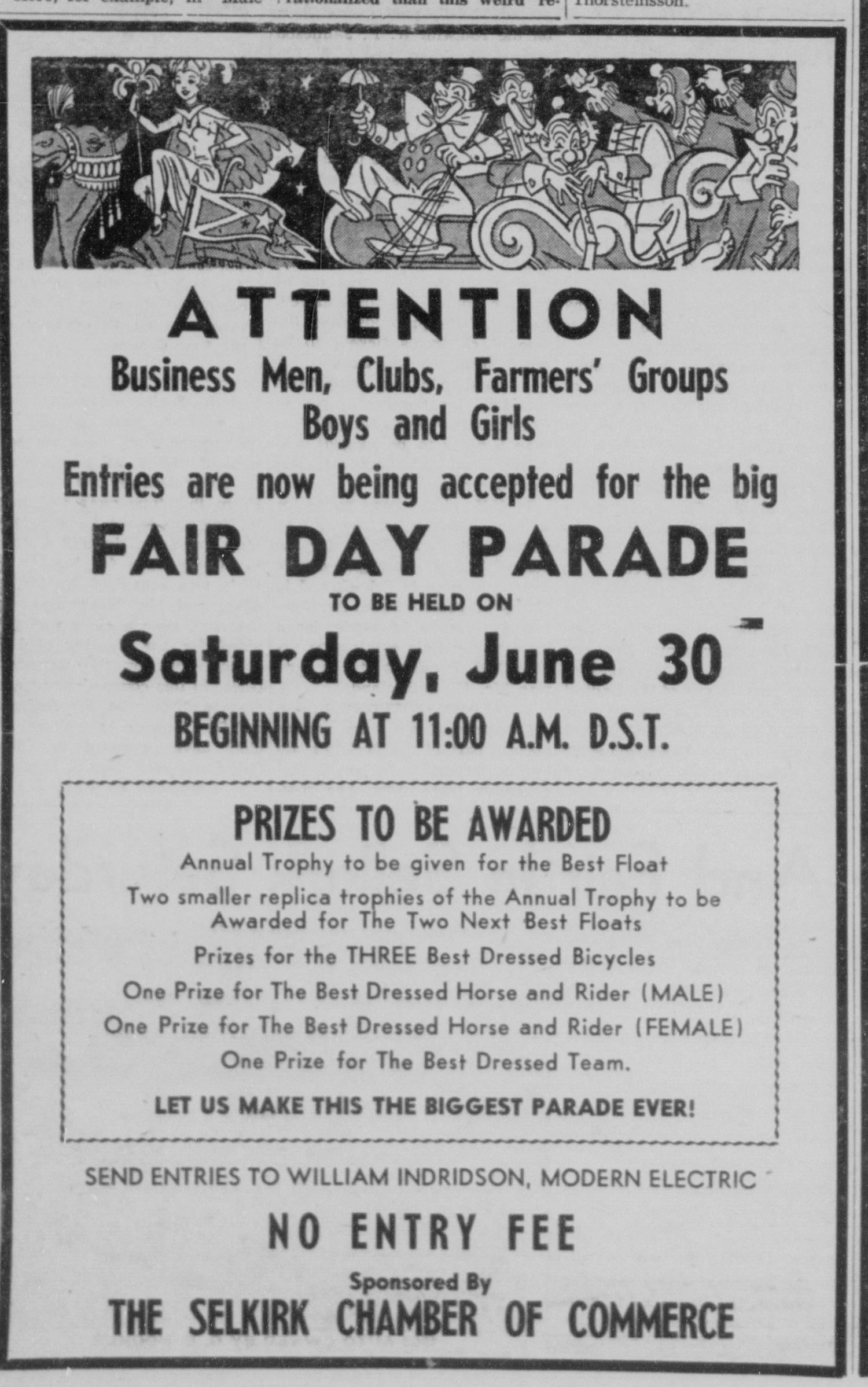
By 1951, the Selkirk and District Chamber of Commerce had become the lead organizer of the Fair Day Parade, with organizers noting “the parade will be one of the biggest ever seen in Selkirk.”
That year’s parade featured 32 floats and attracted thousands of spectators.
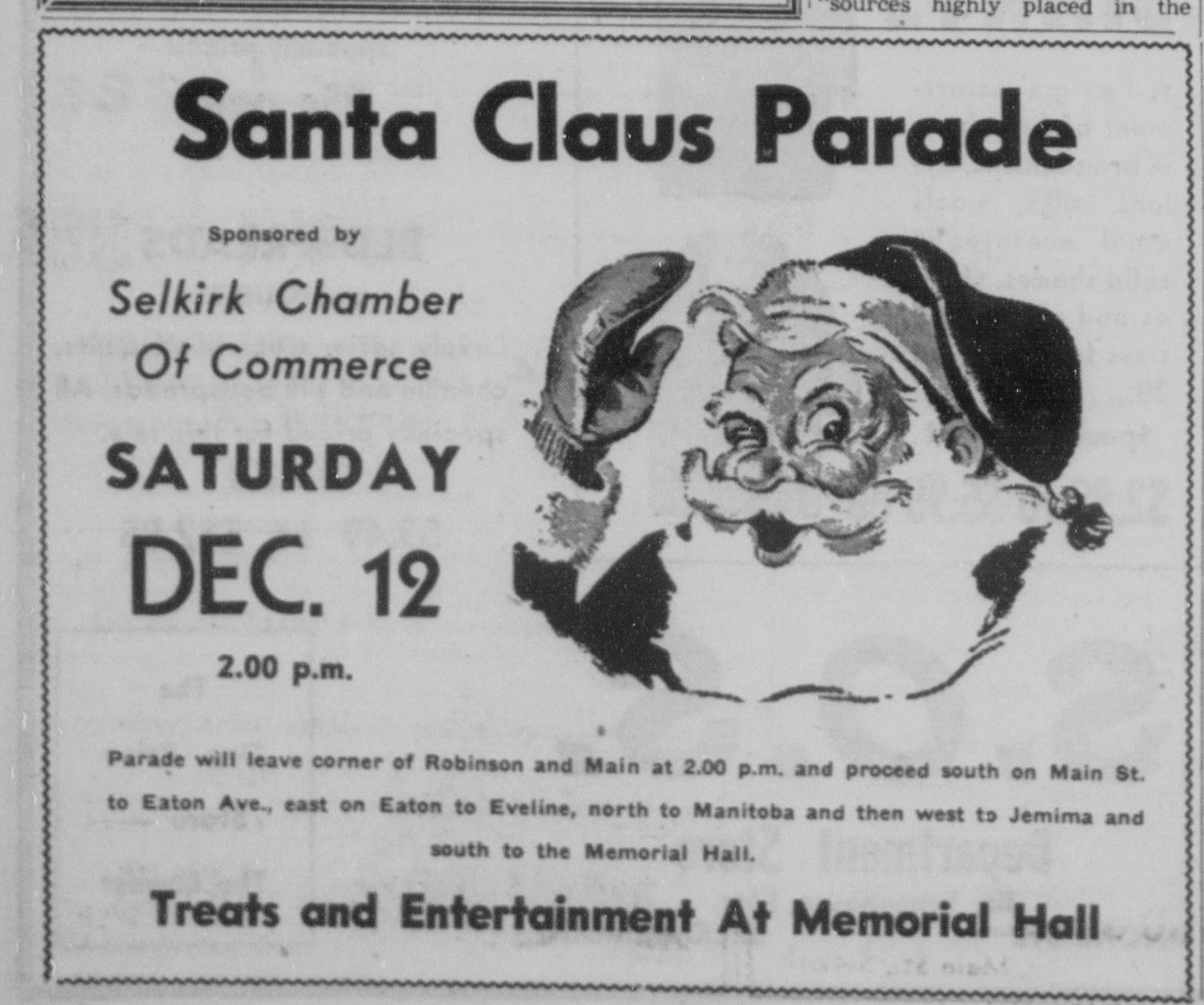
The same year also saw the Chamber of Commerce organize the first Santa Claus Parade, presenting 1,300 children with candy.
While the exact timeline is unclear, newspaper archives suggest the Chamber of Commerce stopped sponsoring the Santa Claus Parade in 1956, and no event was held for several years afterward.
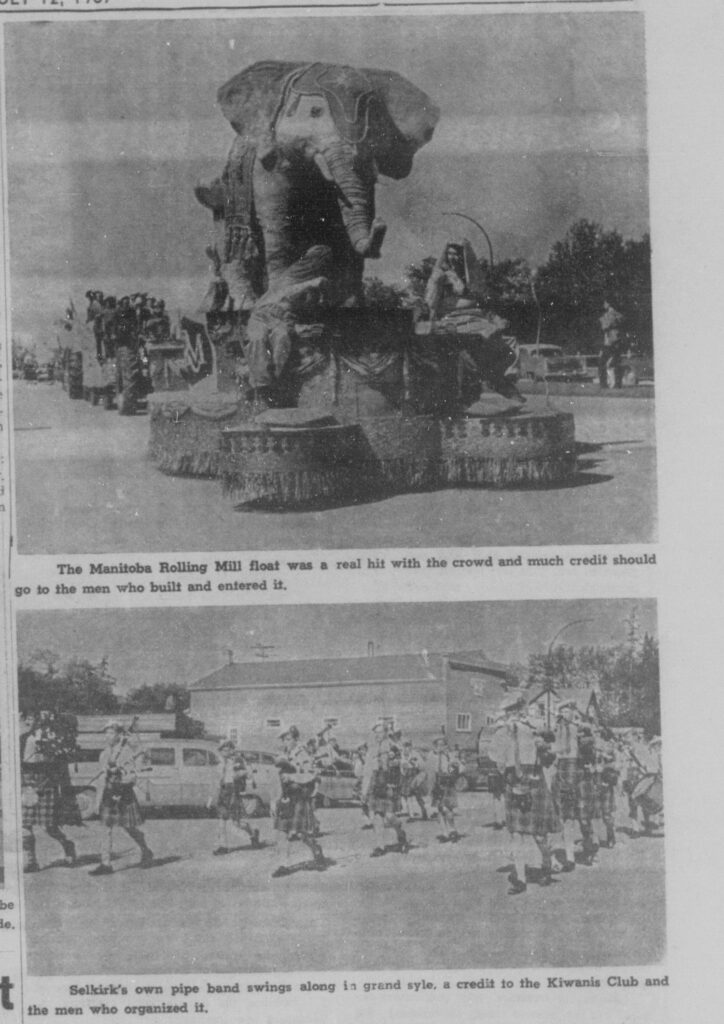
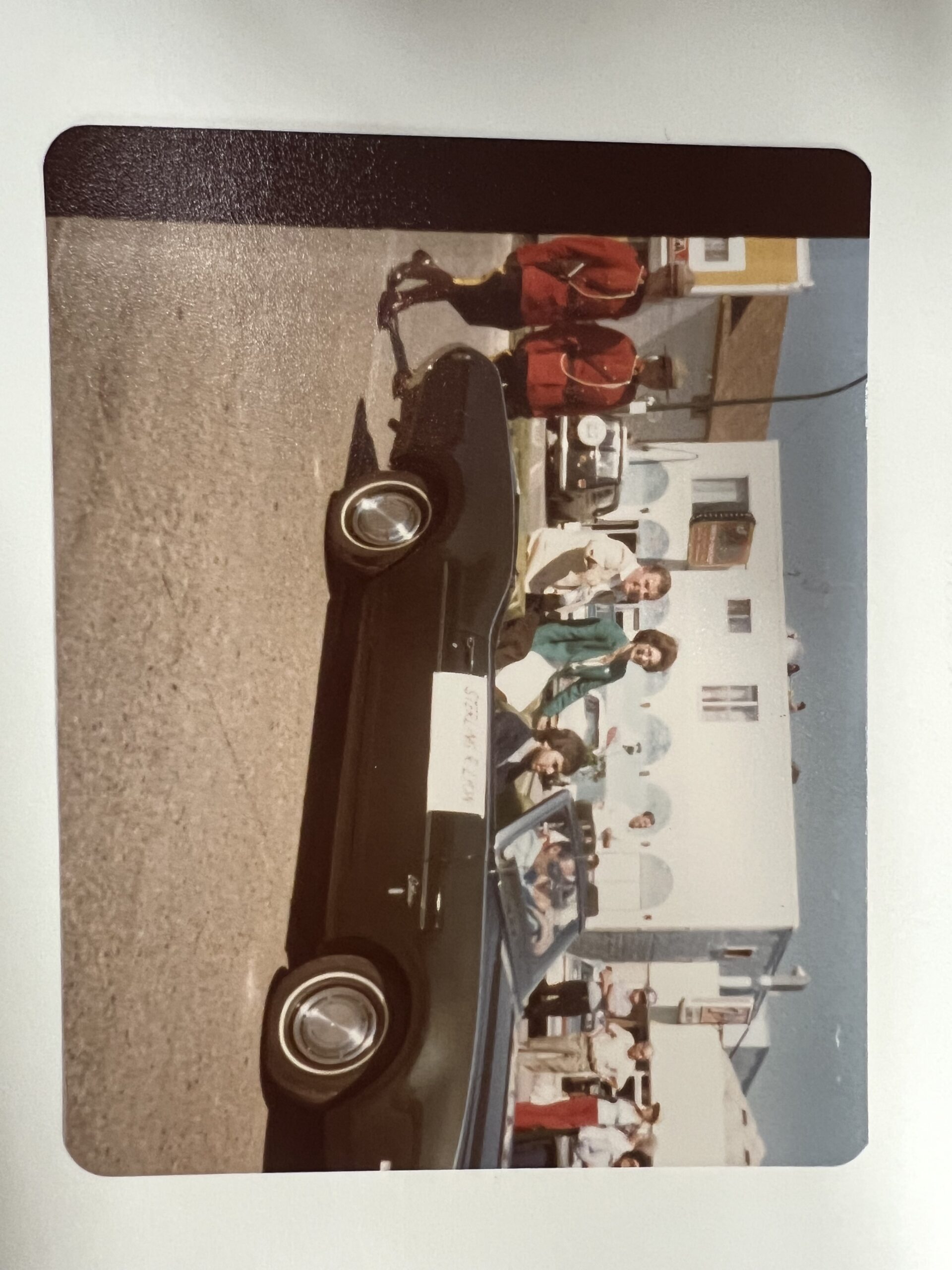
The Fair Day Parade, however, continued to thrive, growing each year with more floats and larger crowds until around 1978, after which there appears to have been a hiatus lasting several years.
Revivals and New Traditions
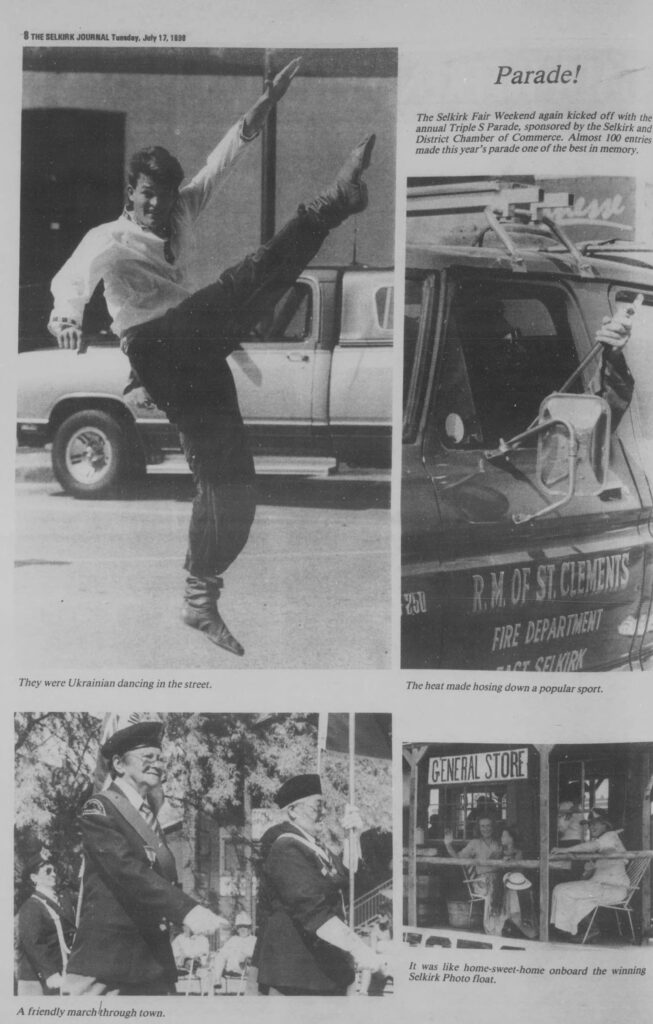
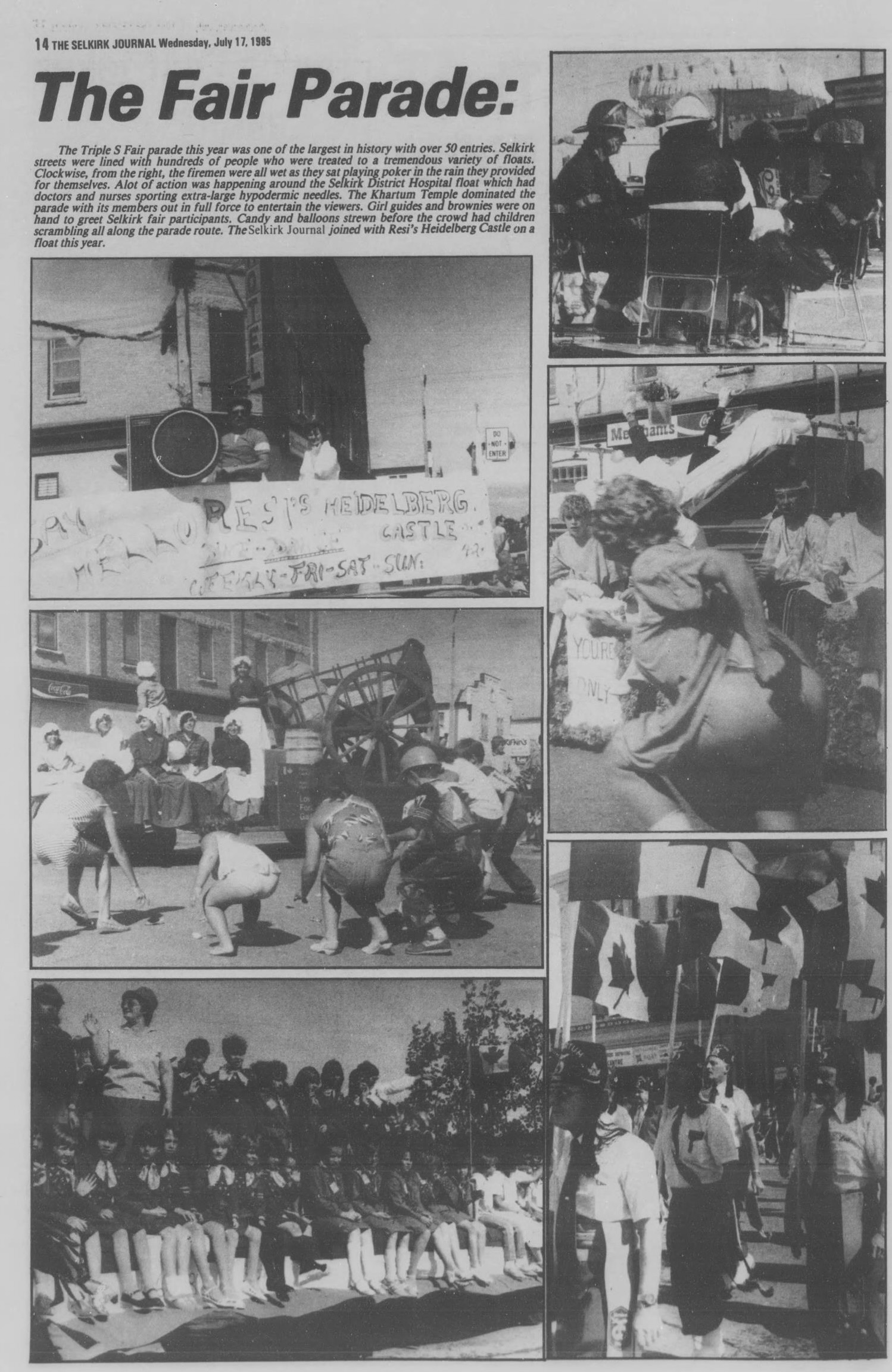
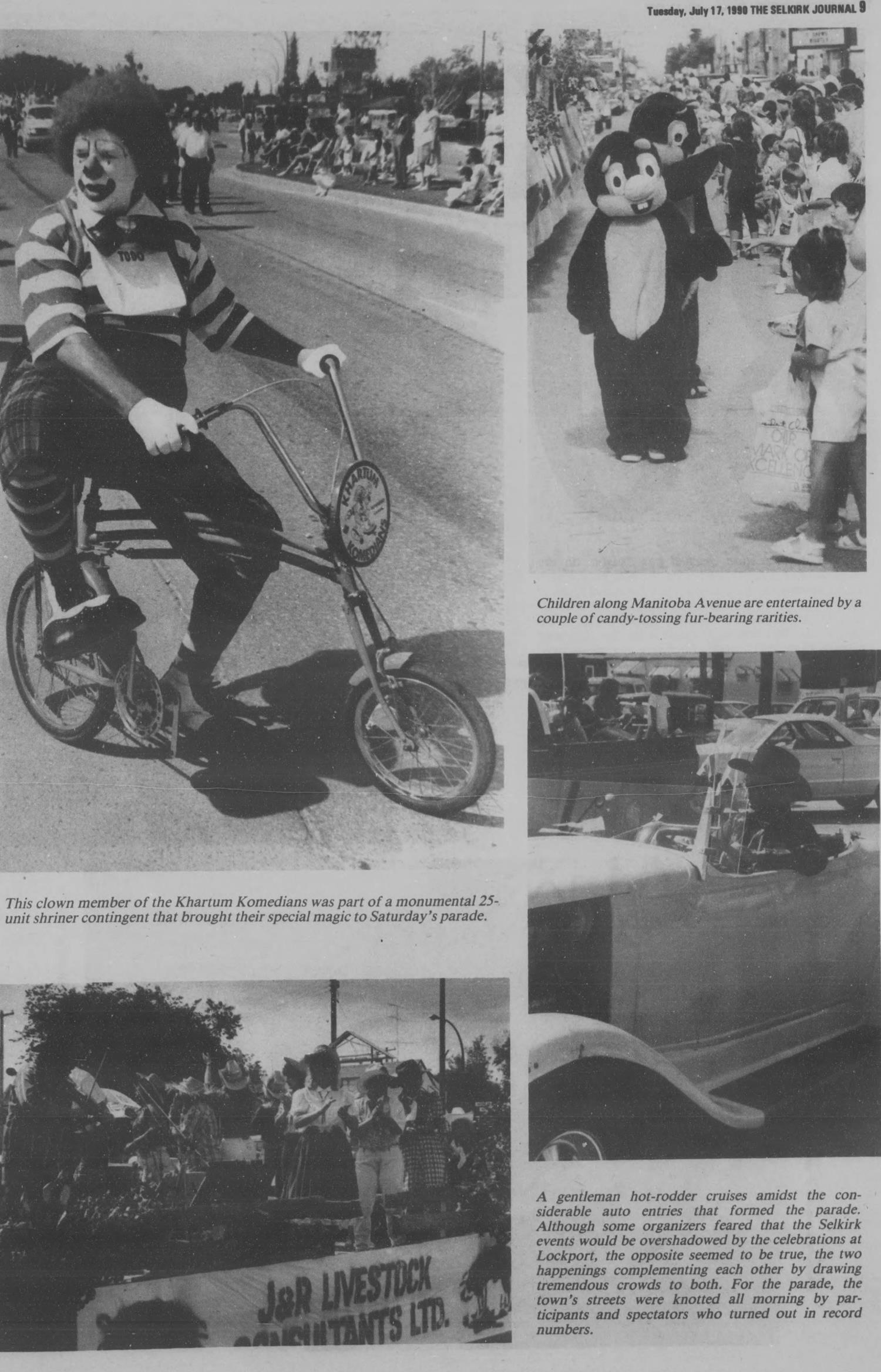
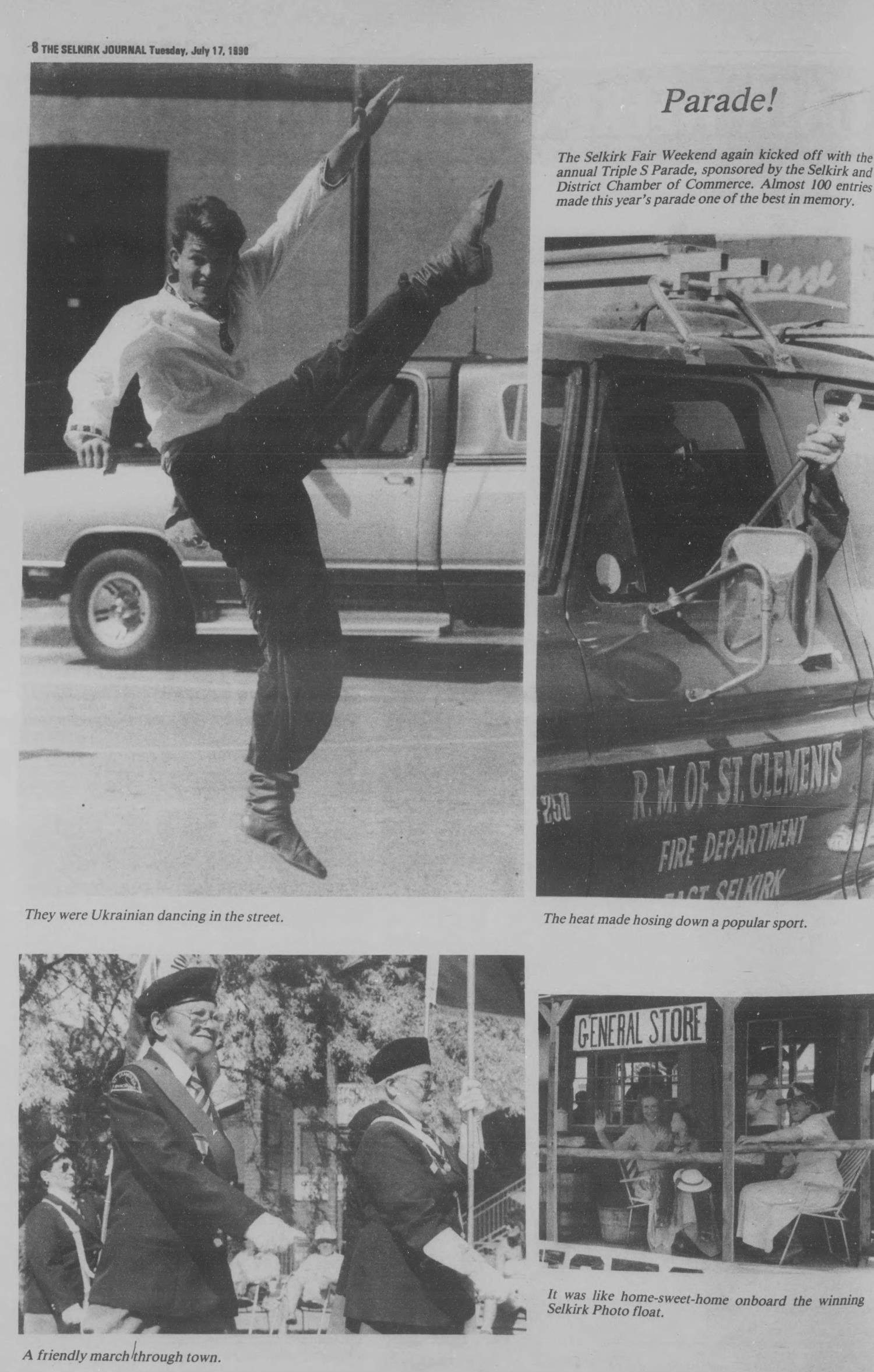
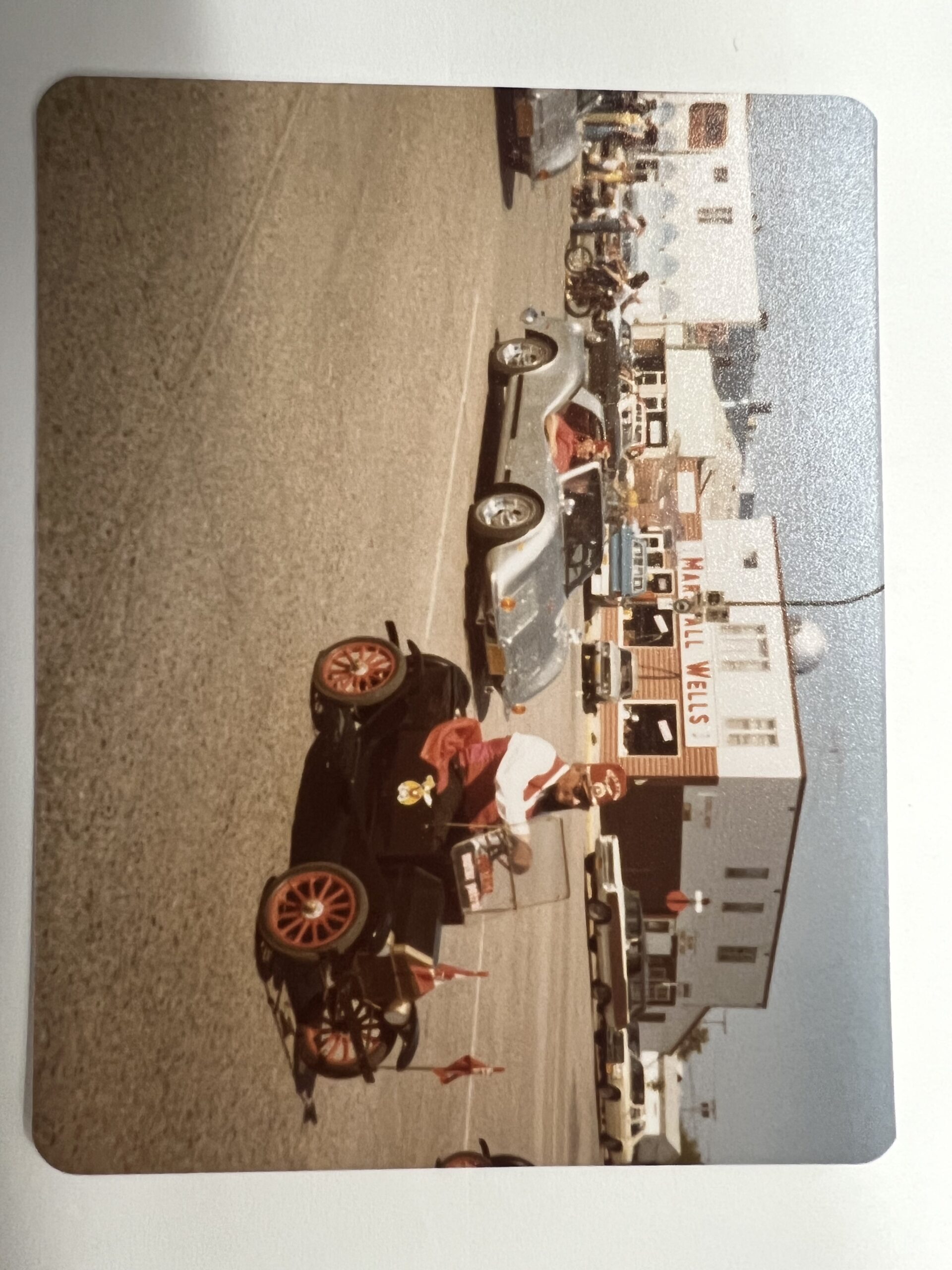
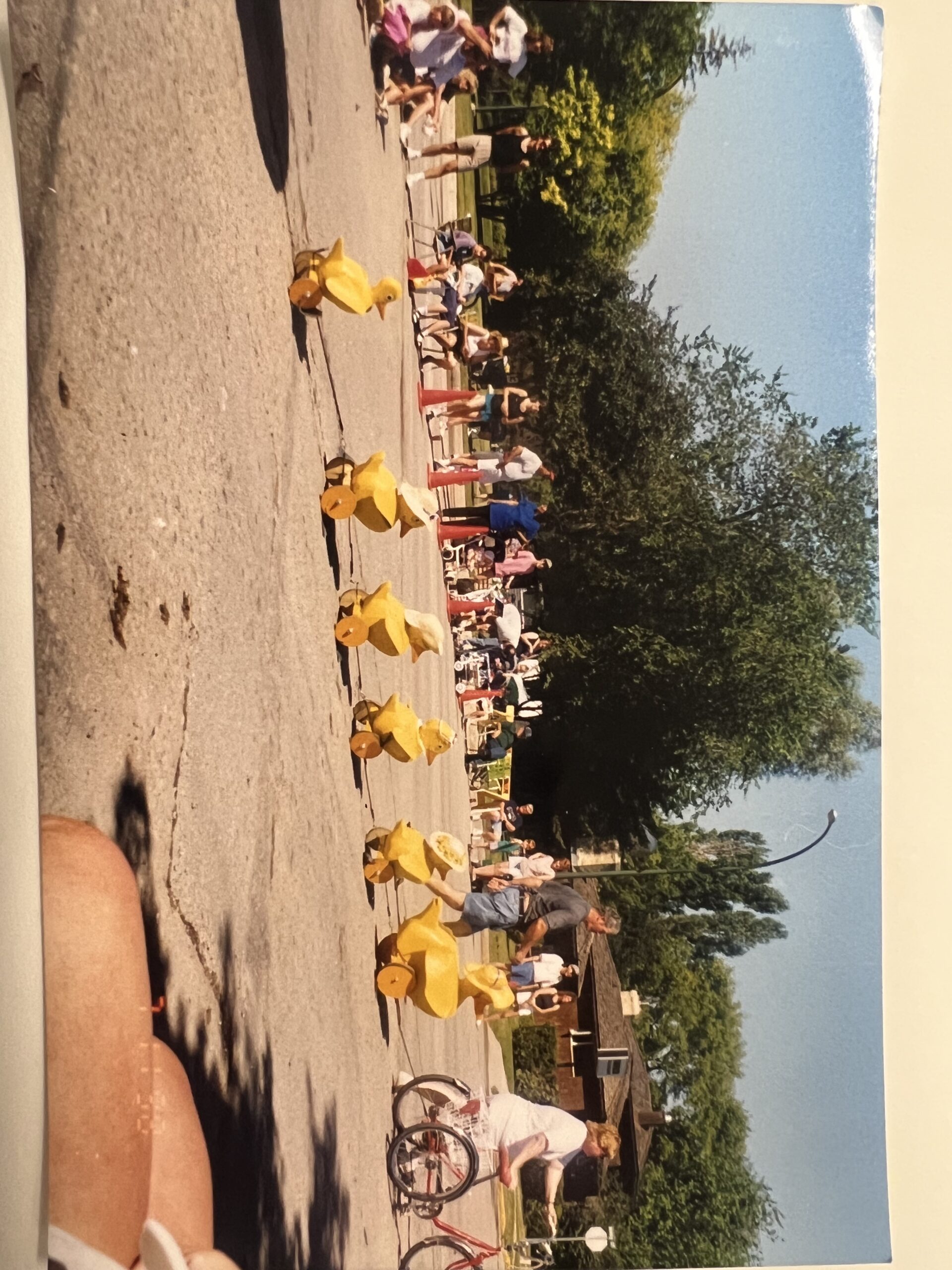
The Fair Day Parade returned in 1985 and was once again sponsored by the Chamber of Commerce beginning in 1990. By that time, the parade featured more than 100 entries.
Annual parades continued until 2020, when the COVID-19 pandemic forced a two-year break. The parade continues to be sponsored by the Chamber of Commerce — now more commonly known as Selkirk Biz since late 2012 — and remains a highlight of the fair weekend for many community members.
The Santa Claus Parade Returns
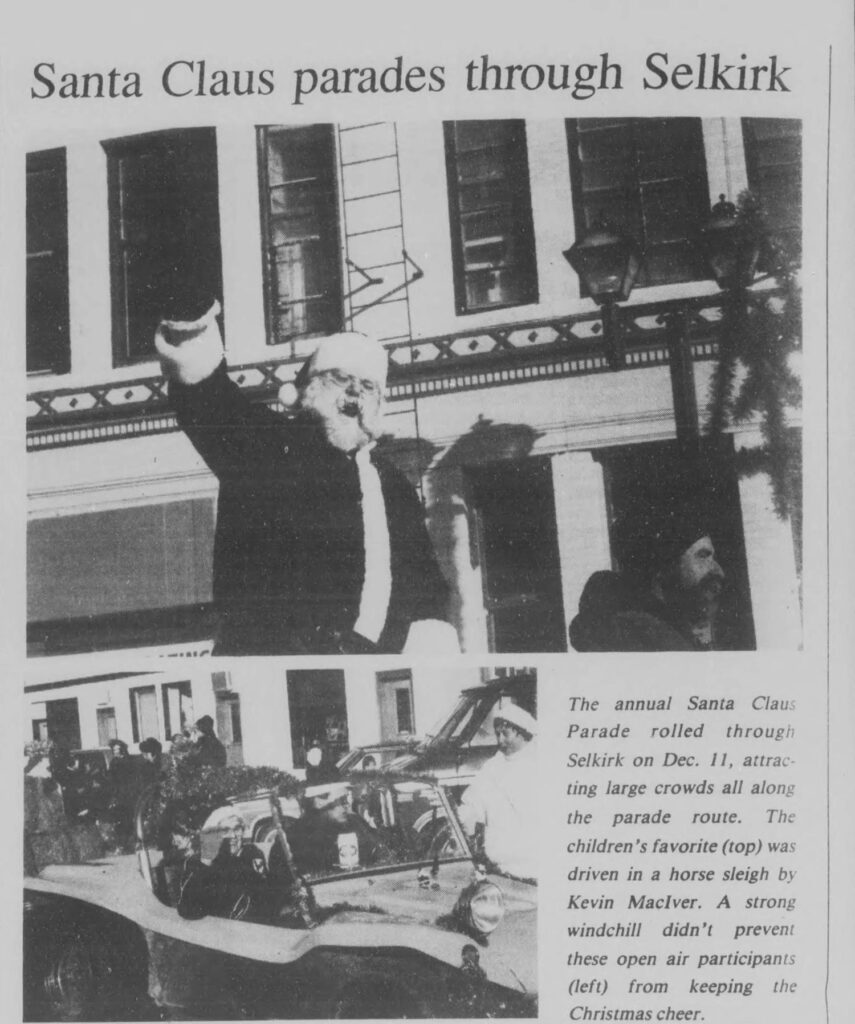
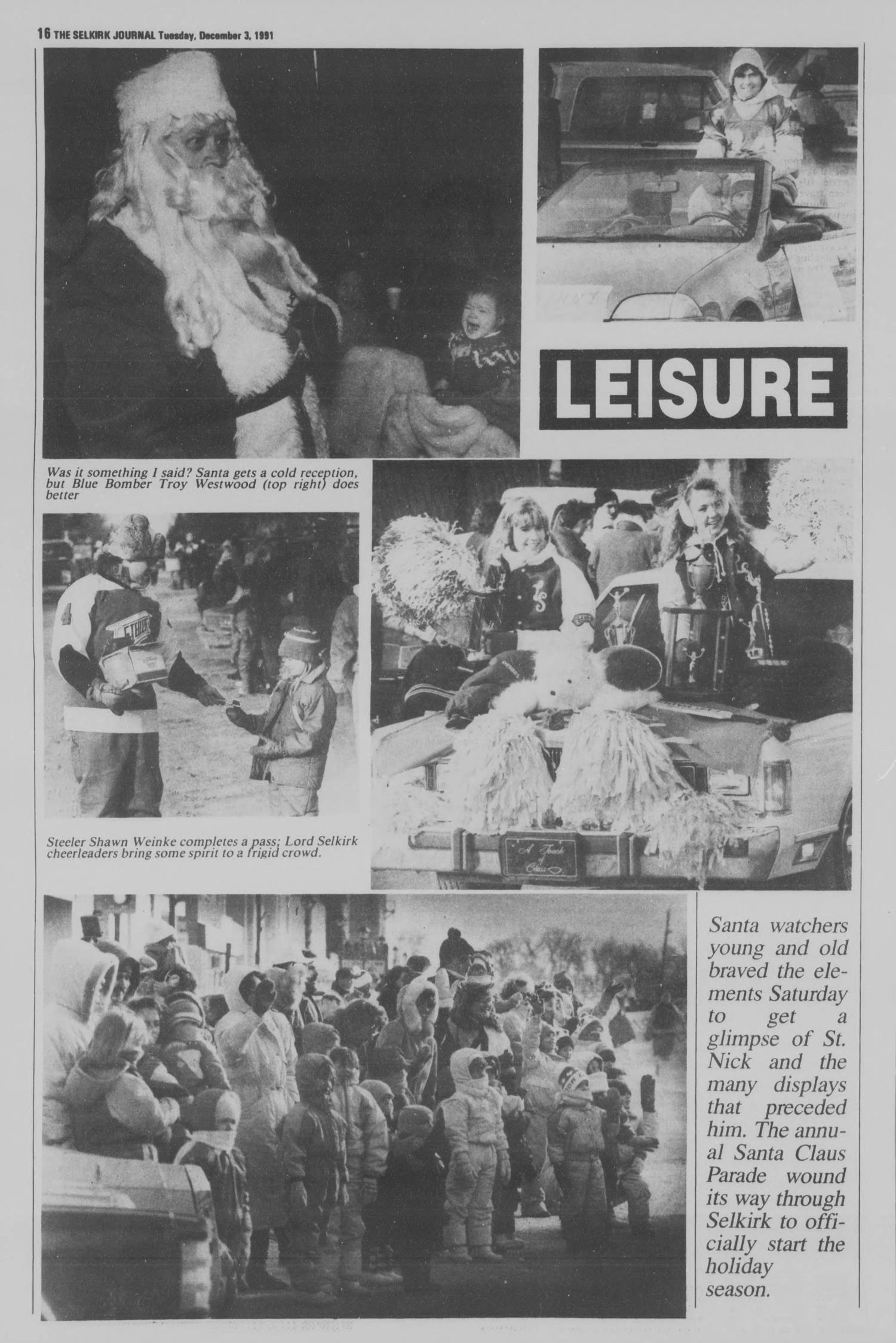
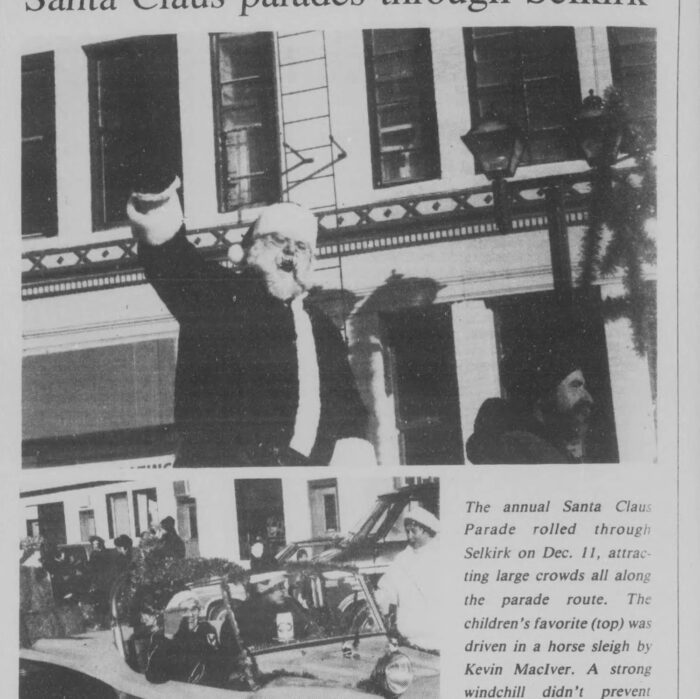
Good news was also in store for the Santa Claus Parade. In 1991, the Chamber of Commerce — known that year as the Selkirk and District Business Association — formed a new committee, and the organization once again sponsored the Christmas-time parade. The event continued annually under the Chamber of Commerce’s sponsorship until 2006.
That year, Eva Magnusson (c. 1931–2022) founded the Santa Claus Parade of Lights, spreading Christmas cheer to hundreds of families.
Celebrating the Century-long Tradition of Parades in Selkirk Collection
Click on images to enlarge
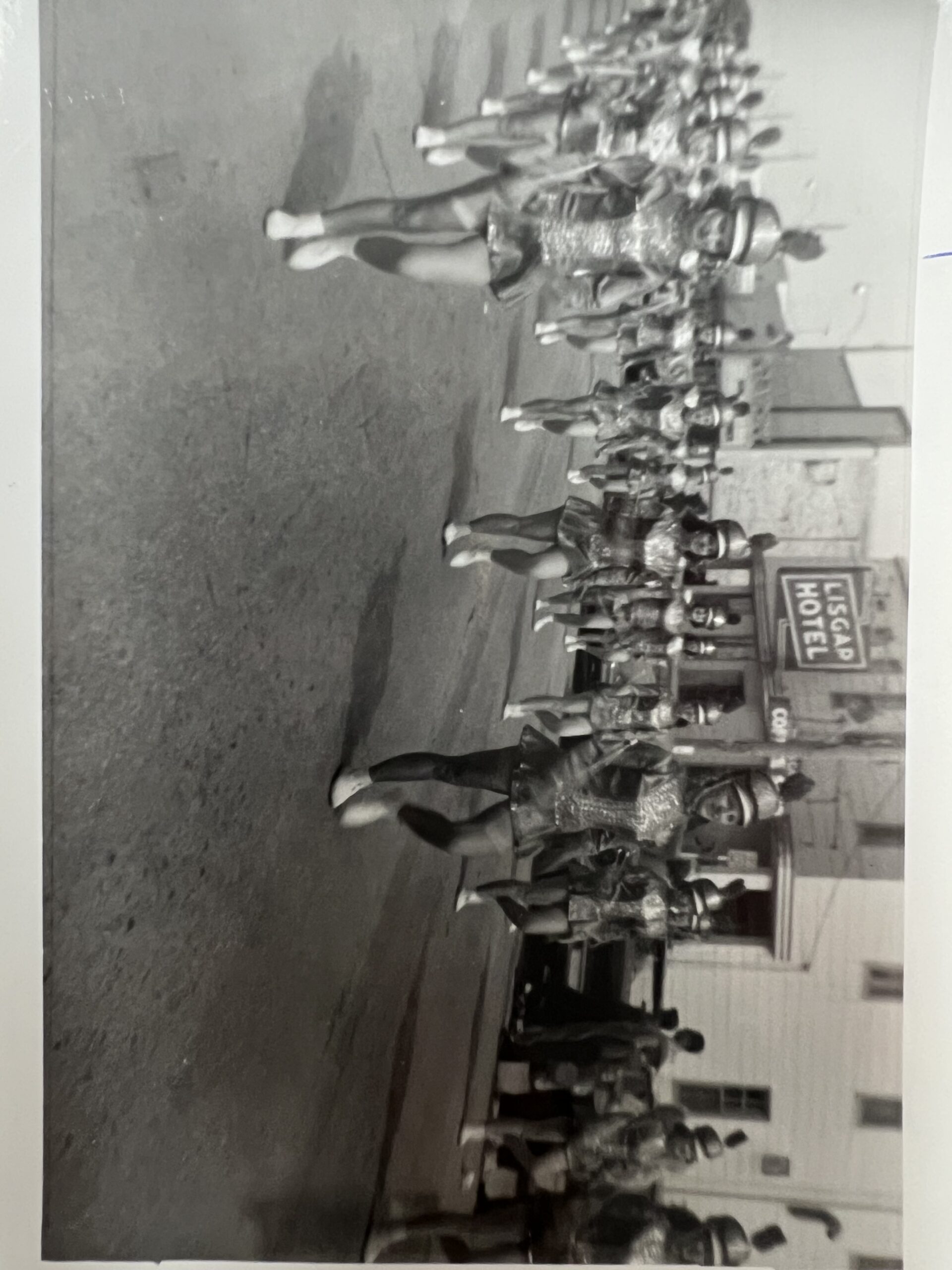
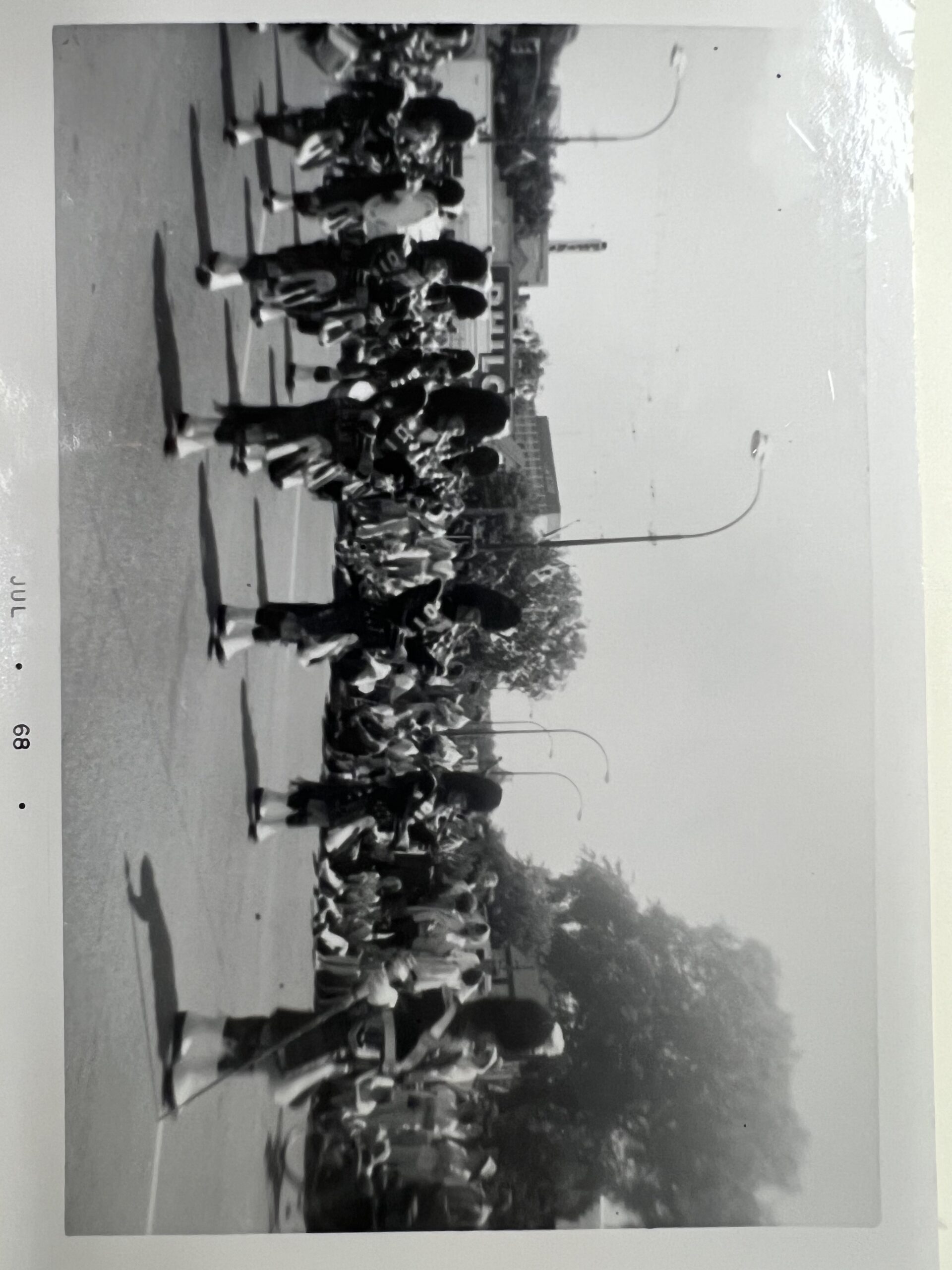
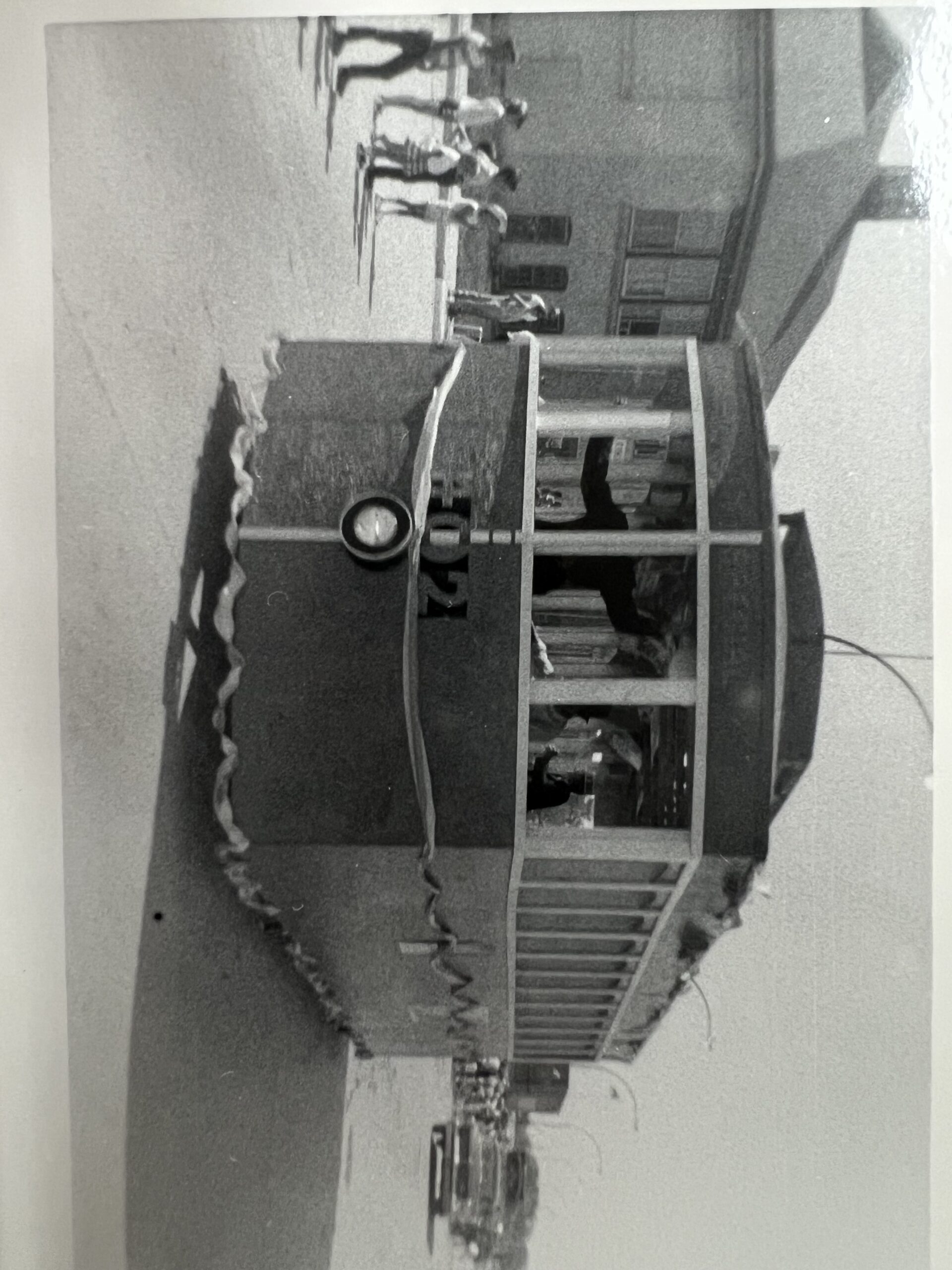
 Marching Band Walking Down Eveline, 1919, Selkirk Museum Collection
Sources
Eva Magnusson, Gilbart Funeral Home
Selkirk Record And Canadian Fishing Gazette, July 1902
Selkirk Weekly Record, June 1927, June 1929, June 1949
Selkirk Enterprise, May 1951, January 1952, June 1953, January 1957, May 1957, July 1957
Selkirk Journal, July 1985, July 1990, November 1991