News and announcements. These posts will generate an email notification to our subscribers.
The Fifty Fingers Orchestra was begun by five musicians from Selkirk. The group performed throughout the 1930s. By 1940 members began moving away from Selkirk to pursue careers and other opportunities. The band came together once again for the Selkirk Centennial celebration in 1982.
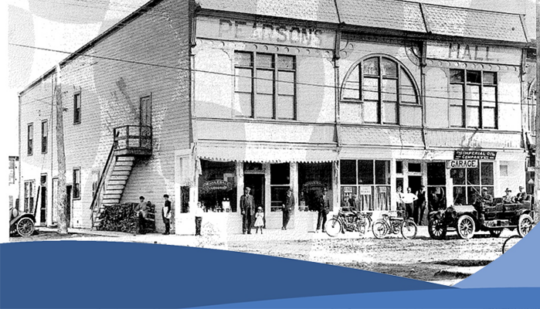
Pearson’s Hall was the bustling center for all kinds of social activities in the early 1900’s. Many of the social events held at the hall included balls, concerts, live performances, theatrical productions, and moving pictures, however, the hall was also a gathering place for election campaign results, community meetings, and public speeches. This tragically came to an end when the building burned down in 1920.
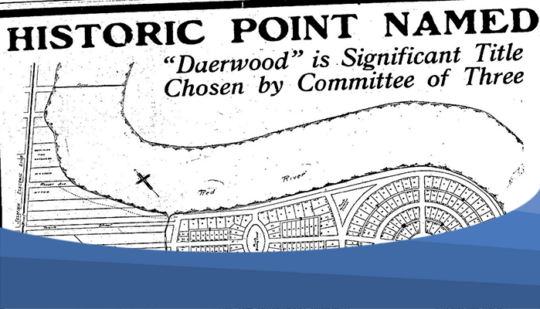
Daerwood Park was a development proposed by the Selkirk Land and Investment Company founded in 1904. Their vision focused on developing the northern half of Sugar Point into an exclusive summer cottage community. However, the site experienced recurring natural challenges in the form of floodwaters.
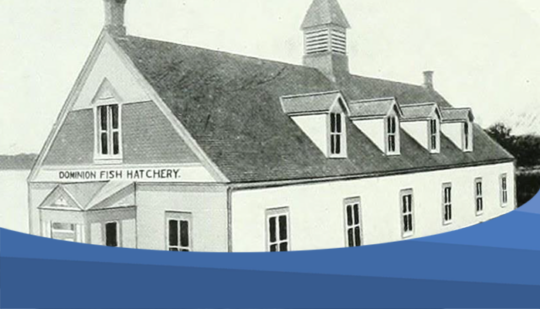
The Selkirk Hatchery was located near 314 Eveline St. at Britannia Avenue. The hatchery was envisioned as a groundbreaking facility which would help replenish lakes across the province.
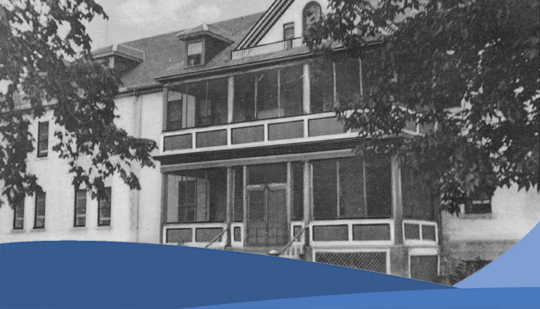
After only 2 decades the Selkirk General Hospital was already at capacity. In 1929 the hospital underwent an expansion which nearly doubled its capacity of 30 beds to 55. The expansion also included a spacious operating room, a large maternity ward, increased nursing accommodations, and an automatic elevator.
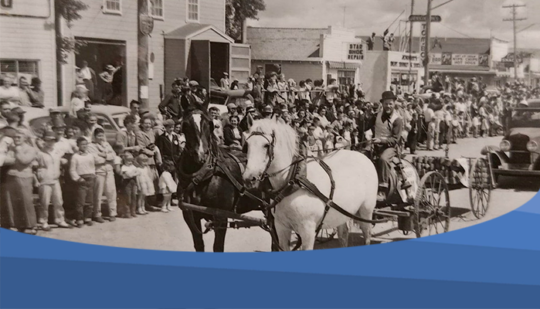
Selkirk has often celebrated large events with parades, rain or shine. Some of these events include Victory Day when World War One ended, Canada’s Jubilee in 1927, Coronation Day in 1953, and Selkirk’s 75th Anniversary in 1957. In 1949, the parades began to coincide with the Agricultural Fair weekend.
Many of Selkirk’s buildings and places are named after people, but not everyone knows why. Learn about several important figures in Selkirk’s history and why they’re still honored today
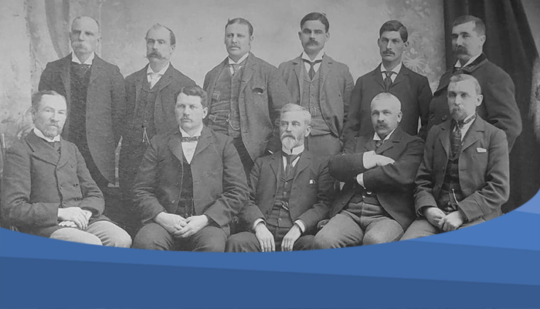
Following Selkirk’s official incorporation, the town’s newly elected officials gathered for their historic first council meeting on June 12, 1882. Presided over by Mayor James Colcleugh, this inaugural session set the foundational groundwork for the community’s early governance, local infrastructure, and long-term civic development.
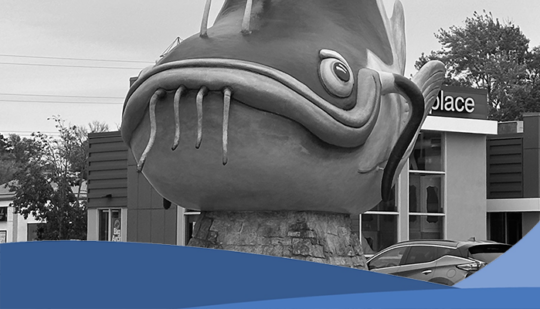
Standing proudly as a testament to the city’s title as the “Catfish Capital of the World,” Selkirk’s beloved fiberglass monument, Chuck the Catfish, marks a major milestone. Erected in 1986, this iconic 11-meter-long roadside attraction has spent four decades welcoming visitors, starring in countless travel photos, and serving as a symbol of community pride and local heritage.
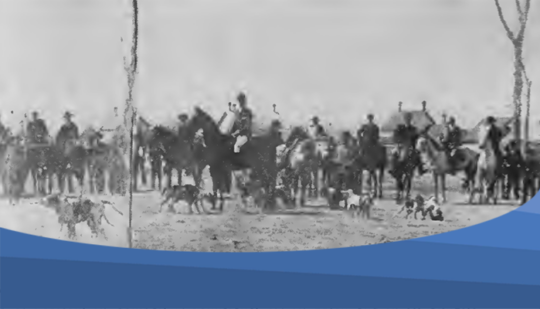
The Selkirk Hunt Club was established in the early 20th century as a premier social and recreational hub for local sports enthusiasts. Focused on equestrian activities, hound trailing, and community gatherings, the club enjoyed a golden era of popularity before shifting social interests and economic changes led to its gradual decline and eventual closure.