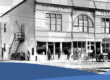
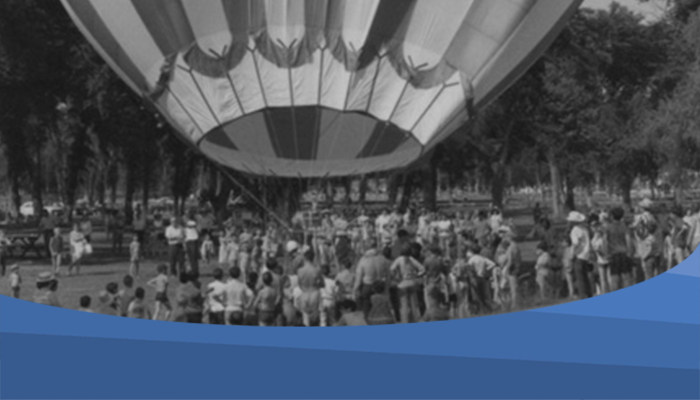
Nestled along the Red River in the heart of Manitoba, the city of Selkirk offers more than just scenic prairie charm, it’s a destination rich in Canadian history and heritage. Known as the “Catfish Capital of the World,” Selkirk also holds a prominent place in the story of early settlement in Western Canada. Tourism started in Selkirk in the early days! With the creation of various parks, the trolley that would bring visitors from Winnipeg, along with other surrounding locations. Selkirk’s attractions today extend from Chuck the Channel Cat, the Marine Museum, and the Triple S Fair and Rodeo!
There was a time when families packed picnic baskets, boarded trains or ferries, and escaped to the natural beauty of local parks. In early 20th-century Manitoba, Selkirk Park stood out as a beloved destination for tourists and day-trippers alike. Selkirk Park, was a true jewel of the region during the early 1900s. It offered a perfect blend of natural beauty and modern recreation, making it a magnet for both locals and visitors. Accessible by train and steamboat, the park became a favourite escape from city life during the summer months.
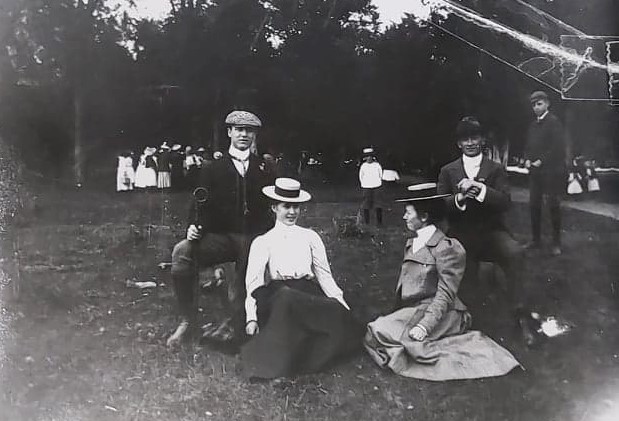
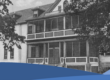
At the time, the park hosted a variety of events ranging from community services, family reunions, Boy Scout camping trips, and company picnics for the Manitoba Rolling Mills and the Hudson’s Bay Company. In 1923, the Park featured a charming dance pavilion, a large picnic area, and later recreational facilities. Families came from far and wide to enjoy open-air concerts, swim in the river, and stroll along shaded walking paths. In many ways, it functioned as an early version of the modern amusement park, without the rides, but full of entertainment and joy.
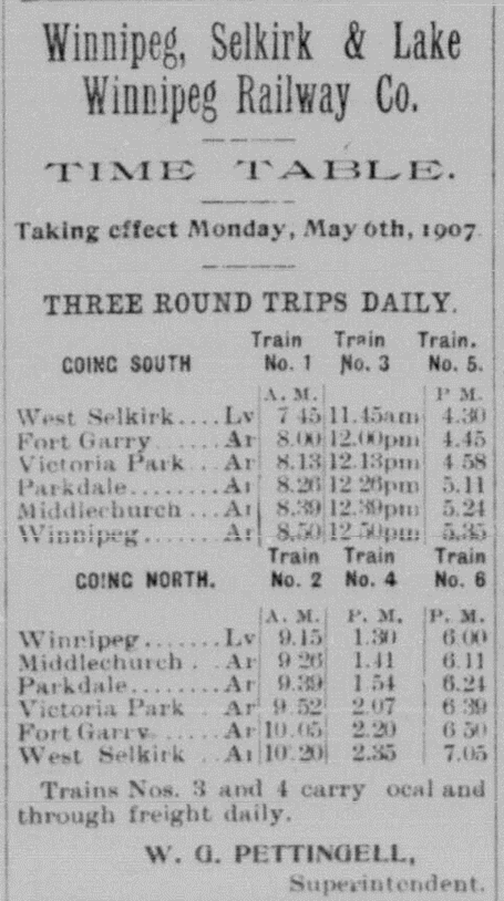
Special excursions to Selkirk Park were often advertised in newspapers, with steamboats like the Winnitoba ferrying tourists from Winnipeg to Selkirk, offering not just a destination, but an experience. Trolleys from the Winnipeg, Selkirk & Lake Winnipeg Railway Co., made the trips to and from Selkirk frequently. The journey was part of the adventure, and the park was a place to unwind, socialize, and connect with nature.
Tourists can step back in time at the Marine Museum of Manitoba, which showcases the province’s rich maritime history through actual historic vessels docked right on the river. Founded in 1972, the Marine Museum of Manitoba in Selkirk has played a vital role in preserving and showcasing the province’s rich maritime heritage while serving as a unique tourism draw for the region. Located along the Red River, the museum is home to a remarkable fleet of retired lake and river vessels—most notably the MS Keenora, a century-old passenger steamer that once sailed Lake Winnipeg. By transforming these historic ships into walk-through exhibits, the museum offers visitors an immersive glimpse into life on the water during Manitoba’s early days of transportation and trade.
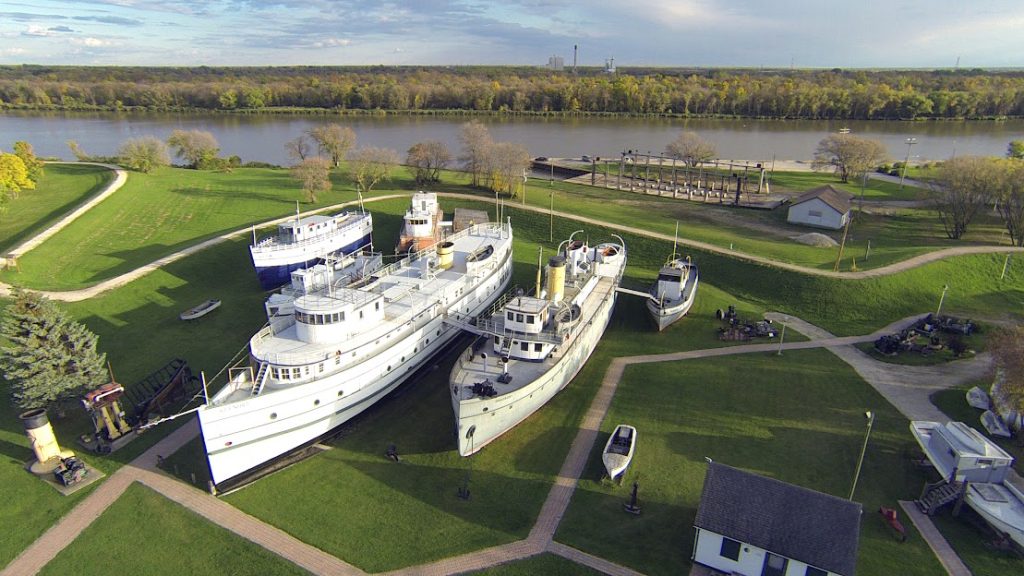
As one of the few inland marine museums in Canada, it quickly became a popular stop for families, school groups, and travellers seeking a distinctive cultural experience. For decades, tourists have come to climb aboard real ships, explore cabins and engine rooms, and learn how watercraft shaped the development of northern and remote communities. The museum’s striking riverside setting and interactive displays have made it a signature attraction in Selkirk, offering both education and entertainment while reinforcing the city’s identity as a gateway to Manitoba’s maritime past.
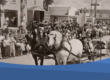
The Selkirk Fair and Rodeo has long been a cornerstone of the community’s cultural identity and a significant driver of tourism in the region. Emerging in the early 20th century as an agricultural fair, the event quickly grew into a multi-day celebration that drew visitors from across Manitoba and beyond. Originally centered on livestock exhibitions, crop competitions, and local crafts, the fair provided a vital platform for rural communities to showcase their talents and hard work, and attract city dwellers looking for a taste of prairie life. With the addition of a rodeo component featuring bronco busting, barrel racing, and calf roping- the event became even more dynamic, blending Western heritage with small-town hospitality.
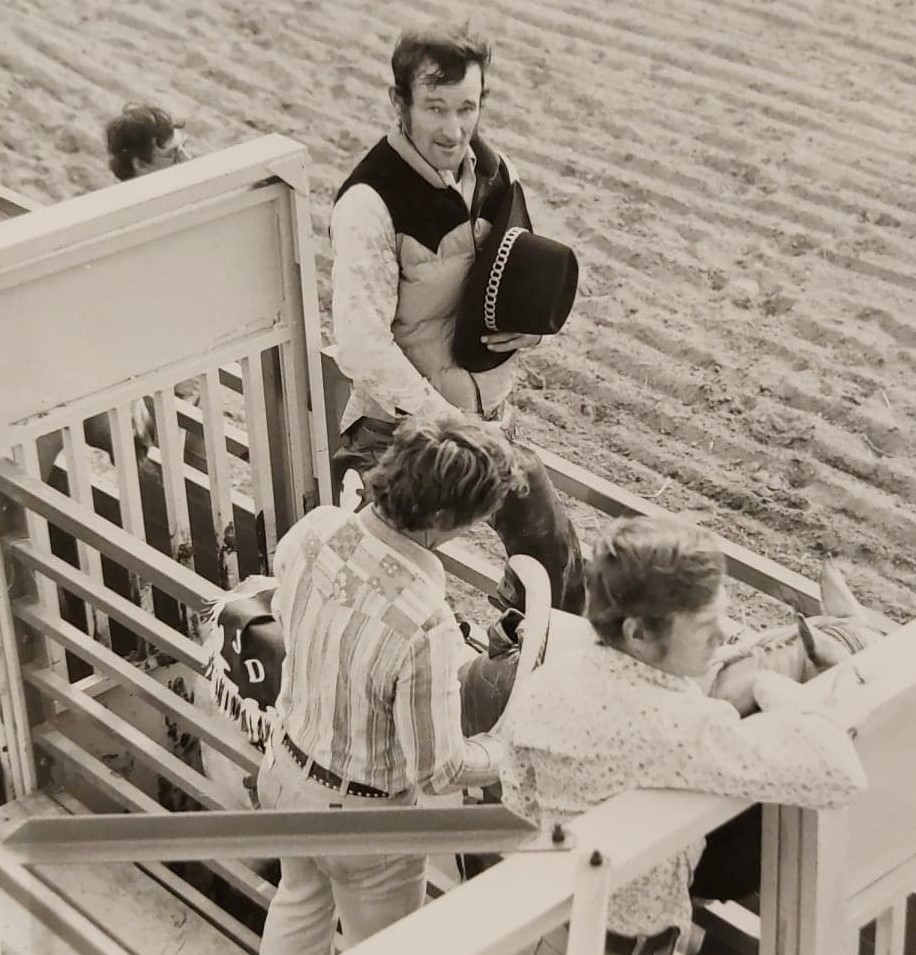
As tourism evolved through the mid-20th century, the Selkirk Fair and Rodeo became a summer highlight that helped put the town on the map. Families planned vacations around the fair, and local businesses saw a surge in activity during rodeo week. The event not only showcased the agricultural roots of the Interlake region but also contributed to a sense of pride and tradition that still resonates today. From the midway rides to the grandstand shows, the Selkirk Fair and Rodeo offered an authentic and accessible prairie experience, making it a meaningful attraction for both locals and tourists alike.
Beyond history, Selkirk boasts natural beauty, friendly locals, and year-round festivals that celebrate its cultural roots. Whether you’re a history buff, nature lover, or casual traveller, Selkirk delivers a memorable and enriching experience.
Sources
Selkirk Park, Selkirk Museum
Selkirk Fair and Rode, Selkirk Museum
Historic Sites of Manitoba: Marine Museum of Manitoba (490 Eveline, Selkirk), Manitoba Historical Society
Northern Prairie Ships: Winnitoba, Manitoba Historical Society Archives
Selkirk Weekly Record, 1907, 1926, 1927, 1928, 1961, 1963,