News and announcements. These posts will generate an email notification to our subscribers.
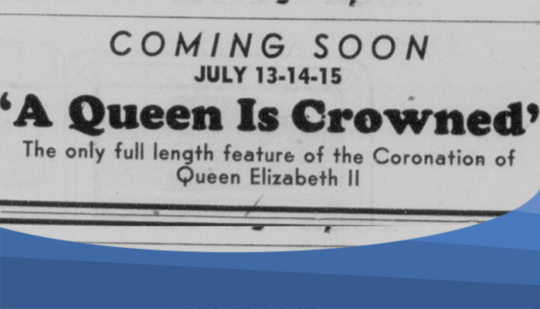
On June 2, 1953, the town of Selkirk burst into a vibrant display of community spirit and civic pride to celebrate the coronation of Queen Elizabeth II. Marked by decorated streets, festive parades, sporting events, and a massive community gathering, the historic day brought local residents together to honor the new monarch in truly grand fashion.
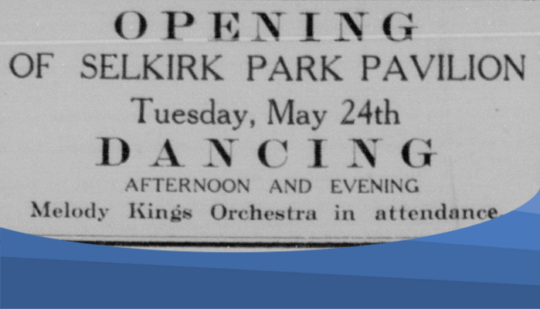
During the mid-20th century, the open-air dance pavilion at Selkirk Park was the vibrant heart of the community’s nightlife. Drawing massive crowds every weekend, it served as a beloved social hub where generations of local residents and visitors gathered under the stars to dance to the sounds of live big bands and local musicians.
The deep-rooted heritage of Selkirk is profoundly intertwined with Icelandic immigration, which brought vibrant cultural traditions, a resilient community spirit, and a unique identity to the region. This post explores the lasting legacy of the early Icelandic settlers and celebrates the remarkable individuals whose contributions shaped the cultural, social, and economic fabric of our community.
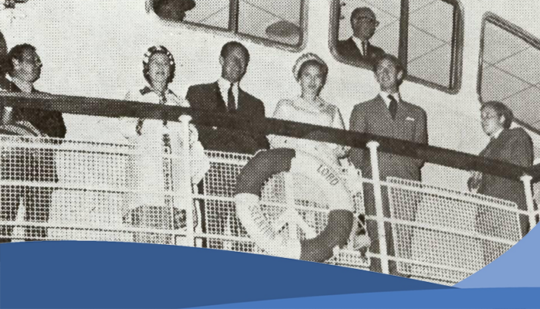
On July 14, 1970, hundreds gathered along the Selkirk docks as Queen Elizabeth II and the Royal Family sailed down the Red River aboard the M.S. Lord Selkirk II. Part of Manitoba’s centennial celebrations, this memorable royal excursion left a lasting impression of local pride and celebration on all who witnessed it.
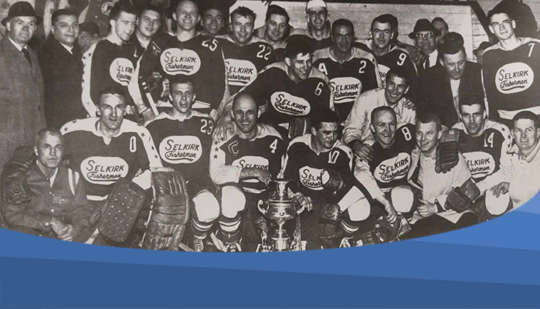
The Selkirk Fishermen, Canada’s longest-running junior hockey team, have been shaping athletes and making history since 1917. While the team’s legacy remains constant, its visual identity has continually evolved, featuring seven distinctly different logos—ranging from a simple white fish to aggressive, hockey-gear-wearing catfish—proudly displayed on their jerseys over the decades.
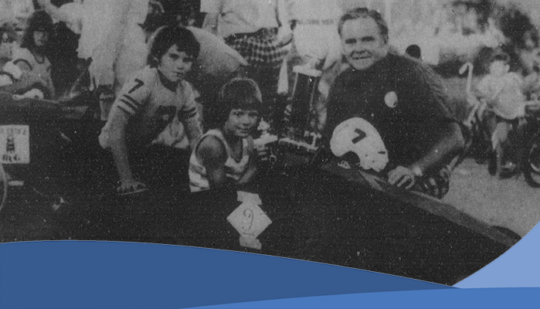
In the mid-1950s, a wave of excitement took over Selkirk as the community embraced the thrill of the Soap Box Derby. Though the craze lasted only a few short years, it brought local youth, families, and service clubs together for unforgettable summers of building, racing, and high-speed friendly competition down the town’s streets.
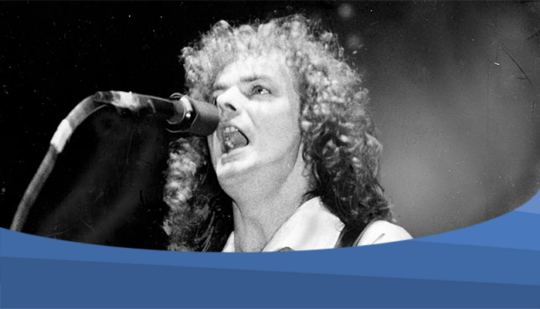
Relive the legendary night of March 19, 1974, when Canadian rock band April Wine performed an exclusive, intimate concert in the Selkirk Regional Comprehensive Secondary School gymnasium. Organized as a graduation fundraiser, the event took a dramatic turn when the local Selkirk Steelers advanced to the Centennial Cup finals the exact same night, drawing the entire town away and leaving just 100 lucky fans to enjoy a historic, private-party experience.
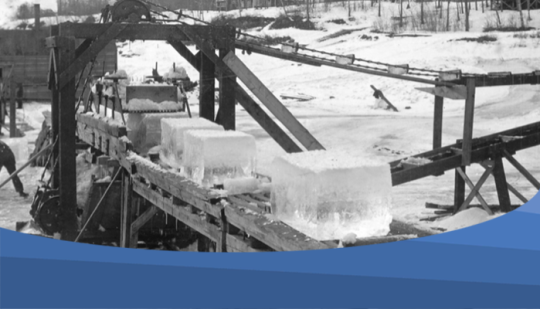
Long before mechanical refrigeration took over in the 1950s, local ice cutters braved brutal winter conditions along the Red River and Lake Winnipeg. Working from December to April, these crews harvested 50- to 100-pound blocks of ice to supply commercial fisheries, preserve food, and later help clear the river to prevent devastating spring floods.
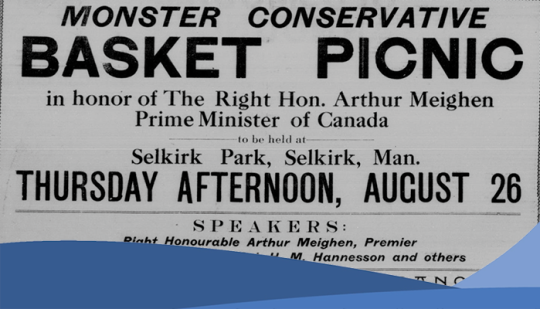
Step into one of the largest political rallies in Selkirk’s history! Discover how nearly 2,000 citizens gathered at Selkirk Park in August 1926 for a massive basket picnic headlined by Prime Minister Arthur Meighen, just weeks before his short-lived government collapsed.
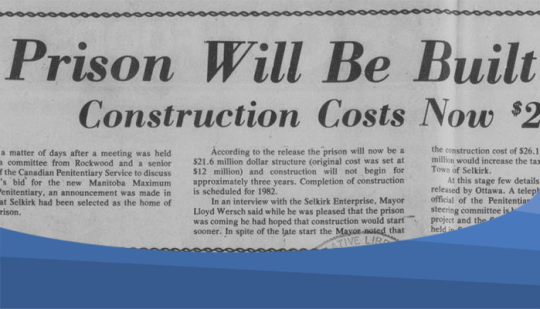
Step behind the bars of a forgotten local debate! Discover the 1977 federal proposal to build the $21.6 million Manitoba Maximum Security Penitentiary in Selkirk—a controversial project that divided the community, won a local referendum, and was ultimately scrapped due to sudden budget cuts.