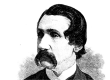

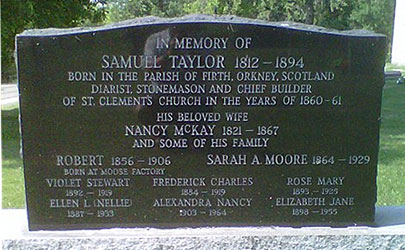
Today, Taylor Avenue is a quiet residential street, but the man behind its name played an important role in shaping the Red River Settlement. Samuel Taylor helped build some of the region’s most enduring landmarks.
For many people, Taylor Avenue is simply a familiar road on the map. But behind the name is the story of a man whose hands helped shape the Red River Settlement.
Samuel Taylor was a stonemason, carpenter, Hudson’s Bay Company employee and dedicated diarist whose work can still be seen in the Selkirk-area today. More than a century after his death, his buildings remain standing and his journals offer a window into what life was like in the 1800s, leaving behind more than just a name on a street sign.
From Scotland to the Red River
Samuel Taylor was born Dec. 22, 1812, in Firth, Orkney, Scotland.
In 1836, he began working for the Hudson’s Bay Company, initially near Moose Factory on James Bay in Ontario. Over the years, Taylor developed and used his skills as a mason and carpenter, eventually bringing those talents west to the Red River Settlement.
In 1857, Taylor moved to Mapleton, as the area was then known, with his wife, Nancy McKay, and their eight children.
Nancy came from a prominent Red River family. Her father, William McKay, was a Hudson’s Bay Company chief clerk and postmaster.
Exactly why Taylor and his family made the move to the Red River Settlement remains unclear, but the decision would eventually connect his name to some of the region’s most recognizable historic buildings.
Taylor later purchased property along what is now Taylor Avenue and established a farm. His former home still stands near the south corner of Taylor Avenue and Eveline Street. Taylor died at his home in March 1896.
Building History, One Stone at a Time
While Samuel Taylor may not be a household name today, some of his work is hard to miss.
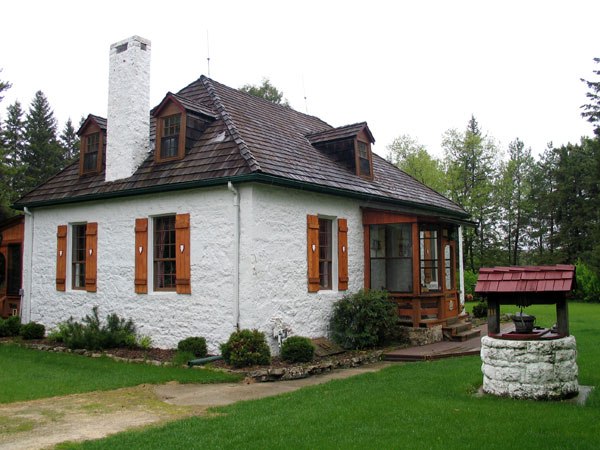
He is perhaps best known locally for completing the stonework on the historic Bunn House at 103 Bunns Road in St. Clements.
The Bunn House currently operates as a Bed & Breakfast. Built in 1862, the house has been dedicated as a provincial heritage site since 1992. It has been maintained by the Stewart Family, featuring several authentic artifacts for guests to experience.
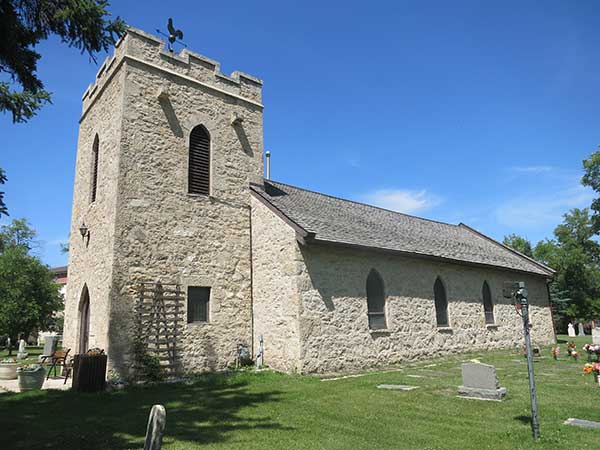
He also contributed to the construction of St. Clements Anglican Church and assisted fellow stonemason Duncan McRae on Archdeacon Cowley’s house across the river from St. Peter Dynevor. Taylor’s craftsmanship can also be seen at Lower Fort Garry.
These buildings have survived for generations, offering a physical connection to the people who built the communities along the Red River. While modern construction equipment has changed dramatically since Taylor’s time, the craftsmanship involved in shaping and placing stone by hand remains something that is difficult not to admire.
The exact details of how Taylor entered the masonry and carpentry trades remains unknown; however, Taylor left behind another extraordinary record of his life.
A Window into Another World
In addition to being a skilled tradesman, Taylor was a dedicated diarist.
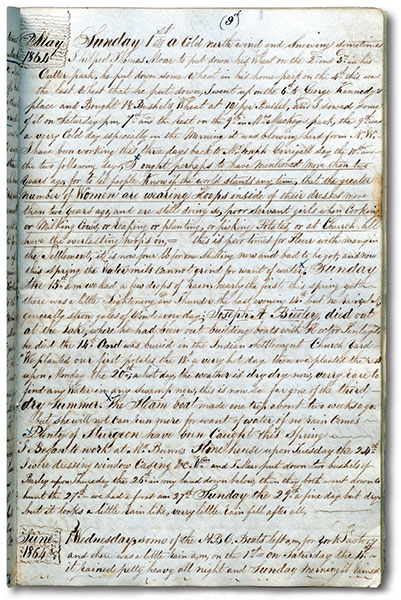
His journals, several of which are preserved at the Archives of Manitoba, document the years from 1849 to 1869 and provide a personal account of life in the Red River Settlement.
The entries range from major events to the everyday details that might otherwise have disappeared from the historical record.
Taylor wrote about the death of his son. He also recorded workers installing the original bell brought to the Red River Settlement in 1820 by the first Anglican missionary, describing how fire and lanterns were used to provide light during the work.
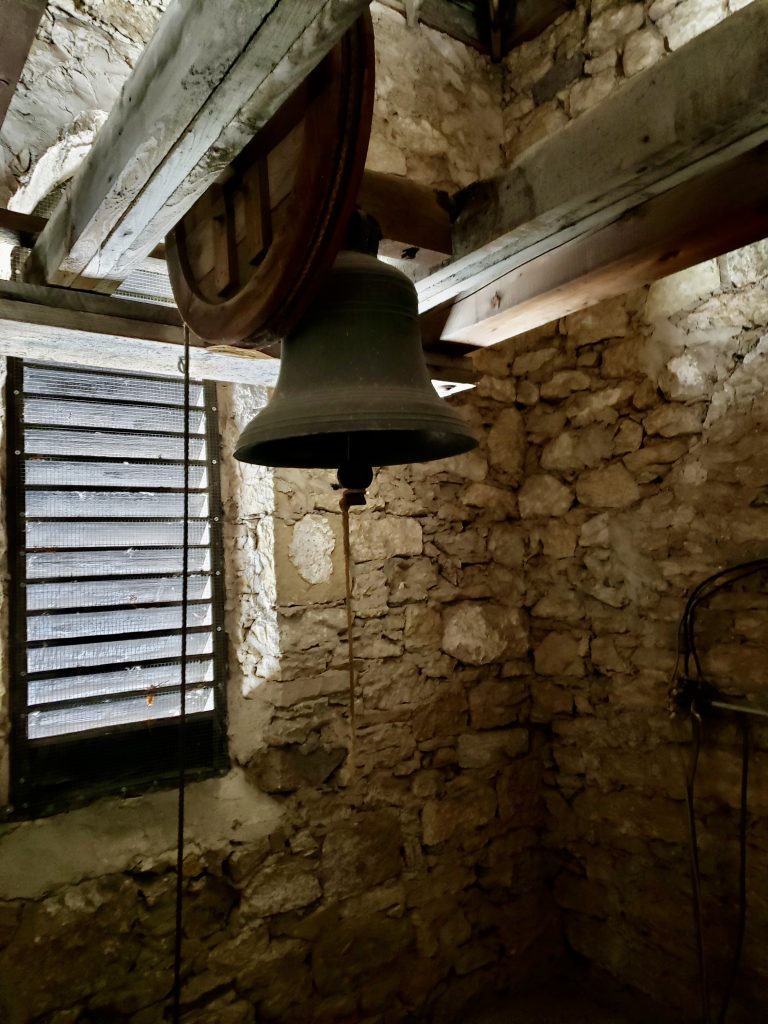
He also documented the arrival of the first steamer to travel down the Red River, weather and climate conditions, the surveying of a telegraph line and the ongoing successes and challenges of life on his farm.
His journals provide a personal perspective, offering more than just dates and events.
Through his words, readers can catch glimpses of a rapidly changing world filled with new technology, growing communities and the everyday challenges of raising a family and making a living.
A Legacy That Still Stands
Samuel Taylor’s legacy can be found in stone, wood, ink and memory. The buildings he helped construct continue to tell part of the story of the Red River Settlement. His journals preserve the thoughts and experiences of someone who witnessed an important period in Manitoba’s history firsthand.
Taylor was buried in St. Clements Cemetery, but his impact remains woven into the community around him.
For those interested in learning more about Samuel Taylor and his journals, several of his records are preserved at the Archives of Manitoba in Winnipeg.
Taylor Avenue Collection
Click on images to enlarge
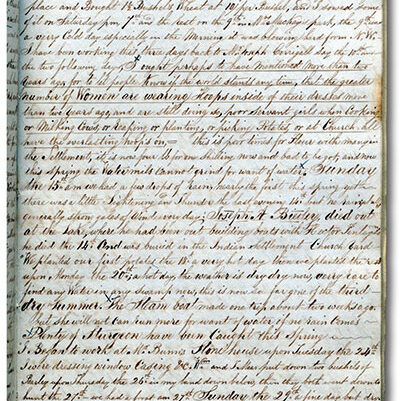 Samuel Taylor Journal Entry, May 1864, Archives of Manitoba
Sources
SAMUEL TAYLOR (1812-1894), Red River Ancestry
St. Clements Anglican Church
Manitoba History: Red River Records: Highlights of the Archives of Manitoba’s Holdings Related to the Red River Settlement, 1812-1870, Manitoba Historical Society
Samuel Taylor’s journal entry, November 15, 1862 — Submission by Maureen Dolyniuk, retired Archivist [former Keeper of the Hudson’s Bay Company Archives, Archives of Manitoba