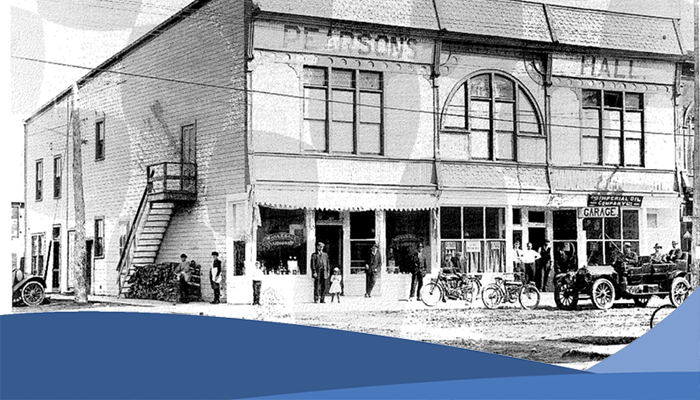
Long before modern community centres and event venues, Selkirk had a place where nearly every celebration, meeting and performance came to life. Pearson’s Hall served as the social heart of the growing community, welcoming residents for everything from weddings and concerts to political rallies and theatrical productions.
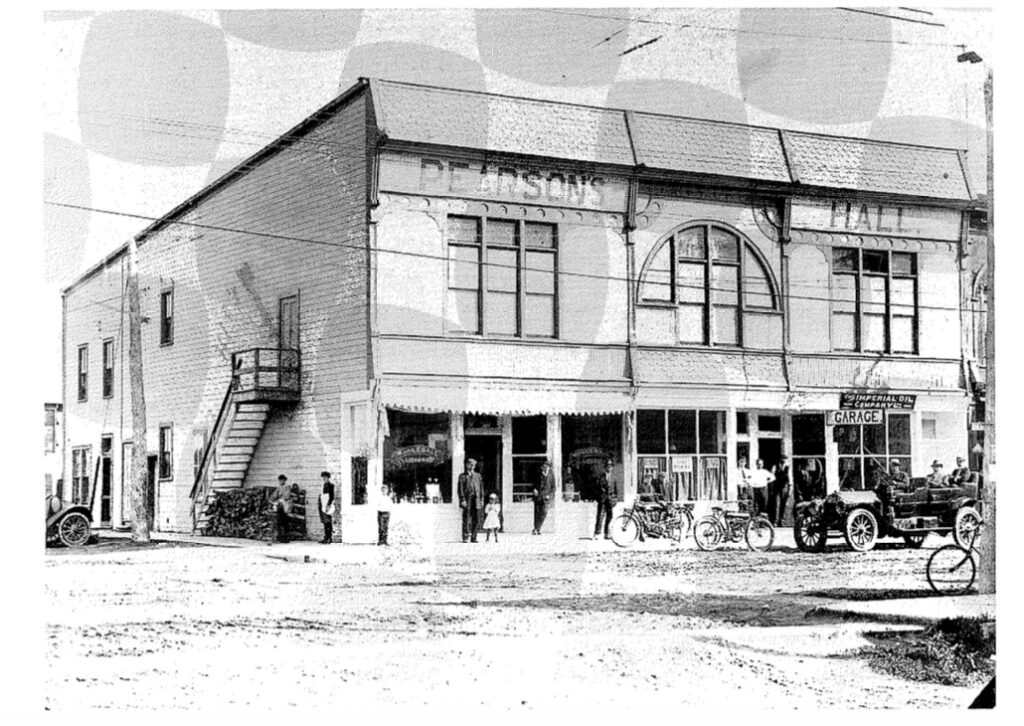
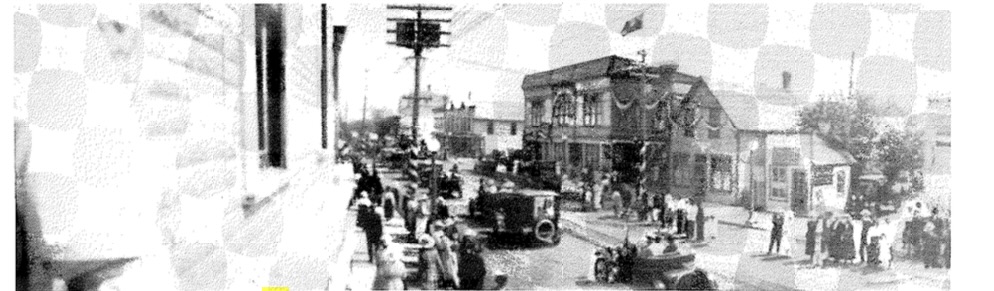
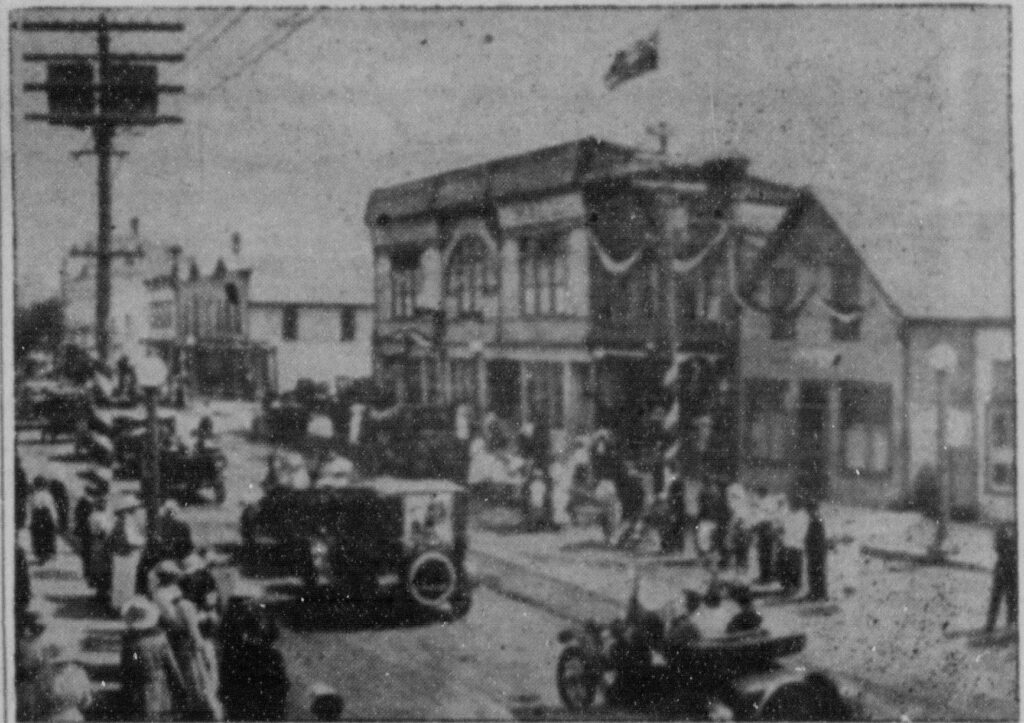
Standing at the corner of Eveline Street and Clandeboye Avenue, Pearson’s Hall was built sometime in the early to mid-1890s, although its exact construction date remains unknown. The hall occupied part of the Pearson Block, a bustling commercial hub that included a bakery, feed store, drug store, department store and possibly several other businesses.
A Venue for Every Occasion
What made Pearson’s Hall remarkable was its versatility. At a time when dedicated event spaces were limited, the hall hosted an impressive variety of gatherings and quickly became one of Selkirk’s busiest public spaces.
Over the years, Pearson’s Hall welcomed:
- Weddings and anniversary celebrations
- General parties and community dances
- Masquerade balls
- Mandoline and Guitar Club performances
- Musical concerts and recitals
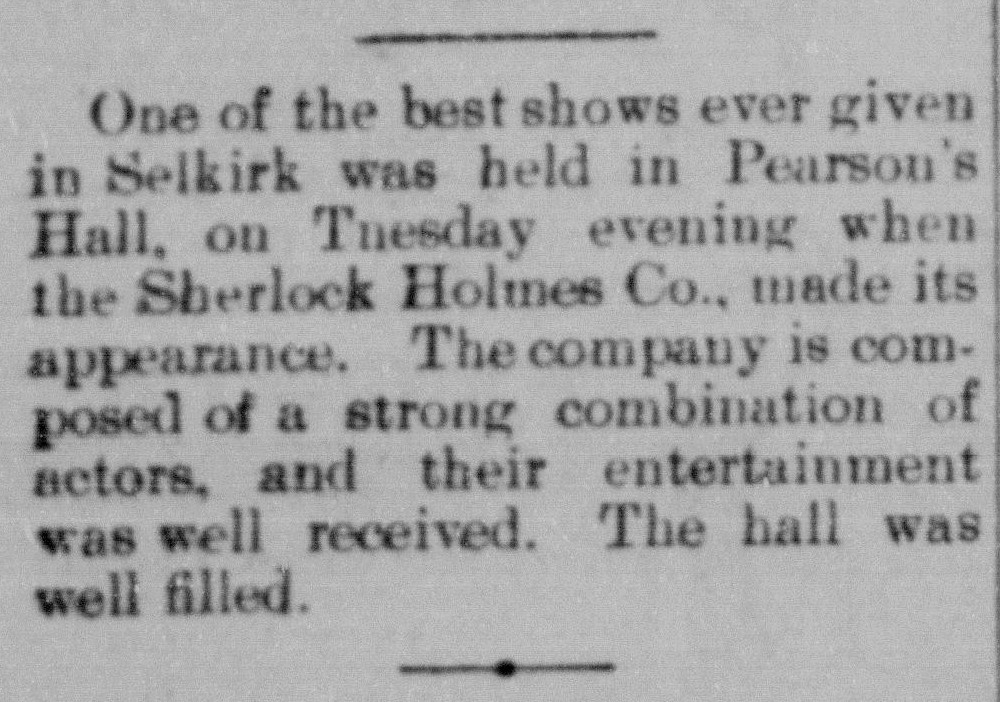
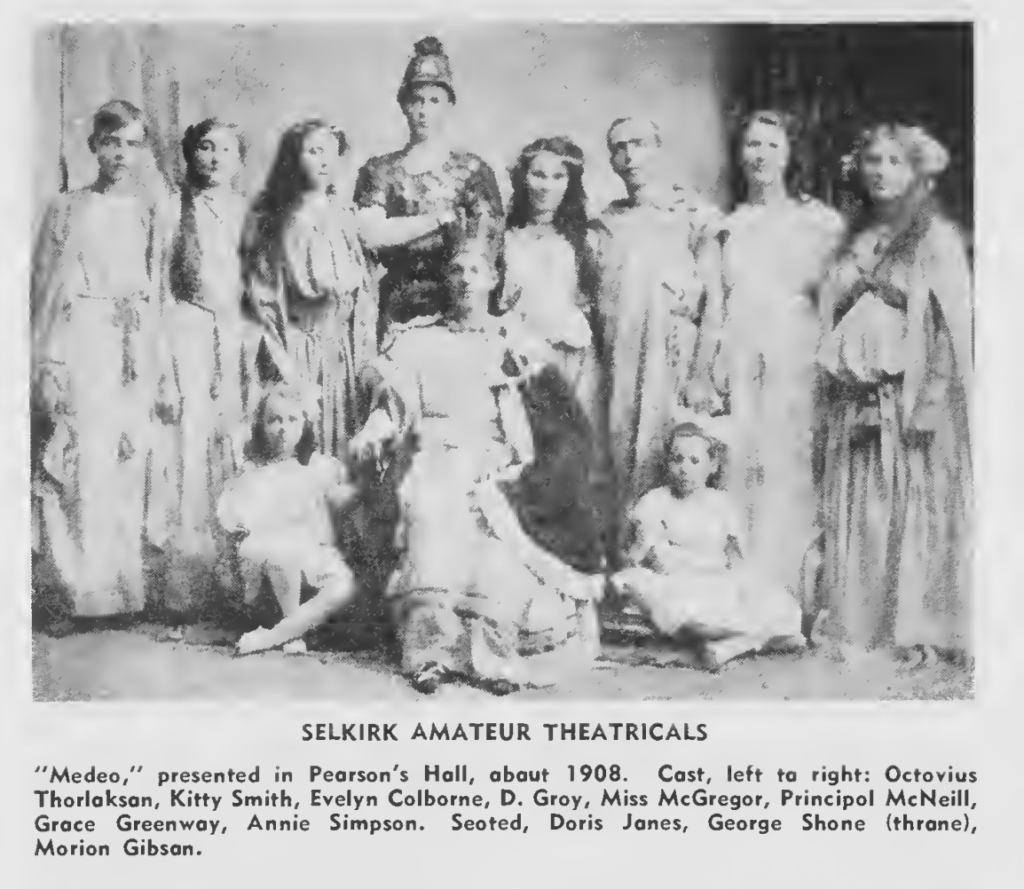
- Theatrical productions
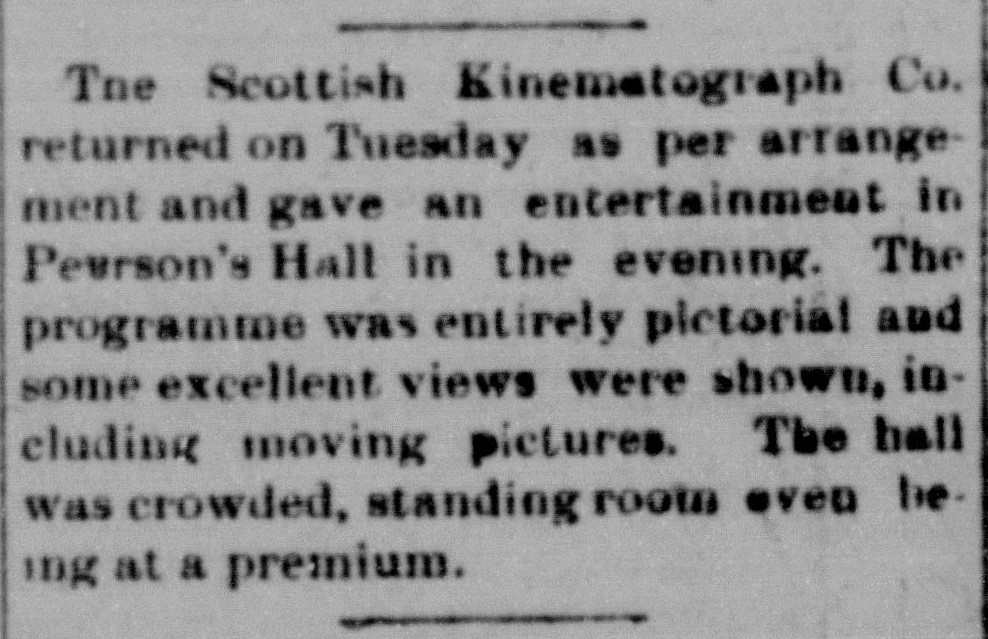
- Moving pictures
- Community meetings and public speeches
- Election campaign events
- Reunions, including gatherings for the Englishmen of Selkirk and District
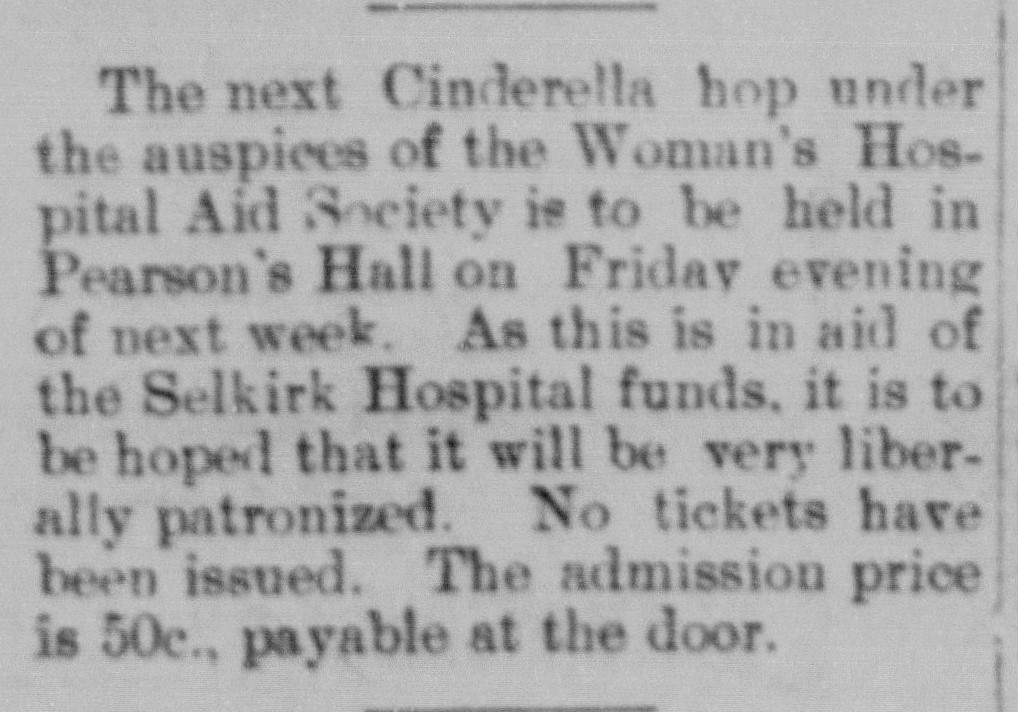
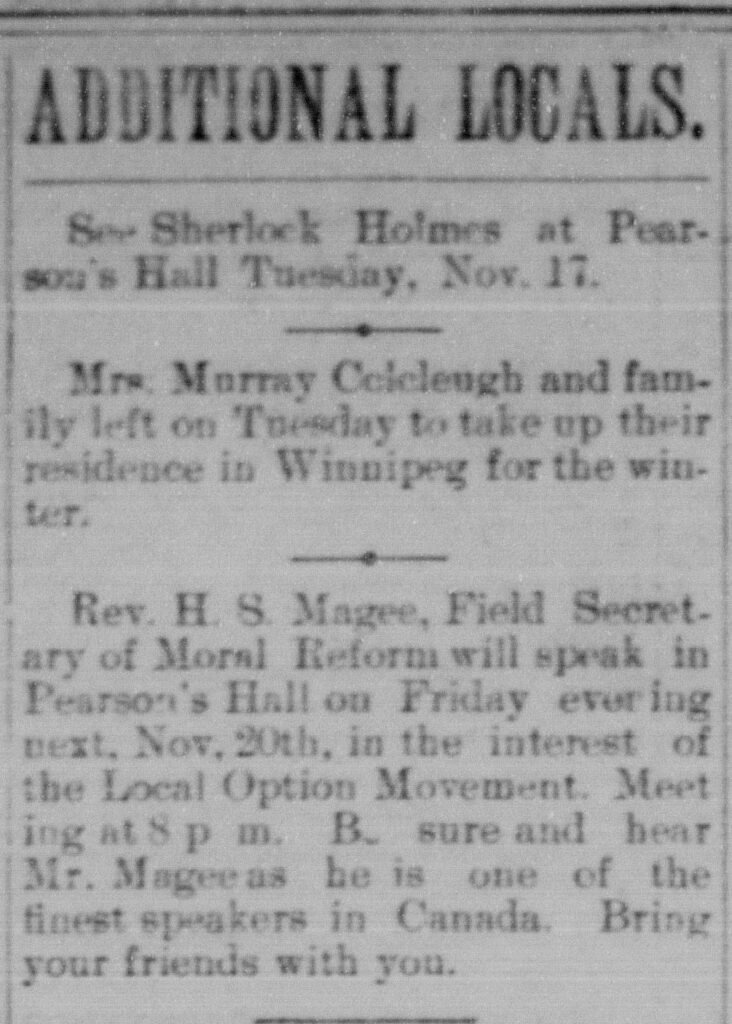
The hall was known for accommodating large crowds. While its official capacity is difficult to determine today, one newspaper account reported that “485 youngsters packed Pearson’s Hall” during a fundraiser featuring local youth entertainers—a testament to both the building’s size and its importance within the community.
Local newspapers frequently documented upcoming events and reported on successful gatherings, providing a glimpse into just how active the hall remained throughout its existence. For especially popular performances and celebrations, invitations extended beyond Selkirk, with notices appearing in Winnipeg newspapers. On some occasions, special train service was arranged to bring visitors into town during the latter part of operations, highlighting Pearson’s Hall’s regional appeal.
Supporting Community Traditions
Pearson’s Hall also played an important role in supporting local organizations and churches. Christ Church regularly rented the space to host fundraisers, including dinners, dances and musical recitals. While smaller functions could be accommodated within the church itself, Pearson’s Hall provided the room needed for larger community events and charitable gatherings.
By late 1920, however, members of Christ Church determined that it was time to construct their own parish hall to better serve the congregation’s growing needs. A parish meeting resolved that a new hall should be built as soon as possible, marking the beginning of a transition away from Pearson’s Hall.
The End of a Selkirk Landmark
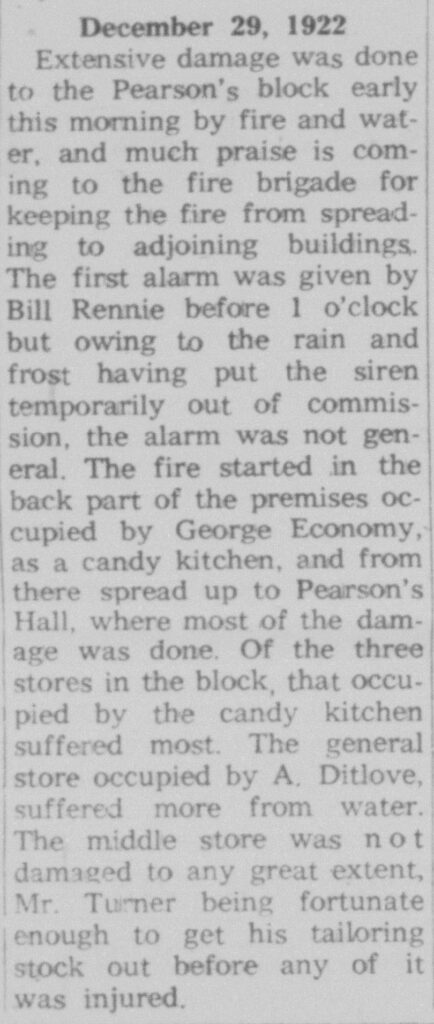
Pearson’s Hall met a tragic end between November and December 1922 when a fire completely destroyed the building. Fortunately, the remaining businesses on the Pearson Block survived the initial blaze and continued operating.
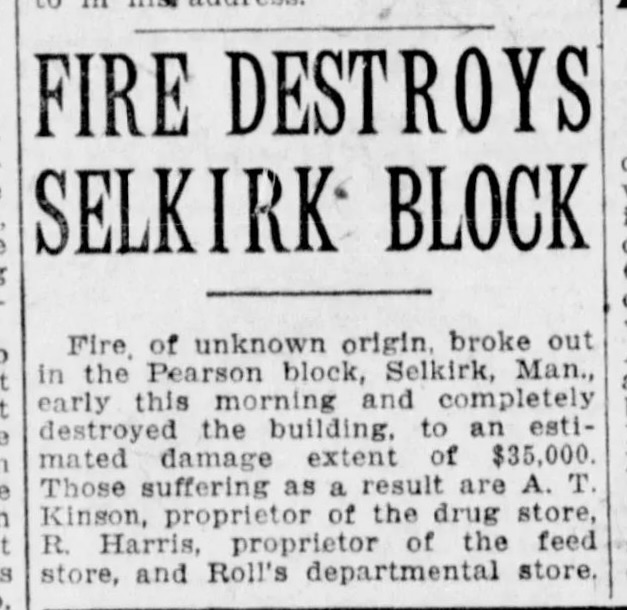
That reprieve was short-lived. On May 15, 1923, another devastating fire swept through the block, causing approximately $35,000 in damage and destroying the buildings that had escaped the first fire.
Social Life Carries On
Today, Pearson’s Hall exists only in newspaper archives, photographs and local memories. Although the building is long gone, its legacy lives on through the countless celebrations, performances and community milestones that unfolded within its walls. As Selkirk continued to grow, new gathering places emerged, but Pearson’s Hall remains an important reminder of the city’s early social and cultural life.
Sources
Brandon Daily Sun, 1923
Selkirk Enterprise, 1957
Winnipeg Daily Tribune, 1895, 1896
Winnipeg Tribune, 1907, 1917, 1923
Geroge, G. and Oliver, D., Gathered in His Name, Christ Church, Selkirk