Early Beginnings
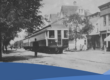
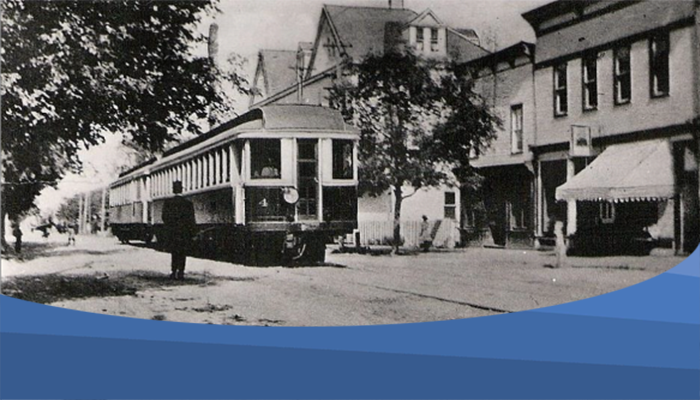
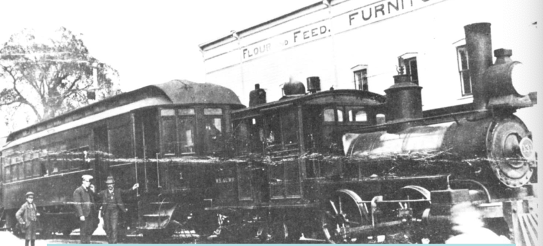
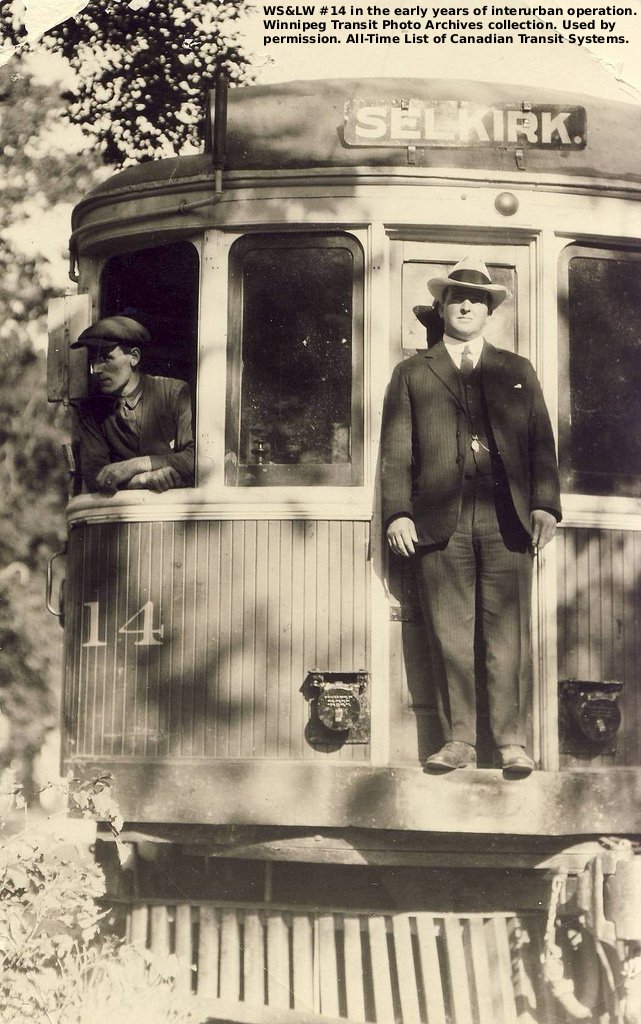
Commuting to and from Winnipeg hasn’t always been as simple as hopping in a car. Before the widespread use of personal vehicles, a train route operated by the Winnipeg, Selkirk and Lake Winnipeg Railway Company (W.S. & L.W.R.) was the prime mode of transport during the early 20th century.
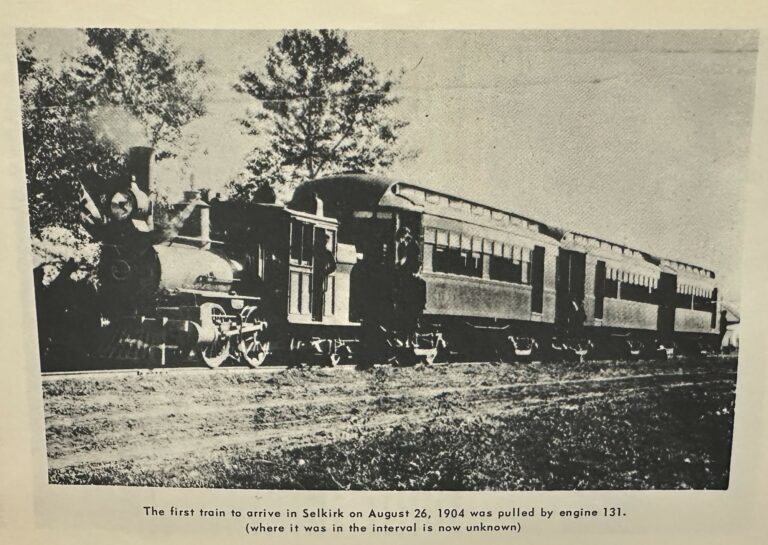
First operating on Aug. 26, 1904, the Selkirk station initially offered two round-trip runs to Winnipeg before later expanding to five daily trips on May 23, 1908. These trips consisted of four passenger trains and one freight train, with extra trips scheduled for special occasions.
In 1906, the Winnipeg Electric Railway Company acquired the station, assuming full ownership of the routes.
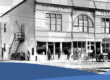
Operating with two main hubs –– a ticket office and freight shed at 360 Eveline St. and a car barn at 479 Eveline St. –– lines made a stop at Selkirk Park and Winnipeg, with branches leading to Middlechurch, Stony Mountain and Stonewall. The track went along Eveline Street to Colcleugh Avenue, turned west to Main Street and continued alongside the highway until Winnipeg. Prior to daily train services, The Northwest Omnibus Company operated tri-weekly stagecoach in as early as 1879.
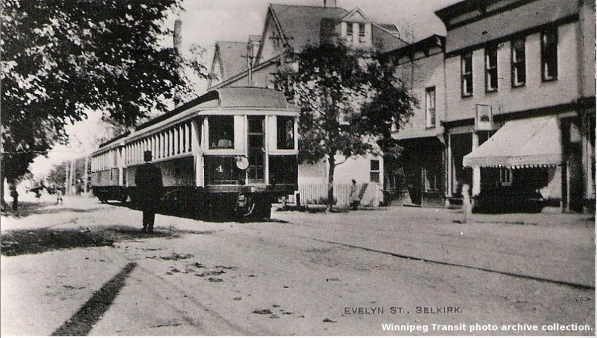
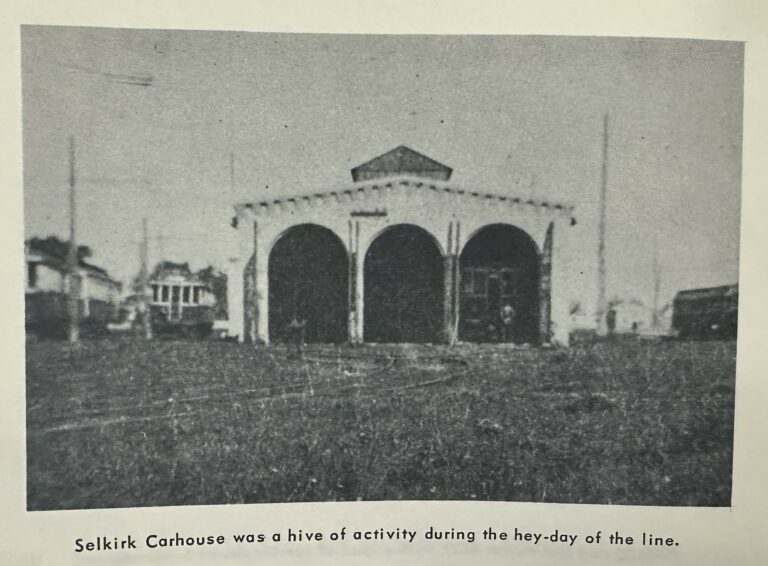
Car Barn
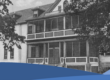
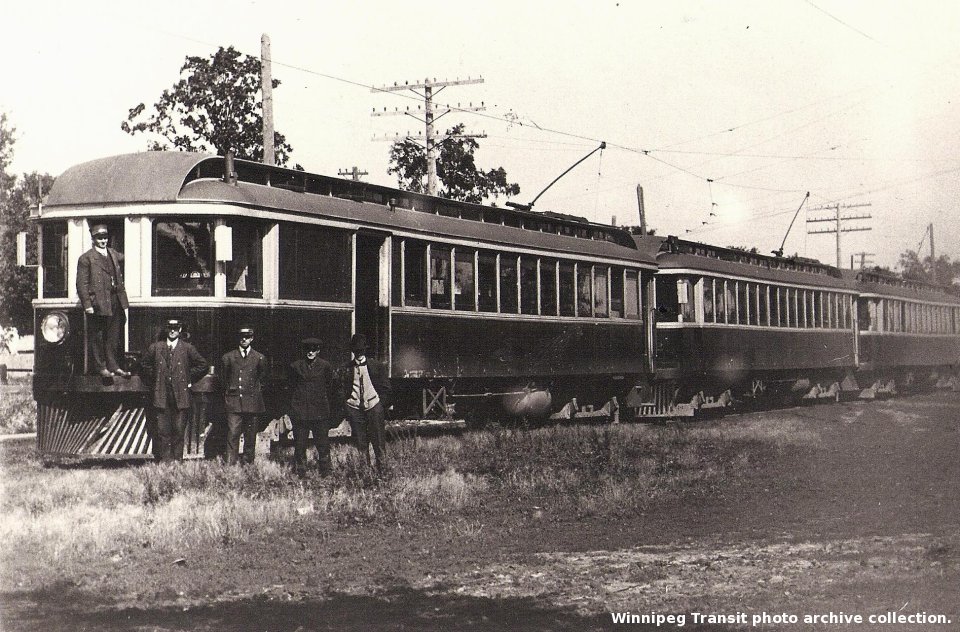
The car barn –– once located at 479 Eveline St. –– measured at 42-by-125-feet and was built in 1907. It was used until 1939 to store street cars. Presently, the property has been renovated and now houses the Grace Baptist Church.
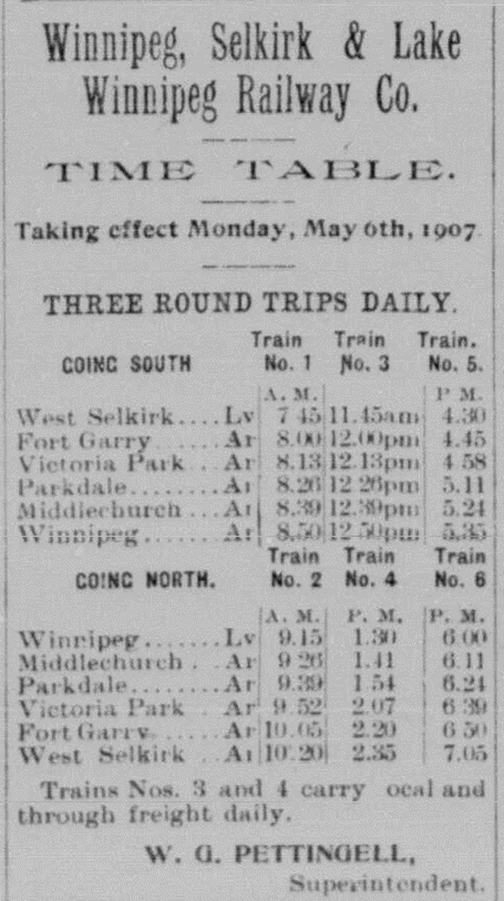
Schedule
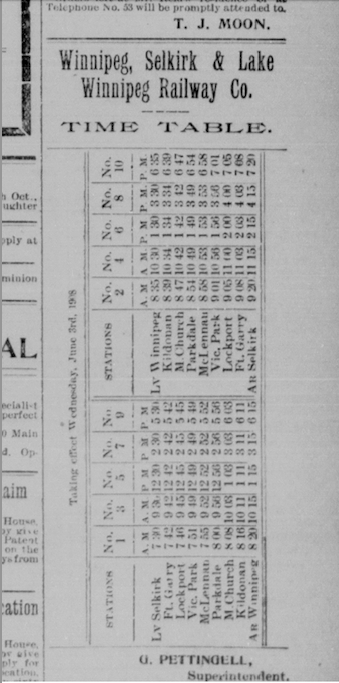
In the first four years of operation, steam railway trains departed Selkirk at 7:30 a.m. and 4 p.m. for a 35-kilometre or 75-minute trip to Winnipeg. The trains then returned, arriving around 10:45 a.m. and 6:45 p.m. In 1908, when electric interurban lines were introduced, travel time was reduced to 50minutes with five trains intermittently departing between 7 a.m. and 7:20 p.m. offering commuters and casual riders with an array of options to travel between the two cities. During this time, fares from Selkirk to north Winnipeg were 95¢ for a return ticket.
Brief history of Interurban Railways
Thriving through the early 20th century, interurban electric railways were a hybrid form of transportation that modified steam railways to use electric railway technology. They were faster, cheaper, and more economically efficient than steam railways and quickly emerged as the choice method of travel. When introduced to Winnipeg, approximately eight companies were charted to build interurban lines, but only the W.S. & L.W.R. and one additional company actually constructed the lines. The lines were installed with hope of growing communities like Selkirk, but development slowed in comparison to pre-electric railway growth.
Special Excursions and Enhancing Social Culture
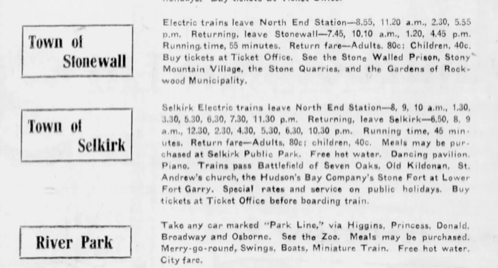
In addition to the regularly scheduled departures, special trips took place–– the most popular being the “Picnic Train” and the “Old-Timers Train.” The Picnic Train took guests to Selkirk Park for a day of recreation, picnics, solitude from Winnipeg, fishing, and other outdoor activities. This excursion brought along many benefits, boosting tourism, the economy and transformed Selkirk’s image into a place to have fun. Local businesses took advantage of this surge, offering boat rentals, taxi services, and fishing tours.
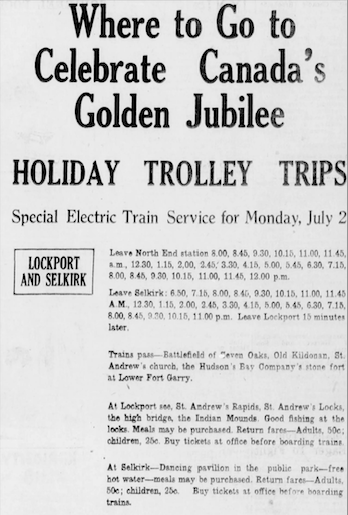
The Old-Timers train, meanwhile, brought 200 members from Winnipeg’s Old-Timers Club out for a sports day at the Selkirk Skating Rink in 1917. For Canada’s jubilee in 1917, trains departed from Selkirk every 45 minutes between 6:50 a.m. and 11 p.m. bring riders to the dancing pavilion in Selkirk Park.
De-Railing Commutes
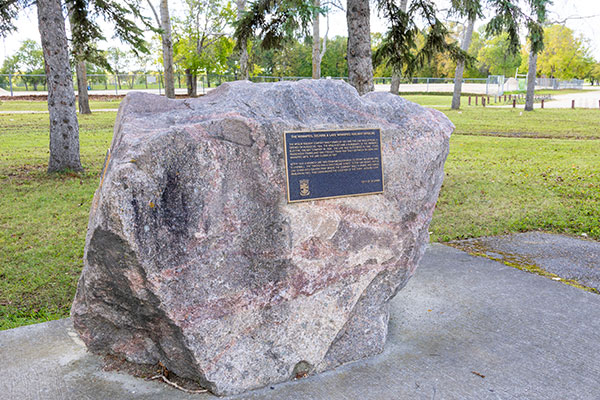
Bus service began to run alongside trains in 1931, and in one year they quickly came to be the preferred mode of travel. The last train departed the Selkirk station on Sept. 1, 1937. Following the rise of automobiles and the Winnipeg Electric Company replaced train services with full-time bus routes one week later. In 1938, they removed the rails between Selkirk and Winnipeg, leaving behind only memories of those who once rode.
Once train routes were removed, Selkirk’s tourism dwindled and the cost of living soared with a lack of convenient and affordable train trips. Once the town shifted its focus to road transport, train stations were replaced by bus stations, and Selkirk, like most urban centres in North America at the time, became a more car-oriented place to live.
Sources
Historic Sites of Manitoba: Selkirk and Lake Winnipeg Railway (Selkirk Park, Selkirk), Manitoba Historical Society
Winnipeg Selkirk & Lake Winnipeg Railway Company, Red River Heritage North
Historic Sites of Manitoba: Winnipeg, Selkirk and Lake Winnipeg Railway Carbarn (479 Eveline Street, Selkirk), Manitoba Historical Society
The Interurbans of Winnipeg, Manitoba Historical Society
Wyatt, David A., All-Time List of Canadian Transit Systems
Selkirk Enterprise, 1907, 1908, 1917
Blake, Herbert W. “The Era of Interurbans in Winnipeg 1902-1939,” (Printing Co., LTD, Winnipeg), 1971.