
Dogs trained to pull sleds have been used in arctic regions for thousands of years. These dogs and the sleds were essential in transporting people and objects during the winter when no other form of transport was possible or efficient enough. Currently, the first evidence of sled dogs was found in Siberia dating to 9,000 years ago. Traditional breeds for sled dogs include various types of huskies, Samoyed, and Alaskan Malamutes, although other breeds are sometimes used.
Many different Indigenous peoples throughout North America used sled dogs far before European contact. As North America was colonized, many settlers began using sled dogs since parts of Canada and northern United States were only accessible in the winter by sled. Sled dogs were especially prevalent throughout the 1800s and into the early 1900s.
Dogs were capable of transporting goods in conditions that would stop boats, trains, and horses. But as highways and especially snow mobiles were developed the use of sled dogs receded through the mid-1900s, since the arctic could now be traveled by reliable machines. Today sled dogs are typically used for sport and recreation although some parts of the world, such as Greenland, still use sled dogs for transportation.
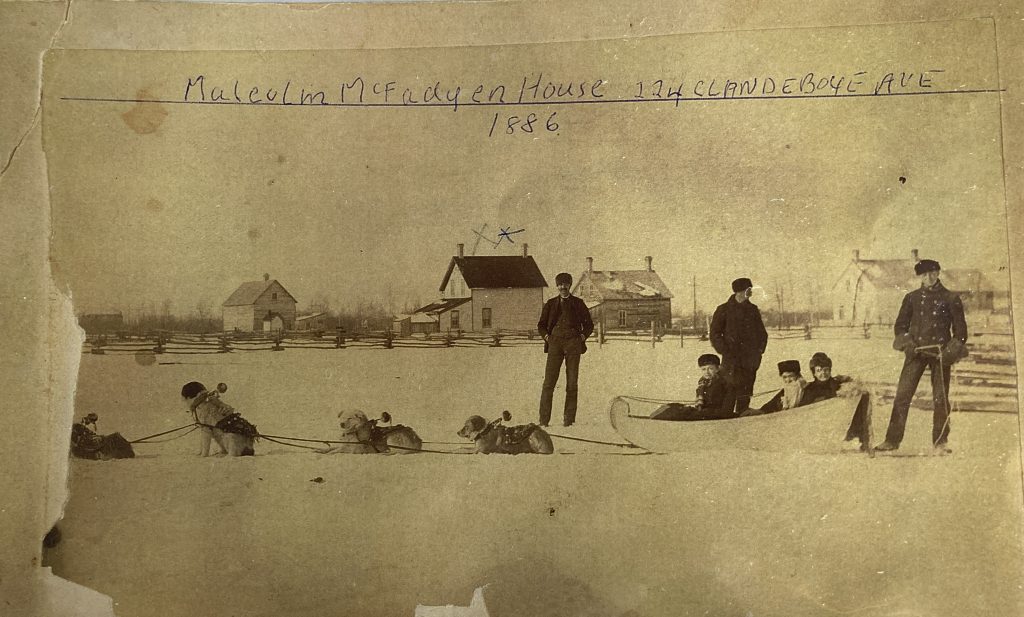
Dog sled transportation in Selkirk
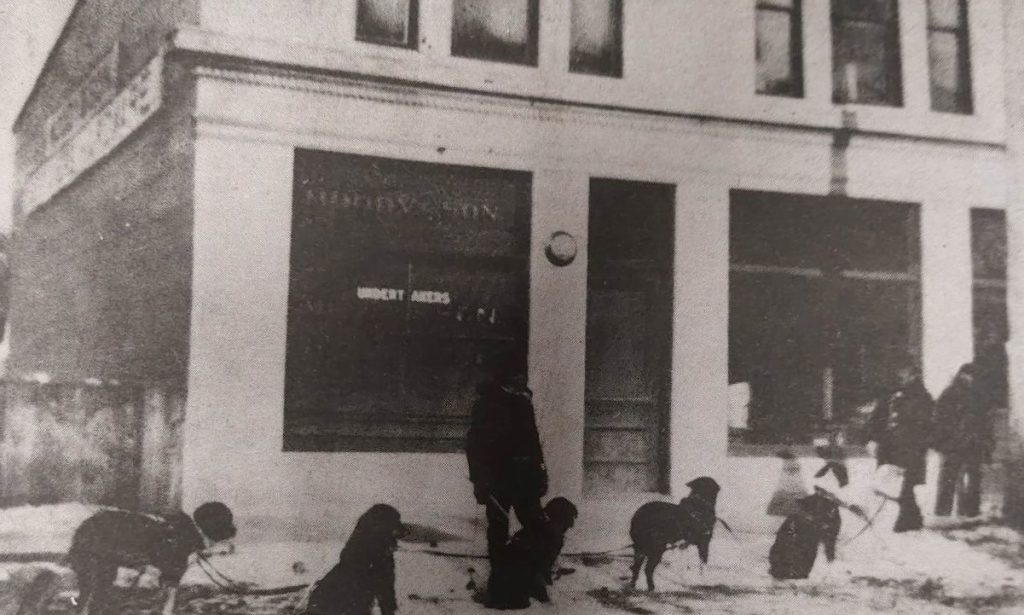
In Manitoba, sled dogs were used during the winters in the 1800s and early 1900s to transport goods and people. As this postcard from Selkirk shows, a small team of dogs could be used to transport a child to school or visit nearby friends.
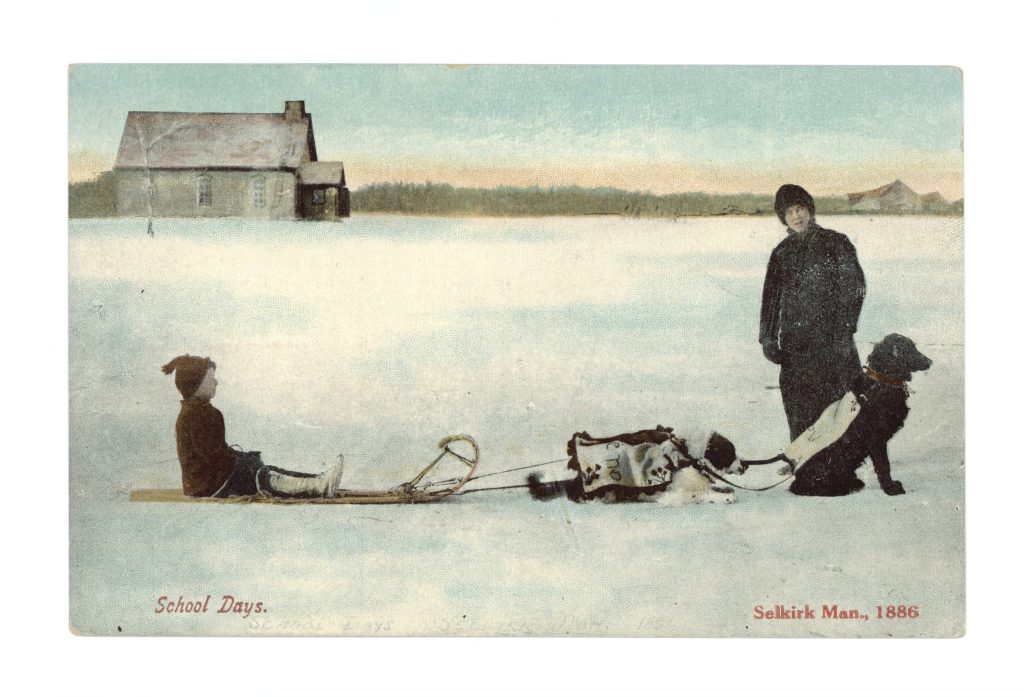
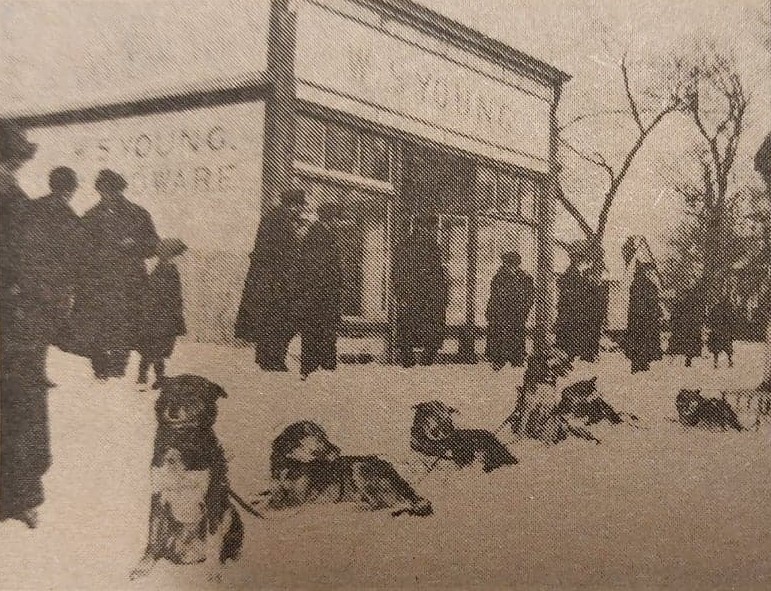
Fred Linklater was a boy in Selkirk in the 1920s and reminisced that seeing six to eight dog sled teams was a very common sight in Selkirk and especially out in the country. Sometimes he and other children could catch a ride on these sleds going to or from school.
Dog sled races in Selkirk
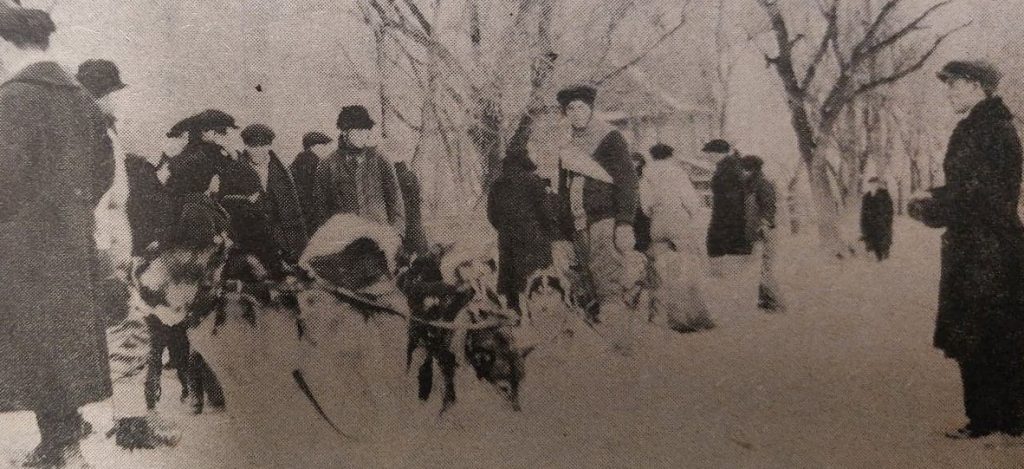
There were many dog sled races in Selkirk in the early 1900s. Additionally, a provincial race happened annually in February at the Winnipeg Carnival. Frequently there was at least one competitor from the Selkirk area.
On January 28th, 1922, there was a dog sled race on Manitoba Avenue in Selkirk. Donald Smith won out of the 12 contestants. This race decided who would represent Selkirk at the Winnipeg Carnival race.
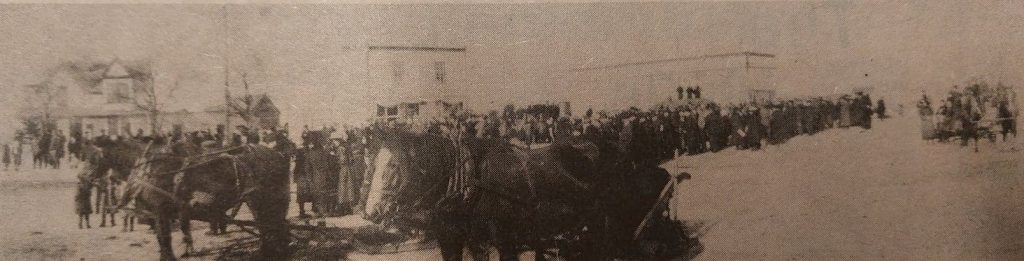
In February 1922, there was a sled race from Selkirk to Winnipeg. The race started at the Old Post Office and had 10 competitors. Oli Johnson of Riverton won with 2 hours and 15 minutes. Jack Townsend of Selkirk placed second with a time of 2 hours and 31 minutes.
In the 1924 provincial dog sled race at the Winnipeg Carnival, Tommy Morrison of Selkirk placed third and Johnny Evans from Petersfield won first.
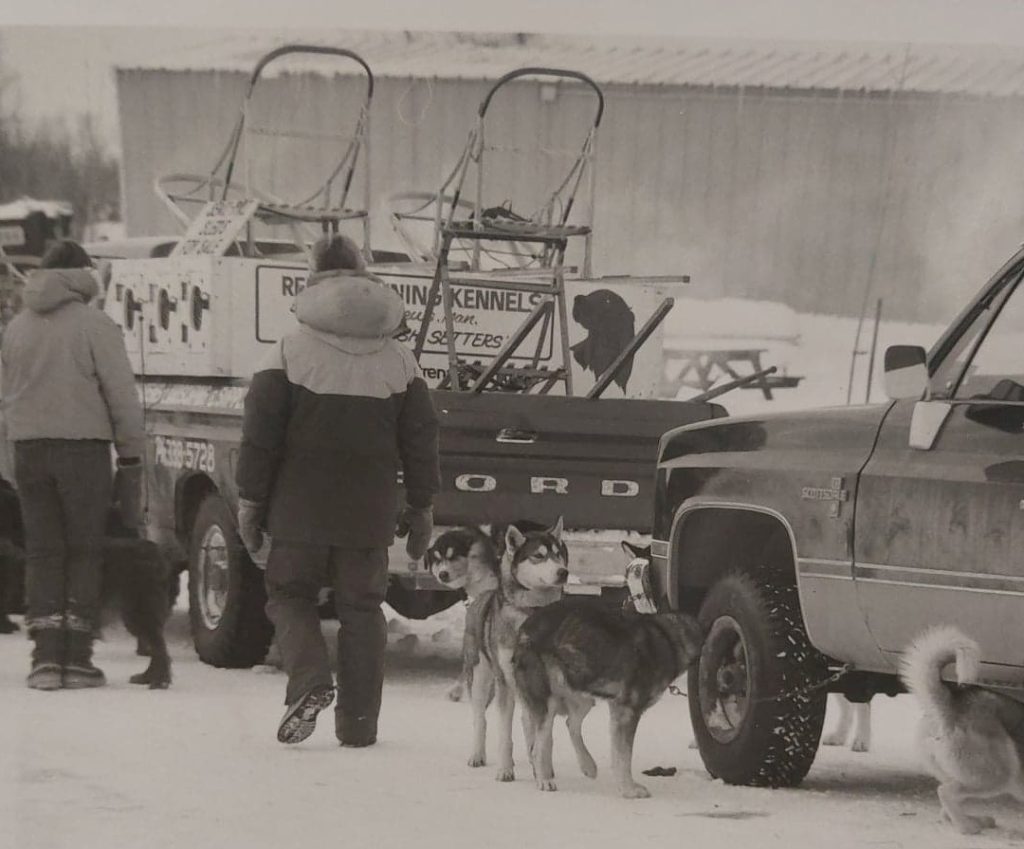
During the 1980s and 90s, there was an annual winter event in Selkirk called Festival on the Red. In the early years, this event included dog sled races. Later, the races stopped, but there continued to be dog sled demonstrations and people could take a short ride to experience this unique form of transportation.
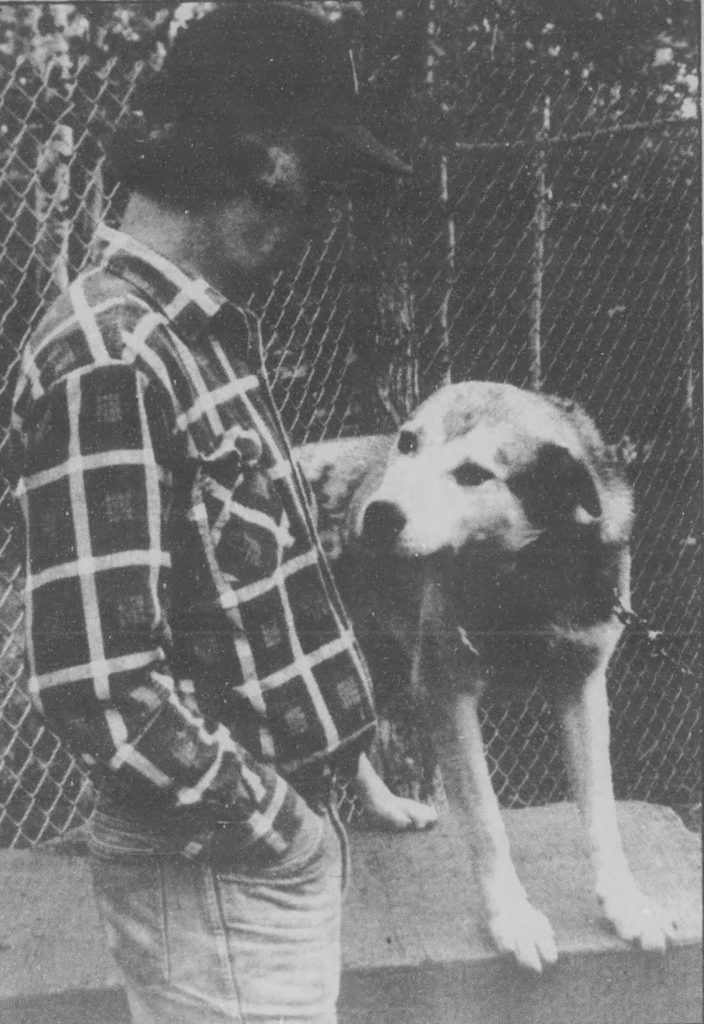
During the 1970s and 1980s, Ron Wilkinson from Lockport was very successful in dog sled racing. Ron taught school at Centennial School in Selkirk and had a passion for winter sports, such as hockey. He won races throughout North America, including participating in the Alaskan Iditarod, and won international freight dog races. His son, Cory, also loved sled dogs, and raced in the three dog speed competitions.
Sources
Dogsledding | The Canadian Encyclopedia
A Brief History of Dog Sledding – Outdoor Dog World
Selkirk Enterprise 1962, 1964, 1974
Selkirk Journal 1988, 1990, 1993
Selkirk Enterprise and Lake Centre News 1984
Selkirk Enterprise Centennial, 1982