
The 108th Battalion was a Manitoba-based infantry unit of the Canadian Expeditionary Force. The Battalion in 1915 was stationed in Selkirk for several months then moved to Camp Hughes until being moved to England where training was completed before going to war. The Battalion made a lasting impact, with many soldiers serving in major battles and a memorial established to honour those who lost their lives.
The 108th Battalion was an infantry unit of the Great War Canadian Expeditionary Force. It was one of the few infantry units started in Manitoba.
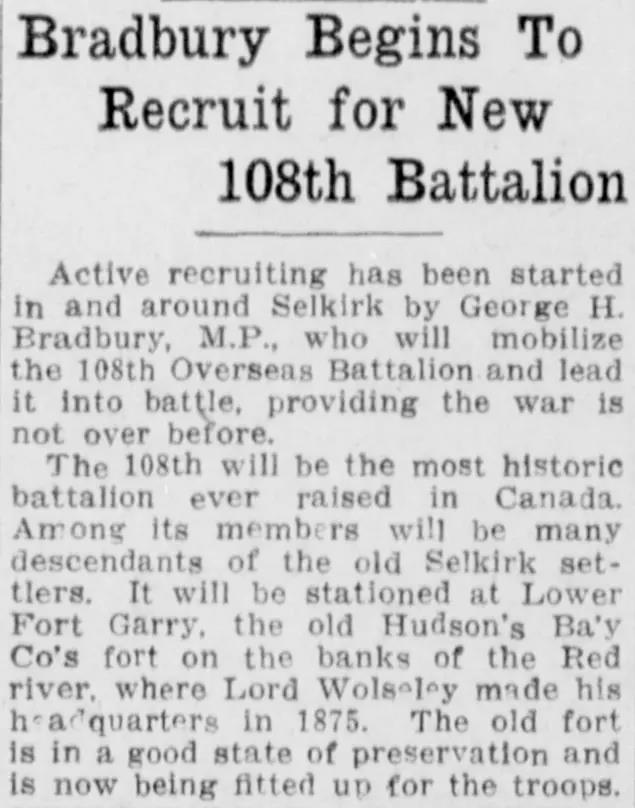
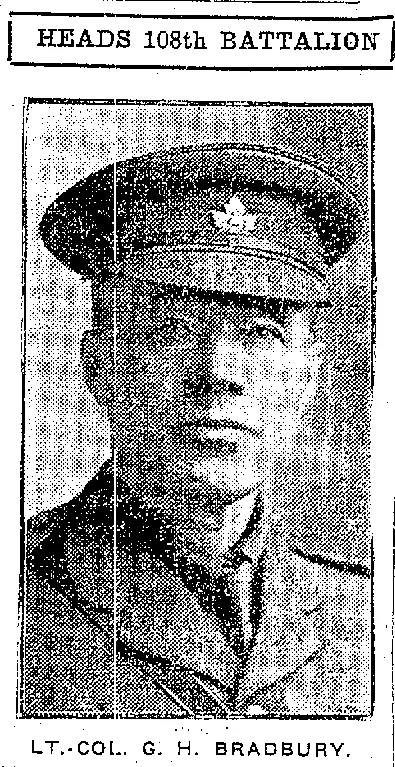
Infantry battalions are made up of foot soldiers. The 108th was authorized on November 4th, 1915, and immediately began recruiting soldiers throughout Manitoba. The Battalion was commanded by Lieutenant Colonel G.H. Bradbury.
The Battalion was stationed in Selkirk for several months as men were recruited and the new recruits did initial training. In 1916 the 108th was moved to Camp Hughes for more intensive training. After months at the training camp, the 108th Battalion traveled to England, where they completed more training before heading into war.
Lieutenant Colonel G.H. Bradbury
George Henry Bradbury was born in Ontario in 1859. His parents were Irish immigrants. He moved to Manitoba in 1881 and soon settled down in Selkirk. Before the First World War he was elected to the House of Commons for the Selkirk constituency. In 1917 he joined the Senate.
Lieutenant Colonel Bradbury commanded the 108th Battalion from November 1915 to December 1916.
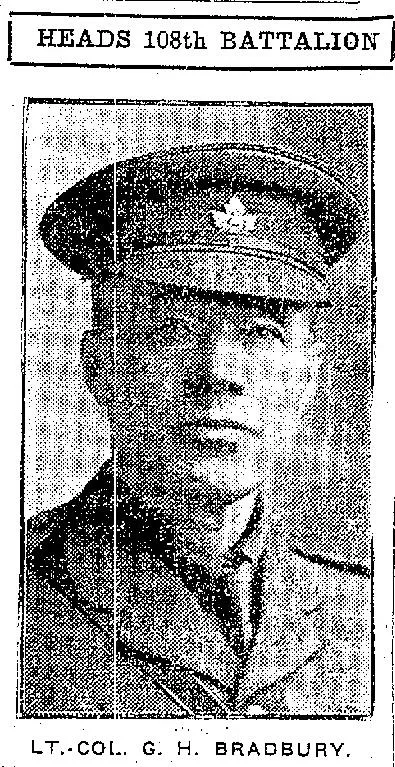
Red Feather Farm
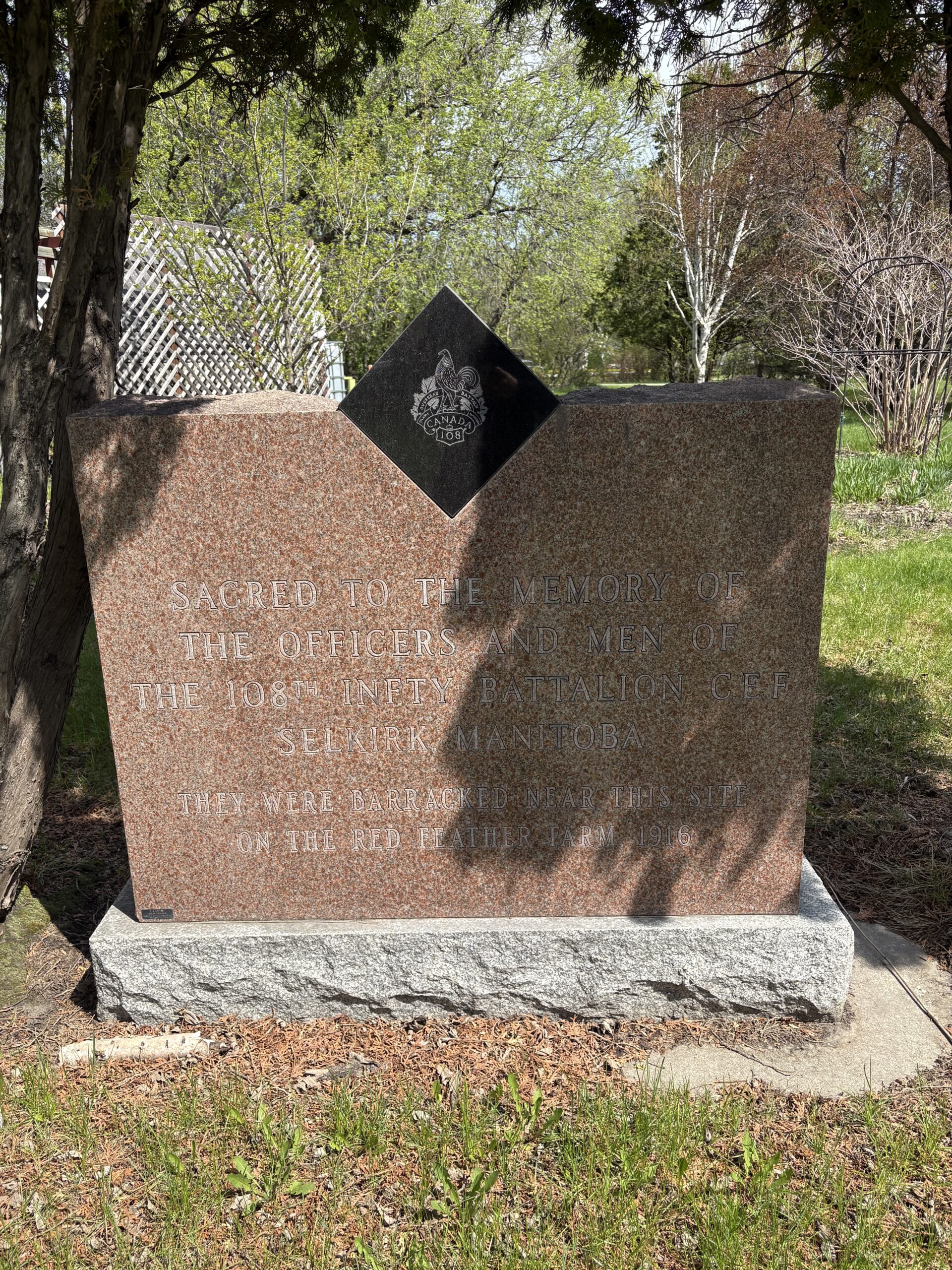
New recruits for the 108th Battalion were quartered at Red Feather Farm in Selkirk for several months for initial training.
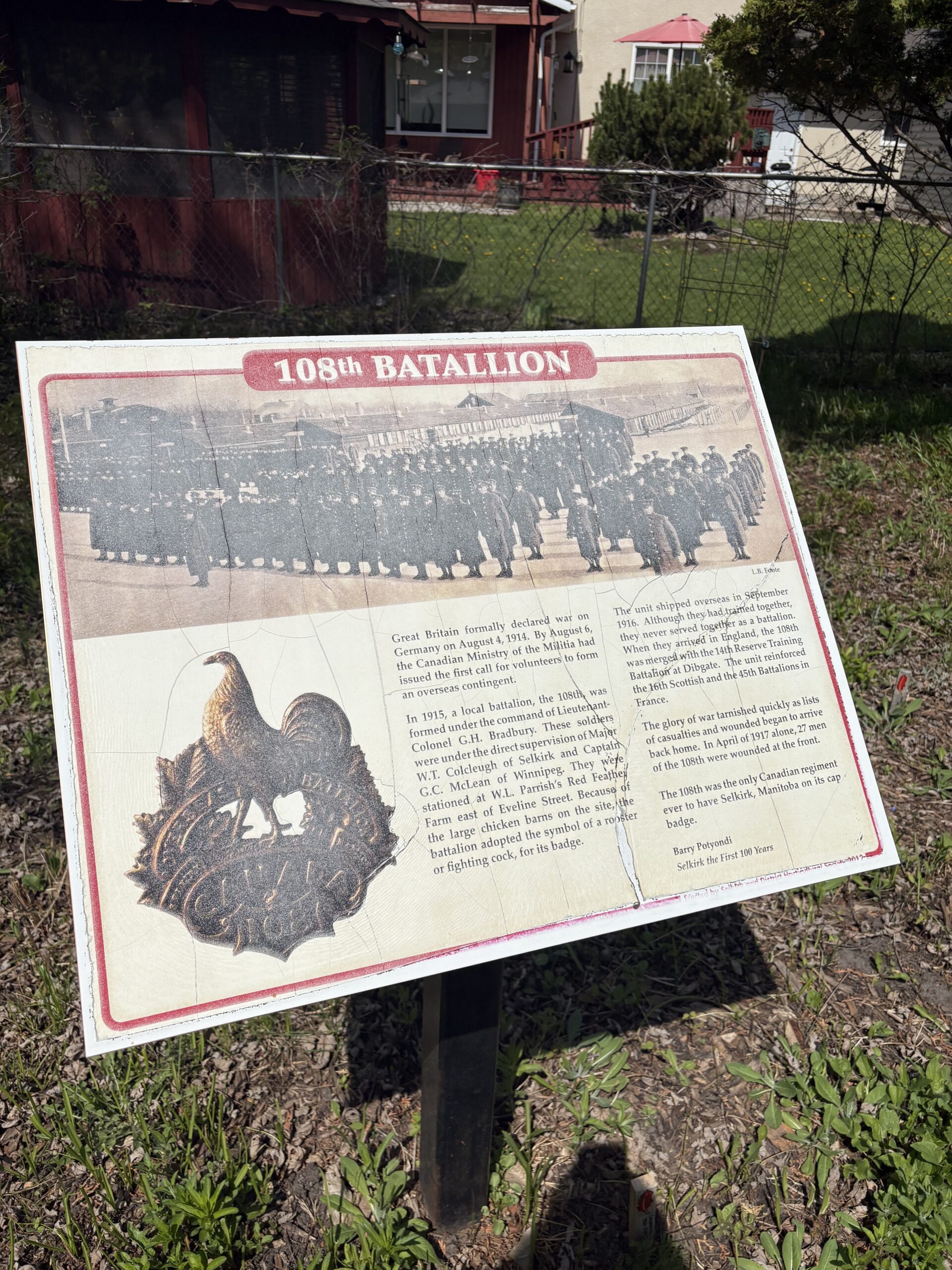
W.L. Parrish, who owned Red Feather Farm, turned over the property to the Canadian War Department to use as military barracks. The property of the farm was sizeable making it a perfect location for initial training. Additionally, the large chicken barns were easily converted into military barracks for the soldiers.
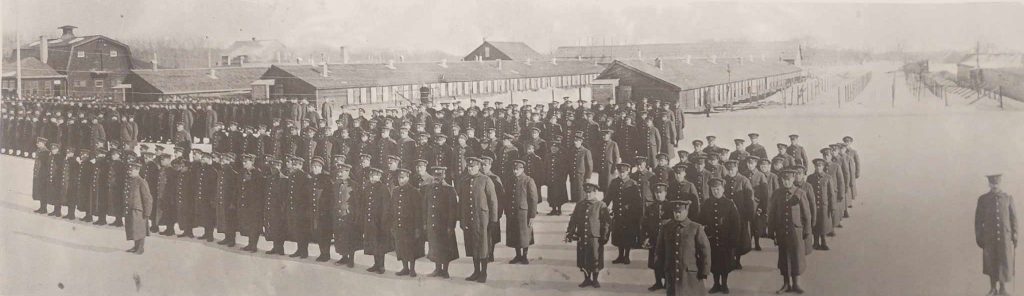
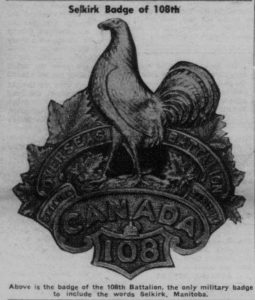
The Battalion soon became known as the Gamecocks due to living at Red Feather Farm and used a rooster as the symbol on their military badge.
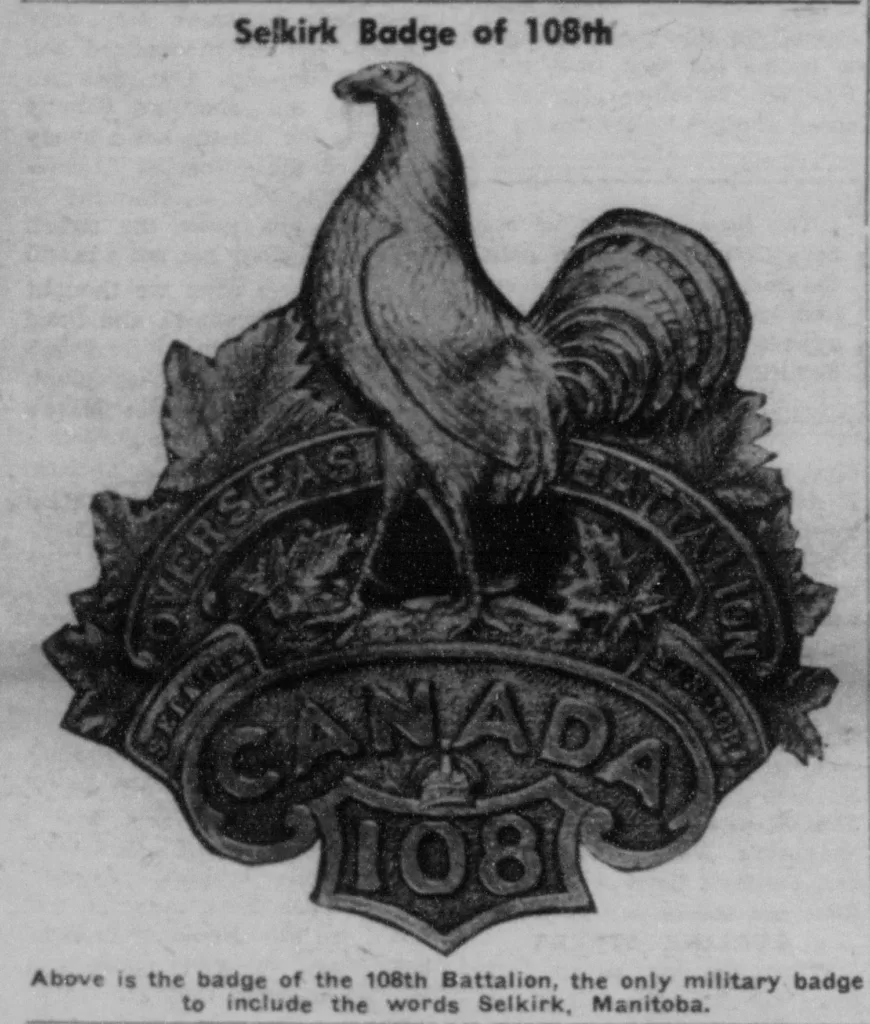
Away from Selkirk
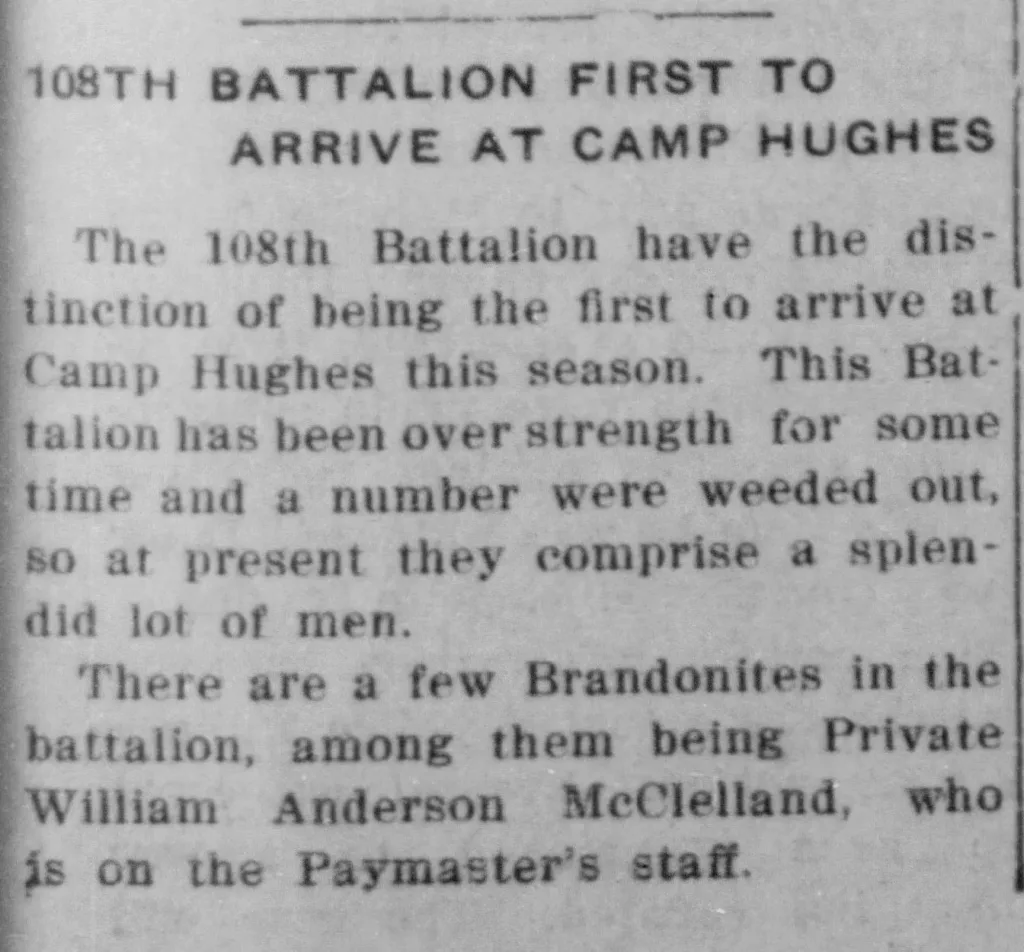
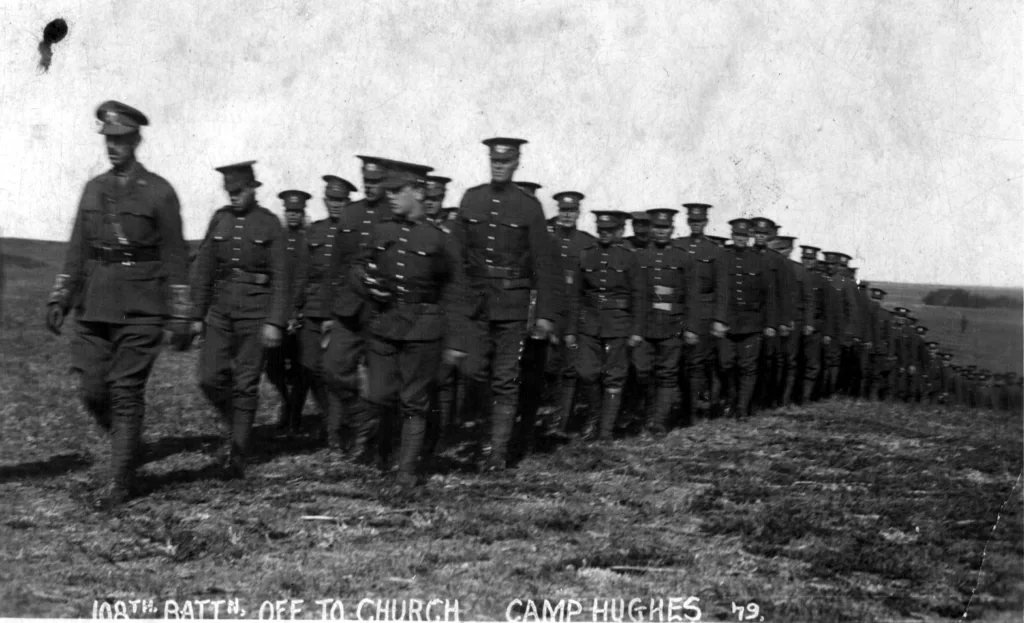
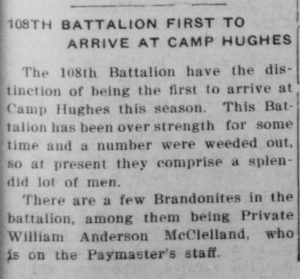
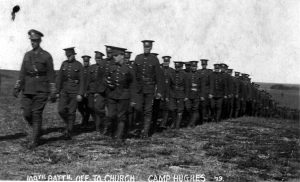
After some initial training and weeding out at Red Feather Farm over the winter, the 108th was sent to Camp Hughes in May 1916 for further training. The Battalion continued to train at Camp Hughes over the summer.
Camp Hughes, near Carberry, Manitoba was established in 1909 and continued until 1934. During the First World War over 38,000 troops trained at the Camp. Today Camp Hughes is a National Historic Site and the only First World War trench system remaining in North America.
In September 1916, the Battalion took a train to Ottawa where they were reviewed by Sir Robert Borden, the eighth Prime Minister of Canada. They also received their regimental colours from Lady Borden.
The 108th Battalion traveled to Halifax on September 19th, 1916, and from there embarked for Britain. At the time the 108th left Canada it was comprised of 32 officers and 843 other ranks.
The 108th arrived in Liverpool, England on September 25th, 1916. In 1917 the 108th Battalion was absorbed by the 14th Reserve Battalion of the Canadian Expeditionary Forces under Lieutenant Colonel I.R. Snider.
The 108th Battalion, depleted of its ranks because they had been allocated to different units as reinforcements, was formally disbanded on July 17th, 1917.
Marcus Porano
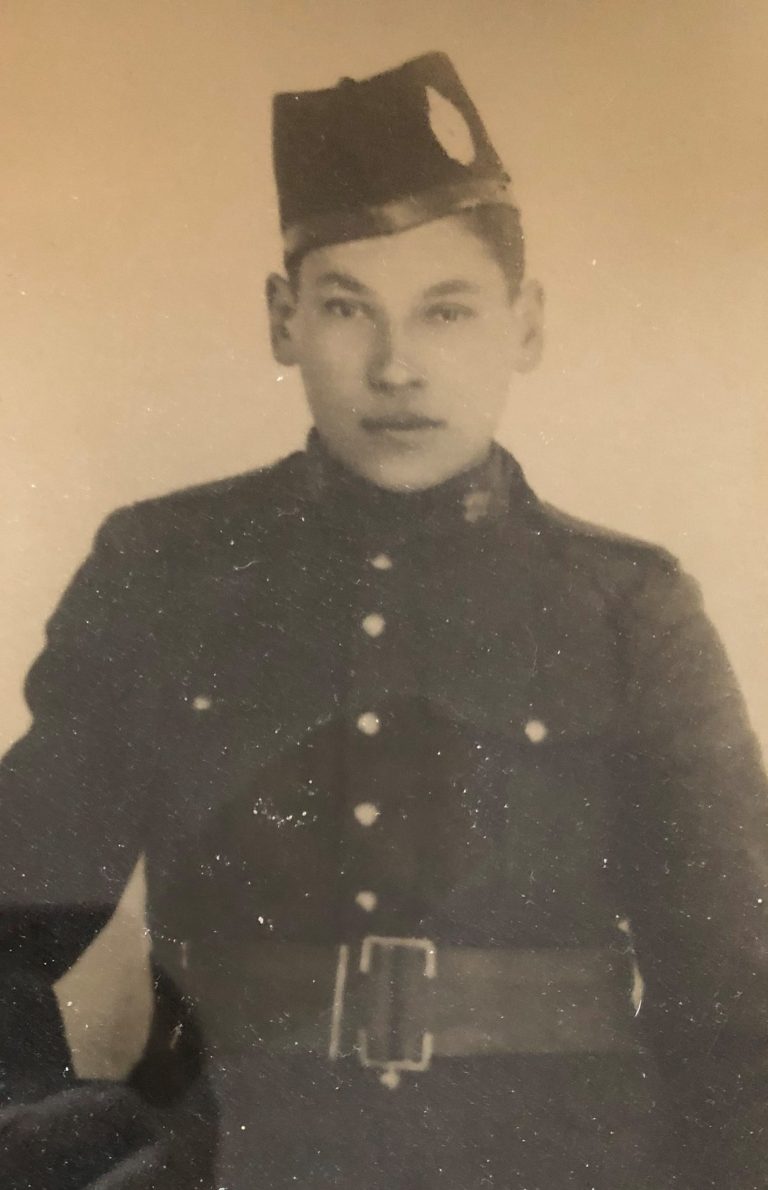
Marcus Porano was born in Manila, Philippines around 1893. At a young age he moved to Selkirk. Marcus was one of the few Filipinos to serve in the Canadian Expeditionary Force, during the First World War. On December 1st, 1915, he joined the 108th Battalion. He recorded his age as 21 years old.
Marcus trained with his Battalion at Camp Hughes before traveling with them to England. He fought in many battles throughout the First World War such as Hill 70, Arras, and Andenne.
After he returned home, he married and spent the rest of his life living in Selkirk and the surrounding area.
David Thomas
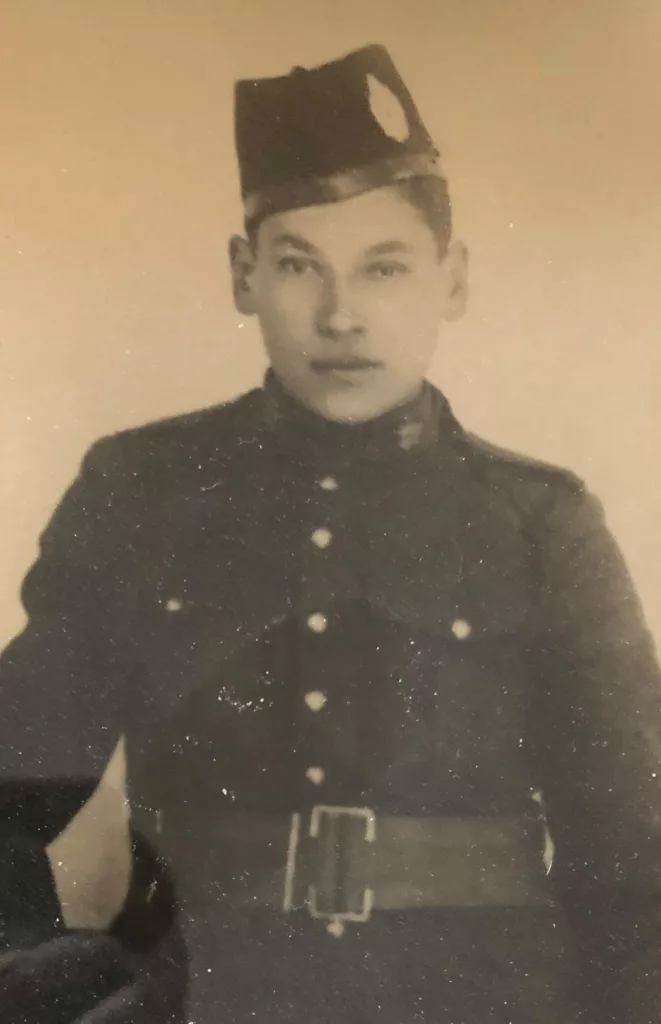
At only 18 years old David Thomas left his home in the Peguis Reserve and joined the 108th Battalion in 1916. A little more than a year after he joined the Battalion he was killed in Belgium during the Battle of Passchendaele. Private Thomas died on the first day of the assault, October 26th, 1917.
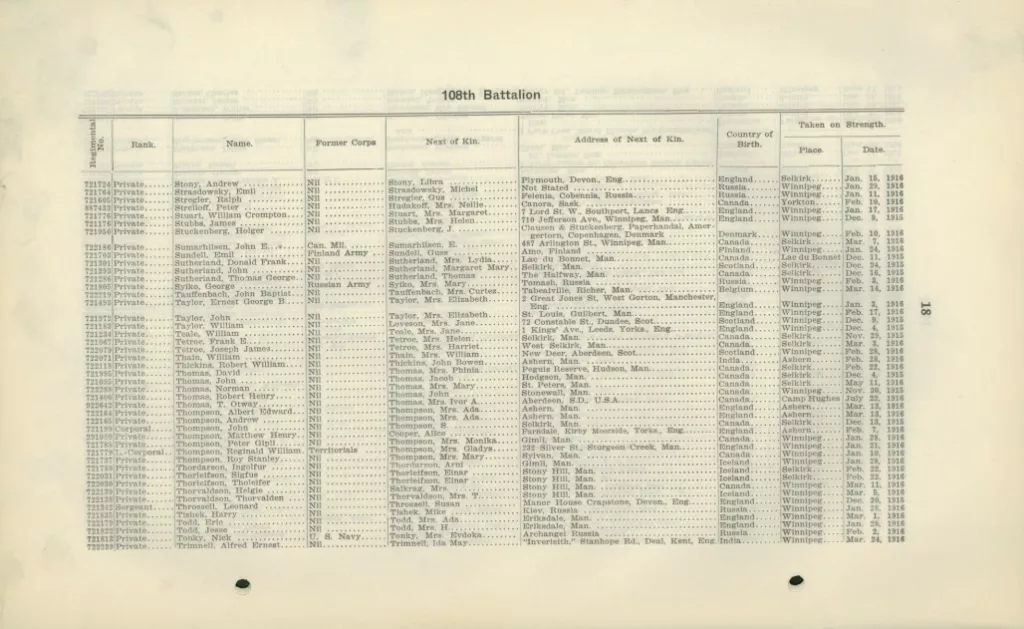
While this blog highlighted only a few individuals from the 108th each member who fought in the Battalion was immeasurably important to their families and communities. The names of each person who joined the 108th Battalion are recorded in the nominal rolls.
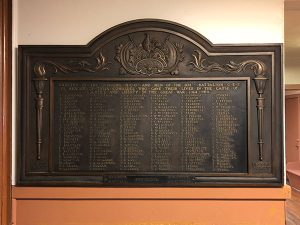
A bronze tablet was created as a memorial to honour the 161 members of the 108th Battalion who died during their service in the First World War. It was unveiled and dedicated in the Carnegie Library in Selkirk on August 26th, 1923. The memorial is now located at the Selkirk Memorial Hall.
The Battalion was awarded the battle honour THE GREAT WAR 1916–17. The 108th Battalion has not been continued by the Canadian Army.
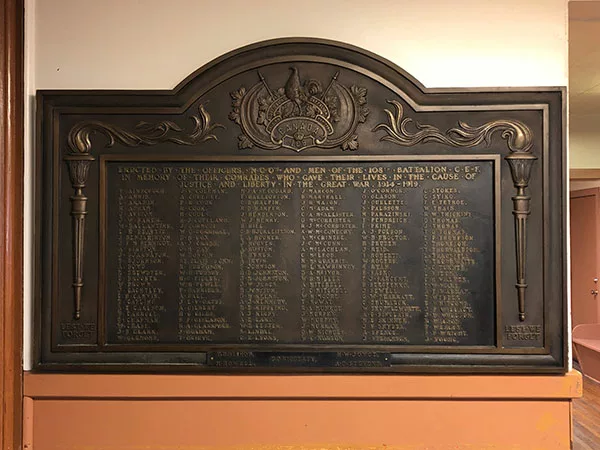
108th Battalion Collection
Click on images to enlarge
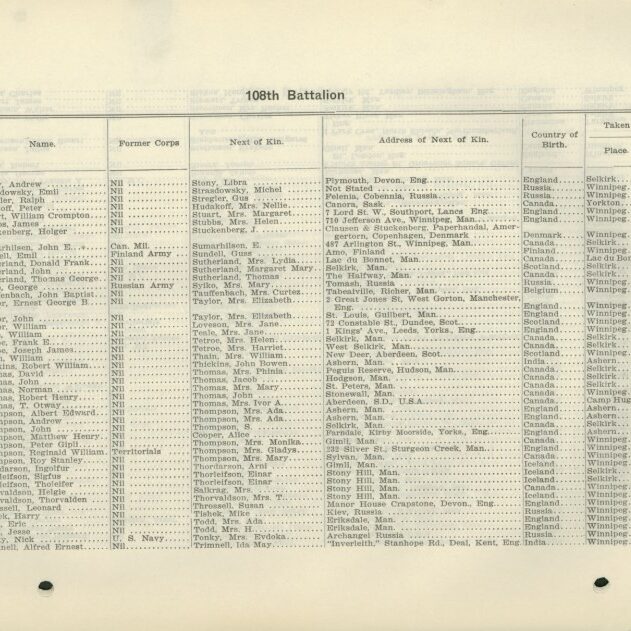 108th Battalion Nominal Roll, 1915-1917, Library and Archives of Canada
Sources
Red Feather Farm – Selkirk Museum
108th Battalion CEF | Wartime Canada
Historic Sites of Manitoba: 108 Battalion War Memorial (376 Jemima Street, Selkirk) (mhs.mb.ca)
Memorable Manitobans: George Henry Bradbury (1859-1925) (mhs.mb.ca)
Marcus Porano | The Canadian Encyclopedia
Remembering Private David Thomas of Peguis First Nation – Manitoba Museum