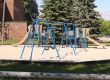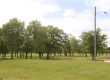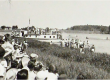

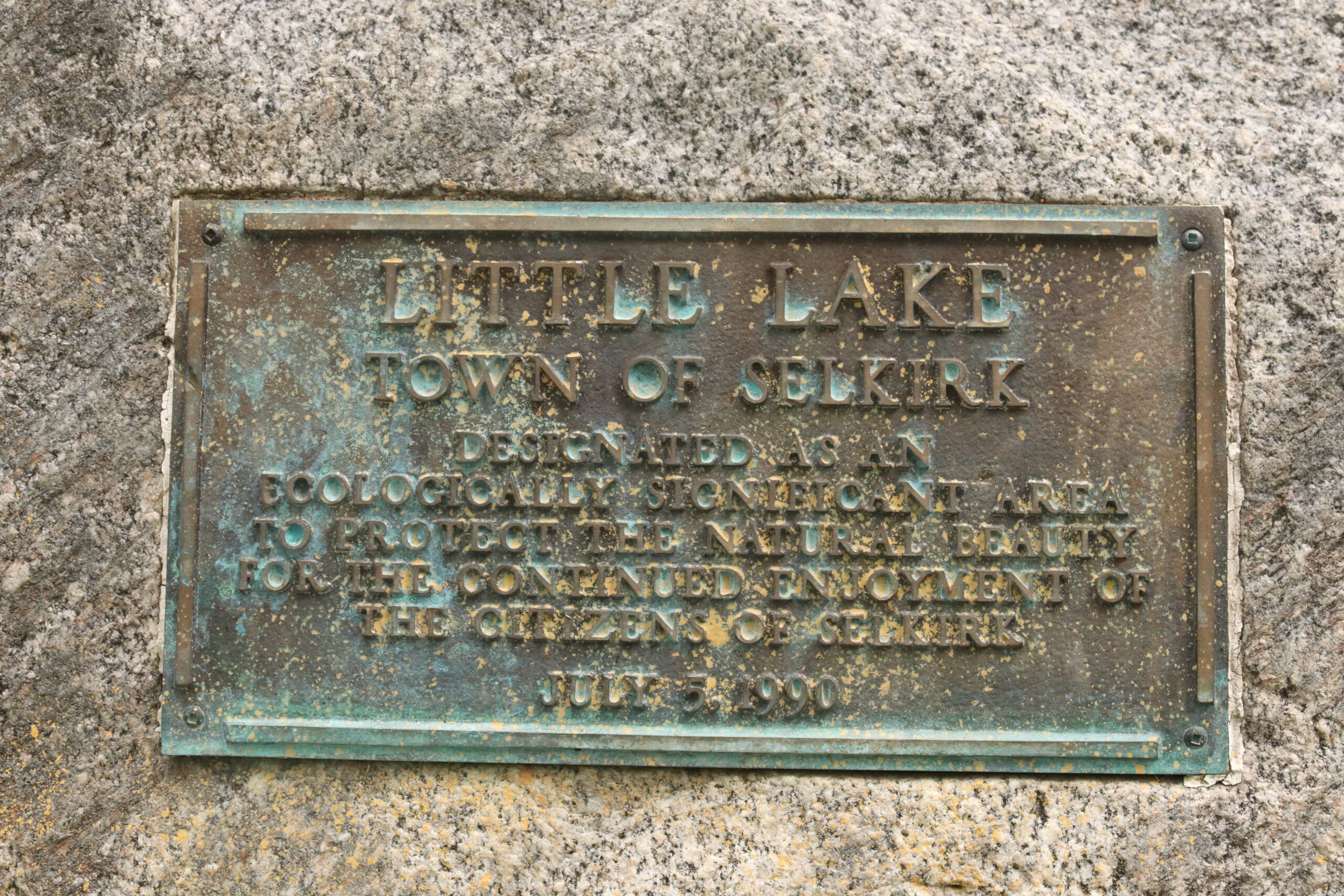
Little Lake Park originated from Daerwood Park, a simple greenspace shaped by flooding that created the “little lake” it is named after. Over time the area developed with features like a skating rink and playground. In 1991, it was officially designated that Little Lake Park was recognized as an ecologically significant area, protecting one of Manitoba’s few remaining river-bottom forests.
East End of Dorchester Avenue
Little Lake Park was officially opened in 1991, but its roots date back to a much earlier area called Daerwood Park. Located near the southern boundary of the former St. Peter’s Reserve, this land was going to be the site of a summer cottage subdivision, planned in the early 1900s with wealthy Winnipeggers in mind. The developers forgot that the river doesn’t always stay within its banks. Spring flooding and ice jams created problems for the cottages; eventually what remained of the subdivision had to be removed. That flooding is what created the ‘little lake’ for which the park is named.
The first mention of Daerwood Park comes in the recollections of Mabel Vogen of the Selkirk Enterprise. In a 1954 column, she wrote; “My first memory of Daerwood Park was when our grade 6 room held their home picnic in the big field at the foot of the hill – the hill that today is the jinx of many a golfer.”.
The creation of the 50 acre Daerwood Golf Course in 1932 left a sizeable undeveloped park area in Sugar Point. In August 1961, the land was officially turned over to the City of Selkirk’s Parks Board for them to maintain, and for a decade, served as a green space buffer between the golf course and the encroaching residential developments along Dorchester and grain Avenues.
That changed in the winter of 1970 – 71 when the Rotary Club funded an outdoor skating rink with a warming shack and toboggan run. In the summer of 1972, playground equipment was added and the park became part of the city’s summer playground program with daily supervised events for school children.
When residential development was expanding eastward along Grain Avenue in 1974, the Rotary Club appeared before the city council to have the lots at the end of Grain rezoned from residential to parkland. The city complied and this green space became part of a larger Daerwood Park.
Thanks to Selkirk resident Valerie Goodman, the land to the east of the park, including Little Lake, attracted the interest of scientists in the mid-1980s. The area was determined to be one of the few remaining examples of a river bottom forest left in the province.
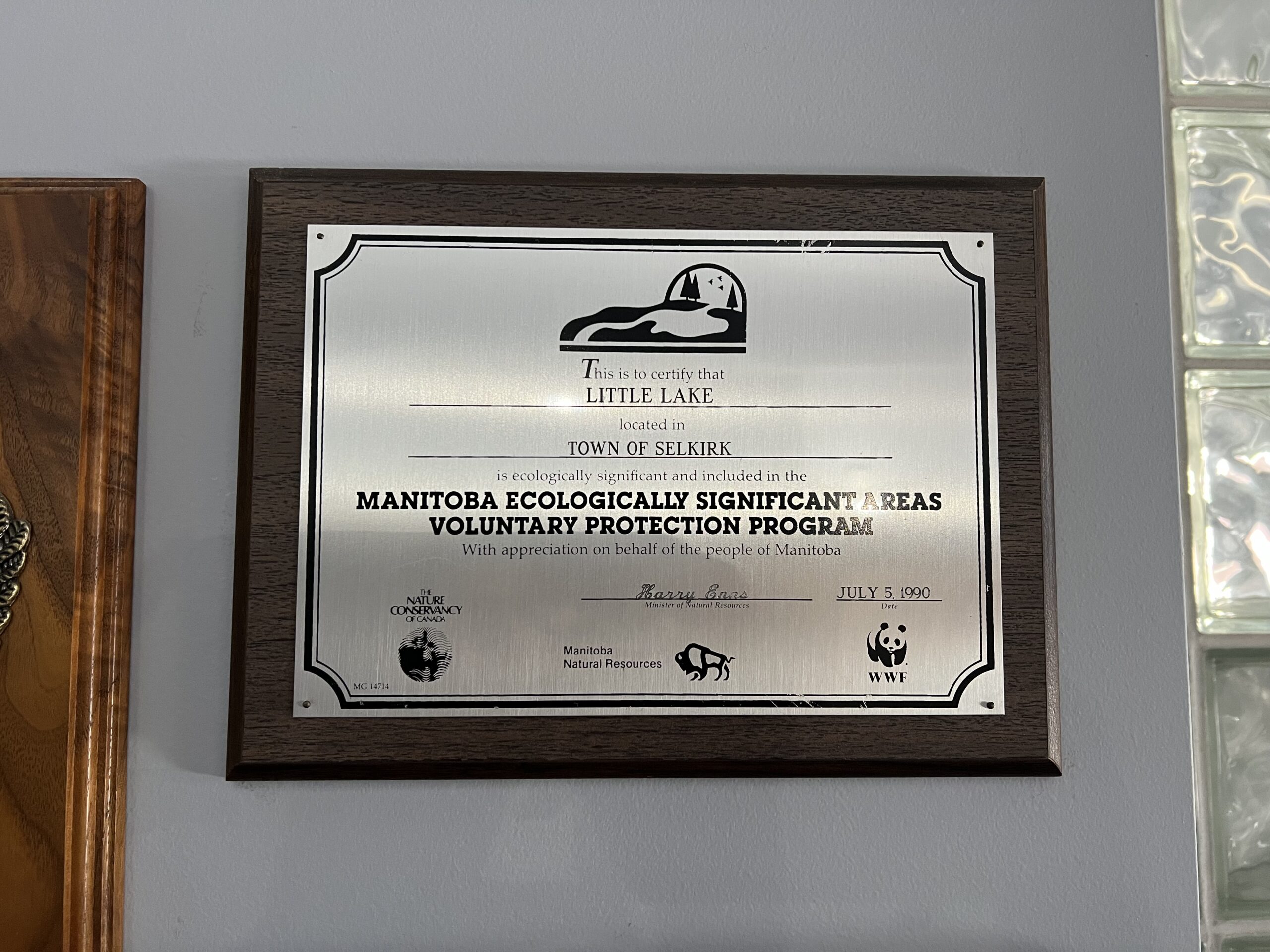
In the summer of 1987, a delegation that included Goodman and the Chief of Land Use Planning for the Department of Natural Resources appeared before the city council to explain the significance of the ecosystem and encourage the city to register the land under the province’s Ecologically Significant Areas Voluntary Protection Program.
The city agreed and in 1990, Little Lake Park (which included the land formerly known as Daerwood Park) was created. On July 14, 1991, Mayor Bud Oliver unveiled a marker recognizing the park as an Ecologically Significant Area.

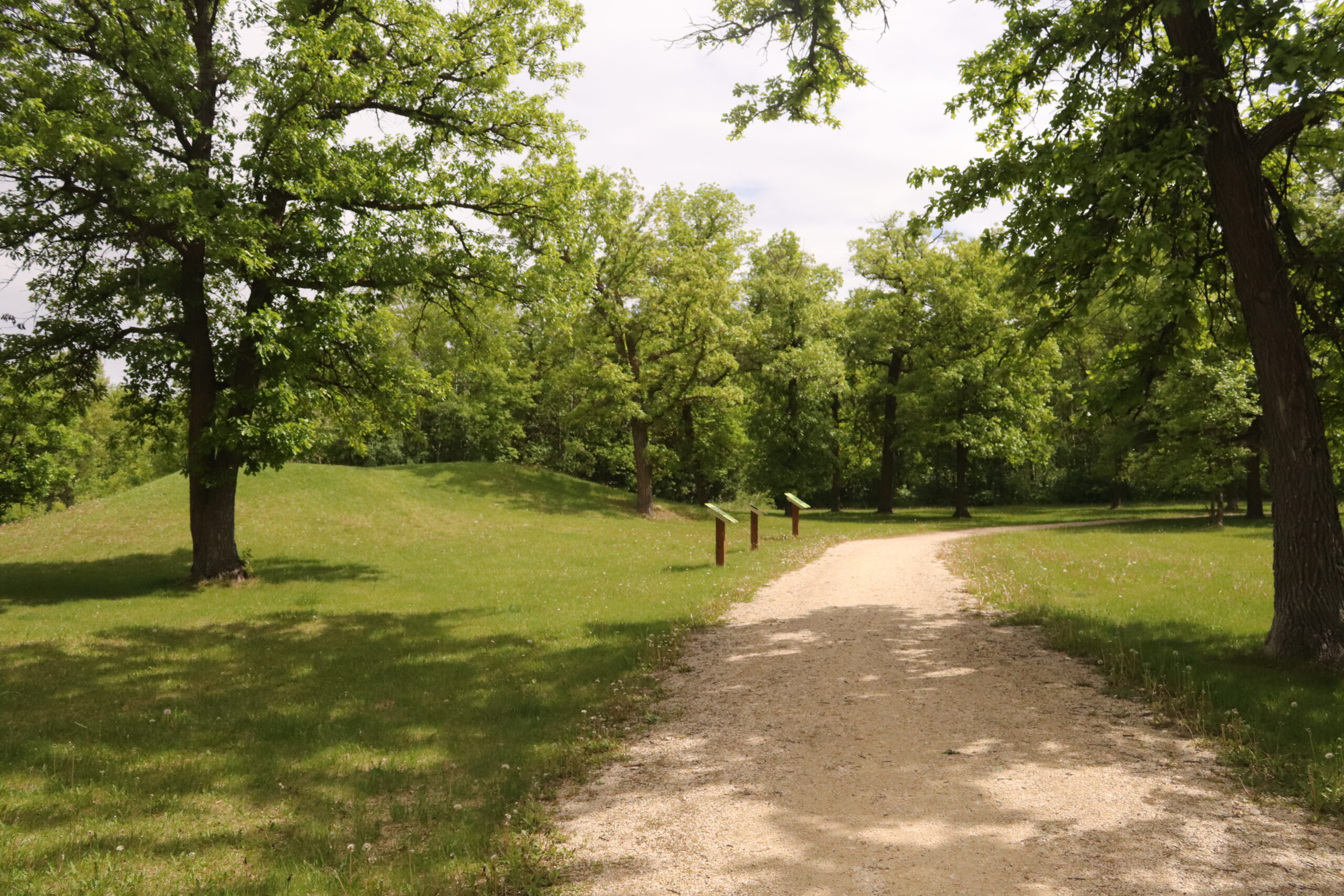
Jane George, who served on the Selkirk Heritage Committee for a number of years, was a strong advocate of preserving the flora and fauna in the Little Lake Park area. She worked long and hard on the committee to have signage erected describing the natural habitat and animals. Jane unfortunately has since passed away but her dream of that signage in Little Lake Park has come to fruition.
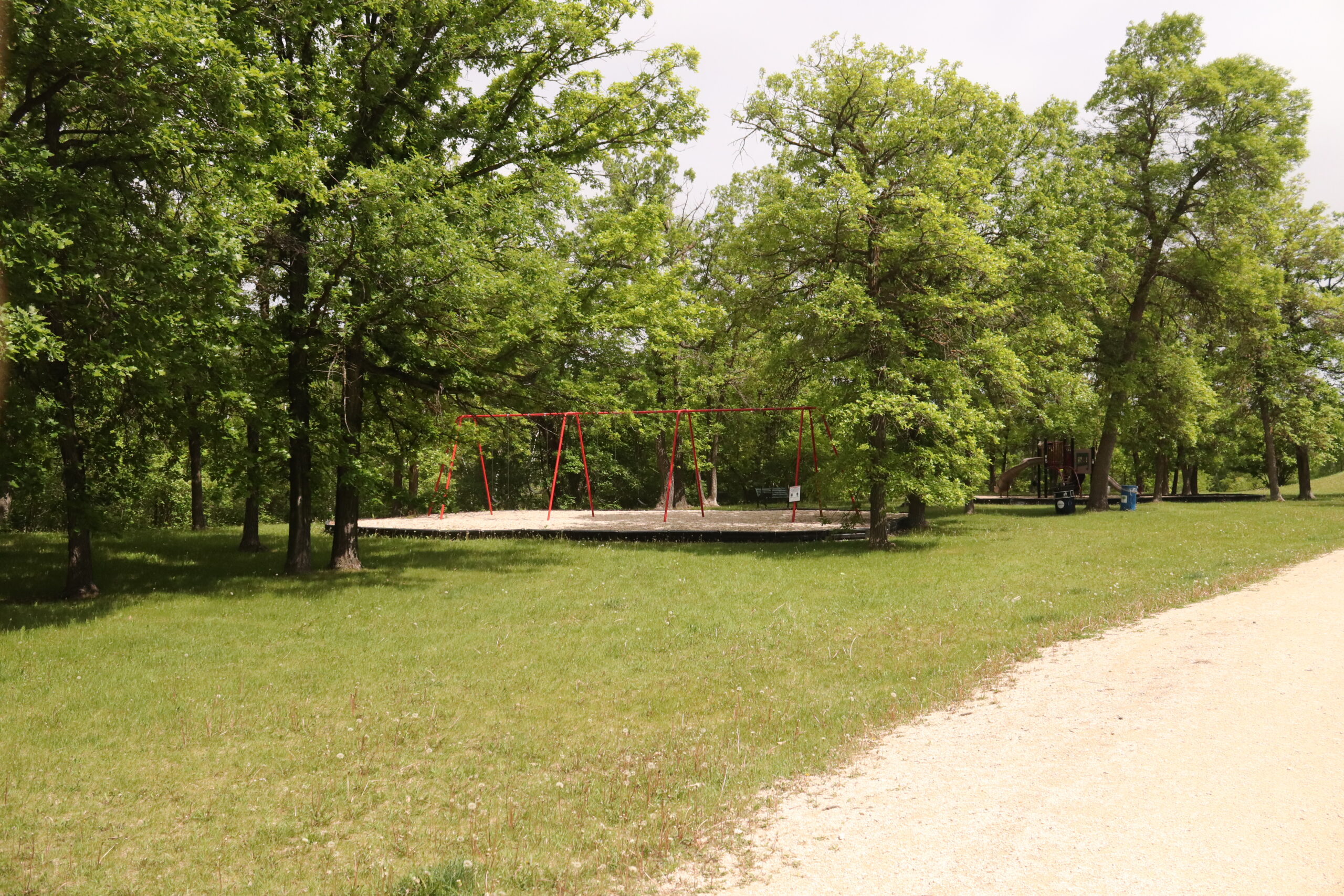
Over the years, Little Lake was a favourite destination for science classes, tobogganers, and neighbours seeking relaxation in a natural environment. Today it features playground equipment, interpretive signage, and hiking trails. The area stretching east from the Little Lake area to the Red River is still in its natural state.
Little Lake Collection
Click on images to enlarge
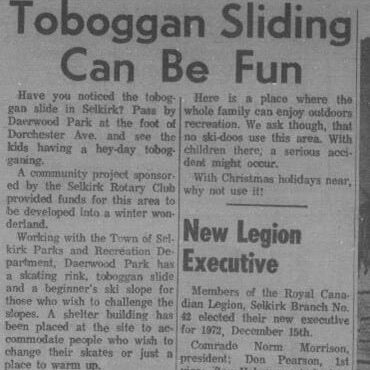 Toboggan Sliding Can Be Fun, 1971, Selkirk Enterprise


Sources
Selkirk Enterprise 1971, 1972, 1974, 1987
Selkirk Journal 1990, 1991, 2004