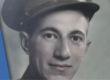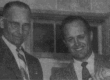

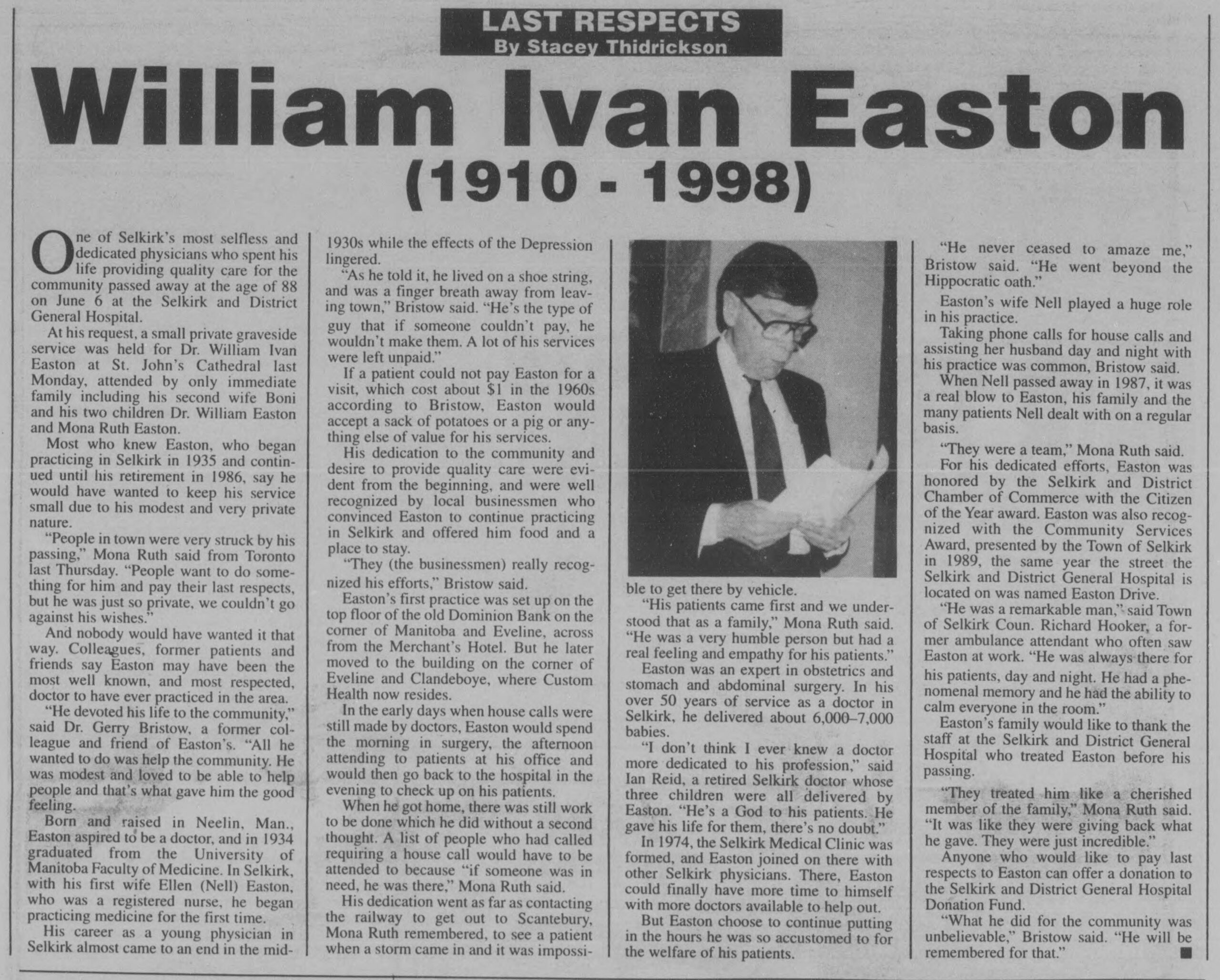
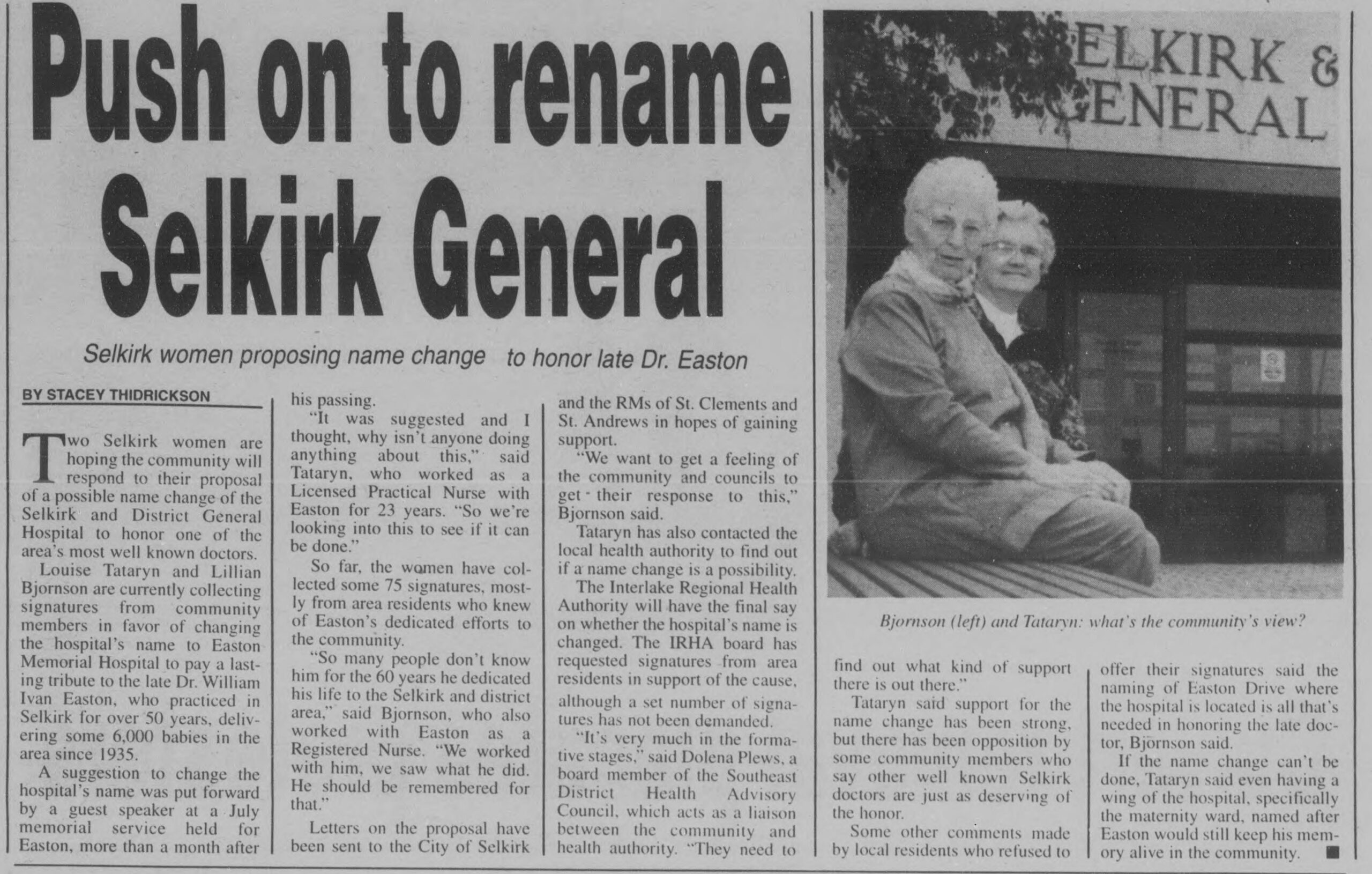
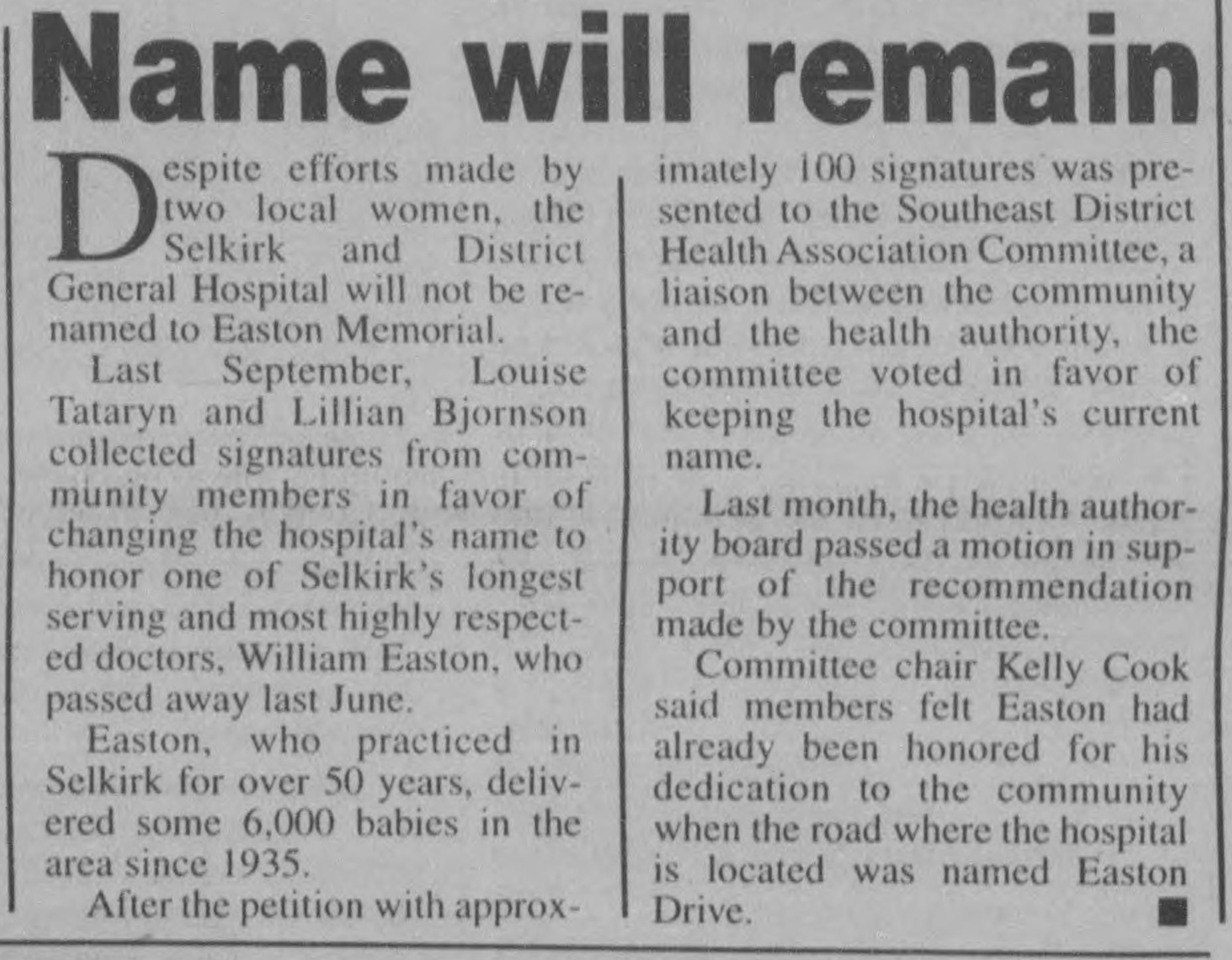
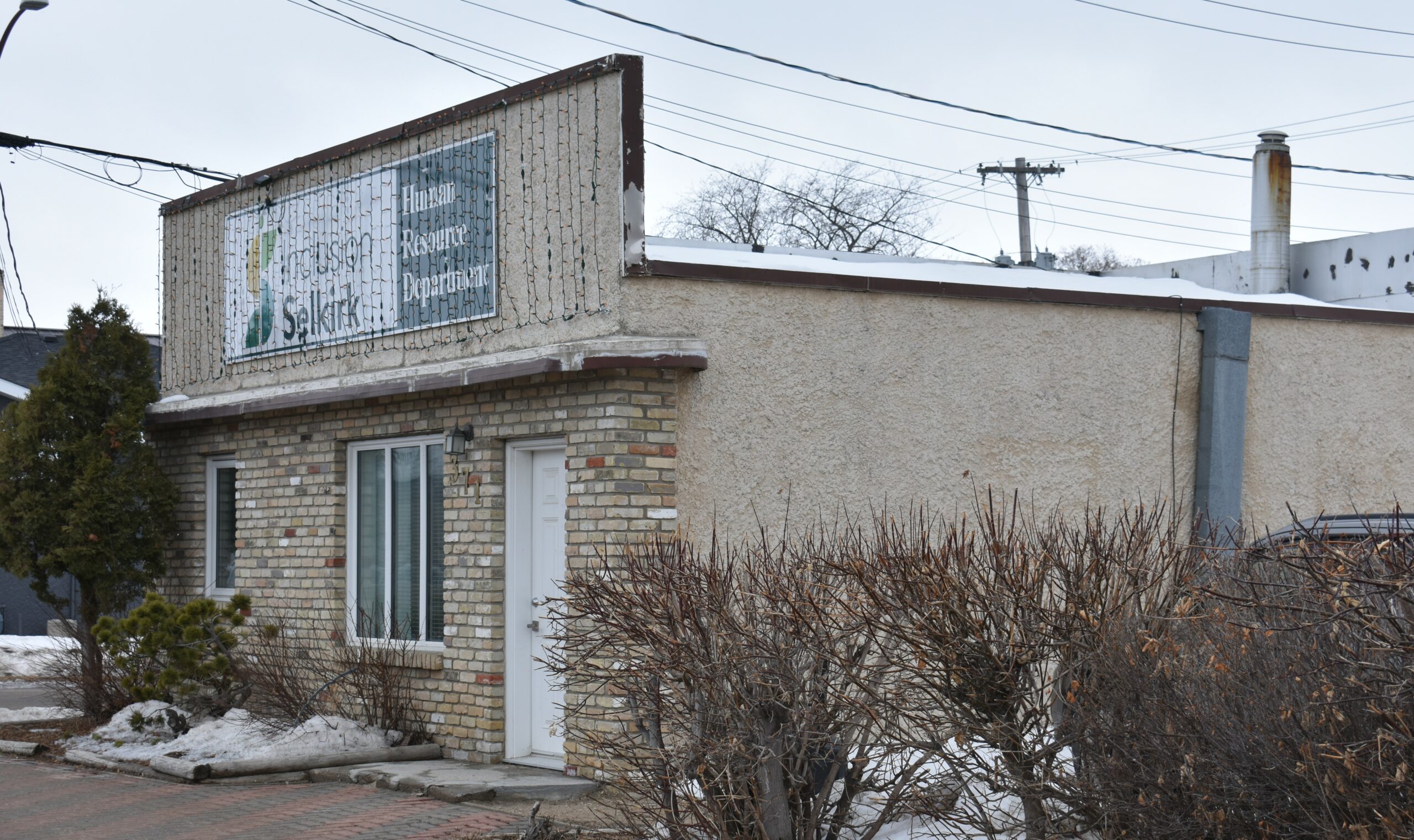
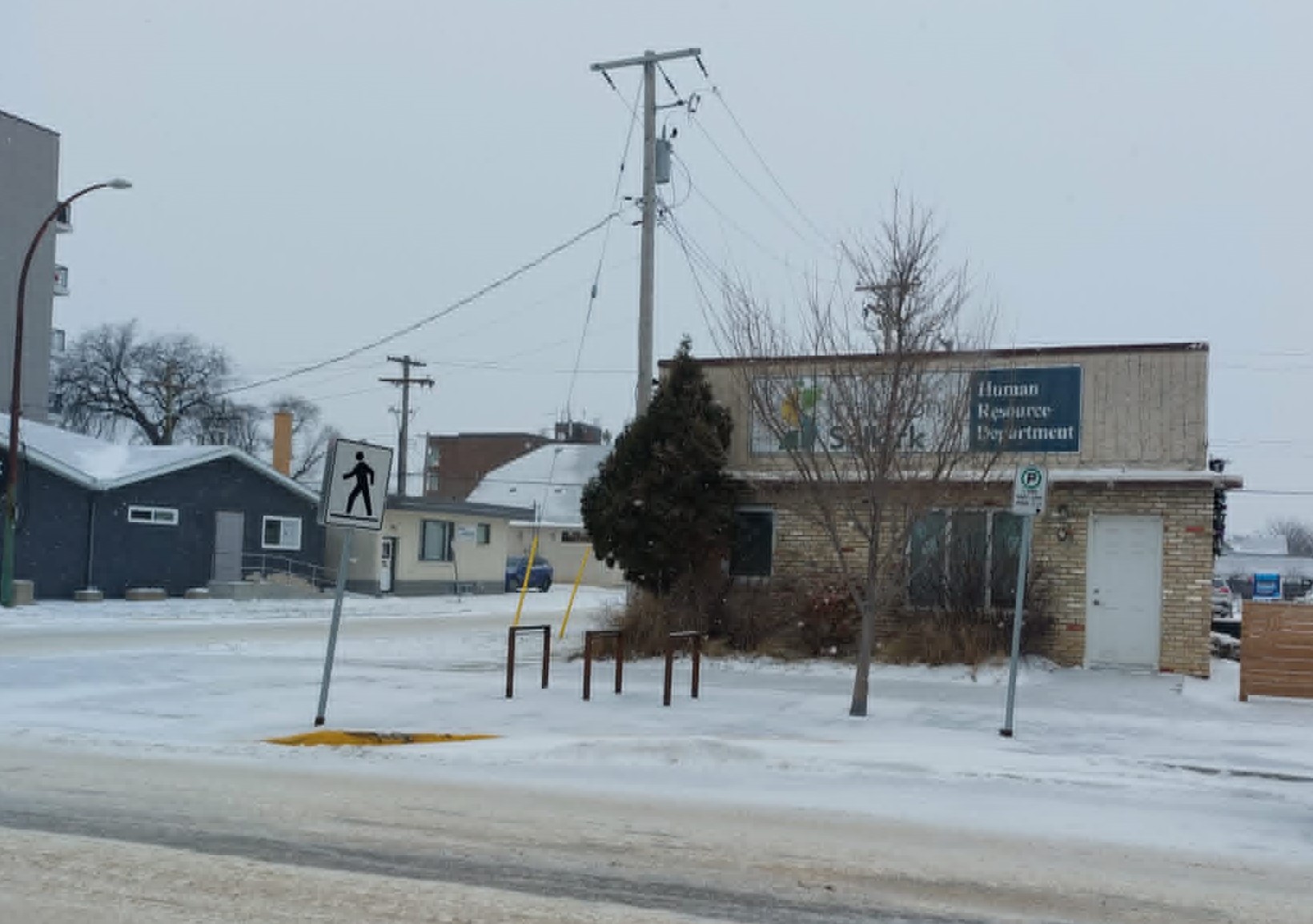
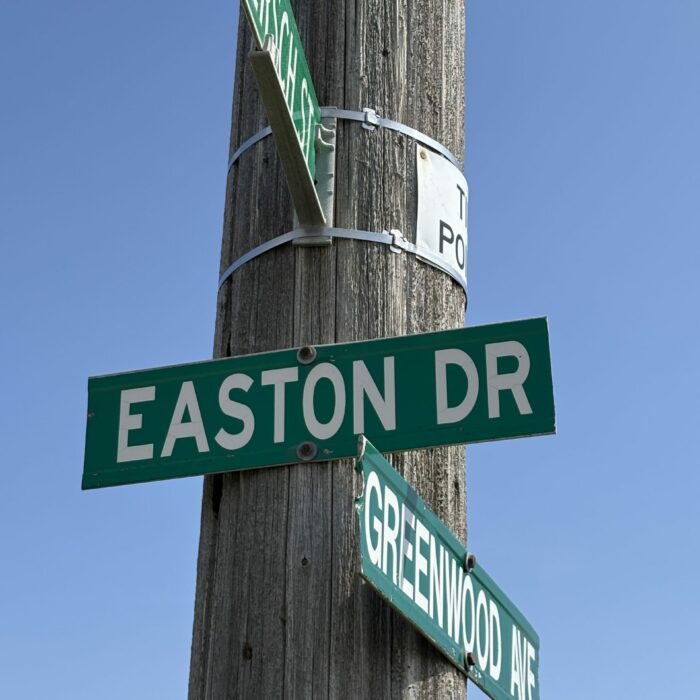
In 1986, Dr. William Easton, retired from his medical practice leaving an over 50-year legacy of dedication and service to his patients throughout Selkirk and area. Today, many younger area residents may not recognize the significance of his surname on Easton Drive or on the Easton Place Clinic. But his was a story worth knowing, filled with dedication, professionalism and tireless energy as he put the care into local health care.
Becoming a Doctor
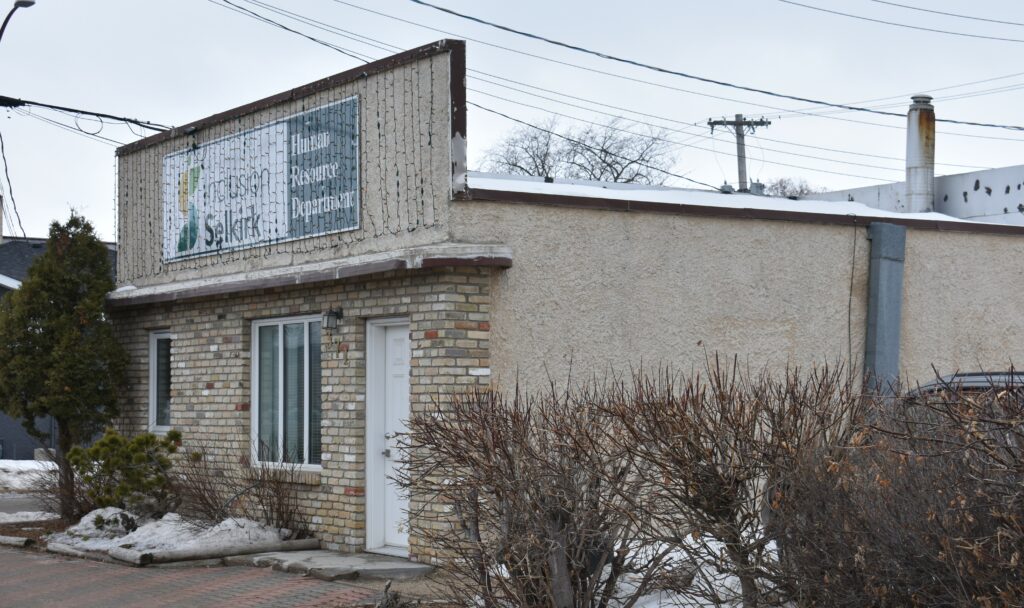
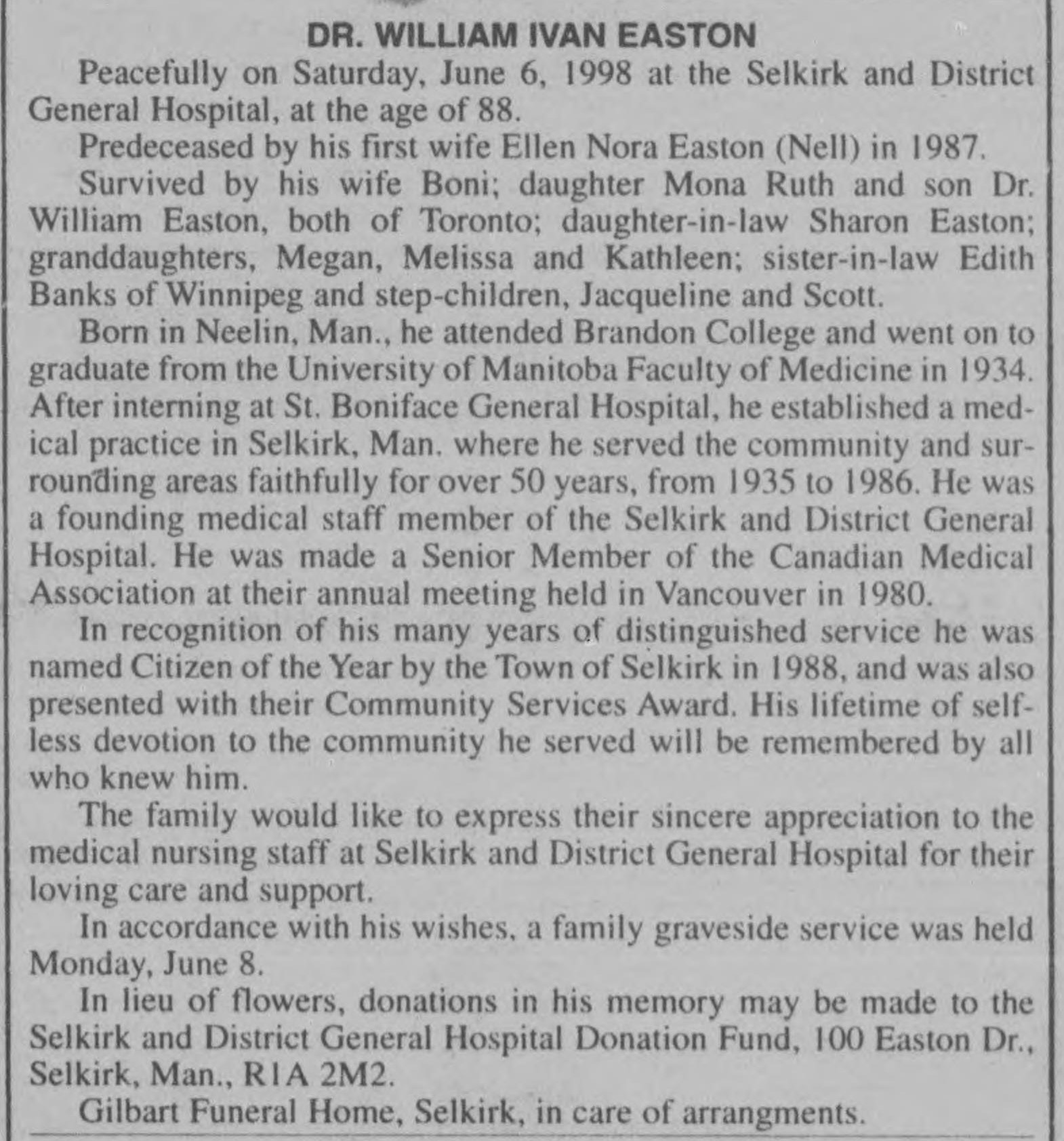
Born in 1910, William Easton was raised in Neelin, MB, received his post-secondary education at Brandon College, and then in 1934 fulfilled a life-long ambition of graduating from medical school at the University of Manitoba. The young doctor and his wife, Ellen (Nell), a registered nurse, came to practice medicine in Selkirk in 1935. His medical practice was divided between family medicine, surgery and obstetrics. His first office was inconveniently located on the top floor of the Dominion Bank building. In time, he would move to a small building on the corner of Eveline Street and Clandeboye Avenue where two secretaries managed the office and scheduled afternoon appointments.
Health Care During the Great Depression
When Dr. Easton began to practice medicine in 1935 the world was in the midst of the Great Depression. Selkirk was a growing industrial town, but not immune to the economic hardships of the time. Nationalized universal health care did not exist yet, so uninsured patients were expected to pay an out-of-pocket fee for each service. It was common for people to make the difficult choice between paying for medical care or paying for groceries. As a result, preventable diseases flourished and caused deaths.
The cost of basic medical care for the poor was paid by each municipal government. But the Great Depression left many locals with long lasting financial hardship, therefore, vastly increasing the number of people needing public support. This overwhelmed the capacity of municipal and provincial government budgets. The dire circumstances for many were the impetus for what would become publicly funded universal health care coverage as described by the Hospital Insurance and Diagnostic Services Act of 1957, followed by the Medicare Act of 1966. Until coverage was universally available to his patients, Dr. Easton was known to accept a sack of potatoes or even a pig as payment for care. Even though he had work, they struggled to make ends meet and he and Nell considered leaving Selkirk. Several local businessmen recognized his contribution and encouraged him to stay. And stay they did, where he would continue to provide health care, and where he and Nell were able to raise their two children, William and Mona Ruth.
Handling Everything
Dr. Easton, like all family physicians, faced the rigors of treating patients with a wide variety of ailments. Heart attacks, strokes, cancers, and tuberculosis were common. In his early years there was also a plethora of deadly and debilitating communicable diseases like smallpox, diphtheria, tetanus, pertussis, polio, measles, mumps, rubella and influenza. It was a challenging time for health care providers until advancements in immunology developed vaccines. Improvements to public health policies and practices encouraged prevention through vaccination clinics, so in time, with the public’s cooperation, the spread of communicable diseases lessened.
Dr. Easton was also a general surgeon with a specialization in stomach and other abdominal ailments. He would spend most weekday mornings in surgery and then complete rounds throughout the hospital. He once told a patient that he could have paved the hospital parking lot with all the gallstones he had removed over the years. He performed scheduled and emergency trauma surgeries of every description, and also delivered thousands of babies. Babies, like emergency surgeries, did not arrive during scheduled appointments.
Making House-Calls
Dr. Easton also maintained a family practice and kept a list of patients that needed to be seen at home because they were either too ill, feeble or contagious to attend a scheduled office appointment. These ‘house-calls’ were an essential service offered by family physicians. When asked, some local residents recalled Dr. Easton arriving at their childhood home with his black bag in hand. A doctor’s black bag was a kind of medical ‘tool kit’ used to examine patients and administer a limited number of treatments or first aid. It would most commonly contain, amongst other things; a stethoscope, a mercury thermometer, an auriscope, a sphygmomanometer, a metal tongue depressor, a scalpel & blades, dissolvable ‘cat gut’ sutures, several reusable hypodermic needles and syringe, and an assortment of injectable hypodermic drugs. A number of residents said his visit often resulted in an unhappy patient getting a shot of penicillin in the buttock. When a local carpenter severed two fingers at work, penicillin was administered to prevent infection. When he suffered a severe allergic reaction, Dr. Easton did not leave his side all night.
Well-Regarded
A retired operating room nurse recalled Dr. Easton rounding twice a day, once in the morning and then again after supper, and then being on-call as needed throughout the night. She said he was an even-tempered, gracious gentleman who was kind to patients and family members even if he was meeting them under the worst circumstances in the middle of the night. He never seemed inconvenienced. If he was needed in Scanterbury and the roads were impassable in winter, he took the train to see his patient. Years ago, Richard Hooker, a long-time ambulance attendant stated of Dr. Easton, “He was always there for his patients, day and night. He had a phenomenal memory and he had the ability to calm everyone in the room.”
Health Care throughout the Years
In 1940, the 33rd annual meeting of the Selkirk Hospital Board provided a summary of the hospital usage from the previous year. For a town with a population of about 4900, it was noted that the hospital attended to an average of 28 patients per day, 1826 patients in all, equaling 13,274 days of treatment. The average stay was 7.27days. The revenues were $30,962.51 and expenditures $30,000.59. An epidemic of the most-deadly form of Typhoid saw 33 patients treated and 6 fatalities. The extra costs associated with treating those patients was over $1,500. 1939 also saw 228 births, 59 deaths, 707 operations and 316 x-rays. The new equipment purchased included one autoclave dressing sterilizer, three electric fridges, one icemaker, as well as replacing out of date operating room instruments, a wheelchair, a new scrub sink for the doctors and nurses, and new flooring and furniture for the recreation room.
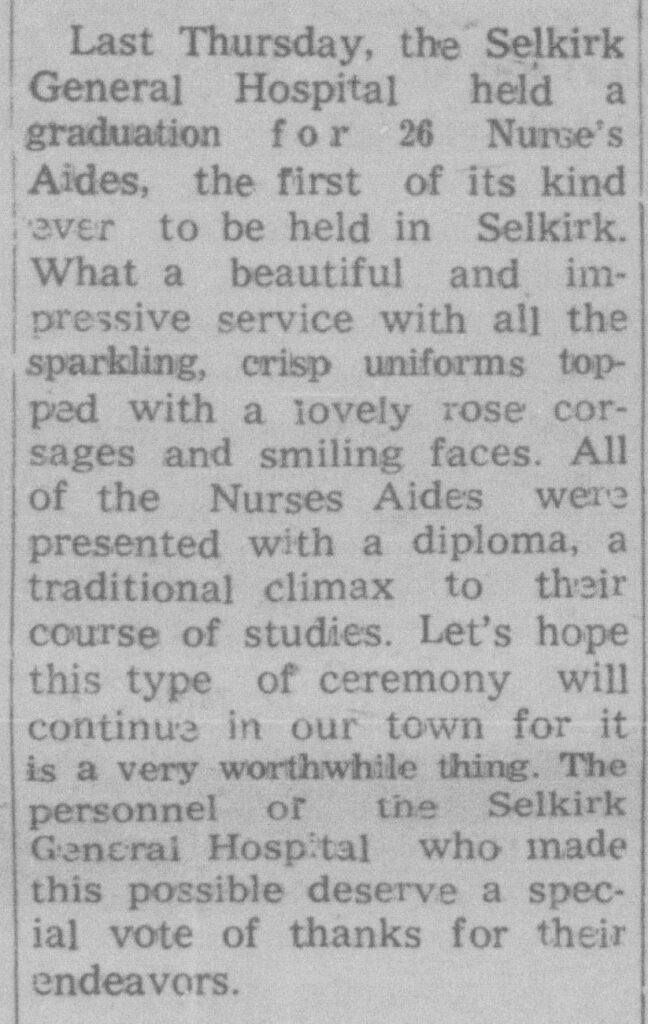
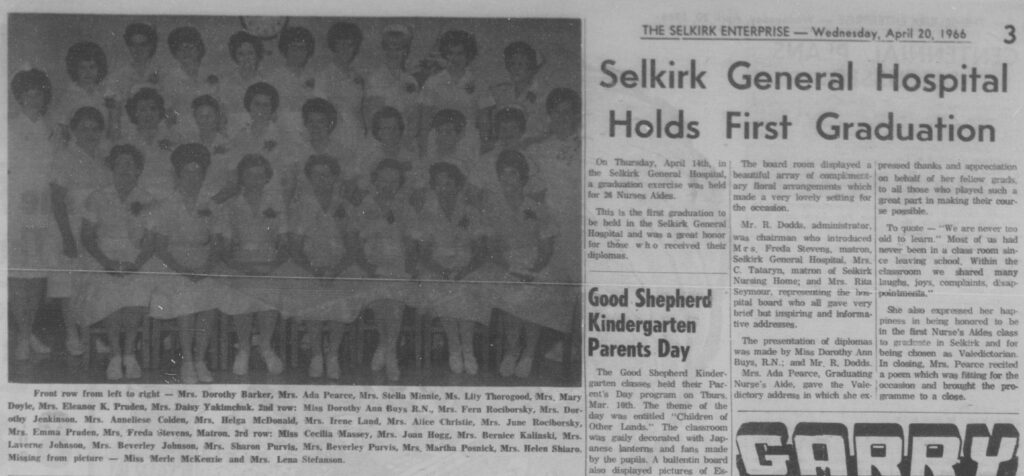
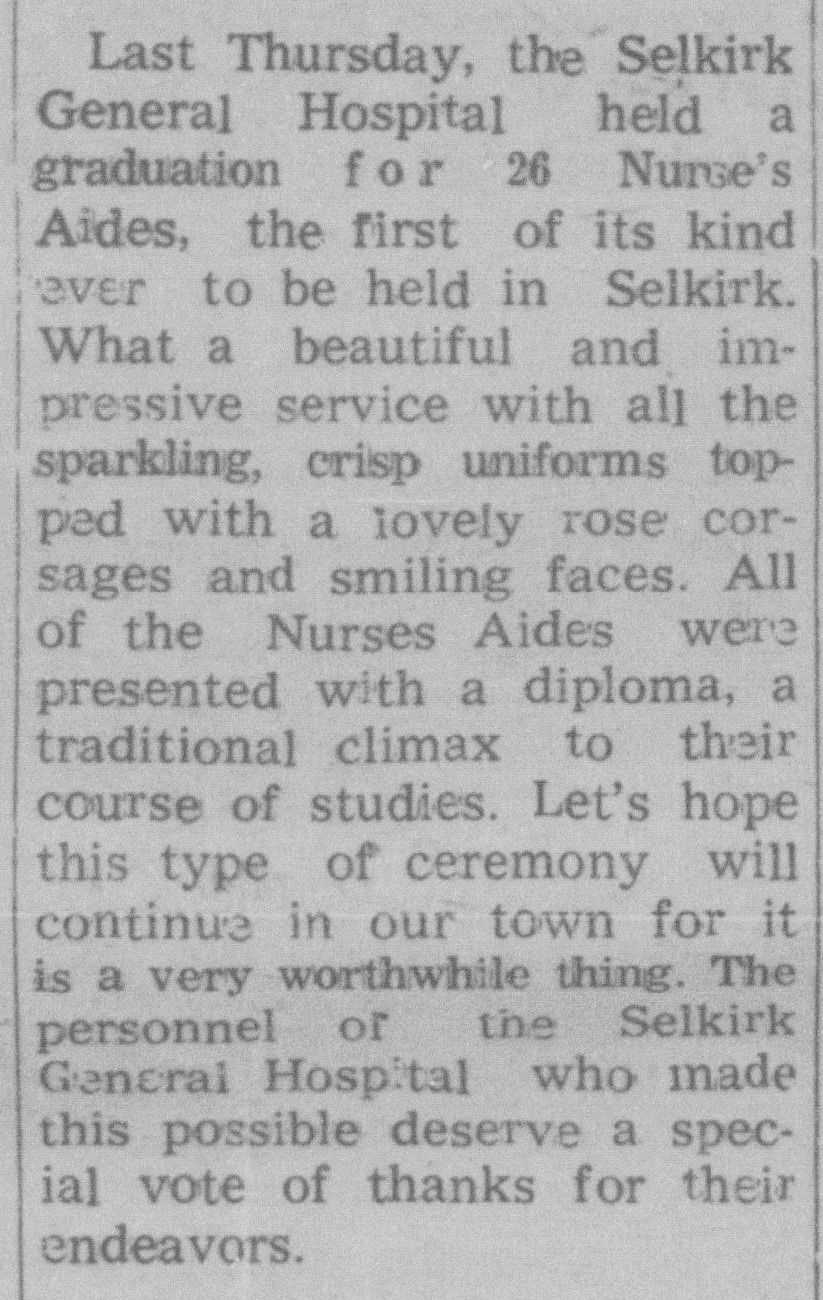
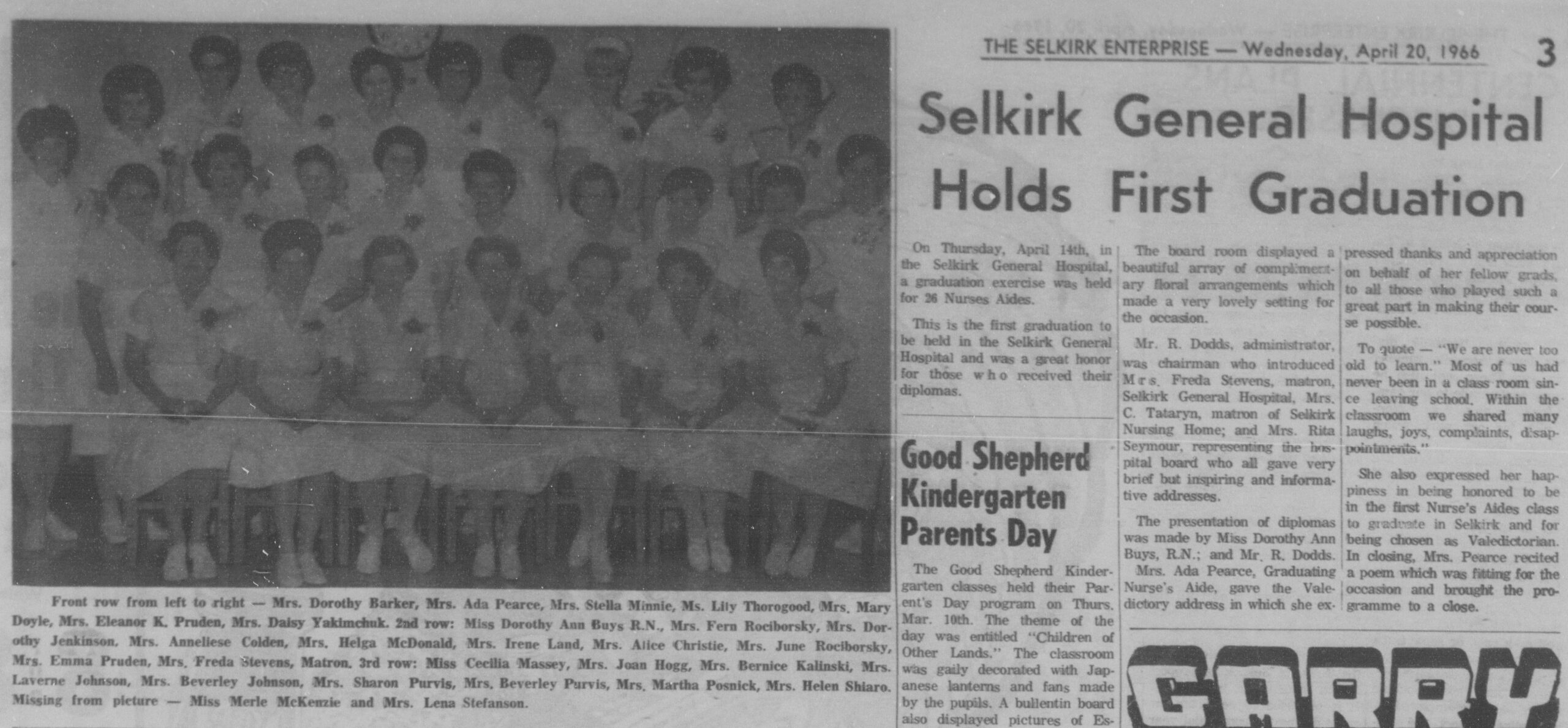
As the population of Selkirk grew, so did the need for personnel and additional resources. Registered nurses, Licensed Practical Nurses and Nurses’ Aides were trained locally, creating good job opportunities for women in the region. The original hospital overlooking the river was replaced by a new one close by. In 1962, Selkirk hosted the Regional Hospital Association. Delegates were taken on a tour of the hospital during the day. “They all had great praise for the high standard of maintenance and the excellent equipment.” It was pointed out to them that much of the equipment had been donated by various groups such as; the Rotary Club, Kinsmen, the senior and junior Ladies Auxiliaries of Selkirk, the RM’s of St. Clement’s and St. Andrew’s, church groups and organizations of every stripe. Profits from the hospital canteen were also donated. Between the generosity of volunteer groups and individuals, fundraising for the needs of the hospital was a constant community effort.
Making Positive Change
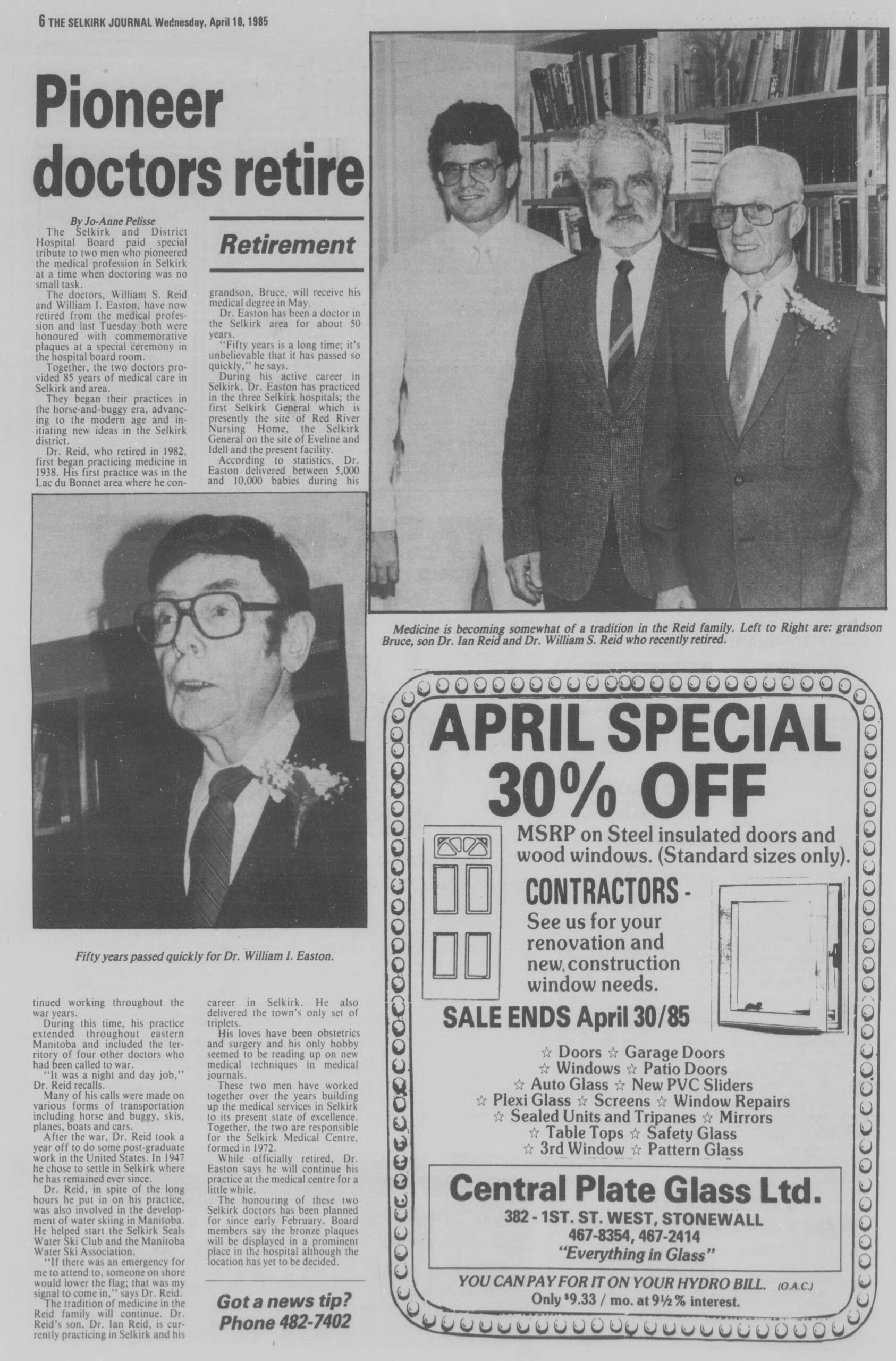
In 1972, Drs. Easton and W.S. Reid led the movement to consolidate all of the local medical offices into one, the Selkirk Medical Centre. Dr. Easton joined with his colleagues, old and young, to work under one roof. He continued his practice, including some house calls, until his retirement in 1986.
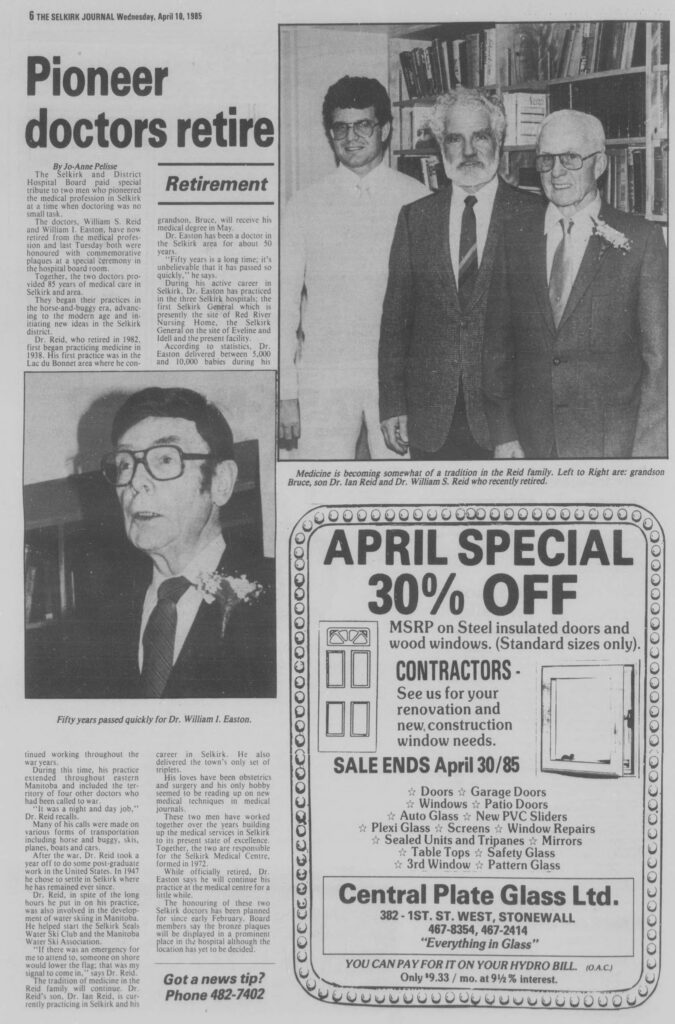
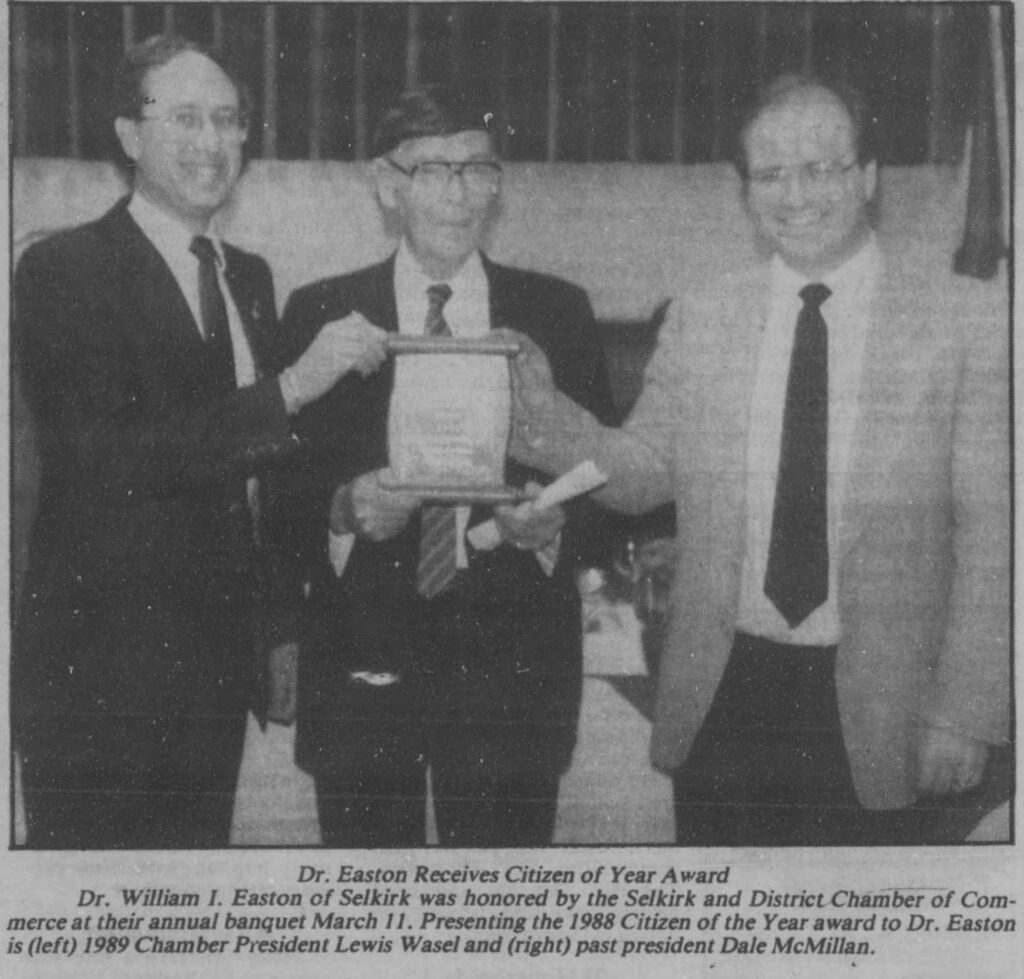
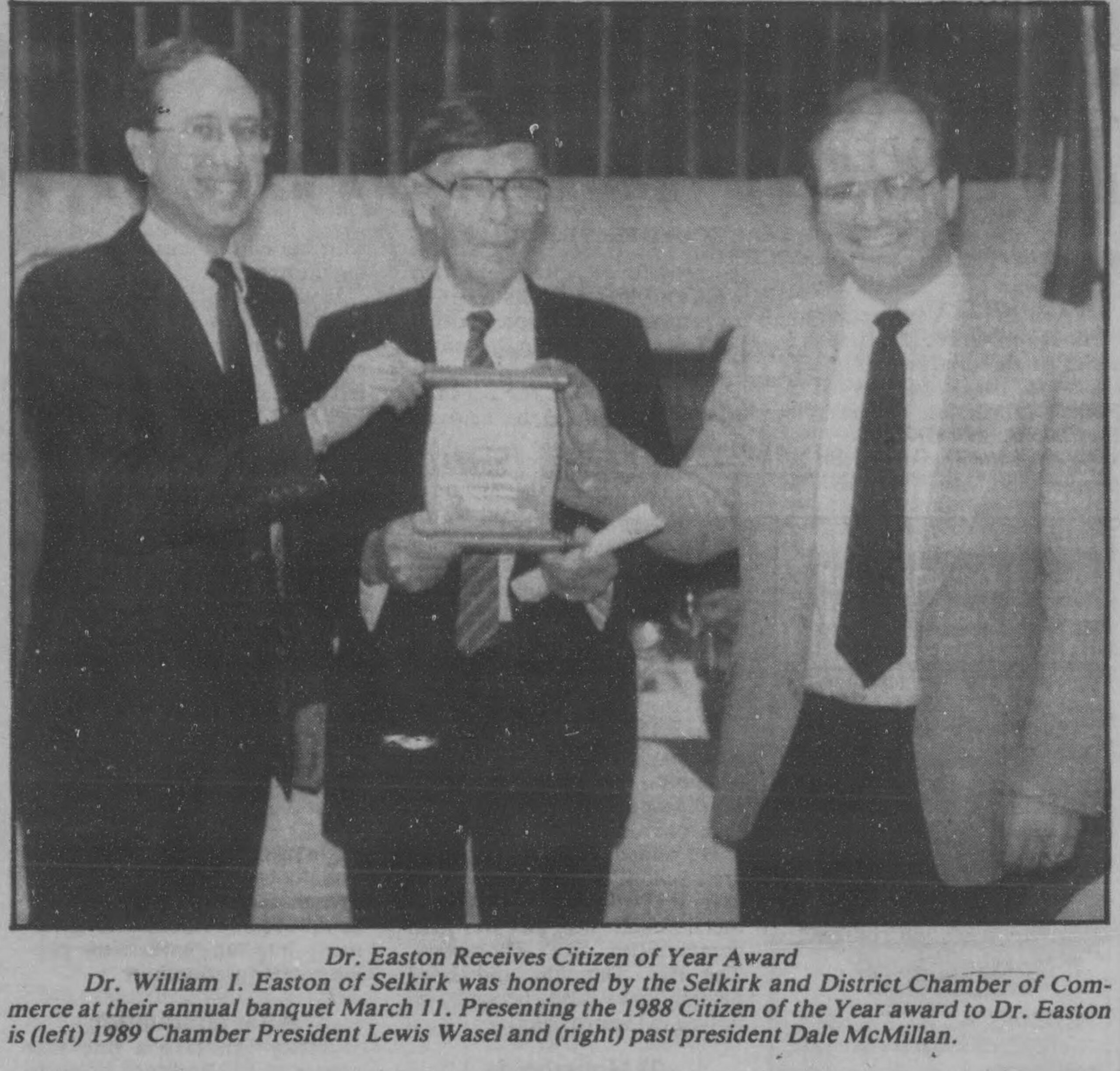
On the occasion of his retirement Dr. Easton said, “Fifty years is a long time, it’s unbelievable that it has passed so quickly.” In 1988, the Selkirk & District Chamber of Commerce honoured Dr. Easton as the Citizen of the Year, and in 1989, the Town of Selkirk gave him a Community Service Award.
Dr. Gerry Bristow, a colleague and friend said, “All he wanted to do was help the community. He was modest. He got a good feeling from helping people.”
Dr. Easton remained a respected citizen of Selkirk until his passing in 1998.
A Legacy of Doctors
Today Selkirk and area residents are being treated in its fourth hospital, the Selkirk Regional Health Centre. Care is provided by a steady stream of dedicated physicians, specialists, nurses, and a variety of therapists. Many technologies and therapies used commonly today were unimagined years ago. How very fortunate Selkirk was to have had Dr. Easton and his early colleagues, Dr. W.S. Reid, Dr. Ian Reid and Dr. Robertson. They were the pillars of health care in a ‘young’ Selkirk and deserve to be remembered and respected for their skills and dedication.
Dr. William Easton Collection
Click on images to enlarge
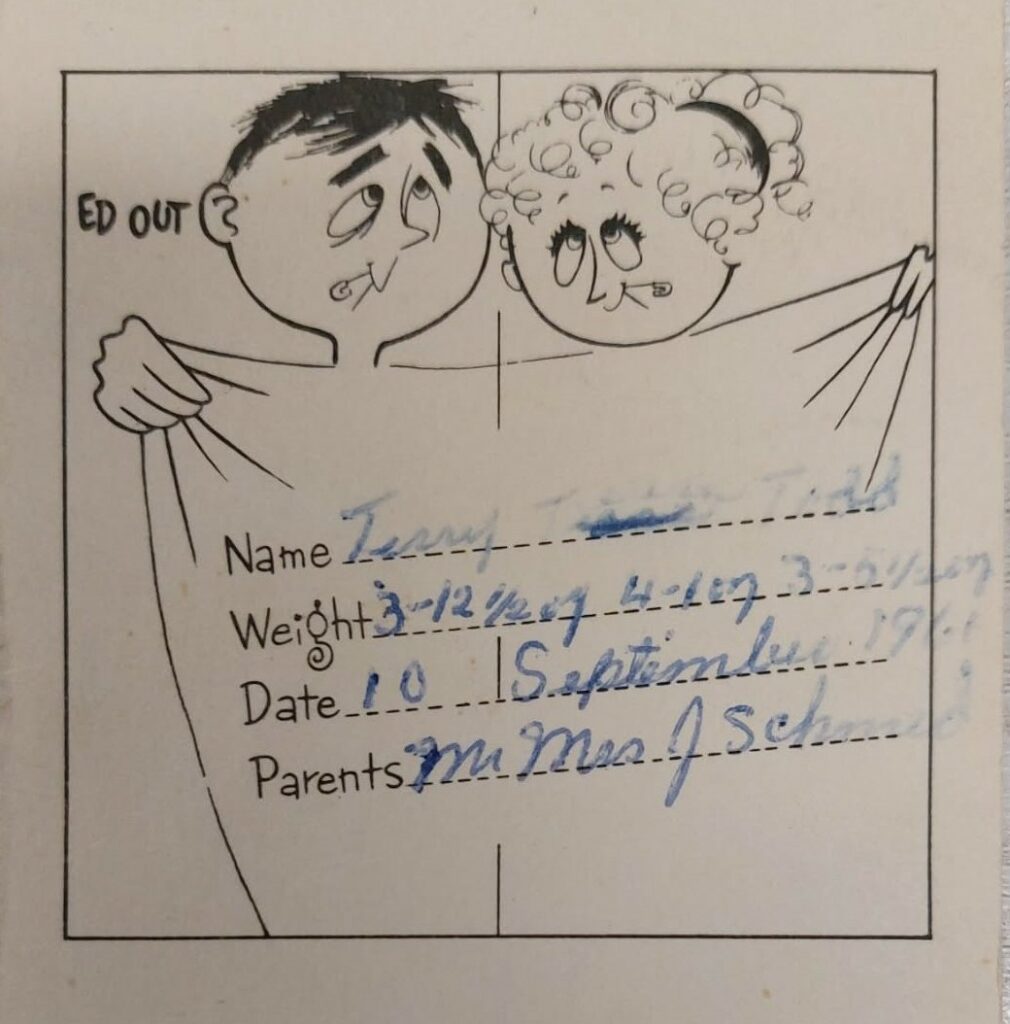
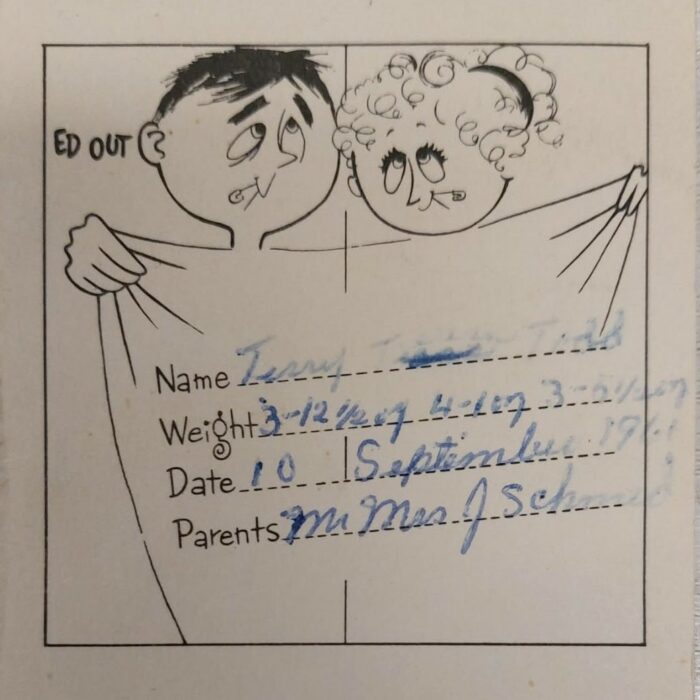 Birth Card for Triplets Delivered, 1961, Karen Still
Sources
A special thanks to various Selkirk area residents who provided their memories of Dr. Easton.
Dammery, D. ‘A historical account of the doctor’s bag’ (https://www.racgp.org.au)
‘History of Medicine in Canada,’ en.wikipedia.org
Potyondi, Barry, Selkirk: The First Hundred Years, (Winnipeg: Josten’s National School Services),1981.
Selkirk Enterprise, May 8, 1957, May 9, 1962
Selkirk Journal, June 15, 1998
Winnipeg Free Press, March 21, 1940
Winnipeg Tribune, May 17, 1943