
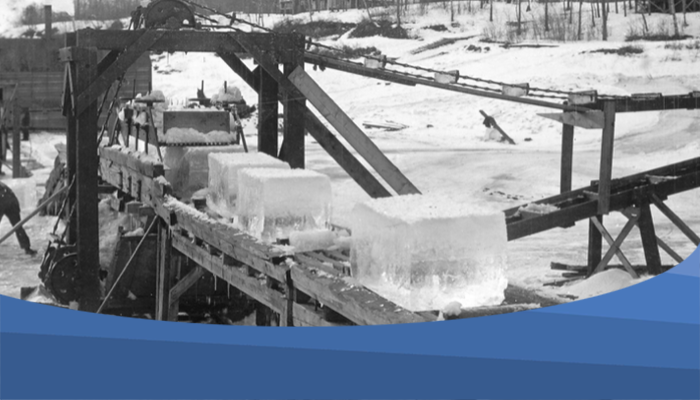
Before the surge of electricity in the mid 1900s, ice cutters played a prominent role in keeping goods cold, especially for the fishing industry.
From later December to early April when the ice was thick enough ice cutting jobs were important from the late 1800s to the early-to-mid 20th century in Selkirk and other communities near water bodies. For Selkirk, ice cutters worked along the Red River and Lake Winnipeg. Early on, their main purpose was to provide refrigeration before mechanical fridges became a staple appliance. As time progressed, ice cutters would be key for flood prevention.
What it Takes to Break the Ice
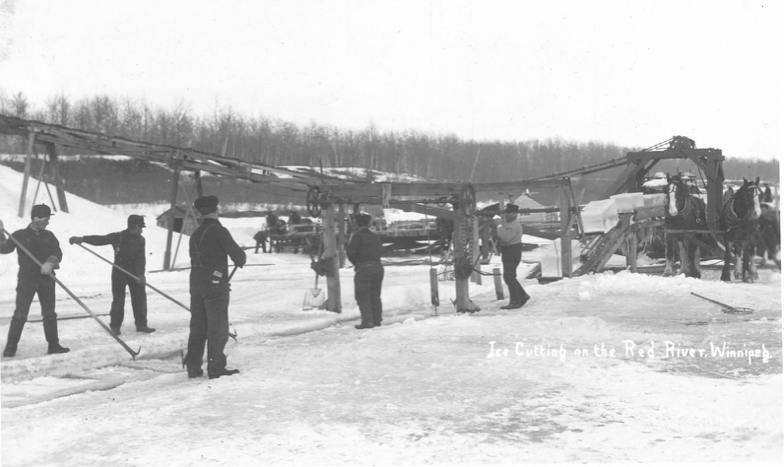
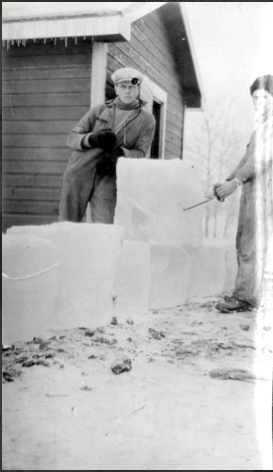
Being an ice cutter was far from easy. The work was physically and mentally demanding. Ice cutters braved frostbite, unpredictable ice conditions, and the constant risk of falling through. Local men, immigrants, and Indigenous workers often filled these positions during the off-season from fishing and river trades. They needed the strength to saw through thick ice and haul 50- to 100-pound blocks, the endurance to withstand brutal winter weather, and the awareness to use their tools safely.
Beyond strength and skill, teamwork was essential since the industry supported commercial fisheries, trade, and entire communities.
Cutting and Storing the Ice
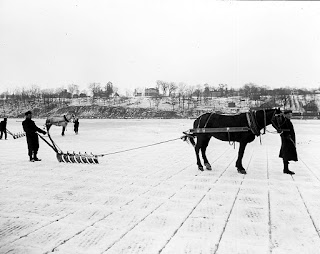
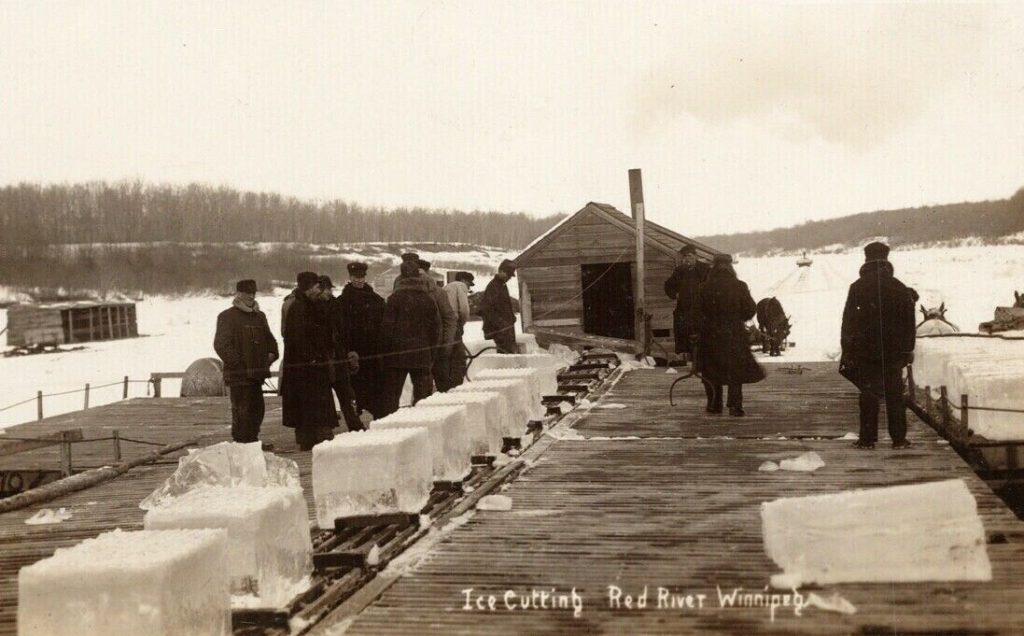
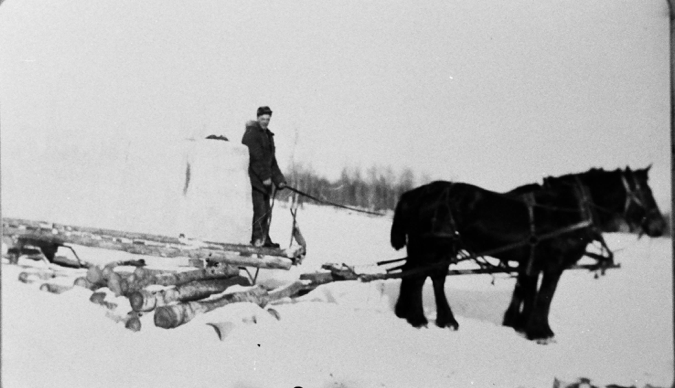
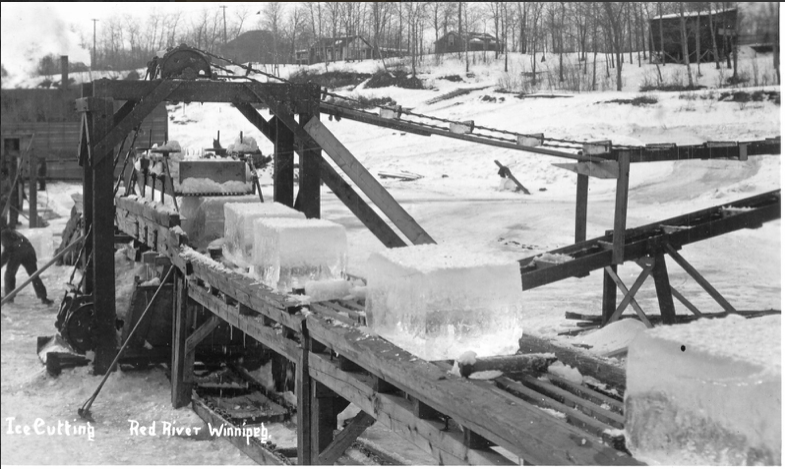
The process of ice cutting was demanding. Workers began by clearing snow, then marking the ice into grids with horse-drawn plows or hand tools. Long strips were cut first, then divided into blocks with large hand saws. Horses or human labour hauled the blocks to shore, where they were loaded onto wagons, sleds, or carriages.
The blocks were stored in insulated ice houses, packed with sawdust to slow melting and preserve the ice well into summer. Along Lake Winnipeg, including Selkirk large ice houses supplied fish freezing plants, floating fish barges, and up-lake communities. The ice was critical for keeping fish fresh until it could be sold and transported south.
Selkirk’s role as a transportation hub amplified this importance. By 1890, one company sold over 100,000 pounds of whitefish in Winnipeg, relying heavily on Selkirk’s storage and ice supply to keep their catch market-ready.
Notable Figures
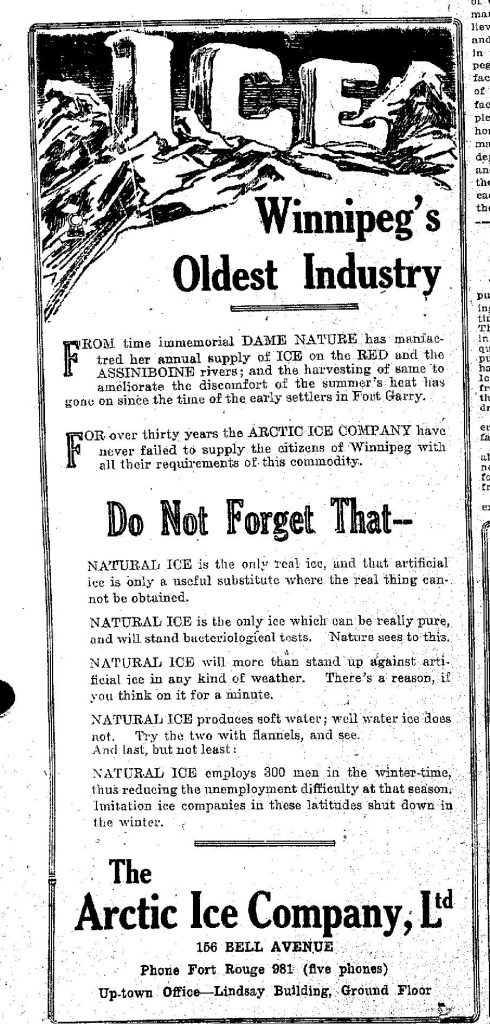
While the number of ice cutters varied year to year, one notable business heavily influenced the ice cutting industry. The Arctic Ice Company was founded in 1882 and began as small business cutting ice from Manitoba bodies of water, including the Red River. Arctic Ice Company would also become a major business for ice cutting and ice delivery, serving customers in Winnipeg and surrounding areas. Their success is thanks to Charles H. McNaughton, a French businessman who invested in ice houses and ice cutting equipment, boosting the prosperity of Manitoban and Canadian ice cutters.
The End of Physical Labour and Protecting Selkirk from Floods
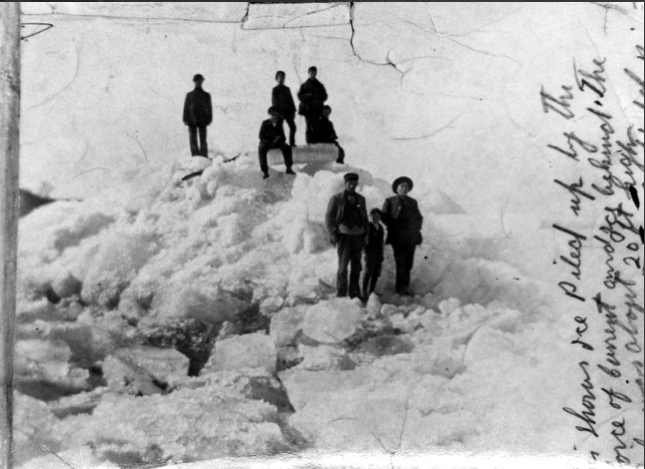
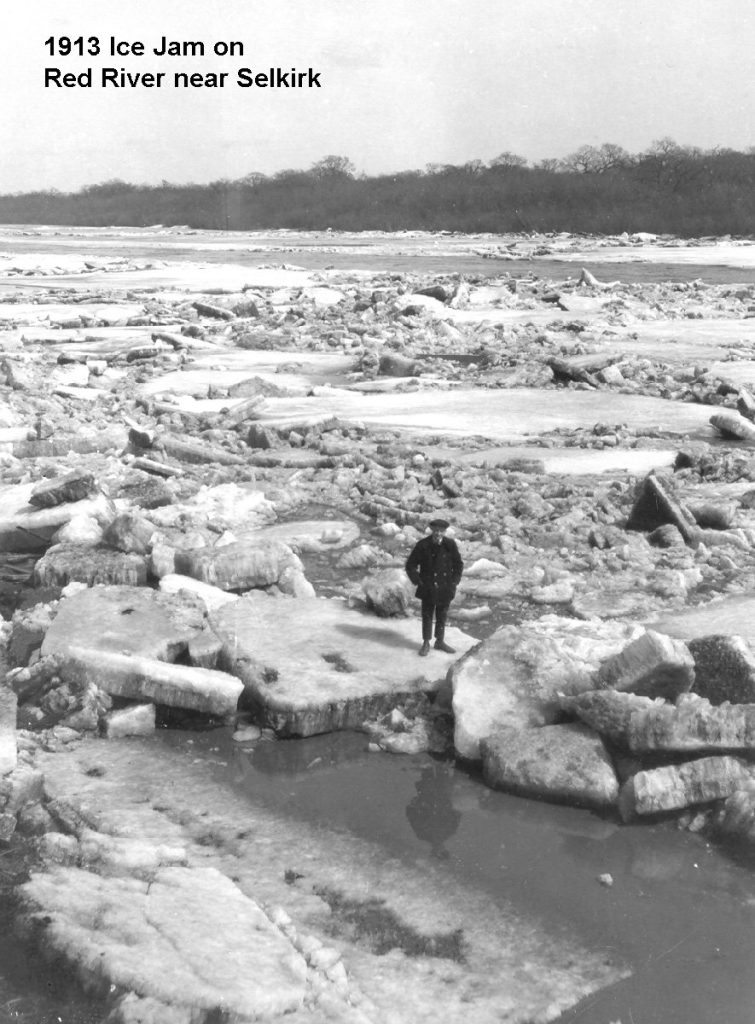
Ice cutting jobs began to diminish once mechanical refrigeration was introduced around the 1950s and 60s. This drastically reduced the demand for natural ice and ice houses, eliminating the need for ice cutters. However, ice cutters enhanced flood prevention measures by breaking up ice, lowering the risk of ice jams.
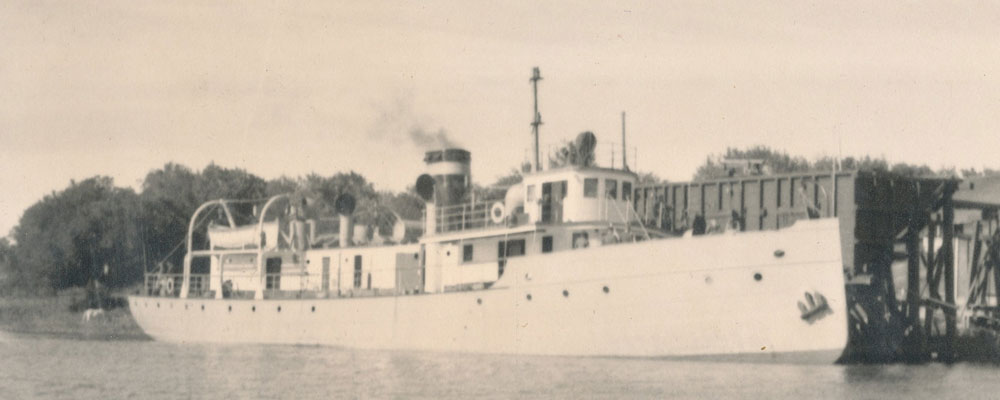
Ice cutting for flood prevention became a federal government managed job and as time progressed, technology and heavy machinery were the preferred tools for breaking up the ice. An early example of this is the C.G.S. Bradbury, a boat built in 1915 and serviced as an ice breaker.
During the winter, water crafts could be stored in the Selkirk Slough a harbour safe from Red River spring ice break ups. Selkirk had two sloughs, one near the Selkirk Waterfront and the other opposite Selkirk Park at Colville Landing.
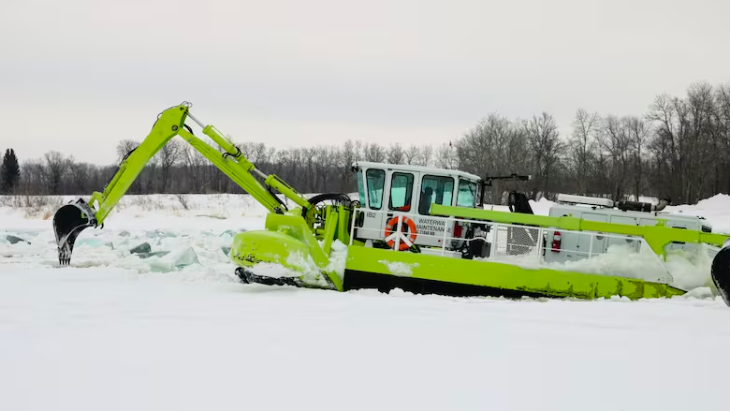
In 2006, the Province of Manitoba announced the Manitoba ice-cutting program a provincial initiative introducing mechanized ice mitigation techniques with remote controlled ice-cutting unites and three Amphibex icebreakers, no longer requiring direct and manual human labour. The modern machines are able to cut and break 28-kilometres of ice on the Red River from Netley Marsh to Selkirk in widths of 100-metres from mid-February to April, with an objective of limiting overland flooding in the spring by maintaining river flow.
Sources
Barbour, Alexander, A Brief History of the Manitoba Fisheries, Manitoba Historical Society
C.G.S. Bradbury, Marine Museum of Manitoba
The Ice Cuter, The French Canadian Genealogist
Lindenschmidt, K-E, Sydor, M, Carson, R, Harrison, R, et al., Ice Jam Modelling of the Lower Red River
Manitoba Launches Annual Ice-Cutting Program to Prevent Flooding, News4.ca
Selkirk Regional Heritage Group, Selkirk & Area Heritage Tour