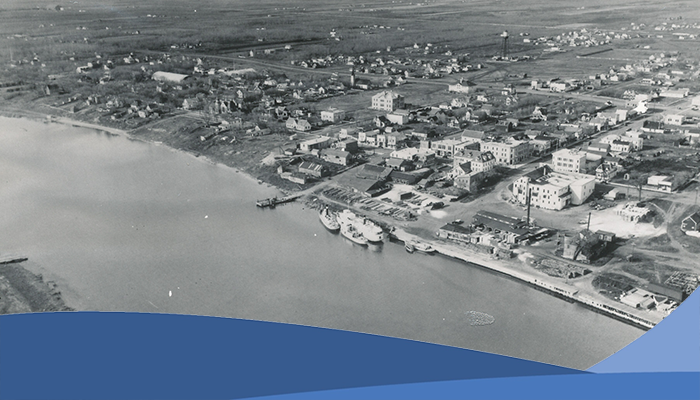
The book Selkirk’s 75th Anniversary contains detailed descriptions of Selkirk’s inception as a town. The history includes key contributors to the town, key shops and buildings, and key developments that took Selkirk from the town to the city it is today. But what about the memorable characters who were driving forces behind building Selkirk into the attractive site it had become?
The area now known as Selkirk was well-travelled and inhabited by fur traders, travellers, and Indigenous peoples. The first memorable character for Selkirk is Peter Fidler. He was a Fur trader and surveyor, born in Bolsover, Derbyshire, England on August 26th, 1769. He joined the Hudson’s Bay Company in 1788, he advanced in the HBC very quickly due to his education. He apprenticed under Philip Turnor who had taught Peter surveying and astronomy. He worked with both NWC and HBC as a surveyor providing both companies with much-needed information about different regions. In 1810 Peter applied for furlough in England but soon returned to the Red River Settlement in 1812. Peter Fidler kept a very detailed journal of his travels all over the Red River Settlement, the weather and the climate of the different areas that he surveyed.
1816 was an eventful year for Peter Fidler, He travelled to Brandon House with a group of settlers who were met by Colin Robertson. That same year Brandon House was part of an attack from Metis people who partook in the Pemmican War which would lead to the Battle of Seven Oaks. In early 1817, Thomas Douglas worked to re-establish the Red River Settlement by negotiating with five local Indigenous leaders to establish the Selkirk-Peguis Treaty. Peter Fidler had been able to be a witness to the signing of the Selkirk-Peguis Treaty and wrote about significant events of the Red River Settlement in the journal of Brandon House between 1817 and 1818.
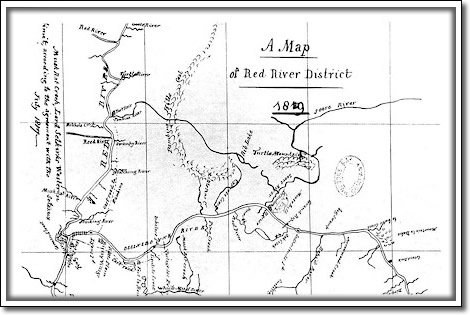
July 3rd of 1817, Peter Fidler took some of the new settlers on a journey south to Fort Douglas. Though Peter Fidler didn’t live in what is now Selkirk, he did map out the area in which Selkirk is found today. Peter Fidler played a fundamental role in the development of the Red River Settlement his surveying of the boundaries of the settlement allowed for the layout of Selkirk in its foundations, specifically his surveying of the Kings Highway which would later become Eveline Street.
The next memorable figure in Selkirk’s History is Roderick Smith. Roderick was born in Ross-shire Scotland on July 1st, 1850. He began his employment with the Hudson’s Bay Company as a boat builder at Norway House, He would remain employed at Norway House for 13 years. Between 1881 and 1885 Roderick operated steamboats on the Saskatchewan River, he would eventually serve on the Northcote a steamship in operation during the Northwest Resistance in 1885.
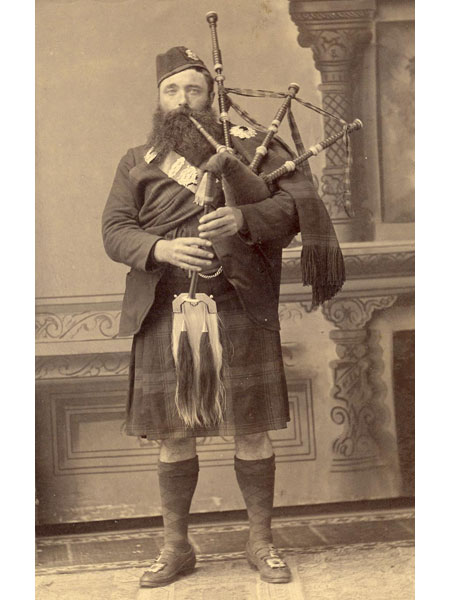
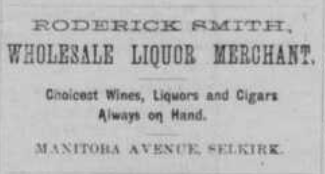
Roderick Smith would move to Selkirk, and he co-owned the steamboat the Mikado with John Morrison and held some interest in the Wolverine which allowed Roderick to work in the Fishing industry in Selkirk for 30 years. Roderick would also take up working in the Wholesale liquor market as a merchant, He had a shop on Manitoba Avenue where he sold the finest wines, liquors and cigars. On September 11th, 1925, Roderick Smith passed away in Selkirk.
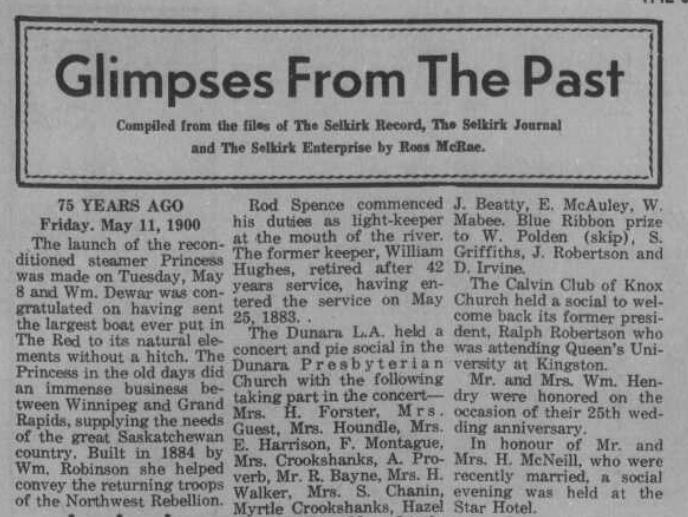
The last memorable character from Selkirk’s past is Captain William Hughes. William J. Hughes was born in St. Johns New Brunswick in 1853. As a young man William would travel and serve on many different ships around the world. He would leave New Brunswick and travel to Fort Garry remaining there for some time before heading back out to sea. Upon his return to Manitoba, he headed straight for Selkirk, a talked-about Metropolis. While in Selkirk, William would work on a few different ships including the Princess which transported immigrants to Grand Rapids. William came back to the Mouth of the Red River where he would take over being the Lighthouse keeper for the Red River Lighthouse. William Hughes took over the maintenance and care of the lighthouse in 1883 after Joseph Monkman.
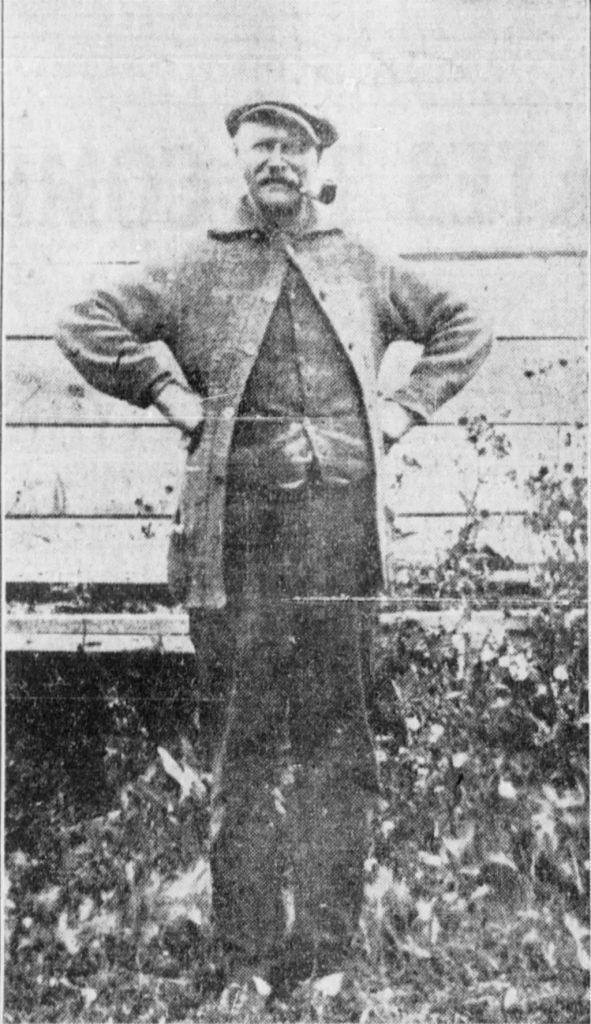
William Hughes would keep this job for 42 years until his retirement in 1924. Shortly after William retired, he was rewarded for his years of dedicated service. The Lieutenant Governor of Manitoba James Aikins would award William the Imperial Service Medal. William Hughes would go on to retire to a small farm on the outskirts of Selkirk located close to the Red River.
These three men contributed to the early developmental days of Selkirk as it is today. All cover different areas of Selkirk’s history from before Selkirk existed as a town, to a sailor turned merchant and finally to a sailor turned lighthouse keeper. All equally as important as the more well-known contributors to Selkirk’s past.
Sources
Manitoba Historical Society- Selkirk’s 75th Anniversary
Manitoba Historical Society- Memorable Manitobans: Peter Fidler (1769-1822)
Manitoba Historical Society- Memorable Manitobans: Roderick Smith (1850-1925)
Lighthouse Friends- Red River Lighthouse
Selkirk Record and Fishing Gazette, August 21, 1896
Winnipeg Tribune, August 17, 1925
Winnipeg Free Press, September 1, 1948