The La Vérendrye Trail is a series of highways that commemorate the oldest waterways in the province of Manitoba, The Red River and the Winnipeg River, as well as to commemorate the French-Canadian explorer who created the route. The La Vérendrye Trail follows the Red and Winnipeg Rivers. The La Vérendrye trail goes through the rural municipalities of Alexander, East St. Paul, Lac Du Bonnet, Reynolds, St. Clements, Whitemouth, Lockport, East Selkirk, seven sisters Falls and Powerview-Pine Falls. The La Vérendrye Trail also passes through Brokenhead Ojibway First Nation and Sagkeeng First Nation, with the easternmost part of the trail in Whiteshell Provincial Park.
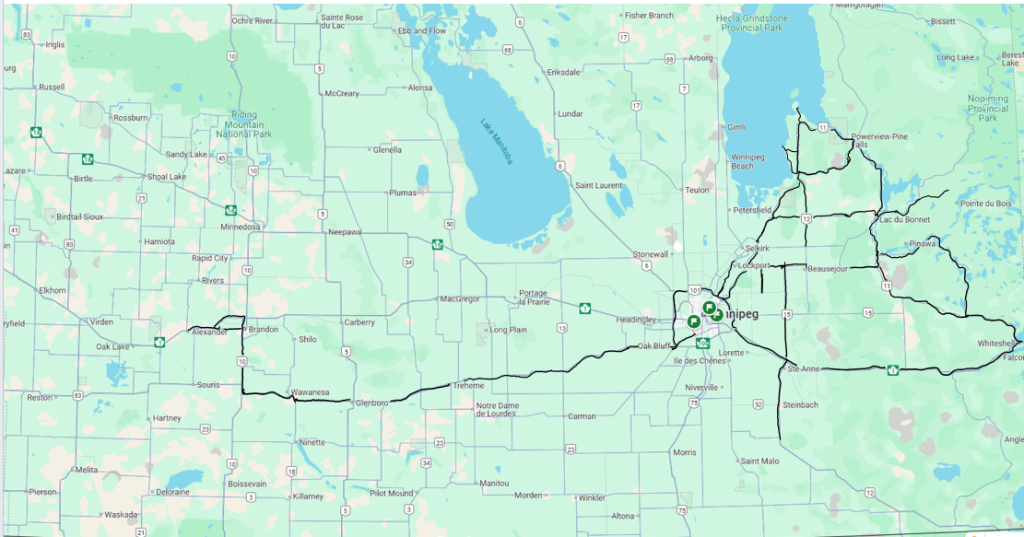
The La Vérendrye trail on the west end starts at Provincial Trunk Highway 101 near Winnipeg Manitoba. It continues to Provincial Trunk Highway/ Trans-Canada Highway 1 near West Hawk Lake on the eastern end as the main junctions of the route. The component highways are Provincial Trunk Highways 11, 44, 59, as well as Provincial Roads 204, 212, 307, and 508.
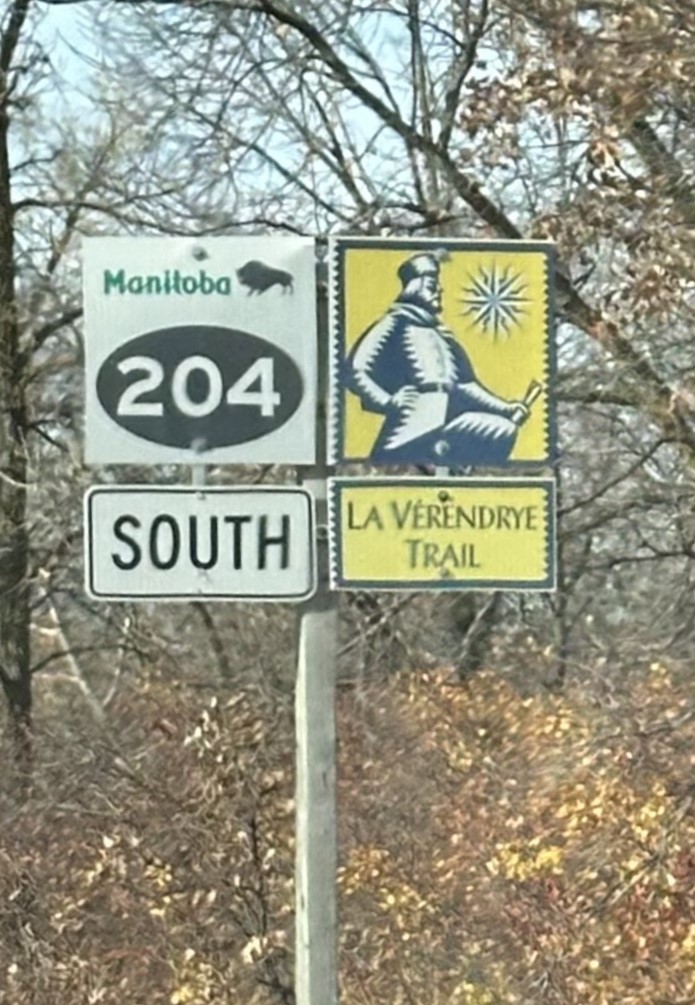
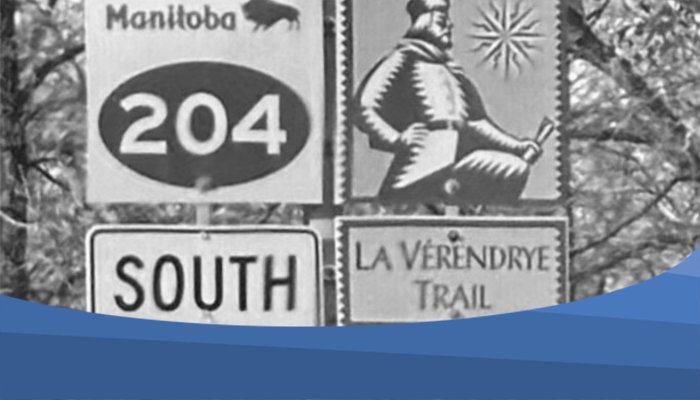
The next time you travel down any route of the La Vérendrye trail, watch for these signs! The yellow La Vérendrye Trail signs next to the route signs highlight your adventure on the La Vérendrye Trail!
Who is this Trail Named For?
Pierre Gaultier de Varennes, sieur de La Vérendrye was born on November 17th, 1685, he was born near the Trois-Rivieres in New France (now Quebec). Pierre Gaultier de Varennes was a French-Canadian military officer, fur trader and explorer. He worked to build trade posts that stretched from Lake Superior to Lake Winnipeg to promote the fur trade while simultaneously collecting information from the First Nations peoples in the area. La Vérendrye’s motivation to travel was the ever-growing fur trade and expansion of the French trade into Western Canada.
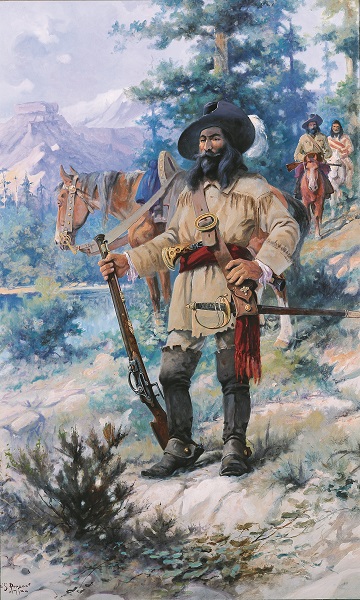
It would take La Vérendrye 6 years to get from Lake Superior to Lake Winnipeg. In September of 1738, La Vérendrye reached the mouth of the Assiniboine River and had passed through Fort Rouge into what would become Winnipeg, Manitoba. When La Vérendrye would run out of resources from his travels, he would travel to Fort La Reine, this fort was built in early October of 1738. Fort La Reine would later become known as Portage La Prairie Manitoba. Pierre Gaultier de Varennes, sieur de La Vérendrye passed away in 1749, but his dreams lived on. During 1762-1763 the trade routes that La Vérendrye worked on would continue to expand in Manitoba focusing mainly on Lake Winnipeg and Lake Manitoba. Pierre Gaultier de Varennes, sieur de La Vérendrye is often credited to be the first European explorer to visit and explore Southern Manitoba.
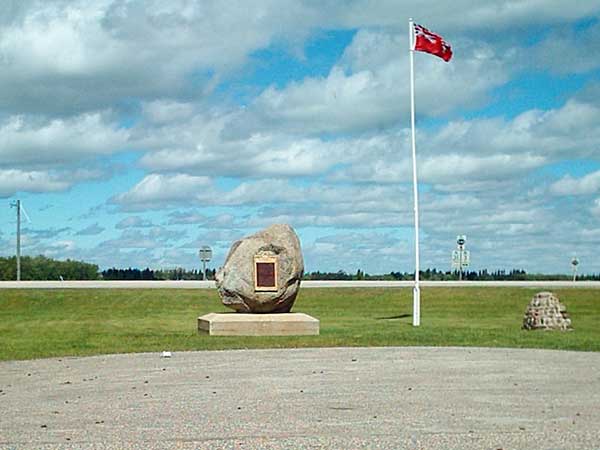
Pierre Gaultier de Varennes, sieur de La Vérendrye is commemorated by the La Vérendrye Trail and a monument was erected in 1946 by the Historic Sites and Monuments Board of Canada. This monument is situated in the municipality of Pembina, which is located along Highway 3 between Manitou and Morden.
More than 200 years ago La Vérendrye was in what is now known as Selkirk when he chose a spot to build a fort in 1738. This site was at Dynevor which is approximately 3 miles north of where Selkirk currently sits and approximately 6 leagues from the mouth of the Red River. La Vérendrye and his companions Forrest Oakes and Charles Boyer built a small fort before La Vérendrye’s death, his partners ensured that the fort was active in trading operations between 1766 and 1768.
La Vérendrye and his sons’ early explorations of Ontario, Manitoba and the central US, make him one of the most important of North American explorers. Many of the fur trade forts they built and the routes they mapped almost 300 years ago have become significant economic centres and arteries of modern Canada and the US.
Sources
La Verendrye’s Trail Monument, Manitoba Historical Society
Colonizing the West, Red River North Heritage
Pierre Gaultier de Varennes, sieur de La Verendrye, Wikipedia
La Verendrye, Manitoba Historical Society
Selkirk’s 75th Anniversary