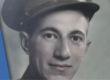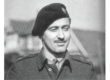

Harry Oliver was born in Selkirk in 1898, while growing up he taught himself hockey on the Red River. He went from playing for the Selkirk Fishermen in 1917 to playing for the Boston Bruins in 1927. After retiring in 1937, he returned to Selkirk, leaving a legacy as one of the town’s most celebrated athletes.
Harry Oliver was born in Selkirk on October 26th, 1898. He taught himself hockey on the frozen Red River and other ponds near Selkirk. Harry said, “When I was a kid, there was no organized hockey. We just went out and played, sometimes on an outdoor rink, but mostly on the river.”
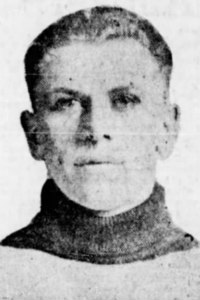
Harry began to play for the Selkirk Fishermen in 1917. He played both junior and senior minor hockey for the team. While Harry was with the Fishermen, they won the Manitoba Senior Hockey League in 1919.
Going Professional
Harry moved from Selkirk to Calgary in 1920 to pursue a professional career in hockey. He played for one season with the Calgary Canadians who were part of the independent Big-4 League. Then he moved to the Calgary Tigers who were part of the new Western Canada Hockey League. He played with the Tigers until 1926.
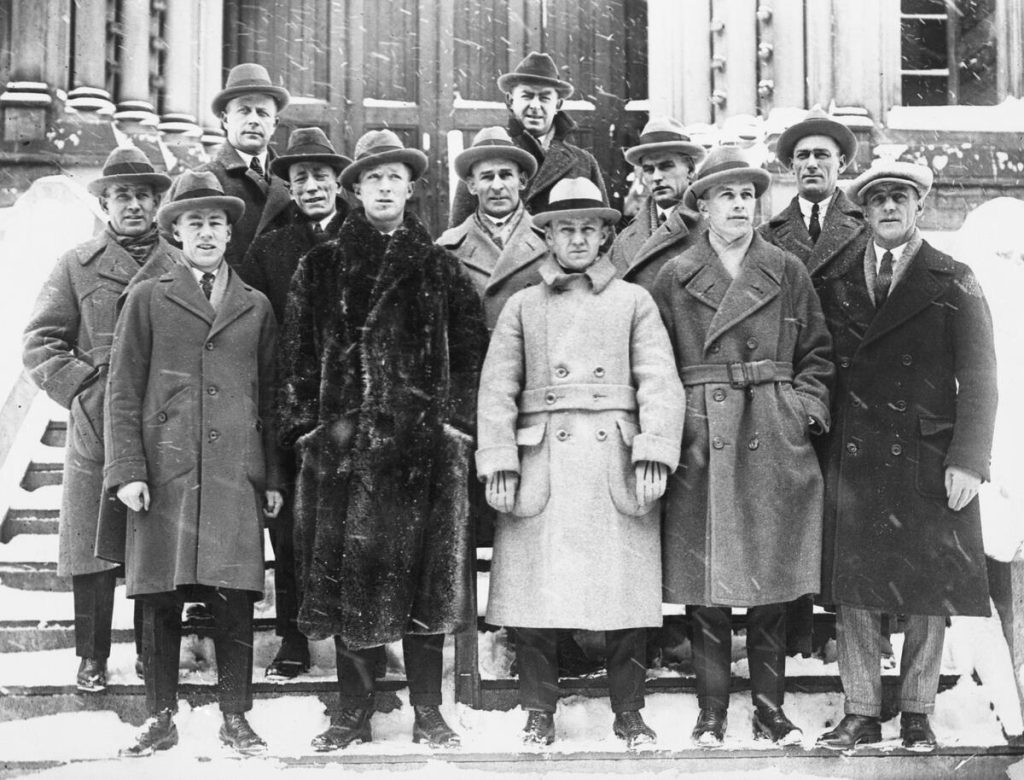
Harry was a key player in the Tigers’ winning the 1923-1924 Western Canada Hockey League championship. In March 1924, the team played against the Montreal Canadiens for the Stanley Cup, but unfortunately lost.
Harry was one of the lightest players in the Western Canada Hockey League. It was said that he had the speed and grace of a thoroughbred horse. He was selected for the first Western Canada Hockey League All-Star team in 1924 and 1925.
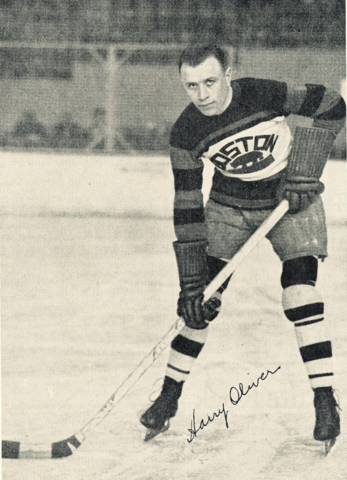
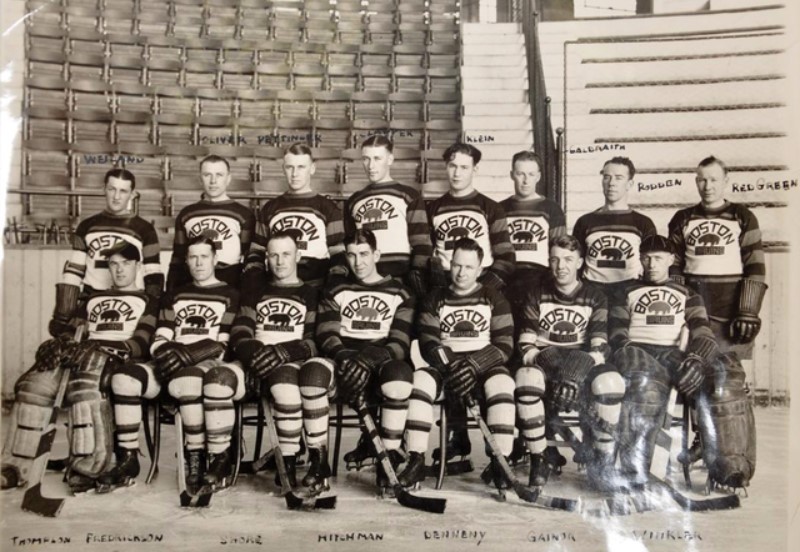
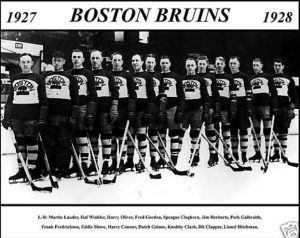
When the Western Canada Hockey League dissolved in 1926, Harry’s rights were bought by a National Hockey League team – the Boston Bruins. This was a relatively new team and Harry joined as a forward in the club’s third year. On January 11th, 1927, he scored four goals in a game against Chicago, making him the first Bruin to score that much in a game. He finished among the teams top five scorers for his first seven years with the Bruins. He was also the first player to make 100 goals as a Bruin.
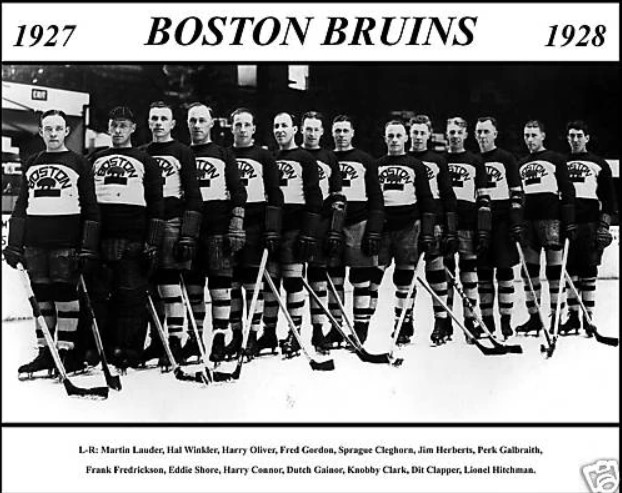
The Boston Bruins played in the Stanley Cup in 1929 and won. Again the next year, Harry and the Bruins played in the Stanley Cup, but did not win that season. Harry played for the team for eight years.
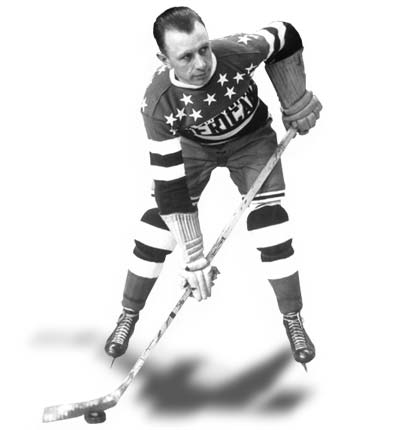
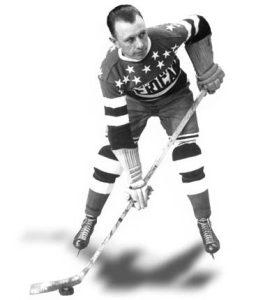
In 1934 the Bruins sold Harry’s rights to another NHL team, the New York Americans (a team that no longer exists). Harry played as a right winger with New York for three seasons.
Life After Hockey
On January 13th, 1937, a newspaper in Montreal, reported that Harry was resting in a hospital after an operation. He had influenza and needed a mastoid operation to help him recover. It was thought the operation would keep him off the ice for the rest of the season. In the end he had to retire from hockey in 1937 due to this medical issue.
After retiring, Harry returned to Selkirk. He opened an electrician shop in Selkirk in 1937 at the corner of Main Street and Manitoba Avenue. Eventually, he moved to Winnipeg and worked for the Weights and Measures Department of the Canadian Government. Harry Oliver died on June 16th, 1985.
The small 5’8’’, 155-pound player was known for his stick handling and shooting. Harry was gentlemanly on and off the ice. During his entire career, Harry never spent more than 24 minutes in the penalty box during a season.
Harry played nearly 600 games during his 16-season professional career, including 464 NHL games. He scored 218 goals and 144 assists. He was inducted into the Hockey Hall of Fame in 1967 and is an honoured member of the Manitoba Hockey Hall of Fame. To celebrate the Boston Bruins centenary, he was named one of the team’s 100 greatest players in 2023.
Harry Oliver Collection
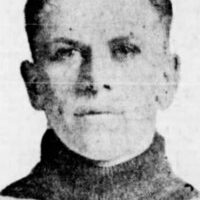 Harry Oliver in Selkirk Fishermen Uniform, February 20 1923, The Winnipeg Tribune
Sources
Bruins Announce “Historic 100” Ahead of All-Centennial Team Reveal | Boston Bruins
Greatest Hockey Legends.com: Harry Oliver
Hockey Hall of Fame (HHOF) Honoured Members – Player Inductee – Harry Oliver
Oliver, Harry | Manitoba Hockey Hall of Fame (mbhockeyheritageday.ca)
Selkirk Enterprise, Oct 18, 1972, p. 11 | NewspaperArchive
Selkirk Enterprise, Jul 19, 1967, p. 1 | NewspaperArchive
Medicine Hat Daily News, March 26th 1924