
Photo of the lumber yard that used to be on Superior Avenue in the 1900s.

Superior Avenue

Pointing directly toward the Great Lakes, Superior Avenue was born from Selkirk’s absolute certainty that it was destined to become the “Chicago of the North.” This exhibit explores the wild 1870s land boom when speculators watched property prices skyrocket, betting everything on a Transcontinental Railway bridge that would instead cross the Red River elsewhere and change Manitoba’s history forever.


A headshot of Thomas Lafayette Rosser

Rosser Avenue

He was a former Confederate General, a roommate to George Custer, and a notoriously corrupt railway engineer. This exhibit uncovers the scandalous history of Thomas Lafayette Rosser, the man who defied Canadian Pacific Railway policy to give Selkirk its coveted branch line—lining his own pockets and saving the town from economic ruin just months before he was fired

Picture of a busy Robinson Avenue from the 1990s. The road is occupied by a truck moving materials, people walking and biking.

Robinson Avenue

From commanding a vast shipping empire that employed thousands to orchestrating the recruitment of the historic “Nile Boatmen,” Captain William Robinson was one of Selkirk’s greatest heroes. This exhibit explores his incredible life as a pioneer merchant, wartime patriot, and the town’s first great benefactor who helped build Selkirk’s foundational infrastructure.

This is a picture of Queen Victoria. She is wearing a gold gown and a red and silver crown. She is pale with brown hair that is short.

Queen Avenue

Named to honor the “Mother of the Empire,” Queen Avenue speaks to the immense admiration Selkirk residents held for Queen Victoria. This exhibit reveals how a prestigious street address was used to entice early buyers, and how land originally reserved for the main Transcontinental Railway line transformed into a vital shipping corridor that powered Selkirk’s booming waterfront industries.

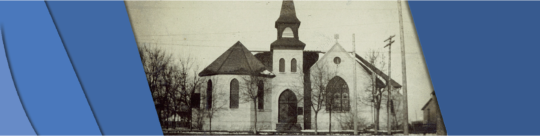
Photo of Knox Presbyterian Church. Made with bricks and high peaking A-Frame roofs.

McLean Avenue

Originally named to persuade a local landowner to sell his property, McLean Avenue quickly evolved into Selkirk’s “Church Street.” This exhibit explores the avenue’s spiritual and social history—from the grand architectural treasures built by early congregations to the historic cable ferry whose colorful operators kept the town connected across the Red River.

This is a black and white photo of a street with tall building on either side.

Manitoba Avenue

Named during an era of pure optimism for Canada’s expanding west, Manitoba Avenue evolved from a wide, muddy trail of “boomtown” storefronts into Selkirk’s premier commercial hub. This exhibit explores the avenue’s vibrant history—from the draining of the Big Bog that sparked a farming boom, to its legendary tolerance for moonshine, wild saloon brawls, and a devastating town fire.

This is a black and white photo of Eveline street with tall buildings on either side from the early 1900s.

Eveline Street

What began in 1875 as a muddy trail behind a busy waterfront quickly transformed into Selkirk’s premier commercial hub. This exhibit follows the evolution of Eveline Street—from its wild days as a bustling tent city of railway gangs and timber workers, to a distinguished district boasting grand brick storefronts and the West’s very first rural electric street railway.

This is a black and white photo of Devonshire School in 1919. it is a tall two story building with windows along each floor. in front of it is an empty field, and there are buildings to its left.

Eaton Avenue

From the failed farming dreams of Timothy Eaton’s nephews to a persistent town councilman who helped shape Selkirk’s early infrastructure, Eaton Avenue is packed with history. This exhibit explores the street’s evolution, featuring a secretive Masonic Hall, a citizen-funded Carnegie library, and the iconic “Blue Bridge” where an act of civil disobedience made local history.

This is a black and white photo of Lady Dufferin. She has her hair done up and is wearing a fancy button up dress, coat, and bow.

Dufferin Avenue

Named after Canada’s third Governor-General, Dufferin Avenue recalls a grand 1877 vice-regal visit that convinced early residents Selkirk was destined for greatness. This exhibit explores how a frontier crossing preparing for a railway boom transformed into a community of profound loyalty—later exemplified by the legendary “Dufferin Gang” of World War II.